
Review Article 
 Creative Commons, CC-BY
Fifteen Tips for Adapting Personalised Blended Learning : A Change Management Educational Strategy in Health Professions Education (HPE)
*Corresponding author: Vasudeva Rao Avupati, Department of Pharmaceutical Chemistry, E-Learning Lead, School of Pharmacy, IMU University, Malaysia.
Received: October 16, 2024; Published: October 22, 2024
DOI: 10.34297/AJBSR.2024.24.003205
Abstract
Personalised blended learning, is a method of teaching that combines traditional classroom instruction with online and digital learning resources, tailored to each student’s needs and learning preferences. It has become a popular method for preparing students for careers in the Health Professions Education (HPE) for the complex and constantly changing healthcare needs. It involves creating individualized learning plans for each student, tailored to their knowledge, skills, and learning preferences. These plans may include a mix of traditional classroom instruction, online modules, virtual simulations, and clinical experiences. Personalised blended learning also emphasizes the importance of collaboration and communication between students and instructors, through the use of online discussion forums, social media, and other digital communication tools. Overall, personalised blended learning in HPE holds great promise for improving the quality and effectiveness of healthcare education, ultimately leading to better patient outcomes. Hence, in this paper we presented an evidence-based discussion to adapt personalised blended learning at HPE institutions as a change management strategy.
Keywords: Personalised blended learning; Blended learning; Personalised learning; Change management; Health Profession Education (HPE)
Introduction
Personalized learning is a way to teach that combines different ways of teaching to meet the unique needs of each learner [1]. Personalised learning becoming increasingly popular in health professions education, with adaptive learning technologies, competency-based education, and learner-centered instruction being used [2]. Studies have shown that personalised learning techniques enhance academic performance, competency-based training enhances clinical competence, and learner-centered instruction boosts motivation, engagement, and learning outcomes [3]. Blended learning is a method that combines traditional face-to-face and online communication [4]. This is a promising strategy for integrating personalised learning into health professions education [5].
Tip 1: Create a definite working direction
Start with an aim to create a personalised blended learning environment for students and faculty in Health Professions Education (HPE) institutions. Design objectives specific to interrelated domains in an academic setting. Such as learner, teacher and institution-driven objectives examples, Learner-driven objective: To use a blended learning model to support students’ personalised learning needs. Teacher-driven objective: To upskill the digital competencies of health professions educators. Institution-driven objective: To create a flexible learning environment that promotes personalised learning (Figure 1).
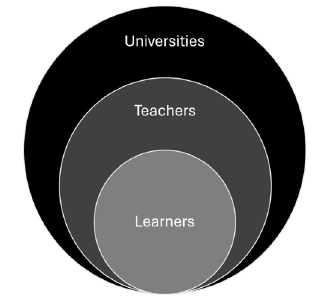
Figure 1: Interrelated domains of objectives.
Tip 2: Review the possible challenges
Personalized learning implementation is challenged by a variety of barriers that decrease its efficacy. The first difficulty is the lack of accessibility to technology, which is more common in low-and middle-income nations [6]. Many academics has lacking the skills related to the use of digital technologies and do not have the appropriate technical training and are unfamiliar with the practise of personalising learning strategies, which causes resistance to change [7]. The most important challenges are that there is a lack of assessment strategies and resources for personalised learning [8], it is a challenge to integrate personalised learning with curriculum standards [9], meeting the needs of students with special needs [10].
Tip 3: Aim for specific opportunities
Personalised blended learning increases student engagement improves access to education [11], to meet individual needs [12], and increases flexibility in adaptive and adoptive technologies for personalised blended learning [13].
Tip 4: Evaluate all approaches and choose the right strategy
Blended learning is an effective approach in medical education that can enhance students’ personalised learning experiences [14]. To implement it, strategies include conducting a needs analysis and assessment, creating a dedicated team, providing professional development opportunities, offering technical support, and using learning analytics [15]. It is also important to help students who need more help with online learning, encourage student-to-student collaboration, use multimedia resources, and create adaptive assessments that align with learning goals [16].
Tip 5: Adapt suitable principles to adapt to changing circumstances
Education 4.0 principle is a smart blended learning process that uses information and communication technolo elements from different disciplines such as Artificial Intelligence (AI), multimodal learning analytics, and electronic technology [17]. Blended learning is a method of teaching that uses both in-person and online lessons to help students learn more [18]. Personalized blended learning takes this approach a step further by tailoring the learning experience to the individual needs, preferences, and learning styles of individual learners [19]. It promotes student-centeredness [20] and encourages learner autonomy [21], interactivity [22], personal support [23] and guidance [15], accessibility [24], collaboration [25], and active learning techniques [26].
Tip 6: Establish a governance framework
To ensure successful implementation, a governance framework should be established that provides guidance and oversight for the development and implementation of these programmes [27]. These recommendations include establishing a governance structure, project management, communication and involvement, flexibility and adaptability, risk management, monitoring and evaluating, alignment with accreditation and regulatory requirements, continuous improvement, faculty development and intellectual property rights, and faculty development and intellectual property rights [28]. The governance framework should involve stakeholders, manage risks, monitor, and evaluate the programme, encourage innovation and experimentation, and be in line with ethical principles and rules for using technology in education [29]. The guidelines provided by the APA references can help institutions establish a comprehensive and effective framework that aligns with their strategic objectives, meets regulatory requirements, and ensures all stakeholders are engaged and supported [30].
Tip 7: Develop a communications framework
Effective communication is essential for successful implementation of personalised blended learning in medical education [31]. To achieve this, it is recommended to develop a clear communication plan with a timeline and milestones [32], use multiple channels of communication [33], provide regular updates [32], use a change management tool [34], and provide training for all staff involved [16].
Tip 8: Assess the change readiness of the organization
A change readiness framework is needed to facilitate the adoption of personalised blended learning in medical education [35]. recommend conducting a stakeholder analysis [35], Kotter (1995) suggests creating a sense of urgency [36], Prosci (2019) suggests having clear goals and objectives [37], Cummings and Worley (2015) emphasises ensuring that the change initiative is aligned with the organisation’s mission and values [38,39] suggests providing regular progress updates [39], establishing a culture of continuous improvement [40], developing a clear and concise change vision, utilising change agents to encourage adoption, and creating a supportive and inclusive learning environment [41].
Tip 9: Prepare strategies to build capacity
Capacity building requires a comprehensive approach that takes into account the professional development and training needs of faculty and staff, as well as the creation of policies and procedures to guide the implementation of blended learning initiatives [42]. Collaboration between staff and faculty is also important for the success of blended learning [43]. Continuous learning and improvement are also important for successful implementation [44].
Tip 10: Plan technical training for all stake holders
Technical training is essential for healthcare professionals (students and teachers) to adapt to individualised blended learning, which combines in-person instruction with online and mobile learning [45]. Health professions education programmes should use online tutorials, webinars, and other self-paced learning resources to provide students with individualised coaching and mentoring [46]. Technical training is a crucial part of individualised blended learning in the education of health professionals [47].
Tip 11: Prepare for implementation
Watkins et al. (2016) suggest establishing a leadership team to oversee the implementation of personalised blended learning and a plan for providing technical support to faculty and students. Various change management models that can be adapted for implementing personalised blended learning in a medical university academic program [48,49] such as ADKAR change management model [50], Kotter’s change management model [51], Lewin’s change management model [52], and McKinsey 7-S change management model [53], Kubler-Ross model [54], Bridges Transition Model [55], PDCA Model [56] are all frameworks that can be used to adapt a personalised blended learning model in a medical university. Several studies have endorsed the above strategies as implementation plans for personalised blended learning in medical education [57].
Tip 12: Design a reinforcement plan
Provide ongoing training and professional development opportunities for faculty and staff to ensure they have the skills and knowledge to effectively implement personalised blended learning in medical education [58], creating a community of practice to share best practices [59], conducting regular assessments of the effectiveness of personalised blended learning implementation [60], ensuring the technology used is reliable and user-friendly [61], engaging students in the implementation process [62], providing access to resources and support [61], providing ongoing communication and updates about the implementation of personalised blended learning [60], and conducting regular evaluations of the impact of personalised blended learning on student learning outcomes [63].
Tip 13: Find appropriate risk mitigation strategies
Several risk mitigation strategies [64], according to the literature [65], can be implemented to adapt personalised blended learning in medical education. These include provide adequate technical [66], develop a plan for data backup [67], ensure compatibility [68], develop a plan for data retention [69], conduct regular risk assessments [70], provide training on privacy and security [71], update policies and guidelines [57].
Tip 14: Integrate all actions into a blueprint
A comprehensive blueprint involves various elements, including defining the scope and objectives, conducting a needs assessment, developing an implementation plan, establishing a governance structure, creating a communication plan, building capacity and readiness for change, implementing the approach in phases, monitoring, and evaluating the process, reinforcing the change, and continuously refining and improving the approach [34,72,73].
Tip 15: Build a system for ongoing quality assessment and improvement
The evaluation plan for personalised blended learning in medical education should include an assessment of student engagement in online and offline activities [74], analysis of learner interactions in online and offline environments [75], effectiveness of various teaching methods and pedagogies in blended learning [76], identification of the impact of blended learning on the learning environment [77], and surveys and interviews to gather feedback from students and faculty on their perceptions of the learning environment and the impact of blended learning [78]. The fifteen tips were developed based on the above evidence-based literature, and critical review discussion on all contributing elements to the personalised blended learning create a conceptual framework including all the elements of the personalised blended learning. In this paper, we have provided an evidence-based conceptual framework model for adapting personalised blended learning in HPE institutions and the evolved template is shown in the (Figure 2). Following is a scenario created for easy understanding of the mechanism of change management [79-124].
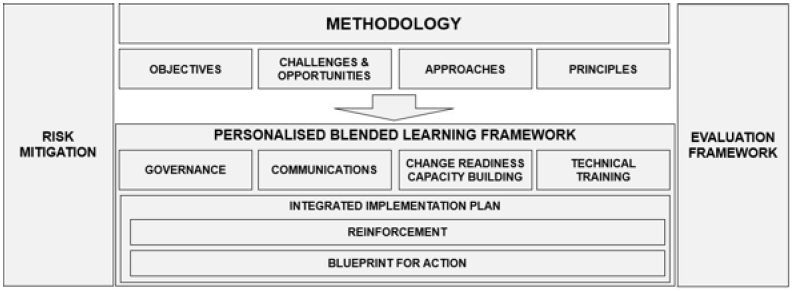
Figure 2: Conceptual Framework of Personalised Blended Learning.
Summary
In summary, personalised blended learning is an effective change management strategy that can improve the overall effectiveness of learning. It requires careful planning and coordination, including the training of teachers and instructors, the availability of technology, and a cultural shift towards a more flexible and personalised approach. By customising instruction to each learner’s needs, personalised blended learning can enhance the training of health professionals and result in greater student engagement, motivation, and retention. It has several benefits, such as flexibility, increased engagement, and improved learning outcomes. In this assignment, I discussed the change management strategy for integrating blended learning technologies as part of the institution’s plans for digital transformation. The evidence-based discussion of this report helps to plan the implementation of a personalised blended learning framework for health professions education programmes in an academic setting. The elements of the conceptual framework and impact on pre- and post-change are well justified in this report.
Acknowledgement
None.
Conflict of Interest
No conflict of interest declared by the authors.
References
- Grant P, Basye D (2014) Personalized learning: A guide for engaging students with technology. International Society for Technology in Education.
- Khanna P, Roberts C, Lane A S (2021) Designing health professional education curricula using systems thinking perspectives. BMC Medical Education 21: 1-8.
- Challis M (2000) AMEE medical education guide no. 19: Personal learning plans. Medical Teacher 22(3): 225-236.
- Watson J (2008) Blended Learning: The Convergence of Online and Face-to-Face Education. Promising Practices in Online Learning. North American Council for Online Learning.
- Béres I, Magyar T, Turcsányi Szabó M (2012) Towards a personalised, learning style based collaborative blended learning model with individual assessment. Informatics in Education 11(1): 1-28.
- Frehywot S, Vovides Y, Talib Z, Mikhail N, Ross H, et al. (2013) E-learning in medical education in resource constrained low-and middle-income countries. Human Resources for Health 11(4): 1-15.
- Blin F, Munro M (2008) Why hasn’t technology disrupted academics’ teaching practices? Understanding resistance to change through the lens of activity theory. Computers Education: 50(2): 475-490.
- Reimers F M, Chung C K (2019) Teaching and learning for the twenty-first century: Educational goals, policies, and curricula from six nations. Harvard Education Press.
- Pardo A, Siemens G (2014) Ethical and privacy principles for learning analytics. British Journal of Educational Technology, 45(3): 438-450.
- Nganji J T (2012) Designing disability-aware e-learning systems: Disabled students’ recommendations. International Journal of Advanced Science and Technology 48(6): 1-70.
- Bernacki ML, Greene MJ, Lobczowski NG (2021) A systematic review of research on personalized learning: Personalized by whom, to what, how, and for what purpose (s). Educational Psychology Review 33(2): 1-41.
- Miliband D (2006) Choice and voice in personalised learning. Schooling for Tomorrow. Personalising Education 21-30.
- Nganji J T (2018) Towards learner-constructed e-learning environments for effective personal learning experiences. Behaviour & Information Technology 37(7): 647-657.
- Albarrak AI (2011) E-learning in medical education and blended learning approach. Learning 13: 14-20.
- Rossett A, Frazee R V (2006) Blended learning opportunities. AMA Real Estate: AMA Special Report 1-27.
- Baldwin Evans K (2006) Key steps to implementing a successful blended learning strategy. Industrial and Commercial Training 38(3): 156-163.
- Dias SB, Bidarra J (2020) A/B/C-teach framework: The application of AI in blended learning. The Envisioning Report for Empowering Universities: 22-24.
- Ramakrisnan P, Yahya YB, Hasrol MNH, Aziz AA (2012) Blended learning: A suitable framework for e-learning in higher education. Procedia-Social and Behavioral Sciences 67: 513-526.
- Dangwal KL (2017) Blended learning: An innovative approach. Universal Journal of Educational Research 5(1): 129-136.
- Holley D, Oliver M (2010) Student engagement and blended learning: Portraits of risk. Computers Education 54(3): 693-700.
- Gede Sudirtha I, Wayan Widiana I, Setemen K, Sukerti NW, Widiartini NK, et al. (2022) The Impact of Blended Learning Assisted with Self-Assessment toward Learner Autonomy and Creative Thinking Skills. International Journal of Emerging Technologies in Learning: 17(6).
- Alkhatib OJ (2018) An interactive and blended learning model for engineering education. Journal of Computers in Education 5(1): 19-48.
- Hughes G (2007) Using blended learning to increase learner support and improve retention. Teaching in Higher Education 12(3): 349-363.
- Mayisela T (2013) The potential use of mobile technology: Enhancing accessibility and communication in a blended learning course. South African Journal of Education 33(1): 1-18.
- Ellis RA, Pardo A, Han F (2016) Quality in blended learning environments–Significant differences in how students approach learning collaborations. Computers Education 102: 90-102.
- Cummings C, Mason D, Shelton K, Baur K (2017) Active learning strategies for online and blended learning environments. In Flipped instruction: Breakthroughs in research and practice: 88-114.
- Tondeur J, Pynoo B, Thys A, Janssens J (2018) Blended Learning and Teacher education: From instrument to governance. ATEE Winter Conference: Technology and Innovative Learning.
- Pynoo B, Tondeur J, Thys A, Janssens J (2018) Towards governance for blended learning in pre-service training. INTED2018 Proceedings 7166-7173.
- Ciabocchi E, Ginsberg A, Picciano A (2016) A Study of Faculty Governance Leaders’ Perceptions of Online and Blended Learning. Online Learning 20(3): 52-73.
- Galvis ÁH (2018) Supporting decision-making processes on blended learning in higher education: Literature and good practices review. International Journal of Educational Technology in Higher Education 15(1): 1-38.
- Dziuban C, Graham CR, Moskal PD, Norberg A, Sicilia N, et al. (2018) Blended learning: The new normal and emerging technologies. International Journal of Educational Technology in Higher Education 15: 1-16.
- Bailey J, Martin N, Schneider C, Vander Ark T, Duty L, et al. (2013) Blended learning implementation guide 2.0. Digital Shift: 2.
- Moore D M M, Burton J K, Myers R J (2004) Multiple-Channel Communication: The Theoretical and Research Foundations of Multimedia.
- Bordoni MG, Baum A, García G, Moriñigo P, Luna DR, et al. (2019) Change Management in Healthcare Organizations: Soft Skills Training Strategies Through Blended Learning Environments. MedInfo 264: 1999-2000.
- Marsick V J, Watkins K (2015) Approaches to studying learning in the workplace. In Learning in the workplace (pp. 171-198). Routledge.
- Kotter J P (2008) A sense of urgency. Harvard Business Press.
- Suganthalakshmi T, Muthuvelayutham C (2011) Prosci’s change management for mixing of individual change management and organizational change management to ensure the achievement in business. Asian Journal of Research in Social Sciences and Humanities 1(3): 77-85.
- Cummings TG, Worley CG (2014) Organization development and change. Cengage learning.
- Huy QN, Mintzberg H (2003) The rhythm of change. MIT Sloan Management Review 44(4): 79-84.
- Yurkofsky M M, Peterson A J, Mehta J D, Horwitz Willis, RFrumin K M (2020) Research on continuous improvement: Exploring the complexities of managing educational change. Review of Research in Education 44(1): 403-433.
- Vaughan N D, Cleveland Innes M, Garrison D R (2013) Teaching in blended learning environments: Creating and sustaining communities of inquiry. Athabasca University Press.
- Francis R, Shannon SJ (2013) Engaging with blended learning to improve students’ learning outcomes. European Journal of Engineering Education 38(4): 359-369.
- Al Samarraie H, Saeed N (2018) A systematic review of cloud computing tools for collaborative learning: Opportunities and challenges to the blended-learning environment. Computers & Education 124: 77-91.
- Mitchell A, Honore S (2007) Criteria for successful blended learning. Industrial and Commercial Training 39(3): 143-149.
- Abrosimova G, Kondrateva I, Voronina E, Plotnikova N (2019) Blended learning in university education. Humanities & Social Sciences Reviews 7(6): 6-10.
- Arora AK, Rodriguez C, Carver T, Teper MH, Rojas Rozo L (2021) Evaluating usability in blended learning programs within health professions education: A scoping review. Medical Science Educator 31(3): 1213-1246.
- Falloon G (2020) From digital literacy to digital competence: The teacher digital competency (TDC) framework. Educational Technology Research and Development 68(1): 2449-2472.
- Nawaz A (2011) Investigating the change management for implementing e-Learning projects in higher education. Journal of Research 1(11).
- Parlakkilic A (2013) E-learning change management: Challenges and opportunities. Turkish Online Journal of Distance Education 14(4): 54-68.
- Wong Q, Lacombe M, Keller R, Joyce T, O Malley K (2019) Leading change with ADKAR. Nursing Management 50(4): 28-35.
- Haas MR, Munzer BW, Santen SA, Hopson LR, Haas NL, et al. (2020) DidacticsRevolution: Applying Kotter’s 8-Step Change Management Model to Residency Didactics. Western Journal of Emergency Medicine 21(1): 65-70.
- Shirey M R (2013) Lewin’s theory of planned change as a strategic resource. The Journal of Nursing Administration 43(2): 69-72.
- Peters T, Waterman Jr R H (2011) McKinsey 7-S model. Leadership Excellence 28(10): 2011.
- Roos S (2012) The kubler-ross model: An esteemed relic. Gestalt Review 16(3): 312-315.
- Bridges W, Mitchell S (2000) Leading transition: A new model for change. Leader to Leader 16(3): 30-36.
- Moen R, Norman C (2006) Evolution of the PDCA cycle.
- Graham CR, Woodfield W, Harrison JB (2013) A framework for institutional adoption and implementation of blended learning in higher education. The Internet and Higher Education 18: 4-14.
- Yovanoff M, Pepley D, Mirkin K, Moore J, Han D, et al. (2017) Personalized learning in medical education: Designing a user interface for a dynamic haptic robotic trainer for central venous catheterization. Proceedings of the Human Factors and Ergonomics Society Annual Meeting 61(1): 615-619.
- Garrison DR, Vaughan ND (2013) Institutional change and leadership associated with blended learning innovation: Two case studies. The Internet and Higher Education 18: 24-28.
- Garrison DR, Vaughan ND (2008) Blended learning in higher education: Framework, principles, and guidelines. John Wiley Sons.
- Cook DA, Triola MM (2014) What is the role of e-learning? Looking past the hype. Medical Education 48(9): 930-937.
- Posey L, Pintz C (2017) Transitioning a bachelor of science in nursing program to blended learning: Successes, challenges & outcomes. Nurse Education in Practice 26: 126-133.
- Means B, Toyama Y, Murphy R, Bakia M, Jones K (2009) Evaluation of evidence-based practices in online learning: A meta-analysis and review of online learning studies.
- Rybnicek R, Plakolm J, Baumgartner L (2020) Risks in public-private partnerships: A systematic literature review of risk factors, their impact and risk mitigation strategies. Public Performance & Management Review 43(5): 1174-1208.
- Vasvári T (2015) Risk, risk perception, risk management-a review of the literature. Public Finance Quarterly 60(1): 29-48.
- Xie H, Chu H C, Hwang G J, Wang C C (2019) Trends and development in technology-enhanced adaptive/personalized learning: A systematic review of journal publications from 2007 to 2017. Computers & Education 140: 103599.
- Sclater N (2008) Web 2.0, personal learning environments, and the future of learning management systems. Research Bulletin 13(13): 1-13.
- Kouis D, Kyprianos K, Ermidou P, Kaimakis P, Koulouris A (2020) A framework for assessing LMSs e-courses content type compatibility with learning styles dimensions. Journal of E-Learning and Knowledge Society 16(2): 73-86.
- De Freitas S, Gibson D, Du Plessis C, Halloran P, Williams E, et al. (2015) Foundations of dynamic learning analytics: Using university student data to increase retention. British Journal of Educational Technology 46(6): 1175-1188.
- Tselios N, Daskalakis S, Papadopoulou M (2011) Assessing the acceptance of a blended learning university course. Journal of Educational Technology & Society 14(2): 224-235.
- Picciano A G (2014) Big data and learning analytics in blended learning environments: Benefits and concerns. IJIMAI 2(7): 35-43.
- de Jong N, Savin Baden M, Cunningham AM, Verstegen DM (2014) Blended learning in health education: Three case studies. Perspectives on Medical Education 3(4): 278-288.
- Fawns T, Markauskaite L, Carvalho L, Goodyear P (2022) H2m pedagogy: Designing for hybrid learning in medical education. In Hybrid learning spaces: 61-76.
- Liao H, Zhang Q, Yang L, Fei Y (2023) Investigating relationships among regulated learning, teaching presence and student engagement in blended learning: An experience sampling analysis. Education and Information Technologies 1-29.
- Wang M (2010) Online collaboration and offline interaction between students using asynchronous tools in blended learning. Australasian Journal of Educational Technology 26(6).
- Anthony B, Kamaludin A, Romli A, Raffei AFM, Abdullah A, et al. (2019) Exploring the role of blended learning for teaching and learning effectiveness in institutions of higher learning: An empirical investigation. Education and Information Technologies 24: 3433-3466.
- Lim D H, Morris M L (2009) Learner and instructional factors influencing learning outcomes within a blended learning environment. Journal of Educational Technology & Society 12(4): 282-293.
- Güzer B, Caner H (2014) The past, present and future of blended learning: An in-depth analysis of literature. Procedia-Social and Behavioral Sciences 116: 4596-4603.
- Adzima K (2020) Examining online cheating in higher education using traditional classroom cheating as a guide. Electronic Journal of E Learning 18(6): 476-493.
- Alkhatib OJ (2018) An interactive and blended learning model for engineering education. Journal of Computers in Education 5(1): 19-48.
- Amponsah S, Ussher Y, Benjamin KA (2021) Availability and access to support services in a blended learning environment. International Journal of Information and Communication Technology Education (IJICTE) 17(1): 57-71.
- Anthony B, Kamaludin A, Romli A, Raffei AFM, Abdullah A (2022) Blended learning adoption and implementation in higher education: A theoretical and systematic review. Technology Knowledge and Learning 27: 531-578.
- Arnesen KT, Graham CR, Short CR, Archibald D (2019) Experiences with personalized learning in a blended teaching course for preservice teachers. Journal of Online Learning Research 5(3): 251-274.
- Azizan FZ (2010) Blended learning in higher education institution in Malaysia. Proceedings of Regional Conference on Knowledge Integration in ICT 10: 454-466.
- Ballouk R, Mansour V, Dalziel B, McDonald J, Hegazi I, et al. (2022) Medical students’ self-regulation of learning in a blended learning environment: A systematic scoping review. Medical Education Online 27(1): 2029336.
- Bersin J (2004) The blended learning book: Best practices, proven methodologies, and lessons learned. John Wiley Sons.
- Bower M, Dalgarno B, Kennedy GE, Lee MJ, Kenney J, et al. (2015) Design and implementation factors in blended synchronous learning environments: Outcomes from a cross-case analysis. Computers Education 86: 1-17.
- Brown T, Robinson L, Gledhill K, Yu ML, Isbel S, et al. (2022) ‘Learning in and out of lockdown’: A comparison of two groups of undergraduate occupational therapy students’ engagement in online-only and blended education approaches during the COVID-19 pandemic. Australian Occupational Therapy Journal 69(3): 301-315.
- Ciolacu MI, Svasta P (2021) Education 4.0: AI empowers smart blended learning process with Biofeedback. 2021 IEEE Global Engineering Education Conference (EDUCON): 1443-1448.
- Domenech D, Sherman M, Brown JL (2016) Personalizing 21st century education: A framework for student success. John Wiley Sons.
- Edannur S, Marie S, Maria Josephine Arokia (2017) Improving Student Teachers’ Perceptions on Technology Integration Using a Blended Learning Programme. Journal on School Educational Technology 13(2): 31-42.
- Ertmer PA, Ottenbreit Leftwich AT (2010) Teacher technology change: How knowledge, confidence, beliefs, and culture intersect. Journal of Research on Technology in Education 42(3): 255-284.
- Foo J, Cook DA, Tolsgaard M, Rivers G, Cleland J, et al. (2021) How to conduct cost and value analyses in health professions education: AMEE Guide No. 139. Medical Teacher 43(9): 984-998.
- Garrison DR, Kanuka H (2004) Blended learning: Uncovering its transformative potential in higher education. The Internet and Higher Education 7(2): 95-105.
- Gulc E (2006) Using blended learning to accommodate different learning styles.
- Han FH, Ellis RE, Han F, Ellis R (2020) Personalised learning networks in the university blended learning context. Comunicar. Media Education Research Journal: 28(1).
- Howard L, Remenyi Z, Pap G (2006) Adaptive blended learning environments. International Conference on Engineering Education: 23-28.
- Hummel HG (2006) Feedback model to support designers of blended-learning courses. International Review of Research in Open and Distributed Learning 7(3): 1-16.
- Islam S, Baharun H, Muali C, Ghufron MI, el Iq Bali M, et al. (2018) To boost students’ motivation and achievement through blended learning. Journal of Physics: Conference Series 1114(1): 012046.
- Keppell M (2014) Personalised learning strategies for higher education. In The future of learning and teaching in next generation learning spaces 12: 3-21.
- Korr J, Derwin E B, Greene K, Sokoloff W (2012) Transitioning an adult-serving university to a blended learning model. The Journal of Continuing Higher Education 60(1): 2-11.
- Krasnova T, Ananjev A (2015) Students’ perception of learning in the online discussion environment. Mediterranean Journal of Social Sciences 6(6 S1): 202.
- Kshetri N (2013) Privacy and security issues in cloud computing: The role of institutions and institutional evolution. Telecommunications Policy 37(4-5): 372-386.
- Kumar A, Krishnamurthi R, Bhatia S, Kaushik K, Ahuja N J, et al. (2021) Blended learning tools and practices: A comprehensive analysis. Ieee Access 9: 85151-85197.
- Leemkuil H, de Jong T, Ootes S (2000) Review of educational use of games and simulations. Knowledge Management Interactive Training System, University of Twente. KITS Concortium.
- Maarop A H, Embi M A (2016) Implementation of blended learning in higher learning institutions: A review of the literature. International Education Studies 9(3): 41-52.
- Machii J, Murumba J, Micheni E (2021) Predictive Analytics and Artificial Intelligence in Blended Learning: A New Dawn for Institutions of Higher Learning. 2021 IST-Africa Conference (IST-Africa): 1-14.
- Martin M (2016) Blending instruction with technology: A blueprint for teachers to create unique, engaging, and effective learning experiences. Rowman & Littlefield.
- McKimm J, Gibbs T, Bishop J, Jones P (2020) Health Professions’ Educators’ Adaptation to Rapidly Changing Circumstances: The Ottawa 2020 Conference Experience. MedEdPublish 9(47): 47.
- Means B, Toyama Y, Murphy R, Baki M (2013) The effectiveness of online and blended learning: A meta-analysis of the empirical literature. Teachers College Record 115(3): 1-47.
- Munro V, Morello A, Oster C, Redmond C, Vnuk A, et al. (2018) E-learning for self-management support: Introducing blended learning for graduate students-a cohort study. BMC Medical Education 18(1): 219.
- Niemiec M, Otte G (2009) An Administrator’s Guide to the Whys and Hows of Blended Learning. Journal of Asynchronous Learning Networks 13(1): 19-30.
- Owston R (2013) Blended learning policy and implementation: Introduction to the special issue. In The Internet and Higher Education (Vol. 18, pp. 1-3) Elsevier.
- Prain V, Cox P, Deed C, Dorman J, Edwards D, et al. (2013) Personalised learning: Lessons to be learnt. British Educational Research Journal 39(4): 654-676.
- Prasetya D D, Wibawa A P, Hirashima T, Hayashi Y (2020) Designing rich interactive content for blended learning: A case study from Indonesia. Electronic Journal of E-Learning 18(4): 276-286.
- Reich J, Ruipérez-Valiente J A (2019) The MOOC pivot. Science 363(6423): 130-131.
- Rennie F, Mason R (2010) Designing higher education courses using Open Educational Resources. New Science of Learning: Cognition, Computers and Collaboration in Education 273-282.
- Rivera JH (2017) The blended learning environment: A viable alternative for special needs students. Journal of Education and Training Studies 5(2): 79-84.
- Slomanson W R (2014) Blended learning: A flipped classroom experiment. J Legal Educ 64: 93.
- Stein J, Graham C R (2020) Essentials for blended learning: A standards-based guide. Routledge.
- Tham R, Tham L (2011) Blended Learning: An Asian Perspective. Society for Information Technology & Teacher Education International Conference 684-691.
- Vaughan N (2007) Perspectives on blended learning in higher education. International Journal on E-Learning 6(1): 81-94.
- Wallace L, Young J (2010) Implementing blended learning: Policy implications for universities. Online Journal of Distance Learning Administration 13(4): 7.
- Yeen Ju, H T Mai N, Selvaretnam B (2015) Enhancing problem-solving skills in an authentic blended learning environment: A Malaysian context. International Journal of Information and Education Technology 5(11): 841-846.




 We use cookies to ensure you get the best experience on our website.