
Mini Review 
 Creative Commons, CC-BY
Microgreens: A New Class of Vegetable with Superfood Potential
*Corresponding author: Farooq A Khan, Shere-e-Kashmir University of Agricultural Sciences and Technology of Kashmir, Division of Basic Sciences and Humanities, Faculty of Horticulture, India.
Received: August 31, 2024; Published: September 09, 2024
DOI: 10.34297/AJBSR.2024.24.003151
Abstract
Microgreens are tender shoots of edible vegetables or herbs that are used to enhance the colour, texture, or flavour of salads and main dishes. They are usually about 2-4 inches long and need quite little time to grow, generally ready to harvest within 1-3 weeks after germination compared to 8-10 weeks of time needed for their mature counterparts. Microgreens are newly arising specialty vegetable that can be grown conveniently at home, outdoor, indoor and even on your windowsill from the seeds of vegetables, condiments, grains or even from some wild species. Microgreens are typically falling somewhere between a sprout and baby green. Microgreens are becoming more and more popular among consumers because of their distinct sensory qualities and high nutritional content. Certain vegetable species including broccoli, kale and red cabbage, contain high concentrations of sulforaphane that has been scientifically demonstrated to have anti-inflammatory and anti-cancer properties. Microgreens have a stronger flavour, so a small amount can significantly improve a dish. Due to their high-water content, microgreens are usually consumed as raw, so no chance of loss or degradation of thermolabile micronutrients through food processing. When choosing a microgreen, experimenters say to look for the most intensively colored bones, which will be the most nutritional. Tiny microgreens are not only a common garnish in many culinary arts but also extremely nutritious and should be eaten daily in conjunction with a balanced diet.
Keywords: Microgreens, Nutritional value, Antioxidants, Vitamins, Salads
Introduction
There is an enormous and growing need for a more sustainable, easily accessible, and nutrient-dense food supply due to the increase in the world's urban population. Urban gardening, particularly Controlled Environment Agriculture (CEA) including vertical farms, greenhouses, hydroponics, aquaponics, etc. has drawn the interest of both the public and private sectors [1]. However, the benefits of CEA are still in their infancy and are only relevant to a small number of agricultural products. Microgreens are one of the most widely used crops in controlled environment agriculture as they are simple to grow hydroponically - the most common indoor farming technique as well as in soil-based farming system. Microgreens are emerged as specialty vegetable and defined as tender immature greens produced from the seeds of different species of vegetables, aromatic herbs and herbaceous plants including wild edible species [2]. Developmentally, microgreens are classified between sprouts and baby greens [3,4]. and sold with the stem, cotyledons (seed leaves), and first true leaves attached.
The term "microgreens" in marketing refers to young, delicate edible seedlings. Tender immature greens derived from the seeds of vegetables, herbs, or grains, including wild and local varieties, are a relatively new class of vegetables. Microgreens are considered baby plants, falling somewhere between a sprout and baby green cosmists of a small central stem, cotyledon leaves and two juvenile true leaves (Figure 1). They are not to be confused with the leafless sprouts. Additionally, microgreens are typically harvested 7-21 days after germination, once the plant's first true leaves have emerged. In contrast, sprouts have a much shorter growing cycle of 2-7 days. Microgreens resemble baby greens more closely as their stems and leaves only are considered edible. However, unlike baby greens (4-6 inches), microgreens are much smaller in size (2-3 inches) which can be sold before they are harvested. This implies that the plants can be bought whole (intact) to take home and kept alive until they are chopped for use. Growing microgreens is incredibly easy because they can be done in a lot of places, like outside, indoors, or even on a windowsill.
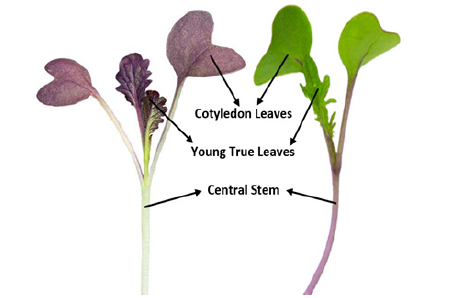
Figure 1: Microgreens -a new class of vegetables.
Microgreens were first introduced to Californian restaurants in the 1980s and gained more acceptance particularly during the recent years due to their fresh perception and numerous nutritional advantages [5]. They can be thought of as better sprout substitutes due to their stronger flavour, taste and more intense nutritional content [6]. In addition, compared to their mature counterparts, microgreens have higher concentrations of minerals, vitamins, and phytochemicals [7,8]. Thus, incorporating microgreens into diets may ameliorate the nutritive quality and contribute to better health issues for consumers. However, due to their delicate nature and typically short shelf life, microgreens also present numerous challenges to the growers and the supply chain [6]. In order to spread the longevity and ameliorate their nutritive quality of microgreens, several pre- and post-interventions have been made [9]. The study of microgreens' nutritional value and health advantages is still in its infancy because they are a relatively new specialty commodity. Seeds of many plant families, such as Brassicaceae (cauliflower, broccoli, cabbage, watercress, radish and arugula), Asteraceae (Lettuce, endive, chicory and radicchio), Apiaceae (Dill, carrot, fennel and celery), Amaryllidaceae (Garlic, onion, leek), Amaranthaceae (Amaranth, quinoa swiss chard, beet and spinach), and Cucurbitaceae (Melon, cucumber and squash), can be used to grow microgreens. Microgreens can also occasionally be produced from legumes like beans, lentils, and chickpeas, as well as cereals like rice, oats, wheat, corn, and barley [10]. Depending on the variety, microgreens can have a flavor that is mildly sour, spicy, neutral, or even bitter. Their flavor is generally regarded as potent and concentrated.
Nutrient Contents
There are lots of nutrients in microgreens. Compared to their mature counterparts, the microgreens contain 4-40 times higher concentrations of nutrients. For example, compared to mature red cabbage leaves, its microgreens had 40 times more vitamin E and 6 times more vitamin C. Likewise, cilantro microgreens contained three times as much beta-carotene than the mature cilantro. Available evidences suggest that microgreens contain a lot of antioxidants. Broccoli and other microgreens in the Brassica family are rich in vitamin E, a phenolic antioxidant. Microgreens belonging to the Asteraceae family, like lettuce and chicory, seem to have a lot of carotenoid antioxidants, or vitamin A. Scholars have demonstrated a particular interest in examining antioxidants that serve to counteract free radicals and mitigate the harm caused by oxidative stress such as vitamin C, phytochemicals (carotenoids and phenolics), and specific minerals like copper (Cu), zinc (Zn), and selenium (Se). The antioxidant content and capacity of microgreens have also been compared with their mature counterparts [11,12].
When compared to their mature green counterparts, several microgreens showed higher concentrations of various nutrients, including antioxidants [4,10]. Microgreens of Jute (Corchoris olitorisu L.) and cucumber (Cucumis sativus L.) were found to have higher vitamin C contents (25 and 34 mg/100 g FW) than their mature stages (17.45 and 10.00 mg/100 g FW), respectively7. Traditional Sicilian broccoli was found to have a substantially higher vitamin C content in its microgreen stage (7.5 mg/g) when compared to its baby green stage (6.1 mg/g) [13]. In a related study, microgreens of fenugreek (Trigonella foenum-graecum L.), spinach (Spinacia oleraceae L. var.), and roselle (Hibiscus sabdariffa L.) had vitamin C contents that were 120%, 127%, and 119% higher than when they were in their mature stages [14]. Analysis of 10 commercially grown microgreens showed that their vitamin C content varied from 29.9 to 123.2 mg/100 g FW, which is similar to citrus fruits [15], a well-known food source of vitamin C. Likewise, vitamin C content in 25 commercially grown microgreens varied from 20.4-147.0 mg/100g FW that have been claimed to have higher total vitamin C concentration than their mature counterparts [8]. Since microgreens are typically eaten as raw, loss of vitamin C content due to cooking process is avoided [7,16]. As cofactors or parts of antioxidant enzymes (like superoxidase dismutase), a number of trace minerals, including Cu, Zn, and Se, are crucial to the body's natural antioxidant defense system and as such, they are referred to as antioxidant minerals [17].
The activity of antioxidant enzymes can be decreased by a diet deficient in antioxidant minerals [18]. Nine summer leafy greens were tested, and the microgreen stage showed a significantly higher Zn concentration (4.76 to 29.12mg/kg FW) than the mature stage (1.23 to 5.50mg/kg FW) [7]. Similarly, microgreen stage of bottle gourd and water spinach had a higher concentration of Cu than their mature green stage [7]. Mineral analysis of different kale (Brassica oleracea) microgreens indicated that Zn and Cu concentrations were significantly higher than those in their respective adult stages [19]. An assessment of the mineral contents of seeds, sprout and microgreens of Trifolium pratense, T. medium, Medicago sativa, M. lupulina, Onobrychis viciifolia, Astragalus glycyphyllos, and A. cicer legumes indicated that microgreens had 0.6-3.2 times more Zn content than their seeds and sprouts [20].
Conclusion
Microgreens truly are miraculous, tiny, perfect representations of fresh vegetables, herbs and greens and can easily be incorporated into your diet in a variety of ways. They are full of nutrients and provide intense flavor in delicate bites. As another benefit, they add unexpected beauty to plates and texture to dishes. Given that they're easy to grow at home, they're an especially cost-effective way to boost nutrient intake without having to purchase large quantities of vegetables. Also, microgreens can be a good opportunity for the Indian food industry. Further, microgreens are more sustainable than crops grown to maturity on large industrial farms that use pesticides and chemicals as inputs, and are often transported hundreds of miles to market. You can make microgreens even more sustainable using organic seed, peat-free compost, and responsibly sourced energy.
Funding
None.
Acknowledgments
None.
Conflict of Interest
None.
References
- Benke K, Tomkins B (2017) Future food-production systems: vertical farming and controlled-environment agriculture, Sustainability: Science. Practice and Policy 13: 13-26.
- Di Gioia F, Mininni C, Santamaria P (2015) How to grow microgreens, in Microgreens, ed. by Di Gioia F and Santamaria P. Eco-logica, Bari: pp. 51-79.
- Murphy C J, Liort K F, Pill W G (2010) Factors Affecting the Growth of Microgreen Table Beet. International Journal of Vegetable Science 16 (3): 253-266.
- Verlinden S (2020) Microgreens: Definitions, Product Types, and Production Practices. Horticultural Reviews 47: 85-124.
- Lenzi A, Orlandini A, Bulgari R, Antonio Ferrante, Piero Bruschi (2019) Antioxidant and mineral composition of three wild leafy species: a comparison between microgreens and baby greens. Foods 8(10): 487.
- Puccinelli M, Malorgio F, Rosellini I, Beatrice Pezzarossa (2019) Production of selenium-biofortified microgreens from selenium-enriched seeds of basil. Journal of the Science of Food and Agriculture 99(12): 5601-5605.
- Yadav L, Koley T, Tripathi A, S P Singh (2019) Antioxidant potentiality and mineral content of summer season leafy greens: comparison at mature and microgreen stages using chemometric. Agricultural Research 8: 165-175.
- Xiao Z, Lester GE, Luo Y, Qin Wang (2012) Assessment of vitamin and carotenoid concentrations of emerging food products: edible microgreens. Journal of Agricultural and Food Chemistry 60(31): 7644-7651.
- Allegretta I, Gattullo CE, Renna M, Vito Michele Paradiso, Roberto Terzano (2019) Rapid multi-element characterization of microgreens via total-reflection X-ray fluorescence (TXRF) spectrometry. Food Chemistry 296: 86-93.
- Renna M, Di Gioia F, Leoni B, Mininni C, Santamaria P (2016) Culinary Assessment of Self-Produced Microgreens as Basic Ingredients in Sweet and Savory Dishes. Journal of Culinary Science & Technology 15: 126-142.
- Pinto E, Almeida A A, Aguiar A A, Isabel MPLVO Ferreira (2015) Comparison between the mineral profile and nitrate content of microgreens and mature lettuces. Journal of Food Composition and Analysis 37: 38-43.
- Choe U, Yu L L, Wang T T Y (2018) The science behind microgreens as an exciting new food for the 21st century. Journal of Agricultural and Food Chemistry 66(44): 11519-11530.
- Di Bella MC, Niklas A, Toscano S, Valentina Picchi, Daniela Romano, et al. (2020) Morphometric characteristics, polyphenols and ascorbic acid variation in Brassica oleracea L. novel foods: sprouts, microgreens and baby leaves. Agronomy 10(6):
- de la Fuente B, López García G, Máñez V, Amparo Alegría, Reyes Barberá, et al. (2019) Evaluation of the bioaccessibility of antioxidant bioactive compounds and minerals of four genotypes of Brassicaceae microgreens. Foods 8(7): 250.
- Ghoora M D, Babu D R, Srividya N (2020) Nutrient composition, oxalate content and nutritional ranking of ten culinary microgreens. Journal of Food Composition and Analysis 91: 103495.
- Khosravi F, Asadollahzadeh H (2014) Determination of ascorbic acid in different citrus fruits under reversed phase conditions with UPLC. European Journal of Experimental Biology 4(1): 91-94.
- Lee S, Choi Y, Jeong H S, Junsoo Lee, Jeehye Sung (2017) Effect of different cooking methods on the content of vitamins and true retention in selected vegetables. Food Sci Biotechnol 27(2): 333-342.
- Wołonciej M, Milewska E, Roszkowska Jakimiec W (2016) Trace elements as an activator of antioxidant enzymes. Postepy Hig Med Dosw (Online) 70(0): 1483-1498.
- Harris E D (1992) Copper as a cofactor and regulator of copper, zinc superoxide dismutase. Journal of Nutrition 122(3 Suppl): 636-640
- Waterland N L, Moon Y, Tou J C, Moo Jung Kim, Eugenia M Pena Yewtukhiw, et al. (2017) Mineral content differs among microgreen, baby leaf, and adult stages in three cultivars of kale. HortScience 52: 566-571.




 We use cookies to ensure you get the best experience on our website.