
Research Article 
 Creative Commons, CC-BY
Molecular Mechanism of Ergosterol Peroxide Against Triple Negative Breast Cancer: A Network Pharmacology-Based in Silico Study
*Corresponding author: Amel Elbasyouni, Molecular Biology and Biotechnology program, Pan African University Institute for Basic Sciences, Technology & Innovation (PAUSTI), Nairobi P.O. Box 62000-00200, Kenya.
Received: April 24, 2025; Published: May 15, 2025
DOI: 10.34297/AJBSR.2025.26.003493
Abstract
TNBC is a highly aggressive subtype of breast cancer with limited treatment options and poor prognosis, necessitating the exploration of novel therapeutic strategies. In this study, we employed a network pharmacology-based in silico approach to elucidate the molecular mechanisms underlying the anti-TNBC potential of ergosterol peroxide, a natural steroid compound. Ergosterol peroxide and TNBC shared a total of 122 similar targets, including key regulators (STAT3, HIF1A, MMP7, and HDACs). Functional enrichment studies showed that these targets are notably engaged in important processes like inflammation, apoptosis, hypoxia response, extracellular matrix remodelling, and epigenetic modification. While KEGG pathway analysis suggested cancer-related pathway modification including PI3K-Akt, HIF-1, FoxO, apoptosis, and immunological checkpoint control, Gene Ontology (GO) enrichment drew attention to functions in oxidative stress response and signal transduction. These results imply that ergosterol peroxide is a multi-target molecule able to alter several cellular networks linked to TNBC development and resistance. Our work strengthens the possible evolution of ergosterol peroxide as a feasible therapeutic candidate for TNBC and offers a solid basis for more experimental validation.
Keywords: Triple negative breast cancer, Ergosterol peroxide, network pharmacology, Molecular mechanism, treatment
Introduction
In women, breast cancer is the most common form of cancer, with 2.3 million new cases, accounting for 11.7% of all cancer cases in both sexes, and 24.5% within females, have been diagnosed worldwide [18]. BC has surpassed lung cancer (11.4% for both sexes, and 8.4% for females), as the top cause of cancer incidence [32]. Even though only 8.3% of breast cancer cases were diagnosed in Africa, the death rate was higher at 12.5% [1,9,32]. Estimates put the annual rate of new instances of breast cancer at around 3 million by 2040, an increase of over 40% from 2020. The projected number of fatalities attributable to breast cancer is also projected to rise by over 50%, from 685,000 in 2020 to 1 million in 2040 [1]. This incidence remains under-reported due to a lack of infrastructure for cancer detection in resource-constrained countries in sub-Saharan Africa, as only 20 of 46 sub-Saharan African nations are represented in cancer incidence report by the International Association of Cancer Registries [15,32,9].
Breast cancer genesis is among the most complicated of all malignancies due to lifelong exposures to a variety of endogenous and exogenous influences, as well as the interaction of genetic elements [28]. Complex signalling pathways, which enable cells to communicate with one another and with their environment, closely regulate normal human growth [12-14,24,28]. Unsurprisingly, signaling pathways may become hyper-activated as a result of proto-oncogene activating mutations, or drastically hypo-activated when tumoural suppressors are inactivated. In general, genetic and epigenetic modifications that enable cells to evade the systems that typically limit their proliferation, survival, and migration are responsible in cancer development [12-14]. Numerous of these alterations correspond to signaling networks that control cell motility, cell differentiation, cell proliferation, and cell death [29].
TNBC is notoriously linked to a worse prognosis, shorter overall survival time, and a shorter time until the cancer recurs (Yazici & Akin, 2020). These tumors can adapt novel molecular aberrations and network alteration in order to utilize biochemical pathways that are not affected by typical pharmaceutical treatments. Based on its aggressive clinicopathological features, TNBC treatment typically combines chemotherapy, surgery, and radiation therapy (Huppert et al., 2022; Núñez Abad et al., 2021). The lack of targeted medications designed particularly for triple-negative breast cancers, in contrast to the other subtypes, has increased the need for developing novel therapeutic approaches beyond chemotherapy. Triple negative breast cancers account for 17% to 20% of all newly diagnosed cases; these tumors do not express the estrogen receptor, progesterone receptor, or human epidermal growth factor receptor 2 [4]. Characterized by quick progression to death, recurrent relapses, and metastases, it is most common in younger African women.
Triple negative breast cancer lacks of effective targeted therapy because of the associated inter and intra- tumoural heterogeneity, therefore, the most common treatment option is chemotherapy, which is associated with high rate of chemoresistance, high toxicity and non-specificity. On the other hand, natural substances mediate their positive health benefits either directly, by affecting specific molecular targets such as genes, or indirectly by affecting signaling pathways [11]. Ergosterol peroxide was found to possess specific and safe anticancer activity. None of the conducted published researches has investigated its anticancer effect on TNBC at a high throughput level. Therefore, the aim of this study is to understand the mechanistic pathways governing ergosterol peroxide’s potential against TNBC.
Material and Methods
Identification of TNBC-Associated and Ergosterol Peroxide-Associated Targets
The GeneCards database (accessed on 22nd August 2024) was used to retrieve targets of TNBC. The following keywords were used: “TNBC”, “Triple Negative Breast Cancer”, and 7257 unique targets of TNBC were identified. Similarly, targets of the compounds were obtained from the SuperPred database (with a probability >50%, accessed on 22nd August 2024). 159 unique targets of ergosterol peroxide (PubChem ID: 5351516) were identified and normalized via the UniProt database. Overlapping between the two datasets identified 122 targets of ergosterol peroxide, associated with TNBC.
Protein-Protein Interaction (PPI) Network Analysis
The purpose of this research was to identify the molecular pathways by which ergosterol peroxide exhibited anti-cancer effects in TNBC. The STRING database was updated with a new dataset on 22nd August 2024. The dataset included 122 targets of ergosterol peroxide that are related with TNBC. Homo sapiens was selected as the organism, and a high confidence (0.7) interaction score was established as the minimum requirement. The degree of connectedness between nodes was used to visualize and study the protein-protein interaction network using Cytoscape (V. 3.8.2). The top 30 genes, ordered by degree, were used as core targets, and the CytoHubba plug-in was used to find and display the network.
Gene Annotation
This study employed Gene Ontology (GO) to annotate the 122 TNBC-associated targets of EP, according to Cellular Component (CC), Biological Process (BP), and Molecular Function (MF), using ShinyGO (accessed on 22nd August 2024).
Pathway Enrichment Analysis
KEGG pathway enrichment was performed using ShinyGO (accessed on 22nd August 2024).
Results and Discussion
Triple-Negative Breast Cancer (TNBC) represents one of the most aggressive and difficult-to-treat subtypes of breast cancer, characterized by the absence of estrogen receptors, progesterone receptors, and HER2 expression. Due to the lack of specific molecular targets, TNBC patients often face limited treatment options, primarily relying on conventional chemotherapy. However, the high recurrence rates and development of drug resistance in TNBC highlight the urgent need for alternative therapeutic strategies [25].
In recent years, natural compounds have gained significant attention as potential anti-cancer agents, offering a complementary approach to conventional treatments. Among these, ergosterol peroxide, a bioactive sterol found in various medicinal mushrooms, has shown promising anti-cancer properties across different cancer types. The therapeutic potential of medicinal mushrooms, particularly in oncology, is increasingly recognized due to their diverse bioactive compounds that can modulate key molecular pathways involved in cancer progression [10]. Interestingly, treatment with ergosterol peroxide, derived from medicinal mushrooms, exert anti- tumoural activity in hepatocellular (Li et al., 2016) [20] renal cell carcinoma (He et al., 2018) [16], prostate cancer (Russo et al., 2010) [27], and breast cancer [23]. It triggers apoptosis, and modulates the cell cycle of cancer cell models in a dose-dependent manner, and it decreases migratory and invasive effects of triple negative cancer cell lines [3,23]. However, other potential anti-cancer molecular mechanisms are not fully investigated.
Ergosterol peroxide has demonstrated cytotoxic effects against various cancer cells, including breast cancer. However, its specific mechanisms of action against TNBC remain underexplored. This study utilized a network pharmacology-based in silico approach to investigate the molecular mechanisms by which ergosterol peroxide may exert its anti-cancer effects on TNBC. By integrating bioinformatics tools, we aimed to identify the key molecular targets and pathways influenced by ergosterol peroxide, thereby providing a deeper understanding of its potential as an alternative treatment for TNBC.
In this study, we identified a total of 122 common molecular targets between Triple-Negative Breast Cancer (TNBC) and ergosterol peroxide through a network pharmacology-based in silico approach. These targets include several key proteins and enzymes that play crucial roles in cancer progression, cell signaling, and immune responses. The protein-protein interaction of the targets is shown in Figure 1.
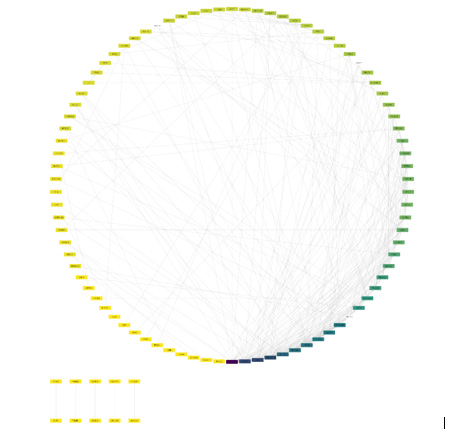
Figure 1: PPI network of TNBC-associated targets of ergosterol peroxide. The color degree intensifies according to the number of edges connected to a node in the network.
Among the notable targets are APEX1, NFKB1, STAT3, ADORA1, NTRK3, KDM1A, CNR2, and MTOR, which are involved in critical pathways related to inflammation, apoptosis, and cell proliferation. These targets suggest that ergosterol peroxide may exert its anti-cancer effects by modulating multiple signaling pathways associated with TNBC’s aggressive behavior [35]. Moreover, the identification of proteins such as CTSD, HDAC2, HSP90AA1, CCNE1, and PRKCA indicates potential interference with cell cycle regulation and protein folding processes, which are essential for cancer cell survival and proliferation [31]. The presence of targets like MMP7, PDGFRA, and ITGB1 further suggests that ergosterol peroxide may also impact the extracellular matrix remodeling and cell migration, processes critical for metastasis in TNBC. Additionally, the involvement of TLR4, TLR7, and TLR8 points to a possible role of ergosterol peroxide in modulating immune responses, which could be significant in enhancing the anti-tumoural immune response in TNBC [37].
The identification of NFKB1 and CHUK (IKKα) as common targets suggests that ergosterol peroxide may influence the NF-κB signaling pathway. NF-κB is a key regulator of inflammation, cell survival, and proliferation, and its constitutive activation is often associated with TNBC [21]. By modulating this pathway, ergosterol peroxide could potentially inhibit cancer cell survival and reduce inflammation, thereby attenuating the aggressive behavior of TNBC cells. Several targets, including PIK3CA, PIK3CB, PIK3CD, PDPK1, and MTOR, are involved in the PI3K/AKT/mTOR signaling pathway, a critical pathway that regulates cell growth, survival, and metabolism. This pathway is frequently dysregulated in TNBC, leading to uncontrolled cell proliferation and resistance to apoptosis [39]. Ergosterol peroxide’s potential to modulate this pathway could inhibit TNBC growth and sensitize cells to apoptosis, making it a promising therapeutic approach. Targets such as CASP8, CCNE1, CDK2, and CDC25C suggest that ergosterol peroxide may affect apoptosis and cell cycle regulation [30]. CASP8 is a key player in the extrinsic apoptosis pathway, while CCNE1 and CDK2 are involved in cell cycle progression. By influencing these targets, ergosterol peroxide may promote cancer cell death and halt the uncontrolled proliferation typical of TNBC. The involvement of MAP2K2 (MEK2) and RAF1 (Raf-1) points to the modulation of the MAPK signaling pathway, which is crucial for cell proliferation, differentiation, and survival [5]. This pathway is often activated in cancers, including TNBC. Ergosterol peroxide’s impact on MAPK signaling could help in reducing cancer cell proliferation and inducing apoptosis. The identification of TLR4, TLR7, and TLR8 suggests that ergosterol peroxide may also modulate the immune response through the TLR signaling pathway. TLRs are known to play a role in the tumor microenvironment by regulating immune responses. In TNBC, where immune evasion is a significant challenge, ergosterol peroxide’s interaction with TLRs may enhance anti-tumor immunity, making the cancer cells more susceptible to immune-mediated destruction [38]. The inclusion of STAT3 as a common target implicates the JAK/STAT signaling pathway, which is known to mediate various cellular processes, including proliferation, differentiation, and apoptosis. Aberrant activation of STAT3 is frequently observed in TNBC and is associated with poor prognosis [35]. Ergosterol peroxide’s ability to target STAT3 could inhibit its pro-tumorigenic effects and contribute to reducing TNBC progression. HIF1A (HIF-1α) is another key target that suggests ergosterol peroxide may influence the hypoxia response in TNBC. HIF-1α is often overexpressed in tumors, promoting angiogenesis, metabolic adaptation, and survival under low oxygen conditions [8]. By targeting HIF-1α, ergosterol peroxide may reduce tumor vascularization and metabolic flexibility, potentially limiting TNBC growth.
The presence of MMP7 and MMP8 indicates that ergosterol peroxide may also interfere with Extra Cellular Matrix (ECM) remodeling and metastasis, which are critical processes in TNBC spread. MMPs are enzymes that degrade the ECM, facilitating cancer cell invasion and metastasis [37]. By inhibiting MMP activity, ergosterol peroxide could potentially reduce the metastatic potential of TNBC cells.
The identification of multiple HDACs (HDAC1, HDAC2, HDAC3, and HDAC7) suggests that ergosterol peroxide may affect epigenetic regulation in TNBC. HDACs are enzymes that modify chromatin structure and gene expression. Inhibiting HDACs can lead to the reactivation of tumor suppressor genes and induction of cancer cell apoptosis [17]. This suggests that ergosterol peroxide could act as an epigenetic modulator, offering another layer of therapeutic potential against TNBC. The GO enrichment analysis of the common targets between ergosterol peroxide and Triple-Negative Breast Cancer (TNBC) reveals significant involvement in critical biological processes and molecular functions. Ergosterol peroxide appears to modulate responses to organonitrogen and nitrogen compounds, oxidative stress, and external stimuli, which are essential in cancer metabolism and survival (Figure 2).
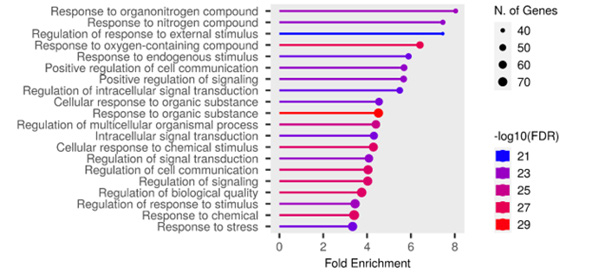
Figure 2: Biological processes targeted by EP.
Additionally, it influences intracellular signal transduction, cell communication, and stress responses, potentially disrupting TNBC progression (Figure 3). The molecular functions enriched include kinase activity, ATP and nucleotide binding, catalytic activity on proteins, and signaling receptor interactions, highlighting ergosterol peroxide’s role in regulating key signaling pathways and enzyme activities. These findings suggest that ergosterol peroxide could serve as a multi-target therapeutic agent, modulating diverse pathways critical for TNBC growth and survival (Figure 4).
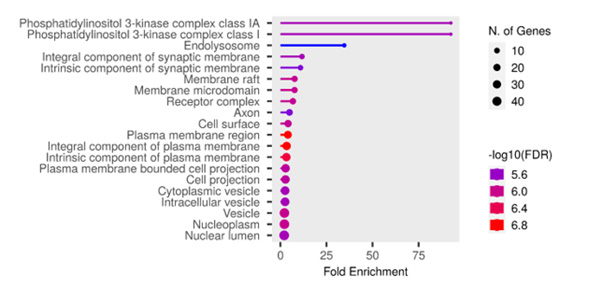
Figure 3: Cellular components targeted by EP.
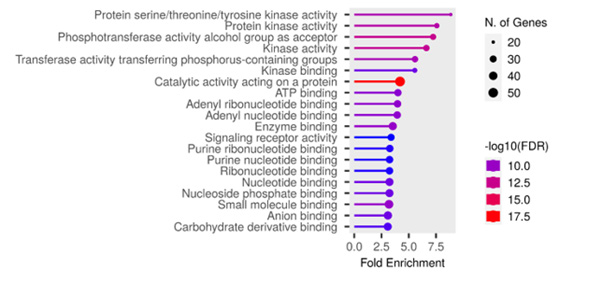
Figure 4: Molecular functions targeted by EP.
The KEGG enrichment analysis highlights several key pathways implicated in the activity of ergosterol peroxide against Triple-Negative Breast Cancer (TNBC). Notably, the central carbon metabolism and choline metabolism pathways in cancer suggest a role in altering cancer cell metabolism. Pathways such as the PI3K-Akt, HIF-1, and FoxO signaling, along with PD-L1/PD-1 checkpoint regulation, are crucial in cancer cell survival, immune evasion, and response to hypoxia. Additionally, the involvement in apoptosis, autophagy, and sphingolipid signaling underscores the potential of ergosterol peroxide in regulating cell death processes. Furthermore, pathways related to viral infections (e.g., hepatitis B, cytomegalovirus, and HIV) and chemical carcinogenesis may indicate broader implications in cancer progression and immune modulation. These findings suggest that ergosterol peroxide targets multiple pathways, making it a promising candidate for TNBC therapy (Figure 5).
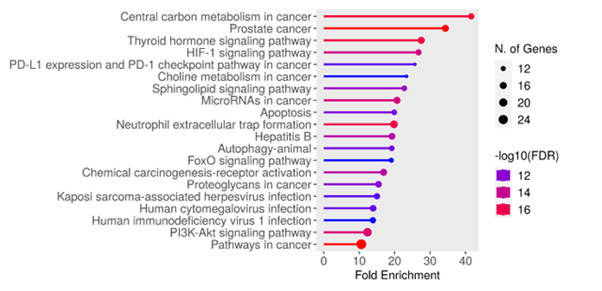
Figure 5: Top 20 enriched KEGG pathways targeted by EP.
Ergosterol Peroxide (EP), a natural steroid found in various fungi, yeast, lichens, and sponges, has garnered attention for its potential biological activities, including anti-cancer properties. Trung, et al. (2018) [34] utilized reversed-phase High-Performance Liquid Chromatography (HPLC) with UV detection to quantify EP in wild mushrooms, revealing that Fomitopsis dochmius had the highest EP content among ten studied species, while Phellinus igniarius and Ganoderma applanatum had the lowest levels. The study highlight ed the variation in EP content across different mushroom species and demonstrated the reliability of the HPLC method for such analyses [34]. In a complementary study, Krzyczkowski, et al. (2009) [19] assessed EP levels in medicinal and edible mushrooms using High-Performance Thin-Layer Chromatography (HPTLC). Their results indicated that Boletus edulis had the highest EP content (29.3mg/100g dried mushroom), while Laetiporus sulfureus had the lowest (10.1mg/100g dried mushroom). The findings suggest that EP is a common component in higher fungi and that its concentration may vary depending on the reactive oxygen species levels or the balance between EP formation and conversion to ergosterol [19]. Duan, et al. (2021) [6] focused on extracting and purifying EP from C. volvatus, achieving a high purity of over 97% using silica gel chromatography. Their work underscores the effectiveness of ethanol extraction and various chromatographic techniques for isolating EP [6]. Furthermore, Zhang, et al. (2023) [36] demonstrated a High-Speed Counter-Current Chromatography (HSCCC) method for isolating both ergosterol and EP from Xylaria striata. Their method yielded 30 mg of EP with a purity of 97%, indicating the efficacy of HSCCC in purifying these compounds [36].
Ergosterol Peroxide (EP) has demonstrated significant anticancer activity against breast cancer in vitro, particularly in models of triple-negative breast cancer. Martínez-Montemayor, et al. (2019) [23] have shown that EP induces G1 phase cell-cycle arrest and promotes apoptosis in SUM-149 cells, affecting key proteins involved in cell cycle regulation and apoptosis. The compound’s effects are mediated through the modulation of survival pathways, including the AKT signaling pathway, with EP treatment leading to reduced levels of p-AKT1, total AKT1, and AKT2 [23]. Additionally, Bu, et al. (2022) [2] have highlighted EP’s selective cytotoxicity and improved efficacy through the development of derivatives like Mito-EP-3b, which enhances mitochondrial targeting and apoptosis induction [2]. Ren, et al. (2023) [26] further confirmed EP’s role in mitochondrial apoptosis pathways by demonstrating increased cytochrome c release and activation of caspase-9 and caspase-7 [26]. Moreover, Tan, et al. (2022) reported that EP suppresses tumor growth by inhibiting key signaling pathways, such as β-catenin-c-Myc/Cyclin D1 and SHP2/Src-STAT3-VEGF, and reducing angiogenesis. EP also effectively decreases cancer cell migration and invasion, highlighting its potential as a multi-faceted therapeutic agent in breast cancer treatment (Tan et al., 2017) [33].
The research on the chemical constituents of GLE (Ganoderma Lucidum Extract) and their effects on cancer cell viability, particularly focusing on Ergosterol Peroxide (EP), has shown promising results in various cancer models. In studies by Martínez-Montemayor, et al. (2019) [23], purified GLE compounds were tested for their anti- cancer activities in breast cancer cells, including Triple-Negative Breast Cancer (TNBC) models such as MDA-MB-231 and Inflammatory Breast Cancer (IBC) models like SUM-149. EP was identified as the most potent compound, demonstrating a significant, dose-dependent reduction in cancer cell viability, while sparing normal cells. EP’s mechanisms include inducing cell cycle arrest at the G1 phase and promoting apoptosis, as confirmed by increased caspase 3/7 activity and PARP cleavage in treated cells. Additionally, EP was shown to inhibit cancer cell migration and invasion, reduce Reactive Oxygen Species (ROS) formation, and modulate key signaling pathways, such as reducing p-AKT1 and BCL-XL expression. Furthermore, El-Sherif, et al. (2020) [7] isolated EP from Ganoderma resinaceum and observed its cytotoxic effects on both estrogen-positive (MCF-7) and triple-negative (MDA-MB-231) breast cancer cell lines, with a preference for the MCF-7 line [7]. Despite its potent anti-cancer activity, EP’s poor solubility poses challenges for drug delivery, which has led to the development of EP derivatives with improved solubility and enhanced therapeutic properties. Ling, et al. (2024) [22] further highlighted the potential of EP and its derivatives in preclinical studies, noting their selectivity for cancer cells while minimizing toxicity to healthy tissues, and suggesting that further pharmacological evaluations are needed to advance EP toward clinical application [22].
Our network pharmacology-based in silico study found 122 shared molecular targets between ergosterol peroxide and Triple- Negative Breast Cancer (TNBC), suggesting the molecule’s involvement in important biological processes and signalling cascades. By changing inflammation, hypoxia response, extracellular matrix remodelling, and epigenetic control, notable targets like STAT3, HIF1A, MMP7/8, and HDACs imply that ergosterol peroxide could prevent tumour growth. While KEGG research underlined participation in PI3K-Akt, HIF-1, FoxO, apoptosis, autophagy, and immunological checkpoint pathways, GO enrichment study indicated its possible function in oxidative stress response and signalling receptor connections. These results highlight ergosterol peroxide’s possible use as a multi-target therapy drug for TNBC. Future studies should emphasize experimental validation of these targets and pathways, evaluation of synergistic effects with current treatments, and in vivo investigations to assess efficacy, safety, and pharmacokinetics, hence opening the way for possible clinical uses.
Conclusion
The findings of this study underscore the potential of ergosterol peroxide as a promising therapeutic agent against Triple-Negative Breast Cancer (TNBC). Through network pharmacology-based in silico analysis, we identified key molecular targets and signaling pathways implicated in TNBC that are modulated by ergosterol peroxide. These include critical pathways involved in cancer metabolism, signal transduction, apoptosis, and immune evasion, including the PI3K-Akt, HIF-1, and PD-L1/PD-1 checkpoint pathways. The mechanism of action highlighted in this study suggest that ergosterol peroxide could effectively target the aggressive and treatment-resistant nature of TNBC. These results provide a strong foundation for further experimental validation and clinical investigation, with the potential to develop ergosterol peroxide into a novel and effective treatment strategy for TNBC. This study also emphasizes the broader therapeutic potential of bioactive compounds derived from medicinal mushrooms in cancer treatment. In conclusion, this research lays a solid foundation for the development of EP and its derivatives as promising anticancer agents, with potential for further preclinical and clinical investigations.
Conflict of Interest
None.
Acknowledgement
None.
References
- Arnold M, Morgan E, Rumgay H, Mafra A, Singh D, et al. (2022) Current and future burden of breast cancer: Global statistics for 2020 and 2040. The Breast 66: 15-23.
- Bu M, Zhang Z, Li G, Xie C, Du X, et al. (2022) Synthesis and Cytotoxic Activity of Novel Ergosterol Peroxide Derivatives with Acrylate or Propionate Side Chain. Natural Product Communications 17(12).
- Chen H, Yang J, Yang Y, Zhang J, Xu Y, et al. (2021) The Natural Products and Extracts: Anti‐Triple‐Negative Breast Cancer in Vitro. Chem Biodivers 18(7): e2001047.
- Chen YK, Kuo YH, Chiang BH, Lo JM, Sheen LY, et al. (2009) Cytotoxic Activities of 9,11-Dehydroergosterol Peroxide and Ergosterol Peroxide from the Fermentation Mycelia of Ganoderma lucidum Cultivated in the Medium Containing Leguminous Plants on Hep 3B Cells. J Agric Food Chem 57(13): 5713-5719.
- Dillon M, Lopez A, Lin E, Sales D, Perets R, et al. (2021) Progress on Ras/MAPK Signaling Research and Targeting in Blood and Solid Cancers. Cancers (Basel) 13(20): 5059.
- Duan C, Ge X, Wang J, Wei Z, Feng W, et al. (2021) Ergosterol peroxide exhibits antiviral and immunomodulatory abilities against porcine deltacoronavirus (PDCoV) via suppression of NF-κB and p38/MAPK signaling pathways in vitro. Int Immunopharmacol 93: 107317.
- El Sherif NF, Ahmed SA, Ibrahim AK, Habib ES, El Fallal AA, et al. (2020) Ergosterol Peroxide from the Egyptian Red Lingzhi or Reishi Mushroom, Ganoderma resinaceum (Agaricomycetes), Showed Preferred Inhibition of MCF-7 over MDA-MB-231 Breast Cancer Cell Lines. Int J Med Mushrooms 22(4): 389-396.
- Farooq M, Bhat Gh R, Besina S, Thakur N, Zahoor S, et al. (2023) Expression of HIF-1α and markers of angiogenesis and metabolic adaptation in molecular subtypes of breast cancer. Translational Medicine Communications 8(1): 2.
- Ferlay J, Colombet M, Soerjomataram I, Mathers C, Parkin D M, et al. (2019) Estimating the global cancer incidence and mortality in 2018: GLOBOCAN sources and methods. Int J Cancer 144(8): 1941-1953.
- Gariboldi M B, Marras E, Ferrario N, Vivona V, Prini P, et al. (2023) Anti-Cancer Potential of Edible/Medicinal Mushrooms in Breast Cancer. Int J Mol Sci 24(12): 10120.
- Golla U (2018) Emergence of nutraceuticals as the alternative medications for pharmaceuticals. International Journal of Complementary & Alternative Medicine 11(3).
- Hanahan D (2022) Hallmarks of Cancer: New Dimensions. Cancer Discovery 12(1): 31-46.
- Hanahan D, Weinberg R A (2011) Hallmarks of Cancer: The Next Generation. Cell 144(5): 646-674.
- Hanahan D, Weinberg R A (2017) Biological hallmarks of cancer. 10.
- Hayat M, Chen WC, Brandenburg JT, Babb de Villiers, C Ramsay M, et al. (2021) Genetic Susceptibility to Breast Cancer in Sub-Saharan African Populations. JCO Global Oncology 7:1462-1471.
- He L, Shi W, Liu X, Zhao X, Zhang Z (2018) Anticancer Action and Mechanism of Ergosterol Peroxide from Paecilomyces cicadae Fermentation Broth. Int J Mol Sci 19(12): 3935.
- Jo H, Shim K, Kim HU, Jung HS, Jeoung D (2023) HDAC2 as a target for developing anti-cancer drugs. Comput Struct Biotechnol J 21: 2048-2057.
- Kashyap D, Pal D, Sharma R, Garg VK, Goel N, et al. (2022) Global Increase in Breast Cancer Incidence: Risk Factors and Preventive Measures. Biomed Res Int 2022: 1-16.
- Krzyczkowski W, Malinowska E, Suchocki P, Kleps J, Olejnik M, et al. (2009) Isolation and quantitative determination of ergosterol peroxide in various edible mushroom species. Food Chemistry 113(1): 351-355.
- Li X, Wu Q, Bu M, Hu L, Du WW, et al. (2016) Ergosterol peroxide activates Foxo3-mediated cell death signaling by inhibiting AKT and c-Myc in human hepatocellular carcinoma cells. Oncotarget 7(23): 33948-33959.
- Lin Y, Bai L, Chen W, Xu S (2010) The NF-κB activation pathways, emerging molecular targets for cancer prevention and therapy. Expert Opin Ther Targets 14(1): 45-55.
- Ling T, Arroyo Cruz LV, Smither WR, Seighman EK, Martínez Montemayor MM, et al. (2024) Early Preclinical Studies of Ergosterol Peroxide and Biological Evaluation of Its Derivatives. ACS Omega 9(35): 37117-37127.
- Martínez Montemayor MM, Ling T, Suárez Arroyo IJ, Ortiz Soto G, Santiago Negrón, et al. (2019) Identification of Biologically Active Ganoderma lucidum Compounds and Synthesis of Improved Derivatives That Confer Anti-Cancer Activities in vitro. Front Pharmacol 10: 115.
- Nahta R, Al Mulla F, Al Temaimi R, Amedei A, Andrade Vieira R, et al. (2015) Mechanisms of environmental chemicals that enable the cancer hallmark of evasion of growth suppression. Carcinogenesis 36(Suppl 1): S2-S18.
- Obidiro O, Battogtokh G, Akala EO (2023) Triple Negative Breast Cancer Treatment Options and Limitations: Future Outlook. Pharmaceutics 15(7): 1796.
- Ren W, Wu J, Wang J, Wang H, Han Y, et al. (2023) Mitochondria-Targeted Ergosterol Peroxide Derivatives: Synthesis, Anticancer Properties and Their Preliminary Mechanism of Inhibiting MCF-7 Cell Proliferation. Journal of the Brazilian Chemical Society 34(10): 1420-1431.
- Russo A, Cardile V, Piovano M, Caggia S, Espinoza CL, et al. (2010) Pro-apoptotic activity of ergosterol peroxide and (22E)-ergosta-7,22-dien-5α-hydroxy-3,6-dione in human prostate cancer cells. Chem Biol Interact 184(3): 352-358.
- Schuur ER, De Andrade JP (2015) Breast Cancer: Molecular Mechanisms, Diagnosis, and Treatment. In R. A. de Mello, Á. Tavares, & G. Mountzios (Eds.). International Manual of Oncology Practice: 155-200.
- Sever R, Brugge JS (2015) Signal Transduction in Cancer. Cold Spring Harb Perspect Med 5(4): a006098-a006098.
- Shen T, Huang S (2012) The Role of Cdc25A in the Regulation of Cell Proliferation and Apoptosis. Anticancer Agents Med Chem 12(6): 631-639.
- Somu P, Mohanty S, Basavegowda N, Yadav AK, Paul S, et al. (2024) The Interplay between Heat Shock Proteins and Cancer Pathogenesis: A Novel Strategy for Cancer Therapeutics. Cancers (Basel) 16(3): 638.
- Sung H, Ferlay J, Siegel RL, Laversanne M, Soerjomataram I, et al. (2021) Global Cancer Statistics 2020: GLOBOCAN Estimates of Incidence and Mortality Worldwide for 36 Cancers in 185 Countries. CA Cancer J Clin 71(3): 209-249.
- Tan W, Pan M, Liu H, Tian H, Ye Q, et al. (2017) Ergosterol peroxide inhibits ovarian cancer cell growth through multiple pathways. Onco Targets Ther 10: 3467-3474.
- Trung HV, Tuan NN, Thanh NT, Thi T, Giang B, et al. (2018) Determination of ergosterol and ergosterol peroxide in higher fungi Species by high- performance liquid chromatography.
- Xiong A, Yang Z, Shen Y, Zhou J, Shen Q (2014) Transcription Factor STAT3 as a Novel Molecular Target for Cancer Prevention. Cancers (Basel) 6(2): 926-957.
- Zhang Z, Huang Y, Yang Q, Zhang D (2023) Archives of Clinical and Medical Microbiology.
- Zhao Y, Zheng X, Zheng Y, Chen Y, Fei W, et al. (2021) Extracellular Matrix: Emerging Roles and Potential Therapeutic Targets for Breast Cancer. Front Oncol 11: 650453.
- Zheng R, Ma J (2022) Immunotherapeutic Implications of Toll-like Receptors Activation in Tumor Microenvironment. Pharmaceutics 14(11): 2285.
- Zhu K, Wu Y, He P, Fan Y, Zhong X, et al. (2022) PI3K/AKT/mTOR-Targeted Therapy for Breast Cancer. Cells 11(16): 2508.




 We use cookies to ensure you get the best experience on our website.