
Review Article 
 Creative Commons, CC-BY
Review the Status of Resource-Efficient and Sustainable Wastewater Treatment for the Fishery Industry
*Corresponding author: Archana Sharma, Faculty of Sciences, Marwadi University, Rajkot, Gujarat, India.
Received: February 27, 2025; Published: March 13, 2025
DOI: 10.34297/AJBSR.2025.26.003419
Abstract
Seafood industry resource-efficient and sustainable practice was gained prominence in current centuries. The practice of microalgae culture in seafood effluent usage has the potential to solve environmental issues, improve resources, and provide value-added goods to society and the environment. Using algal mass provides viable profits by treating seafood discharges and utilizing the algae biomass produced. Because of the high nutrient and organic matter content of wastewater, microalgae growth was controlled by light energy and carbon sources. Similarly, various physiochemical and biological methods are managed to ensure the optimally. The algae mass growth technology used in the seafood effluent industry’s main target was sustainability and proper disposal of waste in the environment that allows for the preservation of the environment, citizens’ value of life, and benefit of the society such as bio fertilizers, bioethanol, biopolymers, biodiesel, DHA, omega-3, dietary supplements for health animal feed, natural dyes, and cosmetics. In this way, treating seafood effluent with algae mass provides a chance to alleviate hygienic and ecological issues while obtaining inputs in a resource-efficient and sustainable manner. This review attempts to highlight exceptional elements of seafood effluent that can be used for water reuse and sustainable agronomic inputs using microalgae.
Keywords: Seafood, Resource-efficient and sustainable, Wastewater treatment, Algal mass
>Introduction
The United Nations Food and Agriculture Organization recognize the seafood sectors for their critical role in worldwide food availability and intake of humans [32]. Collection, management, unloading, separating, balancing, slaying, cutting, and grazing are among the most important process processes in seafood production. Seafood process ranges from traditional operation to largescale operations [16,98]. Effluent from the seafood processing sector is a serious ecofriendly concern since it contains a variety of contaminants such as organic debris, elements, oils, lubricant, and extracts made from chemicals. Moreover, heavy elements and other hazardous chemicals can gather in seafood such as finfish and shellfish, causing health hazards when consumed [87,52,53,54].
Wastewater treatment removes pollutants, particles, toxicants, and pathogens, leaving clean water (effluent) that can be settled into the environs for various authors determined [3,25,45,107].
To lower the level of contamination, numerous strategies for treating fish processing effluents can be applied. Numerous studies have described that the main method of treatment was such as sedimentation, coagulation-flocculation [21,23,24,37] chemical and biological processes [23,25,48,112]. Because of expanding population and rapid industrialization, evolving countries such as India generate massive amounts of wastewater daily. As a result, water contamination is one of the most serious environmental concerns [116].
In India, numerous conventional methods for wastewater treatment are employed, but they are prohibitively expensive and inefficient. Nowadays, various innovative resource-efficient and sustainable ways of treating seafood effluent are presented to address issues with old approaches. Biological wastewater treatment systems using microalgae have culture in over the last 50 years, and it is now generally recognized that microalga-based seafood effluent treatment methods are as operative as standard seafood effluent treatment [1,74,108].
An absence of proper seafood effluent treatment, combined with less water management, causes a deficit of hygienic water resources. This has resulted in the development in recent periods of several technical methods aimed at recovering resources from seafood effluent [55,77]. The use of biological methods has grown in new centuries, with an emphasis on the viability of connecting and using methods for seafood effluent in systems.
The Seafood Industry
The seafood sector provides consumers with their preferred finfish and shellfish through both farmed and catch fisheries. According to FAO 2020, Ahmed and Thompson, 2019 about 80% of the entire harvest is handled by the business into a variation of goods, such as foods that are freezing, burned, dehydrated, inflamed, soaked, and cooled. Venugopal, 2006 also discussed about standard quality of fish and fisheries products in foreign marketplaces. Figure 1 show the effluent generation during seafood processing.
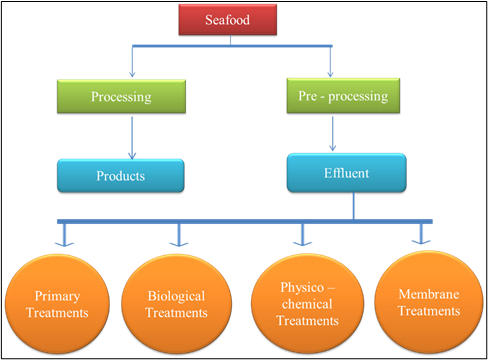
Figure 1: Effluent generation during seafood processing.
According to Weichselbaum, et al. (2013), shrimp culture and fisheries both show roles in expanding the obtainability of seafood for dietary and fitness benefits. Fish refrigeration, canning, and fishmeal processing are the three primary categories of fish processing activities [12,104,78]. Seafood wastes decay faster than urban wastes since they contain more proteins and elements. The seafood wastes typically comprise 59% proteins, 20% fat, and 30% ash [48,7].
Numerous pre-processing procedures, including washing, decapitation, skinning, scaling, flaking, boiling, and glazing, require water. Freezing systems are also necessary to combat the consumable nature of harvested seafood at different handling phases. The transportation and storage of both raw and finished goods also require water [7,59,63,94,105].
Significant amounts of organic matter, such as solids waste, as well as extra nutrients (phosphorus and nitrogen), can be found in the effluents of processing plants [63]. Waste streams and other discards from seafood processing are full of valuable substances that may find use in the food, medical, and related trades. In adding to protective the environs, valuing seafood waste can play a major role in protecting marine resources and lowering product growth costs. Seafood effluent must be recognized as resources of different components of sustainable resources [4] (Figure 1).

Figure 3: Example of a calculated oxidation time.
Effluent Treatment
Physical, chemical, or biological methods can be used to treat wastewater at three different levels [18,38,40,109]. The primary stage was may interfere settleable materials with later processes. The secondary stage is when dissolved organic matter is consumed and the primary nutrients are oxidized to nitrate and orthophosphate by a mixture of physical and/or biological methods. The tertiary stage includes a sophisticated treatment that gets rid of trace organic chemicals, phosphates, and nitrates [118]. According to Qin, et al. (2023), nitrogen is typically extracted without recycling, turning it into N2 that will enter the atmosphere.
The method of precipitating phosphorus mostly includes the addition of cations such as calcium, iron, and aluminum, which is costly [19]. Phosphorus and nitrogen are used for microalgae. This natural process may appear straightforward, but it involves several intricate metabolic methods that change depending on the crop surroundings and the type of effluent that needs to be conserved [27]. Table 1 shows the estimated volumes of seafood effluent processing operations.
To effectively separate organic matter, membrane-based separation procedures, or MBSPs, have become innovative methods. Additionally, toxic elements and organisms can be eliminated from biological wastes by MBSPs [42,89]. With the potential to be recycled as a microalgae treatment in seafood effluents decrease the organic matter and other elements [5]. Algae masses have been used extensively in seafood effluent treatment because of their high tolerance to the compounds they contain. As a result, algae mass technology has gained consideration recently for the management of industrial, agro-industrial, metropolitan, and residential wastewater [91] (Table1).
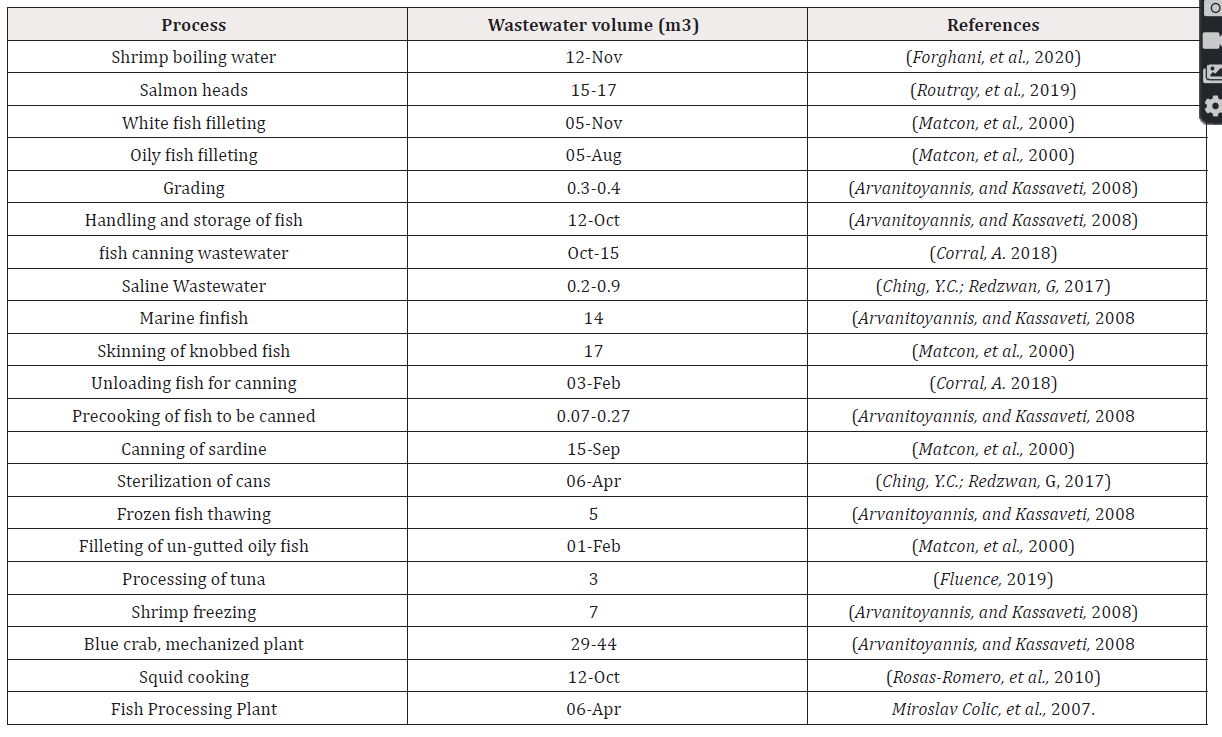
Table 1: Approximate volumes of wastewater generated by seafood processing operations.
IG: intervention group; CG: control group
Physiochemical Parameters of Wastewater Treatment
The industry of seafood processing causes significant amounts of organic contamination and higher salinity in getting water. Important pollutant factors of seafood effluents include chemicals and physical parameters. Solid waste may also be present in some amounts in the effluents. As per Islam et al. (2004) and Tukker and Jansen (2006), the industry consistently disposes of massive quantities of dense waste, with by-catch, around the adjacent property.
The gases produced when the waste decomposes pollute and change the ecosystems of the receiving water bodies and lower the DO content. Furthermore, high concentrations of physiochemical parameters might be harmful to aquatic life and the environs [6,10,49]. The two most essential nutrients for the culture of microalgae are phosphorus and nitrogen. Algae absorb phosphorus as inorganic orthophosphate, another macronutrient necessary for growth [1,50].
The pH of the wastewater may also have an influence on the pace of microalgae culture and effluent treatment. The pH controls the species of inorganic carbon that are available, [14,36,41,50,65,99]. Temperature has little influence when light is limited and is proportionate to the amount of sunlight available. A temperature rise can speed up photosynthesis when light availability is not a limiting factor, which leads to faster growth and doubling rates [61].
The pH of the wastewater may also have an influence on the pace of microalgae culture and effluent treatment. The pH controls the species of inorganic carbon that are available, [14,36,41,50,65,99]. Temperature has little influence when light is limited and is proportionate to the amount of sunlight available. A temperature rise can speed up photosynthesis when light availability is not a limiting factor, which leads to faster growth and doubling rates [61].
Microalgae Application with Effluent Treatment
A commercial and adaptable system of concentrating and converting resources from waste or seafood effluent was useful methods is through biotechnological processes [9,20,79,84]. Biomass is processed sustainably to produce a variety of [28]. According to Subhadra and Grinson-George [96], algae-based biotechnology is a viable way to use waste from the food sector, including aquaculture effluents. Figure 2 shows the sustainable wastewater treatment for the fishery industry.
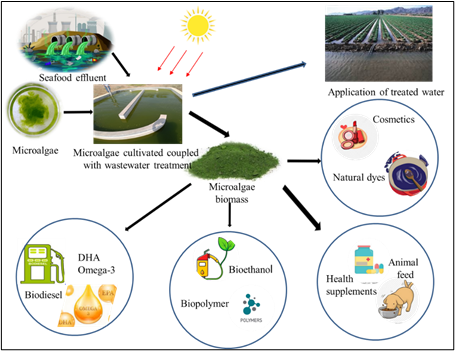
Figure 2: Sustainable wastewater treatments for fishery industry.
According to Nagarajan, et al. [72] and Zhuang, et al. [120], algae mass can improve the ecological implications of the seafood effluent treatment systems now in use by efficiently using microalgae biomass cultivated outdoors. According to Shahid et al. (2020), algae growing in seafood effluent provided the fastest biomass manufacture and the highest rate of atmospheric carbon fixation, with nearly total pollution clearance.
To treat wastewater, the strain must be able to remove a lot of nutrients and withstand high concentrations of pollutants like ammonia. While various species can absorb contaminating nutrients to varying degrees, it is important to determine the goal because we may have strains that are highly effective at treating wastewater but uninteresting in producing value-added products. To effectively integrate seafood effluent treatment with the creation of an algae mass bioproduct of profitable significance, it is crucial to ascertain yields and productivity beforehand [100]. Table 2 shows the microalgae in diverse types of wastewater treatment.
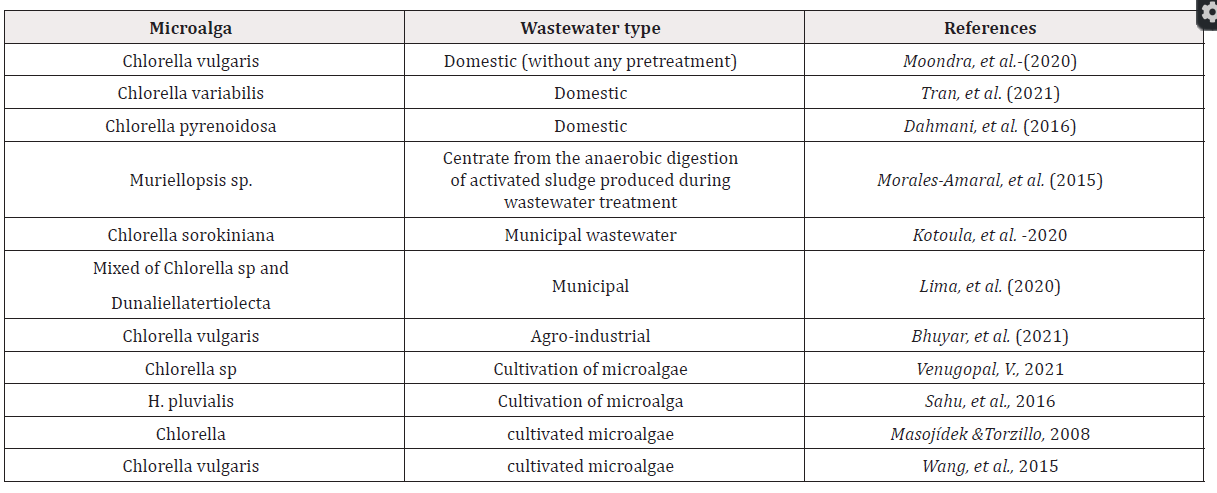
Table 2: Microalgae in different types of wastewater treatment.
IG: intervention group; CG: control group
Microalgae Products
According to Stengel and Connan (2015), microalgae are used in a variety of diet, drug, fishery, ornamental, and green industries due to their unique development, and sustainability of sources. Studies that aim to combine sustainable practices with productive processes where the use of seafood effluents is a topic of attention can only show whether the finished product is hygienic enough to be used [66].
Biofertilizers
Due to its high nutritional content, wastewater from fish processing offers a great deal of possible use in cultivation [16]. Because of their phytochemical makeup, microalgae-based biofertilizers make macro and micronutrients available [60]. Which have a bio-stimulating impact on crops whether useful directly to crops or as compost [39,44,90]. Increase topsoil permeability [73], enhance water maintenance [70,71] enhance the yield and quality of farming products, and considerably reduce the harmfulness of plants in the topsoil [43,58,90,110].
Biogas
Anaerobic digestion can convert wastewater treatment sludge into methane [8]. Because microalgae produce a lot of biomasses that is rich in nutrition which may be used as a fresh material to manufacture bioethanol, lipid biodiesel, hydrogen through electrocoagulation, and methane through anaerobic digestion, they have a lot of promise for producing biofuels. Large-scale production is not possible because of the comparatively high costs of drying and extracting lipids and carbohydrates [75,80,97].
Pigment From Agro-Industrial Waste
Agro-industrial leftovers can produce biomass, are higher in natural stains and biomolecules, pose no chemical risk, and may be accessible on a wide scale [30,82], [17], [111]. Many beneficial compounds can be found in microalgae. According to [119], [57], [64], [103], Koutra et al. (2021), these organisms possess metabolic pathways that metabolites can be utilized in the biochemical, diet, drug, agricultural, and eco-friendly industries (Figure 2).
Fish Feed
Nutrition can be recovered from effluent treatment by disintegrating, alkalizing, ultrasonic, precipitating, and drying. The feed could be employed as good quality and assurance with nutritive diets [47,117]. Seafood effluent algae biomass may be converted into nutritional feed for fish [115]. The algal mass was potentials safe and nutritive food in the animal feed, and bio products [15,93].
Future Challenges Protective and Sustainability of Wastewater Treatment
Many national and international regulatory bodies have focused their attention on worldwide concerns over seafood-related environmental contamination [76,46]. These bodies urge that effluents be treated appropriately so that they can be discharged safely without posing unnecessary environmental risks. As a result, regulatory bodies have issued instructions and restrictions to mitigate the ecofriendly effects of commercial fish processing. The culture of algae mass for seafood effluent involves specific issues that must be researched and addressed once effective methods are available.
i. The proper plan of the bioreactor, as well as the pattern, plays an important role in the biomass production in the seafood effluent method. ii. The proper resource-efficient and sustainable wastewater treatment for fishery industry investigations must be monitored regularly and systematically in the system. iii. Recognize unique techniques for the culture of algal mass production systems, particularly association research with mixes of microorganisms in resource-efficient and sustainable wastewater treatment. iv. To increase the effectiveness of photo bioreactors, combine dual-mass collecting methods with the reuse of alga media that will support resource-efficient and sustainable wastewater treatment. v. Conduct further life cycle and planetary assessments using microalgae or consortia, and compare the results to standard wastewater management and treatment technologies. vi. Automation technology advances, allowing for distant and effective processes. As a result, combining the effluent treatment idea with the Microalga bio refinery could open up significant prospects for resource sustainability. Pollutants dissolved in wastewater will always be converted, contributing to environmental improvement.
Conclusion
The seafood effluent treatment of microalgae has commercial and eco-friendly benefits for the environment and society. Using it can deliver effective and low-cost management in which polluting chemical elements can be removed in large quantities. Microalgae’s capacity to biofix CO2 helps to reduce greenhouse gas emissions while maintaining a carbon footprint. The variety of its substance and metabolic energy confers environmental and agro-industrial benefits. The use of microalgae in agriculture has received consideration in recent centuries, as algae biomass has exposed important results in the agriculture and seafood industry. This also delivers economic benefits by producing yields with additional value from biomass that have a wide range of applications, providing the method for a resource-efficient and sustainable system. Despite this, there are tasks in the microalgae method that must be modified, such as the plan of devices or production systems, controlling of organic waste, primary and secondary control variables, and algae mass collecting, among others, so that it is essential to carry on with investigation and trying on large production, in addition to enduring to increase awareness of the culture and use of algae mass.
Acknowledgements
The authors are grateful to Marwadi University, Rajkot, Gujarat, India, 360 003, for providing infrastructure and continuous support to carry out this work.
Conflicts of Interest
None.
References
- Ahmed Al Darmaki, GovindrajanL, Sahar Talebi, Sara Al-Rajhi, Tahir Al-Barwani, et al. (2012) Cultivation and Characterization of Microalgae for Wastewater Treatment. World Congress on Engineering 1: 599-602.
- Ahmed N, Thompson S (2019) The blue dimensions of aquaculture: a global synthesis. Sci Total Environ 20(652): 851-861.
- Alagha O, Allazem A. Bukhari AA, Anil I, Muazu ND (2020) Suitability of SBR for wastewater treatment and reuse: Pilot-Scale reactor operated in different anoxic conditions. Int J Environ Res Public Health 17(5): 1617.
- Alkaya GN (2016) Demirer, Minimizing and adding value to seafood processing wastes, Food Bioprod. Process 100: 195-202.
- Amaro HM, Salgado EM, Nunes OC, Pires JC M, Esteves AF (2023) Microalgae systems - environmental agents for wastewater treatment and further potential biomass valorisation. J Environ Manag 1(337): 117678.
- Anh P T, Kroeze C, Bush S R, Mol A P J (2010) Water pollution by Pangasius production in the Mekong Delta, vietnam: causes and options for control. Aquac Res 42: 108-128.
- Arvanitoyannis I S, Kassaveti A (2008) Fish industry waste: treatments, environmental impacts, current and potential uses. Int J Food Sci Technol 43(4): 726-745.
- Avila R, Justo A, Carrero E, Crivilles E, Vicent T, et al. (2022) Water resource recovery coupling microalgae wastewater treatment and sludge co-digestion for bio-wastes valorisation at industrial pilot-scale. Bioresour Technol 343: 126080.
- Balasubramaniam V, Gunasegavan RD, Mustar S, Lee JC, Mohd Noh MF (2021) Isolation of industrial important bioactive compounds from microalgae. Molecules 26 (4): 943.
- Belinda S M Sturm, Stacey L Lamer (2011) An energy evaluation of coupling nutrient removal from wastewater with algal biomass production. Applied Energy 88(10): 3499-3506.
- Bhuyar P, Farez F, Rahim F, Maniam G, Govindan N (2021) Removal of nitrogen and phosphorus from agro-industrial wastewater by using microalgae collected from coastal region of peninsular Malaysia. Afr J Biol Sci 3(1): 58-66.
- Bjork A, Schou Kongstad C (2016) Conditions for Design and Control of Refrigeration Systems in Fish Processing Plants. Chalmers University of Technology, Sweeden. Bressers H Kuks S Water governance regimes: dimensions and dynamics. International Journal of Water Governance 1: 133-156.
- Boyd C E (2020) Eutrophication, Water Quality: An Introduction, pp: 311-322.
- Carawan RE, Chambers JV, Zall RR (1979) Seafood Water and Wastewater Management, The North Carolina, Agricultural Extension Service. USA.
- Carus M, Dammer L (2018) The circular bio economy-concepts, opportunities, and limitations. Ind Biotechnol 14(2): 83-91.
- Ching R, Ghufran YC (2017) Biological treatment of fish processing saline wastewater for reuse as liquid fertilizer. Sustainability 9(7): 1062.
- Chini Zittelli G, Lauceri R, Faraloni C, Silva A M, Torzillo G (2023) Valuable pigments from microalgae: phycobiliproteins, primary carotenoids, and fucoxanthin. Photochem Photobiol Sci 22(8): 1733-1789.
- Chowdhury P, Viraraghavan T, Srinivasan A (2010) Biological treatment processes for fish processing wastewater - a review. Bioresour Technol 101(2): 439-449.
- Christensen ML, Cvitanich C, Quist-Jensen CA, Thau M, Malmgren-Hansen B (2022) Precipitation and recovery of phosphorus from the wastewater hydrolysis tank. Sci Total Environ 813(20): 151875.
- Cobos M, Castro JC, Paredes JD, Perez S, Maddox JD, et al. (2020) Isolation, characterization, and biotechnological potential of native microalgae from the Peruvian amazon. in Microalgae - from physiology to application. London United Kingdom Intech Open.
- Colic M, Morse W, Hicks J, Lechter A, Miller JD (2007) A case study of fish processing plant wastewater treatment. Water Practice 2 (2) Water Environmental Federation.
- Corral A (2018) Performance and microbial features of the partial nitritation-anammox process treating fish canning wastewater with variable salt concentrations. J Environ Manag 15(208): 112-121.
- Cristovao R, Botelho C, Martins R, Boaventura R (2012) Pollution prevention and wastewater treatment in fish canning industries of Northern Portugal. IPCBEE 32: 1216.
- Cristovao RO, Botelho CM, Martins RJ E, Loureiro JM, Boaventura RA R (2014) Primary treatment optimization of a fish canning wastewater from a protuguese plant. Water Resourses and Industry 6: 5163.
- Cristovao RO, Goncalves C, Botelho CM, Martins RJ E, Loureiro JM, et al. (2015) Fish canning wastewater treatment by activated sludg e: application of factorial design optimization biological treatment by activated sludge of fish canning wastewater. Water Resources and Industry 10: 29 38.
- Dahmani S, Zerrouki D, Ramanna L, Rawat I, Bux F (2016) Cultivation of Chlorella pyrenoidosa in outdoor open raceway pond using domestic wastewater as medium in arid desert region. Bioresour Technol 219: 749-752.
- Dalvi V, Naaz F, Nigam H, Jain R, Samuchiwal S, Kalia S (2021) Removal of pollutants from wastewater via biological methods and shifts in microbial community profile during treatment process. Wastewater Treat React pp: 19-38.
- De Farias Silva C E, Barbera E, Bertucco A (2019) Bio refinery as a promising approachto promotes ethanol industry from microalgae and Cyanobacteria. Bioethanol Prod from Food Crop Elsevier pp: 343-359.
- Dinesh Kumar R, Kumaravel R, Gopalsamy J, AzimSikder M N, Sampathkumar P (2018) Microalgae as bio-fertilizers for rice growth and seed yield productivity. Waste Biomass Valor 9: 793-800.
- Durvasula R, Hurwitz I, Fieck A, Subba D (2015) Culture, growth, pigments and lipid content of Scenedesmus species, an extremophile microalga from Soda Dam, New Mexico in wastewater. Algal Res 10: 128-133.
- (2020) FAO Food and Agriculture Organization of the United Nations, The State of World Fisheries and Aquaculture: Sustainability in Action.
- (2022) FAO The state of world fisheries and aquaculture.
- Ferjani E, Ellouze E, Amarben R (2000) Treatment of Seafood Processing Wastewaters by Ultrafiltration - Nanofiltration Cellulose Acetate Membranes. Desalination 177(1-3): 43-49.
- Fluence (2019) Waste-to-energy Technology Helps Fish Processor Save on Operating Costs.
- Forghani B, Bordes R, Strom A, Undeland I (2020) Recovery of a protein-rich biomass from shrimp (Pandalus borealis) boiling water: a colloidal study. Food Chem 1(302): 125299.
- (1994) FREMP Wastewater Characterization of Fish Processing Plant Effluents. Technical Report Series FREMP WQWM-93-10, DOE FRAP Fraser River Estuary Management Program. New West Minister B C 1993-39.
- Garcia MA Montelongo I, Rivero A, Paz N, Fernandez MM N, Villavicencio (2016) Treatment of wastewater fro fish processing industry using chitosan acid salts. Int j water and wastewater treatment 2.
- Garrido-Cardenas J A, Esteban-Garcia B, Aguera A, Sanchez-Perez J A, Manzano-Agugliaro F (2020) Wastewater treatment by advanced oxidation process and their worldwide research trends. Int J Environ Res Public Health 17(1): 170.
- Goncalves AL (2021) The use of microalgae and cyanobacteria in the improvement of agricultural practices: a review on their biofertilizing, bio stimulating and bio pesticide roles. Appl Sci 11(2): 871.
- Gonzalez JF (1995) Wastewater Treatment in the Fishery Industry, FAO Food Agric. Organ United Nations Rome pp:52.
- Gonzalez JF (2005) FAO, Fisheries technical paper 355. Food and Agriculture Organization of United Nations Daya Publishing 52.
- Guest JS, Skerlos SJ, Barnard JL, Beck MB, Daigger GT, et al. (2009) A new planning and design paradigm to achieve sustainable resource recovery from wastewater. Environ Sci Technol 43: 6126-6130.
- Guimaraes JT, Souza AL M, Brigida AI S, Furtado AA L, Chicrala PC M S, et al. (2018) Quantification and characterization of effluents from the seafood processing industry aiming at water reuse: a pilot study. J Water Process Eng 26: 138-145.
- Guo S, Wang P, Wang X, Zou M, Liu C, Hao J (2020) Microalgae as biofertilizer in modern agriculture. in Microalgae biotechnology for food, health and high value products Editors M Alam J L Xu, Z Wang.
- Gustavsson A, Cederberg J, Sonesson C, van Otter Dijk U, Maybeck R (2011) Global Food Losses and Food Waste-Extent Causes and Prevention. FAO Food Agric Organ Rome.
- Hall SJ, Delaporte A, Phillips MJ, Beveridge M, O Keefe M (2011) Blue Frontiers. Managing the Environmental Cost of Aquaculture. The World Fish Center Penang pp: 92.
- Hwang J, Zhang L, Seo S, Lee Y W, Jahng D (2008) Protein recovery from excess sludge for its use as animal feed. Bioresource Technol 99: 8949-8954.
- Islam M S, Khan S, Tanaka M (2004) Waste loading in shrimp and fish processing effluents: potential source of hazards to the coastal and nearshore environments. Mar Pollut Bull 49(1-2): 103-110.
- Jamieson BL, Goncalves AA, Gagnon GA (2010) Toxicology evaluation of Atlantic Canadian seafood processing plant effluent. Environ Toxicol 25(2): 137-146.
- Karin Larsdotter (2006) Wastewater treatment with microalgae - a literature review. VATTEN 62: 31-38.
- Kotoula D, Iliopoulou A, Irakleous-Palaiologou E, Gatidou G, Aloupi M, et al. (2020) Municipal wastewater treatment by combining in series microalgae Chlorella sorokiniana and macrophyteLemna minor: preliminary results. J Clean Prod. 271: 122704.
- Kumar Pandion, Kantha Deivi Arunachalam, Rajinikanth Rajagopal, Soon Woong Chang, Balasubramani Ravindran (2023) Health Risk assessment of heavy Metals in the seafood at Kalpakkam coast, southeast Bay of Bengal. Mar Pollut Bull 189: 114766.
- Kumar Pandion, SB Mohamed Khalith, Balasubramani Ravindran, Murugesan Chandrasekaran, Rajakrishnan Rajagopal, et al. (2022) Potential health risk caused by heavy metal associated with seafood consumption around the coastal area. Environmental Pollution Volume 294: 118553.
- Kumar P, Sivaperumal P, Manigandan V (2021) Assessment of potential human health risk due to heavy metal contamination in edible finfish and shellfish collected around Ennore coast. India Environ SciPollut Res 28: 8151-8167.
- Kundu D, Dutta D, Samanta P, Dey S, Sherpa KC, Kumar S (2022) Valorization of wastewater: a paradigm shift towards circular bioeconomy and sustainability. Sci Total Environ 20(848): 157709.
- Lima S, Villanova V, Grisafi F, Caputo G, Brucato A, Scargiali F (2020) Autochthonous microalgae grown in municipal wastewaters as a tool for effectively removing nitrogen and phosphorous. J Water Process Eng 38: 101647.
- Lopes C, Antelo LT, Uria A, Alonso AA, Perez-Martin R (2015) Valorisation of fish by-products against waste management treatments - comparison of environmental impacts. Waste Manag 46: 103-112.
- M B Vallejos, M S Marcos, C Barrionuevo, N L Olivera (2020) Fish-processing effluent discharges influenced physicochemical properties and prokaryotic community structure in arid soils from Patagonia. Sci Total Environ 714: 136882.
- Malmstedt M (2019) Recovering Nutrients from Seafood Processing Water.
- Marks EA N, Minon J, Pascual A, Montero O, Manuel L, Rad C (2017) Application of a microalgal slurry to soil stimulates heterotrophic activity and promotes bacterial growth. Sci Total Environ 605-606: 610-617.
- Martin Kendrick (2011) Algal bioreactors for nutrient removal and biomass production during the tertiary treatment of domestic sewage. Loughborough University Institutional Repository.
- Masojidek J, Torzillo G (2008) Mass cultivation of freshwater microalgae. Encyclopedia of Ecology. Five 1: 2226-2235.
- Matcon C J, Christiansen K, Hummrlmose B (2000) Cleaner Production Assessment in Fish Processing. United Nations Environment Program and Danish Environmental Protection Agency.
- Medeiros VP B, Pimentel TC, Varandas RC R, dos Santos SA, Pedrosa GT S, et al. (2020) Exploiting the use of agro-industrial residues from fruit and vegetables as alternative microalgae culture medium. Food Res Int 137: 109722.
- Mines RO, Robertson RR (2003) Treatability study of a Seafood Processing Wastewater. Journal of Environmental Science and Health A 38(9): 1927-1937.
- Mobin SM A, Chowdhury H, Alam F (2019) Commercially important bioproducts from microalgae and their current applications - a review. Energy Procedia 160: 752-760.
- Molina J (2003) Biological treatment alternatives for the Seafood Processing Industry, In: Morry, Chadwick, C. J., Courtney, M., S. and mallet, P. (eds.) Fish Plant Effluents. a work on Sustainability pp: 53-54.
- Moondra N, Jariwala Namrata D, Christian R A (2020) Sustainable treatment of domestic wastewater through microalgae. Int J Phytoremediation 22(14): 1480-1486.
- Morales-Amaral M, Gomez-Serrano C F, Acien G, Fernandez-Sevilla JM, Molina-Grima E (2015) Production of microalgae using centrate from anaerobic digestion as the nutrient source. Algal Res 9: 297-305.
- Muniswami DM, Chinnadurai S, Sachin M, Jithin H, Ajithkumar K, Surya Narayanan G (2021) Comparative study of biofertilizer/biostimulant from seaweeds and seagrass in Abelmoschusesculentus crop. Biomass Conv Bioref 13(1): 11005-11022.
- Mutum L, Janda T, Ordog V, Molnar Z (2022) Biologia Futura: potential of different forms of microalgae for soil improvement. Biol Futura 73(1): 1-8.
- Nagarajan D, Lee DJ, Chen JS (2020) Chang Resource recovery from wastewaters using microalgae-based approaches: a circular bioeconomy perspective. Bioresour Technol 302: 122817.
- M, Swain D K, Sen R (2019) Strategic valorization of de-oiled microalgal biomass waste as bio fertilizer for sustainable and improved agriculture of rice (Oryza sativa L.) crop. Sci Total Environ 10(682): 475-484.
- Obaideen K, Shehata N, Sayed ET, Abdelkareem MA, Mahmoud MS, Olabi AG (2022) The role of wastewater treatment in achieving sustainable development goals (SDGs) and sustainability guideline. Energy Nexus 7: 100112.
- Oliveira CY B, Oliveira CD L, Prasad R, Ong HC, Araujo ES, Shabnam N (2021) A multidisciplinary review of Tetradesmusobliquus: a microalga suitable for large-scale biomass production and emerging environmental applications Rev Aquac 13: 1594-1618.
- Ottaviani D, Tsuji S, De Young C, (2016) Lessons learned in water accounting: the fisheries and aquaculture perspective in the system of environmental-economic accounting (SEEA) framework. In Fish Aquac Tech Pap. 599 FAO Food Agric Organ.
- Petrik LF, Ngo HH, Varjani S, Osseweijer P, Xevgenos D, van Loosdrecht M (2022) From wastewater to resource. One Earth 5(2): 122-125.
- Purwanti I, Titah H, Tangahu B, Kurniawan S B (2018) Design and application of wastewater treatment plant for pempek food industry Int J Civ Eng Technol 9(13): 1751-1765.
- Puyol D, Batstone D J, Hülsen T, Astals S, Peces M, Kromer J O (2017) Resourcerecovery from wastewater by biological technologies: opportunities, challenges, and prospects. Front Microbiol 7.
- Qian J, Zhang J, Jin Z, Cheng J, Li J, Song H (2022) Enhancing algal yield and nutrient removal from anaerobic digestion piggery effluent by an integrated process-optimization strategy of fungal decolorization and microalgae cultivation. Appl Sci 12: 4741.
- Qin Y, Wang K, Xia Q, Yu S, Zhang M, An Y (2023) Up-concentration of nitrogen from domestic wastewater: a sustainable strategy from removal to recovery. Chem Eng J 451: 138789.
- Raposo M, Morais R, Morais A (2013) Health applications of bioactive compounds from marine microalgae. Life Sci 93(15): 479-486.
- Riano B, Molinuevo B, Garcia Gonzalez MC (2011) Treatment of fish processing wastewater with microalgae containing microbiota. Bioresource Technology 102: 10829 10833.
- Richmond A, Qiang H (2013) Handbook of micro algal culture: applied phycology and biotechnology. 2nd ed. Hoboken, NJ, USA John Wiley & Sons Ltd 719.
- Rosas-Romero Z G, Ramirez-Suarez J C, Pacheco-Aguilar R, Lugo-Sanchez M E, Carvallo-Ruiz G, et al. (2010) Partial characterization of an effluent produced by cooking of Jumbo squid (Dosidicusgigas) mantle muscle. Bioresour Technol 101(2): 600-605,
- Routray W, Dave D, Cheema S K, Ramakrishnan V V, Ramakrishnan V V, Pohling J (2019) Biorefinery approach and environment-friendly extraction for sustainable production of astaxanthin from marine wastes. Crit Rev Biotechnol 39 (4): 469-488.
- Saher N U, Kanwal N (2019) Assessment of some heavy metal accumulation and nutritional quality of shellfish with reference to human health and cancer risk assessment: a seafood safety approach. Environ Sci Pollut Control Ser 26(5): 5189-5201.
- Sahu B, Barik N, Paikaray A, Agnibesh A, Jayasankar M P (2016) Fish waste biorefinery products: its application in organic farming. Int J Env Agri Biotechnol 1(4): 837-843.
- Salehi F (2014) Current and future applications for nanofiltration technology in the food processing, Food Bioprod Process. 92: 161-177.
- Sampathkumar P, Dinesh kumar R, Rasheeq AA, Arumugam, A, Nambi K S N (2019) Marine microalgal extracts on cultivable crops as a considerable biofertilizer: a Review. Indian J Traditional Know (IJTK) 18: 4.
- Sepulveda-Munoz C A, de Godos I, Munoz R (2023) Wastewater treatment using photosynthetic microorganisms. Symmetry 15(2): 525.
- Shahid A, Malik S, Zhu H, Xu J, Nawaz M Z, et al. (2020) Cultivating microalgae in wastewater for biomass production, pollutant removal, and atmospheric carbon mitigation: a review. Sci Total Environ 20(704): 135303.
- Sherwood J (2020) The significance of biomass in a circular economy. Bioresour Technol 300: 122755,
- Steinke M, Barjenbruch M (2010) Full-scale experiences of nitrogen removal of fish processing wastewater with flotation and anoxic-aerobic activated sludge system. Water Sci Technol 61(9): 2227-2233.
- Stengel D B, Connan S (2015) Marine Algae, A source of biomass for biotechnological applications. Methods Mol Biol Springer New York 1308: 1-37.
- Subhadra, Grinson George B (2010) Algalbiorefinery-based industry: an approach to address fuel and food insecurity for a carbon-smart world. J Sci Food Agric 91(1): 2-13.
- Tawfik A, Eraky M, Alhajeri N S, Osman A I, Rooney D W (2022) Cultivation of microalgae on liquid anaerobic digestate for depollution, biofuels and cosmetics: a review. Environ Chem Lett 20: 3631-3656.
- Tay J H, Show K Y, Hung Y T (2004) Seafood Processing Wastewater Treatment, Handbook of Industrial and Hazardous Wastes Treatment. CRC Press pp: 706-749.
- Thorat SP, Wagh SB (1999) Physico chemical analysis of tannery water. Jr Industrial Poll Cont 16(1): 107-109.
- Torres-Franco, A. Passos F, Figueredo C, Mota C, Munoz R (2021) Current advances in microalgae-based treatment of high-strength wastewaters: challenges and opportunities to enhance wastewater treatment performance. Rev Environ Sci Biotechnol 20(2): 209-235.
- Tran D, Van Do, T C, Nguyen Q T, Le T G (2021) Simultaneous removal of pollutants and high value biomaterials production by Chlorella variabilis TH03 from domestic wastewater. Clean Techn Environ Policy 23: 3-17.
- Tukker A, Jansen B (2006) Environmental impacts of products: a detailed review of studies. J Ind Ecol 10(3): 159-182.
- Vadiveloo A, Foster L, Kwambai C, Bahri P A, Moheimani N R (2021) Microalgae cultivation for the treatment of anaerobically digested municipal centrate (ADMC) and anaerobically digested abattoir effluent (ADAE). Sci Total Environ 775: 145853.
- Valihno S, Barros M, Bello P, Casares J (2007) Analysis of the Fish and Seafood Canning Industry under the IPPC Framework. Proceedings ISETS07 Nagoya Japan Green K, Fishmeal and fish oil facts and figures Sea fish.
- Venugopal V (2006) Seafood processing: adding value through quick freezing. Reportable Packaging and Cook-Chilling. CRC Press Boca Raton Fl.
- Venugopal V (2021) Marine Products for Healthcare: Functional and Bioactive Compounds from the Ocean. CRC Press Boca Raton Florida.
- Villarin M C, Merel S (2020) Paradigm shifts and current challenges in wastewater management. J Hazard Mater 15(390): 122-139.
- Walid El shorbagy, Rezaul Kabir Chowdhury (2013) WATER TREATMENT Bulent Sen, Mehmet Tahir Alp Feray Sonmez Mehmet Ali Turan Kocer and Ozgur Canpolat, Chapter 14. Relationship of Algae to Water Pollution and Waste Water Treatment pp: 335-354.
- Wang L K, Aulenbach D B, Shammas N K (2010) Treatment of seafood processing wastewater. Flotat Technol Humana Press pp: 567-592.
- Wang B, Liang W, Guo Z, Liu W (2015) Biomimetic super-lyophobic and super-lyophilic materials applied for oil/water separation: a new strategy beyond nature. Chemical Society Reviews 44: 336-361
- Wang J, Hu X, Chen J, Wang T, Huang X, Chen G (2022) The extraction of B-carotene from microalgae for testing their health benefits. Foods 11(4): 502.
- Watson R (1996) The sea fish industry authority, Sea fish Technology, Trials to determine the effectiveness of screening and dissolved air flotation (DAF) for treating herring and white fish processing effluent. Sea fish Report No SR500.
- Weichselbaum E, Coe S, Buttriss J, Stanne S (2013) Fish in the diet: a review. Nutr Bull 38: 128-177.
- (2003) WHO The World Health Report: Shaping the Future. World Health Organization 1211 Geneva 27 Switzerland.
- Wong, M H, Mo W Y, Choi W M, Cheng Z, Man Y B (2016) Recycle food wastes in to high quality fish feeds for safe and quality fish production. Environ Pollut 219: 631-638.
- World Bank (2014) World Development Indicators: Fresh Water.
- Ximenes I, Hissa JD, Ribeiro DL, Rocha M, OE G, et al. (2019) Sustainable recovery of protein-rich liquor from shrimp farming waste by lactic acidfermentation for application in tilapia feed. Braz J Microbiol 50(1): 195-203.
- Zhang J, Shao Y, Wang H, Liu G, Qi L, Xu X (2021) Current operation state of wastewater treatment plants in urban China. Environ Res 195: 110843.
- Zhu L (2015) Biorefinery as a promising approach to promote microalgae industry: an innovative framework. Renew. Sustain Energy Rev 41: 1376-1384.
- Zhuang Y, Su Q, Wang H, Wu C, Tong S, Zhang J (2023) Strain screening and conditions optimization in microalgae-based monosodium glutamate wastewater (MSGW) treatment. Water 15(9): 1663.




 We use cookies to ensure you get the best experience on our website.