
Mini Review 
 Creative Commons, CC-BY
Suicidal Thoughts Among University Students in Baghdad, Iraq 2020
*Corresponding author: Marha L Kamoona, MOH/Public Health Directorate/NFP Center IHR Department, Resident MS MBA of Public Health Cumbria University, Iraq-Baghdad-Russafa, Al Andalus Square, CDC Building, 10064, Iraq.
Received: March 08, 2025; Published: March 12, 2025
DOI: 10.34297/AJBSR.2025.26.003418
Introduction
The definition of suicide is the intentional killing of oneself and ending the life of the person himself. Risk factors for suicide include mental disorders, especially depression, neurological disorders, emotional stress. Every year, almost one million people die from suicide, 86% of whom are in low/middle-income countries. Suicide is among the three leading causes of death for young people under 25 (WHO) [4,5]. Suicide is considered the third most important cause of death among youth globally, as the number reached 800,000 during 2019 from both sexes and all ages and in Iraq 1128 suicide case during 2016 the latest existing statistical data [7]. The problem of suicide is one of the modern problems facing Iraqi society and the youth group in particular, and the study of suicidal ideas tendencies among a group of university students is a new study and the first of its kind in Iraq, Baghdad 2020.These cases have increased in recent years due to the difficult political, economic and social conditions the country is going through after the events of ISIS, the lack of resources, the increase in unemployment among young people, in addition to the emotional problems that most young people of these ages go through and the lack of communication between parents and the young man or the young lady [2].
Objectives
a) To explore the prevalence of suicidal thoughts among selected sample of university students in Baghdad, Iraq 2020 b) To determine the correlation between different psychological and basic characteristics and suicidal behavior among a sample of young university students in Baghdad, Iraq 2020 [6]. c) To Investigate the relationship between insecurities in attachment, social relationships, symptoms of depression, and suicidal behavior (suicidal thoughts, suicide attempts) after losing a person for any reason [2].

Figure 2: Reactions taking place upon oxidation of omega-3 fatty acids.

Figure 3: Example of a calculated oxidation time.
Methods
Cross sectional descriptive study with an analytic part conducted among university students from a selected sample of public and private universities from Iraq Baghdad governorate by randomized lottery sampling. A questionnaire was administered to 850 university students from February-march in 2020 in Iraq Baghdad. questionnaire was translated to Arabic language. Where the form is distributed as papers to students and collected from them after completion of filling it .Research task was facilitated between the Iraqi Ministry of Health and the Ministry of Higher Education to obtain official approvals to conduct the research, and interviews have been started in Iraqi universities by researchers with university students, explaining the subject matter of the questionnaire and the importance of filling in information accurately to study the prevalence of suicidal ideas among students and their causes. Data collection period From 1/2/2020 to 1/3/2020. Data management and analysis Kobo toolbox was used for data entry.
By designing a Kobo-collect form in the English language which contains several variables: demographics, monthly income, health habits, as well as the measurement tools applied were Beck Scale for Suicide Ideation (BSSI) the Scores will be calculated from four questions, where the participant has be considered having suicidal tendencies if the total score is greater than 7 ,and has no suicidal tendencies if the total score is equal or less than 7.To determine the association between (the outcome )suicidal thoughts among university students and the (exposure) risk factors we did statistical tests to calculate the chi-square and P-value if the P-value is less than 0.05 than the risk factor considered having statistically significant association with outcome. Then further analysis was done for all the variables with significant P-values enrolled in logistic regression to eliminate confounders and determine the strength of association by calculating log odds. Data analysis was done by MS. Excel 2019, SPSS & epi info7 programs. Data was presented as frequency tables.

Figure 4: Visual appearance of fish oil capsules.

Figure 5: Scheme presenting an overview of the way EPA and DHA take from the source of omega-3 oil to the consumer showing necessary protection measures to assure quality in all processes.
Results
The study included 10 Iraqi universities in Baghdad 2020, the data collected was filtered and 34 incomplete forms were excluded. The total number of participants recruited in the study was 816.
Basic Characteristics of Studied Sample
The male was represented 51% of studied sample, the highest percentage of participants (29%) was among (21-22year) age group and the lowest percentage (9%) was among (25-26 years). Most of the participants (86%) were living with their families, 8% were living in private houses, and only 6% of them live in university housing. For the current marital and economic status of the sample studied, the study registered 81% were single, 17% were married, while 2% were widows or divorced. The participants that had enough family income and savings from it were 46% of samples studied, 45% had enough income, and 9% had not enough income. Regarding the habits practiced (smoking, alcohol drinking), the study revealed that 27% of the participants were smokers, 67% were non-smokers, and the co-smokers were 5%. The alcohol drinking participants were 26% while 74% not drinkers (Table 1).
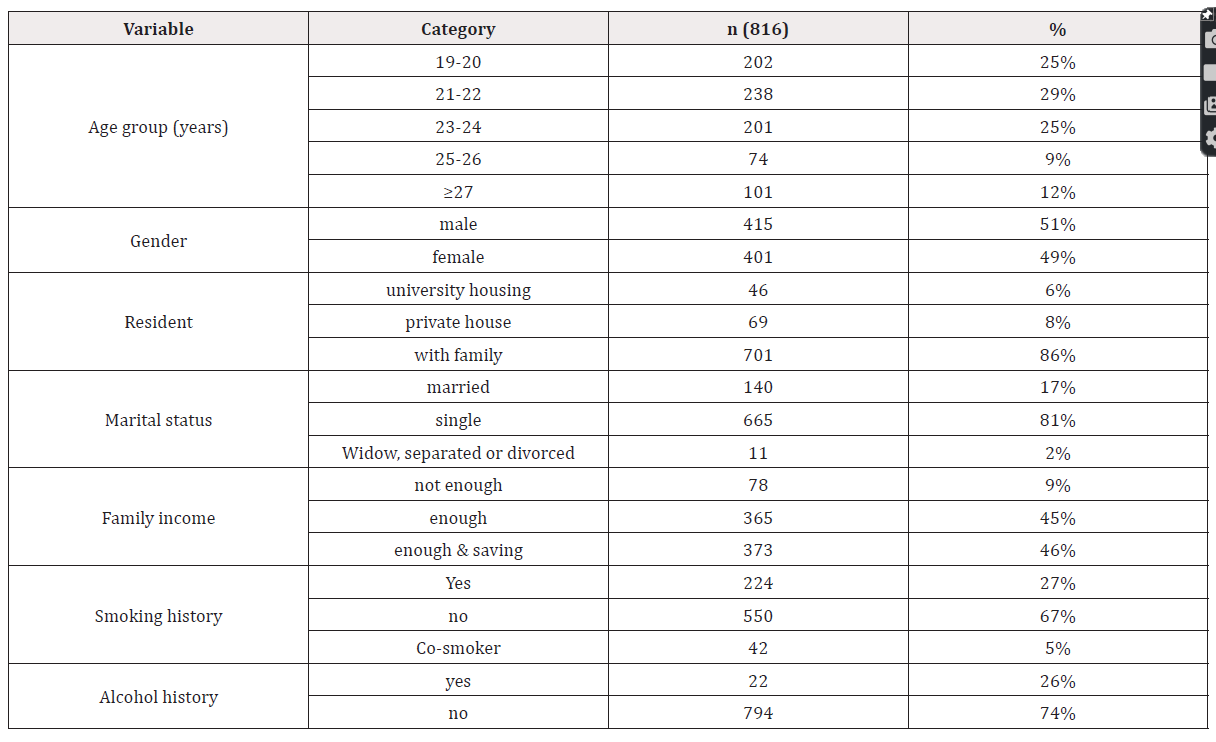
Table 1: Distribution of the studied sample by basic characteristics.
IG: intervention group; CG: control group
The Suicide Risk Factors
The study revealed that 16% of samples studied had a history of psychological disorder, 37% were in severe emotional stress (losing someone loved), 6% had history of physical disability, 16% had economic problems, 15% had social problem, 23% had losing hope for the future. History of violence (any type) was shown in 8% of studied sample, 4% had sedatives drugs addiction history, 8% had a family history of psychological disorder and 5% had a family history of suicide (Table 2). The prevalence of suicide thoughts among the total studied sample was 20.7%, for female was 25.9% and for male was 15.6% (Figure 1).
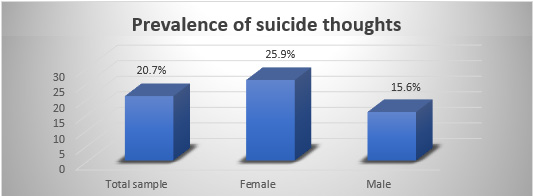
Figure 1: Prevalence of suicide thoughts among studied sample.
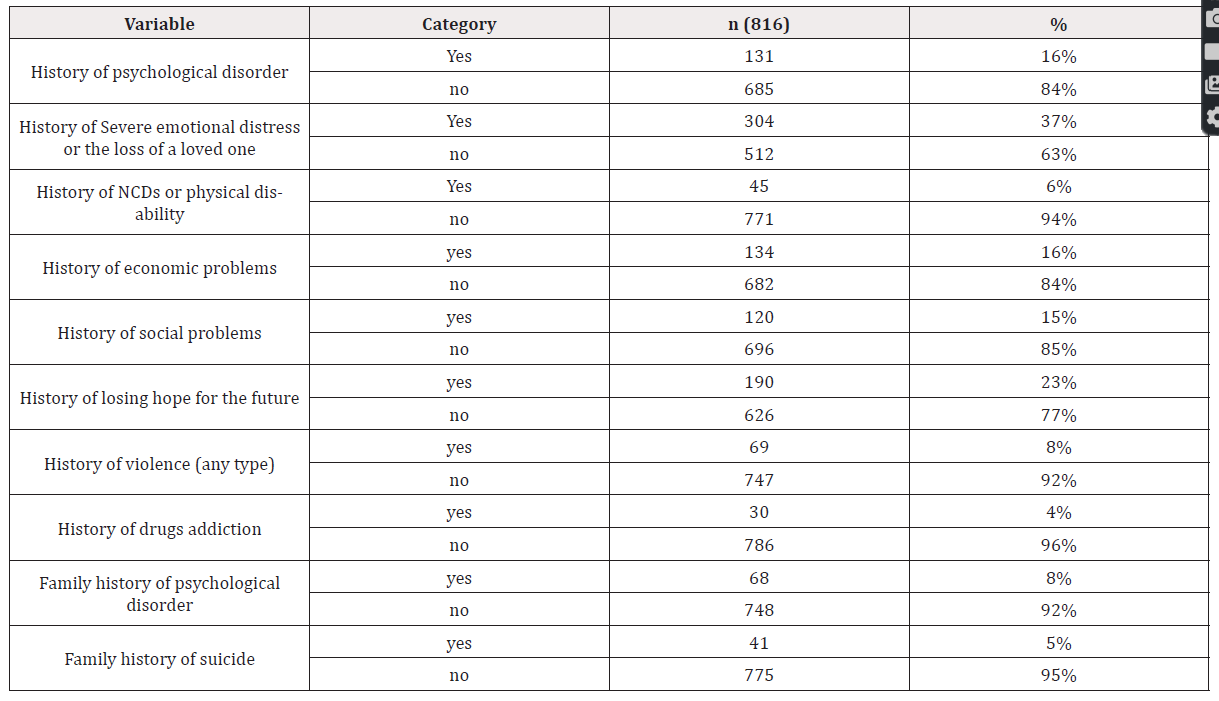
Table 2: Distribution of the study sample by suicide risk factors Variable.
IG: intervention group; CG: control group
Association of Suicidal Thoughts by Studying Sample Basis Characteristics
Regarding the study of the association between the suicidal thoughts and different variables of studied sample, further analysis was done using the chi square test and P value to determine the statistically significance association between suicidal thoughts and these variables .The study shown that the participants gender was statistically significant association with suicidal thoughts (P= 0.0003) and other variables such as (age, resident, marital state, family income, smoking history and alcohol history) was not significant (Table 3).
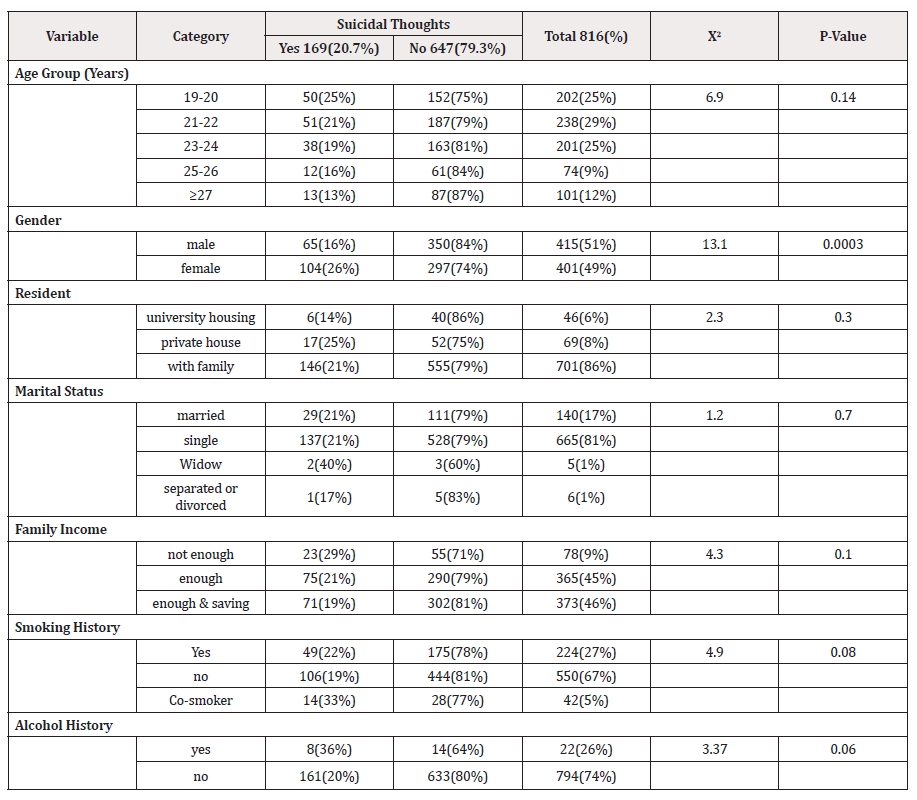
Table 3: Association of suicidal thoughts by studied sample characteristics.
IG: intervention group; CG: control group
The Association of Suicidal Thoughts by Risk Factors Among Studied Sample
As shown in Table 4 10 risk factors were enrolled in chi square test; The suicidal thoughts were statistically significant association with the participants that had all the 10 factors as following: psychological disorders history (P=0.001), history of severe emotional stress (P=001), history of chronic organic disease or physical disability (P=0.01), history of economic problems (P=0.007), history of social problems (P=001), history of losing hope for the future (P=001), history of violence for any type (P=0.001), history of drugs addiction (P=0.004), family history of psychological disorders (P=0.03, and family history of suicide (P=0.001). Further analysis was done in order to eliminate confounders and calculate the strength and direction of association, 11 significant factors enrolled in (Generalized multi linear regression model) from those factors only 7 risk factors shown significant association with suicidal thoughts outcome (Table 4) shows the result of Generalized Linear Model using the multiple ordinal logistic regression for eleventh variables that showed significant statistical association with the suicidal thoughts from the chi square test. The results of Binary logistic models revealed that seven variables still have significant statistical association with the suicidal thoughts as shown by the P-Value <=0.05 and C.I at 95%. Only chronic organic diseases, huge economic problems ,sever social problems ,family history of psychological disorders was not a significant predictor as shown by the P-Value=0.682,0.744,0.598 and 0.779 respectively , Having a positive history of emotional stress or loss loved one was a significant positive predictor of suicidal thoughts , the log odds of having suicidal thoughts was 0.48 points higher on average for those who had a negative past history of emotional stress or loss loved one , the odds of having a positive past history of emotional stress or loss loved one having suicidal thoughts was 1.6 times that of those who had a negative past history of emotional stress or loss loved one.
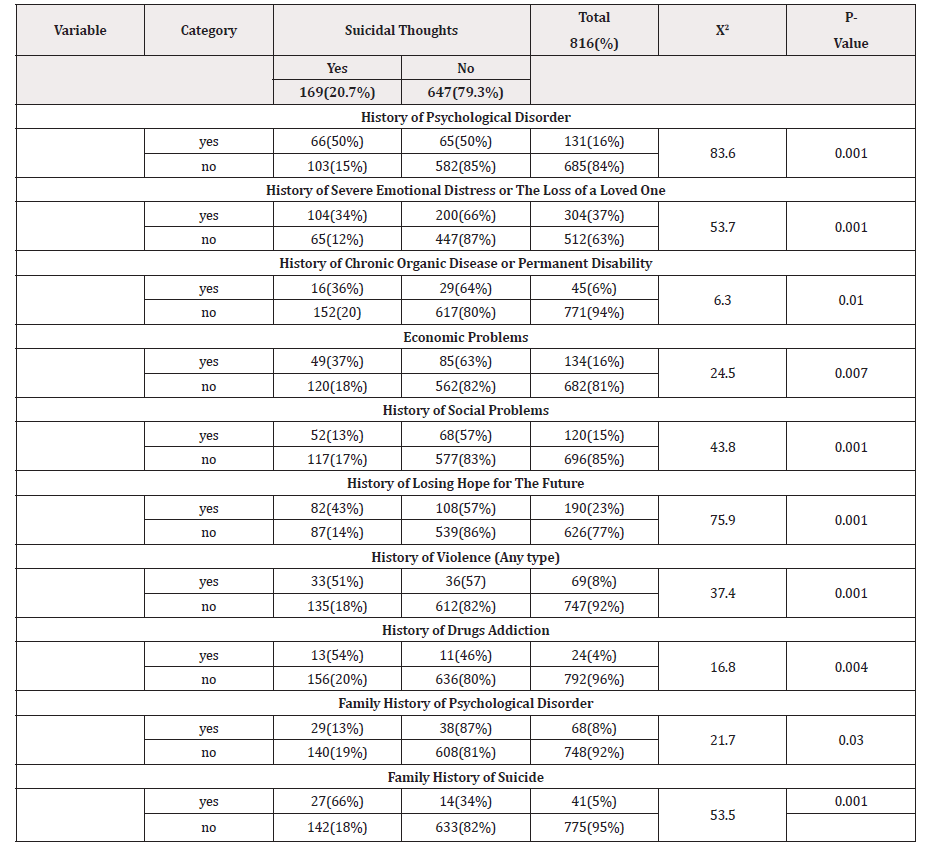
Table 4: Association of suicidal thoughts by risk factors among studied sample.
IG: intervention group; CG: control group
Having positive past family history of suicide was a significant positive predictor of suicidal thoughts, the log odds of having suicidal thoughts was 1.7 points greater on average for those not having past family history of suicide, the odds of positive past family history of suicide having suicidal thoughts were 5.6 times than of those not. The remaining five variables including age group, hypertension, diabetic Mellitus, immunity diseases, renal disease and insufficient sleep showed a positive significant statistical association with the severity classification in the multiple ordinal logistic regression as shown by the OR = 1.19, 1.52, 1.67, 1.67, 2.27 and 1.19 respectively (Table 5).
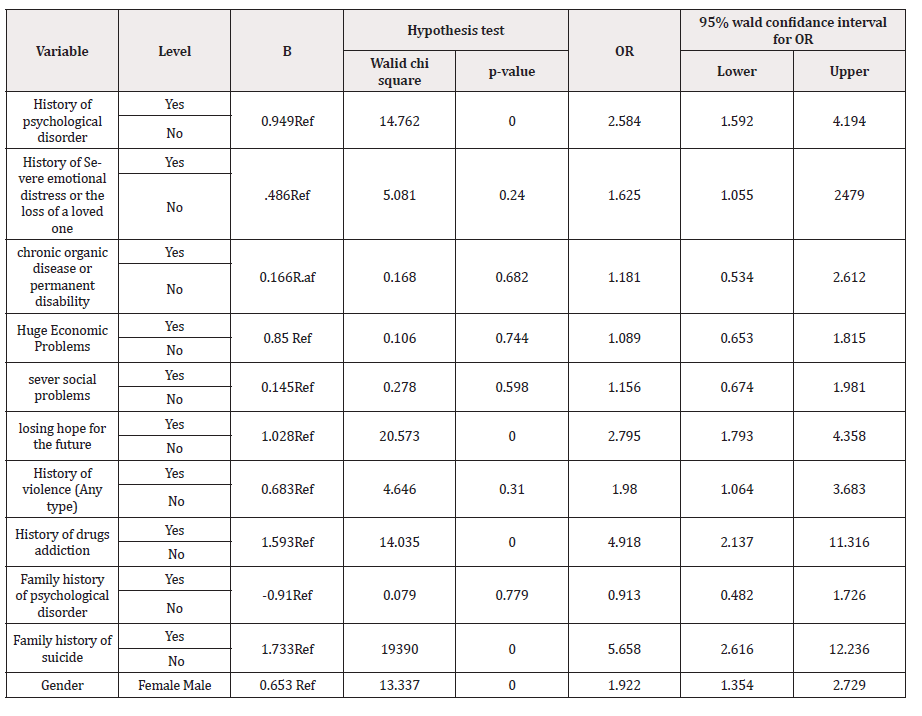
Table 5: Results of multiple logistic model using suicidal thoughts as a response.
IG: intervention group; CG: control group
Discussion
before thousands of years, the people of Iraq (Mesopotamia) have been concerned with human beings and mental health. The “Epic of Gilgamesh”, which is the greatest mythological epic effect, is one of the most important effects and we mean it with psychological and social ideas Essoude,. et al., (2020).
Mental Illness is Still Considered a Stigma?
Iraq is one of the Arab countries, which has witnessed increasing violence incidents in the last ten years, which have left a clear impact on mental health in society, and as the case in some countries in the Middle East, mental illness is still considered a stigma, which reduces the review of young men and women to the psychiatrist and exacerbates psychological problems That is left without treatment or attention.(2015) that’s may consider one of the main causes to the prevalence of suicidal thoughts among young people (university students)
Do People Really Think About Killing, Attempting to Kill and Actually Killing Themselves While so Many Try Hard to Survive Against All Odds?
The results of our study suggested for the first time the prevalence of and associated social factors with suicidal behaviors among university students and that percentage is not small but rather calls for continuing to search for the deep roots of this challenge facing Iraqi society with media silence and the absence of early awareness of psychological problems. The study provides the first data on STB among Iraqi university students. Three major findings emerged. First, there is a high prevalence of STB among Iraqi university students. Second, STB is strongly associated with gender and higher between females the increasing number of suicides among the youths ,especially females, of Islamic countries is troublesome issue, although this important issue still appears to be neglected in these countries [1-7], taking into account the huge social, cultural, and economical costs of young female suicide Third, our data suggest that positive correlation between all risk factors and suicidal thoughts including history of emotional stress which is very common at this stage among college students because of the emotional relationships that arise between young men and women, the frequent emotional disconnections, and the uncertainty of swinging relationships.
Acknowledgements
None.
Conflicts of Interest
None.
References
- Afifi M (2006) Adolescent suicide in the Middle East: Ostrich head in sand. Bull World Health Organ 84(10): 840.
- Brassard A, St Laurent D, Gehl K, Tania Lecomte (2018) Romantic Attachment and Post Breakup Depression Symptoms and Suicidal Behaviour. Sante Ment Que 43(1): 145-162.
- Dardas L, Simmons L (2015) The stigma of mental illness in Arab families: A concept analysis. J Psychiatr Ment Health Nurs 22(9): 668-679.
- (2020) health topics suicide, Retrieved from WHO Regional Office of Eastern Mediterranean.
- Lee K, Kim HS, Lee HK (2017) Temperament and character profile of college students who have suicidal ideas or have attempted suicide. J Affect Disord 221: 198-204.
- Sheftall A, Schoppe Sullivan S, Bridge J (2014) Insecure attachment and suicidal behaviour in adolescents. Crisis 35(6): 426-430.
- (2019) WHO. Suicide in the world: Global Health Estimates. WHO.




 We use cookies to ensure you get the best experience on our website.