
Case Report 
 Creative Commons, CC-BY
Assessing the Approaches to Chemotherapy Plus Phytohemagglutinin (PHA) Immunotherapy in Advanced Cancers
*Corresponding author:George Zhu, Khalifa University, United Arab Emirates and Samrat Prithviral Chauhan College of Pharmacy, Kashipur, UTU, Uttarakhand, India.
Received:June 06, 2025; Published:June 19, 2025
DOI: 10.34297/AJBSR.2025.27.003567
Abstract
Background: The indication was that chemotherapy and/or radiotherapy were the major skillful of cancer therapy. Phytohemagglutinin
(PHA) stimulate host immune lymphocyte activity, inducing the generation of interleukin-2 and interferons. Moreover,
another approach to the traditional medicine also occupied its important advances in this field of treatment. In search for effective
strategies of cancer therapeutics, in current study, I had summarized the retrospective study of cancers under remission, with the
combination chemotherapy in conjunction with PHA and/or traditional medicine.
Methods: 17 available cancers were entered in combination of chemotherapy and PHA during 1993-97. The mean age at onset was
45.3 years (range 10-72 years). All other benign neoplasias (e.g. thyroid tumors, lipoma, benign breast tumors) were not statistically
included in this group.
Results: During the schedule of drug administration, all patients were treated with different dosage of chemotherapy in conjunction
with traditional medicine. In 17 cancers, the rate of Complete Remission (CR) was achieved in 6 advanced patients (35.3%). 3 CR
patients with advanced cancers was survival over 10 years, the longest cancer 18 years. Two advanced hepatocellular cancers were
successfully treated using chemotherapy and cantharidin and/or traditional medicine, each with 30-year survivors. Traditional
medicine also showed its benefit in 2 lung cancer,1 thyroid cancer and 1 lymphoma respectively.
Conclusion: In this study, a series of the long follow up of those cured patients with cancers were reported. It was likely experienced
that a CR was a pivotal influencing factor in those longest survivors, and traditional medicine was also recommended. PHA
was found to indeed the stimulation of lymphocytic kill cell activity, thereby exhibiting its anti-neoplastic activity. In previous study,
Induction of neoplasm (thumb size) in thyroid gland of one postoperative patient with breast cancer was conducted by herb seaweed.
The putative mechanism of oncogenic transformation in thyroid gland in this patient was that iodine contained seaweed drug
was participated the biosynthesis of thyroxine. Over-synthesized thyroxine coupled with its aberrant proto-oncogenic receptor
THR (oncogenic Thyroid Hormone Receptor), stimulating the prolonged hyperplasias and metaplasias of thyroid follicular cells in
thyroid gland, tumor development.
Keywords:Cancer, Chemotherapy, Target oncogenic receptor, Immune therapy, Traditional medicine
Introduction
Over past decades, chemotherapy is a common use of cancer treatment. Traditional systems of medicine all over the world even traditional medicine and cancer have been using plants and plants products for therapeutic intention. Recent important advances have been increased acceptance in oncology that those patients with disseminated tumors were settled to the chemotherapy with targeting oncogenic receptor [1-32,71-74], and/or adoptive immunotherapy [33-39]. Phytohemagglutinin (PHA), an immune glycoprotein antigen (mitogen) with MW 120, 000, directly stimulate host immune lymphocyte activity, inducing the generation of interleukin-2 and interferons, and initiating DNA synthesis of cells. It was under investigation that PHA is the Growth Factor (GF)-like effect on hematopoietic tissues, and successful therapeutics of those patients with aplastic or hypoplastic anaemia. PHA is otherwise the micro-angiogenesis of bone fracture and regeneration of bone. In current study, I summarized the retrospective analyses of the combination of chemotherapy with PHA in the treatment of advanced cancers.
Methods
Seventeen patients with available advanced cancers were entered in the study during 1993 to 1997. All 17 patients were treated with different dosage of chemotherapy plus PHA at the period of protocol. The mean age at onset was 45.3 years (range 10-72 years), of 13 patients were initially hospitalization. The criteria of Complete Remission (CR), and/or Partial Remission (PR) is according to the rules where physician have in common with in clinics.
Results
All 17 patients were in progression at onset diseases. The response of remission was achieved after one to six courses of treatment including chemotherapy plus PHA and/or traditional medicine. After statistically analyses, all patients obtained response to treatment (CR+PR: 14/17,82.3%, Table 1). Among them, 4/17 were CR, 2/17 were in short CR. One patient with nasopharynx cancer, the diplopia and unable vision in his right eye were once recovered to “normal” visual acuity under the combination chemotherapy of VCMF plus traditional medicine. In this case, PHA, an important cytokine invoking host’s immune, mediated substantial regression of his metastatic lymph node. An epidermoid carcinoma with rodent ulcer (8x5cm) was once in response as to an approach of a small dosage of chemotherapy and local application of 5% Fu of retinoic acid (mixed PHA) ointment. A short CR was once achieved by the approach to the combination chemotherapy (VCMF plus PHA regimen) in one of malignant pleural mesothelioma. An advanced lung cancer with much malignant hydrothorax was in CR through a major regimen of traditional medicine with the combination of small dosage of cyclophosphamide and PHA therapy. During the period of treatment ,17 patients except for one case were escaping of severe side effects such as fever, and even capillary-leak syndrome. 1 patient represented neurotoxicity after a series of 5-Fu infusion. During follow up, 9 patients under remission eventually dead without any maintance treatment due to economic difficult problem. A rapid relapse due to the progressive diseases was observed in 3 cases after a short remission (PR and/or CR). An evaluation of 3 long-tern survivors over 10 years was achieved.
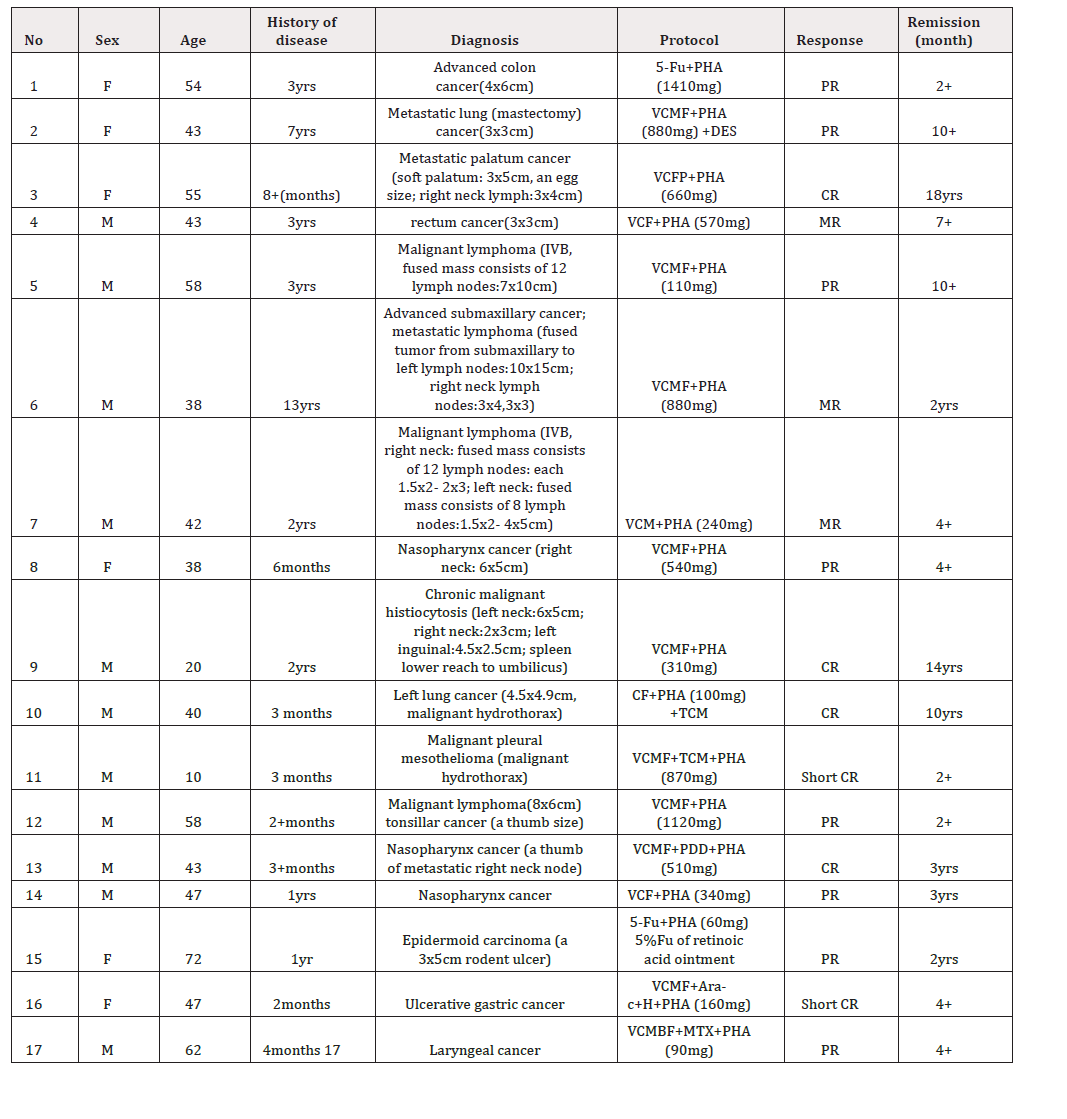
Table 1:Patients characteristics.
Note*: VCMF: Vincristine,VCR; cyclophosphamide, CTX; mitomycin C, MMC; 5-fluorouracil,5-Fu; B, bleomycin; H, homoharringtone; PDD, Cisplatin; P, prednisone; TCM: Traditional medicine; MR: Minor response; yrs: years.
Case reports
Case 1: A 54-year-old woman with advanced colon cancer for a period of 3 years. At admission on October 10,1993, she suffered from symptoms of vomiting, right abdominal vision mass with intensive abdominal pain complicated by interestinal obstructive constipation. X-ray and an ultra sound examination consistently showed an ascending colon carcinoma mass of 4x6cm size which was in further confirmed by colonoscope (Figure 1). PR was achieved after one course of 5-Fu (5.5gram) and PHA regimen, with relief symptoms of soft fluid diet even rice gruel. The stools were of normal caliber and consistency. Total dosage of PHA 1410mg.
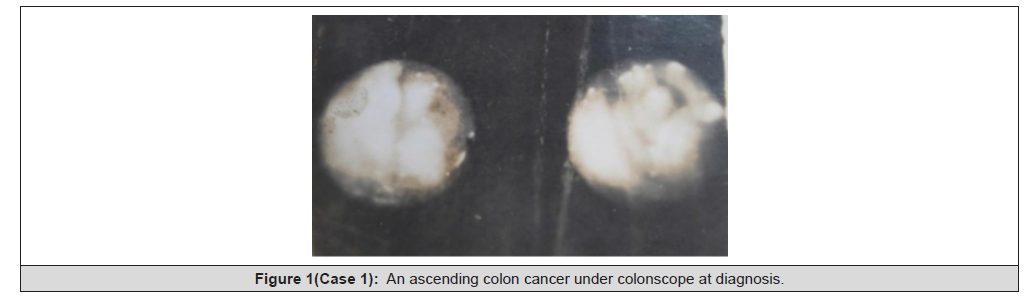
Figure 1(Case 1):An ascending colon cancer under colonscope at diagnosis.
Case 2: A 55-year-old woman was diagnosed as having metastatic palatum cancer on November 6,1993 when she presented with tumors both in her cavity of the mouth and neck lymphadenopathy. On examination revealed 2 lymph nodes (4x3cm) enlargement in her left neck. A 3x5 cm mass was found in her palate molle which was covered over uvula palatina. Moreover, the left side of her face also had a thumb lymph node palpable. Cures were achieved by use of combination chemotherapy (VCR, CTX, 5-Fu, PHA 660mg), and in 18 years follow up she died of relapsed oral cancer.
Case 3: A 43-year-old breast cancer after mastectomy was well until August 1993 while an attack of bone pain involving lower extremites was admitted into hospital. At admission on MRI examination showed a 3x3cm metastatic mass in her left lung. PR was achieved by the approach of PHA, with adjuvant combination chemotherapy. The remains of only two lymph nodes (each a pea size) in the hilus of her left lung were clearly visible during the course of PHA. Total dosage of PHA 880mg. The patient developed amenorrhea following one month of 15mg Diethylstilbestrol (DES) daily therapy.
Case 4: A 40-year-old man was admitted into hospital on April 27,1996 due to an attack of dyspnea, complicated by progressive weakness, weight loss and loss of appeptide. On CT examination showed much malignant hydrothorax with a 4.5x4.9cm mass in the cavity of his left lung. A regimen was mainly concluded by 6 months of traditional medicine, with the combination of a small dosage of cyclophosphamide (CTX), 5-fluorouracil (5-Fu) and PHA (100mg) at initial period of treatment. A CR with 10 years was achieved and in recovery of his job again.
Case 5: A 10-year-old boy developed the symptoms of dyspnea two months duration at admission on July 5,1996. On CT examination showed much malignant hydrothorax with irregular pleural elliptical masses in his right pleural cavity. The protocol of combination chemotherapy (VCR,1mg/wk; CTX 200- 400mg/ wk; 5-Fu 250mg/day; PHA 10-30mg/day) was given four courses of therapy. A short Complete Remission (CR) after four sequential combination chemotherapy with adjuvant traditional medicine, and showed in the chest X-ray the disappearance of haemorrhagic pleural effusion, with the remains of pleurisy. Total dosage of cytotoxic drugs: VCR 4mg, CTX 600mg, MMC (mitomycin C) 4mg, PHA 870mg. He was allergic rash in respond to PHA administration and in recovery from skin rash when stopping PHA, which possibly indicated over PHA dosage.
Case 6: A 58-year-old lung cancer was admitted into hospital on September 4,2004. He presented his previous history of cough and short breathing following alcohol one month ago. On CT scan showed a 4.5x4x3cm soft mass at hilus pulmonis, complicated by obstructive pneumonia. Histologically under broncho fiberscope, there existed the ingredients of necrotic tissue and some poorly differentiated cancer cells. He was undergoing the combination chemotherapy of PDD plus etoposide in another tumor hospital. The remainder of two courses of combination chemotherapy was continuous to be performed on September 11,2004 and on October 16,2004. A therapeutically protocol consisted of CTX (0.2-0.6g) plus MMC (4 mg) drugs, and interleukin-2 immunotherapy. After having completed chemotherapy, he was treated in other hospital. In this group, there were other 4 cases with a common character of those patients with a mega-enlargement mass. CR and/or PR was achieved by 4-6 courses of intensive combination chemotherapy with adjuvant PHA. All patients were safe to finish intensive timed sequential chemotherapy under supportive therapy of PHA.
Discussion
In the present study, there had been observed the objective response of PHA with chemotherapy in various cancers. It was experienced that PHA was indeed the stimulation of lymphocytic kill cell activity, inducing the generation of interleukin-2 and interferons, preventing those patients undergoing intensive timed sequential chemotherapy from hypoplastic haematopoiesis, thereby exhibiting its anti- neoplastic activity. During the period of PHA treatment, the patients were tolerance well. Recent research on natural IL-2(PHA stimulation)/LAK cells reported in further the adoptive immunotherapy of advanced liver cancer. The complete response of objective regression of cancer with the disappearance of ascites can be achieved in 2/10(20%) of liver cancers [33]. Using Ifosfamide with PHA-LAK cells regimen,3 of 25 obtained CR, and a 44% (11/25) of CR plus PR rate in 25 advanced ovarian epithelial cancer [34]. Under microscope, experimental study on changes were found remarkable lymphocytes and plasmocytes infiltration within tumor tissues. Moreover, A CR (disease- free survival) in 12-year-old children with osteosarcoma was previously reported after prolonged therapy of 5700mg PHA for 32 months (unpublished data). The results (in my group and others) [33-39] seem likely to suggest that a possible strategies of LAK cells/natural IL-2(PHA stimulation) in advanced cancer remains testable.
In the past few years, it has been focused on the association between antineoplastic cytotoxic agents and leukemogenesis, which has moved into the center of caution. Drugs most frequently implicated are alkylating agents, e.g. mulphalan, chlorambucil, busulfan, cyclophosphamide, thiotepa and other cytotoxic drugs such as the nitrosoureas [40-47]. A summary of 91 non-neoplastic patients developed leukaemia after cytotoxic chemotherapy: 39patients were rheumatoid arthritis,13nephropathy, 8renal transplant, 6 multiplesclerosis, 5psoriasis,3wegener’s granulomatosis,3 Amyloidosis,2 scleroderma,2 scleromyxedema,2 systemic lupus erythematosus, and 8 patients with miscellaneous [41,44,47-54]. 82 of 91 patients received single or multiple alkylating agents. 8 patients were treated with antimetabolites and antipurines (including 6-mercaptopurine, MTX,5-Fu, mitomycin C, daunorubicin, adriamycin). The data have convinced most chemotherapeutics that these agents, especially alkylating agents, had leukemogenicity potential.
Moreover, lots of researches also focused on the establishment of hormones/growth factors and cancers [28,29,55-68]. The data provide evidence that estrogen-dependent cell line (MCF-7) cells under E2 stimulation release some known growth factors activities (CME2, EGF-like, IGF-1-like) capable of replacing E2-induced tumors in vivo in athymic mice. In earliest 1989-90 [27,28,69], the oncogenic fusion of pml/retinoic acid receptor alpha (pml/ RARa) was found in t(15;17) acute promyelocytic leukaemia in our team; and in my clinical condition that androgen induced tumors of breast gland in a male with severe aplastic anaemia during the course of methyltestosterone therapy, in which mechanism was possibly mediated by cognating its aberrant oncogenic receptor AR (or also proto-oncogenic receptor) signaling. In animal model, A subcutaneous nodule was clearly shown in the application of continuous rhEGF injection, while no sign of nodule formation was observed following intramuscular rhEGF injection in a rat within 20 days. The subcutaneous nodule was progressive regression after stopping rhEGF injection for one week (Figure 2, Zhu, et al. [70]). In clinical trials of HCC (Hepato-cellular Carcinoma) with sorafenib therapy [71-74], the plasma concentration of HGF in 24 of 30 HCCs was markedly reduced after 12 or 24 weeks of therapy, which is roughly consistent with the decrease also observed in AFP. This Aberrant HGF-HGF receptor (HGFR) activation promotes tumor cell proliferation and metastasis via growth factor receptors and other altered oncogenic receptor pathways such as oncogenic EGFR, GHR (Growth Hormone Receptor) or proto-oncogenic receptor IGF-1R signaling. These data and others implicate that androgen via its (aberrant AR/ER signaling or FGFR-1) receptor signaling or/ and translocated retinoic acid receptor alpha, a steroid and thyroid receptor superfamily, had oncogenic potential [5,6,12,18,20,27- 29,66,69,75-79]. In this area, Dr. Zhu in 1989s is the first to the discovery of oncogenic receptor concept and its earliest described Ras/Raf/MAPK pathway in cell signaling. This is also the first case involving oncogenic receptor translocated pml/RARa, a steroid receptor fusion in acute leukaemia.
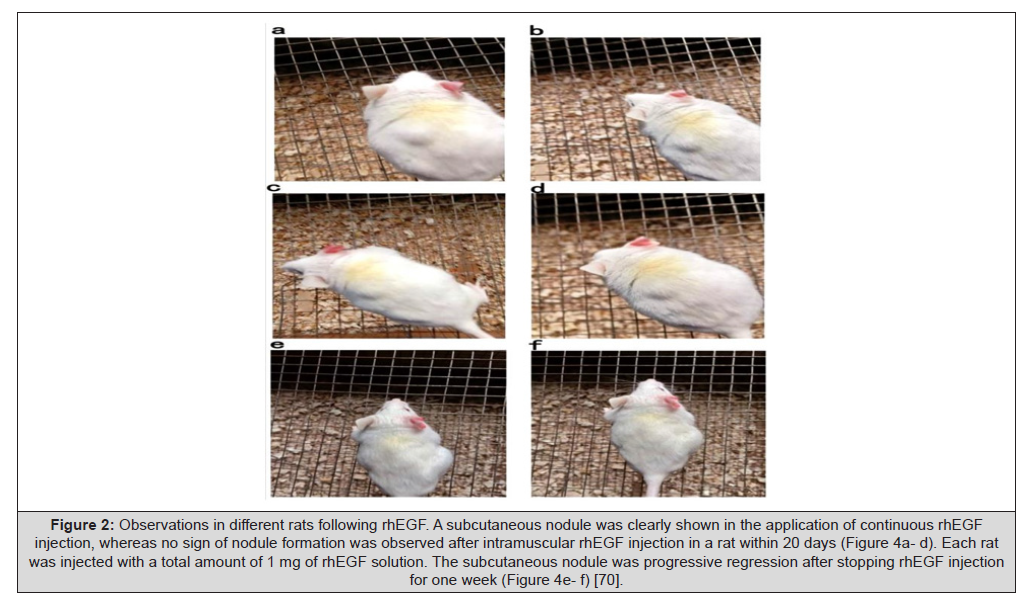
Figure 1:Observations in different rats following rhEGF. A subcutaneous nodule was clearly shown in the application of continuous rhEGF injection, whereas no sign of nodule formation was observed after intramuscular rhEGF injection in a rat within 20 days (Figure 4a- d). Each rat was injected with a total amount of 1 mg of rhEGF solution. The subcutaneous nodule was progressive regression after stopping rhEGF injection for one week (Figure 4e- f) [70].
It is not known at this time whether a single mechanism is involved in both tumor induction and antitumor activity of cytotoxic drugs. In considering the biochemical determinants of antimetabolite action, another prerequisite for doing action is after the binding of membrane Folate Receptor Alpha (FRa) at cell surface in tumors, subsequently intracellular binding to target site (such as dihydrofolate reductase binding by MTX [80-83]). In the presence of excess MTX, all of the enzyme is the form of enzyme -MTX complex. Folate receptor has been characterized [84,85]. Human folate receptor contains 257 amino acid residues [83,86-88]. Moreover, in 42 NSCLC tumor tissues, EGFR mutations correlated with high expression of membrane FR alpha levels [89]. Several mechanisms have also been proposed in which included anthracyclines binding to cellular membranes, followed by DNA intercalation of anthracycline metabolic reduction result in DNA strand breaks, albeit the precise determinants of response of tumor cells to the anthracycline was under investigation. Anthracycline-binding protein has been isolated. Therefore, some of these cytotoxic drugs are presumably mediated by their own cellular specific binding protein, compounds thereby binds DNA, causing DNA synthesis inhibition and induction of chromosomal aberrations as well as immune suppression [90-93].
Add in proof: This work was completed during earlier 1993 to 1997. Abstract once presented in proceeding of 2005 Welt Medizin- Forum und Fachkonferenze uber Krankenhaus-Manangement sowie moderne Medizintechnik, Bremen- Dusseldorf, Germany; and in 2010 ASH Annual meeting abstracts, USA.
Conflict of Interest
None.
Acknowledgement
None.
References
- AI Nedawi K, Meehan R, Micallef J, Vladimir Lhotak, et al. (2008) Intercellular transfer of the oncogenic receptor EGFRvIII by microvesicles derived from tumour cells. Nat Cell Biol 10(5): 619-624.
- Ascierto PA, Sanjiv Agarwala, Gerardo Botti, Alessandra Cesano, et al. (2016) Future perspectives in melanoma Research: Meeting report from the “Melanoma Bridge”. Napoli, December 1st–4th 2015. J Transl Med 14(1): 313.
- Berjaouia A, Sancheza EH, Roussela L, et al. (2025) Uncovering the genetic basis of glioblastoma heterogeneity through multimodal analysis of whole slide images and RNA sequencing data. Artificial Intelligence in Medicine.
- Gabitova L, Gorin A, Astsaturov I (2014) Molecular pathways: sterols and receptor signaling in cancer. Clin Cancer Res 20(1): 28-34.
- Hauksdotti H, Privalsky ML (2001) DNA recognition by the aberrant retinoic acid receptors implicated in human acute promyelocyric leukemia. Cell Growth Differ 12(2): 85-98.
- Judelson C, Privalsky ML (1996) DNA recognition by normal and oncogenic thyroid hormone receptors. Unexpected diversity in half-site specificity controlled by non-zinc-finger determinants. J Biol Chem 271(18): 10800-10805.
- Kim Y, Apetri M, Luo B, Settleman JE, et al. (2015) Differential Effects of Tyrosine Kinase Inhibitors on Normal and Oncogenic EGFR Signaling and Downstream Effectors. Mol Cancer Res 13(4): 765-774.
- Laisney JA, Mueller TD, Schartl M, Meierjohann S (2013) Hyperactivation of constitutively dimerized oncogenic EGF receptors by autocrine loops. Oncogene 32: 2403 -2411.
- Lauretti L, Cenci T, Montano N, et al. (2022) Molecular analysis in a glioblastoma cohort -Results of a prospective analysis. J Person Med 12: 685.
- Lee JC, Vivanco I, Beroukhim R, Rameen Beroukhim, et al. (2006) Epidermal growth factor receptor activation in glioblastoma through novel missense mutations in the extracellular domain. PLoS Med 3(12): e485.
- Lee HY, Mohammed KA, Kaye F, Moudgil BM, et al. (2017) EphA2 targeted intratumoral therapy for non-small cell lung cancer using albumin mesospheres. Am J Transl Res 9(7): 3293-3303.
- Lee SH (2005) Molecular analysis of the dimerization properties of thyroid hormone receptor and its oncogenic receptor, v-ErbA. Degree granted in Biochemistry and Molecular Biology. Thesis (PhD) University of California Davis USA: 374.
- Maria B Garcia Fabiani, Haase S, Comba A, et al. (2021) Genetic Alterations in Gliomas Remodel the Tumor Immune Microenvironment and ImpactImmune-Mediated Therapies. Front Oncol 11: 631037.
- Miltra S, Han S, Soderstram K, Wong A (2012) Preferential expression of an oncogenic receptor in brain tumor stem cells: Identification and targeting using an engineered antibody approach. Cancer Res: 72.
- Nair A, Chung HC, Sun T, Tyagi S, et al. (2018) Combinatorial inhibition of PTPN12 - regulated receptors leads to a broadly effective therapeutic strategy in triple negative breast cancer. Nat Med 24 (4): 505-511.
- Neil JC, Fulton R, McFarlane R (1988) Receptor-mediated leukemogenesis: hypothesis revisted. Int J Cancer Suppl 9: 76-79.
- O’Connor R (2008) Concealed cargo within the tumor microenvironment: microvesicles disseminate oncogenic receptors among cancer cells. Cancer Biol Ther 7(9): 1350-1351.
- Rietveld LE, E Caldenhoven, HG Stunnenberg (2001) Avian erythroleukemia, a model for corepressor function in cancer. Oncogene 20(24): 3100-3109.
- Robinson R (2008) Tumor cells share oncogenic receptors. J Cell Biol 181(4): 570.
- Segalla S, Rinaldi L, Kalstrup Nielsen C et al. (2003) Retinoic acid receptor alpha fusion to PML affects its transcriptional and chromatin remodeling properties. Mol Cell Biol 23(23): 8795-8808.
- Stutz MA, Shattuck DL, Laederich MB, Carraway III KL, Sweeney C, et al. (2014) LRIG1 negatively roncogenic membrane receptors and cell invasion in non-small cell lung carcinoma. PLoS one 9(5): e96765.
- Utermark T, Rao T, Cheng H (2012) The p110a and p110b isoforms of PI3K play divergent roles in mammary gland development and tumorigenesis. Genes Dev 26(14): 1573-1586.
- Wang LK, Hsiao TH, Hong TM, Chen HY (2014) MicroRNA133a supresses multiple oncogenic membrane receptors and cell invasion in non-small cell lung carcinoma. PLoS one 9(5): e96765.
- Wilmes S, Hafer M, Vuorio J (2020) Mechanism of homodimeric cytokine receptor activation and dysregulation by oncogenic mutations. Science 367(6478): 643-652.
- Yan T, Mizutani A, Chen L, Takaki M, Hiramoto Y, et al. (2014) Characterization of cancer stem-like cells derived from mouse induced pluripotent stem cells transformed by tumor-derived extracellular vesicles. J Cancer 5(7): 572-584.
- Yuan L, Zhang HY, Liu JB (2013) Growth factor receptor-Src-mediated suppression of GRK6 dysregulates CXCR4 signaling and promotes medulloblastoma migration. Mol Cancer 12: 18.
- Zhu G (1992) Oncogenic receptor hypothesis (1989-91). Voice of America (VOA) 12: 30.
- Zhu G, Musumeci F, Byrne P (2013) Induction of thyroid neoplasm following plant medicine marine algae (Sargassum): A rare case and review of the literature. Curr Pharm Biotechnol 14(9): 859-863.
- Zhu G, Saboor Yaraghi AA (2015) Oncogenic receptor: from molecular physiology to diseases (abstract). Proceedings of BIT’s 8th Annual World Congress-2015(Conference Abstract Book, ISSN 2330- 4049) Beijing China pp. 494.
- Zhu G, Saboor Yaraghi AA, Yarden Y, Santos J (2016) Downregulating oncogenic receptor: from bench to clinic. Hematol Med Oncol 1(1): 30-40.
- Zhu G, Saboor Yaraghi AA, Yarden Y (2017) Targeting oncogenic receptor: from molecular physiology to currently the standard of target therapy. Adv Pharm J 2(1): 10-28.
- Zhu G (2018) EpCAM, an old cancer antigen, turned oncogenic receptor and its targeting immunotherapy. Univ J Pharm Res 3(2): 41-46.
- Han FG, Xu HB, Liang HQ (1991) Treatment of advanced liver cancer by autologous and/or homologous LAK cells combined with human natural IL-2. Zhonghua Zhong Liu Za Zhi 13(2): 145-148.
- Huang MJ, Jiang Y, Zhou L (2005) Ifosfamide with PHA-LAK cell adoptive immunotherapy in advanced recurrent ovarian epithelial cancer. Chin J Cancer Pre Treat 12(13): 1015-1017.
- Rosenberg SA, MT Lotze, LM Muul, S Leitman (1985) Observation on the systemic administration of autologous LAK cells and IL-2 to patients with metastatic cancers. N Engl J Med 313(23):1485-1492.
- Rosenberg SA, Lotze MT, Yang JC (1989) Experience with the use of high-dose interleukin-2 in the treatment of 652 cancer patients. Ann Surg 210(4):474-485.
- Zhu G (2007) A further study of patients with advanced cancers after chemotherapy with traditional chinese medicine. Journal of Chinese Clinical Medicine (JCCM) 2(11): 618-623.
- Zhu G (2010) Use of chemotherapy and traditional medicine for advanced cancers: A retrospective study of 68 patients. JCCM (Hong Kong Medical Technologies Publisher) 5: 343-350.
- Zhu G (2018) Treatment of patients with advanced cancer following chemotherapy and traditional medicine-long term follow up of 75 cases. Univ J Pharm Res 3(3): 10-18.
- Chu ZS (1982) Establishment and biological properties of transplantable mouse ascitic leukemia model(L7811). Chin J Haematol 3(1): 12.
- Collman GA, Dixon DQ (1982) Second malignancies complicating Hodgkin's disease: A southwest oncology group:10 years follow up. Cancer Treat Rep 66(4): 1023-1033.
- Coltman CA (1990) Treatment related leukemia. Adult leukemia 1 edited by Bloomfield CD pp. 61-108.
- Gasciato DA, Scott JL (1979) Acute leukemia following prolonged cytotoxic agent therapy. Medicine 58(1): 32-47.
- Rosner F, Gruwald HW (1983) Chemicals and leukemia. In Gunz FW and Henderson ES (eds). Leukemia in fourth edition London New York: 375-439.
- Sieber SM (1977) Cancer chemotherapeutic agents and carcinogenesis. Cancer Chemother Rep 59(5): 915-918.
- Walker SE, Bole CC (1971) Augmented incidence of neoplasia in female New Zealand black/New zealand white (NZB/NZW) mice treated with long-term cyclophosphamide. J Lab Clin Med 78(6): 978-979.
- Walpole AL (1958) Carcinogenic action of alkylating agents. Ann NY Acad Sci 68(3): 750-761.
- Fouar K, Mekenna KW, Bloomfield CD (1979) Therapy related leukemia. Cancer 43(4): 1285-1296.
- Grunwald H, Rosner F (1979) Acute leukemia and immunosuppressive drug use. A review of patients undergoing immunosuppressive therapy for non-neoplastic disease. Arch Intern Med 139(4): 461-466.
- Hocherg MC, Shulman LE (1978) Acute leukemia following cyclophosphamide therapy for sjogren's symdrome. John Hopkins Med J 142(6): 211-214.
- Kahn MF, Arlet J, Bloch Michel H (1979) Leucemies aigues traiterment par agents cytotoxiques eb rhumatologie 19 observations chez 2000 patients. Nour Presse Med 8: 1393.
- Kapadia SB, Kaplan SS (1978) Acute myelogenous leukemia following immuno- suppressive therapy for rhematoid arthritis. Am J Clin Pathol 70(2): 301-302.
- Y Lebranchu, J Drucker, H Nivet, J C Rolland, B Grenier, et al. (1980) Acute monoblast leukemia in child receiving chlorambucil for juvenile rhematoid arthritis. Lancet 1(8169): 649.
- G Tchernia, F Mielot, E Subtil, C Parmentier (1976) Acute myeloblastic leukemia after immunosuppressive therapy for primary non-malignant disease. Blood cells 17(1-2): 67-80.
- (1956) The second meeting of the scientific review committee of the American Cancer Society: Role of hormone in the origin and control of abnormal and neoplastic growth. Symposium sponsored by the American Cancer Society, Westchester country club, Rye, NY. Cancer Res 16: 422-545.
- Aaronson SA (1991) Growth factors and cancer. Science 254(22): 1146-1153.
- Goustin AS, Leof EB, Shipley GD, Moses HL (1986) Growth factors and cancer. Cancer Res 46: 1015-1029.
- Raanan Berger, Phillip G Febbo, Pradip K Majumder, Jean J Zhao, Shayan Mukherjee, etal. (2004) Androgen-induced differentiation and tumorigenicity of human prostate epithelial cells. Cancer Res 64(24): 8867-8875.
- Kemp CJ, Leary CN, Drinkwater NR (1989) Promotion of murine hepatocarcinogenesis by testosterone in andogen receptor-dependent but not cell autonomous. PNAS 86(19): 7505-7509.
- Izumi K, Mizokami A, Lin WJ, Lai KP, Chang C, et al. (2013) Androgen receptor roles in the development of benign prostate hyperplasia. Am J Pathol 182(6): 1942-1949.
- Renee E Vickman, Omar E Franco, Daniel C Moline, Donald J Vander Griend, Praveen Thumbikat, etal. (2020) The role of the androgen receptor in prostate development and benign prostatic hyperplasia: A review. Asian Journal of Urology 7(3): 191-202.
- Gardner WU, Allen E, Smith GM, Strong IC (1938) Carcinoma of the cervix of mice receiving estrogens. JAMA 110(15): 1182-1183.
- Newbold RR, Bullock BC, Melachlan JA (1990) Uterine adenocarcinoma in mice following developmental treatment with estrogens: A model for hormonal carcinogenesis. Cancer Res 50(23): 677-681.
- King RJB (1991) Biology of female sex hormone action in relation to contraceptive agents and neoplasia. Contraception 43(6): 527-542.
- Thomas DB (1991) Oral contraceptives and breast cancer: review of the epidermologic literature. Contraception 43(6): 597-642.
- Singh RR, Kumar R (2005) Steroid hormone receptor signaling in tumorigenesis. J Cell Biochem 96(3): 490-505.
- Stoscheck CM, King LE (1986) Role of epidermal growth factor in carcinogenesis. Cancer Res 46(3): 1030-1037.
- J B Santon, M T Cronin, C L MacLeod, J Mendelsohn, H Masui, etal. (1986) Effects of epidermal growth factor receptor concentration on tumorigenicity of A431 cells in nude mice. Cancer Res 46(9): 4701-4705.
- Zhu YJ, ong JH, Cao Q, Sun GL, Cao H, et al. (1992) Retinoic acid receptor alpha gene rearrangement as specific marker of acute promyelocytic leukemia and its use in the study of cell differentiation. Nat Med J China 72(4): 229-233.
- Zhu G, Xu HL, Zhou XP, Zhi QW (2020) Enhancement of wound healing by topical application of epidermal growth factor in animal model. Univ J Pharma Res 5(1): 12-20.
- Yan Ru Deng, Wen Bin Liu, Zhe Xiong Lian, Xingsheng Li, Xin Hou, et al. (2016) Sorafenib inhibits macrophage-mediated epithelial- mesenchymal transition in hepatocellular carcinoma. Oncotarget 7(25): 38292-38305.
- Zöller M (2018) Janus-Faced Myeloid-Derived Suppressor Cell Exosomes for the Good and the Bad in Cancer and Autoimmune Disease. Front Immunol 9: 137.
- Xuanming Yang, Xunmin Zhang, May Lynne Fu, Ralph R Weichselbaum, Thomas F Gajewski, et al. (2014) Targeting the tumor microenvironment with interferon-β bridges innate and adaptive immune responses. Cancer Cell. 25(1): 37-48.
- Zhu G, Musumeci F, Byrne P, Gupta D, Gupta E, et al. (2019) A Further Study of Advanced Hepatocellular Carcinoma (HCC) with the Chemotherapy and Traditional Medicine: Report of 12 Cases. J Cancer Sci Treatment 21(1): 1-5.
- Zhu G, Mische E, Seigneres B (2013) Novel treatment of acute promyelocytic leukemia: As₂O₃, retinoic acid and retinoid pharmacology. Curr Pharm Biotechnol 14(9): 849-858.
- Zhu G, Al kaf AGA (2018) Vitamin A, retinoic acid and tamibarotene, a front toward its advances: a review. Univ J Pharm Res 3(6): 35-44.
- Zhu G (2019) Vitamin A and its Derivatives-Retinoic Acid and Retinoid Pharmacology. Am J Biomed Sci & Res 3(2): 162-177.
- Zhu G, Kumar K (2020) Retinoid Pharmacology, an Old Hot Topic: Discussion on Retinoic Acid Action in APL. EC Endocrinology and Metabolic Research 5(7): 33-38.
- Zhu G, (2021) Hernando Vargas-Uricoechea: INGESTA DE YODO Y CANCER DE TIROIDES (Capitulo 15). In Hernando Vargas-Uricoechea: Desordenes associados con la ingesta de YoDo, primera edicion, noviembre de Popayan-Colombia: 313-322.
- Robert Mauritz, Godefridus J Peters, Ietje Kathmann, Habte Teshale, Paul Noordhuis, et al. (2008) Dynamics of antifolate transport via the reduced folate carrier and the membrane folate receptor in murine leukemia cells in vitro and in vivo. Cancer Chemother Pharmacol 62(6):937-948.
- S Rijnboutt, G Jansen, G Posthuma, J B Hynes, J H Schornagel, etal. (1996) Endocytosis of GPI-linked membrane folate receptor-α. The Journal of Cell Biology 132(1-2): 35-47.
- G R Westerhof, G Jansen, N van Emmerik, I Kathmann, G Rijksen, etal. (1991) Membrane transport of natural folates and antifolate compounds in murine L1210 leukemia cells: role of carrier- and receptor-mediated transport systems. Cancer Res 51(20): 5507-5513.
- Williams FMR, Murray RC, Underhill TM, Flintoff WF (1994) Isolation of a hamster cDNA clone encoding for a function involved in methotrexate uptake. J Biol Chem 269(8): 5810-5816.
- Colman ID (1971) The characterization of the membrane transport of amethopterin and the naturally occurring folates. Ann NY Acad Sci 186: 400-422.
- Jan Holm, Susanne W Bruun, Steen I Hansen (2015) The complex interplay between ligand binding and conformational structure of the folate binding protein (folate receptor): Biological perspectives. Biochim Biophys Acta 1854 (10 Pt A): 1249-1259.
- K E Brigle, E H Westin, M T Houghton, I D Goldman (1991) Characterization of Two cDNA encoding folate- binding proteins from L1210 murine leukemia cells. J Biol Chem 266(26): 17243-17249.
- Elwood PC (1989) Molecular cloning and characterization of human folate-binding protein cDNA from placenta and malignant tissue culture (KB) cells. J Biol Chem 2649(25): 14893-14901.
- Sadasivan E, Rothenberg SP (1989) The complete amino acid sequence of a human folate binding protein from KB cells determined from the cDNA. J Biol Chem 264(10): 5806-5811.
- Maria Ines Nunez, Carmen Behrens, Denise M Woods, Heather Lin, Milind Suraokar, etal. (2012) High expression of folate receptor alpha in lung cancer correlates with adenocarcinoma histology and EGFR mutation. J Thorac Oncol 7(5): 833-840.
- Creaven PJ, Rustum YM (1983) Principles of chemotherapy: Drugs and biochemical determinants, From Gunz FW and Henderson ES(Des): Leukemia in fourth edition London New York: 495-541.
- Pigram WJ, Fuller W, Amilton LDH (1972) Stereo chemistry of intercalation of daunomycin with DNA. Nature 235(53): 17-19.
- Zunino F, Gambilla RA, Dimarlo A (1971) Interaction of daunomycin with DNA. FEBS 18: 249.
- M A Stutz, D L Shattuck, M B Laederich, K L Carraway, C Sweeney, et al. (2008) LRIG1 negatively regulates the oncogenic EGF receptor mutant EGFRvIII. Oncogene 27(43): 5741-5752.




 We use cookies to ensure you get the best experience on our website.