
Review Article 
 Creative Commons, CC-BY
Beyond the Powerhouse: Mitochondrial Organelles as Master Regulators of Wellness
*Corresponding author: Jonathan RT Lakey, Departments of Surgery and Biomedical Engineering, University of California Irvine, USA.
Received:June 02, 2025; Published:June 11, 2025
DOI: 10.34297/AJBSR.2025.27.003552
Abstract
Mitochondria, often referred to as the powerhouses of the cell, are essential organelles that go far beyond energy production. They act as central regulators of numerous biological processes, including cell signaling, proliferation, differentiation, apoptosis, and redox homeostasis. These functions are particularly crucial in tissues with high energy demands, such as the brain, where mitochondrial health is intimately tied to neurodevelopment, cognitive function, and neuronal survival. Increasingly, mitochondrial dysfunction has been implicated in a broad spectrum of human diseases. Mitochondrial dysfunction has bee identified in neurodegenerative conditions, metabolic syndromes, immune disorders and aging. In response to this growing understanding, mitochondrial organelle (MO) therapy has emerged as a transformative approach in regenerative and personalized medicine. This novel therapeutic strategy aims to restore or enhance mitochondrial function through the delivery of healthy organelles, mitochondrial peptides, or bioengineered nano-vesicles. Such interventions hold particular promise in addressing diseases driven by mitochondrial decay or oxidative stress, especially in cells that are otherwise resistant to conventional therapies. MF-Plus directly targets the cellular engines of bioenergetics and signaling, leveraging MO therapy to provide a pathway to not just symptom relief, but true biological rejuvenation and tissue regeneration. The expansive scientific foundations, current technologies, and clinical potential of MF-Plus’ MO therapy has provided the therapeutic foundation mechanistically capitalizing on mitochondrial signaling for emerging applications in neuroregeneration. MF-Plus highlights both the innovation and impact of this rapidly advancing field.
Keywords:Kidney disease, Acute kidney injury, Chronic kidney disease: Mitochondrial peptides, Nano organo peptides
Introduction
Mitochondrial signaling is a dynamic, bidirectional communication system between the mitochondria and the nucleus, orchestrating essential cellular processes such as energy production, cell cycle regulation, and apoptosis prevention. Beyond its well-established role in ATP generation, mitochondria are pivotal in regulating calcium homeostasis, steroid and heme synthesis, and redox balance, all of which are critical for cell proliferation, regeneration, and survival. The therapeutic targeting of mitochondrial dysfunctions through organelle-based interventions could therefore revolutionize approaches to neurodegeneration, aging, and metabolic disorders.
Mitochondria play a vital and multifunctional role across various organ systems, as highlighted by their structural presence and adaptations in different cell types (Figures 1,2). In cardiomyocytes, mitochondria are densely packed and aligned to meet the high-energy demands of continuous cardiac contractions. In skeletal muscle, they are organized to support both endurance and rapid response activities through sustained ATP generation. Hepatocytes, responsible for a range of metabolic functions, exhibit mitochondria that are essential for detoxification, lipid metabolism, and gluconeogenesis. These organ-specific differences in mitochondrial structure reflect their unique functional demands, but universally, mitochondria regulate energy production, cell survival, calcium signaling, and biosynthesis across all tissues. Their pivotal role in cellular health underscores their significance in systemic diseases and positions them as promising therapeutic targets in regenerative medicine.
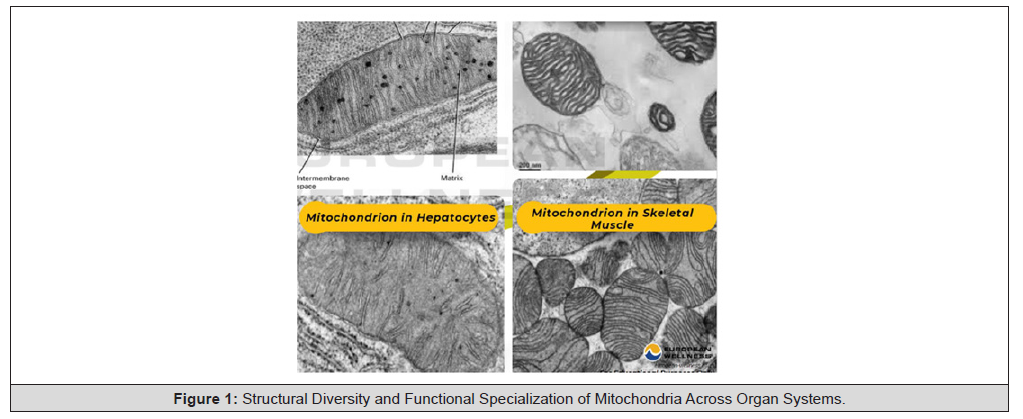
Figure 1:Structural Diversity and Functional Specialization of Mitochondria Across Organ Systems.
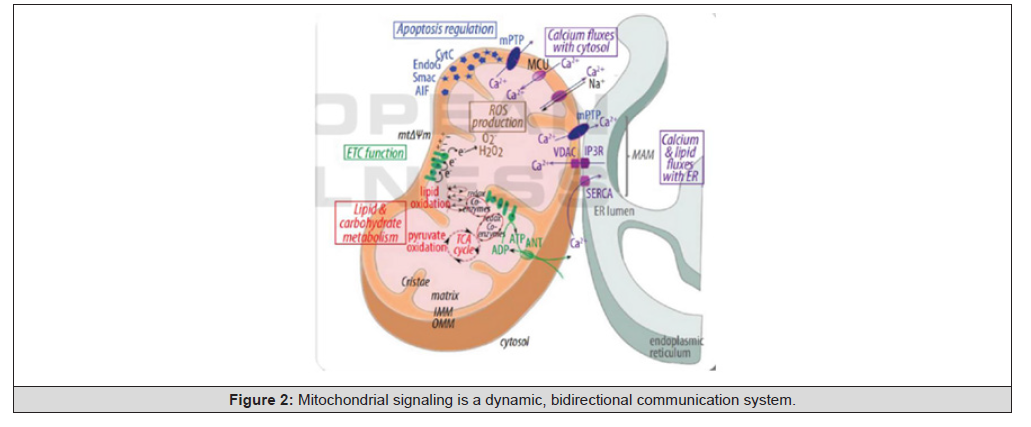
Figure 2:Structural Diversity and Functional Specialization of Mitochondria Across Organ Systems.
Given the mitochondria’s vital role in cellular function, their impairment can lead to a broad range of mitochondrial diseases that may impact nearly any organ and can manifest at any stage of life. These disorders are defined by disruptions in energy metabolism and are further complicated by genetic factors involving mutations in both nuclear DNA (nDNA) and mitochondrial DNA (mtDNA), which are responsible for encoding mitochondrial proteins. Consequently, mitochondrial diseases may arise from inherited mutations in nDNA or be maternally inherited through mtDNA mutations. The estimated minimum prevalence is approximately 1 in 5,000 individuals, though the actual number may be higher.
Overview of Mitochondrial Organelle (MO) Therapy
Mitochondria play a crucial role in cellular regeneration through various biological functions that are essential for tissue repair and regeneration. First and foremost, mitochondria are the powerhouse of the cell, responsible for energy metabolism and ATP production. During regenerative processes, the increased demand for energy is met by enhanced mitochondrial activity, providing the necessary ATP to support cellular functions like protein synthesis, cell division, and tissue remodeling. Additionally, mitochondria regulate the cell cycle and apoptosis, ensuring proper cell proliferation and eliminating damaged or dysfunctional cells. This regulation is vital for maintaining tissue homeostasis and preventing abnormal cell growth during regeneration. Mitochondria also contribute to stem cell proliferation and differentiation by controlling the signaling pathways that govern stem cell fate decisions. These organelles are involved in both the maintenance of stem cell populations and the differentiation of these cells into specific tissue types needed for repair. Furthermore, mitochondria are involved in the biosynthesis of important molecules such as hormones and heme, which are necessary for cellular functions like oxygen transport and hormonal regulation. Overall, the versatile functions of mitochondria are integral to the processes of regeneration, enabling tissue recovery, and restoring functional integrity.
Mitochondrial Dysfunction and Disease Pathogenesis
Mitochondrial dysfunction plays a central role in the pathogenesis of a wide range of diseases, spanning neurological, metabolic, and immune-related disorders. In the central nervous system, impaired mitochondrial function contributes to the progression of neurodegenerative diseases such as Alzheimer’s and Parkinson’s, as well as acute conditions like stroke, by disrupting energy homeostasis, increasing oxidative stress, and triggering neuronal apoptosis. As organisms age, cumulative mitochondrial damage accelerates cellular senescence, reducing regenerative capacity and contributing to systemic decline. Furthermore, mitochondrial dysregulation underlies various metabolic syndromes—including diabetes and obesity, by altering insulin sensitivity and cellular energy utilization. It also impairs immune responses, weakening host defense and promoting chronic inflammation. Collectively, these findings underscore the pivotal role of mitochondria in disease development and aging, reinforcing their value as therapeutic targets.
MF-Plus Therapeutic Strategies Targeting Mitochondria
Mitochondrial Organelle (MO) peptides represent a novel fusion of cellular therapy and mitochondrial medicine, offering a promising frontier in regenerative and aesthetic therapeutics. This specialized peptide range is composed predominantly of mitochondria- targeted peptides, carefully extracted and formulated to promote rapid cellular regeneration and restore normal cellular function.
Aging and degenerative diseases are intrinsically linked to mitochondrial dysfunction. Over the past several decades, substantial advances in geroscience have elucidated key mechanisms underlying cellular aging and senescence, with mitochondrial integrity emerging as a central determinant of human longevity and healthspan. Evidence indicates that mitochondrial degeneration is a principal driver of age-related functional decline; for instance, aged tissues in septuagenarians can exhibit up to 95% mitochondrial damage compared to negligible levels in young children. Dysfunctional mitochondria have been implicated in a wide spectrum of chronic diseases, including neurodegenerative disorders, metabolic conditions, cardiovascular diseases, and cancer. Despite the shared core components of cellular architecture, organ-specific cells possess distinct ultrastructural features and biochemical profiles reflective of their specialized functions. These differences include variations in organelle abundance, morphology, and the concentration of bioactive molecules (Figure 3).
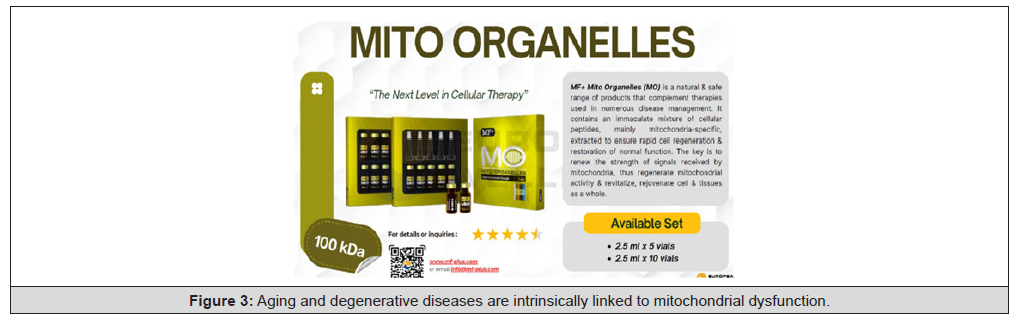
Figure 3:Aging and degenerative diseases are intrinsically linked to mitochondrial dysfunction.
The MO peptide platform adheres to the foundational principle of “organ-to-organ” specificity in cell therapy, targeting peptides to tissues where they are most biologically relevant and effective. Cellular function is orchestrated not only by the structure and abundance of organelles but also by the intracellular signaling landscape— particularly peptide-mediated communication between the nucleus and mitochondria. Nuclear-derived peptides and other molecular signals direct mitochondrial function, modulating bioenergetics, cell cycle progression, proliferation, and regenerative processes. These signals are also critical for inhibiting senescence and apoptosis.
Mitochondrial-origin peptides (MOPs) are increasingly recognized for their significant role in mitigating metabolic disturbances linked to obesity and its associated conditions, such as insulin resistance, type 2 diabetes, and nonalcoholic fatty liver disease (NAFLD). A variety of MOPs have consistently demonstrated protective metabolic effects in preclinical studies, particularly in rodent models, where they have been shown to enhance glucose tolerance and insulin responsiveness through distinct molecular mechanisms. Notably, skeletal muscle has emerged as a key target tissue for these peptides [1]. MOPs are also hypothesized to promote lipid oxidation and stimulate thermogenic activity in adipose tissue, contributing to body weight reduction. Furthermore, MOPs have exhibited neuroprotective and insulin-sensitizing properties by modulating apoptotic signaling cascades and improving insulin receptor pathways. Structural analogs of these peptides have been shown to improve glucose handling and decrease lipid storage. Ongoing clinical trials are currently evaluating MOP-based therapies for the treatment of metabolic disorders including type 2 diabetes, obesity, and NAFLD. These peptides hold substantial promise as therapeutic agents for alleviating metabolic stress and enhancing outcomes in metabolic disease settings [2].
With advancing age, the efficiency and intensity of mitochondrial signaling decline, leading to impaired function and downstream signaling to the nucleus that promotes cell cycle arrest and apoptosis. The core therapeutic mechanism of the MO peptide range lies in restoring and amplifying these mitochondrial signals, thereby reactivating mitochondrial activity, supporting cellular vitality, and promoting tissue regeneration and systemic rejuvenation.
Mitochondrial-derived vesicles represent an essential early mechanism of mitochondrial quality control (MQC), responsible for isolating and removing oxidized components. In parallel, mitophagy, the selective degradation of partially damaged mitochondria— plays a vital role in sustaining mitochondrial integrity and function. Dysregulation, whether through overactivation or suppression of MQC pathways, can exacerbate metabolic abnormalities and accelerate mitochondrial dysfunction–driven cellular senescence [3]. Preserving mitochondrial efficiency is a hallmark of cellular health. When mitochondrial damage occurs, mitophagy is activated to eliminate impaired organelles while simultaneously promoting the generation of new, functional mitochondria, thus maintaining bioenergetic homeostasis. Reactive oxygen species (ROS) and inflammation are critical contributors to aging and disease pathogenesis. Pro-inflammatory cytokines such as interleukin‐1 (IL‐1), IL‐4, IL‐10, and tumor necrosis factor alpha (TNFα) serve as upstream signals in these pathways. These inflammatory and oxidative insults can disrupt protein folding, interfere with post-translational modifications, and impair mitophagic processes. ROS-induced mitochondrial damage necessitates the activation of multiple molecular systems to restore cellular equilibrium. When mitophagy is compromised, cellular function declines, contributing to the onset of age-associated chronic disorders. Therefore, restoring mitophagy capacity in aging cells presents a promising strategy to promote longevity.
Routes of Administration
Mito organelles can be administered via multiple routes. Intramuscular injections. Intramuscular injection of MO (mitochondrial transplant therapy) involves injecting healthy mitochondria harvested from unaffected tissue into an ischemic or damaged area. The goal is to improve energy production and regeneration in the affected tissue. Studies have shown promising results in animal models, including improved muscle function after injury and reduced infarct size in the heart following ischemia. The MO enhance energy production (ATP) by the injured tissue, leading to improved cellular function, reduced inflammation, and ultimately, improved tissue repair and 36604839 (Figures 4,5).

Figure 4:Mito organelles can be administered via multiple routes.
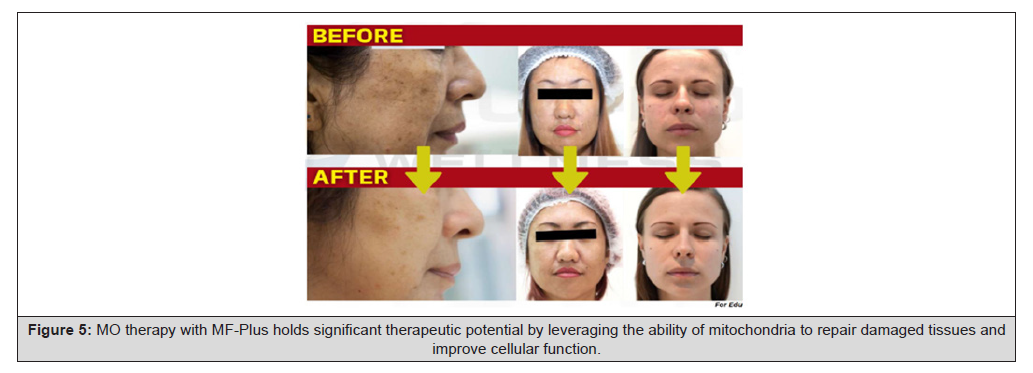
Figure 5:MO therapy with MF-Plus holds significant therapeutic potential by leveraging the ability of mitochondria to repair damaged tissues and improve cellular function.
Intravenous infusions Intravenous infusion of MO, (mitotherapy), involves delivering healthy mitochondria into the bloodstream to treat conditions like mitochondrial dysfunction and ischemic damage. This approach aims to restore cellular energy production and repair damaged tissues by transferring healthy mitochondria to cells that are struggling to function properly. Studies have shown effectiveness in cardiac, neurologic, and metabolic diseases 34468586, 28536524.
Intradermal mesotherapy. Intradermal mesotherapy with MO (mitochondrial transfer), involves injecting isolated mitochondria into the skin. This technique aims to improve skin health and address issues like aging and skin damage by providing healthy mitochondria to cells. Mitochondria are essential for energy production and play a role in cellular processes, including aging and skin repair.
Future Perspectives
MO therapy with MF-Plus holds significant therapeutic potential by leveraging the ability of mitochondria to repair damaged tissues and improve cellular function. By introducing healthy mitochondria into affected cells or tissues, MO address mitochondrial dysfunction, which is implicated in a wide range of diseases. On-going studies continue to demonstrate improvement in cognitive function, reduction neuronal cell death, and enhance functional recovery in neurological injury (e.g. stroke) efficacy in animal models of cardiac disease (e.g. acute myocardial ischemia/reperfusion\and metabolic disorders (e.g. fatty liver disease). By improving cellular energy metabolism, restoring mitochondrial function, and preventing cell death, MO can enhance tissue repair directly addressing the underlying mitochondrial dysfunction in various diseases by replenishing the number of functional mitochondria and restoring their activity. MF-Plus has shown the ability to mitigate the detrimental effects of oxidative stress and apoptosis, which are often associated with mitochondrial dysfunction. Future mitochondrial transfer techniques into stem cell therapy have the potential to enhance the therapeutic effects of stem cells. By transferring healthy mitochondria, stem cells can positively influence their phenotype and paracrine activity, leading to improved cell survival, function, and regeneration. While MO therapy holds great promise, challenges remain in optimizing delivery methods, ensuring long-term stability and function of transplanted mitochondria, and understanding the complex mechanisms of mitochondrial integration and function.
References
- Wu Y, Sun L, Zhuang Z, Hu X and Dong D (2021) Mitochondrial-Derived Peptides in Diabetes and Its Complications. Front Endocrinol (Lausanne) 12: 808120.
- Chan MK, Wong MB, Nalapko Y, (2025) et al. Klotho, Obesity, and Inflammation: A Triad of Metabolic Regulation. American Journal of Biomedical Science & Research 25(6).
- Peng T, Xie Y, Sheng H, Wang C, Lian Y, et al (2022) Mitochondrial-derived vesicles: Gatekeepers of mitochondrial response to oxidative stress. Free Radic Biol Med 188: 185-193.




 We use cookies to ensure you get the best experience on our website.