
Research Article 
 Creative Commons, CC-BY
Clinical Use of Diuretics and Patterns of Resistance in Congestive Heart Failure: A Retrospective Review at Zewditu Memorial Hospital, 2024 GC
*Corresponding author: Nathan Tolemariam Jibat, Abigiya Adane Berassa, and Yonas Damtew Bejiga Department of Medicine, Zewditu Memorial Hospital, Addis Ababa, Ethiopia.
Received:June 06, 2025 Published:June 18, 2025
DOI: 10.34297/AJBSR.2025.27.003564
Abstract
Background: Congestive Heart Failure (CHF) remains a significant public health concern worldwide, contributing significantly to
morbidity, mortality, and hospital readmissions. Diuretics are a cornerstone in the symptomatic management of CHF, primarily used
to relieve fluid overload and improve functional status. However, despite their widespread use, many patients develop resistance
to diuretics, posing a critical challenge in clinical management. Understanding the patterns of diuretic use and the prevalence of
resistance in specific healthcare settings is crucial for optimizing treatment strategies and improving patient outcomes. In Ethiopia,
particularly at tertiary care centres such as Zewditu Memorial Hospital, there is a lack of data on the clinical use of diuretics and the
emerging patterns of resistance among patients with heart failure.
Objective: To assess the clinical use of diuretics and identify patterns of diuretic resistance among patients diagnosed with congestive
heart failure at Zewditu Memorial Hospital in the year 2024.
Methods: An institution-based, retrospective, cross-sectional study was conducted among 384 CHF patients admitted to Zewditu
Memorial Hospital. Medical records were reviewed using a structured checklist to extract data on diuretic usage, resistance patterns,
and associated clinical factors. Data were cleaned and analyzed using Microsoft Excel and SPSS version 23.0, with descriptive
statistics used to summarize findings.
Result: A total of 384 heart failure patients were treated in the ambulatory and medical wards of Zewditu Memorial Hospital between
January and June 2024. Of these, 222 patients (58%) were female and 162 (42%) were male, indicating a higher representation
of female patients among the heart failure cases during the study period.
Conclusion: This study provides important insights into the patterns of diuretic prescribing, usage, and resistance among heart
failure patients admitted to Zewditu Memorial Hospital. The results indicate a greater number of female patients affected by heart
failure during the study period, which may reflect gender-related differences in disease prevalence or variations in healthcare utilization.
The evaluation of diuretic use underscores the need for ongoing surveillance of prescribing behaviors and resistance trends
to optimize patient outcomes. Enhancing adherence to guideline-based treatments and encouraging rational medication use are
critical for advancing the quality of heart failure care.
Keywords:Heart failure, Diuretic resistance, Furosemide, Loop diuretics, Sodium excretion
List of Abbreviations:ACE: Angiotensin Converting Enzyme; CHF: Congestive Heart Failure; Cl: Chlorine; CRVHD: Chronic Rheumatoid valvular Heart Disease; GUSH: Gondar University Specialized Hospital; HCT: Hydrochlorothiazide; HF: Heart Failure; HHD: Hypertensive Heart Disease; IHD: Ischemic Heart Disease; IV: Intravenous; LVEF: Left Ventricular Ejection Fraction; Mg: Milligram; Mol: Mill Mole; Na: Sodium; NaCl: Sodium Chloride; NCC: Non Coronary Cusp; NYH: New York Heart Association; OPD: Outpatient Department; PO: per os; ZMH: Zewditu Memorial Hospital
Introduction
Background of the Study
Heart failure can be defined as a progressive clinical syndrome resulting from any changes in cardiac structure or function that impair the ventricle’s ability to fill with or eject blood [1].
The vast majority of acute heart failure episodes are characterized by increasing symptoms and signs of congestion with volume overload, and the goal of therapy in these patients is to relieve congestion by achieving a state of euvolemia (the presence of a normal amount or flow of blood) [2]. So, it’s an essential issue to use diuretics to clear out congestion in heart failure patients. Diuretics are drugs that increase the rate of urine flow; clinically useful diuretics also increase the rate of sodium (Na+) excretion (natriuresis) and an accompanying anion, usually chlorine (Cl−). Most clinical applications of diuretics are directed toward reducing extracellular fluid volume by decreasing the total-body Sodium Chloride (NaCl) content [3]. The use of diuretics every day in patients with Heart Failure (HF) to relieve the congestive symptoms of HF. Although they are widely used, there is limited data on their ability to modulate HF-related morbidity and mortality [4]. Initial loop diuretic dosing in patients hospitalized with heart failure and congestion: For patients on long-term loop diuretic agents, a dose of 2.5 times their outpatient dose on a milligram-per-milligram basis has been demonstrated to be safe and effective in the DOSE trial. For example, for patients taking 40mg of oral Furosemide twice daily as an outpatient, initial Intravenous (IV) dosing would be 100mg of Furosemide IV twice daily. For patients not receiving long-term loop diuretic agents, a reasonable, empiric starting dose is 40-80mg IV BID of Furosemide or the equivalent. Due to post-dosing Sodium retention, IV loop-diuretic agents should be administered at least twice daily [4]. Prescription Patterns explain the extent and profile of drug use, trends, quality of drugs, and compliance with regional, state, or national guidelines, such as standard treatment guidelines, the use of drugs from the essential medicine list, and the use of generic drugs [5]. Diuretic resistance is defined as a failure to increase fluid and sodium (Na+) output sufficiently to relieve volume overload, edema, or congestion despite escalating doses of a loop diuretic to a ceiling level (80mg of Furosemide once or twice daily or greater in those with reduced glomerular filtration rate or heart failure). It is a significant cause of recurrent hospitalizations in patients with chronic heart failure and predicts death, but it is challenging to diagnose unequivocally [6]. This research paper aims to examine the use of diuretics, prescribing patterns, and resistance to heart failure through a retrospective study.
Statement of the Problem
Heart Failure (HF) is a disease characterized by the heart’s decreased ability to pump blood into the body’s arteries. It can also be referred to as an inappropriate cardiac response to meet metabolic demands or achieve adequate cardiac output after the activation of compensatory neurohormonal mechanisms [7]. It is a condition in which the heart does not pump blood as well as it should. Diuretic resistance is a failure to increase fluid and sodium (Na+) output sufficiently to relieve volume overload, edema or congestion despite a full dose of a loop diuretic. More quantitative definitions include a failure of oral Furosemide (160mg twice daily or equivalent) to increase Na+ excretion by at least 90mmol over 3 days [8]. Alternatively, a spot urine sample obtained 1 to 2 hours after a loop diuretic can be used to predict Na+ output. A Na+ output <50mmol is generally insufficient to induce a negative Na+ balance with loop diuretics and, therefore, predicts diuretic resistance. This was validated prospectively in 50 patients [9]. A poor diuretic response predicts subsequent death, readmission, or renal complications from CHF [10]. Imprecise metrics hamper recognition of diuretic resistance. Intravenous diuretics for patients hospitalized with decompensated HF can reduce body weight by 11kg, yet signs of hypervolemia and congestion persist at >50%, and blood volume, which predicts mortality [11], remains ≈30% expanded [12]. Thus, interstitial fluid, including peripheral and pulmonary edema, is depleted selectively, but blood volume is well defended. Indeed, more than 85% of fluid removed by diuretics is from extravascular sites, including peripheral and pulmonary edema. Appropriate drug utilization makes a considerable contribution to the global reduction in morbidity and mortality, with its consequent medical, social, and economic benefits [13]. Inappropriate prescribing is recognized worldwide as a significant issue in healthcare delivery [12]. This is particularly true in developing countries, where health budgets are limited, and 30-40% of the total health budget is allocated to drugs [14].
Significance of the Study
This study seeks to evaluate the utilization, prescribing patterns, and resistance of diuretics in heart failure management. The findings are intended to inform healthcare professionals and policymakers, aiding in the formulation of strategies to improve the quality of care and optimize diuretic treatment practices. Furthermore, the study aims to provide baseline data and valuable insights for future research in this field.
Literature Review
Heart Failure
HF is the most common cause of hospitalization in patients over the age of 65. The primary manifestations of the syndrome are symptoms resulting from vascular congestion, including shortness of breath, abdominal distension, and edema formation, as well as symptoms resulting from low systemic perfusion. HF syndrome is of relevant economic importance, and in the ADHERE study, signs and symptoms of congestion were the most frequent cause of hospital admission. Congestion often develops gradually before admission, and many patients may have elevated Left Ventricular (LV) filling pressures even when congestion (as indicated by dyspnea, jugular venous distension, or edema) is absent. Diuretic therapy, particularly loop diuretic therapy, is the standard approach for managing congestion, especially in patients with volume overload. The most commonly used diuretics in Heart Failure (HF) are loop diuretics, thiazides, and potassium-sparing diuretics.
Importance of Diuretics for Heart Failure Patients
Diuretics are essential as they relieve symptoms quickly and control fluid retention. Some of the diuretics used are Furosemide, Bumetanide, and chlorothiazide. The available data from several small controlled trials show that in patients with cardiac heart failure, conventional diuretics appear to reduce the risk of death and worsening heart failure when compared to an inactive sugar pill (placebo). About 80 deaths may be avoided for every 1000 people treated. Diuretics also increase the ability to exercise by about 28% to 33% more than with other active drugs. This conclusion was based on 14 controlled trials (525 people), of which three trials reported deaths in 202 people randomized to receive either diuretics or a placebo, and two trials involving a total of 169 people examined hospitalization for worsening heart failure. Of the seven trials comparing diuretic treatment with another drug, the effects on exercise were studied in four trials, where 91 people were randomized to receive either a diuretic, an ACE inhibitor, or digoxin. Most of the trials had small sample sizes and lasted from 4 to 24 weeks, a relatively short time for chronic diseases. The age of the participants was 59 years, which is relatively young, and the use of diuretic drugs was not standardized across the studies [9].
Randomized 234 patients to either oral torasemide or frusemide for 1 year. Torasemide-treated patients were less likely to need hospitalization for heart failure or all other cardiovascular causes. In addition, patients treated with torasemide had significantly fewer hospital days for heart failure when compared with those treated with frusemide [11]. Diuretics can reduce the dynamic functional mitral regurgitation that is frequently present in patients with advanced heart failure and consequently improve the adequate forward stroke volume at rest and on exercise. Lower filling pressures reduce chronic wall stress and myocardial oxygen requirements. Lower right atrial pressure results in reduced coronary venous pressure and myocardial turgor. This may lead to improved fiber shortening, as demonstrated by a fall in cardiac volume and an improvement in fractional shortening after 3 weeks [15].
Class of Diuretics
Loop Diuretics
Loop diuretics reversibly inhibit the Na+⁄2Cl-⁄K+ co-transporter of the thick ascending loop of Henle, where one-third of filtered sodium is reabsorbed. This results in decreased sodium and chloride reabsorption, as well as increased urine production (diuresis). Loop diuretics reversibly inhibit the Na+⁄2Cl-⁄K+ co-transporter of the thick ascending loop of Henle, where one-third of filtered sodium is reabsorbed. This results in decreased sodium and chloride reabsorption, as well as increased urine production (diuresis). Loop diuretics also enhance the synthesis of prostaglandins, which cause renal and venous dilatation. This explains some of the cardiac effects, such as a reduction in pulmonary wedge pressure. However, it is essential to acknowledge that the diuretic actions of loop diuretics may be reduced by the concomitant use of Non-Steroidal Anti-Inflammatory Drugs (NSAIDs), possibly because they inhibit renal prostaglandin synthesis. Loop diuretics include Furosemide, bumetanide, torsemide and ethacrynic acid [16]. While the bioavailability of oral Furosemide ranges from 40 to 80%, the bioavail ability of torsemide and bumetanide exceeds 80%, suggesting that these two molecules may be more effective in treating patients suffering from heart failure [17].
Thiazide Diuretics and Metolazone
Benzothiazide diuretics inhibit the sodium–chloride transporter at the distal portion of the ascending limb and the first part of the distal tubule. They prevent maximal dilution of urine, thus increasing free water clearance and excretion of sodium and chloride through the renal tubular epithelium. The increased delivery of sodium to the collecting ducts enhances the exchange of sodium with potassium, resulting in potassium depletion. They are less effective in patients with reduced glomerular filtration because they exert their diuretic effects from the luminal side of the nephron. Although they are less potent than loop diuretics, they may work in synergy with them when a sequential segmental nephron blockade is achieved. Thiazides also decrease peripheral vascular resistance through a mechanism that is currently not well understood, resulting in a decrease in blood pressure [18]. Metolazone is not a thiazide, but it acts similarly to thiazides. Metolazone is more potent than HCT and retains its effectiveness even in the presence of severe reductions in Glomerular Filtration Rate (GFR).
Potassium-Sparing Diuretics
The potassium-sparing diuretics used for treating HF are the aldosterone receptor antagonists spironolactone and eplerenone. They act at the cortical collecting duct, specifically by reducing sodium and water absorption and increasing the excretion of hydrogen ions and potassium. The antagonism of the actions of mineral corticoids mediates their action. Only 3% of filtered sodium is reabsorbed at the collecting duct, so this class of drugs does not have a significant diuretic effect. However, they are often used in association with other more effective diuretics to correct or prevent potassium deficiency. They are also significantly efficacious in reducing the deleterious effects of aldosterone on the cardiovascular system. Spironolactone is a non-selective aldosterone receptor antagonist, and thus, endocrine-related adverse effects (such as gynecomastia) are relatively common when it is used. Eplerone exhibits greater selectivity for the mineralocorticoid receptor and has fewer side effects [19].
Diuretics in Chronic Heart Failure
Diuretics are used to achieve and maintain euvolemia (the patient’s dry weight) with the lowest possible Dose. This means that the Dose must be adjusted, particularly after restoration of the dry body weight, to avoid the risk of dehydration, which leads to hypotension and renal dysfunction [10]. Treatment with diuretics must always be coupled with neuro-hormonal system blocking to slow down the progress of the disease. In general, due to their greater effectiveness, loop diuretics, such as Furosemide, are the mainstay of diuretic therapy in Heart Failure (HF). Indeed, loop diuretics produce a more intense and shorter diuresis than thiazides, resulting in gentler and prolonged diuresis. They are, however, less effective in patients with reduced kidney function.10 As a general rule, doses of loop diuretics should be as low as possible to maintain a euvolemic state. Restricting sodium and water intake, monitoring daily weight, and avoiding NSAIDs are crucial in preventing salt and water retention. The commonly used loop diuretics only act for a short time, so typical therapy schemes require twice-daily administration to avoid post-diuretic rebound sodium retention [20]. Furosemide is by far the most common oral loop diuretic. Still, patients with resistance to oral furosemide therapy may benefit from trials with second-generation oral loop diuretics (bumetanide and torasemide). These may be more efficacious due to their increased oral bioavailability and potency. The longer half-life of torasemide may limit the previously described rebound phenomenon [13]. In the prospective Torasemide in Chronic Heart Failure (TORIC) study, the use of torasemide was associated with lower mortality than Furosemide in patients with HF. Furthermore, torasemide has been reported to attenuate Left Ventricular (LV) remodeling in patients with Congestive Heart Failure (CHF) to a greater extent than Furosemide. Torasemide has also been reported to attenuate Left Ventricular (LV) remodeling in patients with Heart Failure (HF) to a greater extent than furosemide [21]. Although international guidelines do not define which diuretic should be preferred, there is not enough substantial evidence to recommend torasemide and bumetanide over Furosemide in HF. Careful monitoring and supplementation of electrolytes, particularly potassium and magnesium, are essential aspects of loop diuretic therapy. Randomized clinical trials have shown that potassium-sparing diuretics can reduce both hospitalizations and mortality in patients with chronic HF. However, they are less valuable than loop diuretics in cases of acute decompensated HF. Aldosterone levels are elevated in patients with Acute Decompensated Heart Failure (ADHF) despite the use of angiotensin-converting enzyme inhibitors, angiotensin receptor blockers and beta-blockers. In this setting, aldosterone elevation may contribute to cardiorenal dysfunction, increasing the risk of death and ventricular arrhythmias [22]. Studies have shown the benefits of using aldosterone antagonists in Heart Failure (HF) with non-diuretic doses of mineralocorticoid receptor antagonists. The objective was to inhibit the angiotensin–aldosterone axis completely. In the Emphasis-HF study, a double-blinded trial enrolling patients with chronic HF and low Ejection Fraction (EF), the aldosterone antagonist eplerenone compared with placebo showed a significant reduction in deaths from all causes, hospitalization for HF and of the primary outcome (cardiovascular death or hospitalization for HF). For these reasons, their use is strongly recommended in patients with Heart Failure (HF). Their greater usefulness, as mentioned earlier, lies not in their diuretic properties but in their ability to counteract the numerous harmful effects of hyperaldosteronism on the cardiovascular system. There are few studies in the literature describing the usefulness of high diuretic doses of aldosterone antagonists in ADHF to overcome congestion. In an exploratory survey of ADHF patients, high doses of mineralocorticoid receptor antagonists (specifically, approximately 100mg of spironolactone) were found to be safe and effective. They were also associated with an earlier resolution of congestive signs and a more pronounced reduction in the N-terminal of the prohormone brain natriuretic peptide (NT-proBNP). Potassium-sparing diuretics have the disadvantage that their use results in a greater incidence of hyperkalemia. However, when combined with loop diuretics, as is frequently the case in clinical practice, this side effect is significantly reduced. After overcoming the acute phase of HF, it will be possible in selected subgroups to attempt withdrawal of diuretics. A history of hypertension, baseline furosemide dose of >40mg/day, and a low LVEF (<27 %) were independent predictors of diuretic restarting [23].
Prescription Trend of Diuretics
Diuretic monotherapy accounted for one-third (33.6%) of cardiovascular drug use, followed by combination therapy of angiotensin- converting enzyme inhibitors and diuretics (21.8%) and calcium channel blockers combined with diuretics (8.3%). Distribution of cardiovascular drugs by pharmacologic class in GUSH, 2017 (N=833). HCT is the single most commonly prescribed monotherapy, followed by Enalapril and Nifedipine, at 18.1%, 6.4%, and 4.8%, respectively. HCT with enalapril (16.2%) and Furosemide with spironolactone (11.9%) were the frequently used combined therapies in cardiovascular patients. Approximately 8.2% of patients are on more than four drugs in their treatment regimens. Prescription data for diuretics in clinical practice are scarce. In this study, we evaluated the prescription pattern of diuretics in a large population of HF outpatients enrolled by a national network of hospital-based cardiologists. Methods and Results: Among 11,070 HF outpatients (mean age 64±12 years, 72.9% men, 29.8% New York Heart Association [NYHA] class III-IV, mean Left Ventricular Ejection Fraction [LVEF] 35±12%), 9247 took a diuretic, the most frequently prescribed therapeutic agent (83.5%). Loop diuretics were prescribed alone (65.5%) or combined with other diuretics in 91.6% of patients. By multivariate analysis, the strongest independent predictors of diuretic use were a previous hospital admission for HF (odds ratio [OR] 2.55, 95% Confidence Interval [CI] 2.28-2.86), NYHA class III-IV (OR 2.52, 95% CI 2.14-2.96), LVEF<30% (OR 1.87, 95% CI 1.57-2.24) [24].
Diuretics Resistance
Diuretic resistance is a failure to increase fluid and sodium (Na+) output sufficiently to relieve volume overload, edema or congestion despite a full dose of a loop diuretic. More quantitative definitions include a failure of oral Furosemide (160mg twice daily or equivalent) to increase Na+ excretion by at least 90mmol over 3 days. Alternatively, a spot urine sample obtained 1 to 2 hours after a loop diuretic can be used to predict Na+ output. A Na+ output <50mmol is generally insufficient to induce a negative Na+ balance with loop diuretics and, therefore, predicts diuretic resistance. This was validated prospectively in 50 patients. Diuretic resistance is thought to occur in approximately one-third of patients with Congestive Heart Failure (CHF). Heart failure represents the most common clinical situation in which diuretic resistance is observed. In mild CHF, diuretic resistance is not commonly encountered as long as renal function is preserved. However, in moderate and severe CHF patients, diuretic resistance occurs more frequently and often becomes a clinical problem [25].
Reduction in the Response to Diuretics Among Heart Failure Patients
Diuretic resistance is a common problem in HF patients. Removal of excessive fluid is typically achieved through a combination of salt restriction and loop diuretics; however, in some cases, congestion persists despite adequate diuretic therapy. This has been termed diuretic resistance. The prevalence of diuretic resistance in the HF population is unknown due to the heterogeneity of the populations studied, the frequent co-morbidity, the different treatment regimens, as well as the other definitions used in various clinical trials. In a retrospective analysis of 1,153 patients with advanced HF, 402 patients had diuretic resistance (defined in this study as requirement of Furosemide>80mg or bumetanide >2mg daily). Diuretic resistance was independently associated with total mortality, sudden death and pump failure death. Loop diuretics are ‘threshold drugs.’ HF shifts the dose-response curve for loop diuretics downward and to the right. Thus, a higher starting dose of loop diuretics is required to achieve the same level of sodium excretion. The shift of the dose-response curve in HF suggests that insufficient dosing is a common cause of a lack of diuretic response. The magnitude of natriuresis following a defined dose of diuretics declines over time, even in normal subjects. This is the so-called ‘braking phenomenon,’ resulting from both hemodynamic changes at the glomerulus and adaptive changes in the distal nephron. In a seminal study on rats by Kaissling, furosemide treatment was associated with cell hypertrophy at the distal convoluted tubule, the connecting tubule and the cortical collecting duct [26]. These structural changes after furosemide treatment suggest an increase in the active transcellular transport capacity of this segment. A partial explanation of these anatomical modifications may be the increased stimulation mediated by the renin-angiotensin and sympathetic nervous systems. An abrupt increase in diuretic resistance in HF patients may be due to concomitant NSAID use or an excessive intake of sodium. This may result in renal function deteriorating and the development of cardiorenal syndrome [27]. A reduced response to diuretics has not been shown to have a clear, consistent association with detectable changes in plasma volume or renal hemodynamics, nor with the class of diuretic.
The blunted natriuretic response to Furosemide during repeated administration is attributed in the DR literature to several factors. Candidate mechanisms include reduced Sodium Chloride (NaCl) delivery to the site of Furosemide action, resulting in decreased inhibition of NaCl reabsorption by Furosemide in the loop of Henle. It is unclear, however, if there is significant relevance to these mechanisms in humans. One study evaluated 128 patients with AHF receiving treatment with loop diuretics. The authors demonstrated that endogenous lithium clearance (a surrogate for proximal tubular sodium reabsorption) in AHF patients was no different from that of controls. Most patients had a robust increase in lithium clearance following loop diuretic administration, indicating a preserved sodium reabsorption response at the loop of Henle. Another potential mechanism of DR has been demonstrated in studies of rats fed high-sodium diets. In these rats, several days of loop diuretic infusion resulted in structural hypertrophy of the distal convoluted tubule, connecting tubule, and intercalated cells of the collecting duct [28]. These structural and functional adaptations result in an increase in the Na-K-ATPase activity and NCC expression in these downstream nephron segments, compensating for increased sodium exit from the loop of Henle induced by loop diuretics. This leads to enhanced distal NaCl absorption, resulting in inappropriate renal sodium retention in these animals, which can persist for up to 2 weeks after cessation of diuretic therapy.
Strategies to Overcome Diuretic Resistance
Once correctable variables and blockage of the neuroendocrine system have been ruled out, a possible way to overcome diuretic resistance is to use infusion therapy to circumvent the limitations of oral bioavailability. For patient’s refractory to escalating doses of intravenous diuretics, options include the use of continuous infusion rather than intermittent boluses. This strategy was tested in the DOSE study, but no significant difference was noted between the two treatment groups. Another approach is to administer two classes of diuretics together, a loop diuretic combined with a thiazide- like diuretic, thus performing a sequential nephron blockade. Various mechanisms explain the success of this combination strategy: the longer half-life of thiazide diuretics helps to counteract the rebound post-diuretic effect. Thiazide-type diuretics inhibit sodium reabsorption in the distal nephron, primarily benefiting patients who have distal nephron hypertrophy and hyperfunction due to chronic use of loop diuretics. Indeed, inhibiting NaCl transport along the distal tubule counteracts the reabsorption due to hyper- functioning cells in the distal tubule. In addition, they markedly increase the fractional sodium excretion, which is needed to achieve a neutral or negative sodium balance if the GFR is depressed [29].
Numerous thiazide-like diuretics have been evaluated in combination with loop diuretics, yielding similar results overall; there is no clear evidence that any single thiazide-like diuretic is superior to another, suggesting a class effect. It has been suggested that metolazone is superior to other thiazide-like diuretics in patients with advanced kidney disease; however, other thiazide-like diuretics also increase the response to loop diuretics, even in patients with advanced renal failure. More recently, a small, retrospective, single- center cohort study compared two of the most commonly used thiazide-like diuretics (oral metolazone and intravenous chlorothiazide) as add-on therapy to loop diuretics and no statistically significant differences in efficacy or safety were found. In some European countries, metolazone and chlorothiazide are not available, and the most commonly used thiazide-like diuretics for acute decompensated heart failure (ADHF) are Hydrochlorothiazide (HCT) and chlorthalidone. Chlorthalidone’s half-life (48-72hours) is longer than that of HCT (6-12hours), which might increase the risk of adverse events in patients hospitalized for ADHF. Moreover, head-tohead studies comparing these for treating hypertension described an increased risk of hypernatremia with chlorthalidone. For these reasons, HCT or metal zone could be the diuretic of choice for treating ADHF. The primary issue with sequential nephron blockage is the excessive depletion of water and electrolytes. Chronic thiazide diuretics use is a predictor of worsening renal function in chronic HF, and this is of concern, given the adverse prognosis associated with worsening renal function in these patients. Impaired renal function with diuretic therapy can result from direct alterations in glomerular hemodynamics due to neurohormonal and intracranial feedback mechanisms or from overt volume depletion. To address these common concerns, we need to await the results of ongoing clinical trials (between these, the ‘Safety & efficacy of the combination of loop with thiazide-type diuretics in patients with decompensated HF’ will compare the strategy of sequential block through add-on HCT versus therapy with loop diuretics alone). As a result of the above considerations, it is now not easy to apply sequential nephron blockage in outpatient settings [30].
Objectives of the Study
General Objective
a) To assess the clinical use of diuretics and identify patterns of diuretic resistance among patients diagnosed with congestive heart failure at Zewditu Memorial Hospital in the year 2024.
Specific Objectives
a) To determine the types and frequency of diuretics prescribed
for the management of congestive heart failure.
b) To evaluate the clinical outcomes associated with diuretic therapy
in heart failure patients.
c) To identify the prevalence and clinical characteristics of patients
exhibiting diuretic resistance.
d) To explore factors associated with diuretic resistance (e.g.,
dosage, duration, co-morbidities, renal function).
e) To assess adherence to guideline-directed medical therapy in
the prescription of diuretics for heart failure.
Methodology
Study Area and Period
The study was conducted at Zewditu Memorial Hospital (ZMH) in Addis Ababa, Ethiopia. Originally established, owned, and operated by the Seventh-day Adventist Church, the hospital was nationalized during the Derg regime around 1976. Named in honor of Empress Zewditu, a predecessor and cousin of Emperor Haile Selassie, the hospital is now under the administration of the Ministry of Health. ZMH currently operates with a capacity of 330 beds, offering a wide range of services, including inpatient care, outpatient consultations, laboratory diagnostics, pharmacy, emergency services, maternity and delivery care, family planning, reproductive health services, as well as voluntary counseling and testing. The hospital employs a total of 1,137 staff members, including 810 healthcare professionals. Among them are 56 specialists, 75 general practitioners, 46 pharmacists, 14 public health officers, and 360 nurses.
This study was conducted over six months, from January to June 2024, specifically within the Outpatient Department (OPD) and the medical ward of ZMH.
Study Design
A retrospective cross-sectional study conducted at an institution assessed diuretic use, prescribing patterns, and resistance among heart failure patients admitted to Zewditu Memorial Hospital. The study was scheduled to take place over six months, from January to June 2024.
Source of Data
The research is primarily based on secondary data. Medical cards of patients are used as primary data sources.
Population
Source Population: The source population consisted of all patient
medical charts for individuals admitted to Zewditu Memorial
Hospital during the designated study period.
Study Population: The study population included all heart
failure patients who visited the Outpatient Department (OPD) and
medical ward of Zewditu Memorial Hospital and met the inclusion
criteria during the study period.
Inclusion and Exclusion Criteria
Inclusion Criteria
a) Patients diagnosed with heart failure
b) Heart failure patients aged 18 years and older
c) Patients with complete medical records at the time of data
collection
Exclusion Criteria
a) Patients younger than 18 years
b) Patients with incomplete medical records at the time of
the study
Sample Size Determination and Sampling Technique
Sample Size Determination: A single population proportion formula performed sample size calculation by using the following assumption:
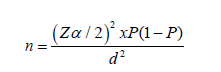
Where:
n=the minimum required sample size
d=margin of error 5 % (0.05)
Zα/2=the standard normal value at a confidence interval of
95% (1.96)
P (Previous proportion) =0.5 (Since there was no previous
study done on diuretic use, prescribing patterns, and resistance in
HF in Ethiopia, it will be assumed to be 50%).
With this prevalence estimate of 95% confidence and 5% margin of error, the minimum sample size was:
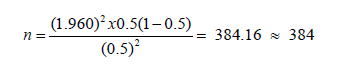
The largest sample size required for this study was 384.
Sampling Technique
The systematic random sampling technique was used to select 384 HF patients. The sampling interval was determined by dividing the total number of HF patients that came within the study period (6 months) by the allocated sample size.
Total no of patients within 6month=1440 Sample size=384
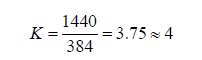
The first patient chart was selected randomly, and then every 6th patient chart was selected from the patient registration list until the required sample was reached.
Study Variables
Independent Variables
a) Age in years
b) Gender
c) Length of time on diuretics treatment.
d) Dosage of diuretics
Dependent Variable
1) Diuretics resistance
Data Collection Procedures
The data extraction tool was developed based on a review of relevant literature to identify key variables related to diuretic resistance. Data were collected from patient’s medical charts and records using a structured format by three trained data collectors. The information gathered included patient demographics, underlying medical conditions, and details of prescribed medications, all obtained from the patient’s medical records.
Data Quality Management
To ensure the quality of the data, a properly designed data collection checklist was used. The collected data were reviewed and checked for completeness and consistency every day.
Data Analysis Procedures and Tools
After checking for completeness and consistency of the collected data, the data was processed and analyzed by using Microsoft Office Excel and SPSS version 23.0
Ethical Consideration
Ethical clearance for this study was obtained from the Research and Publication Office of Zewditu Memorial Hospital. Formal permission to conduct the study was granted through official communication issued by the hospital administration. To maintain patient confidentiality, all data extracted from medical records were anonymized by removing personal identifiers and were used solely for this research. As the study involved retrospective chart reviews without direct patient contact, the requirement for informed consent was waived by the ethical review board. All data were securely stored in password-protected files accessible only to the research team. The study adhered to the principles outlined in the Declaration of Helsinki and complied with institutional and national guidelines for research involving human subjects.
Result
This chapter presents, analyzes, and interprets the collected data. The raw data were collected through a checklist, presented in tables, and analyzed using quantitative methods.
Socio-Demographic Characteristics
Overall, 384 patients were treated in the ambulatory and medical ward for HF patients during January–June 2024. The majority of study HF patients were females, 222(58%), while the remaining 162(42%) patients were males. This shows that the majority of patients included in the study were females. As shown in Table 3.1.1, more than half of the patients included in the study were over 50 years of age (59%), and 41% were under 50 years of age. It implies that the most significant numbers of patients were older age (>60). More HF patients are older people. The rate decreases with age. As shown in Table 3.1.1, 362(85%) of patients came from urban residences, and the remaining 58(15%) came from rural areas. This shows that the majority of HF patients were from urban areas (Table 1).
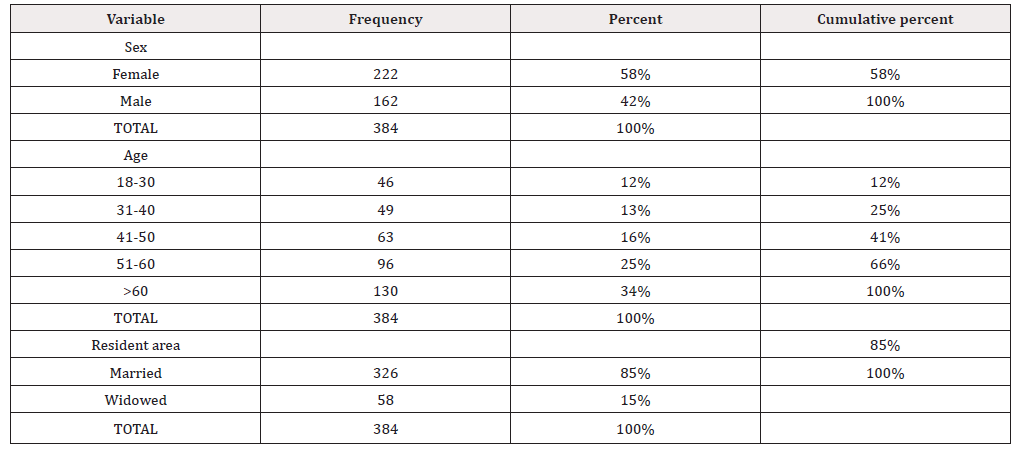
Table 1:Socio-demographic characteristics of patients attending ZMH, Addis Ababa, Ethiopia, between January-June 2024.
Causes of Heart Failure
Table 2 As shown in the table above, pneumonia is the main precipitating factor, at 93% (24%), followed by arrhythmia, anemia, Infective endocarditis, and various other factors. Additionally, CRVHD was the initial factor in 112 cases (29%), as noted in the study, followed by DVHD, DCMP, HHD, IHD, and cor-pulmonale. Additionally, among HF patients included in the survey, Hypertension 129(34%) was the main element, followed by diabetes mellitus, dyslipidemia, asthma, COPD, Tuberculosis, and HIV AIDS.
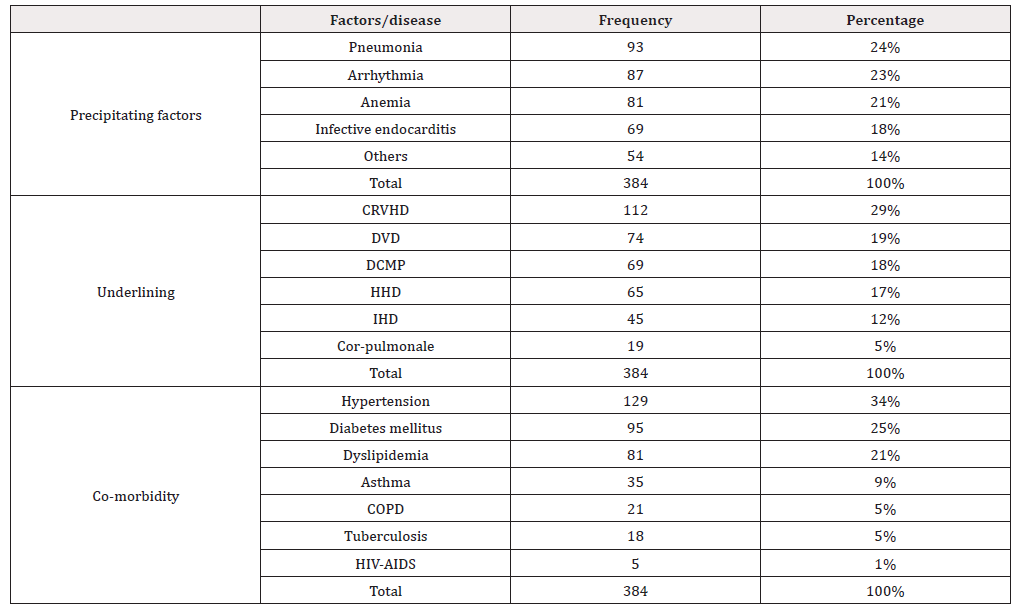
Table 2:Cause for Heart Failure patients attending ZMH, Addis Ababa, Ethiopia, between January-June 2024.
Diuretics Use
Table 3 As indicated in the table above, 272(71%) of the patients included in the research were treated with diuretics, while 112(29%) patients were not treated with diuretics. And it implies that the majority of HF patients are treated with diuretics.

Table 3:Diuretic use among patients attending ZMH, Addis Ababa, Ethiopia, between January and June 2024.
Duration of Diuretic Therapy
Table 4 As shown in the figure above, the duration of diuretic therapy is classified into three categories; the first category consists of 6 months to 1 year, with 56(21%) results. The second and third categories are 1 year to 3 years (91, 33%) and ≥3 years (125, 46%), respectively. It implies that the majority of patients were treated with diuretic therapy for more than 3 years.

Table 4:Duration of diuretic therapy attending ZMH, Addis Ababa, Ethiopia, between January-June 2024.
Class of Diuretics
Table 5 The table above shows the classes of diuretics frequently used for HF patients. Loop diuretics were the most commonly prescribed and used class of drugs, accounting for 160(59%), followed by potassium-sparing and thiazide diuretics, which accounted for 91(33%) and 21(8%), respectively.

Table 5:Class of diuretic attending ZMH, Addis Ababa, Ethiopia, between January-June 2024.
Type of Diuretics from Mainly Used Classes
Table 6 Out of the total population treated with diuretics, the combination of Furosemide and spironolactone was the drug used, which is 81(30%), and Furosemide alone treatment was the second most prescribed and used drug. In comparison, triple therapy with Furosemide+spironolactone+HCT (52, 19%) and Furosemide HCT (50, 18%) were the 3rd and 4th regimens, respectively, used during the study period? This indicates that Furosemide+spironolactone was commonly prescribed, followed by Furosemide alone, Furosemide+ spironolactone+HCT, and Furosemide+HCT, retrospectively, in HF patients included in the study.

Table 6:Types of diuretics attending ZMH, Addis Ababa, Ethiopia, between January-June 2024.
Total Daily Dose of Mainly Used Diuretics for HF Patients at ZMH.
Table 7 The dosage category of IV furosemide is divided into five. The first category consists of 20-40mg with 31(72%). The second category is between 41-80mg with 5(12%)-, the third category is between 81-160mg with 3(7%), the fourth category is between 160-300mg with 3(7%), and the last category includes above 300mg which is 1(2%)-. The dosage category of PO furosemide is divided into two categories, 20-80mg and 81-120mg, with 48(80%) and 12(20%) patients, respectively. The spironolactone dosage category is divided into two: 12.5mg and 25mg daily doses, with 54(47%) and 60(53%) patients, respectively. And from 55 patients taking HCT, all patients received a 100% treatment rate with a 25mg daily dose.
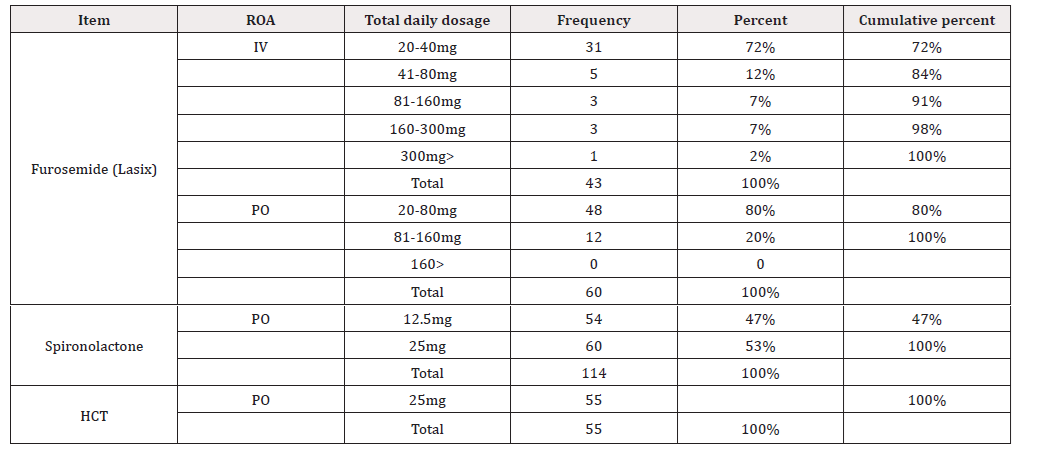
Table 7:Daily Total Dose of diuretic at ZMH, Addis Ababa, Ethiopia between January-June 2024.
Diuretics Dosage Adjustment During Treatment
Table 8 As shown in Table 8, among the 272 patients included in the study, 169(62%) increased or decreased their dosage, while the remaining 103(38%) maintained the exact dosage.

Table 8:Diuretics dosage adjustment at ZMH, Addis Ababa, Ethiopia, between January-June 2024.
Diuretics Resistance
Table 9 shows that, among 103 patients treated with IV furosemide, four patients received a total daily dosage of more than 160mg (4%), and no patients received a total daily dosage of PO furosemide exceeding 320mg. It implies that four patients develop resistance to IV furosemide.

Table 9:Diuretic resistance at ZMH, Addis Ababa, Ethiopia, between January and June 2024.
Discussion
This study provided valuable insights into the use, prescribing patterns, and resistance of diuretics among heart failure patients attending the outpatient department and medical ward at Zewditu Memorial Hospital. The majority of patients were older adults, predominantly female, mostly from urban areas, with pneumonia identified as a common precipitating factor. The most frequent underlying condition was Chronic Rheumatic Valvular Heart Disease (CRVHD), while hypertension was the most common co-morbid illness. More than half of the patients (222; 58%) were female, and a significant portion were aged over 60 years, consistent with findings from similar studies worldwide [31]. Additionally, 362 patients (85%) resided in urban areas, with only 58 patients (15%) from rural settings, indicating a predominance of heart failure cases among urban residents. Coronary heart disease is the leading cause of Heart Failure (HF) in Western countries. Studies on left ventricular dysfunction have shown that coronary artery disease accounts for nearly 75% of chronic HF cases in white male patients. However, the Framingham Heart Study reported that coronary heart disease was responsible for only 46% of HF cases in men and 27% in women. In contrast, heart failure in developing countries is primarily caused by non-ischemic factors such as hypertensive heart disease, valvular and myocardial damage due to rheumatic fever, and cardiomyopathies linked to certain infections [32]. In the current study, pneumonia was the major precipitating factor in 93 patients (24%), while Chronic Rheumatic Valvular Heart Disease (CRVHD) was the leading underlying condition in 112 patients (29%). Hypertension was the most common co-morbidity, affecting 129 patients (34%). The majority of patients were treated with either diuretic monotherapy or diuretic-based combination therapy, indicating that diuretics play a central role in HF management. Among these, Furosemide was the most commonly prescribed diuretic, consistent with standard treatment guidelines, which recommend Furosemide as the first-line therapy for HF patients presenting with congestion [33]. Most patients had been on diuretic therapy for over three years. Previous studies align with these findings, reporting that approximately 56% of HF patients receive diuretics, with Furosemide being the most frequently used oral loop diuretic [34]. Due to its poor oral bioavailability, the oral Dose of Furosemide is typically twice that of the intravenous (IV) dose [35]. In this study, the majority of patients treated with oral Furosemide received doses ranging from 20 to 80mg daily, while 48 patients (80%) received doses between 81 and 120mg daily. Among 43 patients receiving IV Furosemide, four patients (9%) were administered doses exceeding 160mg daily, suggesting possible diuretic resistance. Spironolactone was the second most commonly used diuretic. Similar studies in the Netherlands reported that 80% of congestive HF patients were on loop diuretics [36]. In the present study, out of 114 patients taking spironolactone, 54(47%) received 12.5mg daily, and 60(53%) received 25mg daily.
Thiazide diuretics, such as Hydrochlorothiazide (HCT), inhibit sodium reabsorption in the distal convoluted tubule (approximately 5-8% of filtered sodium). They are relatively weak diuretics and are rarely used alone in HF management. However, they can be combined with loop diuretics to achieve more effective diuresis. Thiazides may also be preferred in patients with mild fluid retention and elevated blood pressure due to their longer-lasting antihypertensive effects compared to loop diuretics [1]. In this study, all 55 patients receiving hydrochlorothiazide were prescribed a daily dose of 25mg. of the 272 patients in the study, 169(62%) had their diuretic dosages adjusted, while the remaining 103(38%) maintained the exact dosage throughout. Adjusting the Dose of loop diuretics should be guided by the clinical response to initial treatment. An adequate dose typically results in increased urine output within two hours. If the response is insufficient, the Dose should be increased promptly rather than waiting for the next scheduled Dose. Because the dose-response curve of loop diuretics is logarithmic, significant increases (usually doubling the Dose) are often necessary to improve effectiveness. Monitoring urine sodium levels may also help guide dosing, though this approach has yet to be validated in large-scale studies [37]. A retrospective analysis of 1,153 patients with advanced Heart Failure (HF) found that 402 patients exhibited diuretic resistance, defined as requiring furosemide doses greater than 160mg orally twice daily or bumetanide doses exceeding 2mg daily [38]. In the current study, 4% of patients receiving IV furosemide were given doses exceeding 160mg daily, indicating the presence of diuretic resistance in this subgroup [39-43].
Limitations of the Study
The current study has several limitations that should be acknowledged:
a) Although it highlights prescribing trends and diuretic usage
patterns, the retrospective design did not allow for tracking
changes in treatment regimens or patient prognosis over time.
b) Further laboratory investigations are necessary to evaluate the
diuretic response rates in heart failure patients accurately.
c) The study was conducted solely at Zewditu Memorial Hospital,
limiting the generalizability of the findings to a broader population
beyond this institution.
Conclusion
This study provides valuable insights into the use, prescribing patterns, and resistance of diuretics among Heart Failure (HF) patients admitted to Zewditu Memorial Hospital. A total of 384 patients were included, with a higher proportion of females (58%) than males (42%), suggesting a possible gender-related difference in the presentation or healthcare utilization of heart failure. The findings revealed that 71% of HF patients in a congestive state received diuretics as part of their treatment regimen, underscoring the central role of these agents in managing fluid overload. Among the different classes, loop diuretics were the most frequently prescribed, followed by potassium-sparing and thiazide diuretics, aligning with standard treatment guidelines. Notably, 9% of patients received high-dose intravenous diuretics (>160mg/day), indicating potential diuretic resistance in this group.
These results highlight the importance of monitoring prescribing patterns and resistance trends to ensure optimal therapeutic outcomes. Strengthening adherence to guideline-directed medical therapy and implementing individualized treatment strategies are crucial for enhancing the quality of care for Heart Failure (HF) patients.
Recommendation
Based on the findings of this study, the student researcher proposes
the following recommendations:
a) Healthcare practitioners should provide counseling on monitoring
salt and fluid intake.
b) Patients and caregivers should be encouraged to consistently
adhere to prescribed lifestyle modifications.
c) In cases where patients develop resistance to Furosemide, the
addition of Hydrochlorothiazide (HCT) should be considered
as per clinical guidelines.
Acknowledgements
None.
Conflicts of Interest
None.
References
- Joseph T Dipiro, Gary C Yee, L Michael Posey, Stuart T Haines, Thomas D Nolin, et al. (2020) Pharmacotherapy: a pathophysiologic approach, 11th
- Petar M Seferovic, Piotr Ponikowski, Stefan D Anker, Johann Bauersachs, Ovidiu Chioncel, et al. (2019) Clinical practice update on heart failure 2019: pharmacotherapy, procedures, devices and patient management. An expert consensus meeting report of the Heart Failure Association of the European Society of Cardiology. Eur j heart fail 21(10): 1169-1186.
- (2020) Goodman and Gilman: The Pharmacological Basis of Therapeutics 13th
- Casu G, Merella P (2015) Diuretic Therapy in Heart Failure-Current Approaches. Eur Cardiol 10 (1): 42-47.
- Strom BL, Stephan EK, Sean Hennessy (2019) pharmacoepidemiology 6th
- Christopher Stuart, Jeffrey Moore Testani, Bertram Pitt, et al. (2020) Pathophysiology of Diuretic Resistance and Its Implications for the Management of Chronic Heart Failure. Hypertension 76(4): 1045-1054.
- Tan LB, Williams SG, Tan DK, Cohen Solal A (2010) So many definitions of heart failure: are they all universally valid? A critical appraisal. Expert Rev Cardiovasc Ther 8(2): 217–228.
- Ter Maaten JM, Valente MA, Damman K, Hillege HL, Navis G, et al. (2015) Diuretic response in acute heart failure-pathophysiology, evaluation, and therapy. Nat Rev Cardiol 12(3): 184–192.
- (2003) Prescription pattern of diuretics in chronic heart failure. Elsevier inc.
- Kiernan MS, Stevens SR, Tang WHW, Butler J, Anstrom KJ, et al. (2018) Determinants of diuretic responsiveness and associated outcomes during acute heart failure hospitalization: an analysis from the NHLBI heart failure network clinical trials. J Card Fail 24(7): 428-438.
- Raja F Faris, Marcus Flather, Henry Purcell, Philip A Poole Wilson, Andrew JS Coats (2012) Diuretics for heart failure. Cochrane Database Syst Rev 15:(2): CD003838.
- Tan LB, Williams SG, Tan DK, Cohen-Solal A. So many definitions of heart failure: re they all universally valid? A critical appraisal. Expert Rev Cardiovasc Ther 8(2): 217-228.
- Sharpe N, Murphy J, Smith H, Hannan S (1988) Treatment of patients with symptomless left ventricular dysfunction after myocardial infarction. Lancet 1(8580): 255-259.
- Maaten JM, Valente MA, Damman K, Hillege HL, Navis G, et al. (2015) Diuretic response in acute heart failure-pathophysiology, evaluation, and therapy. Nat Rev Cardiol 12(3): 184-192.
- Sa Murray, K Boyd (2011) using the 'surprise question,' can identify people with advanced heart failure and COPD who would benefit from a palliative care approach. Palliat Med 25(4): 382.
- Brater DC (1998) Diuretic therapy. N Engl J Med 339(6): 387-395.
- Murray MD, Deer MM, Ferguson JA, PR Dexter, SJ Bennett, et al. (2001) Open-label randomized trial of torsemide compared with furosemide therapy for patients with heart failure. Am J Med 111(7): 513-520.
- Roush GC, Kaur R, Ernst ME (2014) Diuretics: A Review and Update. J Cardiovasc Pharmacol Ther 19(1): 5-13.
- Struthers A, Krum H, Williams GH (2008) A comparison of the aldosterone-blocking agents eplerenone and spironolactone. Clin Cardiol 31(4): 153-158.
- McMurray JJ, Adamopoulos S, Anker SD, et al. (2012) ESC Committee for Practice Guidelines. ESC Guidelines for the diagnosis and treatment of acute and chronic heart failure 2012: The Task Force for the Diagnosis and Treatment of Acute and Chronic Heart Failure 2012 of the European Society of Cardiology. Developed in collaboration with the Heart Failure Association (HFA) of the ESC. Eur Heart J 33(14): 1787-1847.
- Lopez B, Querejeta R, Gonzalez A, et al. (2004) Effects of loop diuretics on myocardial fibrosis and collagen type I turnover in chronic heart failure. J Am Coll Cardiol 43(11): 2028-2035.
- Aronson D, Burger AJ (2003) Neurohormonal prediction of mortality following admission for decompensated heart failure. Am J Cardiol 91(2): 245-248.
- Grinstead WC, Francis MJ, Marks GF, et al. (1994) Discontinuation of chronic diuretic therapy in stable congestive heart failure secondary to coronary artery disease or to idiopathic dilated cardiomyopathy. Am J Cardiol 73(12): 881-886.
- Ferreira JP, Santos M, Almeida S, et al. (2014) Mineralocorticoid receptor antagonism in acutely decompensated chronic heart failure. Eur J Intern Med 25(1): 67–72.
- Valente MA, Voors AA, Damman K, et al. (2014) Diuretic response in acute heart failure: clinical characteristics and prognostic significance. Eur Heart J 35(19): 1284-1293.
- Yonas G Tefera, Tamrat B Abebe, Abebe B Mekuria, Misganaw S Kelkay, Tadesse M Abegaz (2019) Prescribing trend in cardiovascular patients at Ethiopian university hospital: The number of medications and implication on the clinical improvement. Pharmacol Res Perspect 7(3): e00474.
- Stevenson LW, Nohria A, Mielniczuk L (2005) Torrent or torment from the tubule? Challenge of the cardiorenal connections. J Am Coll Card 45(12): 2004–2007.
- Felker GM, Lee KL, Bull DA, et al. (2011) Diuretic strategies in patients with acute decompensated heart failure. N Engl J Med 364(9): 797-805.
- Verbrugge FH, Grieten L, Mullens W (2014) Management of the cardiorenal syndrome in decompensated heart failure. Cardiorenal Med 4(3-4): 176-188.
- O Jentzer JC, DeWald TA, Hernandez AF (2010) Combination of loop diuretics with thiazide-type diuretics in heart failure. J Am Coll Cardiol 56(19): 1527-1534.
- Lieke Bosch, Patricia Assmann, Wim JC de Grauw, Bianca WM Schalk, Marion CJ Biermans (2019) Heart failure in primary care: prevalence related to age and comorbidity. Prim Health Care Res Dev 20: e79.
- Pearson TA (1999) cardiovascular disease in Developing Countries: Myths, Realities, and Opportunities. Cardiovasc Drugs Ther 13(2): 95-104.
- Koschack J, Jung H, Scherer M, Kochen M (2009) Prescriptions of recommended heart failure medications can be correlated with patient and physician characteristics. Int J Clin Pract 63(2): 226‐
- Casu G, Merella P (2015) Diuretic Therapy in Heart Failure-Current Approaches. Eur Cardiol 10(1): 42-47.
- Stevan R Emmett (2019) Clinical pharmacology for prescribing. Oxford University Press.
- Bouvy ML, Heerdink ER, Leufkens HG, Hoes AW (2003) Patterns of Pharmacotherapy in Patients Hospitalized for Congestive Heart FailureEur J Heart Fail 5(2): 195‐
- G Michael Felker, David H Ellison, Wilfried Mullens, Zachary L Cox, Jeffrey M Testani Diuretic Therapy for Patients with Heart Failure: JACC State-of-the-Art Review. J Am Coll Cardiol 75(10): 1178-1195.
- Casu G, Merella P (2015) Diuretic Therapy in Heart Failure-Current Approaches. Eur Cardiol 10(1): 42-47.
- Testani JM, Hanberg JS, Cheng S, Rao V, Onyebeke C, et al. (2016) Rapid and highly accurate prediction of poor loop diuretic natriuretic response in patients with heart failure. Circ Heart Fail 9(1): e002370.
- Elsevier inc. Prescription patterns of diuretics in chronic heart failure: a contemporary background as a clue to their role in treatment 9(3): 210-218.
- Susan L Ravnan, Marcus C Ravnan, Prakash C Deedwania (2002) Pharmacotherapy in congestive heart failure: diuretic resistance and strategies to overcome resistance in patients with congestive heart failure. Congest Heart Fail 8(2): 80-85.
- Ter Maaten JM, Valente MA, Damman K, Hillege HL, Navis G, et al. (2015) Diuretic response in acute heart failure-pathophysiology, evaluation and therapy. Nat Rev Cardiol 12(3): 184-192.
- Richa G, Jeffrey T, Sean C (2019) Diuretic resistance in heart failure. Curr Heart Fail Rep 16(2): 57-66.




 We use cookies to ensure you get the best experience on our website.