
Review Article 
 Creative Commons, CC-BY
Emerging Peptide Therapies for Kidney Disease: Focus on Nano-Organo and Mitochondria-Targeted Strategies
*Corresponding author: Jonathan RT Lakey, Departments of Surgery and Biomedical Engineering, University of California Irvine, USA.
Received:May 30, 2025; Published:June 09, 2025
DOI: 10.34297/AJBSR.2025.27.003551
Abstract
Kidney disease affects over 850 million individuals globally, with profound impacts on morbidity, mortality, and healthcare costs. Despite therapeutic advances, current pharmacologic treatments for kidney disease remain inadequate due to limited efficacy, systemic toxicity, and poor renal selectivity. The complex renal microenvironment, characterized by heterogeneous cellular architecture, glomerulotubular crosstalk, and high metabolic demand, necessitates novel therapies capable of precise, site-specific action. Peptide-based therapeutics offer a compelling alternative owing to their high specificity, favorable safety profile, and chemical versatility. Two innovative peptide platforms are emerging in nephrology: nano-organo peptides (NOPs) and mitochondria-targeted peptides (MTPs). NOPs integrate bioactive peptides with nanostructured carriers or self-assembling systems to enhance stability, renal targeting, and intracellular trafficking, particularly in fibrotic or inflamed kidney tissue. MTPs, including Szeto-Schiller peptides and mitochondrial-penetrating peptides, selectively accumulate in renal mitochondria, where they stabilize cardiolipin, reduce oxidative stress, and preserve bioenergetic function. In particular, mitochondria-targeted organelle (MO) peptides are engineered to localize within the inner mitochondrial membrane, where they exert cytoprotective, antioxidant, and bioenergetic effects by stabilizing cardiolipin and restoring mitochondrial function in injured renal tissue. Collectively, these novel classes of peptides target fundamental pathophysiologic drivers of kidney injury, including inflammation, fibrosis, and mitochondrial dysfunction, offering mechanistically aligned and compartment-specific interventions. Preclinical and early clinical studies demonstrate that peptide- based therapies can attenuate tubular apoptosis, protect podocytes, and reduce fibrotic remodeling. This review highlights the therapeutic rationale, delivery strategies, mechanistic targets, and translational potential of peptide platforms in kidney disease. By leveraging renal pathophysiology and peptide engineering, these agents represent a promising class of precision therapeutics capable of overcoming the limitations of current treatments and advancing the future of nephrology care. Continued research is needed to optimize delivery, enhance stability, and validate efficacy in human disease.
Keywords:Kidney disease, Acute kidney injury, Chronic kidney disease: Mitochondrial peptides, Nano organo peptides
Introduction
Kidney diseases generally exist as chronic kidney disease (CKD) or acute kidney injury (AKI). Collectively, CKD and AKI represent a growing global health burden, affecting an estimated 850 million people worldwide and contributing to nearly 4% of global deaths annually [1,2]. CKD is progressive, frequently considered irreversible, and is associated with high rates of cardiovascular morbidity, reduced quality of life, and escalating healthcare costs. As CKD progresses through its defined stages, persistent nephron loss and maladaptive repair mechanisms ultimately culminate in end-stage renal disease (ESRD). ESRD requires renal replacement therapy and associated with markedly increased morbidity, mortality, and healthcare burden [3]. AKI, though potentially reversible, significantly increases the risk of long-term kidney dysfunction and is associated with high short-term mortality, particularly in hospitalized and critically ill populations [4]. These conditions are driven by multifactorial pathophysiologic mechanisms, including oxidative stress, mitochondrial dysfunction, inflammation, fibrosis, endothelial injury, and tubular apoptosis, all of which often coexist and perpetuate renal damage [5]. Despite significant therapeutic advances over the past few decades, conventional pharmacologic approaches remain inadequate. Agents such as renin-angiotensin-aldosterone system (RAAS) inhibitors, SGLT2 inhibitors, immunosuppressants, and anti-fibrotic drugs show limited efficacy in halting progression, especially in advanced stages. Furthermore, these treatments are often accompanied by systemic toxicity, poor renal selectivity, and variable bioavailability [6]. Moreover, the renal microenvironment is complex featuring heterogeneous cell populations, variable perfusion, and glomerulotubular crosstalk, which coalesce to present significant barriers to achieving effective and localized drug delivery [7].
The well-known therapeutic gap between costs and benefits necessitates novel, targeted strategies offering high effectiveness and low side effects. Peptide-based therapeutics offer a highly promising alternative to conventional treatment. The high specificity, favorable safety profile, low immunogenicity, and refinable structure make peptides ideal candidates for targeting renal pathways [8]. Furthermore, the chemical versatility of peptides including (but not limited to) cyclization, N-methylation, PEGylation, and lipidation has enabled major advances in improving plasma halflife, stability, and renal retention [9].
Two emerging peptide platforms have drawn significant attention in recent nephrology research: nano-organo peptides (NOPs) and mitochondria-targeted peptides (MTPs). NOPs combine bioactive peptide domains with nanostructured delivery scaffolds to enhance subcellular trafficking, endosomal escape, and site-specific release within the kidney [10]. These are particularly advantageous for targeting fibrotic, inflamed, or ischemic tissue, where conventional drugs have poor penetration3. Given that the kidney possesses the second highest mitochondrial content and oxygen consumption after the heart, it is especially vulnerable to disruptions in energy metabolism. The high energy demand underscores the therapeutic potential of mitochondrial-targeted interventions in renal disease.
Mitochondria-targeted peptides (MTDs) also referred to as Mito organelle (MO) peptides, represent a novel class of bioactive molecules engineered to localize selectively within the inner mitochondrial membrane, where they exert cytoprotective, anti-inflammatory, and antioxidant effects. MO peptides are typically designed with a cationic and aromatic moiety that facilitates electrophoretic accumulation across the mitochondrial membrane potential, enabling preferential uptake by dysfunctional mitochondria commonly found in renal injury [11]. In CKD as well as progression to ESRD, mitochondrial dysfunction plays a central pathogenic role by promoting excessive reactive oxygen species (ROS) production, ATP depletion, impaired mitophagy, and activation of pro-fibrotic signaling pathways [4]. MO peptides have shown promising results in preclinical and early-phase clinical trials by stabilizing cardiolipin, restoring oxidative phosphorylation efficiency, and attenuating tubular and glomerular damage [12]. By directly targeting the mitochondrial injury that underpins many forms of kidney disease, MO peptides offer a mechanism-specific and highly localized therapeutic strategy with potential to slow CKD progression and mitigate injury in AKI or dialysis-dependent ESRD [13]. This review provides a comprehensive and up-to-date analysis of peptide-based therapeutic strategies for kidney diseases, focusing on NOPs and MO peptide platforms. We outline the biologic rationale, delivery technologies, mechanistic targets, and current clinical development status of each peptide class with the goal of highlighting the therapeutic versatility and innovation potential of peptides in nephrology and to define key research and translational challenges ahead.
Biological Rationale for Peptide Therapeutics in Kidney Disease
The unique structure and functional capacity of peptides encompass a therapeutic class with pharmacodynamic (PD) and pharmacokinetic (PK) properties that enhance the suitability of peptides for targeting renal pathophysiology. Peptides are generally composed of 2–50 amino acids and act through high-affinity binding to specific cellular receptors, enzymes, or intracellular targets. The high-affinity binding sites allow for precise modulation of biological pathways implicated in kidney injury, fibrosis, and inflammation [3]. Mechanistically, peptides mimic endogenous signaling molecules or disrupt protein–protein interactions, enabling the regulation of complex cellular processes that underlie AKI and CKD.
From a PK perspective, peptides exhibit favorable tissue penetration, rapid onset of action, and reduced systemic toxicity due to their natural amino acid composition and efficient renal clearance4. Importantly, many therapeutic peptides are rapidly metabolized by proteases in circulation or in target tissues. Arguably, rapid metabolism can be seen as both a challenge and an opportunity. On one hand, the rate limits plasma half-life. However, rapid metabolism also promotes engineered stability through chemical modifications, (e.g., N-terminal acetylation, cyclization, D-amino acid substitution, or PEGylation) [14]. Such modifications can significantly prolong bioavailability and enhance pharmacological profiles without compromising receptor selectivity.
Compared to small molecules, peptides offer higher target specificity and lower off-target toxicity, which is particularly valuable in kidney disease where systemic drug exposure can exacerbate nephrotoxicity [13]. While biologics such as monoclonal antibodies offer high specificity, they often suffer from poor tissue penetration, immunogenicity, and high production costs. Peptides occupy a middle ground, combining the targeting precision of biologics with the synthesis scalability and lower immunogenic risk of small molecules [7]. Furthermore, their relatively small size enables them to navigate glomerular filtration barriers and reach intrarenal targets, particularly when modified for increased protease resistance. On the organ level, the kidney is also both a target and a metabolizer of peptide therapeutics. Renal tubular cells express a variety of peptidases and transporters (e.g., megalin, cubilin) that mediate peptide uptake, degradation, and in some cases, reabsorption. Similarly, the heterogeneity creates, creating both challenges and opportunities for site-specific delivery [8]. Advances in nanocarrier systems, organelle-targeted sequences (e.g., mitochondria- penetrating peptides), and pro-drug strategies have enabled the development of peptides with enhanced targeting to injured renal compartments, including the proximal tubules, glomeruli, and mitochondrial membranes. Together, the duality of response mechanisms of peptides and the kidney itself, supports the growing interest in peptide-based therapies for nephrology. In diseases marked by renal inflammation, oxidative stress, mitochondrial dysfunction, maladaptive immune activation, and fibrosis, such as diabetic nephropathy, ischemia-reperfusion injury, and glomerulonephritis, peptides offer an innovative therapeutic modality capable of both local action and systemic benefit.
Pathophysiological Targets in Kidney Disease Amenable to Peptide Therapy
The pathogenesis of acute and chronic kidney diseases involves a complex interplay of inflammatory signaling, immune dysregulation, fibrotic remodeling, oxidative stress, and cellular injury across renal compartments. Peptide-based therapeutics offer precision- targeted modulation of these pathways, enabling interventions that are both mechanistically aligned with disease biology and capable of site-specific activity with minimal systemic toxicity.
Inflammation is a key driver of both AKI and CKD. Renal inflammation contributes to glomerular damage, tubular atrophy, and interstitial fibrosis. In addition, the chronic inflammatory state accompanying and perpetuating kidney disease concurrently induces dysregulated innate and adaptive immune responses. Renal inflammation results in elevated levels of pro-inflammatory cytokines such as interleukin-6 (IL-6), tumor necrosis factor-alpha (TNF-α), and monocyte chemoattractant protein-1 (MCP-1)1. which independently (and additively) promote leukocyte infiltration, vascular injury, and direct cytotoxic effects on renal epithelial and endothelial cells. Peptide inhibitors targeting cytokine signaling (i.e., mimetics, receptor antagonists, or decoy peptides) have demonstrated efficacy in reducing inflammatory cell infiltration and preserving renal function in preclinical models [15]. In autoimmune nephropathies such as lupus nephritis or IgA nephropathy, peptides that modulate T cell and macrophage activation, or induce immune tolerance via antigen-specific peptide vaccination, are being explored to reprogram pathogenic immune responses without broad immunosuppression [16]. While immune modulation remains a cornerstone in addressing upstream inflammatory drivers, the downstream consequence of persistent injury, renal fibrosis, requires equally targeted intervention to halt or reverse structural kidney damage.
Progressive renal fibrosis is the hallmark of CKD and a final common pathway in diverse etiologies, including diabetic nephropathy, hypertensive nephrosclerosis, and glomerulonephritis. Fibrogenesis is primarily orchestrated by transforming growth factor- beta (TGF-β), which promotes myofibroblast activation, epithelial- to-mesenchymal transition (EMT), and excessive extracellular matrix (ECM) deposition [17]. Peptide antagonists that block TGF-β receptor activation or downstream Smad signaling have demonstrated efficacy in limiting fibrosis and preserving nephron architecture. For instance, peptides such as P144, a TGF-β1 inhibitor, have shown antifibrotic activity in models of renal and hepatic fibrosis [18]. Other targets include matrix metalloproteinases (MMPs) and their inhibitors, which regulate ECM turnover and can be selectively modulated by peptide-based substrates or inhibitors to restore matrix homeostasis [19]. In parallel with ECM regulation, addressing the intracellular drivers of injury is critical, with oxidative stress emerging as a pivotal contributor to ongoing renal damage.
Oxidative stress is a central mediator of renal injury, particularly in ischemia-reperfusion injury, diabetic nephropathy, and toxin- induced nephropathies. Mitochondrial dysfunction contributes to excessive production of ROS, ATP depletion, and initiation of apoptotic cascades. Peptides engineered to localize within the mitochondria, (i.e. MTD or MO peptides) bind to cardiolipin, stabilize mitochondrial membranes, and restore oxidative phosphorylation, thereby mitigating renal oxidative damage [20]. In rodent models of CKD and AKI, mitochondrial derived peptides have demonstrated the capacity to preserve mitochondrial function, reduce tubular necrosis, and attenuate inflammation and fibrosis, supporting their potential as first-in-class organelle-specific therapeutics [21]. In addition to enhancing tubular protection, effective kidney therapeutics addressing glomerular integrity, where endothelial and podocyte dysfunction represent early and often irreversible steps in disease progression is also a priority.
Glomerular endothelial dysfunction and podocyte injury are early events in many forms of kidney disease, particularly diabetic nephropathy and thrombotic microangiopathies. Endothelial cells in the renal microvasculature regulate filtration barrier integrity, and their dysfunction contributes to proteinuria, hypoxia, and progressive glomerulosclerosis. Peptides that mimic vascular endothelial growth factor (VEGF) or promote endothelial nitric oxide synthase (eNOS) activation can support vascular repair and reduce glomerular damage [22]. Endothelial repair is crucial for maintaining glomerular capillary function. Thus, the consideration of parallel strategies to protect podocytes, whose injury directly compromises the glomerular filtration barrier is essential. Podocytes, terminally differentiated cells essential for the filtration barrier, are vulnerable to hyperglycemia, immune injury, and hemodynamic stress. Targeting pathways involved in actin cytoskeleton stabilization, integrin signaling, and slit diaphragm integrity with peptide therapeutics can preserve podocyte architecture and function. For example, Angiotensin 1–7-derived peptides have been shown to exert protective effects on podocytes via the Mas receptor pathway, counterbalancing the deleterious effects of Ang II [23].
The modular and highly adaptable platform to modulate key pathophysiologic processes across different stages of kidney disease have the potential to be leveraged to deliver organ- and compartment- specific effects while minimizing systemic toxicity positions them as next-generation candidates for precision nephrology.
Nano-Organo Peptides: Design and Therapeutic Potential.
NOPs represent a novel class of therapeutics wherein bioactive peptides are either conjugated to nanocarriers or formulated as self-assembling nanostructures to enhance delivery, stability, and organelle-specific localization [24]. These platforms are engineered to exploit the biochemical environments of intracellular compartments, enabling precise modulation of subcellular targets such as the mitochondria, lysosome, endoplasmic reticulum (ER), or nucleus [1]. By integrating targeting motifs or organelle-penetrating sequences, NOPs can be directed to cellular organelles to enhance therapeutic efficacy while reducing systemic exposure and off-target effects [15]. This specificity is particularly relevant in the kidney, where structural and functional heterogeneity across nephron segments presents a challenge to conventional drug delivery.
To facilitate renal and subcellular targeting, NOPs are often delivered via nanocarriers such as polymeric nanoparticles, hydrogels, liposomes, dendrimers, or engineered exosomes. These vehicles can be designed to respond to environmental cues (e.g., pH, redox state) or incorporate renal-targeting ligands [25]. Peptide aptamers and small molecule ligands directed against podocyte or mesangial cell surface markers have also been used to direct therapeutics to glomerular targets [17]. Moreover, stimuli-responsive systems have been employed to release payloads specifically within lysosomes or inflamed renal tissue, enhancing intracellular bioavailability and minimizing off-target toxicity [26]. Building upon these delivery innovations, the utility of NOPs has been increasingly demonstrated in preclinical models of AKI, CKD, and glomerulonephritis, where precise subcellular targeting is critical to mitigating complex pathogenic processes.
Types and Mechanisms of MO Peptides
MO peptides represent a promising class of therapeutics designed to selectively accumulate within mitochondria and ameliorate mitochondrial dysfunction implicated in various diseases, including renal, cardiovascular, and neurodegenerative disorders. Among the most extensively studied are Szeto-Schiller (SS) peptides, particularly SS-31 (elamipretide), which localize to the inner mitochondrial membrane independent of membrane potential. SS-31 binds to cardiolipin, stabilizing the electron transport chain and reducing ROS production while preserving ATP synthesis and mitochondrial cristae structure [27,28]. This has demonstrated protective effects in models of ischemia-reperfusion injury, diabetic nephropathy, and aging-related mitochondrial decline. Another approach involves triphenylphosphonium (TPP)-linked peptides, which utilize the highly negative mitochondrial membrane potential to accumulate selectively within the matrix. These conjugates deliver antioxidant or bioactive cargoes directly to mitochondria, thereby mitigating oxidative damage and improving mitochondrial function [29]. Mitochondrial penetrating peptides (MPPs) typically composed of alternating cationic and hydrophobic residues, exhibit high membrane permeability and target mitochondria via electrostatic and hydrophobic interactions. Unlike SS peptides, MPPs facilitate the intracellular delivery of a broader range of therapeutic agents, including nucleic acids, enzymes, and small molecules, offering a versatile platform for precision mitochondrial medicine [30,31]. Each MO peptide class exploits distinct physicochemical properties to achieve mitochondrial specificity, and ongoing clinical and preclinical studies are elucidating their therapeutic potential across a spectrum of mitochondrial and metabolic diseases.
MO Peptides in Renal Protection
Mitochondrial dysfunction is increasingly recognized as a central driver of kidney disease pathogenesis, contributing to acute and chronic renal injury across multiple contexts. In IR injury, impaired mitochondrial oxidative phosphorylation and excessive generation of reactive oxygen species (ROS) exacerbate tubular cell apoptosis and inflammation, compounding tissue damage upon reperfusion [5,32,33]. In diabetic nephropathy, hyperglycemia-induced metabolic stress leads to mitochondrial DNA damage, decreased ATP production, and altered mitochondrial dynamics, promoting mesangial expansion, podocyte injury, and progressive glomerulosclerosis [34]. Similarly, age-related renal decline is associated with cumulative mitochondrial dysfunction, characterized by reduced biogenesis, impaired mitophagy, and elevated oxidative stress, which compromise the regenerative capacity of renal cells and accelerate fibrosis [12,35]. Emerging evidence suggests that therapeutic strategies targeting mitochondrial bioenergetics, including activation of PGC-1α and enhancement of mitophagy, may mitigate renal injury and improve outcomes in various kidney disease models [32,36]. Given their central role in energy metabolism and redox homeostasis, mitochondria represent a promising therapeutic target in both acute kidney injury and chronic kidney disease.
Traditional drugs targeting mitochondria have limited clinical applications due to their inability to be effectively absorbed by mitochondria in vivo and their high toxicity. However, mitochondria- targeted protective compounds have been shown to decrease mitochondrial ROS production and prevent mitochondrial depolarization, mitochondrial permeability transition pore formation, and Ca2+-induced mitochondrial swelling, with no effects on normal mitochondria. One well-characterized MPP is Szeto-Schiller peptide SS-31 (D-Arg-2′6′-dimethyltyrosine-Lys-Phe-NH₂), which targets cardiolipin and has shown protective effects in models of mitochondrial dysfunction, including AKI as well as neurodegeneration [37,38]. The reperfusion of ischemic tissues can trigger immediate release of ROS which in turn signals opening of the mitochondrial permeability transition pore. The open pore induces mitochondrial depolarization, decreased ATP synthesis, and further ROS production. Rapid recovery of ATP upon reperfusion is essential for survival of tubular cells and inhibition of oxidative damage can limit inflammation. In murine models of ischemia-reperfusion (IR) injury, nanoformulated antioxidant peptides (e.g., SS-31) when delivered via renal-targeted liposomes, improved mitochondrial bioenergetics, reduced tubular apoptosis, and accelerated recovery of renal function compared to free peptide alone was observed [39]. To evaluate MO peptide therapy for pharmacologic intervention in IR injury and protection of mitochondrial function as a therapeutic maneuver to prevent tubular apoptosis and necrosis, reduce oxidative stress, and reduce inflammation, the MTP, SS-31 was evaluated in AKI. In a rat model of IR injury, Szeto et al [37] showed that treatment with the MTP SS-31, protected mitochondrial structure and respiration during early reperfusion, accelerated recovery of ATP, reduced apoptosis and necrosis of tubular cells, and abrogated tubular dysfunction. Medullary vascular congestion, IR-mediated oxidative stress and the inflammatory response were also attenuated accompanied by an accelerated proliferation of surviving tubular cells. The therapeutic effects were observed as early as one day after reperfusion. The potential mechanism underlying the action of SS-31 against renal diseases provided a foundation for future preclinical studies and for the evaluation of its clinical applications [39].
Similarly, in models of unilateral ureteral obstruction (UUO) and diabetic nephropathy, self-assembling peptide hydrogels delivering anti-TGF-β peptides significantly attenuated renal fibrosis and preserved glomerular architecture [40]. Additionally, peptide-exosome hybrids carrying immunomodulatory sequences have demonstrated efficacy in lupus nephritis models by dampening renal infiltration of CD4+ T cells and reducing proteinuria [41].
Early-phase clinical studies are beginning to validate these findings. A phase 1b trial evaluating a nanoparticle-conjugated anti-fibrotic peptide in patients with CKD demonstrated favorable safety and pharmacokinetic profiles, with signals of reduced urinary TGF-β and albuminuria over 12 weeks of treatment [42]. Ongoing investigations are refining organelle-specific payload release by incorporating mitochondrial-targeting sequences, ER-retention motifs (e.g., KDEL), or nuclear localization signals into peptide constructs, thereby expanding the therapeutic landscape for complex renal pathologies [43].
Triphenylphosphonium (TPP+)-based targeting has become a well-established strategy for directing bioactive molecules to mitochondria, leveraging the cation’s lipophilic and electrochemical properties to accumulate within the mitochondrial matrix. Initially developed as probes to investigate mitochondrial membrane potential and oxidative phosphorylation (OXPHOS), TPP+ conjugates were later refined by researchers such as Murphy et al., who demonstrated their utility in delivering antioxidants, imaging agents, and pharmacologically active compounds directly to mitochondria [44]. TPP+-linked compounds offer several advantages over alternative mitochondrial delivery systems, including chemical stability, low reactivity with cellular components, ease of synthesis, and minimal interference with optical imaging due to negligible absorbance in the visible/NIR range. Notably, one of the most clinically advanced TPP+ conjugates (MitoQ) has shown safety in human studies, underscoring the translational promise of this platform [45]. The broad potential of TPP+-mediated targeting is reflected in over 100 granted patents, signaling significant interest in its clinical and commercial applications [11,46]; however, despite over a decade of research on the applications, large scale clinical trials are still lacking.
Preclinical and Clinical Studies
Miyamoto et al [47] examined renal superoxide production in a type 2 diabetes animal model, the db/db mouse, and the role of a mitochondrial protectant, MTP-131 (called elamipretide, SS-31, or Bendavia) in restoring renal superoxide production and ameliorating diabetic kidney disease finding that 18-week-old db/db mice had reduced renal and cardiac superoxide levels. Administration of MTP-131 significantly inhibited increases in albuminuria, urinary H2O2, and mesangial matrix accumulation and fully preserved levels of renal superoxide production in these mice. MTP-131 also reduced total renal lysocardiolipin and major lysocardiolipin subspecies and preserved lysocardiolipin acyltransferase 1 expression in db/db mice. The mechanistic pathway identified the reduced renal and cardiac superoxide levels in diabetic kidney disease and MTP- 131 attenuates progression and preserves physiological superoxide levels, possibly by regulating cardiolipin remodeling.
In clinical studies, as Elamipretide, multiple Phase 2 and 3 clinical trials primarily associated with cardiac disease have been conducted. In the EMBRACE-STEMI trial, Elamipretide did not significantly reduce myocardial infarct size in patients undergoing primary percutaneous coronary intervention (PCI). However, treatment was associated with a reduced incidence of early-onset heart failure within 24 hours post-PCI, suggesting potential acute cardioprotection [48] The PROGRESS-HF trial also assessed Elamipretide, but in patients with heart failure with reduced ejection fraction. Although the primary endpoint (reduction in left ventricular end-systolic volume) was not met, improvements in mitochondrial function and quality of life were observed, supporting the need for longer treatment durations or evaluation under conditions of increased cardiac demand [49]. Analogously, in a Phase 2/3 crossover study in patients with cardiomyopathy due to Barth syndrome, Elamipretide significantly improved stroke volume, skeletal muscle strength, and fatigue scores, with sustained benefits over a 168-week open-label extension, marking it as a promising therapeutic in this rare mitochondrial disorder [50,51]. Further, a Phase 2 trial for dry age-related macular degeneration (AMD), Elamipretide slowed ellipsoid zone degradation, an early marker of photoreceptor and mitochondrial dysfunction. Again, primary endpoints were not met, and the researchers highlighted a need for refined endpoints52. Similarly, a trial in primary mitochondrial myopathy (PMM) did not meet its primary endpoint (6MWT), yet subgroup analyses revealed improved outcomes in patients with nuclear DNA defects and replisome-related mitochondrial DNA disorders, prompting a follow-up study (NuPOWER) to focus on genetically stratified PMM populations [53,54]. In the renal domain, a Phase 2a trial in patients with atherosclerotic renal artery stenosis showed that Elamipretide, administered during stent revascularization, reduced post-procedural renal hypoxia and inflammation, and improved renal perfusion and function at 3 months, highlighting its potential in IR injury [55]. Overall, while primary endpoints have not consistently been met across all trials, Elamipretide has demonstrated organ-specific bioactivity and clinically meaningful improvements in select subpopulations. The therapeutic successes of elamipretide in cardiac dysfunction and Barth syndrome in the restoration of mitochondrial bioenergetics, reduction of oxidative stress, and improved tissue function, provide a strong translational rationale for their application in kidney disease, where similar mechanisms of mitochondrial injury underlie acute and chronic renal pathologies.
Challenges and Limitations of Peptide Therapeutics in Nephrology
Peptide-based therapeutics hold significant promise in treating kidney diseases due to their high target specificity, low toxicity, and ability to modulate protein-protein interactions. However, several critical challenges constrain their development and clinical translation in nephrology. One of the foremost limitations is their rapid renal clearance and short plasma half-life. Because peptides are typically small (<10 kDa) and hydrophilic, they are readily filtered by the glomerulus and cleared by the kidney, leading to reduced systemic exposure and diminished therapeutic efficacy [8,56]. This necessitates frequent dosing or the development of chemical modifications to prolong half-life, which increases the complexity and cost. Notwithstanding, the modifications do not guarantee efficacy or bioavailability in the renal microenvironment. Furthermore, even when such modifications succeed in enhancing pharmacokinetics, they may inadvertently introduce new liabilities.
Immunogenicity and off-target effects represent some of these liabilities. Although peptides are generally less immunogenic than proteins or monoclonal antibodies, immunological responses may still occur due to repeated dosing or structural modifications that render them antigenic [57]. In the context of CKD, altered immune responses may exacerbate these risks. Furthermore, some therapeutic peptides exhibit partial receptor selectivity, leading to unintended activation or inhibition of off-target pathways in non-renal tissues. For instance, peptides targeting mitochondrial or apoptotic pathways in renal tubular cells can also impact cardiomyocytes or hepatocytes, leading to systemic side effects [58].
Manufacturing and cost-related barriers further complicate clinical translation. Peptides require high-purity synthesis under GMP conditions and can be prone to aggregation, oxidation, or hydrolysis during production and storage. Large-scale manufacturing remains costly, particularly for modified peptides requiring complex conjugation or delivery systems [9]. Additionally, regulatory approval for peptide drugs in nephrology remains limited. While a few peptide-based agents (e.g., vasopressin analogs) are FDA-approved, the regulatory pathway for novel renal peptide therapeutics is often less clear due to their hybrid status between small molecules and biologics. Requirements for pharmacokinetics, toxicity, and immunogenicity testing can vary, prolonging development timelines [59].
Translational challenges from murine models to human kidney disease are another major barrier. Animal models frequently fail to recapitulate the complexity and chronicity of human kidney diseases. Differences in immune regulation, nephron structure, and metabolic activity alter drug distribution and response profiles. For example, promising reno-protective effects of mitochondria-targeted peptides in rodent ischemia-reperfusion injury models have not translated consistently in human trials [60]. Furthermore, variability in kidney pathology, comorbid conditions (e.g., diabetes, hypertension), and medication use among human populations introduces significant heterogeneity that preclinical models often do not capture.
Addressing these limitations will require the integration of novel drug delivery technologies, such as nanoparticle-encapsulation and renal-targeting ligands, alongside more predictive preclinical models including organoids and kidney-on-a-chip systems. Regulatory innovation and strategic trial design that incorporate biomarker endpoints and genetically stratified patient populations will also be critical for advancing peptide therapeutics in nephrology.
European Wellness
To date, European Wellness (EW) has demonstrated application by which peptide therapies have the capacity to operate through a multifaceted network of actions that target key cellular and molecular processes in kidney function, positioning them as a powerful next-generation approach for treating AKI and CKD.
Opportunities and Future Directions
The field of renal peptide therapeutics is advancing toward increasingly targeted, integrative, and precision-oriented approaches (Table 1). One major avenue of development involves expanding libraries of bioactive peptides designed to mimic endogenous repair factors. Notably, mitochondrial-targeting peptides like elamipretide have demonstrated early promise in models of ischemia-reperfusion injury and diabetic nephropathy by restoring energetics and attenuating tubular damage. In parallel, the integration of peptide- based therapies with kidney organoid models, biomimetic scaffolds, and cell-based approaches is opening new opportunities for both in vitro disease modeling and in vivo regenerative applications. These hybrid strategies can enable peptides to enhance stem/progenitor cell survival, promote differentiation, or stabilize the extracellular matrix in fibrotic kidneys.
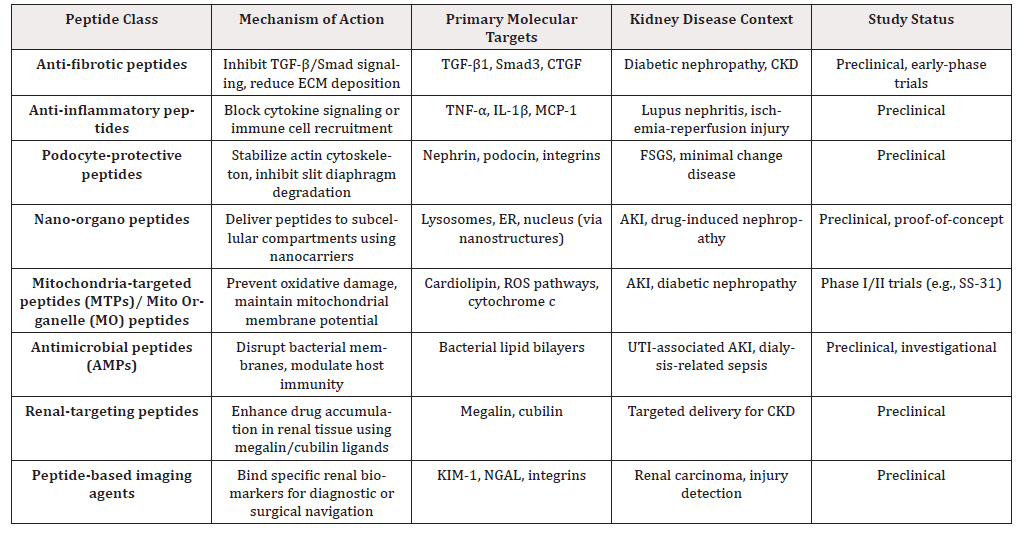
Table 1: Summary of Peptide Classes in Kidney Disease.
An emerging and underexplored area is the interaction between peptides and the renal microbiome, including uremic toxin– modulating effects that may influence systemic inflammation and renal injury progression. Additionally, multi-omics profiling (i.e., proteomics, transcriptomics, and single-cell RNA sequencing) is being leveraged to identify patient-specific molecular signatures that can inform peptide selection and dosing strategies. This holds the potential to usher in precision nephrology, where peptide interventions are tailored to individual disease phenotypes and stages. Clinical trials are beginning to test these innovative constructs in CKD, AKI, and rare mitochondrial nephropathies. As these efforts mature, peptide therapeutics may become an integral component of a biologically intelligent renal repair paradigm, with advantages in safety, modularity, and specificity over traditional pharmacologic or immunosuppressive strategies.
References
- Akchurin OM and Kaskel F (2015) Update on inflammation in chronic kidney disease. Blood Purif 39(1-3): 84-92.
- Mihai S, Codrici E, Popescu ID, Enciu AM, Albulescu L, et al., (2018) Inflammation-Related Mechanisms in Chronic Kidney Disease Prediction, Progression, and Outcome. J Immunol Res 2018: 2180373.
- Jager KJ, Kovesdy C, Langham R, Rosenberg M, Jha V, et al., (2019) A single number for advocacy and communication-worldwide more than 850 million individuals have kidney diseases. Kidney Int 96(5): 1048-1050.
- Hoste EAJ, Kellum JA, Selby NM, Zarbock A, Palevsky PM, et al., (2018) Global epidemiology and outcomes of acute kidney injury. Nat Rev Nephrol 14(10): 607-625.
- Bhatia D, Capili A and Choi ME (2020) Mitochondrial dysfunction in kidney injury, inflammation, and disease: Potential therapeutic approaches. Kidney Res Clin Pract 39(3): 244-258.
- Oh KH, Kang M, Kang E, Ryu H, Han SH, et al., (2020) The KNOW-CKD Study: What we have learned about chronic kidney diseases. Kidney Res Clin Pract 39(2): 121-135.
- Bonventre JV and Yang L (2011) Cellular pathophysiology of ischemic acute kidney injury. J Clin Invest 121(11): 4210-4221.
- Fosgerau K and Hoffmann T (2015) Peptide therapeutics: current status and future directions. Drug Discov Today 20(1): 122-128.
- Lau JL and Dunn MK (2018) Therapeutic peptides: Historical perspectives, current development trends, and future directions. Bioorg Med Chem 26(10): 2700-2707.
- Wang Y, Zhang L, Liu C, Luo Y and Chen D (2024) Peptide-Mediated Nanocarriers for Targeted Drug Delivery: Developments and Strategies. Pharmaceutics 16(2): 240.
- Mapuskar KA, Vasquez-Martinez G, Mayoral-Andrade G, Tomanek-Chalkley A, Zepeda-Orozco D, et al., (2023) Mitochondrial Oxidative Metabolism: An Emerging Therapeutic Target to Improve CKD Outcomes. Biomedicines 11(6): 1573.
- Yang M, Liu C, Jiang N, Liu Y, Luo S, et al., (2023) Mitochondrial homeostasis: a potential target for delaying renal aging. Front Pharmacol 14: 1191517.
- Heerspink HJL, Stefánsson BV, Correa-Rotter R, Chertow GM, Greene T, et al., (2020) Dapagliflozin in Patients with Chronic Kidney Disease. N Engl J Med 383(15): 1436-1446.
- Che R, Yuan Y, Huang S and Zhang A (2014) Mitochondrial dysfunction in the pathophysiology of renal diseases. Am J Physiol Renal Physiol 306(4): F367-378.
- Kelly DM, Kelleher EM and Rothwell PM (2025) The Kidney-Immune-Brain Axis: The Role of Inflammation in the Pathogenesis and Treatment of Stroke in Chronic Kidney Disease. Stroke 56(4): 1069-1081.
- Carreto-Binaghi LE, Sztein MB and Booth JS (2024) Role of cellular effectors in the induction and maintenance of IgA responses leading to protective immunity against enteric bacterial pathogens. Front Immunol 15: 1446072.
- Wang J, Masehi-Lano JJ and Chung EJ (2017) Peptide and antibody ligands for renal targeting: nanomedicine strategies for kidney disease. Biomater Sci 5(8): 1450-1459.
- Li D, Zhang J, Yuan S, Wang C and Chang J, et al., (2022) TGF-β1 peptide-based inhibitor P144 ameliorates renal fibrosis after ischemia-reperfusion injury by modulating alternatively activated macrophages. Cell Prolif 55(10): e13299.
- La Russa A, Serra R, Faga T, Crugliano G, Bonelli A, et al., (2024) Kidney Fibrosis and Matrix Metalloproteinases (MMPs). Front Biosci Landmark Ed 29(5): 192.
- Kim MJ, Oh CJ, Hong CW and Jeon JH (2024) Comprehensive overview of the role of mitochondrial dysfunction in the pathogenesis of acute kidney ischemia-reperfusion injury: a narrative review. J Yeungnam Med Sci 41(2): 61-73.
- Fontecha-Barriuso M, Lopez-Diaz AM, Guerrero-Mauvecin J, Miguel V, Ramos AM, et al., (2022) Tubular Mitochondrial Dysfunction, Oxidative Stress, and Progression of Chronic Kidney Disease. Antioxid Basel Switz 11(7): 1356.
- Dong R and Xu Y (2022) Glomerular cell cross talk in diabetic kidney diseases. J Diabetes 14(8): 514-523.
- Rodrigues Prestes TR, Rocha NP, Miranda AS, Teixeira AL, Simoes-E-Silva AC (2017) The Anti-Inflammatory Potential of ACE2/Angiotensin-(1-7)/Mas Receptor Axis: Evidence from Basic and Clinical Research. Curr Drug Targets 18(11): 1301-1313.
- Kang H, Gravier J, Bao K, Wada H, Lee JH, et al., (2016) Renal Clearable Organic Nanocarriers for Bioimaging and Drug Delivery. Adv Mater Deerfield Beach Fla 28(37): 8162-8168.
- Shang S, Li X, Wang H, Zhou Y, Pang K, et al., (2024) Targeted therapy of kidney disease with nanoparticle drug delivery materials. Bioact Mater 37: 206-221.
- Fang H, Xu S, Wang Y, Yang H and Su D (2023) Endogenous stimuli-responsive drug delivery nanoplatforms for kidney disease therapy. Colloids Surf B Biointerfaces 232: 113598.
- Mitchell W, Pharaoh G, Tyshkovskiy A, Campbell M, Marcinek DJ, et al., (2024) The mitochondrial-targeted peptide therapeutic elamipretide improves cardiac and skeletal muscle function during aging without detectable changes in tissue epigenetic or transcriptomic age. BioRxiv Prepr Serv Biol 2024: 10.30.620676.
- Li L, Zhang L, Cao Y, Chen X, Gong H, et al., (2023) NDUFV1 attenuates renal ischemia-reperfusion injury by improving mitochondrial homeostasis. J Cell Mol Med 27(10): 1341-1352.
- Gane EJ, Weilert F, Orr DW, Keogh GF, Gibson M, et al., (2010) The mitochondria-targeted anti-oxidant mitoquinone decreases liver damage in a phase II study of hepatitis C patients. Liver Int Off J Int Assoc Study Liver 30(7): 1019-1026.
- Wu J, Li J, Wang H and Liu CB (2018) Mitochondrial-targeted penetrating peptide delivery for cancer therapy. Expert Opin Drug Deliv 15(10): 951-964.
- Wilson K, Holjencin C, Lee H, Annamalai B, Ishii M, et al., (2025) Development of a cell-penetrating peptide-based nanocomplex for long-term delivery of intact mitochondrial DNA into epithelial cells. Mol Ther Nucleic Acids 36(1): 102449.
- Bhargava P and Schnellmann RG (2017) Mitochondrial energetics in the kidney. Nat Rev Nephrol 13(10): 629-646.
- Tran MT, Zsengeller ZK, Berg AH, Khankin EV, Bhasin MK, et al., (2016) PGC1α drives NAD biosynthesis linking oxidative metabolism to renal protection. Nature 531(7595): 528-532.
- Audzeyenka I, Bierżyńska A and Lay AC (2022) Podocyte Bioenergetics in the Development of Diabetic Nephropathy: The Role of Mitochondria. Endocrinology 163(1): bqab234.
- Takasu M, Kishi S, Nagasu H, Kidokoro K, Brooks CR, et al., (2025) The Role of Mitochondria in Diabetic Kidney Disease and Potential Therapeutic Targets. Kidney Int Rep 10(2): 328-342.
- Fan X, Wu L, Wang F, Liu D, Cen X, et al., (2024) Mitophagy Regulates Kidney Diseases. Kidney Dis Basel Switz 10(6): 573-587.
- Szeto HH, Liu S, Soong Y, Wu D, Darrah SF, et al., (2011) Mitochondria-targeted peptide accelerates ATP recovery and reduces ischemic kidney injury. J Am Soc Nephrol JASN 22(6): 1041-1052.
- Birk AV, Liu S, Soong Y, Mills W, Singh P, et al., (2013) The mitochondrial-targeted compound SS-31 re-energizes ischemic mitochondria by interacting with cardiolipin. J Am Soc Nephrol JASN 24(8): 1250-1261.
- Zhu Y, Luo M, Bai X, Li J, Nie P, et al., (2022) SS-31, a Mitochondria-Targeting Peptide, Ameliorates Kidney Disease. Oxid Med Cell Longev 2022: 1295509.
- Martínez-Klimova E, Aparicio-Trejo OE, Tapia E and Pedraza-Chaverri J (2019) Unilateral Ureteral Obstruction as a Model to Investigate Fibrosis-Attenuating Treatments. Biomolecules 9(4): 141.
- Linke A, Tiegs G and Neumann K (2022) Pathogenic T-Cell Responses in Immune-Mediated Glomerulonephritis. Cells 11(10): 1625.
- Wang X, Liu X, Xu L, Li Y, Zheng B, et al., (2024) Targeted delivery of type I TGF-β receptor-mimicking peptide to fibrotic kidney for improving kidney fibrosis therapy via enhancing the inhibition of TGF-β1/Smad and p38 MAPK pathways. Int Immunopharmacol 137: 112483.
- Wu D, Huang LF, Chen XC, Huang XR, Li HY, et al., (2023) Research progress on endoplasmic reticulum homeostasis in kidney diseases. Cell Death Dis 14(7): 473.
- Murphy MP (1997) Selective targeting of bioactive compounds to mitochondria. Trends Biotechnol 15(8): 326-330.
- Kelso GF, Porteous CM, Coulter CV, Hughes G, Porteous WK, et al., (2001) Selective targeting of a redox-active ubiquinone to mitochondria within cells: antioxidant and antiapoptotic properties. J Biol Chem 276(7): 4588-4596.
- Zielonka J, Joseph J, Sikora A, Hardy M, Ouari O, et al., (2017) Mitochondria-Targeted Triphenylphosphonium-Based Compounds: Syntheses, Mechanisms of Action, and Therapeutic and Diagnostic Applications. Chem Rev 117(15): 10043-10120.
- Miyamoto S, Zhang G, Hall D, Oates PJ, Maity S, et al., (2020) Restoring mitochondrial superoxide levels with elamipretide (MTP-131) protects db/db mice against progression of diabetic kidney disease. J Biol Chem 295(21): 7249-7260.
- Daubert MA, Yow E, Dunn G, Marchev S, Barnhart H, et al., (2017) Novel Mitochondria-Targeting Peptide in Heart Failure Treatment: A Randomized, Placebo-Controlled Trial of Elamipretide. Circ Heart Fail 10(12): e004389.
- Sabbah HN (2016) Targeting mitochondrial dysfunction in the treatment of heart failure. Expert Rev Cardiovasc Ther 14(12): 1305-1313.
- Pang J, Bao Y, Mitchell-Silbaugh K, Veevers J and Fang X (2022) Barth Syndrome Cardiomyopathy: An Update. Genes 13(4): 656.
- Thompson WR, Manuel R, Abbruscato A, Carr J, Campbell J, et al., (2024) Long-term efficacy and safety of elamipretide in patients with Barth syndrome: 168-week open-label extension results of TAZPOWER. Genet Med Off J Am Coll Med Genet 26(7): 101138.
- Ehlers JP, Hu A, Boyer D, Cousins SW, Waheed NK, et al., (2025) ReCLAIM-2: A Randomized Phase II Clinical Trial Evaluating Elamipretide in Age-related Macular Degeneration, Geographic Atrophy Growth, Visual Function, and Ellipsoid Zone Preservation. Ophthalmol Sci 5(1): 100628.
- Karaa A, Haas R, Goldstein A, Vockley J, Weaver WD, et al., (2018) Randomized dose-escalation trial of elamipretide in adults with primary mitochondrial myopathy. Neurology 90(14): e1212-e1221.
- Karaa A, Bertini E, Carelli V, Cohen B, Ennes GM, et al., (2024) Genotype-specific effects of elamipretide in patients with primary mitochondrial myopathy: a post hoc analysis of the MMPOWER-3 trial. Orphanet J Rare Dis 19(1): 431.
- Tung C, Varzideh F, Farroni E, Mone P, Kansakar U, et al., (2025) Elamipretide: A Review of Its Structure, Mechanism of Action, and Therapeutic Potential. Int J Mol Sci 26(3): 944.
- Al Musaimi O, Lombardi L, Williams DR and Albericio F (2022) Strategies for Improving Peptide Stability and Delivery. Pharm Basel Switz 15(10): 1283.
- Muttenthaler M, King GF, Adams DJ and Alewood PF (2021) Trends in peptide drug discovery. Nat Rev Drug Discov 20(4): 309-325.
- Xiao W, Jiang W, Chen Z, Huang Y, Mao J, et al., (2025) Advance in peptide-based drug development: delivery platforms, therapeutics and vaccines. Signal Transduct Target Ther 10(1): 74.
- Rastogi S, Shukla S, Kalaivani M and Singh GN (2019) Peptide-based therapeutics: quality specifications, regulatory considerations, and prospects. Drug Discov Today 24(1): 148-162.
- Gist KM and Selewski DT (2021) The Challenge of Acute Kidney Injury Diagnostic Precision: From Early Prediction to Long-Term Follow-up. Kidney Int Rep 6(7): 1755-1757.




 We use cookies to ensure you get the best experience on our website.