
Mini Review 
 Creative Commons, CC-BY
Metabolic and Health Benefits of a Soy-Yogurt-Honey Meal Supplement as a Component of a Healthy Lifestyle Concept
*Corresponding author: Berg A, University of Freiburg, Medizinische Fakultät, D-79110 Freiburg, Germany, Breisacher Str. 153.
Received:June 23, 2025; Published:June 28, 2025
DOI: 10.34297/AJBSR.2025.27.003581
Abstract
This review will present the effectiveness and therapeutic benefits of a commercially available Soy-Yogurt-Honey (SYH) formula. Based on the compounds of the described formula and their scientific background target groups were identified which will potentially profit from the regular intake of the SYH formula. The biological mechanisms of action are presented as well as the results of clinical and experimental studies. Based on the proven effectiveness, the SYH formula supports a healthy lifestyle and may serve as a therapeutic strategy in health management.
Keywords:Weight loss, Muscle mass preservation, Metabolic health, Health related quality of life, Soy- yogurt-honey protein powder
Introduction
Lifestyle changes not only play a central role in the prevention of cardiovascular diseases [36], but also for patients with individual medical situations, e.g. such metabolic diseases, convalescence from acute and chronic illnesses or recovery to intensive physical activity [3,5,12,17,33]. In the nutrition sector, products are often offered as meal replacements for weight reduction and improved metabolic regulation. In most cases, however, these products have not been clinically tested for their effectiveness. And in addition, when evaluating this overview, it must be considered that the product described is currently the only scientifically defined and documented SYH formula available on the market and therefore it is not possible to compare its properties and effects from similar meal replacement products.
The SYH formula was developed in Germany more than thirty years ago and has established itself as a dietary supplement to support targeted weight loss and adaption of a healthy lifestyle. The therapeutic evidence for this product is based on numerous scientific studies and clinical trials that particularly focus on weight control and associated metabolic risk factors [11,14,28]. In addition, significant results were published that show the SYH formula also influences aspects of satiety and energy provision and improves health-related quality of life [13].
Potential Target Groups for the SYH Formula
Several target groups that are likely to benefit from regular consumption of the SYH formula according to the available data are summarized in (Table 1). It must be noted and emphasized that although the selection made here was primarily based on the goal of weight loss, the target areas have expanded in the more than 25 years of its application. In all cases, scientifically defined principles form the basis for the identifications of the target groups mentioned [8,10,11,15,16,17,20,27,28,32].
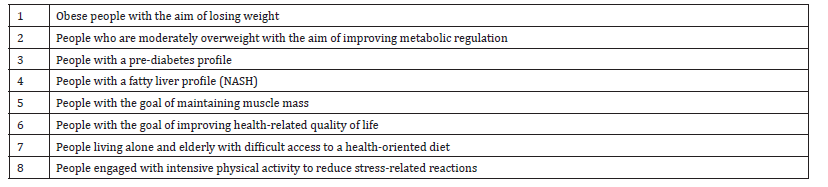
Table 1:Target groups for whom regular consumption of the Soy-yogurt-honey meal replacement formula (SYH-MRF) is of proven benefit.
Ingredients and Properties of the SYH Formula
The SYH formula described is available in both online and instore pharmacies and drugstores as a 500g tin (Almased®). In the following, the ingredients of the SYH formula and its general mechanisms of action are first discussed. According to current knowledge they may be attributed to the biological properties of the three basic ingredients soy, milk, and honey [4]. In addition, significant results from laboratory and clinical studies will be used to illustrate the mechanisms relating to the insulin- and lipid-lowering, blood pressure- lowering, anti-inflammatory, antioxidant and microbiome- influencing properties of the formula, which are responsible for improving metabolic regulation and quality of life when the SYH formula is consumed regularly. Even if weight loss is not the primary goal for all users of the SYH formula, the balancing of the daily energy turnover when using the SYH supplement can be assumed as metabolic relevant (Table 2). Based on the available published results, it can be assumed that the SYH formula described has specific dietary properties and functions [4] Even if weight reduction is the focus, it should be noted that protein-rich formulations, especially those based on plants and dairy products rich in bioactive peptides as well as isoflavones [29,31], have been demonstrated to be helpful in improving body composition and metabolism in various phases of adult life [6,8,10,18,20,29,35]. In addition, recently done MS analyses [26] have shown that the SYH formula contains also a significant content (app. 300mg / kg powder) of the biogenic amine spermidine.
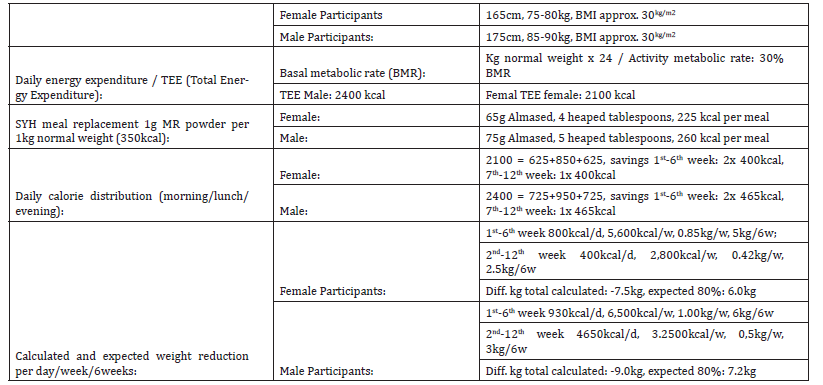
Table 2:Balancing the daily energy expenditure regarding the expected weight reduction when using the SYH-MR formula over 6 or 12 weeks.
Spermidine may improve cellular regeneration and has anti- inflammatory, anti-carcinogenic, and anti-atherogenic effects, comparable with properties if biological active peptides [19]. It is discussed that spermidine is associated with enhanced cognitive performance and could potentially be important in both the prevention and treatment of dementia, because there is a positive correlation between spermidine levels in the blood and memory performance. It is assumed that we consume about 10 mg of spermidine per day through our diet, particularly by the intake of grains and fruits, especially by sorghum foods. According to MS analysis the SYH powder contains around 300 mg of spermidine per kg. Based on the recommendation of a twice daily intake of SYH serving size of 50 g we would consume more than twofold the usual daily intake. A controlled clinical trial to this important question will be performed soon by the Freiburg working group.
It is also fascinating to see that the SYH powder contains more than 80 known biologically active peptides including fragments of the well-known peptide lunasin [18], identified by high- performance liquid chromatography coupled with mass spectroscopy [25]. All these bioactive peptides [18,31,34] generate a variety of potential health benefits including blood pressure lowering, cholesterol and triglyceride lowering properties, as well as anti-obesity, anti- oxidative and even anticancer activities [29] (Table 3). Furthermore, the manufacturing process of the SYH formula and the mixing of its components may trigger proteolytic processes that not only increase the number of peptides but also improve the digestibility of the final product [25]. The patented mixing process developed specifically for this dietary supplement which ferments the raw materials into short chain amino acids in a nature-identical way. During this proteolytic enzyme procedure, bioactive and biogenic peptides, which were not detectable before in the raw materials, naturally occur. It can be assumed that the production process is significant in producing bioactive compounds responsible for unexpected positive effects on the metabolism, even in people who are not overweight.
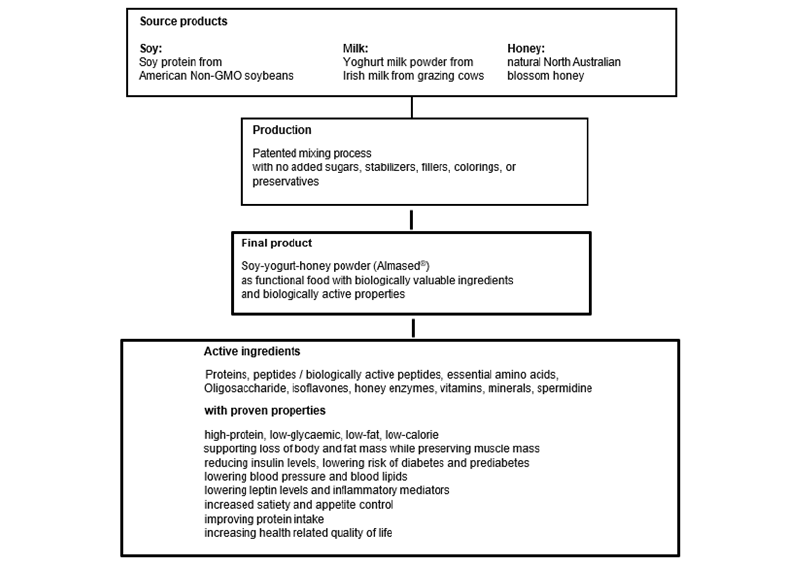
Table 3:Components of the SYH formula and their biological significance for body composition and health-related whole-body regulation.
As a protein-rich food, attention should also be paid to the absolute amount of protein added when consuming the SYH formula. With a protein content of 54% of the total mass, in the first few weeks of a weight reduction program, protein amounts in the range of 85g, corresponding to 1g/kg body weight per day, can be supplied, which is above the usual recommendation of an intake of protein of 0.8g/kg body weight [24]. However, based on the recommendations of medical and dietetic authorities, an upper limit of 0.8 g protein/kg Body Weight (BW) per day is necessary only in the case of severely impaired renal function (glomerular filtration rate GFR < 30 mL/min/1.73 m2) [2]. Such condition do not usually exist for users of the SYH formula. Our own clinical experience showed that the usual dosage of the SYH product used in the meal replacement strategy did not have any clinically relevant effects on renal function also not when fed at the higher level of 1.0 g protein/ kg bodyweight in patients with diagnosed metabolic syndrome [9]. Finally, it can be confirmed that it was not necessary to exclude any test subjects due to product-related side effects from any of the studies conducted.
An important statement must also be made about the method used to assess body composition. In all relevant studies on the effect of the SYH formula carried out at the University of Freiburg Medical Center, the body composition was not determined using bioimpedance measurements, but by inference from the whole-body volume using an application for hydrostatic body density measurement. The body fat percentage was determined using BodPod® technology [21] via the body density and the body fat mass and fat-free body mass were calculated from this. BodPod® technology enables the exact determination of body volume in a closed system using pressure sensors via the proportion of the individually displaced air volume. In contrast to bioimpedance, this technology is therefore a direct physical measurement method that can also detect minor changes in body composition. The statement that using the SYH formula does not lead to a reduction in muscle mass despite significant weight loss can therefore be taken as confirmed [7] and can be highlighted as a significant Unique Selling Point (USP) for the SYH product.
The importance of maintaining muscle mass has long been underestimated in concepts of weight reduction and simultaneous improvement in quality of life. Muscles are not only the basis for physical activity and exercise, but also the basis for whole-body health [20]. There exists a direct crosstalk between muscle and brain function [23], and it is important to know that before planning and performing weight reduction programs. Exercise and muscular function have beneficial effects on brain health, contributing to decreased risks of dementia, depression and stress, and in addition muscle function play also a significant positive role in cognitive function and metabolic control. The fact that exercise is sensed by the brain suggests that muscle-induced peripheral factors enable direct communication between muscle and brain function. Muscle secretes myokines like IL-6 and IL-15 as immunomodulating factors [23] and the myokine Irisin [1] which is necessary in the conversion of white to brown adipose tissue. The evidence that the SYH formula has a significant effect on muscle mass and muscle mass preservation may be an important factor in understanding of its positive complex influence on physical and mental health and quality of life.
Regarding the complex interactions between muscle mass, quality of life and eating psychology [32] a very recently published result about the SYH formula is of significant interest. The research group for Integrative Nutrition, Body Composition, and Energy Metabolism (Alberta University, Faculty of Agricultural, Life and Environmental Science, Edmonton, CA) found that the positive metabolic regulation by the SYH formula is independent of the prerequisite of weight loss [22]. The Edmonton group investigated the effect of the SYH meal replacement on lipid profiles, body composition, and resting energy expenditure in 63 subjects with excess body weight in the absence of weight loss. This means that improvements in physical and mental health induced by the SYH formula intake may even be achieved without weight loss [37].
Conclusion
The published results emphasize not only the effectiveness of the SYH formula in reducing body weight and fat mass without a significant reduction in fat-free mass, but also clinically significant improvements of risk factors associated with obesity. In addition, a regular intake of the high-protein, low-glycaemic SYH formula can be expected to improve the feeling of satiety. There is also evidence of improved quality of life in the body-related domains. In conjunction with the preservation of muscle mass, this may be of particular importance for elderly individuals as well as for oncological patients.
If the SYH formula is used - as recommended – as a component of a multimodal lifestyle intervention program, it may serve as a therapeutic approach for an effective and successful strategy in personal, community and clinical health management and can be easily integrated into everyday life. Further studies investigating the potential effects of newly identified molecules of the SYH formula are warranted.
Declarations
The authors listed have significantly contributed to the development and the writing of this article.
This publication did not receive any specific grant from funding agencies in the public, commercial, or not-for-profit sectors.
All studies and trials to the action and use of Almased® were performed as Investigator Initialized Trials (IIT) and financially supported by Almased-Wellness-GmbH, Bienenbüttel, Germany. The funder had no influence on study design, data collection, data analysis, manuscript preparation and / or publication decisions.
As a scientific consultant, AB received research support for his department from Almased-Wellness-GmbH, Bienenbüttel, Germany to perform the cited Almased® studies and trials. AB was the PI and HGP Co-Investigator of the ACOORH trial.
Acknowledgement
None.
Conflict of Interest
None.
References
- Barbalho SM, Prado Neto EV, De Alvares Goulart R, Bechara MD, Baisi Chagas EF, et al. (2020) Myokines: a descriptive review. J Sports Med Phys Fitness 60(12): 1583-1590.
- Bauer J, Biolo G, Cederholm T, Cesari M, Cruz Jentoft AJ, et al. (2013) Evidence-based recommendations for optimal dietary protein intake in older people: a position paper from the PROT-AGE Study Group. J Am Med Dir Assoc 14(8): 542-559.
- Berg A, Berg A jr, Frey I, König D, Predel HG, et al. (2008) Exercise based lifestyle intervention in obese adults: results of the intervention study M.O.B.I.L.I.S. Dtsch Arztebl Int 105(11): 197-203.
- Berg A, McCarthy HD (2022) A soy-yoghurt-honey product as a therapeutic functional food: mode of action and narrative review. Heliyon 8(11): e11011.
- Blüher M (2019) Obesity: global epidemiology and pathogenesis. Nat Rev Endocrinol 15(5): 288-298.
- Bopp MJ, Houston DK, Lenchik L, Easter L, Kritchevsky SB, et al. (2008) Lean mass loss is associated with low protein intake during dietary-induced weight loss in postmenopausal women. J Am Diet Assoc 108(7): 1216-1220.
- Deibert P, König D, Schmidt Trucksaess A, Zaenker KS, Frey I, et al. (2004) Weight loss without losing muscle mass in pre-obese and obese subjects induced by a high- soy-protein diet. Int J Obes Relat Metab Disord 28(10): 1349-1352.
- Deibert P, König D, Vitolins MZ, Landmann U, Frey I, et al. (2007) Effect of a weight loss intervention on anthropometric measures and metabolic risk factors in pre- versus postmenopausal women. Nutr J 6: 31.
- Deibert P, Lutz L, Konig D, Zitta S, Meinitzer A, et al. (2011) Acute effect of a soy protein-rich meal-replacement application on renal parameters in patients with the metabolic syndrome. Asia Pac J Clin Nutr 20(4): 527-534.
- Deibert P, Lazaro A, Schaffner D, Berg A, Koenig D, et al, (2019) Comprehensive lifestyle intervention vs soy protein- based meal regimen in non-alcoholic steatohepatitis. World J Gastroenterol 25(9): 1116-1131.
- Halle M, Röhling M, Banzer W, Braumann KM, Kempf K, et al. (2021) Meal replacement by formula diet reduces weight more than a lifestyle intervention alone in patients with overweight or obesity and accompanied cardiovascular risk factors-the ACOORH trial. Eur J Clin Nutr 75(4): 661-669.
- Hauner H, Berg A (2000) Körperliche Bewegung zur Prävention und Behandlung der Adipositas. Dt Ärztebl: 768-774.
- Kempf K, Röhling M, Banzer W, Braumann KM, Halle M, et al. (2022) High-Protein, Low-Glycaemic Meal Replacement Improves Physical Health-Related Quality of Life in High-Risk Persons for Metabolic Syndrome-A Subanalysis of the Randomised-Controlled ACOORH Trial. Nutrients 14(15): 3161.
- Kempf K, Röhling M, Banzer W, Braumann KM, Halle M, et al. (2021) High-Protein, Low-Glycaemic Meal Replacement Decreases Fasting Insulin and Inflammation Markers-A 12-Month Subanalysis of the ACOORH Trial. Nutrients 13(5): 1433.
- Koohkan S, Schaffner D, Milliron BJ, Frey I, König D, et al. (2014) The impact of a weight reduction program with and without meal-replacement on health related quality of life in middle-aged obese females. BMC Womens Health 14(1): 45.
- König D, Kookhan S, Schaffner D, Deibert P, Berg A, et al. (2014) A meal replacement regimen improves blood glucose levels in prediabetic healthy individuals with impaired fasting glucose. Nutrition 30(11-12): 1306-1309.
- König D, Hörmann J, Predel HG, Berg A (2018) A 12-Month Lifestyle Intervention Program Improves Body Composition and Reduces the Prevalence of Prediabetes in Obese Patients. Obes Facts 11(5): 393-399.
- Li C, Meng H, Wu S, Fang A, Liao G, et al. (2021) Daily Supplementation with Whey, Soy, or Whey-Soy Blended Protein for 6 Months Maintained Lean Muscle Mass and Physical Performance in Older Adults With Low Lean Mass. J Acad Nutr Diet 121(6): 1035-1048.e6.
- Lule VK, Garg S, Pophaly SD, Hitesh, Tomar SK, et al. (2015) “Potential health benefits of lunasin: a multifaceted soy-derived bioactive peptide". J Food Sci 80(3): R485-494.
- Madeo F, Eisenberg T, Pietrocola F, Kroemer G (2018) Spermidine in health and disease. Science 359(6374): eaan2788.
- McCarthy D, Berg A (2021) Weight Loss Strategies and the Risk of Skeletal Muscle Mass Loss. Nutrients 13(7): 2473.
- McCrory MA, Gomez TD, Bernauer EM, Molé PA (1995) Evaluation of a new air displacement plethysmograph for measuring human body composition. Med Sci Sports Exerc 27(12):1686-1691.
- Montenegro J, Oliveira C, Armet AM, Berg A, Sharma A, et al. (2025) A Powdered Meal Replacement (PMR) Improves Lipid Profiles, Body Composition, and Resting Energy Expenditure in People with Excess Body Weight. Posterpresentation American Society for Nutrition Orlando Florida USA 9.
- Pedersen BK (2019) Physical activity and muscle-brain crosstalk. Nat Rev Endocrinol 15(7): 383-392.
- Phillips SM, Chevalier S, Leidy HJ (2016) Protein "requirements" beyond the RDA: implications for optimizing health. Appl Physiol Nutr Metab 41(5): 565-572.
- (2014) Proteome Factory, Berlin, Germany. Personal communication.
- (2024) Proteome Factory, Berlin, Germany. Personal communication.
- Röhling M, McCarthy D, Berg A (2021) Continuous Protein Supplementation Reduces Acute Exercise-Induced Stress Markers in Athletes Performing Marathon. Nutrients. 13(9): 2929.
- Röhling M, Kempf K, Banzer W, Berg A, Braumann KM, et al. (2020) Acoorh Study Group. Prediabetes Conversion to Normoglycemia Is Superior Adding a Low-Carbohydrate and Energy Deficit Formula Diet to Lifestyle Intervention-A 12-Month Subanalysis of the ACOORH Trial. Nutrients 12(7): 2022.
- Sathiaraj E, Afshan K, Jadoni A, Murugan K, Patil S, et al. (2023) Effects of a Plant-Based High-Protein Diet on Fatigue in Breast Cancer Patients Undergoing Adjuvant Chemotherapy - a Randomized Controlled Trial. Nutr Cancer 75(3): 846-856.
- Setchell KD, Cassidy A (1999) Dietary isoflavones: biological effects and relevance to human health. J Nutr 129(3): 758S-767S.
- Singh BP, Vij S, Hati S (2014) Functional significance of bioactive peptides derived from soybean. Peptides 54: 171-179.
- Todisco P, Maragno L, Marzotto A, Mezzani B, Conti F, et al. (2024) Connections between eating psychopathology, loneliness, and quality of life: insights from a multi-center study. Front Psychiatry 15: 1439179.
- Tuomilehto J, Lindström J, Eriksson JG, Valle TT, Hämäläinen H, et al. (2001) Prevention of type 2 diabetes mellitus by changes in lifestyle among subjects with impaired glucose tolerance. N Engl J Med 344(18): 1343-1350.
- Udenigwe CC, Aluko RE (2012) Food protein-derived bioactive peptides: production, processing, and potential health benefits. J Food Sci 77(1): R11-124.
- Vitolins MZ, Milliron BJ, Hopkins JO, Fulmer A, Lawrence J, et al. (2014) Weight Loss Intervention in Survivors of ER/PR-negative Breast Cancer. Clin Med Insights Womens Health 7: 17-24.
- Wirth A, Wabitsch M, Hauner H (2014) The prevention and treatment of obesity. Dtsch Arztebl Int 111(42): 705-713.




 We use cookies to ensure you get the best experience on our website.