
Review Article 
 Creative Commons, CC-BY
Peptide-Based Precision Therapeutics for Cardiac Disease: Targeting Mitochondrial Dysfunction, Fibrosis, and Inflammation
*Corresponding author: Jonathan RT Lakey, Departments of Surgery and Biomedical Engineering, University of California Irvine, USA.
Received:June 11, 2025 Published:June 16, 2025
DOI: 10.34297/AJBSR.2025.27.003560
Abstract
Cardiac disease, specifically chronic heart failure and acute myocardial injury represent key causal events associated with global mortality rates, affecting over 500 million individuals and imposing a substantial burden on global health systems. Despite significant advances in pharmacologic and interventional therapies, existing treatments for heart failure, ischemic injury, and myocardial injury are limited by suboptimal efficacy, off-target toxicity, and a lack of cell- and tissue-specific targeting. The myocardium presents a particularly challenging therapeutic landscape, characterized by complex cellular heterogeneity, electromechanical coupling, and high metabolic demand. Peptide-based therapeutics offer a promising strategy to address these challenges through their high target specificity, modular design, and favorable safety profiles. Two classes of next-generation peptide platforms are gaining traction in cardiology: nano-organo peptides (NOPs) and mitochondria-targeted peptides (MTPs). NOPs utilize self-assembling peptide systems or peptide-functionalized nanoparticles to enhance myocardial delivery, stability, and retention in injured cardiac tissue, especially within fibrotic, inflamed, or ischemic regions. MTPs, including Szeto-Schiller peptides and mitochondrial-penetrating peptides, selectively localize to cardiac mitochondria where they stabilize cardiolipin, reduce reactive oxygen species, and improve mitochondrial respiration and ATP production. A particularly promising subclass, mitochondria-targeted organelle (MO) peptides, is designed to integrate into the inner mitochondrial membrane, modulating bioenergetic function, calcium handling, and apoptotic signaling. These mechanistically tailored peptides address core drivers of cardiac injury (i.e., oxidative stress, mitochondrial dysfunction, inflammation, and adverse remodeling) while minimizing systemic exposure. Preclinical studies in myocardial infarction, heart failure, and pressure overload models have demonstrated that peptide-based therapies can reduce infarct size, preserve contractility, attenuate fibrosis, and prevent cardiomyocyte apoptosis. This review outlines the therapeutic rationale, mechanistic targets, and translational progress of emerging peptide-based therapeutics in cardiology. By integrating cardiac pathophysiology with advanced peptide design and targeted delivery, these agents represent a new frontier in precision cardiac injury reversal. Further clinical investigation is warranted to optimize pharmacokinetics, validate long-term outcomes, and establish safety and efficacy in cardiac disease.
Keywords:Cardiac Disease, Mitochondrial Dysfunction, Fibrosis, Inflammation, Mitochondrial Peptides, Nano Organo Peptides
Introduction
Cardiac diseases, most commonly presenting as chronic heart failure (HF) or acute myocardial injury such as myocardial infarction (MI), are major contributors to the global burden of cardiovascular disease. Collectively, cardiovascular conditions affect more than 500 million people worldwide and are responsible for approximately one-third of all annual deaths, totaling over 19 million globally.
HF is a complex, progressive and frequently irreversible syndrome marked by impaired cardiac output, ventricular remodeling, and neurohormonal dysregulation, leading to significant reductions in functional capacity, quality of life, and survival. As HF advances from asymptomatic dysfunction to overt clinical disease, it is characterized by maladaptive hypertrophy, fibrosis, and loss of contractile reserve, ultimately culminating in end-stage heart failure requiring advanced therapies such as mechanical circulatory support or transplantation. In parallel, acute myocardial injury, whether from ischemia, inflammation, or toxicity, may initiate or accelerate this trajectory, as even reversible insults can result in irreversible myocardial loss and structural remodeling, setting the stage for chronic ventricular dysfunction, arrhythmias, and progressive HF.Acute myocardial injury, while often reversible with early intervention, can lead to permanent loss of viable myocardium, triggering long-term ventricular dysfunction, arrhythmia, and HF. Both acute and chronic cardiac conditions are underpinned by multifactorial and interrelated pathophysiologic mechanisms. Key processes include oxidative stress, mitochondrial dysfunction, chronic inflammation, endothelial dysfunction, myocardial fibrosis, and cardiomyocyte apoptosis. These processes independetly as well as interactively contribute synergistically to accelerate myocardial injury and ventricula r remodeling [1-4].
While understanding the pathophysiological mechanisms have informed the development of current therapies, (e.g.,beta-blockers, RAAS inhibitors, SGLT2 inhibitors, and device-based interventions), conventional approaches remain inadequate for many patients, particularly those with advanced or refractory disease. One key limitation is that these therapies often act upstream or systemically, without directly correcting the subcellular dysfunction (e.g., impaired mitochondrial energetics, dysregulated intracellular calcium handling, or persistent oxidative damage) that drive cardiomyocyte loss and myocardial remodeling. Even contemporary therapeutic approached are limited by systemic toxicity, insufficient myocardial selectivity, and inability to reverse established structural damage. Moreover, the cardiac microenvironment presents unique challenges to drug delivery, including dynamic mechanical stress, heterogeneous cellular architecture (e.g., cardiomyocytes, fibroblasts, endothelial cells), high mitochondrial density, and an intricate metabolic network requiring tight regulation of calcium, redox state, and ATP production. As a result, critical molecular drivers of heart failure progression remain insufficiently targeted, creating a therapeutic gap necessitating next-generation therapeutics capable of site-specific, mechanistically targeted action. Novel peptide-based approaches may help address this gap [5].
Peptide-based therapeutics offer a highly promising alternative to traditional drug modalities. Their inherent specificity, structural flexibility, low immunogenicity, and favorable safety profiles make them well-suited to modulate discrete molecular pathways in cardiac tissue. Advances in peptide engineering, including cyclization, PEGylation, lipidation, and conjugation to delivery scaffolds, have significantly improved pharmacokinetics, tissue penetration, and target engagement. In particular, two emerging peptide platforms are poised to transform cardiac disease therapeutics: nano-organo peptides (NOPs) and mitochondria-derived peptides (MDPs). NOPs combine bioactive peptides with nanostructured carriers to improve myocardial retention, intracellular trafficking, and subcellular release. The active targeting NOP strategy leverages cell-specific ligands that facilitate precise and highly effective binding to receptors or transporters located on the plasma membrane of cardiac cells. MDPs are released into the body via paracrine and endocrine pathways and have diverse functions as cytoprotective agents, maintaining cell viability and mitochondrial function under stress, are involved in cellular metabolism and cell survival and act in response to inflammation and oxidative stress, each of which is highly relevant in targeted cardiac therapies. Thus, peptide-based therapeutics offer a novel approach to effectively infiltrating fibrotic, hypoxic, or inflamed myocardium, where conventional small molecules and biologics often exhibit poor distribution. This review presents a comprehensive analysis of emerging peptide-based therapies in cardiology, focusing on NOP and MO peptide platforms. We discuss the underlying pathophysiologic rationale, mechanisms of action, delivery strategies, and translational potential of these peptides. By aligning advanced peptide engineering with the mechanistic underpinnings of cardiac disease, these platforms represent a new class of precision therapeutics with the potential to address key limitations of current treatment paradigms and redefine the future of cardiovascular care.
Biological Rationale for Peptide Therapeutics in Cardiac Disease
Cardiac disease progression involves a cascade of interrelated molecular events including inflammation, fibrosis, oxidative stress, endothelial dysfunction, and cytoskeletal instability. Peptide-based therapeutics represent a promising class of targeted interventions for cardiac disease offering high specificity, tunable pharmacokinetics, and typically favorable safety profiles. These agents can precisely modulate the cellular and molecular mechanisms underlying cardiac pathologies, including mitochondrial dysfunction, oxidative stress, inflammation, and fibrosis. Mitochondrial dysfunction is a key intracellular driver of cardiac injury. Oxidative damage to cardiolipin impairs mitochondrial bioenergetics, promotes apoptosis, and leads to contractile dysfunction. The benefits of peptide therapy extend to vascular endothelium, supporting coronary perfusion and reducing ischemic burden. Endothelial dysfunction, characterized by reduced nitric oxide (NO) bioavailability, promotes vasoconstriction, atherogenesis, and thrombosis. Peptides that enhance endothelial NO synthase (eNOS) activity or mimic angiogenic signals (e.g., VEGF-derived peptides) have shown potential to restore endothelial function and promote neovascularization in ischemic myocardium. Disruption of the cardiomyocyte cytoskeleton, particularly through impaired integrin signaling, contributes to contractile failure and cell death. Peptides targeting integrin-actin interactions can stabilize cytoskeletal architecture, enhance mechanotransduction, and preserve myocardial contractility. In parallel with structural stabilization strategies, peptides that modulate neurohormonal signaling also offer cardioprotective benefits.
Natriuretic peptides, such as atrial natriuretic peptide (ANP) and B-type natriuretic peptide (BNP), play physiologic roles in natriuresis, vasodilation, and suppression of the renin-angiotensin-aldosterone system (RAAS). Recombinant BNP has shown hemodynamic benefits in heart failure, but side effects such as hypotension have prompted development of engineered analogs with greater stability and receptor selectivity. Chimeric constructs and designer peptides incorporating features of multiple natriuretic subtypes have shown improved pharmacodynamics in preclinical studies. Collectively, endogenous peptide systems with intrinsic cardiovascular activity enable pathway-specific targeting of key mechanisms in cardiac disease progression, potentially offering superior efficacy and safety relative to traditional small molecules or biologics. The clinical utility of ANP and BNP as peptide therapies is limited by their short half-life, rapid renal clearance, and desensitization of natriuretic peptide receptors with sustained exposure. Given these limitations, alternative therapeutic targets are being explored to address the multifactorial drivers of cardiac dysfunction.
Chronic inflammation drives adverse remodeling in heart failure and ischemic heart disease. Elevated cytokines (e.g., IL-6, TNF-α, and MCP-1) contribute to myocardial dysfunction and immune-mediated tissue injury. Peptide inhibitors targeting these cytokines or their receptors have shown efficacy in reducing inflammation and preserving cardiac function. Cardiac fibrosis, mediated by sustained activation of TGF-β/Smad signaling, results in extracellular matrix accumulation and diastolic dysfunction. Peptides antagonizing TGF-β receptors or downstream Smad transcription factors can reduce fibrosis and improve myocardial compliance. These anti- fibrotic strategies are being investigated alongside regenerative approaches targeting cardiomyocyte renewal and matrix remodeling. Current anti-fibrotic strategies being investigated alongside regenerative approaches in cardiac disease increasingly focus on modulating extracellular matrix remodeling and promoting cardiomyocyte renewal. These include small molecules (e.g., TGF-β inhibitors), gene editing (e.g., targeting periostin or galectin-3), and peptide-based therapies, that target intracellular stress pathways.
Mitochondrial dysfunction is increasingly recognized as a central driver of cardiovascular pathology, contributing to the onset and progression of myocardial ischemia-reperfusion (IR) injury, heart failure, and diabetic cardiomyopathy. During IR injury, disrupted oxidative phosphorylation and excessive production of ROS lead to cardiomyocyte apoptosis, calcium overload, and impaired contractile recovery following reperfusion. In diabetic cardiomyopathy, chronic hyperglycemia impairs mitochondrial dynamics, increases mtDNA damage, and reduces ATP generation, driving myocardial stiffness, oxidative stress, and fibrosis. Similarly, aging-related cardiac decline is associated with reduced mitochondrial biogenesis, impaired mitophagy, and accumulation of dysfunctional mitochondria, culminating in energy failure and cardiac remodeling. Therapeutic strategies aimed at restoring mitochondrial bioenergetics across multiple pathwyas (e.g., activating PGC-1α, enhancing mitophagy, or inhibiting mitochondrial permeability transition pore (mPTP) opening), have shown potential to attenuate cardiac injury and improve myocardial function across a spectrum of disease models.
Mitochondrial-derived peptides (MDPs), such as humanin and MOTS-c, are small peptides encoded by the mitochondrial genome that exert cytoprotective effects through modulation of metabolism, apoptosis, and inflammatory responses. Although first studied in neurodegeneration and metabolic disease, MDPs are increasingly recognized as cardioprotective agents, particularly under conditions of oxidative or ischemic stress. In contrast, mitochondria-targeted peptides (MTPs) are synthetic constructs engineered to selectively accumulate within mitochondri a. MTPs directly stabilize mitochondrial membranes, enhance electron transport efficiency, and reduce ROS. While both MDPs and MTPs can attenuate mitochondrial dysfunction through distinct origins, mechanisms, and delivery strategies, organelle-targeted peptides represent a broader class of engineered molecules designed to selectively localize to other intracellular compartments offering new therapeutic avenues beyond mitochondrial repair, converging on lysosomes and endoplasmic reticulum (ER) as well as other organells. Organelle targeted peptide are engineered sequences that exploit transport machinery or local biochemical properties (e.g., pH, redox gradients) for compartment-specific delivery. Together, MDPs, MTPs, and organelle-targeted peptides offer powerful tools to restore intracellular homeostasis in cardiac cells, address key contributors to heart failure, and minimize off-target toxicity. Continued optimization of peptide chemistry, delivery platforms, and target specificity will be essential to translate these promising candidates into clinical therapeutics. For example, Szeto-Schiller (SS) peptides, particularly SS-31 (elamipretide), selectively localize to the inner mitochondrial membrane by binding cardiolipin, where they stabilize electron transport chain activity, reduce ROS production, and preserve mitochondrial cristae and ATP synthesis. In preclinical models of myocardial IR injury, SS-31 improved cardiac output, limited infarct size, and preserved mitochondrial integrity. These effects have been corroborated in early-phase clinical studies, which demonstrated mitochondrial engagement and potential functional benefit in human subjects.
Mitochondrial-penetrating peptides (MPPs), which consist of alternating hydrophobic and cationic residues, provide an additional modular platform for targeting cardiac mitochondria. MPPs facilitate intracellular and intramitochondrial delivery of diverse payloads. Delivery cargo includes enzymes, nucleic acids, and small molecules via electrostatic and lipophilic interactions, and are being engineered to achieve tissue-specific delivery. In large animal and rodent models of heart failure, nanoformulated antioxidant MPPs reduced myocardial apoptosis, restored mitochondrial bioenergetics, and improved left ventricular function. Building upon these advances, novel delivery systems such as cardiomyocyte-targeted liposomes, peptide-exosome hybrids, and pH-sensitive polymeric nanoparticles are being designed to respond to ischemic tissue microenvironments and enhance subcellular delivery specificity. Ongoing translational efforts aim to refine these platforms by incorporating organelle-targeting motifs (e.g., mitochondrial- targeting sequences, ER-retention signals) directly into peptide constructs, expanding the precision with which mitochondrial dysfunction can be addressed in cardiac disease. The breadth of these developments is reflected in a growing portfolio of patents and early- phase clinical studies evaluating safety, pharmacokinetics, and efficacy of mitochondrial-targeted peptide therapeutics in cardiovascular populations. As mitochondria are pivotal regulators of energy metabolism, redox balance, and cell survival, their therapeutic targeting represents a compelling frontier in cardioprotective drug development (Table 1).
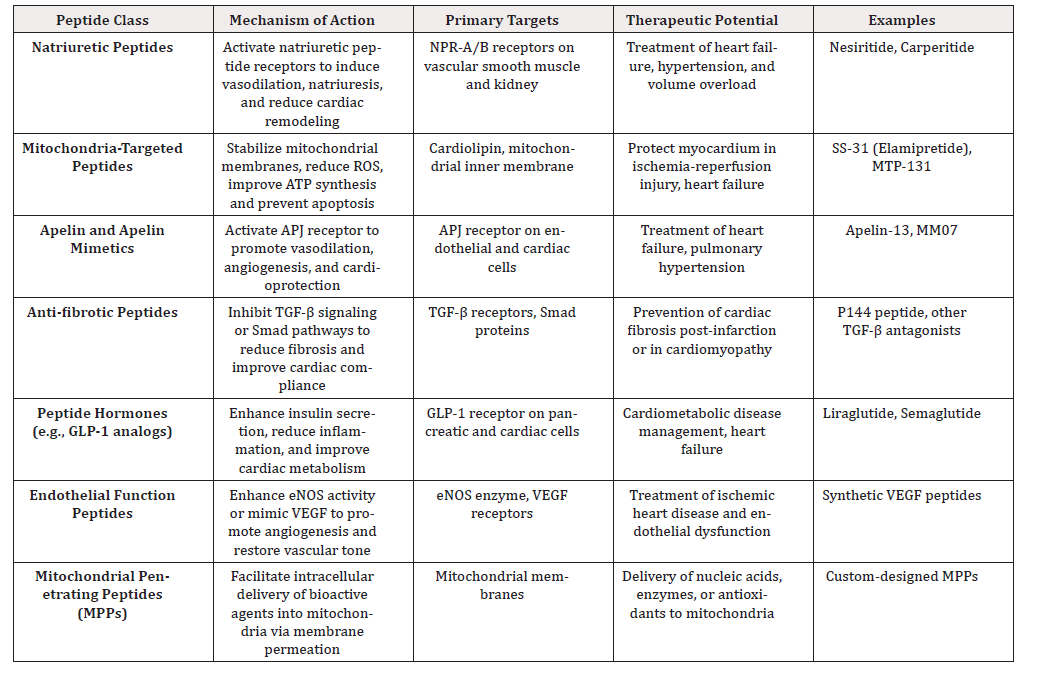
Table 1:Summary of Peptide Classes in Cardiac Disease.
Challenges and Limitations of Peptide Therapeutics in Cardiology
Peptide-based therapeutics are emerging as a promising modality in cardiovascular medicine due to their high specificity, favorable safety profiles, and capacity to modulate intracellular signaling and protein-protein interactions. However, their clinical development faces significant hurdles. One of the most pressing challenges is their poor pharmacokinetic profile. NAPs, NAPs apelin analogs, and MTPs, are typically small, hydrophilic molecules (<10 kDa), making them susceptible to rapid degradation by proteases and short plasma half-life, often less than 30 minutes without modifications. This limits bioavailability and necessitates frequent dosing or structural alterations such as cyclization, PEGylation, or lipidation, which can complicate synthesis and manufacturing.
Immunogenicity and off-target effects also pose concerns. While peptides are generally less immunogenic than biologics, chemical modifications and chronic dosing regimens can still trigger immune responses or neutralizing antibodies. Additionally, some peptides intended for cardioprotection, such as those targeting mitochondrial membranes or pro-survival pathways (e.g., PI3K/Akt), may lack full tissue specificity, resulting in unwanted activity in other organs like the liver or kidneys [6]. For instance, mitochondria-targeted peptides such as elamipretide (SS-31) have shown protective effects in the heart but also affect non-cardiac mitochondrial populations, which may lead to dose-limiting side effects [7].
Regulatory and manufacturing introduce additional barriers. Modified peptides often require stringent GMP manufacturing, as they are prone to aggregation, oxidation, and hydrolysis [8]. These quality control concerns can substantially increase production costs, especially when delivery systems such as nanoparticles or liposomes are employed [9]. Moreover, regulatory classification of peptide drugs often straddles the line between biologics and small molecules, complicating approval pathways. Despite the success of peptide drugs like sacubitril/valsartan (which inhibits neprilysin- mediated degradation of natriuretic peptides), the overall number of FDA-approved cardiovascular peptides remains limited, and guidance on cardiac-specific endpoints for these agents is still evolving [10].
MO Peptides and NOPs: Design and Therapeutic Potential
To overcome barriers posed by dynamic cardiac perfusion and cellular heterogeneity, peptide-guided delivery platforms, are being developed to direct anti-fibrotic and regenerative peptides specifically to cardiac fibroblasts or ischemic myocardium. 1) Mito organelle (MO) peptides that combine precise sub-organelle localization with therapeutic payloads to modulate mitochondrial and cytosolic crosstalk in cardiac cells. 2) NOPs, engineered constructs that combine nanoscale delivery systems with organelle-specific targeting capabilities.
MO peptides are engineered to penetrate cellular membranes and accumulate specifically within mitochondrial subdomains, enabling targeted intervention in key processes such as mitochondrial dynamics, mitophagy, and calcium handling. By integrating organelle- specific targeting with bioactive sequences, MO peptides represent a versatile platform to not only restore mitochondrial bioenergetics but also influence broader signaling networks involved in cardiac remodeling, inflammation, and cell survival.
NOPs represent a next-generation therapeutic platform that combines the specificity of bioactive peptides with the delivery advantages of nanotechnology to achieve organelle-level precision. These multifunctional agents are designed to localize selectively within intracellular compartments including mitochondria, lysosomes, or the endoplasmic reticulum, where they modulate organelle-specific dysfunctions implicated in cardiac pathology. NOPs may be conjugated to nanoscale carriers (e.g., liposomes, hydrogels, dendrimers) or self-assemble into nanostructures that enhance intracellular retention, protect therapeutic cargo, and enable subcellular targeting. Engineered to respond to pathophysiologic cues such as pH shifts, oxidative stress, or enzymatic activity, NOPs allow for controlled, site-specific release of therapeutic payloads. In cardiac applications, these systems can be tailored to target specific cell types—including cardiomyocytes, fibroblasts, or endothelial cells—through ligands or antibodies that recognize surface markers of injury or activation. Some NOPs incorporate mitochondrial- targeting sequences or organelle-penetrating peptides to facilitate delivery into subcellular domains where they disrupt disease- driving processes such as ROS production, fibrotic signaling, or protein misfolding. This organelle-focused, stimuli-responsive strategy offers spatial precision and functional synergy, positioning NOPs as a highly promising modality for treating complex cardiac diseases. In preclinical studies, NOPs have improved therapeutic delivery, enhanced cellular uptake, and demonstrated cardioprotective effects in models of myocardial infarction, heart failure, and fibrotic remodeling. Their modularity and organelle-targeting capabilities position them as promising candidates for precision medicine approaches in cardiovascular therapeutics.
MO peptides and NOPs Overcome Challenges of Conventional Peptide Therapy
MO peptides and NOPs circumvent key pharmacokinetic barriers by combining structural optimization, organelle specificity, and nanocarrier-based protection, thereby enhancing therapeutic efficacy, reducing dosing frequency, and expanding the clinical feasibility of peptide-based interventions in cardiovascular disease. MO peptides often incorporate structural features that enhance stability and subcellular targeting, such as D-amino acid substitutions, cyclization, or conjugation to mitochondrial-targeting sequences. NOPs provide an even broader platform to address pharmacokinetic challenges through encapsulation or conjugation to nanocarriers, such as liposomes, hydrogels, dendrimers, or polymeric nanoparticles. Further, NOPs also enable multivalency and co-delivery strategies, allowing therapeutic payloads to be precisely released within target organelles and specific cardiac cell types using targeting ligands or antibodies.
MO peptides and NOPs are uniquely positioned to address concerns related to immunogenicity and off-target effects, two persistent challenges in the clinical translation of peptide therapeutics. While peptides are inherently less immunogenic than larger biologics, chemical modifications required to enhance stabilitycan increase the risk of immune responses or the formation of neutralizing antibodies, especially with chronic administration. MO peptides mitigate this risk by incorporating minimal and strategically placed modifications that preserve immunological tolerance while enhancing mitochondrial uptake. Furthermore, by selectively accumulating within mitochondrial membranes via cardiolipin binding, MO peptides limit systemic exposure and reduce immune recognition. NOPs further enhance tissue and organelle specificity through targeted delivery mechanisms. By leveraging nanocarrier platforms conjugated to ligands or antibodies that recognize injury-specific markers on cardiomyocytes, fibroblasts, or endothelial cells, NOPs can minimize peptide accumulation in off-target tissues such as the liver or kidneys. Additionally, NOPs can be engineered to release their payloads only in response to cardiac-specific pathological cues, thereby confining therapeutic activity to diseased myocardium. This spatiotemporal control not only enhances efficacy but also reduces systemic toxicity and immunogenic potential.
MO peptides and NOPs also offer promising avenues to mitigate regulatory and manufacturing challenges that commonly hinder the development of peptide-based cardiovascular therapeutics. While it is true that chemically modified peptides are susceptible to degradation and often require stringent GMP manufacturing processes to maintain purity and bioactivity, recent advances in peptide engineering and formulation science have improved their stability profiles. MO peptides, for example, tend to be small and structurally simple, often requiring fewer modifications than large peptide biologics. This can streamline synthesis, reduce aggregation risk, and facilitate scale-up under GMP conditions. NOPs, though more complex due to their incorporation into nanocarriers, benefit from modular design strategies that use well-characterized, biocompatible materials approved in other drug platforms. These modular systems can be optimized for reproducibility and compatibility with current GMP standards. Moreover, the development of stimuli-responsive and lyophilizable formulations enhances shelflife and simplifies logistics—key considerations for regulatory approval and commercialization. Thus, while regulatory pathways remain a hurdle, the mechanistic specificity and targeted action of MO peptides and NOPs support the rational design of cardiac-specific endpoints aligned with evolving regulatory guidance.
Preclinical to clinical translation represents another bottleneck. Cardiovascular diseases involve complex and heterogeneous pathophysiologies that are often poorly replicated in rodent models [11]. For instance, large animal models of myocardial infarction may capture infarct dynamics but fail to represent the metabolic or inflammatory complexity seen in patients with comorbidities such as diabetes or chronic kidney disease [12]. Peptides that demonstrate efficacy in models of ischemia-reperfusion injury or heart failure with preserved ejection fraction (HFpEF) often fail to show similar benefit in human trials due to inter-individual variability, polypharmacy, and underlying genetic factors [13].
To overcome these challenges, researchers are increasingly turning to targeted delivery platforms (e.g., exosomes, antibody- peptide conjugates), advanced preclinical models (e.g., cardiac organoids, heart-on-chip systems), and biomarker-based patient stratification strategies to enhance translational success [14,15]. Integration of these technologies, alongside clearer regulatory frameworks, will be essential for unlocking the full therapeutic potential of peptides in cardiology.
European Wellness
To date, European Wellness (EW) has demonstrated application by which peptide therapies have the capacity to operate through a multifaceted network of actions that target key cellular and molecular processes in kidney function, positioning them as a powerful next-generation approach for treating AKI and CKD [16,20].
Opportunities and Future Directions
The landscape of peptide therapeutics in cardiac disease is rapidly evolving toward precision-targeted and multifunctional strategies that address the complex pathophysiology of cardiac disease. NOPs and MO peptides represent optimal therapeutic platforms for addressing the complex pathophysiology of cardiac disease because they offer precise, multi-targeted intervention at the subcellular level. Cardiac disease progression is driven by interconnected processes—including inflammation, fibrosis, oxidative stress, endothelial dysfunction, and cytoskeletal instability—that occur both systemically and within specific intracellular compartments. Peptide-based therapeutics inherently possess high molecular specificity and can be engineered to engage discrete molecular targets with minimal off-target effects [21-30]. MO peptides, directly address mitochondrial dysfunction by preserving cardiolipin integrity, reducing ROS production, and supporting oxidative phosphorylation— core mechanisms underlying cardiomyocyte survival and contractile function [31-40]. These mitochondrial benefits also support endothelial health, promoting NO bioavailability and improving coronary perfusion. NOPs expand this precision by leveraging nanostructured delivery systems that selectively target organelles such as mitochondria, endoplasmic reticulum, or lysosomes, and respond to pathological cues like oxidative stress or pH changes [41-50]. This enables controlled, cell-type and organelle-specific release of therapeutic payloads. Moreover, by delivering anti-fibrotic or anti-inflammatory peptides directly to activated fibroblasts or ischemic tissue, these platforms modulate the extracellular matrix and paracrine signaling that perpetuate cardiac remodeling. Together, NOPs and MO peptides offer a systems-level solution with intracellular precision, ideally suited to the multifaceted nature of cardiac disease [51-60].
References
- Akchurin OM and Kaskel F (2015) Update on inflammation in chronic kidney disease. Blood Purif 39(1-3): 84-92.
- Mihai S, Codrici E, Popescu ID, Enciu AM, Albulescu L, et al (2018) Inflammation-Related Mechanisms in Chronic Kidney Disease Prediction, Progression, and Outcome. J Immunol Res 2018: 2180373.
- Jager KJ, Kovesdy C, Langham R, Rosenberg M, Jha V, et al (2019) A single number for advocacy and communication-worldwide more than 850 million individuals have kidney diseases. Kidney Int 96(5): 1048-1050.
- Hoste EAJ, Kellum JA, Selby NM, Zarbock A, Palevsky PM, et al (2018) Global epidemiology and outcomes of acute kidney injury. Nat Rev Nephrol 14(10): 607-625.
- Bhatia D, Capili A and Choi ME (2020) Mitochondrial dysfunction in kidney injury, inflammation, and disease: Potential therapeutic approaches. Kidney Res Clin Pract 39(3): 244-258.
- Oh KH, Kang M, Kang E, Ryu H, Han SA, et al (2020) The KNOW-CKD Study: What we have learned about chronic kidney diseases. Kidney Res Clin Pract 39(2): 121-135.
- Bonventre JV and Yang L (2011) Cellular pathophysiology of ischemic acute kidney injury. J Clin Invest 121(11): 4210-4221.
- Fosgerau K and Hoffmann T (2015) Peptide therapeutics: current status and future directions. Drug Discov Today 20(1): 122-128.
- Lau JL and Dunn MK (2018) Therapeutic peptides: Historical perspectives, current development trends, and future directions. Bioorg Med Chem 26(10): 2700-2707.
- Wang Y, Zhang L, Liu C, Luo Y and Chen D (2024) Peptide-Mediated Nanocarriers for Targeted Drug Delivery: Developments and Strategies. Pharmaceutics 16(2): 240.
- Mapuskar KA, Vasquez-Martinez G, Mayoral-Andrade G, Tomanek-Chalkley A, Zepeda-Orozco D, et al (2023) Mitochondrial Oxidative Metabolism: An Emerging Therapeutic Target to Improve CKD Outcomes. Biomedicines 11(6): 1573.
- Yang M, Liu C, Jiang N, Liu Y, Luo S, et al (2023) Mitochondrial homeostasis: a potential target for delaying renal aging. Front Pharmacol 14: 1191517.
- Heerspink HJL, Stefánsson BV, Correa-Rotter R, Chertow GM, Greene T, et al (2020) Dapagliflozin in Patients with Chronic Kidney Disease. N Engl J Med 383(15): 1436-1446.
- Che R, Yuan Y, Huang S and Zhang A (2014) Mitochondrial dysfunction in the pathophysiology of renal diseases. Am J Physiol Renal Physiol 306(4):F367-378.
- Kelly DM, Kelleher EM and Rothwell PM (2025) The Kidney-Immune-Brain Axis: The Role of Inflammation in the Pathogenesis and Treatment of Stroke in Chronic Kidney Disease. Stroke 56(4): 1069-1081.
- Carreto-Binaghi LE, Sztein MB and Booth JS (2024) Role of cellular effectors in the induction and maintenance of IgA responses leading to protective immunity against enteric bacterial pathogens. Front Immunol 15: 1446072.
- Wang J, Masehi-Lano JJ and Chung EJ (2017) Peptide and antibody ligands for renal targeting: nanomedicine strategies for kidney disease. Biomater Sci 5(8): 1450-1459.
- Li D, Zhang J, Yuan S, Wang C, Chang J, et al (2022) TGF-β1 peptide-based inhibitor P144 ameliorates renal fibrosis after ischemia-reperfusion injury by modulating alternatively activated macrophages. Cell Prolif 55(10): e13299.
- La Russa A, Serra R, Faga T, Crugliano G, Bonelli A, et al (2024) Kidney Fibrosis and Matrix Metalloproteinases (MMPs). Front Biosci Landmark Ed 29(5): 192.
- Kim MJ, Oh CJ, Hong CW and Jeon JH (2024) Comprehensive overview of the role of mitochondrial dysfunction in the pathogenesis of acute kidney ischemia-reperfusion injury: a narrative review. J Yeungnam Med Sci 41(2): 61-73.
- Fontecha-Barriuso M, Lopez-Diaz AM, Guerrero-Mauvecin J, Miguel V, Ramos AM, et al (2022) Tubular Mitochondrial Dysfunction, Oxidative Stress, and Progression of Chronic Kidney Disease. Antioxid Basel Switz 11(7): 1356.
- Dong R and Xu Y (2022) Glomerular cell cross talk in diabetic kidney diseases. J Diabetes 14(8): 514-523.
- Rodrigues Prestes TR, Rocha NP, Miranda AS, Teixeira AL and Simoes-E-Silva AC (2017) The Anti-Inflammatory Potential of ACE2/Angiotensin-(1-7)/Mas Receptor Axis: Evidence from Basic and Clinical Research. Curr Drug Targets 18(11): 1301-1313.
- Kang H, Gravier J, Bao K, Wada H, Lee JH, et al (2016) Renal Clearable Organic Nanocarriers for Bioimaging and Drug Delivery. Adv Mater Deerfield Beach Fla 28(37): 8162-8168.
- Shang S, Li X, Wang H, Zhou Y, Pang K, et al (2024) Targeted therapy of kidney disease with nanoparticle drug delivery materials. Bioact Mater 37: 206-221.
- Fang H, Xu S, Wang Y, Yang H and Su D (2023) Endogenous stimuli-responsive drug delivery nanoplatforms for kidney disease therapy. Colloids Surf B Biointerfaces 232: 113598.
- Mitchell W, Pharaoh G, Tyshkovskiy A, Campbell M, Marcinek DJ, et al (2024) The mitochondrial-targeted peptide therapeutic elamipretide improves cardiac and skeletal muscle function during aging without detectable changes in tissue epigenetic or transcriptomic age. BioRxiv Prepr Serv Biol 2024: 10.30.620676.
- Li L, Zhang L, Cao Y, Chen X, Gong H, et al (2023) NDUFV1 attenuates renal ischemia-reperfusion injury by improving mitochondrial homeostasis. J Cell Mol Med 27(10): 1341-1352.
- Gane EJ, Weilert F, Orr DW, Keogh GF, Gibson M, et al (2010) The mitochondria-targeted anti-oxidant mitoquinone decreases liver damage in a phase II study of hepatitis C patients. Liver Int Off J Int Assoc Study Liver 30(7): 1019-1026.
- Wu J, Li J, Wang H and Liu CB (2018) Mitochondrial-targeted penetrating peptide delivery for cancer therapy. Expert Opin Drug Deliv 15(10): 951-964.
- Wilson K, Holjencin C, Lee H, Annamalai B, Ishii M, et al (2025) Development of a cell-penetrating peptide-based nanocomplex for long-term delivery of intact mitochondrial DNA into epithelial cells. Mol Ther Nucleic Acids 36(1): 102449.
- Bhargava P and Schnellmann RG (2017) Mitochondrial energetics in the kidney. Nat Rev Nephrol 13(10): 629-646.
- Tran MT, Zsengeller ZK, Berg AH, Khankin EV, Bhasin MK, et al (2016) PGC1α drives NAD biosynthesis linking oxidative metabolism to renal protection. Nature 531(7595): 528-532.
- Audzeyenka I, Bierżyńska A and Lay AC (2022) Podocyte Bioenergetics in the Development of Diabetic Nephropathy: The Role of Mitochondria. Endocrinology 163(1): bqab234.
- Takasu M, Kishi S, Nagasu H, Kidokoro K, Brooks CR, et al (2025) The Role of Mitochondria in Diabetic Kidney Disease and Potential Therapeutic Targets. Kidney Int Rep 10(2): 328-342.
- Fan X, Wu L, Wang F, Liu D, Cen X, et al (2024) Mitophagy Regulates Kidney Diseases. Kidney Dis Basel Switz 10(6): 573-587.
- Szeto HH, Liu S, Soong Y, Wu D, Darrah SF, et al (2011) Mitochondria-targeted peptide accelerates ATP recovery and reduces ischemic kidney injury. J Am Soc Nephrol JASN 22(6): 1041-1052.
- Birk AV, Liu S, Soong Y, Mills W, Singh P, et al (2013) The mitochondrial-targeted compound SS-31 re-energizes ischemic mitochondria by interacting with cardiolipin. J Am Soc Nephrol JASN 24(8): 1250-1261.
- Zhu Y, Luo M, Bai X, Li J, Nie P, et al (2022) SS-31, a Mitochondria-Targeting Peptide, Ameliorates Kidney Disease. Oxid Med Cell Longev 2022: 1295509.
- Martínez-Klimova E, Aparicio-Trejo OE, Tapia E and Pedraza-Chaverri J (2019) Unilateral Ureteral Obstruction as a Model to Investigate Fibrosis-Attenuating Treatments. Biomolecules 9(4): 141.
- Linke A, Tiegs G and Neumann K (2022) Pathogenic T-Cell Responses in Immune-Mediated Glomerulonephritis. Cells 11(10): 1625.
- Wang X, Liu X, Xu L, Li Y, Zheng B, et al (2024) Targeted delivery of type I TGF-β receptor-mimicking peptide to fibrotic kidney for improving kidney fibrosis therapy via enhancing the inhibition of TGF-β1/Smad and p38 MAPK pathways. Int Immunopharmacol 137: 112483.
- Wu D, Huang LF, Chen XC, Huang XR, Li HY, et al (2023) Research progress on endoplasmic reticulum homeostasis in kidney diseases. Cell Death Dis 14(7): 473.
- Murphy MP (1997) Selective targeting of bioactive compounds to mitochondria. Trends Biotechnol 15(8): 326-330.
- Kelso GF, Porteous CM, Coulter CV, Hughes G, Porteous WK, et al (2001) Selective targeting of a redox-active ubiquinone to mitochondria within cells: antioxidant and antiapoptotic properties. J Biol Chem 276(7): 4588-4596.
- Zielonka J, Joseph J, Sikora A, Hardy M, Ouari O, et al (2017) Mitochondria-Targeted Triphenylphosphonium-Based Compounds: Syntheses, Mechanisms of Action, and Therapeutic and Diagnostic Applications. Chem Rev 117(15): 10043-10120.
- Miyamoto S, Zhang G, Hall D, Oates PJ, Maity S, et al (2020) Restoring mitochondrial superoxide levels with elamipretide (MTP-131) protects db/db mice against progression of diabetic kidney disease. J Biol Chem 295(21): 7249-7260.
- Daubert MA, Yow E, Dunn G, Marchev S, Barnhart H, et al (2017) Novel Mitochondria-Targeting Peptide in Heart Failure Treatment: A Randomized, Placebo-Controlled Trial of Elamipretide. Circ Heart Fail 10(12): e004389.
- Sabbah HN (2016) Targeting mitochondrial dysfunction in the treatment of heart failure. Expert Rev Cardiovasc Ther 14(12): 1305-1313.
- Pang J, Bao Y, Mitchell-Silbaugh K, Veevers J and Fang X (2022) Barth Syndrome Cardiomyopathy: An Update. Genes 13(4): 656.
- Thompson WR, Manuel R, Abbruscato A, Carr J, Campbell J, et al (2024) Long-term efficacy and safety of elamipretide in patients with Barth syndrome: 168-week open-label extension results of TAZPOWER. Genet Med Off J Am Coll Med Genet 26(7): 101138.
- Ehlers JP, Hu A, Boyer D, Cousins SW, Waheed NK, et al (2025) ReCLAIM-2: A Randomized Phase II Clinical Trial Evaluating Elamipretide in Age-related Macular Degeneration, Geographic Atrophy Growth, Visual Function, and Ellipsoid Zone Preservation. Ophthalmol Sci 5(1): 100628.
- Karaa A, Haas R, Goldstein A, Vockley J, Weaver WD, et al (2018) Randomized dose-escalation trial of elamipretide in adults with primary mitochondrial myopathy. Neurology 90(14): e1212-e1221.
- Karaa A, Bertini E, Carelli V, Cohen B, Ennes GM, et al (2024) Genotype-specific effects of elamipretide in patients with primary mitochondrial myopathy: a post hoc analysis of the MMPOWER-3 trial. Orphanet J Rare Dis 19(1): 431.
- Tung C, Varzideh F, Farroni E, Mone P, Kansakar U, et al (2025) Elamipretide: A Review of Its Structure, Mechanism of Action, and Therapeutic Potential. Int J Mol Sci 26(3): 944.
- Al Musaimi O, Lombardi L, Williams DR and Albericio F (2022) Strategies for Improving Peptide Stability and Delivery. Pharm Basel Switz 15(10): 1283.
- Muttenthaler M, King GF, Adams DJ and Alewood PF (2021) Trends in peptide drug discovery. Nat Rev Drug Discov 20(4): 309-325.
- Xiao W, Jiang W, Chen Z, Huang Y, Mao J, et al (2025) Advance in peptide-based drug development: delivery platforms, therapeutics and vaccines. Signal Transduct Target Ther 10(1): 74.
- Rastogi S, Shukla S, Kalaivani M and Singh GN (2019) Peptide-based therapeutics: quality specifications, regulatory considerations, and prospects. Drug Discov Today 24(1): 148-162.
- Gist KM and Selewski DT (2021) The Challenge of Acute Kidney Injury Diagnostic Precision: From Early Prediction to Long-Term Follow-up. Kidney Int Rep 6(7): 1755-1757.




 We use cookies to ensure you get the best experience on our website.