
Mini review 
 Creative Commons, CC-BY
Post-COVID-19 Syndrome with Complex Neuropsychiatric Manifestations (CNPM) and Presence of SARS-CoV-2 Spike Protein: A Case Report and Literature Review
*Corresponding author:Biyong Issack, Clinic of Trauma and Transcultural Psychiatry (CTPT), and Telepsychiatry of Center of Psychotraumatology and Mediation (CPM), (Institute of Psychotraumatology and Mediation (IPM-International Network) Neuchâtel, Switzerland.
Received:July 03, 2025; Published:July 10, 2025
DOI: 10.34297/AJBSR.2025.27.003598
Abstract
Post-COVID-19 syndrome, commonly referred to as long COVID, represents a major clinical challenge characterized by persistent multisystem symptoms following acute SARS-CoV-2 infection. This case report presents a 47-year-old female patient with persistent complex neuropsychiatric manifestations since a probable SARS-CoV-2 infection in February 2020. The clinical presentation combines neurological symptoms (postural vertigo, sensory hypersensitivity), psychiatric manifestations (generalized anxiety, depressive symptoms), and somatic complaints (chronic fatigue, thrombocytosis). We propose an integrated diagnostic and therapeutic approach based on the emerging hypothesis of “Spikeopathy,” involving persistence of the SARS-CoV-2 Spike protein and its neuroinflammatory effects. The challenges of multidisciplinary outpatient management are discussed, along with recommendations for optimizing care pathways for these complex patients.
Keywords:Long COVID, Post-COVID-19 syndrome, Neuropsychiatric manifestations, Spike protein, Multidisciplinary approach
Introduction
The COVID-19 pandemic has revealed a complex clinical phenomenon: the persistence of multisystem symptoms in some patients following the acute phase of SARS-CoV-2 infection. This condition, termed post-COVID-19 syndrome or “long COVID,” affects approximately 10-30% of infected individuals, regardless of the initial infection’s severity [1,2]. The neuropsychiatric manifestations of long COVID are particularly disabling and pose considerable diagnostic and therapeutic challenges to healthcare providers worldwide.
Recent literature suggests the involvement of persistent neuroinflammatory mechanisms, potentially mediated by the SARSCoV- 2 Spike protein [3,4]. This hypothesis, known as “Spikeopathy,” proposes that persistence of the Spike protein or viral fragments sustains a chronic inflammatory cascade affecting both the central and peripheral nervous systems [5]. Understanding these mechanisms is crucial for developing effective treatment strategies and improving patient outcomes. This article describes the comprehensive case of a patient presenting with post-COVID-19 syndrome characterized by complex neuropsychiatric manifestations and proposes an integrated diagnostic and therapeutic approach for managing such challenging cases in clinical practice.
Objectives
Main Objective
The primary objective of this study is to contribute to a better understanding of this emerging clinical entity and to promote multidisciplinary management adapted to the biopsychosocial complexity of these syndromes.
Specific Objectives
This case report aims to:
i. Describe the clinical presentation of post-COVID-19 syndrome
with predominantly neuropsychiatric manifestations.
ii. Analyze potential pathophysiological mechanisms including
the “Spikeopathy” hypothesis.
iii. Propose an integrative diagnostic framework for these complex
cases.
iv. Develop an Integrated Psychiatric and Psychotherapeutic
Treatment Plan (IPTP).
v. Identify the challenges of multidisciplinary outpatient management.
vi. Formulate evidence-based recommendations to optimize the
care pathway for these patients.
Clinical Case Presentation
Patient Demographics and Background
Mrs. Eva (name given to the patient for anonymity purposes) is a 45-year-old secondary school teacher working from 50 to 60 % capacity, married with two teenage children aged 16 and 18 years. She holds a Bachelor’s degree and resides in Neuchâtel, Switzerland. The patient has been on sick leave since October 2024 due to the severity and persistence of her symptoms.
Chief Complaint and Presenting Symptoms
The patient presented with a constellation of neuropsychiatric symptoms including persistent dizziness, photophobia, and chronic insomnia that have persisted since February 2020. She reported ongoing fatigue described as both profound physical and mental exhaustion that significantly impairs her daily functioning and professional capabilities.
History of Present Illness
Between 2020 and 2025, the patient experienced persistent, fluctuating symptoms that began with severe rotational vertigo present continuously in all positions. While this symptom partially improved after three years, it persists when standing and significantly impacts her quality of life. Initially, she also suffered from intense muscle weakness that gradually subsided over time but left her with ongoing functional limitations.
During the first year of illness, she reported nocturnal awakenings accompanied by median chest burning and dyspnea, which became less frequent after two years but never completely resolved. Her respiratory difficulties required corticosteroid treatment, and she experienced respiratory crises, particularly during summer months, for approximately six months. These episodes were often triggered by environmental factors and required urgent medical attention.
The patient developed marked hypersensitivity to artificial light and heat that persisted over several years, significantly affecting her ability to work in typical classroom environments. Her sleep disturbances showed a complex pattern of evolution: initially, she had trouble falling asleep (not until after 3 AM) for two years, followed by sleep fragmentation with 3 AM awakenings for approximately one year, and subsequently early awakenings at 4 AM. Light sleep and severe morning fatigue alternated with these patterns for several years, creating a cycle of sleep deprivation and daytime dysfunction.
Additional symptoms included calf cramps and hand tremors under stress and when standing for approximately six months, occasional ophthalmic migraines, possible hypoglycemic episodes, and severe fatigue with dyspnea persisting for more than six months. The clinical picture was further complicated by cognitive fog with concentration and coordination difficulties that fluctuated over three years, significantly impacting her professional performance as an educator.
In the past year, she has suffered from persistent vertigo and insomnia requiring psychiatric care. She initially attempted to resume work at 100% capacity, but following a viral infection (suspected by her general practitioner), she experienced a significant relapse into exhaustion. Vertigo symptoms returned with intensity when exposed to environments with intense light and sensory stimuli, such as department stores, though her tolerance to artificial lights has shown some improvement. Her insomnia improved temporarily with melatonin (0.5 mg from December to July 2024), and her current emotional state is characterized by sadness linked to functional limitations rather than a primary mood disorder.
Psychiatric and Medical History
Psychiatric History: The patient’s personal psychiatric history includes a previous burnout episode that required brief psychological support, mood disorder following two miscarriages (without formal follow-up), and depression in 2020. Her personality profile reveals obsessive-compulsive traits, dependent characteristics, avoidant behaviors, and anxious tendencies. Her family psychiatric history is significant for a sister with autism spectrum disorder complicated by depression, a maternal aunt with schizophrenia, paternal history of depression, and a father with post-stroke depression.
Medical History: Key medical events include a probable (untested) COVID-19 infection in early 2020, confirmed Lyme disease in March 2020 (treated), functional vestibular disorder diagnosed in November 2020, chronic fatigue and tension headaches, and thrombocytosis detected in June 2024.
Clinical Evolution Timeline: The patient’s clinical course from 2020 to 2025 demonstrates the chronic and fluctuating nature of her condition:
i. 2020: Fully incapacitated for work from February to June, underwent
ENT and vestibular evaluations, experienced fluctuating
work capacity.
ii. 2021-2022: Persistent dizziness and chronic fatigue, requiring
neurological and psychological consultations.
iii. 2023: Period of total work incapacity and initiation of vestibular
rehabilitation.
iv. 2024: Temporary return to full work capacity from January to
May, followed by a relapse with new vertigo episodes and persistent
fatigue.
v. 2025: Partial improvement, begun receiving disability benefits,
undergoing gradual work reintegration.
Current Clinical Status
Neurological Manifestations: The patient currently experiences persistent rocking vertigo with episodic crises, marked hypersensitivity to light and noise, and bifrontal headaches occurring approximately 10 days per month.
Psychiatric Symptoms: Her psychiatric presentation includes generalized anxiety (Hamilton Anxiety Scale score 21/30), reactive sadness (Beck Depression Inventory score 7/10), ongoing sleep disturbances, and irritability that affects her interpersonal relationships.
Somatic Complaints: She reports severe fatigue (rated 8/10), significant concentration difficulties (rated 9/10), persistent thrombocytosis, and nocturnal sweating that disrupts her sleep quality.
Functional Impact: The cumulative effect of these symptoms has resulted in complete work incapacity and significant restrictions in social, leisure, domestic, and family life activities.
Results: Multiaxial Diagnosis and Pathophysiological Integration
Comprehensive Diagnostic Formulation
Primary Psychiatric Diagnoses (ICD-10/DSM-5):
The patient meets criteria for:
i. F41.1 Generalized Anxiety Disorder (Hamilton Anxiety Scale
21/30).
ii. F33.0 Recurrent Depressive Disorder with current mild episode
(Beck Depression Inventory 7/10).
iii. F48.0 Neurasthenia/Chronic Fatigue Syndrome.
iv. F45.8 Other Somatoform Disorders classified as post-viral
functional somatic syndrome.
Somatic Diagnoses:
Her medical conditions include:
i. U09.9 post-COVID-19 condition (unspecified)
ii. H81.8 Persistent Perceptual Postural Dizziness (PPPD)
iii. D75.1 Secondary thrombocytosis
iv. A69.2 Lyme disease (history, treated)
v. G44.2 Chronic tension-type headaches
Psychosocial and Environmental Factors
Significant stressors include fluctuating work capacity with return- to-work pressures, a fragmented diagnostic pathway requiring multiple consultations, and shifts in parental and marital roles due to her functional limitations.
Personality Profile
Her personality characteristics include obsessive-compulsive traits (perfectionism, control needs), dependent features (need for reassurance, difficulty making decisions), avoidant behaviors (fear of judgment, hypersensitivity), and anxious tendencies (negative anticipation, rumination).
Integrated Clinical Understanding
This case presents a complex post-COVID-19 syndrome with neuropsychiatric predominance, consistent with the emerging concept of “Spikeopathy.” The neurological components include postural dizziness, sensory hypersensitivity, and chronic fatigue, possibly linked to neuroinflammation from persistent Spike protein [6]. The psychiatric manifestations consist of severe anxiety and mild depressive symptoms that interact bidirectionally with neurological symptoms, where anxiety amplifies vertigo perception through somatic hypervigilance, and functional limitations drive reactive depression. Pre-existing vulnerabilities including obsessive and anxious personality traits, past mood disorders, and burnout history [7] have likely contributed to symptom severity and chronicity. Maintaining factors include a vicious cycle of physical symptoms, anticipatory anxiety, and avoidance behaviours [8], while contextual factors encompass the complex diagnostic journey, lack of medical recognition, and socio-professional stressors.
Pathophysiological Mechanisms
The pathophysiology of this patient’s post-COVID-19 syndrome likely involves multiple interconnected mechanisms. The “Spikeopathy” hypothesis suggests that persistence of SARS-CoV-2 Spike protein fragments may maintain chronic inflammation even in the absence of active viral replication, leading to sustained immune dysregulation and neuroinflammatory processes (Figure 1).
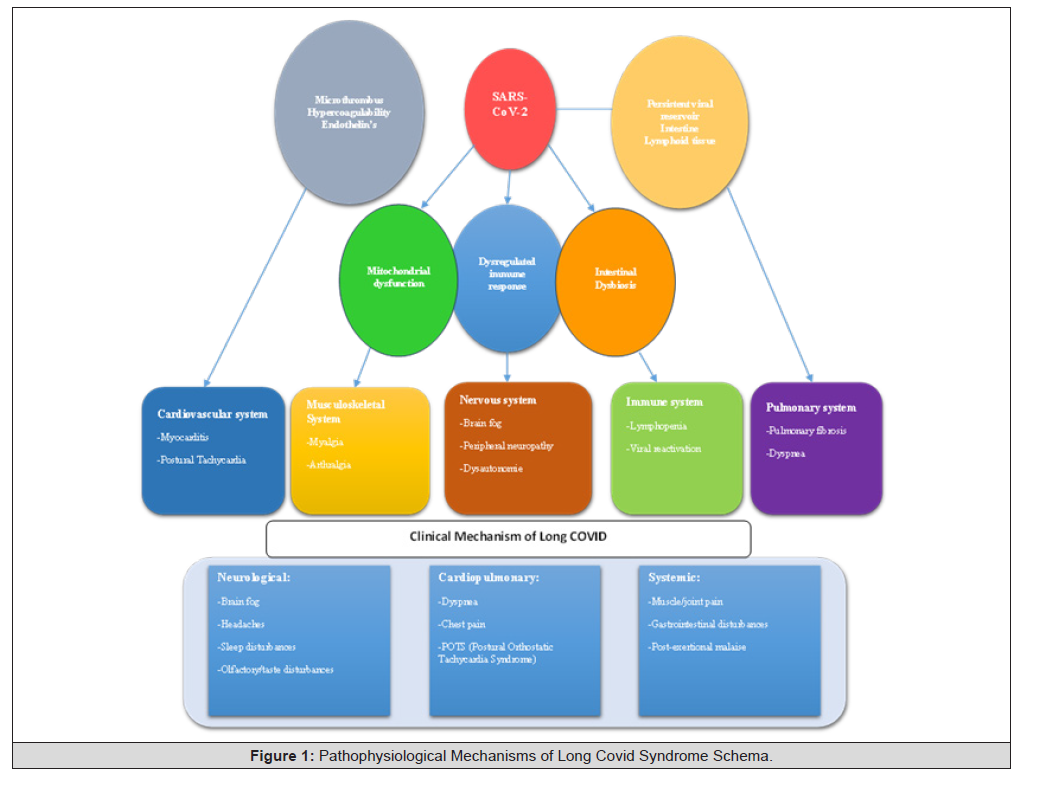
Figure 1:Pathophysiological Mechanisms of Long Covid Syndrome Schema.
Integrated Psychiatric and Psychotherapeutic Treatment Plan (IPTP)
Pharmacological Interventions
The current pharmacological approach includes:
i. Vortioxetine (Brintellix) with reassessment planned at 8
weeks.
ii. Melatonin 0.5 mg for sleep regulation.
iii. Aspirin Cardio 100 mg for thrombocytosis management.
1. Proposed additional medications include:
i. Buspirone 5-10 mg twice daily for generalized anxiety [9].
ii. Pregabalin titrated to 75-150 mg/day for anxiolytic and neurological
modulation [10].
iii. Low-dose Amitriptyline 10-25 mg in the evening for tension
headaches and sleep improvement [11].
iv. Monthly evaluation of treatment efficacy and side effects is
planned, along with regular hematology monitoring for thrombocytosis.
Psychotherapeutic Interventions
Cognitive Behavioral Therapy (CBT):
Weekly sessions of 45-60 minutes focus on:
i. Psychoeducation about post-COVID syndrome and mind-body
interactions.
ii. Reducing avoidance and hypervigilance behaviors.
iii. Cognitive restructuring of catastrophic thoughts.
iv. Gradual exposure to anxiety-provoking situations.
v. Comprehensive stress management techniques [12].
Acceptance and Commitment Therapy (ACT):
Integrated within CBT sessions, ACT focuses on:
i. Acceptance of persistent symptoms.
ii. Clarification of personal values despite functional limitations.
iii. Development of psychological flexibility.
iv. Mindfulness approaches for somatic symptom management
[13].
Mindfulness-Based Cognitive Therapy (MBCT):
An 8-session group or individual program targeting:
i. Non-judgmental awareness of body sensations.
ii. Reduced emotional reactivity.
iii. Adapted meditation techniques suitable for patients with dizziness
[14].
Mind-Body and Rehabilitation Interventions
Biofeedback and Relaxation:
i. Heart rate variability biofeedback for autonomic regulation
and EMG biofeedback for muscle relaxation [15].
ii. Progressive muscle relaxation (Jacobson technique).
iii. Diaphragmatic breathing exercises.
iv. Autogenic training [16].
Physical Activity and Cognitive Rehabilitation
i. Graded exercise therapy adapted to individual tolerance including
walking and swimming [17].
ii. Energy management and pacing techniques [18].
iii. Attention and concentration exercises.
iv. Compensatory cognitive strategies.
v. Structured routines to reduce cognitive load [19].
Multidisciplinary Care Coordination
The treatment team includes:
i. Psychiatrist for care coordination and pharmacotherapy.
ii. Psychologist for psychotherapy delivery.
iii. Neurologist with vestibular expertise.
iv. Internal medicine/immunology specialist for long COVID follow-
up.
v. Vestibular physiotherapist.
vi. Occupational therapist for work adaptation [20].
Care coordination procedures involve quarterly multidisciplinary reviews, maintenance of a shared treatment plan and medical file, and regular written communications between team members [21].
Psychosocial Support Systems
Socio-professional Support:
Successful mediation with the Employer and the Swiss Federal
Office for Disability Insurance (DI)has resulted in:
i. 80% salary coverage by DI.
ii. Adjusted workload to 12 periods (approximately 46% capacity).
iii. Planned gradual return to work program [22] based on the
progress of recovery under the IPTP plan.
Family Support:
i. Psychoeducation for spouse and family members.
ii. Appropriate expectation setting.
iii. Strategies to avoid codependency patterns [23].
iv. Community Resources.
v. Connection with long COVID patient associations.
vi. Participation in online support groups [24].
Discussion
Pathophysiological Mechanisms of Post-COVID-19 Syndrome
The pathophysiology of post-COVID-19 syndrome remains partially elucidated, with several complementary hypotheses emerging from recent research. The “Spikeopathy” hypothesis suggests that persistence of SARS-CoV-2 Spike protein in the body may maintain chronic inflammation, even in the absence of active viral replication [25]. Patterson, et al. demonstrated the presence of Spike protein fragments in monocytes up to 15 months post-infection [26], which may lead to sustained immune dysregulation and ongoing symptomatology.
Neurologically, several mechanisms could contribute to the observed clinical picture:
i. Autonomic dysfunction may result from Spike protein alteration
of ACE2-expressing autonomic structures, causing
dysautonomia [27].
ii. Persistent neuroinflammation is evidenced by elevated cerebrospinal
fluid inflammatory markers in long COVID patients
with neurological symptoms [28].
iii. Cerebral microangiopathy may develop through microvascular
alterations linked to Spike-induced endothelial injury [29].
iv. Microglial activation leads to sustained neuroinflammation
and altered neural homeostasis, contributing to cognitive and
emotional symptoms [30].
The patient’s thrombocytosis may also reflect systemic inflammation [31] and could potentially serve as a useful biomarker for monitoring disease activity.
Somato-Psychiatric Interplay in Long COVID
This case effectively illustrates the complex interaction between somatic and psychiatric factors in long COVID syndrome. Neuroinflammation can directly induce psychiatric symptoms through multiple pathways: systemic inflammation alters mood and anxiety circuits [32], and the Spike protein may disrupt serotonergic signaling via ACE2 interactions [33].
Additionally, the subjective experience of chronic illness amplifies
psychological distress through several mechanisms:
i. Symptom unpredictability creates a sense of insecurity and
loss of control [34].
ii. Lack of social and medical recognition increases feelings of invalidation
[35].
iii. Functional limitations profoundly affect personal identity and
self-concept [36].
iv. Invisible symptoms complicate disability recognition and social
understanding [37].
Pre-existing personality traits, particularly perfectionism and anxiety, may increase vulnerability to developing chronic post-viral syndromes [38]. The maintenance of symptoms often involves avoidance behaviors and somatic hypervigilance that fit well within the cognitive-behavioral model of functional somatic symptom perpetuation [39].
Diagnostic and Therapeutic Challenges
Diagnosing post-COVID-19 syndrome with neuropsychiatric
manifestations presents numerous challenges to clinicians:
i. Currently, no pathognomonic biomarker exists [40].
ii. Significant symptoms overlap with other conditions including
ME/CFS, fibromyalgia, and somatoform disorders [41].
iii. Risk of both over-diagnosis and under-diagnosis due to increased
media attention and variable clinical suspicion among
healthcare providers [42].
iv. Marked clinical heterogeneity observed across patients [43].
An integrated diagnostic approach is essential and should include:
i. Detailed infection and symptom chronology.
ii. Exhaustive clinical assessment across multiple domains.
iii. Judicious exclusion of alternative etiologies.
iv. Comprehensive multidimensional biopsychosocial formulation
[44].
Therapeutic challenges in outpatient management include:
Resource limitations:
i. Lack of reimbursement for care coordination.
ii. Time constraints.
iii. Limited access to specialized therapies [45].
Institutional barriers:
i. Insufficient collaboration between community and hospital-
based care.
ii. Lack of specialized treatment units.
iii. Prolonged waiting times [46].
Administrative burden:
i. Excessive reporting to insurance companies.
ii. Justification of work incapacity.
iii. Heavy documentation requirements [47].
These factors can hinder optimal implementation of integrated
treatment plans.
Prognostic Considerations
Longitudinal studies suggest that approximately 70-85% of patients show improvement over 1-2 years, but 15-30% remain symptomatic long-term [48].
Favorable prognostic factors include:
i. Early multidisciplinary care.
ii. Absence of major psychiatric comorbidities.
iii. Good social support systems.
iv. Flexible expectations regarding recovery [49].
Unfavorable prognostic factors include:
i. Severe initial symptoms.
ii. Marked dysautonomia.
iii. Delays in diagnosis and management initiation.
iv. Catastrophizing thought patterns.
v. Persistent avoidance behaviors [50].
In this case, several risk factors for chronicity exist, including symptom severity, delayed diagnosis, and personality vulnerabilities. However, the patient’s strong treatment motivation and good insight into her condition serve as positive prognostic indicators that may facilitate recovery.
Recommendations
Clinical Practice Guidelines
Diagnostic Strategy:
i. Implement structured diagnostic approaches using positive
diagnostic criteria established by WHO and NICE guidelines
[51].
ii. Conduct comprehensive neurological, psychiatric, and somatic
assessments.
iii. Systematically search for inflammatory biomarkers, autoimmunity
markers, and dysautonomia indicators [52].
iv. Perform neuropsychological evaluation when cognitive deficits
are clinically significant.
Care Organization:
Designate a coordinating physician to oversee the multidisciplinary
team [53].
Develop written individualized care plans.
Schedule multidisciplinary reassessments every 3-6 months.
Establish specialized care networks for long COVID patients
[54].
Therapeutic Approach:
i. Adopt an integrated biopsychosocial model.
ii. Target identified pathophysiological mechanisms including
inflammation, dysautonomia, and mitochondrial dysfunction.
iii. Implement gradual adaptation of interventions based on patient
response.
iv. Consider emerging therapies such as immunomodulators and
anticoagulants on an individual basis [55].
Communication and Therapeutic Alliance:
i. Validate patient experiences and avoid dismissive attitudes.
ii. Eschew simplistic biological versus psychological dichotomies.
iii. Provide transparent information about current scientific understanding.
iv. Actively involve patients in treatment decisions [56].
Research Priorities
Pathophysiology Research:
i. Further investigation of “Spikeopathy” mechanisms.
ii. Comprehensive immunoinflammatory profiling of patients.
iii. Advanced neuroimaging and cerebrospinal fluid studies [57].
Therapeutic Studies:
i. Controlled trials of antiviral agents and anti-Spike monoclonal
antibodies.
ii. Investigation of immunomodulators for neuropsychiatric
manifestations.
iii. Studies of combined pharmacological and non-pharmacological
approaches [58].
Prognostic Research:
i. Identification of reliable predictors of chronicity.
ii. Development of standardized multidimensional assessment
tools.
iii. Longitudinal cohort follow-up studies [59].
Health Services Research:
i. Evaluation of different care delivery models.
ii. Comprehensive medico-economic impact studies.
iii. Development of quality indicators for long COVID care [60].
Health Policy Recommendations
Recognition and Support:
i. Develop standardized disability assessment criteria for long
COVID.
ii. Establish formal recognition of long COVID as a long-term condition.
iii. Create specific vocational rehabilitation programs [61].
Care Organization:
i. Create designated reference centers for long COVID.
ii. Provide funding for care coordination activities.
iii. Implement ongoing training programs for healthcare professionals
[62].
Patient Education and Support:
i. Develop standardized therapeutic education programs.
ii. Provide financial and organizational support for patient associations.
iii. Create validated public information resources [63].
Governance and Funding:
i. Allocate dedicated research resources for long COVID studies.
ii. Fund integrated care pilot programs.
iii. Conduct comprehensive assessments of economic and societal
impact [64-67].
Conclusion
This comprehensive case report illustrates the complex neuropsychiatric manifestations of post-COVID-19 syndrome and the substantial challenges they pose to modern healthcare systems. The patient’s presentation of persistent postural vertigo, sensory hypersensitivity, generalized anxiety, depressive symptoms, and disabling fatigue exemplifies the multifaceted nature of this emerging clinical entity.
The “Spikeopathy” hypothesis provides a valuable conceptual framework for understanding the intertwined neurobiological and psychological processes underlying this syndrome. Our proposed integrated multidisciplinary approach, based on solid biopsychosocial principles, combines evidence-based pharmacotherapy, structured psychotherapy (including CBT, ACT, and MBCT), mind-body interventions, and comprehensive functional rehabilitation.
However, optimal implementation of such comprehensive care faces significant systemic barriers, including fragmented healthcare delivery, resource limitations, institutional constraints, and excessive administrative burden. Healthcare systems must undergo substantial adaptation to adequately address the specific and complex needs of long COVID patients.
This case also highlights broader fundamental questions regarding the intricate interactions between neuroinflammation and psychopathology, emphasizing the urgent need for targeted therapeutic interventions and innovative organizational approaches. Post-COVID-19 syndrome with neuropsychiatric features represents both a major clinical challenge and an unprecedented opportunity to deepen our understanding of neuro-immuno-psychiatric conditions and their management.
Ultimately, the successful management of these complex patients requires a paradigm shift toward truly integrated, patient- centered care that recognizes the biological reality of post-viral syndromes while addressing their profound psychological and social impacts. Only through such comprehensive approaches can we hope to improve outcomes for the millions of individuals worldwide affected by long COVID.
Acknowledgement
None.
Conflict of Interest
None.
References
- Nalbandian A, Sehgal K, Gupta A, Mahesh V Madhavan, Claire McGroder, et al. (2021) Post-acute COVID-19 syndrome. Nat Med 27(4): 601-615.
- Soriano JB, Murthy S, Marshall JC, Pryanka Relan, Janet V Diaz, et al. (2022) A clinical case definition of post-COVID-19 condition by a Delphi consensus. Lancet Infect Dis 22(4): e102-e107.
- Proal AD, VanElzakker MB (2021) Long COVID or Post-acute Sequelae of COVID-19 (PASC): An Overview of Biological Factors That May Contribute to Persistent Symptoms. Front Microbiol 12: 698169.
- Douaud G, Lee S, Alfaro Almagro F, Christoph Arthofer, Chaoyue Wang, et al. (2022) SARS-CoV-2 is associated with changes in brain structure in UK Biobank. Nature 604(7907): 697-707.
- Patterson BK, Francisco EB, Yogendra R, Emily Long, Amruta Pise, et al. (2022) Persistence of SARS CoV-2 S1 Protein in CD16+ Monocytes in Post-Acute Sequelae of COVID-19 (PASC) up to15 Months Post-Infection. Front Immunol 12: 746021.
- Phetsouphanh C, Darley DR, Wilson DB, Annett Howe, C Mee Ling Munier, et al. (2022) Immunological dysfunction persists for 8 months following initial mild-to-moderate SARS-CoV-2 infection. Nat Immunol 23(2): 210-216.
- Schou TM, Joca S, Wegener G, Bay Richter C (2021) Psychiatric and neuropsychiatric sequelae of COVID-19 - A systematic review. Brain Behav Immun 97: 328-348.
- Honigsbaum M, Krishnan L (2020) Taking pandemic sequelae seriously: from the Russian influenza to COVID-19 long-haulers. Lancet 396(10260):1389-1391.
- Davis HE, Assaf GS, McCorkell L, Hannah Wei, Ryan J Low, et al. (2021) Characterizing long COVID in an international cohort: 7 months of symptoms and their impact. EClinicalMedicine 38: 101019.
- Fernández de Las Peñas C, Palacios Ceña D, Gómez Mayordomo V, et al. (2021) Prevalence of post-COVID-19 symptoms in hospitalized and non-hospitalized COVID-19 survivors: A systematic review and meta-analysis. Eur J Intern Med 92: 55-70.
- Greenhalgh T, Knight M, A Court C, Buxton M, Husain L, et al. (2020) Management of post-acute covid-19 in primary care. BMJ 370: m3026.
- Crook H, Raza S, Nowell J, Young M, Edison P (2021) Long covid-mechanisms, risk factors, and management. BMJ 374: n1648.
- Kingstone T, Taylor AK, O Donnell CA, Atherton H, Blane DN, et al. (2020) Finding the 'right' GP: a qualitative study of the experiences of people with long-COVID. BJGP Open 4(5): bjgpopen20X101143.
- Al-Aly Z, Xie Y, Bowe B (2021) High-dimensional characterization of post-acute sequelae of COVID-19. Nature. 594(7862): 259-264.
- Iqbal FM, Lam K, Sounderajah V, Clarke JM, Ashrafian H, et al. (2021) Characteristics and predictors of acute and chronic post-COVID syndrome: A systematic review and meta-analysis. Clinical Medicine 36: 100899.
- Ceban F, Ling S, Lui LMW, Yena Lee 4, Hartej Gill, et al. (2022) Fatigue and cognitive impairment in Post-COVID-19 Syndrome: A systematic review and meta-analysis. Brain Behav Immun 101: 93-135.
- Su Y, Yuan D, Chen DG, Rachel H Ng, Kai Wang, et al. (2022) Multiple early factors anticipate post-acute COVID-19 sequelae. Cell 185(5): 881-895.e20.
- Yong SJ (2021) Long COVID or post-COVID-19 syndrome: putative pathophysiology, risk factors, and treatments. Infect Dis (Lond) 53(10): 737-754.
- Décary S, Gaboury I, Poirier S, Christiane Garcia, Scott Simpson, et al. (2021) Humility and Acceptance: Working Within Our Limits With Long COVID and Myalgic Encephalomyelitis/Chronic Fatigue Syndrome. J Orthop Sports Phys Ther 51(5): 197-200.
- Bai F, Tomasoni D, Falcinella C, Diletta Barbanotti, Roberto Castoldi, et al. (2022) Female gender is associated with long COVID syndrome: a prospective cohort study. Clin Microbiol Infect 28(4): 611.e9-611.e16.
- Thaweethai T, Jolly SE, Dean JP (2023) Development of a core outcome set for research studies of adult post-acute COVID-19: a protocol. BMJ Open 13(8).
- Gorna R, MacDermott N, Rayner C, Margaret O Hara, Sophie Evans, et al. (2021) Long COVID guidelines need to reflect lived experience. Lancet 397(10273): 455-457.
- Mantovani E, Mariotto S, Gabbiani D, Gianluigi Dorelli, Silvia Bozzetti, et al. (2021) Chronic fatigue syndrome: an emerging sequela in COVID-19 survivors? J Neurovirol 27(4): 631-637.
- Halpin S, O Connor R, Sivan M (2021) Long COVID and chronic COVID syndromes. J Med Virol 93(3): 1242-1243.
- Herrera JE, Niehaus WN, Whiteson J, Alba Azola, John M Baratta, et al. (2021) Multidisciplinary collaborative consensus guidance statement on the assessment and treatment of fatigue in postacute sequelae of SARS-CoV-2 infection (PASC) patients. PM R 13(9): 1027-1043.
- Ladds E, Rushforth A, Wieringa S, Sharon Taylor, Clare Rayner, et al. (2020) Persistent symptoms after Covid-19: qualitative study of 114 "long Covid" patients and draft quality principles for services. BMC Health Serv Res 20(1): 1144.
- Boldrini M, Canoll PD, Klein RS (2021) How COVID-19 Affects the Brain. JAMA Psychiatry 78(6): 682-683.
- Patterson BK, GuevaraCoto J, Yogendra R, , Edgar B Francisco, Emily Long, et al. (2021) Immune-Based Prediction of COVID-19 Severity and Chronicity Decoded Using Machine Learning. Front Immunol 12: 700782.
- Dani M, Dirksen A, Taraborrelli P, Miriam Torocastro, Dimitrios Panagopoulos, et al. (2021) Autonomic dysfunction in 'long COVID': rationale, physiology and management strategies. Clin Med (Lond) 21(1): 63-67.
- Frontera JA, Boutajangout A, Masurkar AV, et al. (2022) Comparison of serum and CSF cytokines in COVID-19 patients with and without neurological manifestations: A cross-sectional analysis. Neurology 99(8).
- Nauen DW, Hooper JE, Stewart CM, Solomon IH (2021) Assessing Brain Capillaries in Coronavirus Disease 2019. JAMA Neurol 78(6): 760-762.
- Theoharides TC, Cholevas C, Polyzoidis K, Politis A (2021) Long-COVID syndrome-associated brain fog and chemofog: Luteolin to the rescue. Biofactors 47(2): 232-241.
- Peluso MJ, Deeks SG (2022) Early clues regarding the pathogenesis of long-COVID. Trends Immunol 43(4): 268-270.
- Lee MH, Perl DP, Steiner J, Nicholas Pasternack, Wenxue Li, et al. (2022) Neurovascular injury with complement activation and inflammation in COVID-19. Brain 145(7): 2555-2568.
- Butowt R, Bilinska K, Von Bartheld CS (2020) Chemosensory Dysfunction in COVID-19: Integration of Genetic and Epidemiological Data Points to D614G Spike Protein Variant as a Contributing Factor. ACS Chem Neurosci 11(20): 3180-3184.
- Kingstone T, Taylor AK, O Donnell CA, Atherton H, Blane DN, et al. (2020) Finding the 'right' GP: a qualitative study of the experiences of people with long-COVID. BJGP Open 4(5).
- Barker Davies RM, O Sullivan O, Senaratne KPP, Polly Baker, Mark Cranley, et al. (2020) The Stanford Hall consensus statement for post-COVID-19 rehabilitation. Br J Sports Med 54(16): 949-959.
- Kondratiuk AL, Pillay TD, Kon OM, Lalvani A (2021) A conceptual framework to accelerate the clinical impact of evolving research into long COVID. Lancet Infect Dis 21(6): 756-757.
- Poenaru S, Abdallah SJ, Corrales Medina V, Cowan J (2021) COVID-19 and post-infectious myalgic encephalomyelitis/ chronic fatigue syndrome: a narrative review. Ther Adv Infect Dis 8: 20499361211009385.
- Davis HE, McCorkell L, Vogel JM, Topol EJ (2023) Long COVID: major findings, mechanisms and recommendations. Nat Rev Microbiol 21(3): 133-146.
- Deary V, Chalder T, Sharpe M (2007) The cognitive behavioural model of medically unexplained symptoms: a theoretical and empirical review. Clin Psychol Rev 27(7): 781-797.
- Phetsouphanh C, Darley DR, Wilson DB, Annett Howe 4, C Mee Ling Munier, et al. (2022) Immunological dysfunction persists for 8 months following initial mild-to-moderate SARS-CoV-2 infection. Nat Immunol 23(2): 210-216.
- Komaroff AL, Bateman L (2021) Will COVID-19 Lead to Myalgic Encephalomyelitis/Chronic Fatigue Syndrome? Front Med (Lausanne) 7: 606824.
- Burton T, Tate R, Wright S, Stuart G, Zubair M, et al. (2021) Post-COVID-19 symptom burden: what is long-COVID and how should we manage it? Lung 199(2): 113-119.
- Subramanian A, Nirantharakumar K, Hughes S, Puja Myles, Tim Williams, et al. (2022) Symptoms and risk factors for long COVID in non-hospitalized adults. Nat Med 28(8): 1706-1714.
- Parkin A, Davison J, Tarrant R, Denise Ross, Stephen Halpin, et al. (2021) A Multidisciplinary NHS COVID-19 Service to Manage Post-COVID-19 Syndrome in the Community. J Prim Care Community Health 12: 21501327211010994.
- Sivan M, Halpin S, Gee J (2020) Assessing long-term rehabilitation needs in COVID-19 survivors using a telephone screening tool (C19-YRS tool). Adv Clin Neurosci Rehabil 19(4): 14-17.
- Maxwell E (2021) Living with Covid19 - Second review. NIHR Evidence.
- Rayner C, Campbell R (2021) Long Covid implications for the workplace. Occup Med (Lond) 71(3): 121-123.
- Ziauddeen N, Gurdasani D, O Hara ME, Claire Hastie, Paul Roderick, et al. (2022) Characteristics and impact of Long Covid: Findings from an online survey. PLoS One 17(3): e0264331.
- Ayoubkhani D, Pawelek P (2023) Prevalence of ongoing symptoms following coronavirus (COVID-19) infection in the UK. Office for National Statistics.
- Carfì A, Bernabei R, Landi F (2020) Gemelli Against COVID-19 Post-Acute Care Study Group. Persistent Symptoms in Patients After Acute COVID-19. JAMA 324(6): 603-605.
- Nehme M, Braillard O, Alcoba G, Sigiriya Aebischer Perone, Delphine Courvoisier, et al. (2021) COVID-19 Symptoms: Longitudinal Evolution and Persistence in Outpatient Settings. Ann Intern Med 174(5): 723-725.
- Shah W, Hillman T, Playford ED, Hishmeh L (2021) Managing the long term effects of covid-19: summary of NICE, SIGN, and RCGP rapid guideline. BMJ 372.
- Antonelli M, Penfold RS, Merino J, Carole H Sudre, Erika Molteni, et al. (2022) Risk factors and disease profile of post-vaccination SARS-CoV-2 infection in UK users of the COVID Symptom Study app: a prospective, community-based, nested, case-control study. Lancet Infect Dis 22(1): 43-55.
- Venkatesan P (2021) NICE guideline on long COVID. Lancet Respir Med 9(2): 129.
- O Mahoney LL, Routen A, Gillies C, Winifred Ekezie, Anneka Welford, et al. (2022) The prevalence and long-term health effects of Long Covid among hospitalised and non-hospitalised populations: A systematic review and meta-analysis. EClinicalMedicine 55: 101762.
- Wood E, Hall KH, Tate W (2021) Role of mitochondria, oxidative stress and the response to antioxidants in myalgic encephalomyelitis/chronic fatigue syndrome: A possible approach to SARS-CoV-2 long-haulers? Chronic Dis Transl Med 7(1): 14-26.
- Glynne P, Tahmasebi N, Gant V, Gupta R (2022) Long COVID following mild SARS-CoV-2 infection: characteristic T cell alterations and response to antihistamines. J Investig Med 70(1): 61-67.
- Novak P, Mukerji SS, Alabsi HS, David Systrom, Sadie P Marciano, et al. (2022) Multisystem Involvement in Post-Acute Sequelae of Coronavirus Disease 19. Ann Neurol 91(3): 367-379.
- Douaud G, Lee S, Alfaro Almagro F, Christoph Arthofer, Chaoyue Wang, et al. (2022) SARS-CoV-2 is associated with changes in brain structure in UK Biobank. Nature 604(7907): 697-707.
- Barizien N, Le Guen M, Russel S, Touche P, Huang F, et al. (2021) Clinical characterization of dysautonomia in long COVID-19 patients. Sci Rep 11(1): 14042.
- Matta J, Wiernik E, Robineau O, Fabrice Carrat, Mathilde Touvier, et al. (2022) Association of Self-reported COVID-19 Infection and SARS-CoV-2 Serology Test Results With Persistent Physical Symptoms Among French Adults During the COVID-19 Pandemic. JAMA Intern Med 182(1): 19-25.
- López León S, Wegman-Ostrosky T, Perelman C, Rosalinda Sepulveda, Paulina A Rebolledo, et al. (2021) More than 50 long-term effects of COVID-19: a systematic review and meta-analysis. Sci Rep 11(1): 16144.
- (2025) French Ministry of Health and Solidarity. Continuing professional development - DPC.
- Heyer E, Ducoudré B, Madec P, (2020) Assessing the economic impact of the Covid-19 pandemic. Policy Brief n°67, OFCE.
- (2021) Insee. The consequences of the Covid-19 health crisis. Insee Réfé




 We use cookies to ensure you get the best experience on our website.