
Research Article 
 Creative Commons, CC-BY
Prevalence and Determinants of Undernutrition Among HIV-Positive Adults Receiving Antiretroviral Therapy: A Facility-Based Cross-Sectional Study, 2024 GC
*Corresponding author:Biruk Dula Goraga, Belaynew Mekonen Getu and Adonias Ager Sinshaw, Department of Medicine, Addis Ababa University, College of Medicine and Health Science, Addis Ababa, Ethiopia.
Received:June 06, 2025; Published:June 18, 2025
DOI: 10.34297/AJBSR.2025.27.003566
Abstract
Background: Under nutrition represents a critical public health issue for individuals living with HIV/AIDS, especially in low- and
middle-income nations. It weakens immune function, hastens the progression of the disease, and diminishes the effectiveness of
Antiretroviral Therapy (ART). HIV infection increases the body’s nutritional needs while often decreasing food intake and nutrient
absorption, forming a harmful cycle that worsens nutritional status. In Ethiopia, where HIV prevalence remains considerable, under
nutrition among adults with HIV continues to hinder treatment success and negatively impact overall health outcomes.
Objectives: To assess the Prevalence and identify the determinants of under nutrition among HIV-positive adults receiving antiretroviral
therapy in public health facilities of Addis Ababa, Ethiopia, in 2024.
Methods: A cross-sectional, institutional-based study was conducted from July 27 to September 3, 2024, involving 555 HIV-positive
adults attending ART follow-up visits at public health facilities in selected sub-cities of Addis Ababa, Ethiopia. Participants were selected using a systematic random sampling technique. Data collection involved a structured questionnaire, data extraction checklist,
and anthropometric measurements. The collected data were checked for completeness and consistency, coded, and entered into
EpiData version 3.1. They were then analyzed using SPSS version 24. Descriptive statistics were computed to summarise the data.
Bivariate and multivariate analyses were conducted to examine associations between the dependent and independent variables.
The strength of these associations was measured using odds ratios with 95% confidence intervals. Statistical significance was determined
at a p-value of less than 0.05.
Result: Out of 603 recruited respondents, 555 agreed to participate, resulting in a response rate of 92%. The overall Prevalence of
under nutrition among the participants was 19.5%, with mild under nutrition accounting for 16.6%. Factors significantly associated
with under nutrition included having fewer than three meals per day [AOR=2.27; 95% CI:1.29-3.98], experiencing eating difficulties
[AOR=3.06; 95% CI:1.55-6.07], current alcohol consumption [AOR=2.53; 95% CI:1.07-5.95], low dietary diversity score [AOR=2.04;
95% CI:1.01-4.09], and being in the medium wealth index category [AOR=2.52; 95% CI:1.18–5.34]. Conversely, participants under
the age of 30 were approximately nine and a half times less likely to be undernourished compared to those aged 40 and older
[AOR=0.105; 95% CI:0.02–0.39].
Conclusion: Under nutrition remains a significant health issue among HIV-positive adults receiving ART in Addis Ababa, with nearly
one in five participants affected. Key factors contributing to undernutrition include low meal frequency, eating difficulties, alcohol
consumption, low dietary diversity, and low socioeconomic status. Younger adults were less likely to experience undernutrition
compared to older individuals. These findings highlight the need for integrated nutritional support, dietary counseling, and behavioral
interventions within HIV care programs to improve the nutritional status and overall health outcomes of people living with HIV.
Keywords:Prevalence, Undernutrition, HIV-positive adults, Antiretroviral Therapy (ART).
List of Abbreviations:AIDS: Acquired Immune Deficiency Syndrome; AOR: Adjusted Odds Ratio; ARV: Antiretroviral; ART: Anti Retro Viral Therapy; BMI: Body Mass Index; CSA: Central Statistical Agency; FMOH: Federal ministry of health; HAART: Highly Active Antiretroviral Therapy; MOH: Ministry of Health; PLWHIV: People Living with HIV; TB: Tuberculosis; UNAIDS: United Nations Program on HIV/AIDS; VL: viral load; SPSS: Statistical Package for Social Sciences; WHO: World Health Organization.
Introduction
Background
Since the beginning of the epidemic, 76million people have been infected with HIV, and about 33million people have died of HIV/AIDS. Globally, 38.0million people were living with HIV at the end of 2019. About 690 thousand people have died of HIVrelated illnesses in the same year. An estimated 0.7% of adults aged 15-49years worldwide are living with HIV, although the burden of the epidemic continues to vary considerably between countries and regions. The WHO African region remains most severely affected, with nearly 1 in every 25 adults (3.7%) living with HIV and accounting for more than two-thirds of the people living with HIV worldwide [1]. Antiretroviral (ARV) drugs refer to the medicines used to treat HIV. In contrast, Antiretroviral Therapy (ART) refers to the use of a combination of three or more ARV drugs for treating HIV infection synonymously with Highly Active Antiretroviral Therapy (HAART). ART was introduced in Ethiopia in 2003, and in 2005, the Ethiopian Government launched free access to ART in different health sectors to improve the quality of life of PLHIV [2]. As of the end of 2019, 25.4million people were accessing antiretroviral therapy globally, up from 6.4million in 2009 [3]. The introduction of ART has changed the course of HIV infection by suppressing viral replication, allowing recovery of the immune system, and consequently reducing the incidence of opportunistic infection, hospitalization, and death among individuals living with HIV/AIDS [4]. Nutrition and HIV are strongly related to each other since any immune impairment as a result of HIV/AIDS leads to malnutrition, and malnutrition leads to immune impairment, worsens the effect of HIV, and contributes to more rapid progression to AIDS. Asymptomatic HIV-positive individuals require 10% more energy, and symptomatic HIV-positive individuals require 20-30% more energy than HIV-negative individuals of the same age, sex, and physical activity level. Low food intake combined with increased energy demands are significant factors in HIV-related weight loss and wasting [5].
There is no single defining pathophysiology of AIDS wasting. However, protein metabolism is abnormal in HIV-infected individuals, and there are situations such as severe rapid weight loss, failure to respond to nutrition support and inability to achieve adequate energy intake, in which combined use of anabolic agents may be indicated. Micronutrient deficiencies, body weight loss, and wasting in advanced HIV disease are caused by a similar combination of decreased food intake or chronic food insecurity, catabolic state induced by Opportunistic Infections (OI) or malignancy, prolonged fever and depressive syndrome. Acute wasting is often associated with Secondary Infections (SIs), while chronic wasting is typically linked to gastrointestinal disease. A decrease in the rate of HIV infection–related wasting has been reported in the era of highly active antiretroviral therapy [6]. Despite numerous efforts to reduce the Prevalence of HIV/AIDS in Ethiopia, there is still limited information on the nutritional status of people living with HIV/AIDS who are receiving ART, particularly in the study area. Therefore, this study aimed to determine the Prevalence of undernutrition and identify its associated factors among HIV-positive adults attending public health facilities in Addis Ababa, Ethiopia.
Statement of the Problem
Worldwide, 795million people are undernourished, and approximately 462million adults are underweight, and these predominantly occur in low-and middle-income countries. Sub- Saharan Africa, in particular, has the highest prevalence estimates of undernutrition worldwide, with 23.2% of its population affected [7,8]. On the other hand, the Epidemic of HIV affected the WHO African region most severely, with nearly 1 in every 25 adults (3.7%) living with HIV and accounting for more than two-thirds of the people living with HIV worldwide [1]. Despite remarkable efforts made in increasing the treatment coverage of HIV/AIDS in the past decades, the high Prevalence of HIV/AIDS and malnutrition have remained significant challenges to health systems in the Sub- Saharan Africa region. This was commonly attributed to the low treatment effectiveness due to factors such as non-adherence, quality and nutritional status of patients [9]. Nutritional status modulates the immunological response to HIV infection, affecting the overall clinical outcomes. Weight loss is a significant predictor of death from AIDS. The links between nutrition and HIV/AIDS increase the adverse effects of HIV infection on human development at the individual, household, community and national levels [10]. Different studies in various parts of the world have revealed that factors associated with undernutrition include age, poor medication adherence, employment status, disease duration, opportunistic infections, advanced stage of disease (as classified by the WHO), low CD4+ count, current substance use, marital status, residence, and dietary diversity [11,12]. However, the above factors vary across the studies. In Ethiopia, the Prevalence of undernutrition was reported to range from 12.3% [13] to 46.8% [14] among people living with HIV (PLWHIV), and a high prevalence of food insecurity among PLWHIV was reported, ranging from 40.4% [5] to 87.4% [15]. Food insecurity and undernutrition are still significant problems among PLWHIV on ART in Ethiopia despite advances in their treatment and survival. Although the Federal Democratic Republic of Ethiopia has recognized that nutrition has a significant role in HIV disease progression and endorsed nutrition care and support in the management of HIV/AIDS, a substantial proportion of PLWHIV are still malnourished, as stated above.
Significance of the Study
This study focuses on assessing the Prevalence of undernutrition and its associated factors among HIV-positive adults receiving antiretroviral therapy at public health facilities in Addis Ababa. The findings are expected to inform the Addis Ababa Health Bureau and other relevant stakeholders in developing targeted strategies for addressing the issue. The study’s main contribution to policymakers is highlighting existing gaps in the nutritional status of HIV-positive individuals on ART, which can guide effective intervention planning. Additionally, the results will enrich the existing knowledge base, serving as a valuable resource for current and future researchers concerned with managing malnutrition among HIV-positive adults on ART and related topics.
Literature Review
Global Burden of HIV/AIDS and Malnutrition
Worldwide, 795million people are undernourished, and approximately 462million adults are underweight, and these predominantly occur in low- and middle-income countries. Sub- Saharan Africa, in particular, has the highest prevalence estimates of undernutrition worldwide, with 23.2% of its population affected [7,8].
On the other hand, the Epidemic of HIV affected the WHO African region most severely, with nearly 1 in every 25 adults (3.7%) living with HIV and accounting for more than two-thirds of the people living with HIV worldwide [1]. Studies done in developing countries reported that the Prevalence of malnutrition among HIVinfected adults ranges from 19.4% in Tanzania to 43% in Brazil [11,16]. A cross-sectional study was conducted in Nepal to estimate the Prevalence of under-nutrition among People living with HIV (PLHIV) identify risk factors, and assess correlations with PLHIVs’ quality of life and nutritional status. The bivariate and multivariate analysis results showed that one in five PLHIVs was found to be undernourished. Illiteracy, residence in care homes, CD4 cell count <350cells/mm3, Opportunistic infections, and illness at WHO clinical stages III and IV were found to be significant predictors of undernutrition. BMI was significantly correlated with three domains of quality of life (psychological, social and environmental [17]. A nationally representative survey was conducted in 2017 to determine malnutrition prevalence and associated factors among HIV-positive adults (≥15 years) enrolled at Antiretroviral Therapy (ART) clinics in Zimbabwe; according to this survey, the Prevalence of undernutrition was 10%, and those reporting difficulty in accessing food in the past month and who had advanced HIV disease were more likely to have undernutrition [12].
The Vicious Cycle of HIV and Malnutrition
The effects of malnutrition and HIV are interconnected and aggravate one another in a vicious cycle. Both HIV and malnutrition can self-sufficiently cause progressive damage to the immune system and amplify susceptibility to infection, morbidity and mortality through opportunistic infections, fever, diarrhea, loss of appetite, nutrient malabsorption, and weight loss [18] (Figure 1).
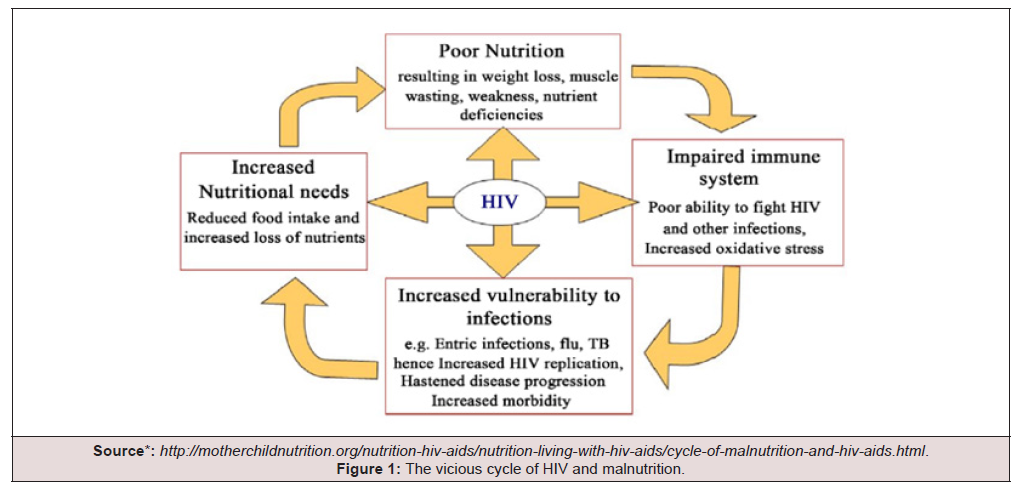
Source*: http://motherchildnutrition.org/nutrition-hiv-aids/nutrition-living-with-hiv-aids/cycle-of-malnutrition-and-hiv-aids.html.
Figure 1(Case 1):The vicious cycle of HIV and malnutrition.
Nutritional Status of Adult HIV Patients in Ethiopia
Studies in different parts of Ethiopia reported high Prevalence of malnutrition among people living with HIV enrolled on (ART). A study conducted among adults on antiretroviral therapy at Butajira Hospital in southern Ethiopia reported an overall Prevalence of malnutrition of 25.2% [19]. At the same time, the study conducted in the West showed that the Prevalence of malnutrition was 23.6% [20]. Studies from Dilla University and Wolaita Sodo University Hospitals reported rates of 12.3% and 26.6%, respectively [12,21]. From the western part of Ethiopia, studies conducted in Jimma [22] and Nekemte [23] health facilities reported the Prevalence of malnutrition among HIV-positive clients on ART as 34% and 27%, respectively. A study conducted in the northern part of the country, at Felege Hiwot Referral Hospital in Bahidar city [24], reported a prevalence of malnutrition of 25.5%. A study conducted among hospitalized patients in Amhara region referral hospitals [25] indicated a prevalence of 55.6%. Lastly, a study from the eastern part of the nation, specifically the east Hararge zone, reported a Prevalence of 30% [26]. These variations in the Prevalence of malnutrition among PLWHIV in the nation, ranging from 12.3% in Dilla [13] to 34% in Jimma [22] and 55.6% in Amhara region hospitals [25], indicate demographic variation. However, the high Prevalence in the latter may be because of the study population, i.e., hospitalized patients. This shows the need for contextualized data for interventional programs. According to one meta-analysis study, the pooled proportion of undernutrition among HIV-positive adults in Ethiopia was 26%. This study also indicated that the percentage of undernourishment among HIV-positive adults is slightly higher in the Northern and Central parts of Ethiopia (27.5%) as compared to the Southern parts of Ethiopia (25%) [27].
Factors Associated with Nutritional Status of PLWHIV
Evidence on malnutrition among PLHIV has shown that factors such as gender, employment, educational level, and income were closely related determinants of undernutrition. Additionally, gastrointestinal complications, opportunistic infections, duration of ART, food insecurity, poor dietary diversity, depression, and living conditions were reported to be risk factors for malnutrition among PLHIV.
Socio-Demographic Factors: A study conducted in 2016 on nutritional status and associated factors of human immunodeficiency virus-positive adults taking highly active antiretroviral treatment in Jimma Town, southwest Ethiopia, reported that being malnourished is higher among Females than male adults on ART; the study suggested there is a significant association between sex and level of malnutrition where being female was 0.3 times more likely to be malnourished than males [28]. Age, marital status, and occupational status were significantly associated with nutritional status, as reported in a study conducted on undernutrition and associated factors among adults attending highly active antiretroviral therapy in health facilities of Bench Maji Zone, southwest Ethiopia [29]. A cross-sectional study conducted on food insecurity, nutritional status, and factors associated with malnutrition among people living with HIV/AIDS attending antiretroviral therapy at public health facilities in West Shewa Zone, Central Ethiopia, also reported that unemployment was significantly associated with the nutritional status of the respondents [20]. An institutional-based cross-sectional study conducted in Dilla University Referral Hospital, Gedio zone, Southern Ethiopia, on Nutritional status and associated factors among adult HIV/AIDS patients receiving ART indicated that the wealth status of study participants had a direct relationship with undernutrition [30]. This is in line with a study from Tigray, northern Ethiopia, which also stated that those people living with HIV enrolled on ART in the 2nd quintile wealth status were 4.3 times more likely malnourished than those in the 5th quintile wealth status [31].
Diet-Related Factors: Having a problem eating difficulty is reported to negatively affect improvement in BMI indices from a study conducted on longitudinal episodes of undernutrition and its predictors among HIV-positive adults in public hospitals, Guraghe zone, Ethiopia [32]. Another survey from Bahirdar also reported the same scenario [24]. A case-control study from northern Ethiopia on the effect of nutritional factors on adherence to antiretroviral therapy among HIV-infected adults indicated that inability to get enough and quality food was associated with nonadherence to ART, which will, in turn, affect the nutritional status of the respondents [33]. On the other hand, dietary diversity was reported to be significantly associated with the nutritional status of the respondents in a study from Dilla University Referral Hospital conducted on nutritional status and associated factors among adult HIV/AIDS patients receiving ART [30]. Studies from various regions of Ethiopia have indicated that low meal frequency, limited dietary diversity, lack of dietary counseling, reliance on whole grains, and reduced intake of high-protein foods such as meat, eggs, and fish were significantly associated with the nutritional status of people living with HIV (PLHIV) [34,35]. A study conducted in the East Hararghe Zone, Oromia, found a significant association between receiving nutritional care and support and levels of undernutrition among HIV-positive adults on ART [26]. However, research from Nekemte [23] and Gondar Referral Hospital [36] reported no statistically significant link between nutritional care and support and undernutrition.
ART Drug-Related Factors: A study conducted at Nekemte Referral Hospital and Health Center in East Wollega Zone, Ethiopia [23], reported no significant association between the WHO clinical stage and the nutritional status of ART users. However, studies from Jimma [28], West Shewa [20], Nepal [17], Uganda [37], and Zimbabwe [12] found that patients in advanced stages of the WHO classification (Stages III and IV) were more likely to be malnourished. Similarly, a study from Dilla University Hospital in Ethiopia [13] found no significant association between CD4 count and undernutrition. This contrasts with findings from Hararghe [26], Jimma [14], and Senegal [38], which indicated that patients with a CD4 count below 350cells/mm³ were more likely to be undernourished. Duration of ART and treatment non-adherence have also been linked to nutritional outcomes. Studies from Goba Hospital [39], West Shewa [20], and Arba Minch [40] reported that longer Antiretroviral Therapy (ART) duration and better adherence were associated with improved nutritional status. This may be due to enhanced immunity and reduced occurrence of opportunistic infections such as diarrhea and vomiting, which result in improved appetite and dietary intake [19]. Opportunistic infections were significantly associated with malnutrition in studies from Nekemte [23] and Guraghe [32]. Conditions such as oral ulcers, candidiasis (both oral and esophageal), lymphomas, and diarrheal diseases can reduce food intake, leading to poor nutritional outcomes. These infections can lower BMI, weaken immunity, increase susceptibility to infections, and elevate the risk of mortality.
Psychosocial and Behavioral Factors: Khat chewing was significantly associated with undernutrition among HIV-positive patients in hospitals of East Hararghe Zone [26]. While most Ethiopian studies found no such association, a study from Arba Minch [41] reported a significant link between current substance use and undernutrition in patients on first-line ART. Depression was also found to be a significant factor. Two case-control studies from Northern Ethiopia [31] and Goba Hospital [as noted above] demonstrated an association between depression and undernutrition. This aligns with a survey from the Democratic Republic of Congo [42], which found a positive correlation between depression and loss of appetite. Although limited studies have highlighted the negative impacts of alcohol use and cigarette smoking on the nutritional status of PLHIV in Ethiopia, the role of psychosocial factors in undernutrition remains an area that requires further exploration. In summary, the prevalence and associated factors of undernutrition among HIV patients vary across regions in Ethiopia. This highlights the need for localized data to inform context-specific interventions and decision-making at all levels of governance.
Conceptual Framework of the Study
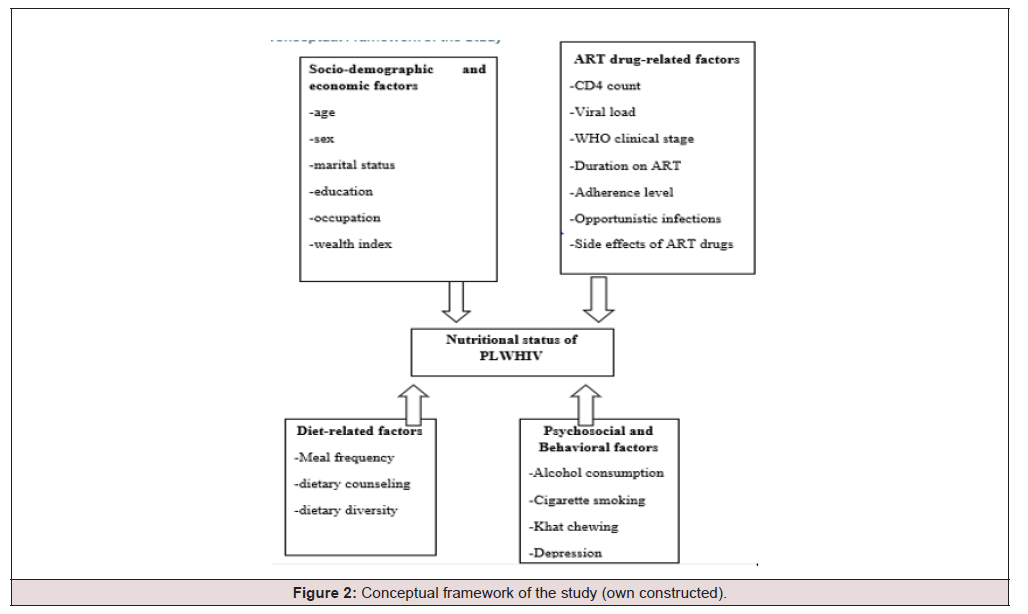
Figure 2:Conceptual framework of the study (own constructed).
Objectives of the Study
General Objective
To assess the Prevalence and identify the determinants of undernutrition among HIV-positive adults receiving antiretroviral therapy in public health facilities of Addis Ababa, Ethiopia, in 2024.
Specific Objectives
a. To determine the Prevalence of undernutrition among HIVpositive
adults on ART in public health facilities of Addis Ababa.
b. To assess the socio-demographic factors (such as age, sex,
educational status, marital status, and family size) associated
with undernutrition among HIV-positive adults.
c. To identify clinical and treatment-related factors (such as
ART adherence, duration of ART, CD4 count, and presence of
opportunistic infections) associated with undernutrition.
d. To explore behavioral and dietary factors (such as meal
frequency, dietary diversity, and substance use) that may
contribute to undernutrition in this population.
Methods and Materials
This study was conducted in Addis Ababa, the capital of Ethiopia, which serves as both the country’s political and economic center. The city is administratively organized into 11 sub-cities and 116 woredas. According to the City Government of Addis Ababa (2019), the town’s population stands at 3,686,068. In terms of healthcare services, the Addis Ababa City Administration Health Bureau oversees six government hospitals and 98 health centers. There are 74 ART sites within the city providing care to people living with HIV/AIDS, with a total of 107,026 individuals affected by HIV. The study was conducted from July 27, 2024, to September 3, 2024.
Study Design
A facility-based cross-sectional study was conducted in public health facilities across three sub-cities. These facilities are selected by lottery method.
Source Population
The source population was all adult HIV-positive clients who are being served at ART clinics in public health facilities of Addis Ababa.
Study population: Selected adult ART clients in the selected health facilities who are available during the study period.
Study unit: Adult HIV patients were the study units.
Eligibility Criteria
Inclusion criteria: HIV-positive adults (>=18 years old) are at least 6 months on ART.
Exclusion criteria:
a. Patients on ART who are severely ill and unable to communicate
b. Patients on ART who are pregnant and lactating (less than 6
months postpartum)
Sample Size Determination
The sample size for the first objective was calculated using the formula for estimating a single proportion. P=proportion of undernourished HIV-positive clients on ART taken as 23.6% [20]. With the assumption of d=margin of error=5%, and Z=value of standard normal distribution (Z=statistic) at 95% confidence level (Z=1.96). After adding a 10% nonresponse rate, the sample size will be 305.
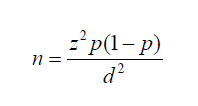
n= (1.962)2* 0.236* 0.764/ 0.0025
n=277
n+10% non-response rate=305
For the second objective, various factors, including duration of ART, opportunistic infections, and employment status, were used to determine the sample size. After calculating the sample size for both objectives, the largest one is found to be 402; therefore, for this study, the final sample size required will be 603 after multiplying it with a design effect of one and a half (1.5) (Table 1).

Table 1:Sample size calculation for the second objective summary [13,26,34].
Sampling Technique
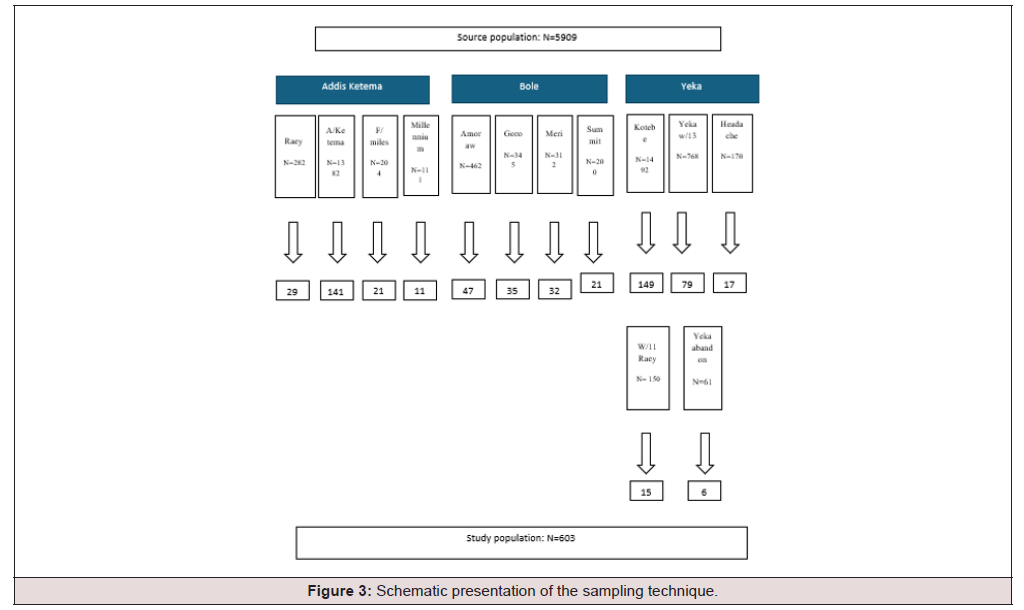
Figure 3:Schematic presentation of the sampling technique.
Out of the eleven sub-cities in Addis Ababa, three-Addis Ketema, Bole, and Yeka-were selected through a lottery method. Subsequently, 30% of the public health facilities within each of these sub-cities were randomly chosen using the same lottery technique. As a result, the selected facilities included four from Addis Ketema (Addis Raey, Addis Ketema, Felege Meles, and Millennium health centers), four from Bole (Amoraw Memorial, Goro, Meri, and Summit health centers), and five from Yeka (Kotebe, Woreda 13, Hedase, Woreda 11 Raey, and Yeka Abado health centers). The total sample size was then proportionally distributed among these health centers. Study participants were chosen using a systematic random sampling approach, beginning with a continuous list of clients registered from the first day of data collection. The initial participant was picked at random from the first day’s registrations using a lottery, followed by selecting every third individual on the list. Each participant was included only once-during their first visitand repeat visits were excluded by recording registration numbers (Figure 3).
Data Collection Tools
Data will be collected using a pretest, interviewer-administered questionnaire, along with checklists designed to extract relevant information from the ART registry and individual patient records.
Study Variables
Dependent Variable: under nutrition
Independent Variables: The independent variables in this study include:
a) Socio-Demographic Factors: age, sex, educational status,
occupation, marital status, and wealth index.
b) Dietary-Related Factors: meal frequency, receipt of food
support, access to dietary counseling, eating difficulties, and
Individual Dietary Diversity Score (IDDS).
c) ART-Related Factors: CD4 count, viral load, WHO clinical
stage, adherence to Antiretroviral Therapy (ART), presence of
opportunistic infections, side effects of ART medications, and
duration of ART treatment.
d) Behavioral Factors: smoking, alcohol consumption, and khat
chewing.
e) Psychological Factors: presence of depression.
Data Collection Procedures
Data were collected using a structured questionnaire adapted from various literature sources, along with direct measurements of participants’ weight and height during the data collection period. Additionally, medical records were reviewed to obtain information on WHO clinical staging, CD4 count, the presence of opportunistic infections, and other relevant clinical data. The questionnaire covered socio-demographic and economic characteristics, HIV and nutritional history, medical and psychological conditions, as well as dietary habits. The questionnaire was initially prepared in English and then translated into Amharic, followed by a backtranslation into English to ensure consistency. The Amharic version was used for data collection. The data collection instruments were pretested at ART sites in other health facilities within Addis Ababa. A total of ten data collectors, comprising nurses and/or health officers, were selected and trained for the data collection process. Dietary diversity was assessed using the standardized Individual Dietary Diversity Score (IDDS) tool, applying the 24- hour food recall method. The tool includes 16 food items, which were grouped into nine aggregated food categories. Depression was evaluated using the validated Patient Health Questionnaire-9 (PHQ-9). Participants with a total score below five were classified as not having depression, while those scoring five or above were considered to have depression. ART adherence was assessed using the Morisky Medication Adherence Scale (MMAS-8), consisting of 8 questions. Participants scoring eight were categorized as having good adherence, scores of 6-7 as fair adherence, and scores below six as poor adherence. Please let me know if you’d like a summary table of assessment tools or a visual representation of the scoring criteria for the PHQ-9 and MMAS-8.
Data Quality Management
The questionnaires were initially prepared in English, then translated into Amharic, and subsequently back-translated into English to ensure consistency. The Amharic version was used during the data collection process. The tools, including the data collection forms and questionnaires, were pretested at ART sites located in different sub-cities of Addis Ababa. Data collectors received two days of training focused on the study objectives, fundamental data collection techniques, and proper methods for taking anthropometric measurements. Before the actual data collection, the instruments were pretested. Daily supervision was conducted to ensure completeness and consistency of the collected data. For anthropometric measurements, height was measured using a stadiometer. Participants were asked to remove their shoes, stand upright, and look straight ahead, ensuring that their heels, buttocks, and shoulder blades were in contact with the measuring board. Height was recorded to the nearest 0.1cm. Weight was measured using a beam balance, which was calibrated to zero before each measurement. Participants were asked to remove heavy clothing, and weight was recorded to the nearest 0.1kg.
Data Analysis
All data were checked for completeness and consistency, coded, and entered into EpiData version 3.1, and subsequently analyzed using SPSS version 24. Descriptive and summary statistics were employed to organize and present the data. Bivariate analysis was initially conducted to explore associations between the dependent variable (undernutrition) and each independent variable. Variables with a p-value less than 0.25 in the bivariate analysis were then included in a multivariate logistic regression model to adjust for potential confounders. Variables that showed a statistically significant association were identified based on Adjusted Odds Ratios (AOR) with 95% Confidence Intervals (CI), using a significance level of p<0.05.
Ethical Consideration
Ethical clearance was obtained from the College Ethical Committee, and approval was also secured from the Addis Ababa City Administration Health Bureau. Informed consent was obtained from all participating health facilities. The study’s purpose and significance were explained to all participants, and verbal informed consent was obtained before conducting interviews or collecting anthropometric measurements. Participants were also informed of their right to withdraw from the study at any point during data collection. Confidentiality was strictly maintained by assigning code numbers to participants instead of using names, and all collected data were stored securely in locked files. Additionally, participants identified as malnourished received appropriate nutritional counseling and support through the comprehensive chronic care clinic.
Results
Socio-Demographic and Economic Characteristics of Study Participants
Out of the 603 individuals approached, 555 consented to participate in the study, resulting in a response rate of 92%. The majority of participants were female, accounting for 320 (57.7%) of the sample. The mean age of respondents was 39.7years, with a standard deviation of 7.09. A total of 265 participants (47.7%) were employed in the private sector. In terms of economic status, 376 respondents (67.8%) fell within the middle and upper quintiles of the wealth index (Table 2).
Diet-Related Characteristics of HIV-Positive Adults
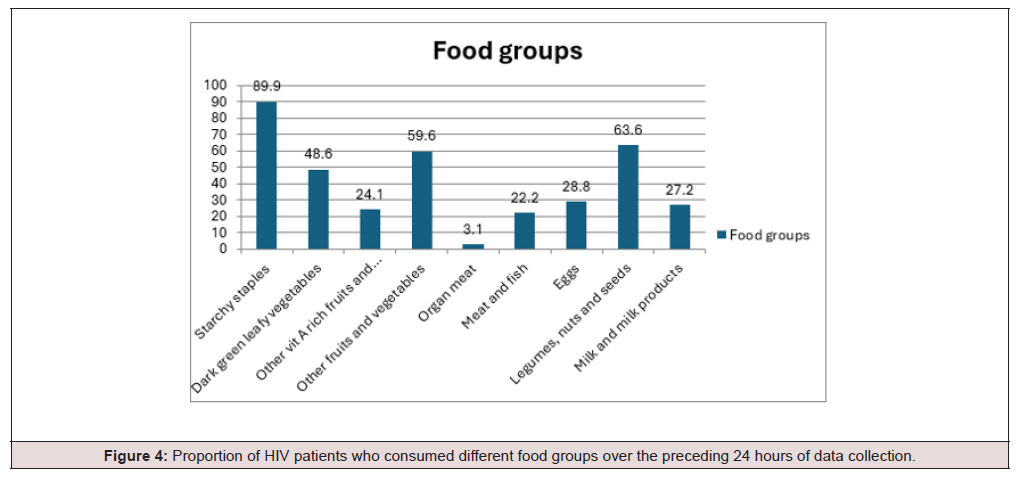
Figure 4:Proportion of HIV patients who consumed different food groups over the preceding 24 hours of data collection.
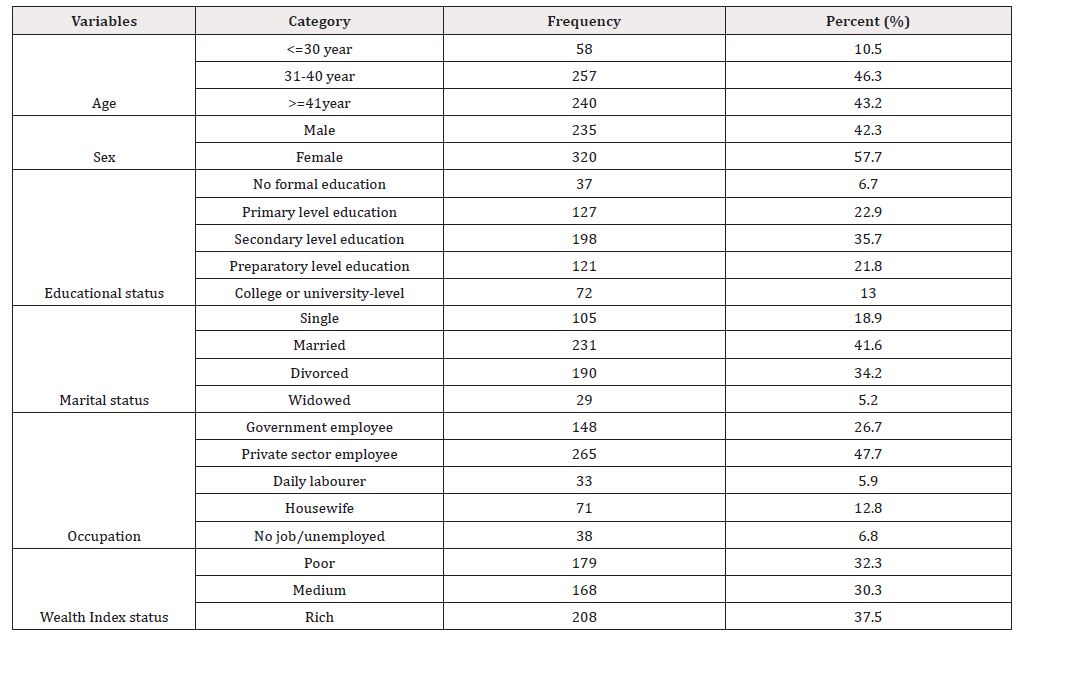
Table 2:Socio-demographic and economic characteristics of HIV-positive adults in Addis Ababa, Ethiopia, 2024.
The majority of respondents, 327(58.9%), reported consuming three or more meals (including snacks) in the 24hours preceding the survey. Only 63 participants (11.4%) had received food support within the past three months, and 77(13.5%) reported experiencing eating difficulties in the past six months. Additionally, 200 participants (36%) stated they had not received dietary counseling at their health facility. A significant proportion, 371(66.8%), had low nutritional diversity. Among the nine food groups assessed, the most commonly consumed were starchy staples (89.9%), followed by legumes, nuts, and seeds (63.6%), and other fruits and vegetables (59.6%), as illustrated in Figure 2 (Table 3) (Figure 4).
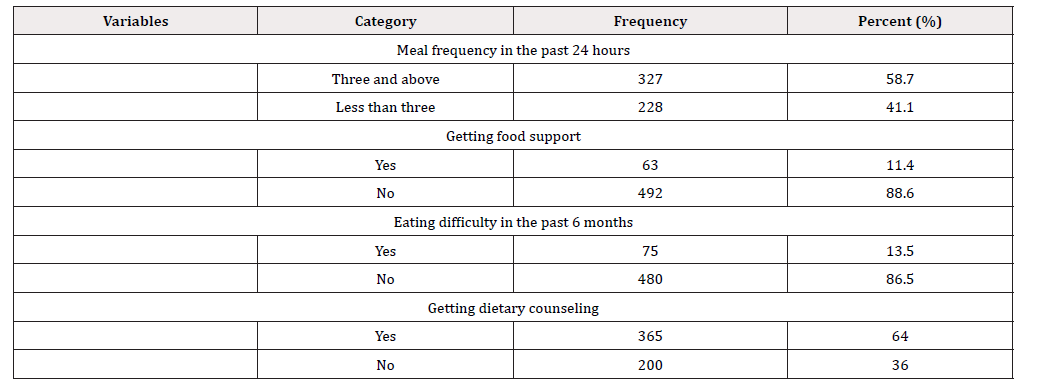
Table 3:Diet-related characteristics of HIV-positive adults in Addis Ababa, Ethiopia, 2024.
Antiretroviral Treatment and Follow-Up Related Characteristics of Study Participants
More than two-thirds (380, 68.5%) of the respondents have a CD4 count of more than 500cells/mm3. The majority, 483(87%) of respondents, were following ART for at least one year, and 396(71.4%) of the participants have good ART drug adherence (Table 4).
Psychosocial and Behavioral Characteristics Of HIVPositive Adults in Addis Ababa, Ethiopia 2024
Patient Health Questionary-9 (PHQ-9) was employed to assess if the respondents were depressed or not, and 107(19.3%) of them were depressed. While 53(9.5%) of the respondents were currently drinking alcohol, forty-eight (8.6%) of the participants were also smoking cigarettes.
Factors Associated with Undernutrition Among HIVPositive Adults in Addis Ababa, Ethiopia 2024
This study indicated that 108(19.5) [95%, CI (16.2%-22.7%)] of the respondents were undernourished, of which 92(16.6%) [95%, CI (13.7%-19.8)] of them had mildly undernourished, 7(1.3%) [95%, CI (0.5%-2.3%)] of them had moderately undernourished, 9(1.6%) [95%, CI (0.7%-2.7%)] had severe undernourished. The bivariate analysis was conducted to examine the association between the dependent variable and each of the independent variables separately. The unadjusted odds ratios and 95% confidence intervals for each independent variable were obtained. Those variables found to have an association with the dependent variable on the bivariate analysis were socio-demographic and economic characteristics: age, educational status, occupation and wealth index of HIV-positive adults. On the other hand, among diet-related factors, meal frequency, including the consumption of snacks, receiving food support, experiencing eating difficulties, and dietary diversity score, were found to have significant associations with the dependent variable. Besides, among other factors, recent viral load count, current alcohol drinking and depression were found to have significant associations with dependent variables at the bivariate level. In the multivariate analysis, only six of the aforementioned independent variables were found to have a significant association with undernutrition (the dependent variable). Age, meal frequency of less than three times a day, eating difficulty, current alcohol consumption, low dietary diversity score, and wealth status had statistically significant associations with undernutrition. Accordingly, participants who had less than three frequencies of meal serving (including snacks) on the day preceding data collection time are 2.2 times more likely to be undernourished than those who had three and above frequencies of meal serving including snacks [AOR=2.268(1.292-3.98)]. Patients who experienced eating difficulty in the past six months are three times more likely to be undernourished than those who did not experience eating difficulty in the past six months [AOR=3.063(1.546-6.07)]. Participants who are under the age of thirty are nine and half times less likely to be undernourished when compared to participants who are more than the age of forty [AOR=0.105(0.028-.396)]. Patients who are currently drinking alcohol are 2.5 times more likely to be undernourished than patients who are not drinking currently [AOR=2.527(1.072-5.95]. Patients with low dietary diversity scores were two times more likely to be undernourished when compared to those with high nutritional diversity scores [AOR=2.039(1.01- 4.099)]. Patients in the medium wealth index are 2.5 times more likely to be undernourished when compared to those who are in the higher (richest) wealth index [AOR=2.515(1.18-5.337)] (Table 5).
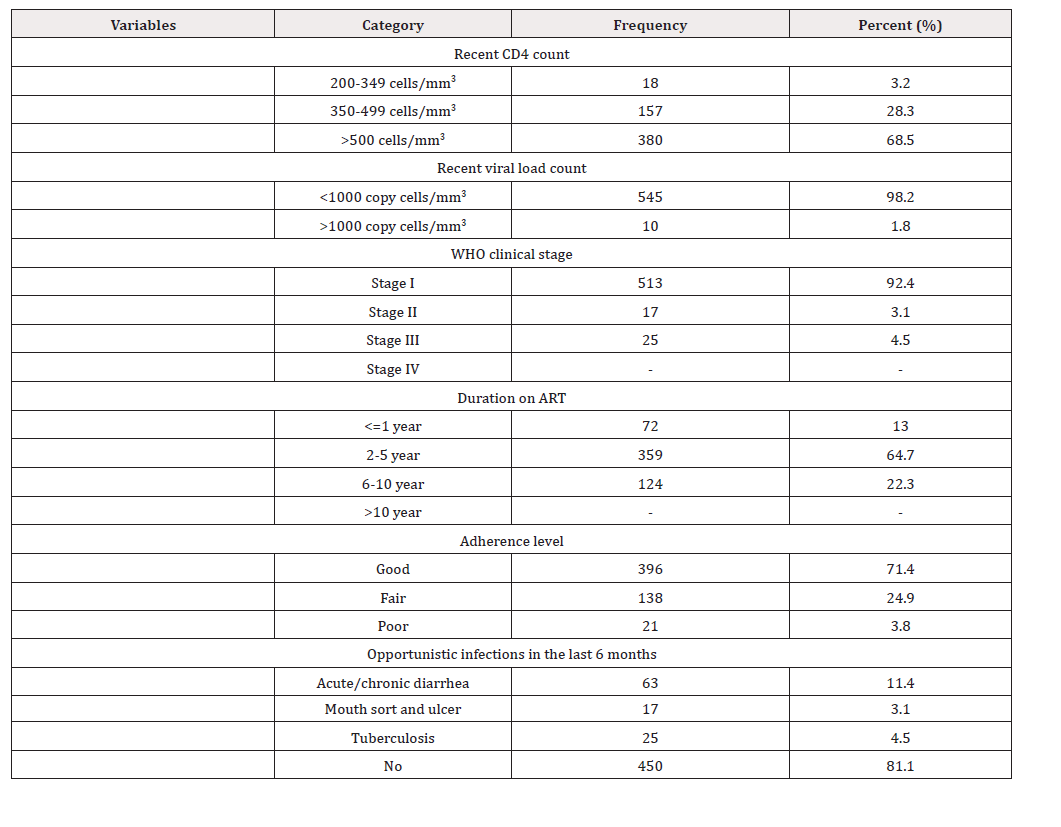
Table 4:Antiretroviral treatment and follow-up characteristics of HIV-positive adults in Addis Ababa, Ethiopia, 2024.
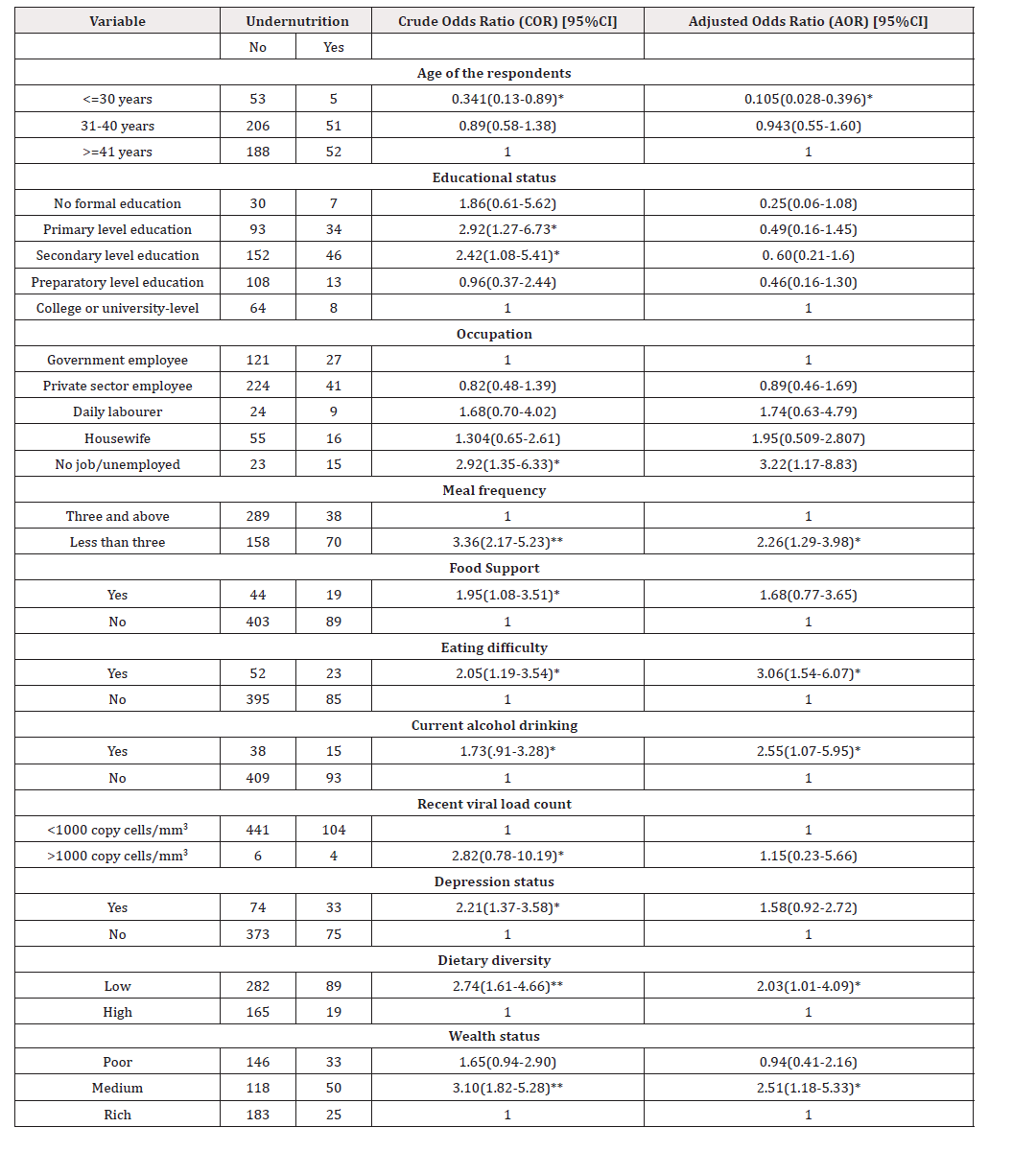
Table 5:Factors associated with undernutrition among HIV-positive clients attending ART clinics at public health facilities in Addis Ababa, Ethiopia, 2024.
Note*: *=P value less than 0.05, ** = p-value less than 0.001.
Discussion
The primary aim of this study was to assess the Prevalence of undernutrition and its associated factors among HIV-positive adults receiving Antiretroviral Therapy (ART) in public health facilities in Addis Ababa, Ethiopia. The overall Prevalence of undernutrition among study participants was 19.5%, which is consistent with findings from studies conducted in Asella, Ethiopia (18.3%) [34], Arba Minch, Southern Ethiopia (18.2%) [40], Temeke, Tanzania (19.4%) [11], and Kathmandu Valley, Nepal (19.93%) [17]. However, the Prevalence observed in this study was lower than that reported in East Hararghe Zone (30%) [26] and Jimma (30%) [22]. These differences may stem from variations in the timing of data collection, with more recent studies reflecting improved awareness due to increased access to information. Socioeconomic and cultural differences among study populations may also contribute to these discrepancies. This study identified several factors significantly associated with undernutrition. A meal frequency of fewer than three meals per day was linked considerably to undernutrition, aligning with findings from the Siltie Zone [43] and Jimma [35]. The higher nutritional demands of individuals living with HIV, due to altered metabolism, likely necessitate more frequent meals. Eating difficulties were also strongly associated with undernutrition, which concurs with a study conducted in Bahir Dar [24]. These difficulties can hinder food intake, reducing the effectiveness of ART. This finding highlights the importance of healthcare providers addressing feeding challenges during routine clinical care. Age was another critical factor. Participants under the age of 30 were less likely to be undernourished compared to those aged 41 and above, a pattern also observed in a study from Brazil [16]. This may reflect greater health awareness among younger individuals and their increased access to health information, whereas older individuals may face psychological and lifestyle challenges that compromise their nutrition. Alcohol consumption was significantly associated with undernutrition, in line with studies from Tigray [31] and Goba, Southwest Ethiopia [39]. Alcohol use may interfere with nutrient metabolism, appetite, and ART adherence, thereby worsening nutritional outcomes. This underscores the need for targeted counseling on substance use during ART follow-up visits. Additionally, participants in the middle wealth tertile were more likely to be undernourished compared to those in the highest wealth category. This finding is consistent with those from Tigray [31] and Dilla [13], which may reflect limited access to and quality of food among lower-income individuals. Low dietary diversity was another significant factor, with patients reporting low dietary diversity being twice as likely to be undernourished compared to those with high diversity. This aligns with findings from Arba Minch [40] and the Amhara Region [25], emphasizing the role of a varied diet in maintaining adequate nutritional status [44-47].
Strengths of the Study
One of the main strengths of this study is its multicenter design, which included over ten public health facilities, enhancing the representativeness and generalizability of the findings.
Limitations of the Study
This study employed a cross-sectional design, which restricts the ability to infer causal relationships between associated factors and undernutrition. Additionally, reliance solely on BMI as an anthropometric indicator, without including other measures such as hip circumference, may limit the precision in identifying malnutrition.
Conclusion and Recommendation
Conclusion
The study found that undernutrition remains a significant public health concern among HIV-positive adults undergoing Antiretroviral Therapy (ART) in Addis Ababa, with a prevalence of 19.5%. Several socio-demographic and behavioral factors were found to be significantly associated with an increased risk of undernutrition. These included advanced age, consuming fewer than three meals daily, experiencing eating difficulties possibly due to illness or medication side effects, and the use of alcohol, which can interfere with nutrient absorption and appetite. Additionally, individuals classified within the medium wealth category were more likely to be undernourished compared to those in higher economic groups, suggesting economic vulnerability plays a role. A low dietary diversity score also emerged as a strong predictor, highlighting the importance of access to a variety of nutritious foods in maintaining adequate nutritional status among people living with HIV. These findings underscore the need for integrated nutritional support as part of HIV care and treatment programs.
Recommendations
For Healthcare Providers: This study underscores the increased risk of undernutrition among patients who face challenges such as eating difficulties, alcohol consumption, or limited dietary diversity. Alarmingly, almost one-third of participants reported not receiving adequate dietary counseling. To address this, healthcare providers should prioritize enhanced follow-up care during ART clinic visits. This could involve allocating more time to thoroughly assess patients’ nutritional habits and offering tailored support. Strengthening and improving the effectiveness of nutritional counseling will be crucial in ensuring that patients receive the guidance they need to maintain better nutritional health while on ART.
Acknowledgements
None.
Conflicts of Interest
None.
References
- (2020) World Health Organization. HIV/AIDS.
- (2007) Guidelines for Implementation of the Antiretroviral Therapy Programme in Ethiopia. Federal Ministry of Health.
- (2020) Reported number of people receiving antiretroviral therapy. World Health Organization.
- Candiani TMS, Pinto J, Cardoso CAA, Carvalho IR, Dias ACM, Carneiro M, et al. (2007) Impact of highly active antiretroviral therapy (HAART) on the incidence of opportunistic infections, hospitalizations and mortality among children and adolescents living with HIV/AIDS in Belo Horizonte, Minas Gerais State, Brazil. Cad Saude Publica 23(3): 414-423.
- Hadgu TH, Worku W, Tetemke D, Berhe H (2013) Undernutrition among HIV positive women in Humera hospital, Tigray, Ethiopia, 2013: Antiretroviral therapy alone is not enough, cross-sectional study. BMC Public Health 13(1): 943.
- Weiser SD, Bangsberg DR, Kegeles S, Ragland K, Kushel MB, Frongillo EA, et al. (2009) Food insecurity among homeless and marginally housed individuals living with HIV/AIDS in San Francisco. AIDS Behav 13(5): 841-848.
- (2017) HIV/AIDS, Under-nutrition and Food Insecurity. World Hunger Education Service. World Hunger News.
- (2018) World Health Organization. Malnutrition fact sheet. WHO Geneva.
- (2019) Global Hiv Statistics. Ending the AIDS epidemic. UNAIDS.
- Colecraft E (2008) HIV/AIDS: Nutritional implications and impact on human development. Proc Nutr Soc 67(1): 109-113.
- Kabalimu TK, Sungwa E, Lwabukuna WC (2018) Malnutrition and associated factors among adults starting antiretroviral therapy at Pasadena Hospital in Temeke District, Tanzania. Tanzan J Health Res 20(2).
- Takarinda KC, Mutasa-Apollo T, Madzima B, Nkomo B, Chigumira A, Banda M, et al. (2017) Malnutrition status and associated factors among HIV-positive patients enrolled in ART clinics in Zimbabwe. BMC Nutr 3(1): 1-11.
- Hailemariam S, Bune GT, Ayele HT (2013) Malnutrition: Prevalence and its associated factors in People living with HIV/AIDS, in Dilla University Referral Hospital. Arch Public Heal 71(1): 13.
- Mulu H, Hamza L, Alemseged F (2016) Prevalence of Malnutrition and Associated Factors among Hospitalized Patients with Acquired Immunodeficiency Syndrome in Jimma University Specialized Hospital, Ethiopia. Ethiop J Health Sci 26(3): 217-226.
- Tolasa B, Demissie DB, Tesfaye T, Tefera Belachew P (2015) Food Insecurity and Associated Factors among People Living with HIV Attending ART Clinic in Fitche Zonal Hospital, Ethiopia. Pap An Int Peer-reviewed J 8.
- Andrade CS, Jesus RP, Andrade TB, Oliveira NS, Nabity SA, et al. (2012) Prevalence and Characteristics Associated with Malnutrition at Hospitalization among Patients with Acquired Immunodeficiency Syndrome in Brazil. PLoS One 7(11): e48717.
- Thapa R, Amatya A, Pahari DP, Bam K, Newman MS (2012) Nutritional status and its association with quality of life among people living with HIV attending public antiretroviral therapy sites of Kathmandu Valley, Nepal. AIDS Res Ther 12: 14.
- Duggal S, Chugh T Das, Duggal AK (2012) HIV and Malnutrition: Effects on the Immune System. Clin Dev Immunol 2012: 784740.
- Gedle D, Gelaw B, Muluye D, Mesele M (2015) Prevalence of malnutrition and its associated factors among adult people living with HIV/AIDS receiving antiretroviral therapy at Butajira Hospital, southern Ethiopia. BMC Nutr 30: 1(1).
- Gebremichael DY, Hadush KT, Kebede EM, Zegeye RT (2018) Food insecurity, nutritional status, and factors associated with malnutrition among people living with HIV/AIDS attending antiretroviral therapy at public health facilities in West Shewa Zone, Central Ethiopia. Biomed Res Int.
- Lula A, Tsegaye D, Yoseph H (2017) Undernutrition and associated factors among adults on highly active antiretroviral therapy in Wolaita Sodo Teaching and Referral Hospital, Southern Nations, Nationalities, and Peoples Region, Ethiopia. Int J Nutr Metab 9(2): 10-9.
- Daka DW, Ergiba MS (2020) Prevalence of malnutrition and associated factors among adult patients on antiretroviral therapy follow-up care in Jimma Medical Center, Southwest Ethiopia. PLoS One 15(3): 1-15.
- Alemayehu Kenea M (2015) Assessment of Adult Nutritional Status and Associated Factors Among ART Users in Nekemte Referral Hospital and Health Center, East Wollega Zone, Ethiopia. J Food Nutr Sci 3(2): 55.
- Daniel M (2013) Nutritional Status and Associated Factors Among Adult HIV/AIDS Clients in Felege Hiwot Referral Hospital, Bahir Dar, Ethiopia. Sci J Public Heal 1(1): 24-31.
- Tesfaye E, Hailu M, Haile A (2015) Prevalence and associated factors of malnutrition among adult hospitalized patients at Amhara National Regional State Referral Hospitals, Ethiopia. Integr Obes Diabetes 1(3).
- Dedha M, Damena M, Egata G, Negesa L (2017) Undernutrition and associated factors among adults human immunodeficiency virus-positive on antiretroviral therapy in hospitals, East Hararge Zone, Oromia, Ethiopia: A cross-sectional study. Int J Health Sci (Qassim) 11(5): 35-42.
- Alebel A, Kibret GD, Petrucka P, Tesema C, Moges NA, Wagnew F, et al. (2020) Undernutrition among Ethiopian adults living with HIV: A meta-analysis. BMC Nutr 6(1): 1-11.
- Sinaga M, Belay S (2019) Nutritional status and associated factors of immunodeficiency virus-positive Adults taking highly active antiretroviral treatment in Jimma town southwest Ethiopia. Int J Community Res 8(4): 103-116.
- Mekonnen T, Abera T (2018) Undernutrition and Associated Factors among Adult Individuals Receiving Highly Active Antiretroviral Therapy in Health Facilities of Bench Maji, South West Ethiopia.
- Birhane M, Loha E, Reta F (2020) Nutritional Status and Associated Factors Among Adult HIV/AIDS Patients Receiving ART in Dilla University Referral Hospital, Dilla, Southern Ethiopia. J Med Physiol Biophys.
- Weldehaweria NB, Abreha EH, Weldu MG, Misgina KH (2017) Psychosocial correlates of nutritional status among people living with HIV on antiretroviral therapy: A matched case-control study in Central zone of Tigray, Northern Ethiopia. PLoS One 12(3): 1-15.
- Abdu AO, Mekonnen BA (2021) Episodes of undernutrition and its predictors among clients on antiretroviral treatment in southwest Ethiopia: A record review. HIV/AIDS-Res Palliat Care 13: 61-71.
- Berhe N, Tegabu D, Alemayehu M (2013) Effect of nutritional factors on adherence to antiretroviral therapy among HIV-infected adults: A case-control study in Northern Ethiopia. BMC Infect Dis 13(1): 1.
- Teklu T, Chauhan NM, Lemessa F, Teshome G (2020) Assessment of Prevalence of Malnutrition and Its Associated Factors among AIDS Patients from Asella, Oromia, Ethiopia. Biomed Res Int.
- Tekelehaimanot AN, Lemma TB, Gudina EK, Getnet M, Amdisa D, et al. (2020) Predictors of Under Nutrition and Its Implication toward HIV Continuum Care among Adult People Living with HIV in Jimma Zone Public Hospitals, Southwest Ethiopia: A Mixed Method Study. J Int Assoc Provid AIDS Care 19: 1-9.
- Megabiaw B, Wassie B (2012) Malnutrition among HIV-Positive Children at two Referral Hospitals in Northwest Ethiopia. Ethiop J Heal Biomed Sci 5(1): 3-10.
- Rawat R, Kadiyala S, Mcnamara PE (2010) The impact of food assistance on weight gain and disease progression among HIV-infected individuals accessing AIDS care and treatment services in Uganda. BMC Public Health 10(316).
- Benzekri NA, Sambou J, Diaw B, Sall EHI, Sall F, Niang A, et al. (2015) High Prevalence of severe food insecurity and malnutrition among HIV-infected adults in Senegal, West Africa. PLoS One 10(11): 1-17.
- Kabeta T, Hasen M, Ahmed J, Kabeta S (2020) Determinants of Undernutrition Among Adult People on Antiretroviral Therapy in Goba Hospital, Southeast Ethiopia: A Case-Control Study. Nutr Diet Suppl 12: 223-236.
- Zemede Z, Tariku B, Kote M, Estifanos W (2019) Undernutrition and associated factors among HIV-positive adult patients enrolled in antiretroviral therapy (ART) clinics in the Arba Minch area, southern Ethiopia. HIV/AIDS-Res Palliat Care 11: 147-154.
- Oumer B, Boti N, Hussen S, Gultie T (2019) Prevalence of undernutrition and associated factors among adults receiving first-line antiretroviral treatment in public health facilities of Arba Minch Town, Southern Ethiopia. HIV/AIDS-Res Palliat Care 11: 313-320.
- Akilimali PZ (2016) Depressive Symptoms, Loss of Appetite and Under Nutrition among Treated HIV Patients: A Cross-Sectional Study in Goma, the Democratic Republic of Congo. J Nutr Heal Food Sci 4(2): 1-10.
- Saliya MS, Azale T, Alamirew A, Tesfaye DJ (2018) Assessment of nutritional status and its associated factors among individuals affected by human immunodeficiency virus on antiretroviral therapy: a cross-sectional study in Siltie Zone, South Ethiopia. Healthc Low-resource Settings 6(1).
- Semba RD, Darnton Hill I, De Pee S (2010) Addressing tuberculosis in the context of malnutrition and HIV coinfection. Food Nutr Bull 31(4): S345-364.
- Said HA, Tsega G, Tesfaye TD (2021) Dietary diversity and associated factors among HIV-positive adults attending the antiretroviral therapy clinic at Felege Hiwot Comprehensive Specialized Hospital, Northwest Ethiopia: A cross-sectional study. J Nutr Sci 10(18): 1.
- (2010) Guidelines for Measuring Household and Individual Dietary Diversity FAO. 1-60p.
- Kebede MA, Haidar J (2014) Factors influencing adherence to the food by prescription program among adult HIV positive patients in Addis Ababa, Ethiopia: A facility-based, cross-sectional study. Infect Dis Poverty 3(1): 1-10.




 We use cookies to ensure you get the best experience on our website.