
Review Article 
 Creative Commons, CC-BY
Therapeutic Potential of Medicinal Plants in Hypothyroidism and Hyperthyroidism: A Comprehensive Review
*Corresponding author:Payal Mahobiya, Department of Zoology, Dr. Harisingh Gour Vishwavidyalaya, Sagar (M.P.) India.
Received:June 23, 2025; Published:July 29, 2025
DOI: 10.34297/AJBSR.2025.27.003624
Abstract
Thyroid disorders, which mostly relate to hypothyroidism and hyperthyroidism, are common endocrine illnesses that significantly impact the world’s population. Numerous factors, like immunological dysfunction, environmental exposures, dietary habits, and nutrient imbalances, might contribute to illnesses. The usual course of treatment consists of suppression therapy or synthetic hormone replacement. Research into the potential of natural and plant-based medicines to modify thyroid function through anti- inflammatory, antioxidant, and hormone-regulating mechanisms has increased due to growing interest in these treatments. This review provides a comprehensive overview of the pathophysiology of thyroid disorders, considering the effects of dietary factors and environmental exposures on thyroid health. A comprehensive review of the medicinal plants used to treat thyroid disorders is provided, explaining how they modify the level of thyroid hormones, decrease thyroperoxidase activity, and regulate oxidative stress. Herbal remedies such as Withania somnifera, Nigella sativa, Moringa oleifera, and others are showing encouraging results in treating both hypothyroid and hyperthyroid diseases. According to the study, more clinical research is required to demonstrate effectiveness and provide a standardised dose that is safer to use for extended periods. A more thorough and customised approach to the treatment of thyroid disorders may result from combining these natural medicines with conventional therapies.
Keywords:Hypothyroidism, Hyperthyroidism, Thyroperoxidase, Antioxidant, Medicinal Plants
Introduction
Thyroid dysfunction can be directly associated with the elevated (hyperthyroidism) or decreased production of hormones by the thyroid gland. Thyroid disorders are common and tend to be more frequent with aging. Clinical thyroid illness affects 0.8% to 7.5% of the population, while subclinical thyroid disease impacts 5% to 9% of the population. Thyroid hormones, which serve two vital purposes, are the only known iodinated molecule with biological activity that contains iodine. They are one of the trigger factors that facilitate normal growth in humans and animals, especially in the CNS (Central Nervous System) [24,17]. The thyroid gland regulates the development, metabolism, homeostasis, and activities of the cell by releasing Thyroid Hormones (THs), mostly in the form of Thyroxine (T4) and the more active Triiodothyronine (T3). Mostly, T3 is formed through the deiodination of T4. THs exert their actions through binding to their respective receptors known as TRα and TRβ, which govern gene expression. The hypothalamus and pituitary glands are involved in the feedback loop that maintains the T3 and T4 levels. Both subclinical (abnormal TSH with normal T3/T4) and clinical (low TSH, T3, and T4) thyroid disorders are common and increase with age [11]. In contrast to clinical situations, subclinical illnesses frequently do not need therapy. Given the elevated risk of consequences, especially in older persons, early identification is essential [27].
Hypothyroidism
Hypothyroidism is the clinically most common thyroidal ailment, with an approximate 2% prevalence in adult females and 0.2% in adult males, with the elderly population being more affected [34,61]. Primary gland dysfunction is the hypothyroidism’s main cause, while pituitary and hypothalamic abnormalities are considered secondary. With sufficient iodine, Hashimoto’s thyroiditis is the primary causative factor; whereas iodine deficiency is the predominant culprit on a global scale [48]. Characteristic autoimmune features include lymphocyte tissue invasion and immune response mediating the destruction of active hormones. Many countries have effective policies to screen every newborn for Congenital Hypothyroidism (CH), a condition regarded as a major preventable cause of intellectual disability. In subclinical forms of the condition, FT4 is normal, but TSH is elevated [38]. Symptoms in older women, particularly those who have recently given birth, are vague and nonspecific. The most prevalent ones include menstruation irregularities, skin problems, sadness, exhaustion, and easy weight gain. Diagnosis is based on measuring antibodies and hormone levels. The treatment of choice is levothyroxine, while the most sensitive population is extrapolated by risk factors and age. Thyroid function tests done six weeks after initiating therapy evaluate TSH-dependent feedback [55].
Hyperthyroidism
Hyperthyroidism is the excessive concentration of the hormones released by the thyroid gland. It is essentially the increased function of the gland referring to an excess metabolic state due to the increased synthesis or secretion of hormones from the gland [6]. The prevalence of hyperthyroidism is 0.2%-0.5% in women, which is nearly 10 times higher in men. Grave’s disease, which causes antibodies to build against TSH receptors that activate the thyroid gland and enhance thyroid hormone synthesis, is the main cause of hyperthyroidism in iodine-rich areas [40]. One of the main causes of hyperthyroidism in regions with a high prevalence of iodine deficiency is the overproduction of thyroid hormone brought on by toxic adenoma and toxic goiter [44]. A mild form of hyperthyroidism is called subclinical hyperthyroidism. When the concentration of FT4 is within the reference range, it is linked to low TSH levels (below the reference range). TSH levels in the serum are used to diagnose hyperthyroidism [49]. The concurrent testing of T4 improves the accuracy of the diagnosis. To confirm a suspected diagnosis of T3 toxicity, free T3 levels can be useful. When antibodies against the TR are present, Graves’ disease might be diagnosed [25].
Natural Product
According to the World Health Organization (WHO), many in the population depend upon natural products, including natural medicines. [16] Natural materials, such as plants, marine life, animals, and fermentation products from microorganisms, have been utilized in traditional remedies for all recorded history. The extraction of active chemical components from ethnopharmacological plants has been made possible by the historical usage of natural products as therapeutic agents. This helps with the continuous process of developing new drugs [60,70]. Around the world, people frequently employ plants to manage and cure a variety of medical conditions. People use a variety of plant elements, including the leaves, bark, flowers, fruits, and stems [16]. On the other hand, venoms and biological oils are also utilized to treat a variety of illnesses. Among the medications derived from animal sources are insulin, heparin, adrenaline, thyroxin, musk, beeswax, enzymes, and antitoxins. An essential traditional technique for enhancing the effectiveness or minimizing side effects of herbal medications is fermentation. It has been demonstrated that the fermentation process enhances the biological characteristics of herbs, vegetables, and plants. More precisely, fermentation breaks down and bio-transforms complicated substrates into suitable parts, which modifies the quantity of some bioactive chemicals or the qualities of the final product [31].
Plants and Thyroid Disorder
The biological system is impacted by a variety of secondary metabolites found in plants, including phenols, phenolic acids, flavonoids, alkaloids, tannins, quinones, coumarins, saponins, terpenoids, triterpenoids, glycosides, and organic acids. The data from many experiments have shown that many flavonoids could inhibit thyroperoxidase activity, lowering the level of thyroid hormone, thus increasing TSH levels, causing goiter. Additionally, flavonoids impact the availability to necessary target tissues by blocking deiodinase activity, which interferes with numerous aspects of thyroid hormone production and availability [73] (Tables 1-3).
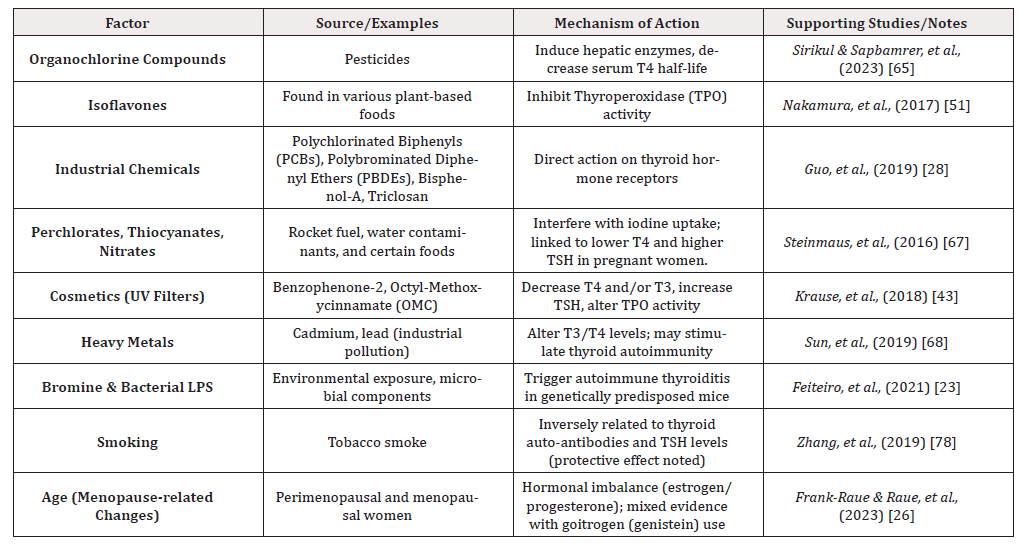
Table 1:Environmental Factors Affecting Thyroid Function and Autoimmune Thyroiditis.
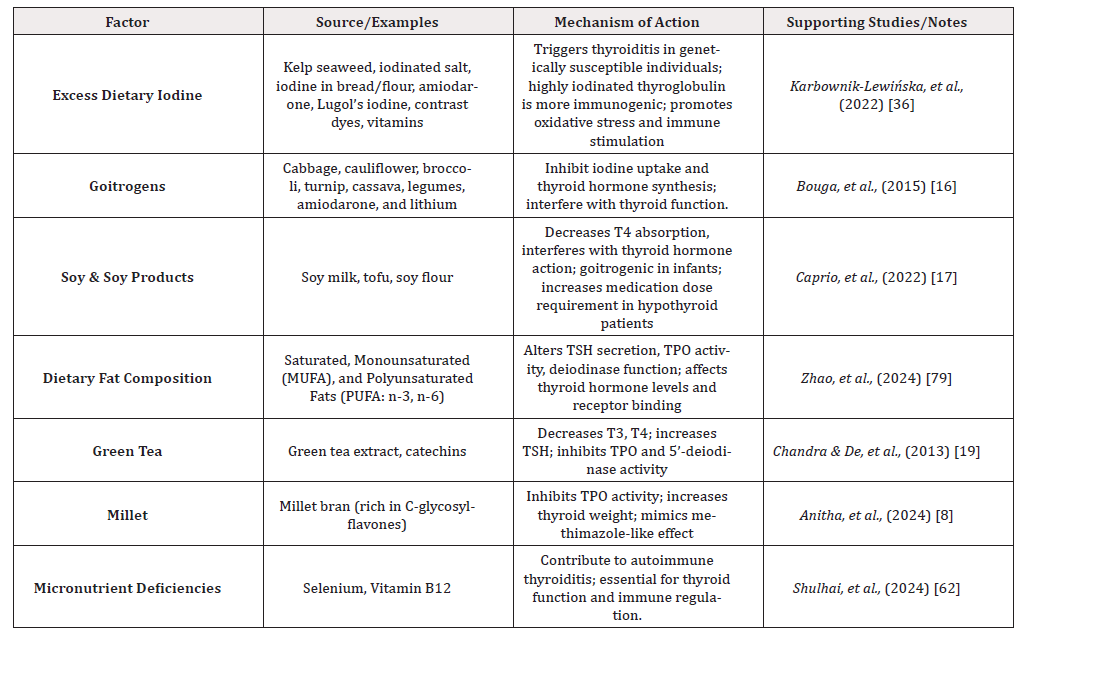
Table 2:Various dietary components and environmental exposures that influence thyroid function through mechanisms such as hormone synthesis inhibition, immune modulation, and enzyme interference, particularly in genetically susceptible individuals.
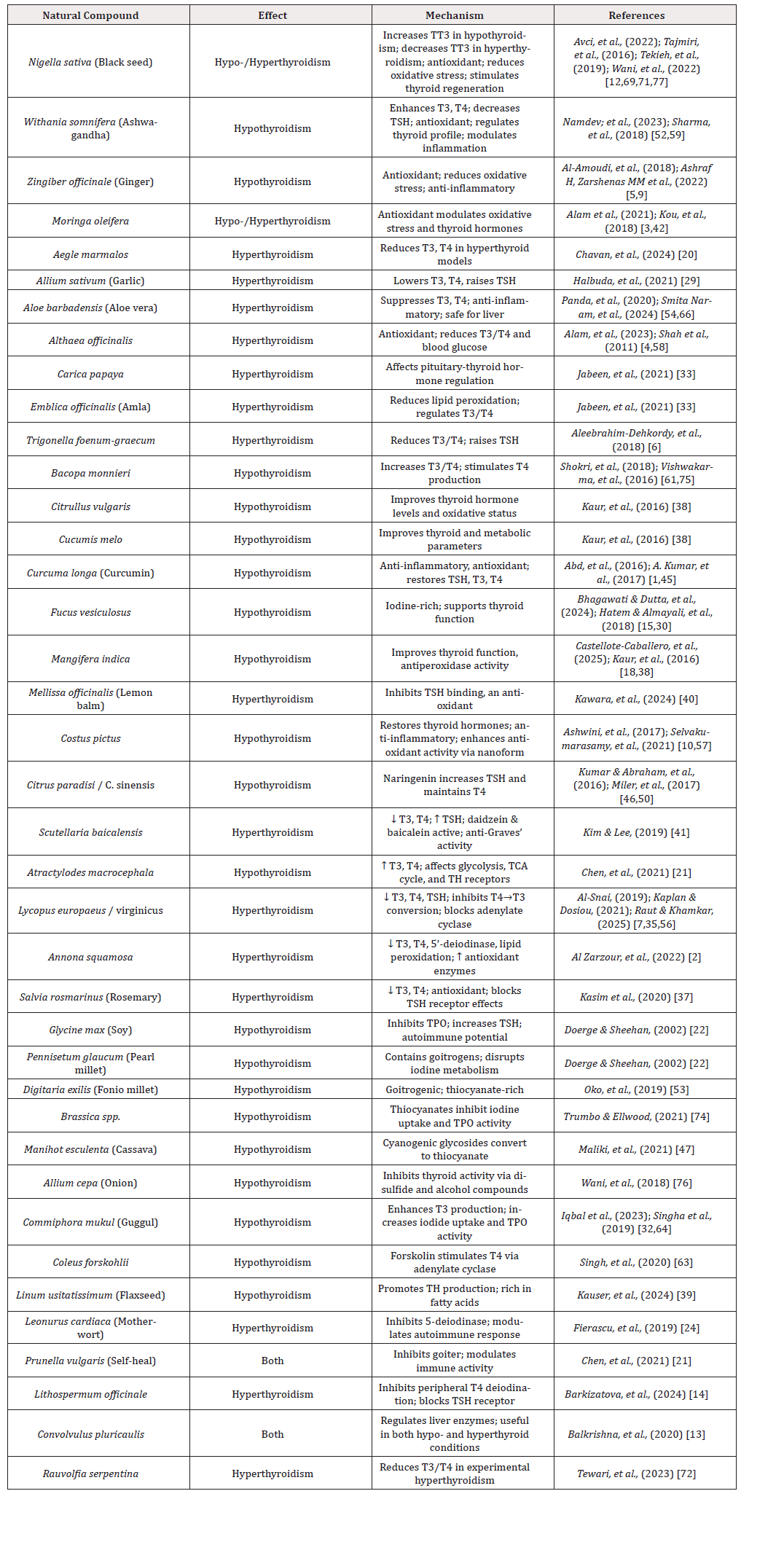
Table 3:Mechanistic Insight into the Use of Natural Compounds for Treating Hypothyroidism and Hyperthyroidism.
Conclusion
Health can be adversely affected by several common thyroid conditions, such as hypothyroidism and hyperthyroidism. The causes of these complex disorders include genetic, environmental, dietary, and autoimmune factors. Even while synthetic hormones still account for most of the treatments today, interest in natural alternatives is rising. According to preliminary research, several minerals and plants may enhance thyroid function by lowering inflammation, protecting against oxidative stress, and controlling hormones. This review highlights several potential medicinal plants that may help regulate thyroid hormones and alleviate symptoms, including Nigella sativa (black seed), Withania somnifera (ashwagandha), and Moringa oleifera. Although encouraging, further clinical studies using standardized formulations are required before we can make firm recommendations. One day, a more individualized, all-encompassing approach to thyroid health management might be possible with a mix of conventional and natural medicine.
Acknowledgement
This research was financially supported by the UGC Non- NET Fellowship. The authors express their sincere gratitude to the Endocrinology Laboratory, Department of Zoology, School of Biological Sciences, Dr. Harisingh Gour Vishwavidyalaya, Sagar (M.P.), India, for providing the necessary infrastructure and research facilities.
Conflict of Interest
None.
References
- Abd ESM, Manal HA (2016) Curcumin mitigates lithium-induced thyroid dysfunction by modulating antioxidant status, apoptosis, and inflammatory cytokines. J Basic Applied Zoo 76: 7-19.
- Al Zarzour RH, Kamarulzaman EE, Saqallah FG, Zakaria F, Asif M, et al. (2022) Medicinal Plants’ Proposed Nanocomposites for the Management of Endocrine Disorders. Heliyon 8(9): e10665.
- Alam MA, Quamri MA, Haider N (2021) Efficacy and Safety of Barg-e-Sahajna (Moringa oleifera) in Primary Hypothyroidism. Drug Metab Pers Ther 37(1): 21-26.
- Alam A, Sofi G, Quamri A (2023) The Perspective of Unani Medicine in Understanding Hyperthyroidism. Alter Ther Health Med 29(7): 262-267.
- Al Amoudi WM (2018) Toxic Effects of Lambda-Cyhalothrin on the Rat Thyroid: Involvement of Oxidative Stress and Ameliorative Effect of Ginger Extract. Toxicol Rep 5: 728-736.
- Aleebrahim Dehkordy E, Ansaripour S, Rafieian Kopaei M, Saberianpour S (2018) Effects of Substances on Plants’ Active Compounds on Changes in the Hormone Levels of the Pituitary-Thyroid Axis in Hyperthyroidism and Hypothyroidism. Pharmacognosy Rev 12(23): 1-6.
- Al Snai A (2019) A review on Lycopus europaeus: A Potential Medicinal Plant. IOSR J Pharm 9(7): 80-88.
- Anitha S, Upadhyay S, Grando S, Kane Potaka J (2024) Does Consumption of Pearl Millet Cause Goiter? A Systematic Review of Existing Evidence. Front Nutr 11: 1323336.
- Ashraf H, Heydari M, Shams M, Zarshenas MM, Tavakoli A, et al. (2022) Efficacy of Ginger Supplementation in Relieving Persistent Hypothyroid Symptoms in Patients with Controlled Primary Hypothyroidism: A Pilot Randomized, Double-Blind, Placebo-Controlled Clinical Trial. Evid Based Complement Alternat Med: 5456855.
- Ashwini S, Bobby Z, Sridhar MG, Cleetus CC (2017) Insulin Plant (Costus pictus) Extract Restores Thyroid Hormone Levels in Experimental Hypothyroidism. Pharmacognosy Res 9(1): 51-59.
- Astapova I (2016) Role of Co-Regulators in Metabolic and Transcriptional Actions of Thyroid Hormone. J Mol Endocrinol 56(3): 73-97.
- Avci G, Ulutas E, Ozdemir V, Kivrak I, Bulbul A (2022) The Positive Effect of Black Seed (Nigella sativa L.) Essential Oil on Thyroid Hormones in Rats with Hypothyroidism and Hyperthyroidism. J Food Biochem 46(4): e13801.
- Balkrishna A, Thakur P, Varshney A (2020) Phytochemical Profile, Pharmacological Attributes and Medicinal Properties of Convolvulus prostratus - A Cognitive Enhancer Herb for the Management of Neurodegenerative Etiologies. Front Pharmacol 11: 171.
- Barkizatova G, Turgumbayeva A, Zhakipbekov K, Bekesheva K, Arystanov Z, et al. (2024) Exploring the Pharmacological Potential of Lithospermum officinale L.: A Review of Phytochemicals and Ethnomedicinal Uses. Molecul 29(8).
- Bhagawati Dr M, Dutta Dr M (2024) Efficacy of Fucus Vesiculosus Q & Thyroidinum 3× in Treatment of Hypothyroidism. Int J Homoeopat Sci 8(2): 560-573.
- Bouga M, Cousins F, Lean ME, Combet E (2015) Influence of Goitrogenic Foods Intake on Thyroid Functions in Healthy Females of Childbearing Age with Low Habitual Iodine Intake. Proceedings Nutr Soc 74: (OCE1).
- Caprio AM, Umano GR, Luongo C, Aiello F, Dello Iacono I, et al. (2022) Case report: Goiter and Overt Hypothyroidism in an Iodine-Deficient Toddler on Soy Milk and Hypoallergenic Diet. Front Endocrinol 13: 927726.
- Castellote Caballero Y, Beltrán Arranz A, Aibar Almazán A, Carcelén Fraile MDC, Rivas Campo Y, et al. (2025) Acute Supplementation of Soluble Mango Leaf Extract (Zynamite® S) Improves Mental Performance and Mood: A Randomized, Double-Blind, Placebo-Controlled Crossover Study. Pharmaceuticals (Basel) 18(4): 571.
- Chandra AK, De N (2013) Catechin Induced Modulation in the Activities of Thyroid Hormone Synthesizing Enzymes Leading to Hypothyroidism. Mol Cell Biochem 374(1-2): 37-48.
- Chavan CJ, Markad CG, Indalkar DR, Otari KV, Mandhare TA (2024) An Elaborative Review on Medicinal Values of Aegle Marmelos (BAEL). Int J Pharmacy Sci 2(6): 560-568.
- Chen J, Dou P, Xiao H, Dou D, Han X, et al. (2021) Application of Proteomics and Metabonomics to Reveal the Molecular Basis of Atractylodis Macrocephalae Rhizome for Ameliorating Hypothyroidism Instead of Hyperthyroidism. Front Pharmacol 12: 664319.
- Doerge DR, Sheehan DM (2002) Goitrogenic and Estrogenic Activity of Soy Isoflavones. Environ Health Perspect 110(3): 349-353.
- Feiteiro J, Mariana M, Cairrão E (2021) Health Toxicity Effects of Brominated Flame Retardants: From Environmental to Human Exposure. Environ Pollut 285: 117475.
- Fierascu RC, Fierascu I, Ortan A, Fierascu IC, Anuta V, et al. (2019) Leonurus cardiaca as a Source of Bioactive Compounds: An Update of the European Medicines Agency Assessment Report (2010). BioMed Res Int: 4303215.
- Franklyn JA, Boelaert K (2012) Thyrotoxicosis. Lancet 379(9821): 1155-1166.
- Frank Raue K, Raue F (2023) Thyroid Dysfunction in Periand Postmenopausal Women-Cumulative Risks. Deutsch Arztebl Int 120(18): 311-316.
- Guerri G, Bressan S, Sartori M, Costantini A, Benedetti S, et al. (2019) Hypothyroidism and hyperthyroidism. Acta Biomed 90(10-S): 83-86.
- Guo LC, Yu S, Wu D, Huang J, Liu T, et al. (2019) Disruption of thyroid hormone-regulated proteins and gene expression by polychlorinated biphenyls, polybrominated diphenyl ethers, and new flame retardants in residents of an e-waste region. Environ Pollut: 254(Pt B): 112925.
- Halbuda MEA, Khotimah H, Fahanani AF (2021) The Effects of Garlic (Allium sativum) Extracts on the L-Thyroxine-Induced Hyperthyroidism in Male Rats. AIP Conference Proceed: 2353.
- Hatem RM, Almayali HK (2018) The Effect of Fucus Vesiculosus on the Function and Structure of the Thyroid Gland of Male Rats Treated with Propylthiouracil. J Pharmaceut Sci Res 10(10): 2669-2673.
- Hussain A, Bose S, Wang JH, Yadav MK, Mahajan GB, et al. (2016) Fermentation, a Feasible Strategy for Enhancing Bioactivity of Herbal Medicines. Food Res Int 81: 1-16.
- Iqbal A, Habib A, Ahmad SZ, Afzal A, Jan A, et al. (2023) Clinical Study to Evaluate the Efficacy of Commiphora Mukul (Muqil) on Thyroid Function in Hypothyroidism. Int J Commun Med Public Health 10(9): 3257-3263.
- Jabeen Q (2021) Insight into Therapeutic Role of Plant-derived Medicines in Thyroid Dysfunction. Am J Biomed Sci Res 12(6): 520-524.
- Journy NMY, Bernier MO, Doody MM, Alexander BH, Linet MS, et al. (2017) Hyperthyroidism, Hypothyroidism, and Cause-Specific Mortality in a Large Cohort of Women. Thyroid 27(8): 1001-1010.
- Kaplan D, Dosiou C (2021) Two cases of Graves’ Hyperthyroidism Treated with Homeopathic Remedies Containing Herbal Extracts from Lycopus spp. and Melissa officinalis. J Endocrine Soc 5(Supplement_1): A971.
- Karbownik Lewińska M, Stępniak J, Iwan P, Lewiński A (2022) Iodine as a Potential Endocrine Disruptor a Role of Oxidative Stress. Endocrine 78(2): 219-240.
- Kasim SF, Hamzah FZ, Al Sharafi NM (2020) Ameliorative Effect of Rosemary Leaves Extract on Thyroid Gland Function in Hyperthyroid Male Albino Rats. Biochem Cell Arch 20(1): 1241-1246.
- Kaur A, Kumar Verma S, Kalsi S (2016) Hypothyroidism: Management Based on Ayurvedic and Modern Therapeutic Perspective. Int J Pharmaceut Drug Analys 4: 281-288.
- Kauser S, Hussain A, Ashraf S, Fatima G, Ambreen Javaria S, et al. (2024) Flaxseed (Linum usitatissimum); Phytochemistry, Pharmacological Characteristics and Functional Food Applications. Food Chem Adv 4: 100573.
- Kawara RS, Moawed FS, Elsenosi Y, Elmaksoud HA, Ahmed ESA, et al. (2024) Melissa officinalis Extract Palliates Redox Imbalance and Inflammation Associated with Hyperthyroidism-Induced Liver Damage by Regulating Nrf-2/ Keap-1 Gene Expression in γ-Irradiated Rats. BMC Complement Med Ther 24(1): 71.
- Kim M, Lee BC (2019) Therapeutic Effect of Scutellaria baicalensis on L-Thyroxine-Induced Hyperthyroidism Rats. Evid Based Complement Alternat Med: 3239649.
- Kou X, Li B, Olayanju JB, Drake JM, Chen N (2018) Nutraceutical or Pharmacological Potential of Moringa oleifera Lam. Nutrients, 10(3): 343.
- Krause M, Frederiksen H, Sundberg K, Jørgensen FS, Jensen LN, et al. (2018) Maternal Exposure to UV Filters: Associations with Maternal Thyroid Hormones, IGF-I/IGFBP3 and Birth Outcomes. Endocr Connect 7(2): 334-346.
- Kravets I (2016) Hyperthyroidism: Diagnosis and Treatment. Am Fam Physician 93(5): 363-370.
- Kumar A, Sundar Jangir S, Mahobiya P (2017) Effect of Curcumin on E. coli Induced Hypothyroidism in Mice, Indian Streams Res J 6(12).
- Kumar RP, Abraham A (2016) PVP-Coated Naringenin Nanoparticles for Biomedical Applications - In Vivo Toxicological Evaluations. Chem Biol Interact 257: 110-118.
- Maliki OO, Alagbonsi AI, Ibitoye CM, Olayaki LA (2021) Melatonin and Vitamin C Modulate Cassava Diet-Induced Alterations in Reproductive and Thyroid Functions. Nigerian J Exper Clin Biosc 9(3): 133-143.
- Mateo RCI, Hennessey JV (2019) Thyroxine and Treatment of Hypothyroidism: Seven Decades of Experience. Endocrine 66(1): 10-17.
- McDermott MT (2020) Hyperthyroidism. Ann Intern Med 172(7): ITC49-ITC64.
- Miler M, Jarić I, Živanović J, Vladimir Ajdžanović, Nasta Tanić, et al. (2017) Citrus Flavanones Mildly Interfere with Pituitary-Thyroid Axis in Old-Aged Male Rats. Acta Histochem 119(3): 292-301.
- Nakamura Y, Ohsawa I, Goto Y, Tsuji M, Oguchi T, et al. (2017) Soy Isoflavones Inducing Overt Hypothyroidism in a Patient with Chronic Lymphocytic Thyroiditis: a Case Report. J Med Case Rep 11(1): 253.
- Namdev N, Rai G, Mahobiya P (2023) Protective Role of Ashwagandha and Quercetin over Cypermethrin-Induced Hypothyroidism: A Hematological Study in Mice. Adv Zoo Botany 11(2): 103-111.
- Oko AO, Bello OS, Bello FA (2019) Fonio Millet and Thyroid Health: Revisiting an Underutilized Grain. Nutri Rev 77(9): 638-645.
- Panda S, Sharma R, Khan A, Kar A (2020) Ameliorative Effect of Aloe Gel against LT4-Induced Hyperthyroidism via Suppression of Thyrotropin Receptors, Inflammation, and Oxidative Stress. Mol Bio Rep 47(4): 2801-2810.
- Rahmani K, Yarahmadi S, Etemad K, Koosha A, Mehrabi Y, et al. (2016) Congenital Hypothyroidism: Optimal Initial Dosage and Time of Initiation of Treatment: A Systematic Review. Int J Endocrinol Metab 14(3): e36080.
- Raut R, Khamkar SP (2025) Formulation and Evaluation of Herbal Chocolate from Lycopus Europaeus for Treatment of Thyroid Disease Condition. Int J Pharmaceut Sci 3(3): 3458-3470.
- Selvakumarasamy S, Rengaraju B, Arumugam SA, Kulathooran R (2021) Costus pictus-Transition from a Medicinal Plant to Functional Food: a Review. Fut Food 4: 100068.
- Shah SA, Akhtar N, Akram M, Shah PA, Saeed T (2011) Pharmacological Activity of Althaea officinalis L. J Med Plant Res 5(24): 5662-5666.
- Sharma AK, Basu I, Singh S (2018) Efficacy and Safety of Ashwagandha Root Extract in Subclinical Hypothyroid Patients: A Double-Blind, Randomized Placebo-Controlled Trial. J Altern Complemen Med 24(3): 243-248.
- Shibata MA, Khan IA, Iinuma M, Shirai T (2012) Natural Products for Medicine. J Biomed Biotech.
- Shokri Z, Khoshbin M, Koohpayeh A, Abbasi N, Bahmani F, et al. (2018) Thyroid Diseases: Pathophysiology and New Hopes in Treatment with Medicinal Plants and Natural Antioxidants. Inte J Green Pharmacy 12(3): S473.
- Shulhai AM, Rotondo R, Petraroli M, Patianna V, Predieri B, et al. (2024) The Role of Nutrition on Thyroid Function. Nutrients 16(15): 2496.
- Singh S, Panda V, Sudhamani S, Dande P (2020) Protective Effect of a Polyherbal Bioactive Fraction in Propylthiouracil-Induced Thyroid Toxicity in Ratsby Modulation of the Hypothalamic-Pituitary-Thyroid and Hypothalamic-Pituitary-Adrenal Axes. Toxicology Rep 7: 730-742.
- Singha MB, Shrivastava S, Bais S (2019) Effect of Ethanolic Extract of Bauhinia variegata and Commiphora mukul in Regulating Thyroid Stimulating Hormone in Hypothyroidism Induced Albino Wistar Rats. J Drug Delivery Therapeut 9(4-s): 134-137.
- Sirikul W, Sapbamrer R (2023) Exposure to Pesticides and the Risk of Hypothyroidism: a Systematic Review and Meta-Analysis. BMC Public Health 23(1): 1867.
- Smita Naram, Komal Gawali, Hemang Parekh (2024) Management of Hypothyroidism with Ayurveda. A Case Study. J Ayurved Integrat Med Sci 9(3): 267-272.
- Steinmaus C, Pearl M, Kharrazi M, Blount BC, Miller MD, et al. (2016) Thyroid Hormones and Moderate Exposure to Perchlorate during Pregnancy in Women in Southern California. Environ Health Perspect 124(6): 861-867.
- Sun X, Liu W, Zhang B, Shen X, Hu C, et al. (2019) Maternal Heavy Metal Exposure, Thyroid Hormones, and Birth Outcomes: A Prospective Cohort Study. J Clin Endocrinol Metab 104(11)L 5043-5052.
- Tajmiri S, Farhangi MA, Dehghan P (2016) Nigella Sativa Treatment and Serum Concentrations of Thyroid Hormones, Transforming Growth Factor β (TGF-β) and Interleukin 23 (IL-23) in Patients with Hashimoto’s Thyroiditis. Eur J Integrat Med 8(4): 576-580.
- Taylor PN, Albrecht D, Scholz A, Gutierrez Buey G, Lazarus JH, et al. (2018) Global Epidemiology of Hyperthyroidism and Hypothyroidism. Nat Rev Endocrinol 14(5): 301-316.
- Tekieh MF, Esfahanian F, Emadi F, Gholami M, Emaratkar E (2019) Effect of Nigella sativa on Thyroid Function in Patients with Hypothyroidism Treated with Levothyroxine: A Triple-Blind Randomized Controlled Trial. Med Sci 23(98): 606-614.
- Tewari I, Bhatt P, Singh S (2023) Different Treatment Approaches Used in Autoimmune Thyroid Disease: A Comprehensive Review. Int J Pharmaceut Sci Res 14(5): 2173.
- Trendafilova I, Mihály J, Momekova D, Chimshirova R, Lazarova H, et al. (2020) Antioxidant Activity and Modified Release Profiles of Morin and Hesperetin Flavonoids Loaded in Mg- or Ag-modified SBA-16 Carriers. Material Today Communicat 24: 101198.
- Trumbo P, Ellwood K (2021) Cruciferous Vegetables and Thyroid Function: A Review of the Evidence. Critical Rev Food Sci Nutr 61(13): 2183-2190.
- Vishwakarma RK, Kumari U, Khan BM (2016) Memory Booster Plant Bacopa monniera (Brahmi): Biotechnology and Molecular Aspects of Bacoside Biosynthesis. In: Tsay HS, Shyur LF, Agrawal D, Wu YC, Wang SY (eds) Medicinal Plants-Recent Advances in Research and Development. Springer, Singapore.
- Wani FA, Yadav A, Bagri G (2018) Allium cepa as a Modulator of Thyroid Activity: An Experimental Investigation. J Ethnopharmacol 222: 56-63.
- Wani JA, Tsagkaris C, Majid S, Majid A, Akhter GR, et al. (2022) Therapeutic Effects of Nigella sativa on Hormonal Dysfunctions. Black Seeds (Nigella Sativa) Elsevier: 217-238.
- Zhang Y, Shi L, Zhang Q, Peng N, Chen L, et al. (2019) The Association Between Cigarette Smoking and Serum Thyroid Stimulating Hormone, Thyroid Peroxidase Antibodies, and Thyroglobulin Antibodies Levels in Chinese Residents: A Cross-Sectional Study in 10 Cities. PLoS ONE 14(11): e0225435.
- Zhao W, Peng X, Liu Y, Li S, Li X, et al. (2024) The Association Between Circulating Saturated Fatty Acids and Thyroid Function: Results from the NHANES 2011-2012. Front Endocrinol 15: 1405758.




 We use cookies to ensure you get the best experience on our website.