
Research Article 
 Creative Commons, CC-BY
Awareness of the Benefits and Risks associated with the use of Nutraceuticals
*Corresponding author:Roberto Verna, Professor of Clinical Pathology, in Unam Sapientiam University of Roma, Italy, President World Association of Societies of Pathology and Laboratory Medicine – WASPaLM, President Academy for Health and Clinical research.
Received:September 08, 2025; Published:September 15, 2025
DOI: 10.34297/AJBSR.2025.28.003693
Summary
This work has been performed to evaluate the perception and level of knowledge of consumers on nutraceuticals and the risks associated with their
use.
As specific objectives, the most relevant socio-demographic characteristics of nutraceutical consumers have been identified, in order to understand:
i. how and in which contexts these products are consumed and to estimate the frequency and extent of consumption in the population.
ii. to understand the motivations behind consumption and identify the factors that influence or prevent the decision to use them.
iii. to evaluate the perception of the risk associated with consumption of nutraceuticals.
Introduction
The excessive offer of products aimed at improving the general state of the body, with similar properties, indifferently called nutraceuticals or food supplements, tends to confuse consumers, preventing them from knowing the differences between these categories of products and the real benefits and risks associated with their use [1].
Although both types of products have the common purpose of providing benefits to the body, the main difference between food supplements and nutraceuticals is inherent in their definition. Food supplements are products intended to supplement the common diet or to make up for any nutrient deficiencies, in the event that the diet is insufficient [2,3]. These supplements may include vitamins, minerals, amino acids, fatty acids, fibers, plant extracts and other natural bioactive compounds [2,4].
The term nutraceutical refers to a purified product, derived from food components and nutrients, which can provide medical or health benefits, including the prevention and/or treatment of diseases [5,6]. In this sense, nutraceuticals are bioactive substances, extracted and purified from plant or food sources or obtained by biotechnological techniques, capable of providing medical benefits. Therefore, nutraceuticals refer to a particular category of products that are particularly beneficial to health, beyond their basic nutritional value, including functional foods and substances with pharmaceutical properties [5].
Benefits and Risks of Nutraceuticals
Nutraceuticals can improve immune function, help prevent the development of chronic diseases, improve general well-being and delay aging [7,8]. They can be used as an alternative to existing pharmacological agents or as a complement to them, either to reduce the dosage or to compensate for their side effects [9]. In this way, nutraceuticals could optimize the treatment of patients with uncontrolled diseases or with multiple risk factors, such as diabetes, cardiovascular diseases and inflammatory diseases such as rheumatoid arthritis, osteoarthritis and Crohn’s disease, which have a significant impact on quality of life [6,10].
However, nutrient overdose, which occurs when more than the recommended amounts are taken, can cause intoxication resulting in serious health problems [8]. Overdose usually manifests with acute or chronic symptoms, depending on the level, the duration of exposure, the type of supplement taken, and the individual sensitivity of the patient. In case of vitamin overdose (hypervitaminosis), side effects and symptoms can range from mild gastrointestinal disturbances, such as nausea and diarrhea, to more serious problems, such as liver damage and kidney failure. Fat-soluble vitamins such as A, D, E, and K, which accumulate in the liver and adipose tissue, are particularly difficult to eliminate and can therefore be toxic [12]. For example, hypervitaminosis A can cause headaches, vomiting, dizziness, nausea, numbness, and severe vision problems.
Nutraceuticals can interact with prescription drugs, influencing or decreasing their effectiveness or increasing the risk of side or adverse effects [13]. St. John’s wort, for example, commonly used for its antidepressant properties, can reduce the effectiveness of many drugs such as digoxin, lovastatin and sildenafil, increasing the risk of arrhythmia and other adverse reactions [14]. Another known case is that of ginseng (Ginkgo Biloba), often used to improve cognitive functions, which can interact with anticoagulants such as warfarin or antiplatelet drugs such as cardioaspirin, increasing the risk of bleeding [13,15].
Finally, chronic and uncontrolled use of nutraceuticals can increase the risk of long-term adverse effects, such as kidney or liver damage and metabolic dysfunction [12]. For example, excessive consumption of some vitamins and minerals can cause serious liver damage; too much iron can lead to liver disease, heart problems and diabetes; and too much vitamin D and calcium can increase the risk of kidney stones [16-21]. In addition, excessive use of supplements without medical supervision can lead to eating disorders and other mental health problems, such as psychological dependence to maintain a sense of well-being [22,23].
In recent years, the demand for nutraceuticals has increased, especially among young people, and with it the number of cases of adverse effects associated with the use of these products [24-26]. This is due to compulsive, indiscriminate and uncontrolled use, generally without the supervision of a health professional, driven by the large supply and popularity of these products, misinformation about health problems and the absence of rigorous regulations [3,9].
Risks Associated with the Deregulation of Nutraceuticals
The search for alternative therapeutic solutions to pharmacological treatments has led to the development of formulations with high concentrations of nutraceuticals to ensure and maximize their beneficial effect on the body [13,27]. However, the high concentration of bioactive substances increases the risk of toxicity of these products, so rigorous studies are needed to provide evidence of their toxicological safety, especially in the case of complex products that include more than one bioactive with a synergistic effect [3,9].
However, there is a wide variety of products on the market that do not have sufficient scientific evidence to support their efficacy and to guarantee their safety for consumers [8,26]. This is due to the fact that both European and Italian legislation place nutraceuticals in the category of food supplements, which means that, compared to medicinal products, they are subject to less severe regulation, a less complex notification procedure and do not require in-depth clinical studies [2,4,28]. The result is an abundant supply of nutraceutical products, which in many cases contain undeclared substances or contaminants, whose potential negative effects are not really known [26,29].
According to the current legislation, when talking about food supplements or nutraceuticals, the term “ingredient” is used instead of “bioactive substance” or “active principle” to indicate the components of these products, emphasizing that they are natural substances that are part of the normal diet [2,4]. This expression can convey to consumers a perception of greater naturalness and safety, which can lead them to ignore or underestimate the therapeutic essence of these products and to make inappropriate use of them, exposing them to adverse effects and possible health risks [30].
Methodology adopted in the Present Research
Survey
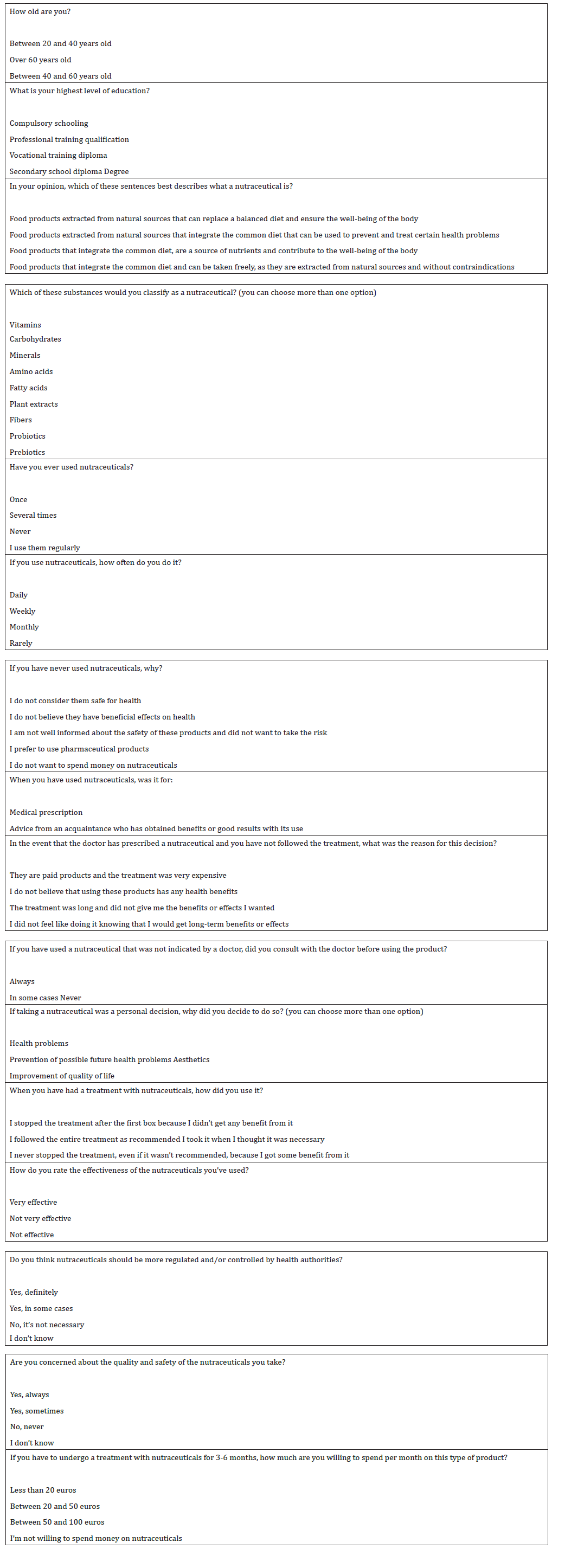
A questionnaire of 16 questions was developed, formatted with
a combination of multiple-choice questions to obtain both quantitative
and qualitative data. The questions developed take into account
the following aspects:
i. socio-demographic characteristics (age and level of education),
ii. knowledge of nutraceuticals,
iii. consumption patterns (frequency, quantity, situations in which
these products are consumed),
iv. prevalence and motivations for consumption,
v. risk factors (influence of family, acquaintances or doctor, access
to information on consumption),
vi. perception of risk,
vii. general attitudes and opinions on consumption,
viii. perception of efficacy and safety.
The questions formulated were inserted into a Google form, a survey management software included in the free Google Docs Editors suite. The questionnaire was sent to the interviewees via WhatsApp messaging link and email.
Below is the questionnaire that was sent to the interviewees.
Methods used for the Analysis of the Results
The preliminary analysis of the responses obtained was carried out with the Google forms software, whose “Summary” section contains a visual list of all the responses received, with different types of graphical representations depending on the type of question.
For a more complex statistical analysis, the Power BI tool developed by Microsoft was used, which allows analyzing the data by providing interactive visualizations and comparing the responses and variables of different questions. In this way, the data can be explored in depth and correlation patterns can be established, if they exist.
Results
343 people were interviewed. In the first instance, the socio-demographic characteristics of the people who participated in the study were analyzed (Figure 1). As can be seen in Figure 1a, 47% of the population is between 20 and 40 years old, 41% between 40 and 60 years old and 12% is over 60 years old.
Regarding the educational level of the respondents (Figure 1b), 16% have completed compulsory schooling, 8% have a Vocational training qualification, 11% have a Vocational training diploma, 31% have a secondary school diploma and 34% have a degree or university degree.
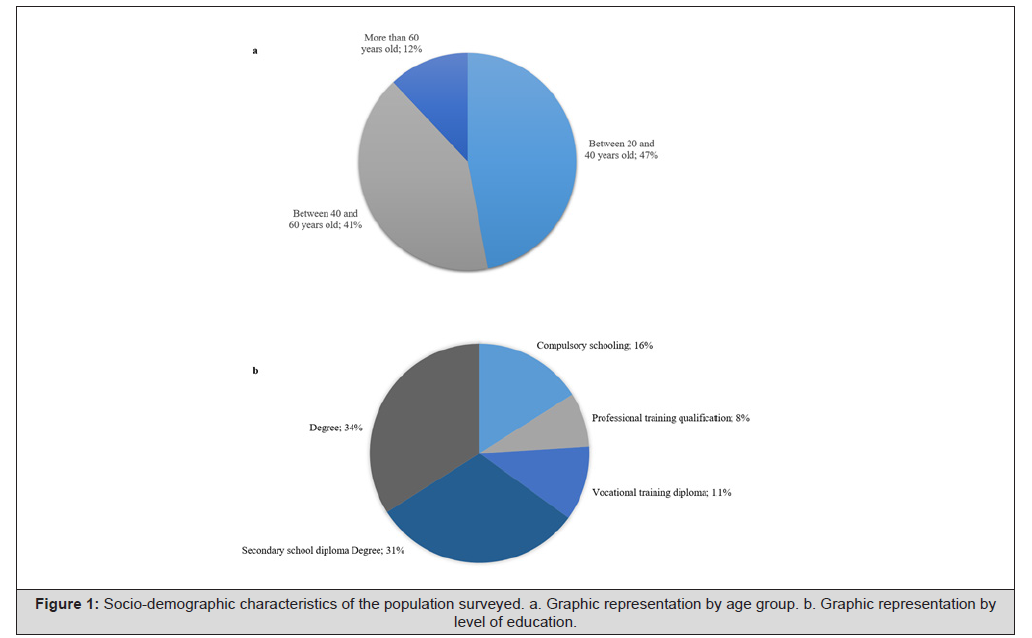
Figure 1:Socio-demographic characteristics of the population surveyed. a. Graphic representation by age group. b. Graphic representation by level of education.
To assess knowledge of nutraceuticals, respondents were asked to choose one of the four sentences that, in their opinion, best describe a nutraceutical (Table 1). As a result, 12% of the interviewed population chose the answer “Food products extracted from natural sources that can replace a balanced diet and ensure the well-being of the body”, 29% chose “Food products extracted from natural sources that integrate the common diet that can be used to prevent and treat some health problems”, 32% “Food products that integrate the common diet, constitute a source of nutrients and contribute to the well-being of the body” and 27% “Food products that integrate the common diet and can be taken freely, as they are extracted from natural sources and without contraindications”.
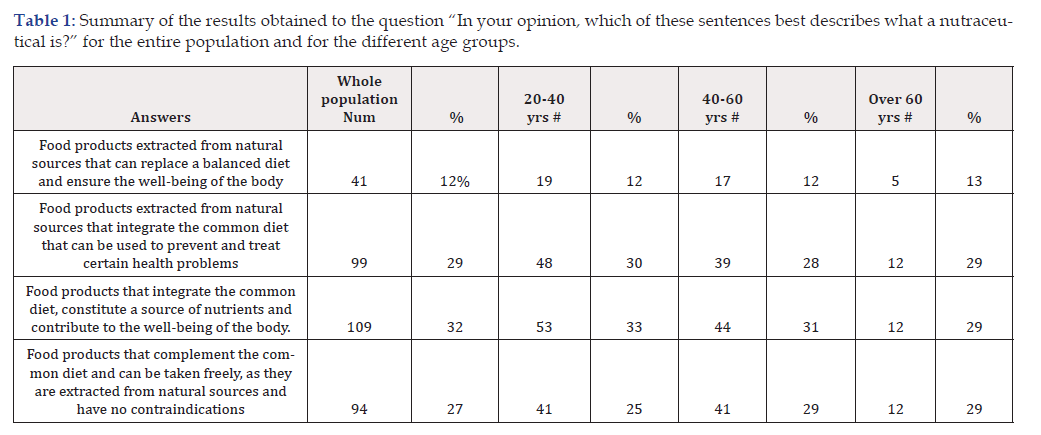
Table 1: Summary of the results obtained to the question “In your opinion, which of these sentences best describes what a nutraceutical is?” for the entire population and for the different age groups.
For a more complete analysis, the answers to this question were filtered based on the sociodemographic characteristics of the interviewees. First of all, the population was divided based on the age group. As can be seen in Table 1, the percentage of respondents within each age group does not differ significantly from the general population.
Similarly, the answers to this question were analyzed considering the level of education of the respondents. To facilitate the analysis, the population was divided into 3 groups according to the level of education received. Group 1 includes the respondents (Tables 1,2).
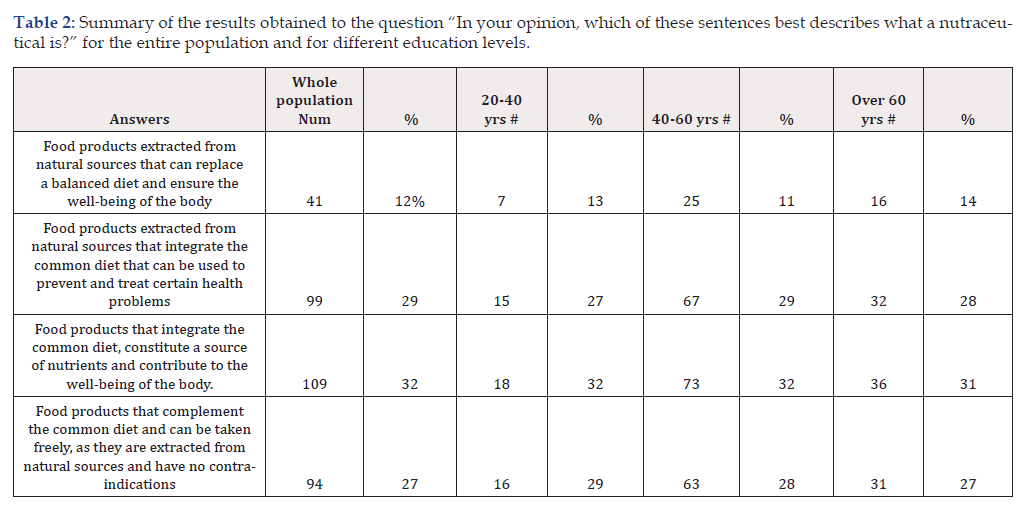
Table 2: Summary of the results obtained to the question “In your opinion, which of these sentences best describes what a nutraceutical is?” for the entire population and for different education levels.
who attended only compulsory school; group 2, those who achieved the maximum qualification of upper secondary school (including compulsory school); and group 3, respondents who achieved a university degree. Table 2 summarizes the results obtained. As for the different age groups, no significant differences were observed compared to the general population when considering the level of education of the respondents.
In order to continue to assess the population’s knowledge on nutraceuticals, subjects were asked to choose from a list of substances those they considered included in this category of products (Figure 2). The results showed that only vitamins, minerals and probiotics were chosen by more than half of the respondents (91%, 69% and 51% respectively). While plant extracts, amino acids, fibers, fatty acids, prebiotics and carbohydrates are considered nutraceuticals by 49%, 47%, 30%, 28%, 27% and 14% of the interviewees respectively.
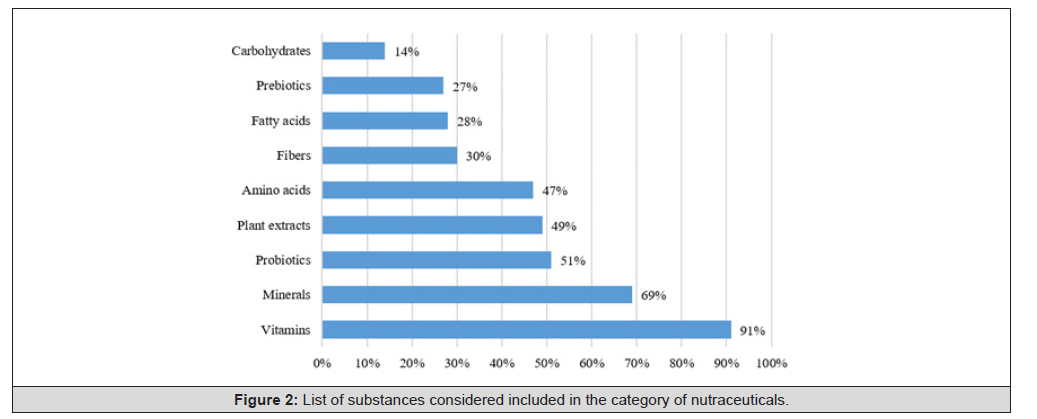
Figure 2:List of substances considered included in the category of nutraceuticals.
As regards consumption patterns (Figure 3), 90% of the interviewees have used nutraceutical products at least once (Figure 3a) and 54% of the interviewees who use them adopt them frequently (at least once a month) (Figure 3b). In particular, it was observed that 39% of the interviewees use these types of products every day.
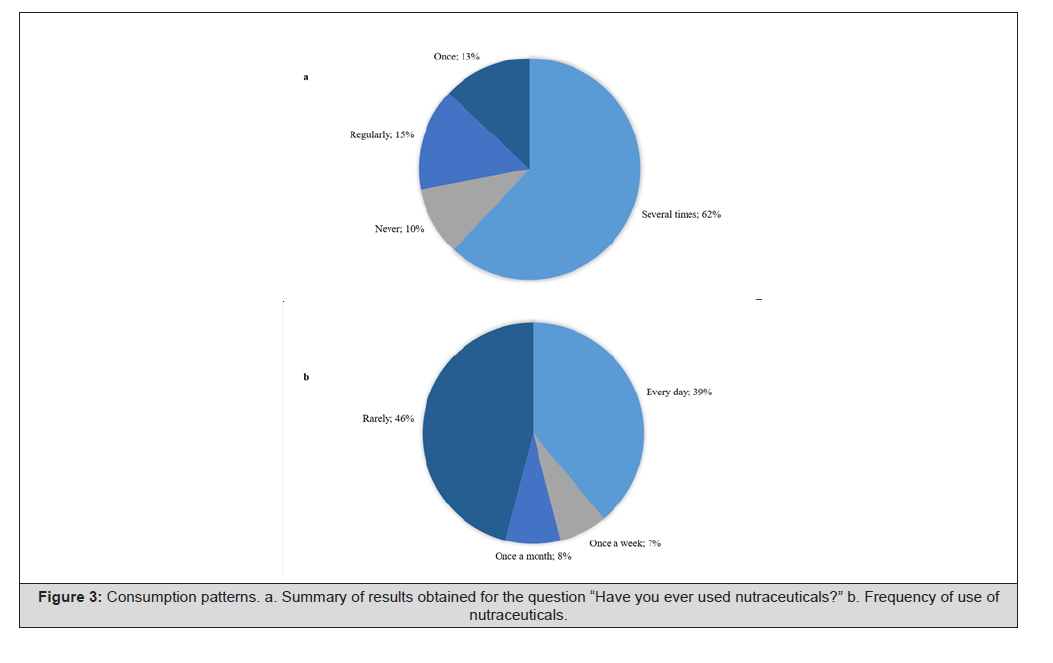
Figure 3:Consumption patterns. a. Summary of results obtained for the question “Have you ever used nutraceuticals?” b. Frequency of use of nutraceuticals.
10% of the interviewees stated that they have never used nutraceuticals (Figure 3a) and of these, 42% indicated that they do not do so because they do not want to spend money on this type of product, 25% do not use them because they do not believe they have beneficial effects on health, 18% do not consider them safe for health, 10% prefer to use pharmaceutical products and the remaining 5% stated that they are not informed about the safety of the products and do not want to run the risk of taking them (Figure 4). Furthermore, the interviewees were asked why they consume nutraceuticals (Figure 5). As can be seen in Figure 5a, only 50% stated that they did so on medical prescription, 39% answered that they did so by personal decision and 11% on the advice of an acquaintance who had benefited from them or obtained good results with their use. In cases where the use of these products had not been prescribed by a doctor (Figure 5b), 40% stated that they had never consulted a professional before using them and 43% stated that they had done so only in some cases. When people were asked why they had decided to use these products by personal decision and without a medical prescription, 57% answered that they did so to improve their quality of life, 34% to prevent possible future health problems, 20% answered that they did so for health problems and 15% for aesthetic reasons (Figure 5c).
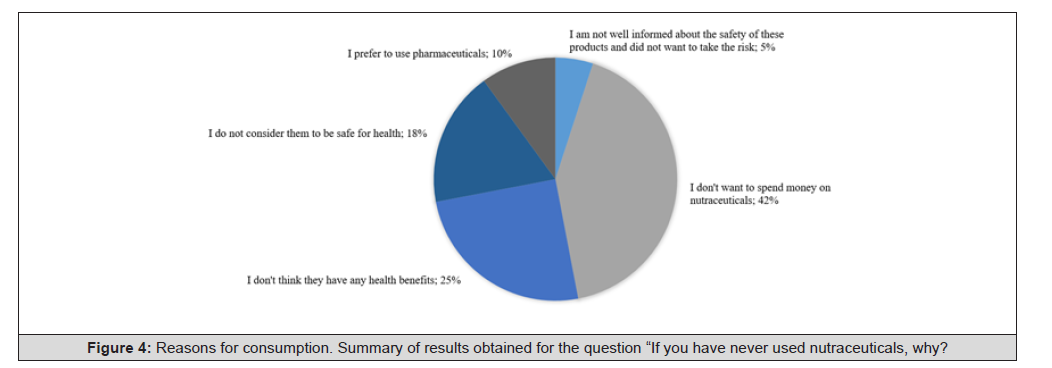
Figure 4:Reasons for consumption. Summary of results obtained for the question “If you have never used nutraceuticals, why?
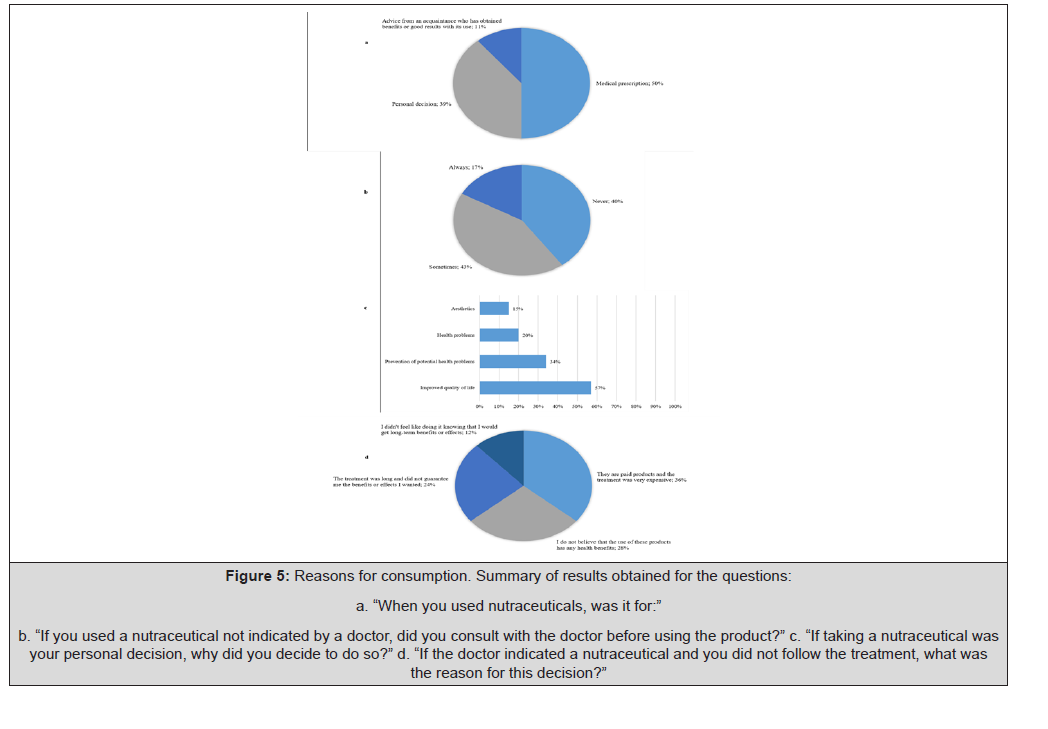
Figure 5:Reasons for consumption. Summary of results obtained for the questions:
a. “When you used nutraceuticals, was it for:”
b. “If you used a nutraceutical not indicated by a doctor, did you consult with the doctor before using the product?” c. “If taking a nutraceutical was
your personal decision, why did you decide to do so?” d. “If the doctor indicated a nutraceutical and you did not follow the treatment, what was
the reason for this decision?”
Additionally, they were asked why the subjects had never followed a treatment with a nutraceutical prescribed by a doctor (Figure 5d).
36% responded that the reason was that they are paid products and the treatment was very expensive, 28% did not believe that the use of these products has beneficial effects on health, 24% believed that the treatment was long and did not guarantee the desired benefits or effects, 12% did not feel like doing it knowing that they would obtain long-term benefits or effects. On the other hand, the way in which the respondents use these products was evaluated (Figure 6). 61% responded that they followed the entire treatment as recommended, 26% took it when they thought it was necessary, 11% stopped the treatment after the first package because it did not bring any benefit and 2% never stopped the treatment, even though it was not recommended, because it brought benefits.
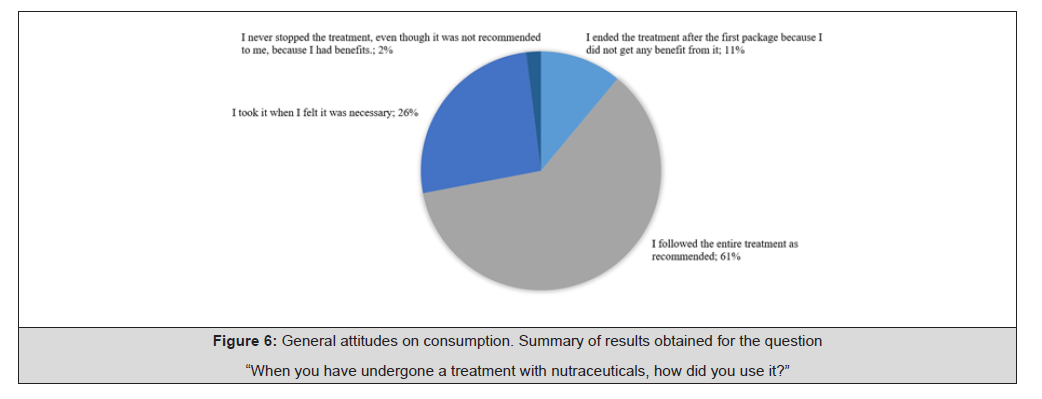
Figure 6:General attitudes on consumption. Summary of results obtained for the question
“When you have undergone a treatment with nutraceuticals, how did you use it?”
In order to assess the perceived effectiveness of nutraceuticals used, respondents were asked to evaluate this characteristic. Figure 7 shows that 47% of people stated that these products are very effective, 45% stated that they considered them quite effective and the rest stated that they considered them ineffective. Furthermore, it was observed that respondents who reported that nutraceuticals are little effective or not effective, are mostly those who answered that they took them when they thought it was necessary or that they stopped the treatment after the first pack because it did not bring me any benefit.
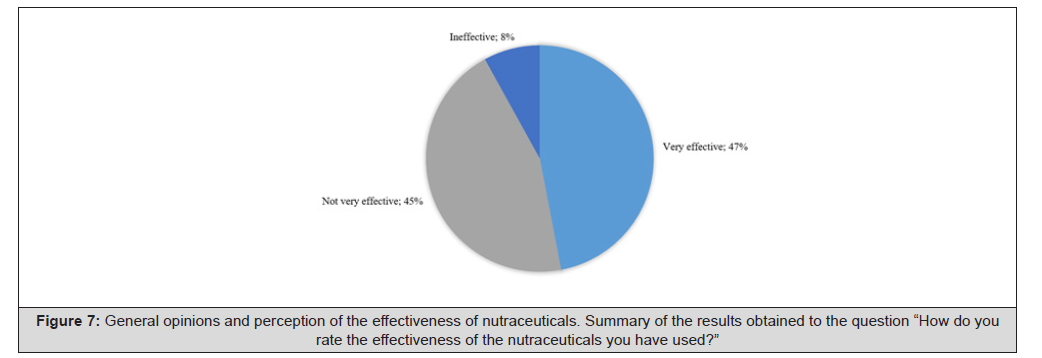
Figure 7:General opinions and perception of the effectiveness of nutraceuticals. Summary of the results obtained to the question “How do you rate the effectiveness of the nutraceuticals you have used?”
Regarding safety, 92% answered that they are concerned about the quality and safety of nutraceuticals they consume (Figure 8a), while 89% stated that they should be mainly regulated and/or controlled by health authorities (Figure 8b).
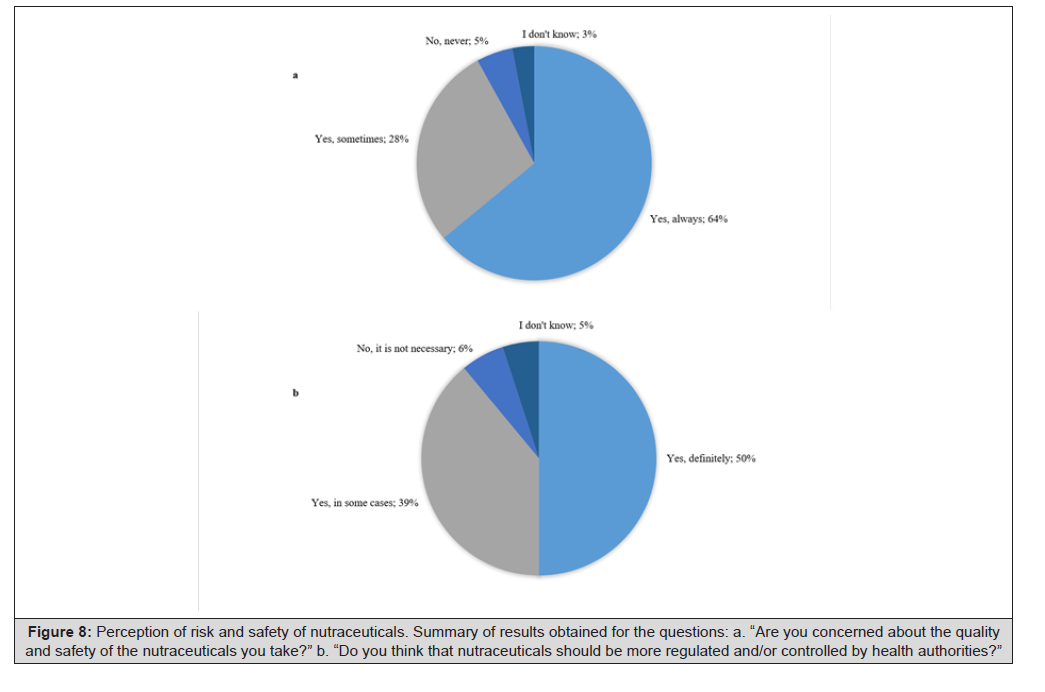
Figure 8:Perception of risk and safety of nutraceuticals. Summary of results obtained for the questions: a. “Are you concerned about the quality and safety of the nutraceuticals you take?” b. “Do you think that nutraceuticals should be more regulated and/or controlled by health authorities?”
Finally, they were asked how much they were willing to spend per month for this type of products if they were to undergo a treatment with nutraceuticals for 3-6 months. To which 31% responded that they would be willing to spend less than 20 euros per month, 56% would spend between 20 and 50 euros, 9% between 50 and 100 euros and 4% said they were not willing to spend money on nutraceuticals (Figure 9).
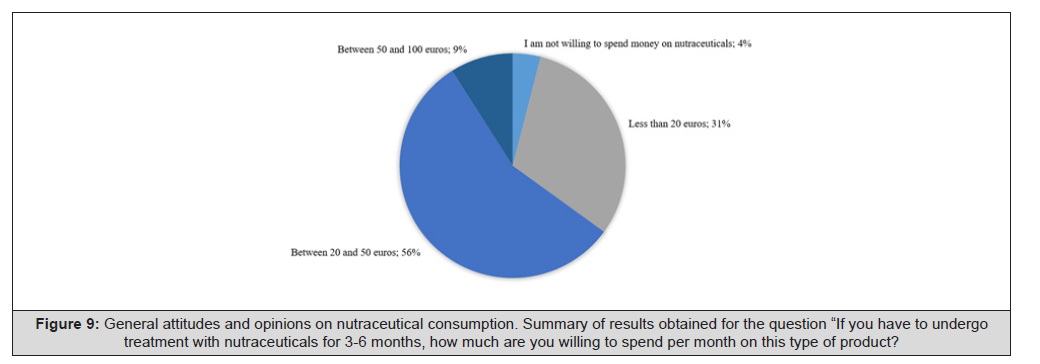
Figure 9:General attitudes and opinions on nutraceutical consumption. Summary of results obtained for the question “If you have to undergo treatment with nutraceuticals for 3-6 months, how much are you willing to spend per month on this type of product?
Discussion
The results obtained allowed us to evaluate several aspects that had been proposed in the objectives of this study.
The questions aimed at assessing the perception and knowledge of the interviewees on nutraceuticals indicated that the idea that the subjects have of these products is not the most accurate and that this is not associated with a particular age group or a certain level of education, but is a common factor. This can be deduced from the fact that 68% of the interviewed population opted for answers other than “Food products that integrate the common diet, constitute a source of nutrients and contribute to the well-being of the body”, considered the most appropriate when talking about this type of products.
As described in the introduction of this thesis, there is a huge offer of these products, often coming from unknown sources because they are not strictly regulated. This means that they are offered at the same level as other non-medicinal products, facilitating consumer misinformation. This effect is further increased by the fact that these products can be purchased without a medical prescription, inducing users to consume them as they see fit and without a solid therapeutic motivation.
The lack of knowledge is also evident from the fact that 12% of the population interviewed thinks that nutraceuticals can replace a balanced diet and ensure the well-being of the body. Although they can be useful in specific circumstances, such as in cases of nutritional deficiencies or particular physiological needs, these products do not provide the same benefits as whole foods and cannot replace a balanced and varied diet [2-4]. Furthermore, the fact that over 50% of the interviewees consider only vitamins, minerals and probiotics as the main components of nutraceutical products and do not take into account substances such as amino acids, fibres and fatty acids is evidence of this lack of knowledge. On the other hand, this reflects the tendency to refer to them as food supplements rather than products with medicinal properties.
However, the most worrying aspect from this point of view is that a large part of the population interviewed (27%) believes that these products have no contraindications, which is probably associated with their “natural” property. This shows that people are not aware that the use of nutraceuticals, especially if inappropriate, can cause adverse effects and pose health risks.
When assessing how the interviewees use these products, only 60% of the population used the treatment as recommended, while the rest used it as they considered most appropriate. On the other hand, it is alarming that half of the population uses nutraceuticals by personal choice or on the advice of an acquaintance, when they consider it necessary and without consulting a professional before starting a regimen. It is worth noting that, in cases where the use of these products was a personal decision, 57% said they use them to improve their quality of life, 34% to prevent possible future health problems and 15% for aesthetic reasons. These results suggest that most consumers who decided to use them without consulting a health professional consider them generic supplements without a specific function, leaving aside their therapeutic essence.
Regarding consumers’ perception of the effectiveness of nutraceuticals, 47% considered these products very effective, 45% said they found them little effective and the rest said they considered them ineffective. Furthermore, it was observed that the subjects who reported that food supplements are little effective or ineffective are mainly those who did not perform the treatment correctly. This shows once again that these products are commonly associated with food and that not enough importance is given to these treatments. This idea is also manifested in the fact that, despite the medical prescription, many subjects decide not to take the treatment because they do not believe it has health benefits or does not guarantee the desired effects.
On the other hand, the economic factor seems to be particularly important when talking about nutraceutical treatments. Considering that the Italian market has an average sales value per product of around 15 euros and that a 3–6-month treatment can vary between 100 and 300 euros, depending on the frequency and variety of supplements used, only 65% would be willing to undergo the treatment. The rest of the population would not do so because it implies an outlay of more than 20 euros per month, although only 4% of the general population stated that they had never used supplements due to the economic cost they represent.
With regard to the perceived safety of nutraceuticals, although consumers were not directly asked what they think, the idea that these products are safe for health can be reflected in the fact that more than 40% of subjects stated that they had not consulted a professional or had done so only in some cases before starting a treatment. This reflects the fact that these products are intrinsically considered safe, since otherwise they would not be used without the supervision or advice of a professional. On the other hand, this observation implies their inappropriate use, since not only are they used without medical supervision, but treatments are carried out with doses, purposes and periods not indicated, often combined with other drugs without knowing the possible interactions, influencing or decreasing their effectiveness or increasing the risk of side effects or adverse effects. This point is contradictory because 92% answered affirmatively to the question if they are concerned about the quality and safety of the nutraceuticals they take, and 89% said that they should be more regulated or controlled by the health authority. Furthermore, only 10% of the interviewees said they had never used nutraceuticals and of these 23% (2% of the total population) do not consider them safe or do not believe they are well informed about the safety of nutraceuticals.
The idea that “what is natural does not harm”, imposed on society for marketing purposes, automatically leads consumers to believe that nutraceuticals are safe, which can lead them to ignore the therapeutic essence of these products and to make inappropriate use of them, exposing them to health risks. The situation is even more serious if we consider that consumers are influenced by social media and are increasingly turning to online shopping. This is not only risky because it leads to inappropriate use of nutraceuticals, but also because of the lack of regulation of these products, which results in a large supply of products.
Conclusions
The results of this research highlight a worrying lack of knowledge and awareness of nutraceuticals among the interviewees, who not only confuse their purposes by associating them with simple foods or food supplements, but also underestimate their therapeutic benefits and potential risks.
Despite the growing popularity of these products, their poor regulation and the influence of myths associated with their “naturalness” encourage inappropriate consumption practices that can compromise public health. Therefore, it is essential to implement robust health education strategies to promote the responsible use of nutraceuticals, emphasizing the importance of maintaining a balanced diet and consulting a doctor before their use. Furthermore, the implementation of adequate regulation will help promote the generation of scientific evidence on the efficacy and safety of nutraceuticals, contributing to strengthen consumer confidence and optimize their integration into medical treatments, allowing them to appreciate their therapeutic purpose.
Ultimately, the synergy between education and regulation will be key to ensuring that consumers have the information they need to make informed and safe decisions and that nutraceuticals can truly achieve their therapeutic purpose by ensuring their safety and efficacy, thus promoting real improvements in quality of life of the population.
Acknowledgment
None.
Conflict of Interest
None.
References
- Heidy, Pérez Leonard (2006) Nutracéuticos: componente emergente para el beneficio de la salud. ICIDCA Sobre los Derivados de la Caña de Azúcar pp. 20-28.
- Ministero della Salute.
- Ronis MJJ, Pedersen KB, Watt J (2018) Adverse Effects of Nutraceuticals and Dietary Supplements. Annu Rev Pharmacol Toxicol 58: 583-601.
- EFSA, Autorità europea per la sicurezza alimentare.
- Kalra, Ekta K (2003) Nutraceutical - Definition and Introduction. AAPS PharmSci 5(3): 27-28.
- Nasri H, Baradaran A, Shirzad H, Rafieian-Kopaei M (2014) New concepts in nutraceuticals as alternative for pharmaceuticals. Int J Prev Med 5(12): 1487-1499.
- Zhao Jian, Nutraceuticals, Nutritional Therapy, Phytonutrients, and Phytotherapy for Improvement of Human Health: A Perspective on Plant Biotechnology Application. 1(1): 75-97.
- Hauner Hans (2024) Nutzen und Risiken von Nahrungsergä MMW Fortschr Med pp.166.
- Amanda Bergamin, Evangeline Mantzioris, Giordana Cross, Permal Deo, Sanjay Garg et al. (2019) Nutraceuticals: Reviewing their Role in Chronic Disease Prevention and Management. Pharmaceutical Medicine 33(4): 291-309.
- Colletti A, Cicero AFG (2021) Nutraceutical Approach to Chronic Osteoarthritis: From Molecular Research to Clinical Evidence. Int J Mol Sci 22 (3): 12920.
- Hauner H Nutzen (2024) Dietary supplements: which are useful, which are unnecessary and which are risky? Nahrungsergänzungsmitteln, MMW Fortschr Med 166(8): 51-55.
- Rivero Pino F, Casanova AG (2023) Hepatotoxicity due to dietary supplements: state-of-the-art, gaps and perspectives. Crit Rev Toxicol 53(10): 601-610.
- Puri V, Nagpal M, Singh I, Singh M, Dhingra GA (2022) A Comprehensive Review on Nutraceuticals: Therapy Support and Formulation Challenges. Nutrients 14(21): 4637.
- Nicolussi S, Drewe J, Butterweck V, Meyer Zu Schwabedissen HE (2020) Clinical relevance of St. John's wort drug interactions revisited 177(6): 1212-1226.
- Agenzia Italiana del Farmaco - AIFA.
- Walther CP, Triozzi JL, Deswal A (2020) Iron deficiency and iron therapy in heart failure and chronic kidney disease. Curr Opin Nephrol Hypertens 29(5): 508-514.
- Chen J, Li X, Ge C, Min J, Wang F (2022) The multifaceted role of ferroptosis in liver disease. Cell Death Differ 29(3): 467-480.
- Harrison AV, Lorenzo FR, McClain DA (2023) Iron and the Pathophysiology of Diabetes Annu Rev Physiol 85: 339-362.
- Ozkan B, Hatun S, Bereket A (2012) Vitamin D intoxication. Turk J Pediatr 54: 93-98.
- Hu H, Zhang J, Lu Y, Zhang Z, Qin B, et al. (2017) Association between Circulating Vitamin D Level and Urolithiasis: A Systematic Review and Meta-Analysis. Nutrients 9(3): 301.
- Tavasoli S, Taheri M (2019) Vitamin D and calcium kidney stones: a review and a proposal. Int Urol Nephrol 51(1): 101-111.
- SJ Hewlings (2023) eating disorders and Dietary Supplements: A Review of the Science 15(9): 2076.
- Pilgrim K, Bohnet Joschko S (2019) Selling health and happiness how influencers communicate on Instagram about dieting and exercise: mixed methods research 19(1).
- Patillo, Ali Los problemas de hígado relacionados con el consumo de suplementos están en alza: ¿por qué? 2025.
- Ghabril M, Ma J, Patidar KR, Nephew L, Desai AP (2022) Eight-Fold Increase in Dietary Supplement-Related Liver Failure Leading to Transplant Waitlisting Over the Last Quarter Century in the United States 28(2): 169-179.
- Gupta RC, Doss RB (2025) Toxicity Potential of Nutraceuticals. Methods Mol Biol 1800: 367-394.
- CM White (2020) Dietary Supplements Pose Real Dangers to Patients. 54(8):815-819.
- Dwyer JT, Coates PM, Smith MJ (2018) Dietary Supplements: Regulatory Challenges and Research Resources. 10(1): 41.
- Kozhuharov VR, Ivanov K, Ivanova S (2022) Dietary Supplements as Source of Unintentional Doping. Biomed Res Int pp.8387271
- Biruete Guzmán A, Juárez Hernández E, Sieiro Ortega E, Romero Viruegas R, Silencio Barrieta JL (2009) Los nutraceuticos. Lo que es conveniente saber. Revista Mexicana de Pediatría 73: 136-145.
- WHO - World Health Organization.
- ISGlobal - Instituto de Salud Global Barcelona.




 We use cookies to ensure you get the best experience on our website.