
Review Article 
 Creative Commons, CC-BY
Bio Inspiration from Pseudogymnoascus Destructans or White Nose Fungus
*Corresponding author: Michellie Hernandez, MD Biomimicry, Santiago de los Caballeros, Dominican Republic and MD Biomimicry, Santiago de los Caballeros, Dominican Republic.
Received: August 26, 2025; Published: September 02, 2025
DOI: 10.34297/AJBSR.2025.28.003679
Abstract
Pseudogymnoascus Destructans (Pd) adapts to its environment by adapting its phenotype or gene expression; selectively upregulating genes to produce more proteins that promotes Pd growth within that environment. Thus, Pd’s production of proteins varies depending on its surroundings or environment. This is done by detection of its environment, followed by a signaling pathway to selectively upregulate genes encoding proteins that promote Pd growth depending on the environment Pd is in. The author suggests that a potential target for therapeutics for white nose syndrome is the signaling pathway that Pd utilizes to initiate upregulation of these genes thus, if blocked, potentially becoming less virulent in bats.
Among the proteins produced by Pd invading the bat skin are proteins that help evade the bat’s immune response [Glucan endo-1, 3-β glucosidase (VC83_07327) and Mannan endo-1, 6-α mannosidase (VC83_07145)]. This mechanism may potentially avoid inflammation as a side effect in the design of therapeutics such as microneedle patches with attenuated medicinal fungi with microfluidics that allow the fungi metabolite to be dosed into the patient. The genes of these proteins along with the signaling pathway that upregulates its gene expression must be genetically engineered into attenuated medicinal fungi. The operating condition of the fungi within the patch will depend upon the particular medicinal fungi utilized. This innovation is an attempt to utilize the Pd’s evolved adaptation to environmental conditions like the extracellular matrix in mammals.
Keywords: Biomimicry methodology; Pseudogymnoascus destructans; White nose syndrome; Phenotype adaptation
Introduction
Pseudogymnoascus Destructans (Pd), commonly known as “White nose fungus” due to causing white nose syndrome in hibernating bats. Pd began to appear first in Europe and Asia prior to appearing in North America. Per U.S. National Park Services, it was “near Albany, New York in 2006 when cavers captured the first glimpses of bats with a fuzzy white fungus growing on their muzzles” [1]. It can also infect their wings and turn deadly in hibernating bats. As mentioned before, Pd exists in Europe and Asia, however, even though Pd infects bats in these regions, it does not appear to be as deadly for European and Asian bats. It is suspected that the bats in Europe and Asia either evolved to adapt to it or a potential environmental feature that functions as a protection from mortal progression.
The white-nose syndrome in hibernating bats in North America, Europe and China is caused by the same pathogen, Pd. And for reasons that are unknown, it is only causing massive mortality rates in North American bats. Per the National Wildlife Health Center, “since the winter of 2007-2008, millions of insect-eating bats in 38 states and eight Canadian provinces (as of October 2022) have died from this devastating disease [2].”
Pd live in soils within caves and move from soil to bat when soil nitrogen levels are low due to decreased guano production during bat hibernation. The origin and the infection strategy by which it invades the skin of hibernating bats is still unknown [3]. Per the Center for Biological Diversity, “the fungus appears to have been introduced to North America from Europe. It has been found on cave bats in 12 countries in Europe, as well as in China. The European and Chinese bats appear to be adapted to, and unaffected by, the fungus [4].” The bats immune system in Europe and China seems to have evolved to adapt against the Pd over the years or environmental protective factors exist in Europe and China that are not present in North America. Besides the low nitrogen levels in soil and the bat’s lower immune system while hibernating that promotes Pd growth in bats, Pd thrives best in temperatures ranging from between 5°C and 14°C. For this reason, Pd thrives in hibernating bats, since the hibernating bat’s skin commonly ranges from 2°C to 10°C [5].
Pseudogymnoascus Destructans Taxonomy
a) Phylum: Phylum ascomycota
b) Class: Leotiomycetes
c) Order: Thelebolales
d) Family: Pseudeurotiaceae
e) Genus: Initially in 2008 Pd was placed in Geomyces genus and had the species scientific name of Geomyces destructans in 2009. In 2013 the phylogenetic relationship moved this species to the genus Pseudogymnoascus and changed the species name to Pseudogymnoascus destructans.
Pseudogymnoascus Destructans Context
Although the natural ecosystem of the fungus is soil in boreal caves, Pd is capable of thriving in the cave soil and in the hibernating bat skin whenever nutrients in caves become scarce due to less presence of guano since the bats are hibernating. As mentioned prior, Pd grows best between 5°C and 14°C. This growth, however, is normally slow in soil [5]. The body temperature of hibernating bats ranges from usually 2–10°C. The hibernating bat’s metabolic rate reduces 96% to 98%. While the bat hibernates the bat’s immune system is down regulated in compensation to the low metabolic rate [5]. All this causes Pd to thrive in hibernating bats. It is important to note that hibernating bats have decreased whole immune function [6], but Pd also seems to usually completely evade the immune system oftentimes causing no inflammation whatsoever while the bat is in hibernation and invasion of Pd progresses. The histology slides of infected bat wings show no signs of inflammation even when penetration of the epidermis and erosion has occurred, which have surprised pathologists [5]. Per Reeder, one hypothesis of potential immune system evasion by Pd in infected hibernating bats [7], might be due to alterations in the fungal cell wall structures that seem to evade recognition by the host innate and adaptive immune responses. These alterations are an example of how Pd adapts to its environment by mass production of proteins that promote Pd growth in bat’s skin. Pd growing in bat skin mass produces a set of proteins that promotes growth in bats. While Pd growing in soil mass produces a different set of proteins that promotes growth in soil.
Pd Pathogenesis in Bats
The following is describing Pd invasion in bats but the steps described above can be applied in different environments the Pd is in:
Pd conidium (singular) or conidia (plural) are curved [8], measuring approximately 2.5 μm in diameter and 7.5 μm long with blunt ends [5]. During Pd invasion of bat skin, “ Pseudogymnoascus destructans conidia bind to laminin and fibronectin in a dose-dependent and time-dependent manner, though binding may not be specific [9].” [Step 1a] Many fungi have been found to bind to laminin and fibronectin, such as Coccidioides that causes Valley fever in humans. Laminin and fibronectin are important extracellular matrix constituents located in the skin’s epithelium and basal lamina. The binding and anchoring of Pd to the host is the first step in the invasion [9]. Once bound the signaling pathway [Step 1b] initiates the upregulation of genes, also known as increased gene expression, of proteins that promote Pd growth in order to accomplish mass production of these proteins by incrementing the phases of protein development; transcription and translation. The transcription will result in mass production of mRNA from the DNA sequence (Step 2a). Upon completion of translation of the mRNA in the Rough Endoplasmic Reticulum (RER) as well as the extra development processes carried out in the RER, like post translational modifications, the result will be a mass production of proteins that promote Pd growth within the environment (Step 2b).
To clarify, the exact structures involved in the signaling pathway that stimulates the upregulation of these virulent genes are still unknown. One can hypothesize that the signaling pathway is the relevant structure needed, as each of its molecules activate another signal (behavior) in order to achieve the domino effect of activating the upregulation of genes. One can also hypothesize that the signaling pathway may be good targets for potential white nose syndrome therapeutics as well as other fungal infections in humans that bind to laminin or fibronectin and share these selective gene upregulation steps within the pathogenesis.
The following describes in detail the proteins (in bold print) that promote Pd growth in bats:
Examples of proteins that promote Pd growth were detailed in a study analyzing the fungal gene expression using RNA Seq during white nose syndrome found 39 upregulated gene expression of proteins involved in Pd virulence involving heat shock responses, cell wall remodeling, and micronutrient acquisition [7]. During Pd invasion, the study detected upregulation of genes involved in the transport or homeostasis of metal ions, including zinc, iron, and copper which were crucial for the Pd metabolism and oxidative stress response of the host immune system [7]. Such as “increased expression of the zinc transporter Zrt1, the copper homeostasis factor ATX1, and a putative copper transporter, as well as the unexpected loss of siderophore import using MirB [7].” Alterations to these micronutrients essential to the host immune system as well as alterations in fungal cell wall structures could allow Pd to avoid detection by host immune system pattern recognition receptors and antibody response [7]. To understand the mechanism of these proteins that promote Pd growth and evade the bat’s immune response during Pd invasion in bats we must recap the following: “The fungal cell wall is composed of an inner layer of chitin, a middle layer of β-glucans, and an outer layer of mannose [7].” The middle layer of β-glucans is the layer that is recognized by the innate immune system, specifically by pattern recognition receptor Dectin-1 as it has been shown to be a receptor for fungal 1,3-β glucans and 1,6-β glucans [7]. This middle layer of β-glucans is slowly broken down as there is upregulation of gene expression of Glucan endo-1,3-β glucosidase (VC83_07327) during Pd invasion. This presumably causes it to undergo cell wall remodeling [Step 3a] by removal of non- reducing terminal glucosyl residues from saccharides and glycosides [7]. Thus, if β glucans are removed from the cell wall, then Dectin-1 would not be able to recognize fungal pathogens. Upregulation of gene expression of Mannan endo-1,6-α mannosidase (VC83_07145) during Pd invasion was also detected, which regulates cell wall remodeling as well. VC83_07145 is required for “normal synthesis of the cell wall and alkaline pH-induced hypha formation, as well as being responsible for random hydrolysis of α-mannosidic linkages in unbranched mannans [7].” Thus, changes to saccharide and glycoside branching patterns in the cell wall during Pd infection might alter the cell wall morphology enough to evade antibodies. These changes to Pd cell wall during its invasion in hibernating bats might explain why attempts to produce a Pd vaccine from cultured Pd cell wall antigens or β-glucan vaccine have failed [7].
These proteins increase Pd growth by increasing Pd virulence within the bats [Step 3]. For example, there are upregulation of proteases that allow Pd to invade deeper into the tissue, enzymes that cause cell wall remodeling that allows evasion of the innate and adaptive immune system [7]. [Step 3a] There are also upregulation of genes encoding proteins that results in protection from heat stress as Pd is very sensitive to temperature variations and micronutrient sequestration (zinc, copper and iron) that are essential in Pd metabolism as well as Pd protection from oxidative stress of the host immune system response [7]. This upregulation of genes was seen more in Pd invading bats in comparison to Pd grown in culture mediums or soil. In fact, another set of genes were upregulated when Pd were grown in different mediums [10]. Pd adapts to its environment by increasing gene expression (gene upregulation) to promote its growth within that environment.
The following are examples of proteins that promote Pd growth are 2 proteases during invasion which helps it break down the skin even further and invade even deeper. [Step 3b] Two of these proteases are subtilisin-like serine proteases (PdSPs) and P. destructans metalloprotease (Pd Asp f 2). Although more research must be done to determine the mechanism of action of Pd Asp f 2, PdSPs has been shown to help break down the tissue to penetrate deeper into the host. “P. destructans principally secretes PdSPs extracellularly, to possibly mediate collagen degradation and function as major proteolytic enzymes for tissue invasion on bat skin [9].” The fungal hyphae (plural) or hypha (singular) penetrate the connective tissue of the skin and form subcutaneous cup-like epidermal erosions and ulcers typically without causing a cellular inflammatory response [5]. The fungal hyphae can also invade the hair follicles, the sebaceous and apocrine glands as well as the subcutaneous tissues. “When found on the surface, hyphae of P. Destructans are delicate with parallel walls and are non-fluorescent when exposed to longwave Ultra Violet (UV) light. When found in the diagnostically characteristic cupping erosions, the hyphae change morphology and are wide and bulbous, with irregular non-parallel walls [3,5].” Unlike typical dermatophytes, Pd does not feed on dead tissue like keratin, but instead Pd produces and secretes proteins also as a result of increased gene expression of these proteins that break down tissue in order to penetrate deeper into the skin [Step 3b of Literal Design Lesson] such as “lipases, proteinases, endopeptidases, collagenase, esterase, hemolysins, urease, and chitinase [3].”
The bat wings are critical for heat dissipation, water control, gas exchange and blood pressure regulation. Upon Pd invasion and damage of the bat wings that could span the full thickness of the wing membrane at times, a cascade of physiological changes occurs in the bat. Among them are the elevation of the bat’s metabolic rate and a decrease of pH causing respiratory acidosis, which in turn causes the bat arousal from hibernation in an attempt to compensate for the alterations in the blood’s pH [11]. Dehydration and increased fat loss usually follows upon early wake from hibernation, causing extreme weight loss in the bat and increased risk of mortality. “Factors that affect the probability of host survival with invasive pathogens include, but are not limited to, age, chronic disease, prior exposure and body mass [11].”
Biomimetic Methodology Applied to Pd
One of the most famous first biomimics was Leonardo da Vinci, as many of his designs were inspired by simply observing nature. In 1997, Janine Benyus published a book on biomimicry that began defining the discipline into a practice [12]. The biomimetic methodology translates the biology to design while practicing three elements:
1. “Emulation” incorporates nature’s forms, process or system into your designs at different scales whether macro, micro or nano.
2. “Ethos” or “Reconnecting with nature”, making us better observers of nature’s strategies and patterns.
3. “Ethical framework” to follow and evaluate these designs based on nature’s patterns called life’s principles which have evolved billions of years to ensure balance and the elements to promote life.
Pd Function Per Ask Nature Taxonomy in Biomimicry
In biomimicry, a species function that one attempts to emulate or learn from can be grouped per the Ask Nature biomimicry taxonomy [13]. The function expressing Pd adaptation to its environment can be grouped in the following:
Group: Modify
Sub-Group: Adapt / Optimize
Function: Adapt phenotype [Phenotype may also be called gene expression]
Pd Strategy
The Pd strategy for phenotype or gene expression adaptation to its environment is done by incrementing the expression of genes that promote its growth depending on the environment it is in. This assures its survival within that particular environment. Pd in soil will mass produce a group of proteins that assures Pd will thrive in the soil environment. While Pd in bat skin will mass produce a different set of proteins that assures Pd will thrive within the bat host environment. Here is a quick overview of the process of gene expression: Genes are stored in the nucleus in the DNA sequence and the process of gene expression starts off by transcribing the gene to mRNA sequence from the DNA sequence, a process called transcription. The mRNA exits the nucleus and reaches the Rough Endoplasmic Reticulum (RER). The RER can only read mRNA sequences, thus why the gene needs to be transcribed first to mRNA. The RER decodes the mRNA to an amino acid sequence that makes up the linear backbone of proteins. This process is called translation. Further folding of protein structure and addition of other molecules also occurs within the RER and Golgi apparatus, all of which is also determined by mRNA. The mass-produced mRNA leads to mass production of the proteins that promote growth within the set environment.
Pd Biological Mechanism
The following steps describe the process of Pd adaptation to its environment via phenotype adaptation and is illustrated in:
Step 1: Bondage to set environment starts a signaling pathway. Hernandez 2025a [14] is an illustration of Pd Biological Strategy and Mechanism during Pd Invasion of Bat’s Skin (Step 1 and 2) “Created in BioRender”.
i. Step 1a: Bondage of Pd to its environment.
ii. Step 1b: Signaling pathway that detects the environment Pd is in and signals within the nucleus the initiation of upregulation of protein-coding genes that promote Pd growth within the set environment.
Step 2: Mass production of proteins that promote Pd growth within the environment.
i. Step 2a: Upregulation of protein-coding genes that promoted Pd growth within a set environment and mass production of mRNA encoding these proteins. This process is known as transcription and occurs during gene expression where genetic information in DNA is transcribed to mRNA.
ii. Step 2b: The mass-produced mRNA molecules leave the nucleus and go to the rough endoplasmic reticulum (RER) where the mRNA is decoded to a sequence of units called amino acids that provide the primary linear structure of proteins. This process is known as translation. The proteins are further developed within the RER by folding and adding additional adjuncts to the protein.
Step 3: Growth of Pd within the environment increases due to the presence of these mass-produced proteins that promote growth within the environment. NOTE: Step 3 can be broken down further in the case of Pd in bat’s skin. Hernandez 2025b [15] isan illustration of Pd Biological Mechanism (Step 3a) “Created in BioRender”.
i. Step 3a: Proteins whose mechanism results in Pd cell wall remodeling causing a morphological change in the outer layers that tend to evade the bat’s immune
ii. response; both innate and adaptive immune responses. These proteins affect the outer layers of the Pd cell wall.
iii. Step 3b: Proteases that break down tissue further to allow Pd to penetrate deeper into the skin and invade surrounding tissues. These proteins are secreted and affect the surrounding tissue in other words within the environment Pd is in.
Abstraction Phase
The abstraction phase translates the biology to simple text an engineer or designer can understand. It can be described literally (literal design lesson) or as an analogy (conceptual design lesson).
Pd Literal Design Lesson
The following references illustrate the steps in the literal design lesson:
i. Hernandez 2025c [16] is an Illustration of Pd Literal Design Lesson “Created in BioRender”.
ii. Hernandez 2025d [17] is an Illustration of the Set of Variables that promote element’s growth within a set environment; “Created in BioRender”.
Step 1: Bondage (Step 1a) of the element in different environments (A and B) leads to activation of the signaling pathway (Step 1b) that varies upon the element’s surroundings
Step 2: Mass production of variables are done in phases:
i. Step 2a: Select blueprints of variables that promote growth within the set environment in the main office where the blueprints are stored and initiate mass production of transcribed copies of the selected blueprints.
ii. Step 2b Transcribed copies of blueprint coding these variables leave the main office and go to factories and initiate the mass production of these variables.
*Note that the blueprints are understood by engineers and are transcribed in order to be understood by the factory workers on how to produce these variables unit by unit. All the variables are assembled in the factory in units that are arranged differently per variable. Resulting in a series of different variables that promote growth that will vary depending upon the environment the element is in contact with.
Step 3: Element’s growth within the specific environment is contributed by all the variables that were mass produced. Such that the set of variables “A” mass produced in response to the element bondage in environment “A” promotes the element’s growth within environment “A”. While the set of variables “B” mass produced in response to the element bondage in environment “B” promotes the element’s growth within environment “B”.
i. Step 3a: Element’s growth within a set environment due to variables that act upon the element itself and causing structural changes of the element’s outer layers. This distortion can cause receptors that normally bind to these outer layers to no longer function as signals that are detected by resistance forces to the element’s progression. Thus, these variables in particular allow the element to grow while being undetected.
ii. Step 3b: Element’s growth within a set environment due to variables that act upon the environment to increase spread of chemical damage and breaking down of barriers that will limit any growth of the element.
Pd Conceptual Design Lesson
On a more social innovation approach, one can also learn a more conceptual design lesson bio inspired by Pd response to its environment is to become aware of your surroundings and concentrate your energy towards actions that drive you forward towards your goal within that surrounding.
The Pd conceptual design lesson can be described by the following bullet points and illustrated in Figure 1
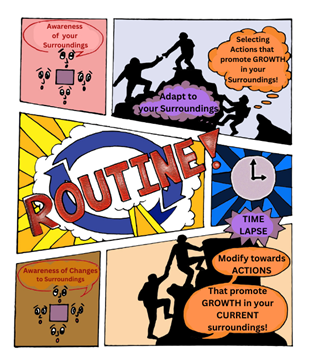
Figure 1: Pseudogymnoascus destructans (Pd) Conceptual design lesson.
a. Become aware of your surroundings.
b. Take actions that assure you thrive in that environment.
c. Establish a routine.
d. Be aware of any changes to your surroundings to change your actions accordingly.
i. Become aware of your surroundings.
ii. Take actions that assure you thrive in that environment.
iii. Establish a routine.
iv. Be aware of any changes to your surroundings to change your actions accordingly.
Discussion
Continuous efforts have been made to combat white nose syndrome affecting the bat population. Besides causing decreasing biodiversity, white nose syndrome has also affected the agricultural industry as the bat population declines so does the passive control of pests of agricultural crops from these insect-eating bats. A potential target for vaccines or therapeutics for white nose syndrome and other fungi causing diseases in humans with similar pathogenesis of selective upregulation of genes upon detection of its environment and immune host evasion may potentially be targeting the signaling pathway responsible for this gene upregulation. This therapy may be capable of targeting the Pd structures that form part of these signaling pathways in order to block Pd from producing proteins that promote their growth by allowing deeper infiltration while evading the bat’s immune system. Ultimately the Pd may still bind to the bat skin, but as the signaling pathway is blocked this may potentially remain nonfatal by blocking the gene upregulation. This should limit the progression of the Pd invasion to penetrate deeper within the skin and cause disease progression. A potential therapeutic for humans bio inspired by Pd, is the development of a Pd bio inspired genetically engineered “Symbiotic Fungi Patch”. Hernandez 2025e [18] is an illustration of the Symbiotic Fungi Patch; “Created in BioRender”.
One can genetically engineer fungi with metabolites beneficial for human health with synthetic DNA containing the same nucleic acid sequence of the Pd genes encoding the step 3a proteins mentioned above that Pd has evolved to adapt to its host and accomplish host immune response evasion. To be precise the genes of proteins described in Step 3a such as: Glucan endo-1,3-β glucosidase (VC83_07327) and Mannan endo-1,6-α mannosidase (VC83_07145)] along with its corresponding signaling pathway that upregulates these genes, will be genetically engineered to live-attenuated medicinal fungi that provides beneficial metabolites improving human health or response to extreme conditions. This added immune evasion ability potentially will serve as an anti-inflammatory reaction to the medicinal fungi’s cell wall. The genetically engineered medicinal fungi will remain within the patch by a mesh with microfluidics allowing its metabolites to flow through the microneedles to be absorbed by the human host. This can be used as a therapeutic to improve health or wellbeing or adaptation to extreme conditions that I named a “Symbiotic Fungi Patch”, pending evaluation of life design principles to assure safety protocols. The patch will serve as a substitute for daily oral supplements of these medicinal fungi metabolites, and may potentially increment the bioabsorption of these beneficial metabolites. A symbiotic relationship will form as the medicinal fungi will provide the beneficial metabolites, while the human host will provide water and nutrients to maintain the medicinal fungi alive within the patch. This patch might also be part of a bio-suit with a symbiotic relationship with fungi resistant to extreme conditions, like radiation, and with the human body to enhance adaptation to space operating conditions, such as electromagnetic radiation or radiation exposure treatments here on Earth. The microneedles should be large enough for microfluidic pathways allowing beneficial metabolites of the live-attenuated fungi to go through, yet small enough to limit the passage of the fungi; neither its hyphae nor spore. A mesh, either at a micro or nano scale can be added above the microneedles to avoid the fungi to penetrate through the microneedles and into the skin. Thus, the microfluidics from the medium containing medicinal metabolites flow through the microneedles and dose the patient accordingly.
Conclusion
Pd’s adaptation to its environment by selectively upregulating genes and the signaling pathway promoting this upregulation may potentially be targets for vaccines and therapeutics. These therapeutics may potentially inspire therapeutics for other fungi infections in humans that also bind to laminin and fibronectin and have signaling pathways that promote the progression of the disease while evading the host immune system like seen in Coccidioides in Valley fever. Bio inspiration from Pd may also lead to anti-inflammatory therapeutics or a potential method allowing a symbiotic relation between humans and medicinal fungi to occur via the “Symbiotic fungi patch”. The translation of biology to design of Pd may also lead to biomimetic designs of social innovations to potentialize SMART goals or other pathways to reach your goals by constantly adapting to your surroundings and focusing your energy accordingly. Other biomimicry designs can come from the literal design lessons as well.
Acknowledgements
I would like to thank and acknowledge Christian de la Cruz for encouraging me to continue researching Pd, guiding me through my research of biomimicry methodology and effectively communicating what I learned from Pd. I would also like to acknowledge Sharing Nature’s Genius assistance as well in my research while being part of their cohort back in 2023.
Author Contributions
Michellie Hernandez
Conflicts of Interest
The authors have declared that no competing interests exist.
References
- U.S. National Park Service (2019) Fungus that Causes White-nose Syndrome Confirmed in California.
- National Wildlife Health Center (2018) White-nose syndrome (WNS) is an emergent disease of hibernating bats that has spread from the northeastern across United States at an alarming rate.
- Meteyer CU, Dutheil J, Keel MK, Boyles J, Stukenbrock E (2022) Plant pathogens provide clues to the potential origin of bat white-nose syndrome Pseudogymnoascus destructans. Virulence 13(1): 1020‑
- Center for Biological Diversity (2003) WHITE-NOSE SYNDROME: QUESTIONS AND ANSWERS.
- Meteyer CU, Buckles E, Blehert D, Hicks A, Green DE (2009) Histopathologic Criteria to Confirm White-nose Syndrome in Bats. Journal of Veterinary Diagnostic Investigation 21(4): 411‑414
- Li A, Leng H, Li Z, Jin L, Sun K (2023) Temporal dynamics of the bat wing transcriptome: Insight into gene-expression changes that enable protection against pathogen. Virulence 14 (1):
- Reeder S, Palmer J, Prokkola J, Lilley T, Reeder D (2017) Pseudogymnoascus destructans transcriptome changes during white-nose syndrome infections 8(8): 1695-1707.
- Chaturvedi V, Springer D, Behr M, Ramani R, Li X, et al. (2010) Morphological and Molecular Characterizations of Psychrophilic Fungus Geomyces destructans from New York Bats with White Nose Syndrome (WNS). PLoS ONE 5:(5).
- Eiamcharoen P, Gelli A, Byrne B, Keel MK (2023) Characterization of Pseudogymnoascus destructans conidial adherence to extracellular matrix: Association with fungal secreted proteases and identification of candidate extracellular matrix binding proteins. Microbial Pathogenesis 174.
- Donaldson M, Davy C, Vanderwolf K, Willis CR, Saville B, et al. (2018) Growth medium and incubation temperature alter the Pseudogymnoascus destructans transcriptome: implications in identifying virulence factors. Mycologia 110 (2): 300‑
- Langwig K, Kilpatrick AM, Kailing M, Laggan N, White JP (2023) Shifting effects of host physiological condition following pathogen establishment. Biology Letters 19(3): 20220574.
- Biomimicry Institute (2025) https://biomimicry.org/janine-benyus/
- Hooker G, Smith E (2016) Asknature and the biomimicry taxonomy. Insight 19 (1): 46‑
- Hernandez M (2025a) Pd Biological Strategy and Mechanism during Pd Invasion of Bat's Skin (Step 1 and 2). Created in Bio Render.
- Hernandez M (2025b) Illustration of Pd Biological Mechanism (Step 3a). Created in Bio Render.
- Hernandez M (2025c) Illustration of Pd Literal Design Lesson. Created in Bio Render.
- Hernandez M (2025d) Illustration of the Set of Variables that promote element's growth within a set environment. Created in Bio Render.
- Hernandez M (2025e) Illustration of the Symbiotic Fungi Patch. Created in BioRender.




 We use cookies to ensure you get the best experience on our website.