
Research Article 
 Creative Commons, CC-BY
Complicated Deliveries in Women with Uterine Fibroids: A Hospital-Based Study in Southeast Nigeria
*Corresponding author:Emmanuel M Akwuruoha, Department of Obstetrics and Gynaecology, Abia State University Teaching Hospital, Aba, Nigeria.
Received:July 25, 2025; Published:August 11, 2025
DOI: 10.34297/AJBSR.2025.28.003632
Abstract
Background: Uterine fibroids, commonly presenting as abdominal swellings, are prevalent benign tumors that may compromise pregnancy and
delivery outcomes. In regions with limited healthcare access and cultural influences on health-seeking behavior, the impact of fibroids on obstetric
outcomes remains underexplored. This study investigated the factors associated with complicated deliveries among women with fibroid in a tertiary
hospital in Southeast Nigeria.
Materials and Methods: A retrospective descriptive study was conducted at the Abia State University Teaching Hospital (ABSUTH), Aba, Nigeria,
covering the period from January 2021 to December 2024. Data from 267 women who presented with abdominal swellings confirmed as uterine
fibroids and delivered within the facility were extracted using structured forms. Sociodemographic variables, obstetric history, delivery outcomes,
and cultural factors were analyzed using SPSS version 26. Bivariate analyses and binary logistic regression were conducted to identify predictors of
complicated deliveries, defined as those involving hemorrhage, uterine rupture, low Apgar score, emergency cesarean section, or perinatal death.
Results: Of the 267 participants, 19.1% experienced complicated deliveries. Emergency cesarean sections (9.0%) and low Apgar scores (18.0%)
were significant contributors. Statistically significant predictors of complications included being unbooked (OR: 2.91; p = 0.006), rural residence
(OR: 2.75; p = 0.014), female genital mutilation (OR: 2.20; p = 0.016), large birth size (OR: 2.51; p = 0.028), and emergency cesarean section (OR:
3.71; p = 0.006). Wealth index and antenatal booking status were also associated with adverse outcomes.
Conclusion: Women with uterine fibroids face elevated risks of complicated deliveries, particularly those from rural areas, with poor antenatal
coverage, low socioeconomic status, or cultural practices such as FGM. Targeted interventions aimed at improving antenatal care coverage, socioeconomic
empowerment, and cultural education could mitigate these risks and enhance maternal and neonatal outcomes.
Keywords:Uterine fibroids, Complicated delivery, Cesarean section, Antenatal care, Female genital mutilation
Introduction
Uterine fibroids, also known as leiomyomas, are benign smooth muscle tumours of the uterus and represent the most common pelvic tumour in women of reproductive age. Globally, up to 80% of women will have fibroids by the age of 50, with Black women, including those of Nigerian descent, experiencing a markedly higher prevalence, earlier onset, larger tumour burden, and more frequent complications [1,2]. In Nigeria, fibroids account for a significant proportion of gynaecological admissions and surgical interventions, particularly among women aged 30 to 39 years [3].
In many Nigerian tertiary centres, the most common clinical presentations include heavy menstrual bleeding (menorrhagia), abdominal swelling or palpable pelvic mass, infertility, and pelvic pain. For instance, at the University of Abuja Teaching Hospital, 38.4% of women with fibroids presented with menorrhagia and 35.9% with abdominal mass, while infertility affected over a third of cases [3]. A similar retrospective review of surgically managed cases in Southwestern Nigeria found that abdominal swelling was reported by 39.1% of patients, often accompanied by menstrual irregularities and infertility [4]. These findings underscore that abdominal enlargement from substantial fibroids is common in this setting, often reflecting late presentation and large tumour size, frequently exceeding the equivalent of 12 to 20 week gestation [3,4]. Fibroids are associated with adverse pregnancy and obstetric outcomes. A recent meta-analysis involving over 237,000 women demonstrated that uterine fibroids increase the risk of preterm birth, cesarean delivery, placenta previa, placental abruption, postpartum haemorrhage, breech presentation, intrauterine fetal death, and pre-eclampsia [5]. In African settings, such as Cameroon, studies reported a prevalence of fibroids in pregnancy as high as 12–16%, with affected women experiencing elevated odds of vaginal bleeding (OR ≈ 5.2), acute abdominal pain, cesarean birth (OR ≈ 4.5), low Apgar scores, and primary postpartum haemorrhage (OR ≈ 4.7) [6].
In Southeast Nigeria, fibroid associated complications during delivery have not been sufficiently characterized, particularly in women with large abdominal swellings. While surgical outcomes- including myomectomy as well as hysterectomy-have been described in Enugu and other tertiary facilities, there is limited data focusing on maternal obstetric complications in the context of delivery [7]. These surgical series highlight a high incidence of postoperative anaemia, wound infection, and blood transfusion requirements, often associated with intramural and large fibroid size at presentation.
Furthermore, Nigeria faces one of the highest maternal mortality burdens worldwide, with haemorrhage, obstructed labour, and poor healthcare infrastructure contributing significantly [8,9]. In women presenting with bulky uterine fibroids, risk during labour and delivery may be compounded by anaemia, limited emergency obstetric services, and delays in accessing skilled care. This confluence of factors may increase the risk of complicated deliveries, including obstructed labour, postpartum haemorrhage, and cesarean section.
Despite the recognized high prevalence of uterine fibroids and their symptom burden—including degradation of quality of life [10] there is a paucity of focused research on obstetric outcomes among pregnant women with large fibroids in Southeast Nigeria. Specifically, data are lacking on the frequency, clinical course, and maternal–neonatal outcomes of deliveries complicated by large abdominal fibroid swellings in this region. Consequently, there is an important knowledge gap: how do uterine fibroids with substantial abdominal enlargement present and complicate deliveries in hospital settings in Southeast Nigeria? A hospital-based study addressing this question would provide critical insights for clinicians and health planners, potentially informing antenatal surveillance protocols, referral systems, intrapartum management strategies, and resource allocation to reduce maternal morbidity associated with fibroid related obstetric complications.
Materials and Methods
Study Design
This study adopted a retrospective descriptive design aimed at evaluating the sociodemographic, obstetric, clinical, and cultural characteristics associated with complicated deliveries among women presenting with abdominal swellings. The study was conducted over a three-year period (January 2021 – December 2024) at the Gynecology Clinic of Abia State University Teaching Hospital (ABSUTH), Aba, Abia State, Nigeria.
Study Setting
Abia State University Teaching Hospital (ABSUTH) is a tertiary healthcare facility located in Aba, a major urban and commercial center in southeastern Nigeria. The hospital provides a broad spectrum of specialized services including gynecology, obstetrics, and maternal health care, catering to a large catchment population from both urban and rural areas within Abia State and neighboring states.
Study Population
The study population comprised all women who presented to the gynecology clinic within the study period with complaints or diagnoses of abdominal swellings and who eventually delivered at ABSUTH. Abdominal swellings were clinically and radiologically evaluated and confirmed as uterine leiomyomas (fibroids) in all participants.
Inclusion Criteria
a) Women aged 18 years and above.
b) Presentation with clinically or radiologically confirmed
abdominal swellings (fibroids).
c) Availability of obstetric and clinical data in the medical
records.
d) Delivery conducted within the facility during the study
period.
Exclusion Criteria
a) Patients whose deliveries occurred outside the facility or
in other healthcare centers.
b) Cases where abdominal swellings were later found not to
be related to uterine fibroids.
Sample Size and Sampling Technique
A total of 267 women who met the inclusion criteria were enrolled in the study. A complete enumeration (total population sampling) approach was adopted, where all eligible records within the specified period were reviewed and included.
Data Collection Procedure
Data were retrospectively extracted from the hospital’s medical records, delivery registers, and patient case notes by trained research assistants using a structured data extraction form. The form was designed to capture the following categories of information:
a) Sociodemographic Characteristics: age, education,
marital status, religion, tribe, occupation, wealth index, and
residence location.
b) Obstetric History: parity, birth interval, birth order, antenatal
care attendance, booking status, and birth size.
c) Delivery Information: mode of delivery, operation outcomes,
Apgar scores, perinatal deaths, and delivery complications.
d) Cultural and Health-Seeking Factors: place of delivery,
distance to health facility, and history of Female Genital Mutilation
(FGM).
Variables and Definitions
a) Complicated Delivery: Defined as any delivery that involved
adverse obstetric outcomes, such as excessive hemorrhage,
uterine rupture, emergency cesarean section, low Apgar
score (<7), or perinatal death.
b) Wealth Index: Classified based on documented income
levels, housing materials, and ownership of household assets,
as recorded in medical files or antenatal intake forms.
c) Booking Status: Women who registered for antenatal
care and received regular prenatal monitoring were considered
“Booked,” while those who presented only at the time of delivery
or with limited/no prenatal visits were considered “Unbooked.”
d) Birth Size: Based on birth weight categories and clinical
estimation recorded in delivery notes.
Data Management and Statistical Analysis
Data collected were entered into Microsoft Excel and subsequently exported to Statistical Package for the Social Sciences (SPSS) version 26.0 for cleaning and analysis. Descriptive statistics (frequencies, percentages, means, and standard deviations) were computed for categorical and continuous variables. Chi-square tests were conducted to assess associations between sociodemographic, obstetric, and cultural variables and delivery outcomes. Significant variables from bivariate analyses (p < 0.05) were further included in a binary logistic regression model to determine independent predictors of complicated delivery. Results of the regression were expressed as adjusted odds ratios (ORs) with 95% Confidence Intervals (CI). A p-value of <0.05 was considered statistically significant.
Ethical Considerations
Since the study involved secondary data extraction without direct contact with patients, the need for individual consent was waived. All data were anonymized to protect patient confidentiality.
Results
The study involved 267 women and assessed their sociodemographic profile, obstetric history, delivery outcomes, and associated cultural and health-seeking behaviors. The participants were predominantly within the age group of 36–41 years (40.4%), with most having attained tertiary education (49.4%), and a majority being married (61.4%). Christianity (97.8%) and the Igbo ethnic group (95.9%) were dominant among respondents. Civil service and trading were the most common occupations. Regarding wealth index, 30% of participants identified as rich class, while a majority (61.4%) were undecided. Most participants (91.4%) resided in urban areas, and parity was largely skewed towards women with only one child (80.1%) (Table 1).
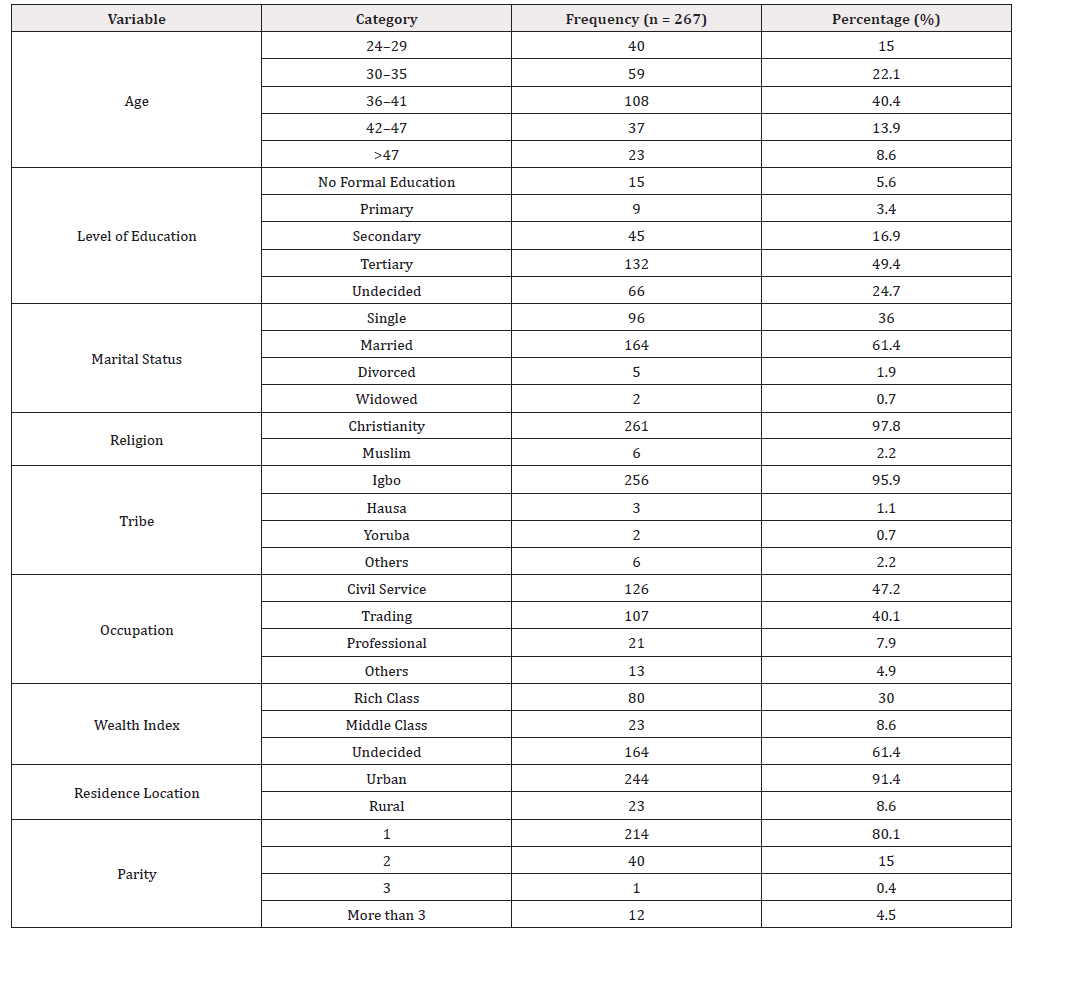
Table 1:Sociodemographic Characteristics of Study Participants (n = 267).
In terms of delivery and obstetric outcomes, Spontaneous Vaginal Delivery (SVD) was the most prevalent mode of delivery (67.4%), followed by elective caesarean section (23.6%) and emergency caesarean section (9.0%). Most deliveries had normal outcomes (80.9%), and a significant proportion of neonates had Apgar scores above 7 (74.9%). Perinatal death occurred in 7.1% of cases (Table 2).
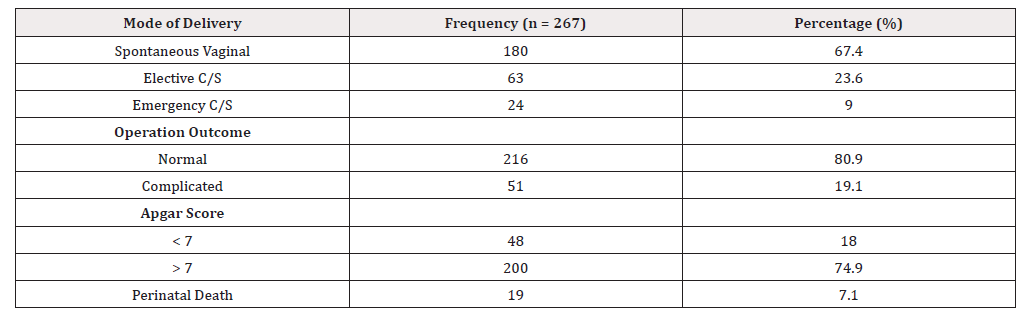
Table 2:Obstetric Outcomes and Mode of Delivery.
Delivery profile data revealed that the majority of births had an interval of less than 24 months (86.9%), with high proportions of higher birth order (>3) and average birth size, each constituting 89.1%. The delivery outcome was normal in 89.1% of cases, while complications were observed in 10.9% (Table 3).
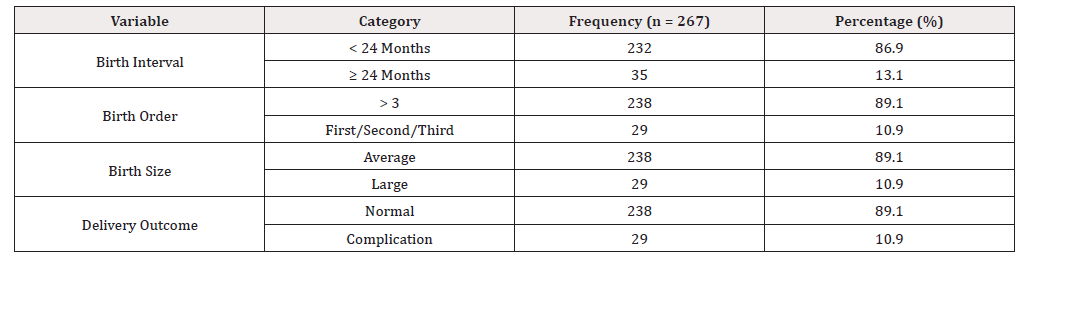
Table 3:Delivery Outcomes and Birth Profile.
Health-seeking behavior was generally positive: 89.9% of the women had more than four antenatal visits, and 81.3% were booked for antenatal care. Most deliveries occurred in public health facilities (76.4%). Although distance to healthcare facilities was not perceived as a major problem by 78.3% of respondents, Female Genital Mutilation (FGM) was reported by 54.3% (Table 4).
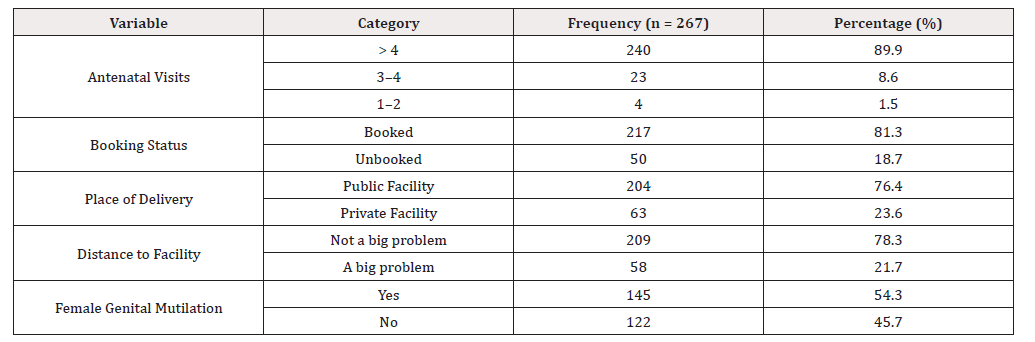
Table 4:Health-Seeking Behavior and Cultural Factors.
The bivariate analysis showed that wealth index, residence location, mode of delivery, Apgar score, booking status, FGM, and birth size were significantly associated with delivery outcomes (p < 0.05). Other sociodemographic variables like age, education, and marital status were not significantly associated with delivery complications (Table 5).
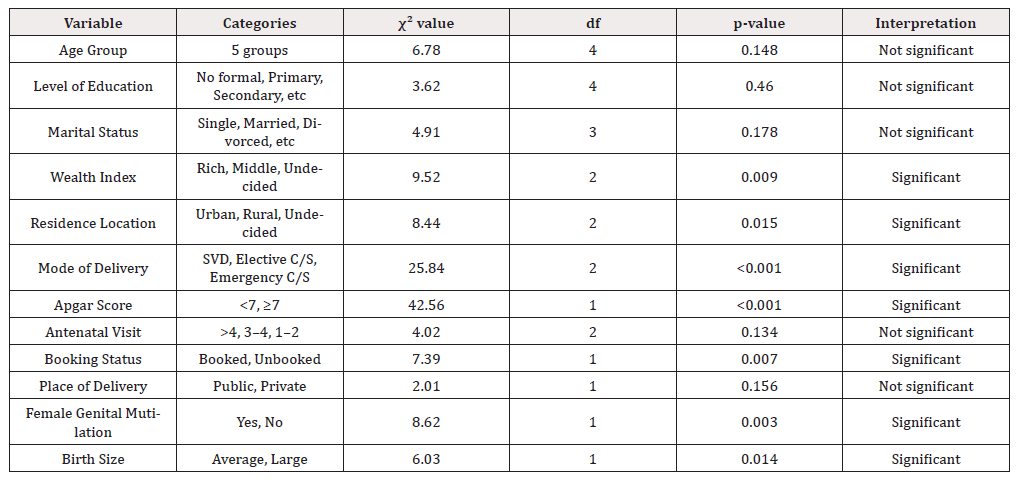
Table 5:Association Between Sociodemographic/Obstetric Variables and Delivery Outcome.
Binary logistic regression further identified several predictors of complicated delivery. Women with an undecided wealth index had significantly higher odds (OR = 3.34, 95% CI: 1.61–6.95, p = 0.001) of having complications compared to those in the rich class. Rural residence (OR = 2.75, p = 0.014), unbooked antenatal status (OR = 2.91, p = 0.006), emergency caesarean section (OR = 3.71, p = 0.006), history of FGM (OR = 2.20, p = 0.016), and large birth size (OR = 2.51, p = 0.028) were all significantly associated with increased risk of delivery complications. However, elective caesarean section did not show a statistically significant association (p = 0.170) (Table 6).
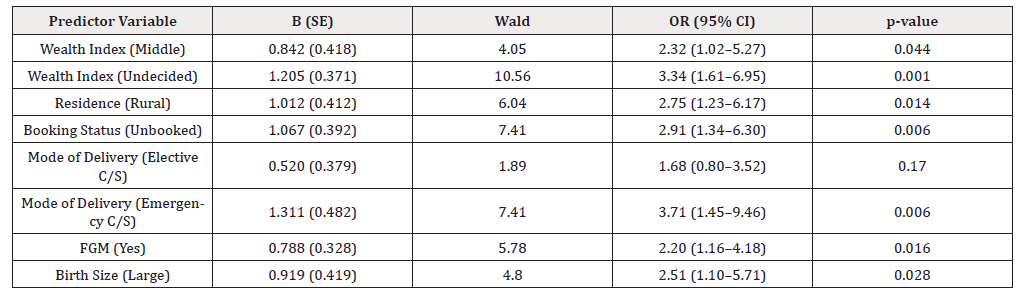
Table 6:Binary Logistic Regression Predicting Complicated Delivery
Discussion
In this hospital-based study of 267 women with uterine fibroids, sociodemographic patterns revealed that the majority were aged between 36 and 41 years (40.4%), with tertiary education (49.4%), urban residence (91.4%), and primarily married (61.4%). These profiles align with previous Nigerian studies showing mean ages in the mid-30s and high fibroid prevalence among educated, urban women [11]. For instance, Abia State data reported a mean age of 35.8 years among fibroid patients, predominantly public servants from urban settings [10].
Obstetric outcomes showed that 67.4% had spontaneous vaginal deliveries (SVD), 23.6% had elective caesarean sections (C/S), and 9% underwent emergency C/S. These rates are comparable to a hospital-based Nigerian study where fibroids complicated 21.9% of C/S cases [12]. The finding that 19.1% of deliveries were complicated underscores the obstetric risk posed by fibroids. This aligns with global reports indicating 10–30% of pregnancies with fibroids result in complications such as increased bleeding and cesarean delivery [13,14].
Perinatal outcomes were also concerning: 18% had low Apgar scores (<7) and 7.1% experienced perinatal death. While other research from Nigeria has highlighted increased risks of preterm birth and hemorrhage, values for perinatal mortality are less frequently reported. International studies note a link between fibroids and adverse neonatal outcomes, though exact mortality figures vary [5].
Table 4 shows that 10.9% of neonates were large or macrosomic and 10.9% of deliveries were complicated. Other studies have underscored increased risk for large-for-gestational-age infants and malpresentation in fibroid pregnancies, echoing the 10–30% complication rate seen in this study [15]. High health-seeking behavior was seen: nearly 90% had more than four antenatal visits, 81.3% booked early, and most delivered in public facilities. Despite this, 54.3% reported Female Genital Mutilation (FGM), a culturally rooted practice. Comparatively, FGM has not been extensively examined in fibroid research, but conditions affecting pelvic blood flow could hypothetically influence fibroid-related outcomes.
Chi square analysis identified socioeconomic status, residence, delivery mode, Apgar score, booking status, FGM, and birth size as significantly related to complications. Logistic regression further identified rural residence (OR = 2.75), unbooked status (OR = 2.91), emergency C/S (OR = 3.71), FGM (OR = 2.20), large birth size (OR = 2.51), and lower wealth classifications (middle class OR = 2.32; undecided OR = 3.34) as independent predictors of complications. These results complement previous Nigerian studies highlighting rural residence and delayed healthcare access as major risk factors in fibroid-related obstetric complications [16,17]. Global literature also notes emergency C/S as a common intervention in fibroid pregnancies due to malpresentation or labor dystocia [14,18].
FGM emerged as an independent predictor, a novel finding within this context. While fibroid research seldom addresses FGM, it is plausible that scarring and anatomical changes could complicate labor, suggesting an area requiring deeper investigation. Comparing mode of delivery, elective C/S did not significantly predict complications (p = .170), contrasting with a South African study suggesting planned C/S might mitigate risks [19]. In our setting, the quality of antenatal screening and delivery readiness may outweigh the timing of cesarean deliveries. Macrosomia and large infants were significantly associated with complications (p = .028), consistent with global findings of fibroid-linked fetal overgrowth, malpresentation, and higher C/S rates [15]. While antenatal visit frequency and educational level showed no statistical significance, our cohort’s high engagement and education may have limited variability, busy urban women are likely to seek care regardless. The relatively low perinatal mortality rate (7.1%) might reflect the benefits of hospital care and early booking; however, nearly one in five low-Apgar births highlights the need for improvement.
Conclusion
Our study confirms that uterine fibroids in Southeast Nigeria led to substantial obstetric and perinatal challenges, particularly among rural, unbooked, lower-income women, those undergoing emergency C/S, and cases involving FGM and large infants. These findings are consistent with both Nigerian and global literature, though the association with FGM is newly observed and warrants further exploration.
Acknowledgements
None.
Conflict of Interest
None.
References
- MacKenzie M (2023) 9 uterine fibroids facts every person with a uterus should know. Glamour.
- Stewart EA, Cookson CL, Gandolfo RA, Schulze Rath R (2017) Epidemiology of uterine fibroids: a systematic review. BJOG: an international journal of obstetrics and gynaecology 124(10): 1501-1512.
- Isah DA, Adewole N, Agida TE, Omonua KI (2018) A five-year survey of uterine fibroids at a Nigerian tertiary hospital. Open Journal of Obstetrics and Gynecology 8(5): 468-476.
- Okogbo FO, Ezechi OC, Loto OM, Ezeobi PM (2011) Uterine Leiomyomata in South Western Nigeria: a clinical study of presentations and management outcome. African health sciences 11(2): 271-278.
- Li H, Hu Z, Fan Y, Hao Y (2024) The influence of uterine fibroids on adverse outcomes in pregnant women: a meta-analysis. BMC pregnancy and childbirth 24(1): 345.
- Egbe TO, Badjang TG, Tchounzou R, Egbe EN, Ngowe Ngowe M (2018) Uterine fibroids in pregnancy: Prevalence, clinical presentation, associated factors and outcomes at the Limbe and Buea Regional Hospitals, Cameroon: A cross-sectional study. BMC Research Notes 11(1): 889.
- Okezie O, Ezegwui HU (2006) Management of uterine fibroids in Enugu, Nigeria. Journal of obstetrics and gynaecol the jthe Institute of Obstetrics and Gynaecology 26(4): 363-365.
- Onyemereze CO, Alumona FC, Adesina OO, Mba KK, Mba CJ, et al. (2024) Assessment of risk factors associated with placenta previa in a tertiary health institution in Southeast Nigeria. Journal of Obstetrics, Gynecology and Reproductive Sciences 8(7).
- Onyemereze CO, Ezirim EO, Akwuruoha EM, Mba KK, Mba CJ, Adesina OO, et al. (2024) Knowledge and prevalence of placenta previa in a tertiary health institution in Southeast Nigeria. International Journal of Gynecology and Infertility 2(1): 1-13.
- Akwuruoha EM, Akwuruoha CU, Onyemachi PEN (2025) Assessment of uterine leiomyoma in Aba, Abia State, South Eastern Nigeria: A private hospital outlook. IOSR Journal of Dental and Medical Sciences (IOSR-JDMS) 24(3 Ser. 1): 1-7.
- Akwuruoha EM, Umezurike CC, Akwuruoha CU (2025) Prevalence, knowledge and factors associated with uterine fibroids among women attending Abia State University Teaching Hospital, Nigeria. Journal of Clinical Research and Reports 20(3).
- Ani VC, Ogabido CA, Okpala BC (2022) Coexisting fibroid in pregnancy and its labour outcome in Nigeria. World Journal of Advanced Research and Reviews 16(1): 844-850.
- Eyong E, Okon OA (2019) Large Uterine Fibroids in Pregnancy with Successful Caesarean Myomectomy. Case Reports in Obstetrics and Gynecology 2020(1): 8880296.
- Gemici A, Tapisiz OL (2023) The meaning and management of uterine fibroids in pregnancy: A narrative review of the literature. Gynecologic and Pelvic Medicine 6(15).
- Ade Ojo P, Odetola AA (2024) Surgical and delivery outcomes of coexisting uterine fibroids with pregnancies in Nigeria. Clinical Journal of Obstetrics and Gynecology 923.
- Nonye Enyidah EI, Esiogu LF, Esiogu BC, Amadi SC, Gogo MA (2025) Prevalence, Clinical Presentation and Management Options of Uterine Fibroids in a Nigerian Tertiary Institution. International Journal of Research and Reports in Gynaecology 8(1): 18-26.
- Obiechina NJA, Ugboaja JO, Ezeama CO, Monago EN (2009) Clinical pattern and management outcome of uterine fibroids seen in a private specialist hospital in southeast Nigeria. Tropical Journal of Medical Research 13(1).
- Sefah N, Ndebele S, Prince L, Korasare E, Agbleke M, et al. (2023) Uterine fibroids Causes, impact, treatment, and lens to the African perspective. Frontiers in Pharmacology 13: 1045783.
- Boatin AA, Ngonzi J, Ganyaglo G, Mbaye M, Wylie BJ, Diouf K (2021) Cesarean Delivery in Low- and Middle-Income Countries: A Review of Quality-of-Care Metrics and Targets for Improvement. Seminars in Fetal & Neonatal Medicine 26(1): 101199.




 We use cookies to ensure you get the best experience on our website.