
Research Article 
 Creative Commons, CC-BY
Detection of Extended-Spectrum Beta-Lactamase (ESBL) producing Escherichia coli Associated with Urinary Tract Infections in Ado Ekiti, Nigeria
*Corresponding author:Funmilayo A Adewumi, Department of Medical Laboratory Science, Faculty of Basic Medical Sciences, College of Medicine, Ekiti State University, Ado Ekiti, Ekiti State, Nigeria.
Received:August 20, 2025; Published:August 26, 2025
DOI: 10.34297/AJBSR.2025.28.003672
Abstract
The growing prevalence of multidrug-resistant Escherichia coli, particularly strains producing Extended-Spectrum Beta-Lactamases (ESBLs), complicates the treatment of Urinary Tract Infections (UTIs) and warrants urgent attention. This study investigated the occurrence of ESBL-producing Escherichia coli associated with UTIs in Ado Ekiti, Nigeria. One hundred and forty-one non-duplicate Escherichia coli isolates associated with UTIs obtained from Medical Microbiology Laboratory at Ekiti State University Teaching Hospital were Sub-cultured on MacConkey agar and Eosin Methylene Blue agar and re-characterized using biochemical assays and Polymerase Chain Reaction. Disc diffusion method was used to determine antimicrobial susceptibility patterns. ESBL brilliance agar and the double disc diffusion synergism test were used to identify the phenotypic expressions of ESBLs. Polymerase chain reaction was used to characterize the bla TEM, CTX-M and SHV genotypes. Results showed high resistance rates to Ampicillin (73.9%), Amoxicillin (72.5%), Augmentin (55.8%), Cefotaxime (76.1%), Cefuroxime (68.8%) and Cotrimoxazole (73.9%) but extreme susceptibility to Imipenem (100%). Of the 141 E. coli isolates, 56 (39.7%) were multi antibiotic resistant, 44 (78.6%) isolates were identified as ESBL producers using the double-disk synergy test and 46 (82.1%) on ESBL Brilliance agar. Bla TEM genes 35 (62.5%) and CTX-M genes 23 (41%) only were the genotypes identified. This study highlights the prevalence of ESBL production among Escherichia coli associated with UTIs in Ado Ekiti, Nigeria. This underscores the urgent need for effective monitoring and management strategies to combat antibiotic resistance in this region. Immediate action is required at both clinical and policy levels to prevent the spread of these pathogens and preserve the efficacy of last-resort antibiotics such as carbapenems.
Keywords:Escherichia coli, Urinary tract infections, Extended-Spectrum Beta-Lactamases Bla CTX, Bla TEM
Introduction
The rise of multidrug-resistant bacteria, particularly Extended- Spectrum Beta-Lactamase (ESBL)-producing Escherichia coli, poses a significant threat to public health, complicating the treatment of common infections like Urinary Tract Infections (UTIs) 1,2]. The production of ESBLs is the primary mechanism of resistance to third-generation cephalosporins among Enterobacteriaceae, including Klebsiella pneumoniae and E. coli [3,4]. UTIs are a major public health problem, with an estimated 150 million cases diagnosed globally each year [5]. Gram-negative bacilli, particularly E. coli, are the predominant pathogens, responsible for 75-90% of cases [6]. UTIs caused by ESBL-producing organisms are associated with unpredictable treatment outcomes and prolonged hospital stays due to their multidrug-resistant nature. Once primarily confined to healthcare facilities, ESBL-producing organisms are now increasingly reported in community-acquired infections [3,7]. This trend has significant implications for treatment and public health, as ESBL organisms often exhibit co-resistance to multiple antimicrobial classes [3,7,8]. Hence, ESBL-producing organisms remain of enormous clinical and microbiological concern, warranting close surveillance to prevent outbreaks [9]. This study investigates the prevalence and characteristics of ESBL-producing E. coli associated with UTIs in Ado Ekiti, Nigeria.
Materials And Methods
Study Area
This cross-sectional study was carried out in Ado Ekiti, Ekiti State, Nigeria, located on latitude 7°35′-7°47′ north of the equator and longitude 5°11′-5°16′ east of the Greenwich meridian.
Duration of Study
The study lasted six months, from September 2023 to March 2024.
Sample Collection and Processing
One hundred and forty-one non-duplicate E. coli isolates were obtained from the Medical Microbiology Laboratory of a tertiary hospital in Ado Ekiti. Colonies were inoculated on Mueller-Hinton agar slopes, incubated at 37°C for 24 hours, and stored in a refrigerator for further analysis.
Media Preparation
Media were prepared according to manufacturer’s instructions, sterilized by autoclaving at 121°C for 15 minutes, cooled, and poured into Petri dishes.
Characterization and Identification of Isolates
Samples were streaked onto MacConkey agar and Eosin Methylene Blue (EMB) agar, incubated for 24 hours at 37°C, and examined for lactose fermentation and metallic green sheen formation. Identification was confirmed using standard microbiological and biochemical tests [10]. On MacConkey agar, E. coli ferments lactose, producing pink colonies, while on EMB agar it produces a characteristic green metallic sheen [11].
Biochemical Identification
Biochemical characterization followed standard procedures [10].
Antibiotic Susceptibility Testing
Antimicrobial susceptibility of pure isolates was assessed using the disc diffusion method following Clinical Laboratory Standards Institute (CLSI) guidelines [12]. Results were interpreted as susceptible, intermediate, or resistant based on zone diameters [12]. Control strains included E. coli ATCC 25922 and ESBL-positive E. coli ATCC 35218.
Inoculum Preparation and Standardization
Fresh colonies were inoculated in Mueller-Hinton broth, incubated for 3 hours at 37°C, and adjusted to a turbidity equivalent to 0.5 McFarland standard (1.5 × 10^6 CFU/ml).
Disk Diffusion Procedure
Inoculated Mueller-Hinton agar plates were streaked evenly and antibiotic discs were placed at appropriate distances. Tested antibiotics included: Ampicillin (10 μg), Amoxicillin (25 μg), Augmentin (30 μg), Cefotaxime (30 μg), Ceftazidime (30 μg), Cefuroxime (30 μg), Ofloxacin (5 μg), Ciprofloxacin (10 μg), Gentamicin (10 μg), Nitrofurantoin, and Imipenem. Plates were incubated at 37°C for 18 hours.
Phenotypic Detection of ESBLs
ESBL production was assessed by the Double Disk Synergy Test (DDST) [13]. Positive (E. coli ATCC 35218) and negative (E. coli ATCC 25922) controls were included. ESBL production was inferred when the inhibition zone of ceftazidime or cefotaxime was expanded ≥5 mm by clavulanate [14]. ESBL Brilliance Agar (Oxoid) was also used for chromogenic detection, enabling presumptive identification within 24 hours [15].
Molecular Detection
DNA extraction was performed using the QIAGEN DNA mini kit with slight modifications. PCR amplification targeted E. coli-specific uspA genes [16] and ESBL-associated genes (blaTEM, blaCTX-M, blaSHV) using established primers [10]. PCR products were visualized by agarose gel electrophoresis.
Statistical Analysis
Sensitivity and specificity were calculated, and chi-square tests determined significance (p < 0.05). Analyses were conducted using SPSS version 21 (Table 1).
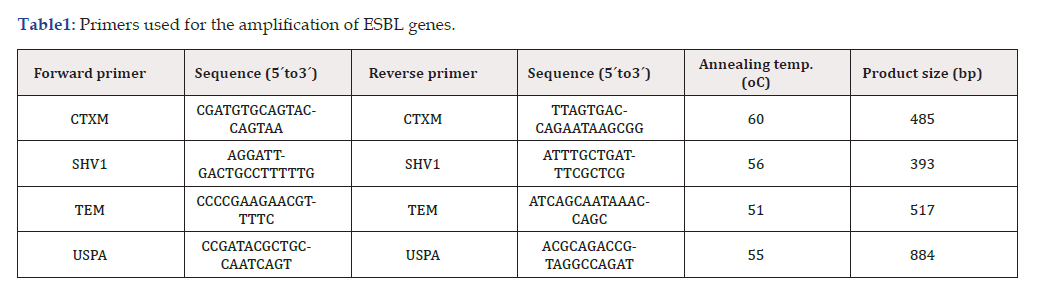
Table 1:Primers used for the amplification of ESBL genes.
Resultss
Identification using Standard Laboratory Methods
Following recharacterization and genomic identification of the organisms only 138 isolates were characterized and identified Escherichia coli. Escherichia coli grew with a green metallic sheen EMB agar as shown on Figure 1.
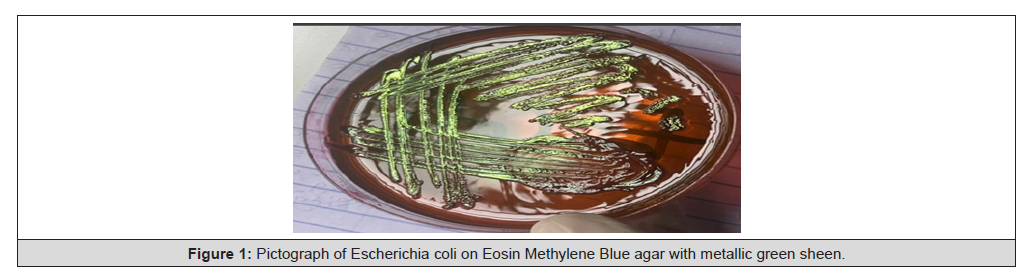
Figure 1:Pictograph of Escherichia coli on Eosin Methylene Blue agar with metallic green sheen.
Antibiotic Susceptibility Pattern of the Isolated Organism
All the 138 E. coli isolates were subjected to antimicrobial testing. Based on the antibiotic susceptibility tests, the overall resistance of the isolates to antibiotics showed that resistance to Ampicillin (AMC) (73.9%), Amoxicillin (AMX) (72.5%), Augmentin (AUG) (55.8%), Cefotaxime (CTX) (76.1%), Cefuroxime (CXM) (68.8%) and Cotrimoxazole (STX) (73.9%) as presented in Table 2. The highest resistance was observed in Ampicillin (AMC) (73.9%) and Chloramphenicol (CHL) (84.1%) while Imipenem was observed as the most sensitive antibiotic tested (100%). Fifty- six (56) isolates were identified as Multidrug Resistant (MDR) isolates and were selected for possible ESBL production testing.
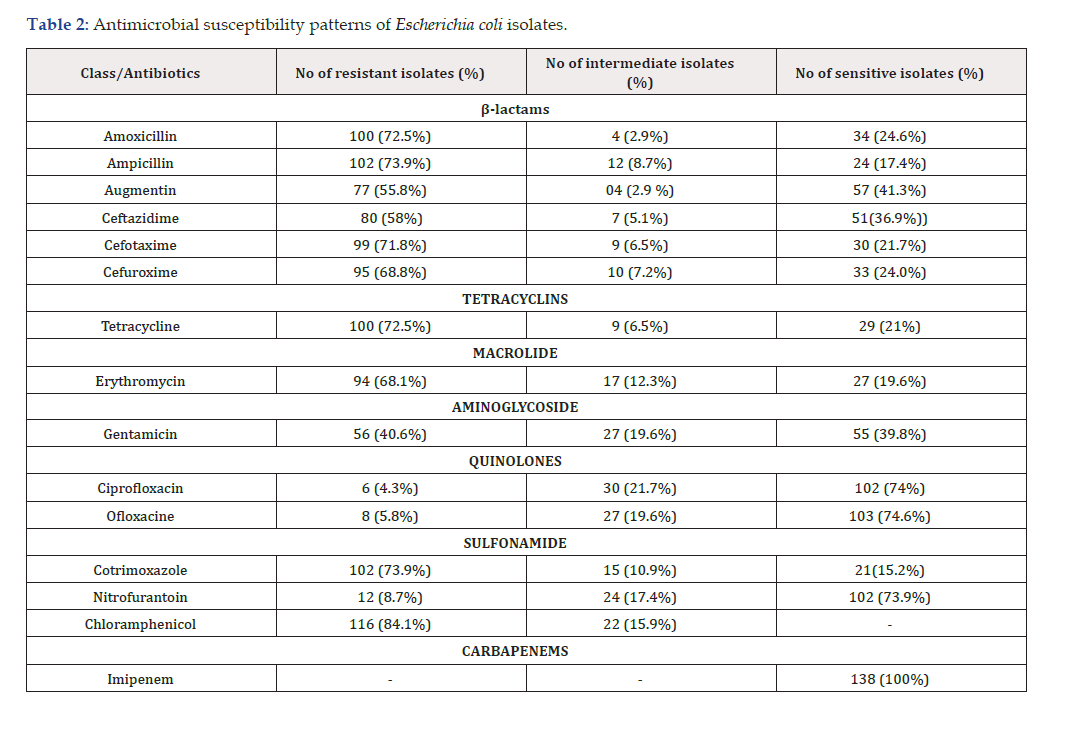
Table 2:Antimicrobial susceptibility patterns of Escherichia coli isolates.
Phenotypic Detection of Extended Spectrum β-Lactamase (ESBLS)
The Double-Disk Synergy Test (DDST) using cefotaxime/ceftazidime with clavulanate as a substrate produced positive findings in 44 out of 56 isolates (78.6%), showing a synergistic impact indicative of Extended-Spectrum β-Lactamase (ESBL) synthesis. Screening with the ESBL Brilliance agar identified ESBL-producing Escherichia coli in 46 of the 56 isolates (82.1%), characterized by the appearance of deep blue colonies as shown in Figure 2.
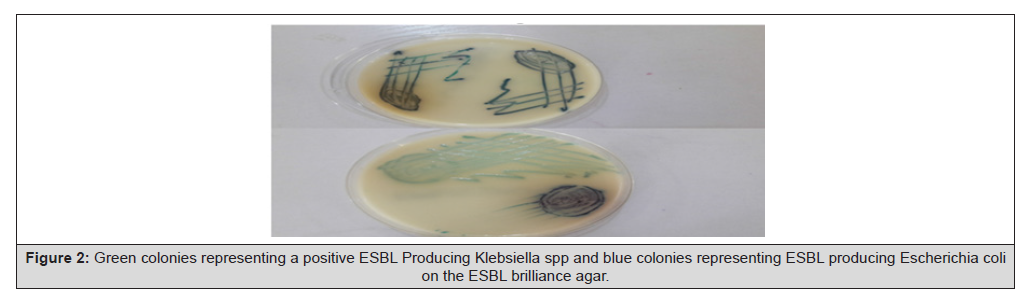
Figure 2:Green colonies representing a positive ESBL Producing Klebsiella spp and blue colonies representing ESBL producing Escherichia coli on the ESBL brilliance agar.
Detection of ESBL Genes
Molecular characterization of resistant genes of the Escherichia coli isolates, the result of the genomic DNA polymerization by PCR is shown on Figure 3a and 3b for bla CTX-M, bla TEM genes and bla SHV genes respectively. A total of 35 (62.5%) isolates showed detectable genes. Bla TEM genes 35 (62.5%) isolates, CTX-M genes 23 (41%) of the Escherichia coli isolates while bla SHV gene was not detected.
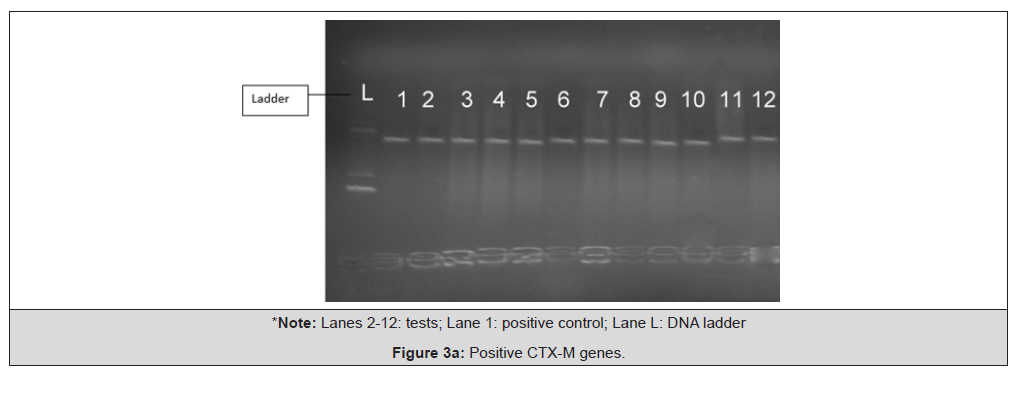
Figure 3a:Positive CTX-M genes.
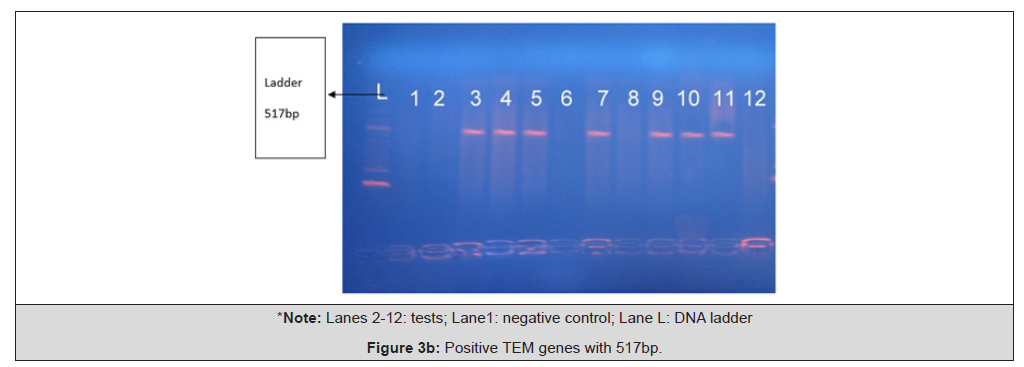
Figure 3b:Positive TEM genes with 517bp.
Discussion
Urinary Tract Infections (UTIs) are among the most common bacterial diseases worldwide, affecting millions each year, especially women and the elderly. Escherichia coli has been identified as the predominant causative agent of both community-acquired and hospital-acquired urinary tract infections. However, the emergence of antibiotic-resistant bacteria, especially those that produce Extended-Spectrum β-Lactamases (ESBLs), is compromising the efficacy of traditional antibiotic regimens [17]. Cephalosporin is a commonly used antibiotic for treatment of Urinary tract infections. However, resistance to these antibiotics is increasing in the last decades. This has been attributed to emergence of strains that can be producing Extended-Spectrum β-Lactamases (ESBLs). Generally, antibiotic resistance has continued to constitute serious problems in human medicine [18]. ESBLs have emerged gradually during the last decades in species of Enterobacteriaceae and their prevalence reach alarming rates [19]. Infections caused by such pathogens often limit therapeutic options and cause treatment failures [20] Figure 4.
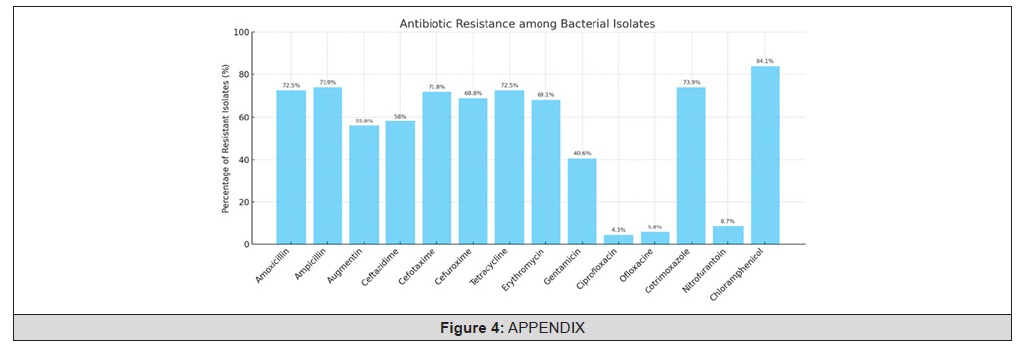
Figure 4:APPENDIX
Moreover, ESBL genes are often co-transferred with plasmid- mediated fluoroquinolone and aminoglycoside resistance genes, thus contributing to the dissemination of multidrug resistance mechanisms [21]. Therefore, an accurate method for the phenotypic detection of ESBLs among Enterobacteriaceae irrespective of the presence of other beta-lactamases is essential in order to successfully address surveillance studies as well as for infection control issues [20]. Although many international studies have addressed the emergence of ESBL-producing K. pneumoniae and E. coli, there are few local reports on this issue. The current study presents alarming levels of antimicrobial resistance among E. coli isolates. Resistance was particularly high against β-lactams including amoxicillin (72.5%), ampicillin (73.9%), cefotaxime (76.1%), cefuroxime (68.8%), and cotrimoxazole (73.9%). This observation which has been widely reported might be due to its extensive misuse 0f first line drug of choice in the treatment of uncomplicated UTIs but the usefulness has now been significantly reduced due to high level of bacterial resistance [22-25]. Interestingly, fluoroquinolones which were among the most effective agents of choice in the empiric treatment of most bacterial infections in the last one decade were observed in this study to be largely effective on these Escherichia coli strains. This trend was also reported by Iqbal, et al., [26] while Kader and Kumar [27] reported that the isolates were highly resistant to cefepime, ciprofloxacin and gentamicin. The ESBLs are encoded by plasmids which also carry resistant genes for other antibiotics. A co-resistance to the quinolones and the aminoglycosides is common. In this study, an associated resistance with co-trimoxazole (73.9%), and gentamicin (40.6%) was observed. Gupta, et al., [28] had earlier reported 91.17%, 100% and 94.91% resistances respectively to gentamicin, cotrimoxazole and ciprofloxacin in the ESBL producers.
In this study, the carbapenem (Imipenem) was highly effective against the ESBL-producing isolates. In Ibadan, Okesola, et al., [29] have reported a similar occurrence from carbapenems (Meropenem and Imipenem) 100% and 80% respectively; followed by Gentamycin (60%) and Amikacin (50%) were found to be quite active against the ESBL producing isolates. Other studies have also shown similar trends with the Carbapenems; Kader and Kumar, [27] reported that carbapenems had a good activity against the ESBL-producing isolates tested with over 92% of isolates being susceptible. This report was also corroborated by Goosens and Grabein, [30] who published that meropenem and imipenem had greatest activity against ESBL-producing E. coli and Klebsiella spp in both Europe (96.9-100.0%) and the United States (100.0%). Of all the tested antibiotic agents, Imepenems were the most sensitive and reliable treatment options for infections caused by ESBL producing isolates. However, over use of carbapenems may lead to resistance of other Gram-negative organisms.
The correct detection of ESBL producing microorganisms is a challenge for most laboratories, requiring not only phenotypic tests, but also genotypic characterization for all genes associated with beta-lactamase production. Phenotypic methods like DDST and chromogenic agar remain vital for ESBL screening especially in resource limited setting but often require molecular confirmation. It is therefore important that combined phenotypic-genotypic approach is used to ensure accurate detection and effective infection control, as recommended by the Health Protection Agency [31] and Livermore [20]. This study demonstrated that 44 of the 56 Multidrug- Resistant (MDR) E. coli isolates (78.6%) tested positive for ESBL production via the Double-Disk Synergy Test (DDST), and 46 (82.1%) were identified on ESBL Brilliance agar. This high prevalence of ESBL producers is consistent with other reports across Nigeria and sub-Saharan Africa. In Benin City, Nigeria, Ogefere and collegues [32] reported a 44.4% ESBL detection, while in Togo, 93.4% prevalence was reported by Muhammad and Swedan [33]. The choice of detection method, geographical variation, antibiotic prescribing practices and compliance with infection control measures may be responsible for the variations in the prevalence rates.
Infections caused by ESBL-producing strains are challenging to treat due to limited therapeutic options. ESBL genes are frequently located on plasmids that carry other resistance determinants, including genes conferring resistance to fluoroquinolones, aminoglycosides, and sulfonamides [34]. This may explain the co-resistance patterns observed in this study, with 40.6% of isolates resistant to gentamicin and 73.9% to cotrimoxazole. The high prevalence of ESBLs producing Escherichia coli associated with UTIs is a global problem and varies across regions and it is significantly associated with the uncontrolled use of broad-spectrum antibiotics especially cephalosporins as observed in this study. In this study, the genotypic variants of the ESBL genes among the Escherichia coli isolates showed 35 (62.5%) and 23 (41%) isolates had detectable Bla TEM and CTX-M genes respectively which was higher than the result obtained from Ile-Ife [35] which reported bla SHV, bla TEM and bla CTX 32%, 32% and 36% respectively while Olowe et al [10] on Escherichia coli obtained from faecal samples showed 42.1% for CTX, 44.7% for TEM and 21.1% for SHV. The molecular detection of ESBL resistance genes among the isolates in this study revealed that the blaTEM was the most predominant beta lactamase gene. This finding is consistent with reports from other studies [33,36]. This phenomenon may be due to the presence of bla TEM on the highly mobile genetic elements which favours its spread among bacteria globally [37]. This study’s prevalence rate of bla CTX (41%), which was the next most predominant beta lactamases genes among the isolates, confirms its increasing prevalence among Escherichia coli strains associated with UTIs as reported in many studies [33,38]. The detection of resistant species capable of producing of extended spectrum beta-lactamase enzyme from clinical isolates is worrisome and requires attention during diagnosis in health sectors.
Conclusion
The significant detection of ESBL-producing Escherichia coli associated UTI infections in this study highlights a critical challenge to effective antimicrobial treatment in the study area and Nigeria at large. Immediate action is essential at both the clinical and policy levels to limit the spread of resistant pathogens and maintain the effectiveness of the last resort medications such as carbapenems.
Acknowledgements
We gratefully acknowledge the financial support received from the Tertiary Education Trust Fund (TET Fund), Nigeria. The grant enabled procurement of essential reagents, execution of Polymerase Chain Reaction (PCR) assays, and overall facilitation of the research process. We also extend our sincere thanks to the Ekiti State University Teaching Hospital Medical Microbiology Laboratory, especially the laboratory staff, for providing the clinical isolates and allowing access to laboratory resources. Their cooperation was invaluable for the successful completion of this study.
Conflict of Interest
The authors declare that they have no financial or non-financial conflicts of interest related to this study.
References
- Tung Bui Thanh, Rodríguez Bies Elisabet, Manuel Ballesteros Simarro, Virginia Motilva, Placido Navas, et al. (2014) Modulation of Endogenous Antioxidant Activity by Resveratrol and Exercise in Mouse Liver is Age Dependent. J Gerontol A Biol Sci Med Sci 69(4): 398-409.
- Gliemann L, Nyberg M, Hellsten Y (2016) Effects of exercise training and resveratrol on vascular health in aging. Free Radic Biol Med 98: 165-176.
- Kan NW, Ho CS, Chiu YS, Wen Ching Huang, Pei Yu Chen, et al. (2016) Effects of Resveratrol Supplementation and Exercise Training on Exercise Performance in Middle-Aged Mice. Molecules 21(5): 661-672.
- Kelly G (2010) A Review of the Sirtuin System, its Clinical Implications, and the Potential Role of Dietary Activators like Resveratrol: Part 1. Altern Med Rev. Alternative Medicine Review 15(3): 245-263.
- Alkhouli MF, Hung J, Squire M (2019) Exercise and resveratrol increase fracture resistance in the 3xTg-AD mouse model of Alzheimer's disease. BMC Complementary and Alternative Medicine 19: 39.
- Liao ZY, Chen JL, Xiao MH, Yue Sun, Yu Xing Zhao, et al. (2017) The effect of exercise, resveratrol or their combination on Sarcopenia in aged rats via regulation of AMPK/Sirt1 pathway. Exp Gerontol 98: 177-183.
- Han S, Bal NB, Sadi G, Suzan E Usanmaz, M Orhan Uludag, et al. (2018) The effects of resveratrol and exercise on age and gender-dependent alterations of vascular functions and biomarkers. Exp Gerontol 110: 191-201.
- Joris PJ, Mensink RP, Adam TC, Thomas T Liu (2018) Cerebral Blood Flow Measurements in Adults: A Review on the Effects of Dietary Factors and Exercise. Nutrients 10(5): 530.
- Murase T, Haramizu S, Ota N (2009) Suppression of the aging-associated decline in physical performance by a combination of resveratrol intake and habitual exercise in senescence-accelerated mice. Biogerontology 10(4): 423-34.
- Rodríguez Bies, Elizabeth T, Bui T (2016) Resveratrol primes the effects of physical activity in old mice. BR J NUTR 116(6): 979-88.
- Ringholm S, Olesen J, Pedersen JT, Christina Tingbjerg Brandt, Jens Frey Halling, et al. (2013) Effect of lifelong resveratrol supplementation and exercise training on skeletal muscle oxidative capacity in aging mice; impact of PGC-1α. Exp Gerontol 48(11): 1311-1318.
- Olesen J, Ringholm S, Nielsen MM, Christina T Brandt, Jesper T Pedersen, et al. (2013) Role of PGC-1α in exercise training- and resveratrol-induced prevention of age-associated inflammation. Exp Gerontol 48(11): 1274-1284.
- Olesen J, Gliemann L, Biensø R, Jakob Schmidt, Ylva Hellsten, et al. (2014) Exercise training, but not resveratrol, improves metabolic and inflammatory status in skeletal muscle of aged men. Journal of Physiology 592(8): 1873-1886.
- Dolinsky VW, Dyck JR (2014) Experimental Studies of the Molecular Pathways Regulated by Exercise and Resveratrol in Heart, Skeletal Muscle and the Vasculature. Molecules 19: 14919-14947.
- da Luz PL, Tanaka L, Brum PC, Paulo Magno Martins Dourado, Desidério Favarato, et al. (2012) Red wine and equivalent oral pharmacological doses of resveratrol delay vascular aging but do not extend life span in rats. Atherosclerosis 224(1): 136-42.
- Simioni C, Zauli G, Martelli AM, Marco Vitale, Gianni Sacchetti, et al. (2018) Oxidative stress: role of physical exercise and antioxidant nutraceuticals in adulthood and aging. Oncotarget 9(24): 17181-17198.
- Gliemann L, Olesen J, Biensø RS, Jakob Friis Schmidt, Thorbjorn Akerstrom, et al. (2014) Resveratrol modulates the angiogenic response to exercise training in skeletal muscles of aged men. American Journal of Physiology: Heart & Circulatory Physiology 307(8): H1111-9.
- Novelle MG, Wahl D, Diéguez C, Michel Bernier, Rafael de Cabo, et al. (2015) Resveratrol supplementation: Where are we now and where should we go? Ageing Res Rev 21: 1-15.
- Sin TK, Yu AP, Yung BY, Shea P Yip, Lawrence W Chan, et al. (2015) Effects of long-term resveratrol-induced SIRT1 activation on insulin and apoptotic signaling in aged skeletal muscle. Acta Diabetol 52(6): 1063-1075.
- Ungvari Z, Kaley G, de Cabo R, William E Sonntag, Anna Csiszar, et al. (2010) Mechanisms of vascular aging: new perspectives. J Gerontol A Biol Sci Med Sci 65(10): 1028-1041.
- Gliemann L, Schmidt JF, Olesen J, Rasmus Sjørup Biensø, Sebastian Louis Peronard, et al. (2013) Resveratrol blunts the positive effects of exercise training on cardiovascular health in aged men. Journal of Physiology 591(20): 5047-5059.
- Ballak SB, Jaspers RT, Deldicque L, Sreeda Chalil, Eva L Peters, et al. (2014) Blunted hypertrophic response in old mouse muscle is associated with a lower satellite cell density and is not alleviated by resveratrol. Exp Gerontol 62: 23-31.
- Mercken EM, Carboneau BA, Krzysik Walker SM, et al. (2012) Of mice and men: The benefits of caloric restriction, exercise, and mimetics. Ageing Res Rev 11(3): 390-398.
- López Lluch G, Irusta PM, Navas P, et al. (2008) Mitochondrial biogenesis and healthy aging. Exp Gerontol 43(9): 813-819.




 We use cookies to ensure you get the best experience on our website.