
Research Article 
 Creative Commons, CC-BY
Elective Cesarean Delivery Associated with Hypoglycemia in Neonates Born to Women with Gestational Diabetes Mellitus
*Corresponding author:Mikio Takehara, Department of Obstetrics and Gynecology, Ikeda City Hospital Jyonan, Ikeda City, Osaka Japan.
Received:September 01, 2025; Published:September 05, 2025
DOI: 10.34297/AJBSR.2025.28.003686
Abstract
Purpose: To analyze the risk factors for hypoglycemia in neonates born to women with gestational diabetes mellitus.
Methods: Ninety-five neonates delivered by 95 women with singleton pregnancies and gestational diabetes mellitus between April 2015 and March
2024 were studied retrospectively. Neonatal hypoglycemia was defined as a blood glucose level of < 40 mg/dL at 1 h after birth. The following factors
were evaluated for their independent effects on neonatal hypoglycemia using logistic regression analysis: maternal age; body mass index before
pregnancy and at delivery; previous history of gestational diabetes mellitus; gestational age at diagnosis; results of a 75-g oral glucose tolerance
test (OGTT); insulin therapy; gestational age at delivery; mode of delivery, including spontaneous vaginal delivery, induction of labor, and elective or
emergency cesarean delivery; neonatal sex; and birth weight.
Results: Seven neonates had hypoglycemia, four of whom were delivered via elective cesarean delivery. Significant factors independently associated
with neonatal hypoglycemia were the 2-h level on a 75-g OGTT (odds ratio = 1.06, 95% confidence interval = 1.01–1.12, p = 0.02) and elective cesarean
delivery (odds ratio = 49.63, 95% confidence interval = 4.54–542.65, p = 0.001).
Conclusion: When planning elective cesarean delivery for women with gestational diabetes mellitus, conscious efforts should be made to prevent
neonatal hypoglycemia, especially among those exceeding the threshold on a 2-h 75-g OGTT.
Keywords:Cesarean delivery, Oral glucose tolerance test, Gestational diabetes mellitus, Neonatal hypoglycemia
Abbreviations:BMI: Body Mass Index; CD: Cesarean Delivery; CI: Confidence Interval; FPG: Fasting Plasma Glucose; GDM: Gestational Diabetes Mellitus; HDP: Hypertensive Disorders In Pregnancy; NICU: Neonatal Intensive Care Unit; OGTT: Oral Glucose Tolerance Test; PE: Preeclampsia; SD: Standard Deviation; SPSS: Statistical Package for Social Sciences.
Introduction
Neonatal hypoglycemia occurs in approximately 5-20% of neonates born to women with Gestational Diabetes Mellitus (GDM) and is a leading cause of admission to the Neonatal Intensive Care Unit (NICU), potentially resulting in seizures, neurodevelopmental impairment, and brain injury [1-4]. Previous studies have suggested that elevated levels of fasting and 1-h plasma glucose on a 75-g oral glucose tolerance test (75-g OGTT) may predict neonatal hypoglycemia [5-7]. Neonates born to women with tight insulin control during the intrapartum period tend to be more hypoglycemic compared with those born to women with liberal insulin control [1,8,9]. However, distinct predictors of neonatal hypoglycemia are lacking, and understanding preventive measures remain a challenge. To analyze the risk factors that influence hypoglycemia in neonates born to women with GDM, we retrospectively evaluated multiple variables and assessed their independent effects. In addition, we reviewed preventive measures related to the identified variables.
Methods
Participants
The electronic medical records of the participants were reviewed to analyze clinical parameters. A total of 105 neonates were delivered by 105 women with singleton gestation and GDM at the Ikeda City Hospital between April 2015 and March 2024; however, 10 pairs were excluded because of insufficient data. Ultimately, 95 pairs were retrospectively studied. This study was approved by the Institutional Review Board of Ikeda City Hospital; however, the requirement for informed consent was waived owing to the retrospective nature of the study.
Screening and Management of GDM
The 75-g OGTT is not routinely performed. More specifically, the test is administered to patients with any of the following: plasma glucose level > 100 mg/dL between 24 and 32 gestational weeks; repeated positive urine sugar; estimated fetal weight > 95th percentile; previous history of GDM; or advanced maternal age (≥35 years). GDM diagnosis was confirmed based on the World Health Organization 2013 criteria: one or more values of fasting, 1-h, or 2-h glucose levels equal to or exceeding 92, 180, or 153 mg/ dL, respectively [10]. Patients diagnosed with GDM were referred to endocrinologists and initiated on daily self-monitoring of blood glucose levels [Fasting Plasma Glucose (FPG) and 2-h postprandial] using fingerstick testing (StatStrip Xpress® 2 Glucose Hospital Meter System, Nova Biomedical Corporation, Waltham, MA, USA) and dietary therapy. Insulin therapy was administered if fasting or postprandial glucose values consistently exceeded the target ranges: FPG < 95 mg/dL and 2-h postprandial glucose < 120 mg/dL.
Prenatal and Perinatal Care
If patients were not experiencing obstetrical complications [e.g., Hypertensive Disorders in Pregnancy (HDP), Preeclampsia (PE), macrosomia defined as a birth weight ≥ 4 kg, or polyhydramnios] and did not require insulin therapy, labor was not induced until the 40th gestational week. However, for patients on integrated insulin therapy, induction of labor was considered at 38 weeks of gestation. Labor was induced using intravenous oxytocin with continued oral intake. During the active phase, fasting was initiated by administering 5% glucose until delivery. Blood glucose levels were measured hourly using fingerstick testing and maintained at 70–120 mg/dL through insulin injection. Elective Cesarean Deliveries (CDs) were performed in patients with a history of prior CD or breech fetal presentation. After overnight fasting, 500 mL of 6% O-2-hydroxyethyl starch was administered as a preload, followed by low-concentration carbohydrate solutions until delivery. Insulin therapy was discontinued after delivery.
Neonatal Care
Neonatal hypoglycemia was defined as a blood glucose level of < 40 mg/dL 1 h after birth. Neonates underwent point-of-care capillary glucose testing using heel-sticks at 1, 2, 4, and 6 h after birth (StatStrip Xpress® 2 Glucose Hospital Meter System, Nova Biomedical Corporation). At 6 h after delivery, feeding was initiated, and if blood glucose levels before breastfeeding exceeded 60 mg/dL twice, testing was discontinued. If hypoglycemia was detected, oral medication was administered immediately; if unresolved, injection therapy was considered.
Statistical Analysis
Data are expressed as the mean ± Standard Deviation (SD). Comparisons of cord blood glucose level among three modes of delivery were analyzed using t-test. Ten variables [age, Body Mass Index (BMI) before pregnancy and at delivery, previous history of GDM, gestational age at GDM diagnosis, 75-g OGTT values, insulin therapy, gestational age at delivery, mode of delivery, neonatal sex, and birth weight] were evaluated to assess their effects on neonatal hypoglycemia. Univariate analysis of the possible risk factors for neonatal hypoglycemia followed by a forward step-wise variable selection and logistic regression analyses were used to assess variance and control for confounding factors. Statistical significance was defined as p < 0.05. Statistical analyses were conducted using the SPSS software (version 22.0; IBM, Armonk, NY, USA).
Results
A total of 2107 singleton neonates were delivered by 2107 women at our hospital during the study period. The incidence rate of GDM was 5.0% (105/2107). Antepartum and intrapartum maternal characteristics are shown in (Table 1). Japanese women accounted for approximately 90% of all patients. The mean gestational age at GDM diagnosis was 25.7 weeks, and the percentages of fasting, 1-h, and 2-h glucose values equal to or above the threshold on a 75-g OGTT were 35.8%, 48.2%, and 66.3%, respectively. Insulin therapy was required in 24.2% of patients. The mean gestational age at delivery was 38.7 weeks. Twenty-five patients (26.3%) underwent CD, with 11 of them undergoing elective CD, which was performed at a mean gestational age of 38.1 weeks.
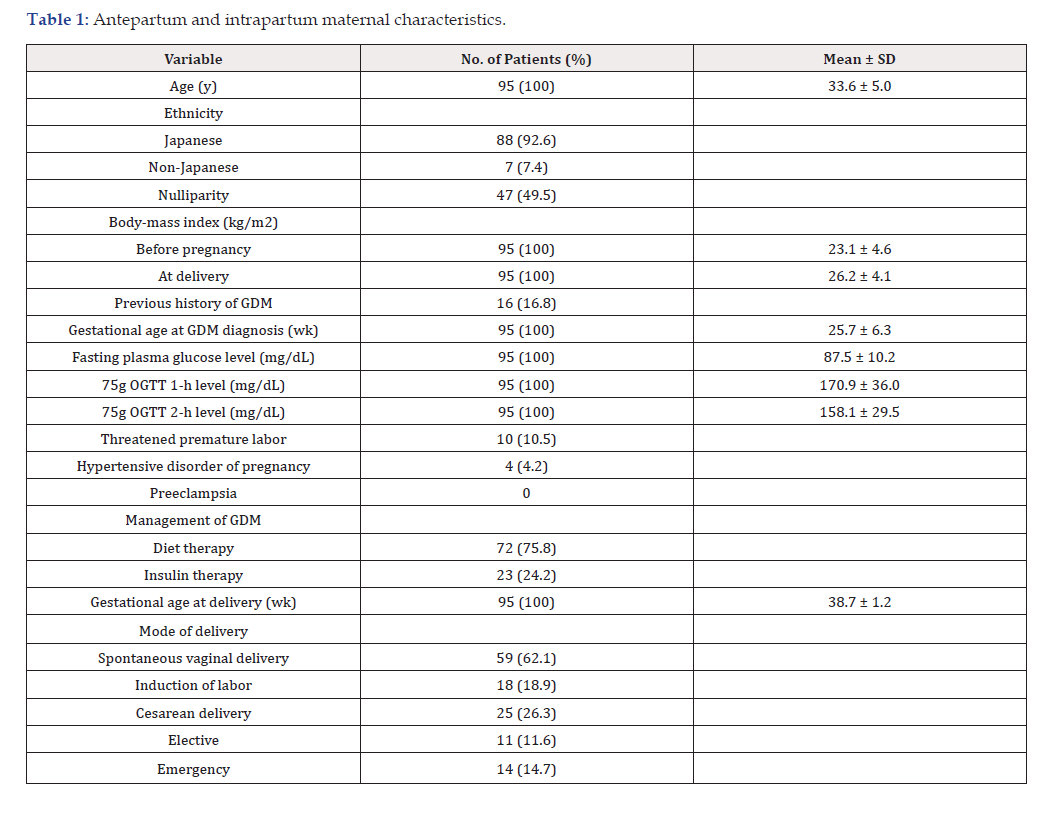
Table 1:Antepartum and intrapartum maternal characteristics.
Note*: GDM: Gestational Diabetes Mellitus, OGTT: Oral Glucose Tolerance Test,s SD: Standard Deviation.
Neonatal characteristics are summarized in (Table 2). The mean birth weight was 3103.5 g, and macrosomia was not observed. The cord blood glucose level at delivery was significantly lower in neonates delivered by elective CD than in those delivered vaginally (p < 0.01) or by emergency CD (p < 0.05). The mean blood glucose level at 1 h after birth was 61.4 mg/dL, and seven neonates developed hypoglycemia; among them, four neonates were delivered by elective CD. Eleven neonates (including three that were delivered by elective CD) required intravenous intervention for hypoglycemia. (Table 3) shows the results of univariate and logistic regression analyses of factors affecting neonatal hypoglycemia. Using univariate analysis, age, BMI before pregnancy and at delivery, previous history of GDM, gestational age at GDM diagnosis, level of FPG and 1-h 75-g OGTT, insulin therapy, gestational age at delivery, vaginal delivery and emergency CD, neonatal sex, and birth weight did not significantly influence neonatal hypoglycemia. Conversely, the 2-h level on a 75-g OGTT and elective CD appeared to be associated with neonatal hypoglycemia.
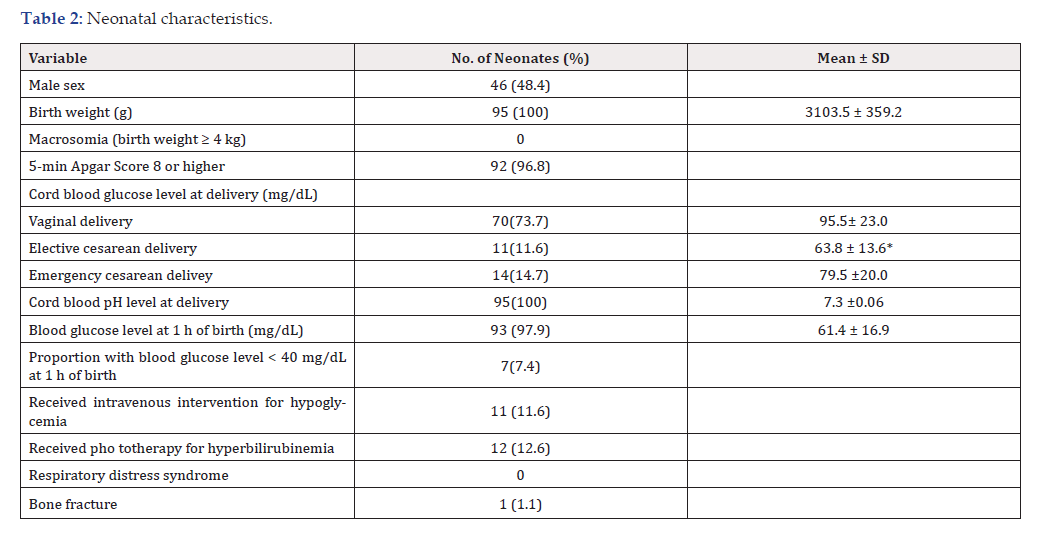
Table 2:Neonatal characteristics.
Note*: *Indicate significant differences compared with vaginal delivey (p<0.01) and with emergency cesarean delivey (p<0.05) by t-test. SD: standard deviation.
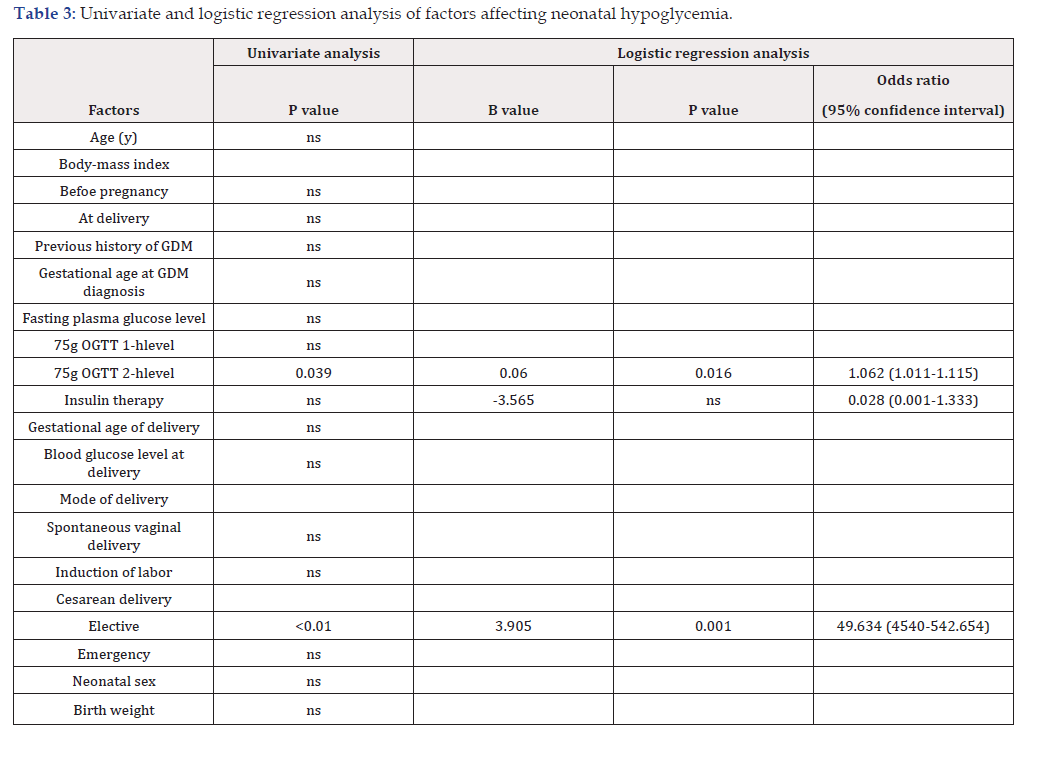
Table 3:Univariate and logistic regression analysis of factors affecting neonatal hypoglycemia.
Note*: GDM:Gestational Diabetes Mellitus, OGTT: Oral Glucose Tolerance Test.
Using a forward step-wise variable selection, three variables (2-h level on a 75-g OGTT, insulin therapy, and elective CD) were selected for logistic regression analysis. Significant factors independently associated with neonatal hypoglycemia were 2-h level on a 75-g OGTT (odds ratio = 1.06, 95% confidence interval [CI] = 1.01–1.12, p = 0.02) and elective CD (odds ratio = 49.63, 95% CI = 4.54–542.65, p = 0.001).
Discussion
Although the 75-g OGTT was not administered to all pregnant women at our hospital, the frequency of GDM (5.0%) was relatively low compared with that reported in a previous Japanese study (13%) conducted at a single tertiary medical institution handling high-risk patients [11]. Among the three OGTT points, the 2-h glucose value exceeded the threshold most frequently (66.3%), mirroring the trend observed in Hong Kong (threshold exceedance rates of 26%, 62%, and 65% at FPG, 1-h, and 2-h glucose levels, respectively) [12]. These results may reflect the regional characteristics of patients with GDM. Our logistic regression analysis revealed that 2-h level on 75-g OGTT and elective CD were associated with neonatal hypoglycemia. According to the study of Japanese patients with GDM diagnosed before 20 weeks of gestation, being overweight before pregnancy (BMI ≥ 25.0 kg/m2) and FPG (95–125 mg/dL) was associated with adverse perinatal outcomes [7]. We hypothesize that this discrepancy is attributed to the fact that the participants of the previous study were older (the median maternal age was 36.0 years); the median gestational age at GDM diagnosis (14.1 weeks) was earlier than in the present study (25.7 weeks); and assessed perinatal outcomes were not only neonatal hypoglycemia but were composited with multiple factors including premature delivery, large for gestational age, and HDP/PE.
The cord blood glucose level in the elective CD group was < 70 mg/dL, which was significantly lower than that in the vaginal delivery and emergency CD groups. Cord blood glucose levels at delivery tended to be lower in women who underwent elective CD and correlated with maternal blood glucose levels at delivery. Maternal and fetal endogenous catecholamine secretion, stimulated by the stress of vaginal delivery, plays a critical role in elevating cord blood glucose levels [13,14]. In light of our findings on cord blood glucose levels in elective CD, room exists to improve the management of women scheduled for surgery.
Several strategies have been proposed as preventive measures for hypoglycemia in neonates delivered via elective CD. The following three measures are worth considering: First, regarding the timing of surgery, Alan et al. raised concerns about performing repeated elective CD before 39 weeks of gestation. Compared with surgery at 39 weeks, procedures at 37 and 38 weeks were associated with a higher risk of neonatal adverse outcomes including respiratory complications, treated hypoglycemia, sepsis, and NICU admission. The adjusted odds ratios for treated hypoglycemia at 37 and 38 weeks were 3.3 (95% CI, 1.9 to 5.7) and 1.3 (95% CI, 0.8 to 2.0), respectively [15].
Second, according to a report by Liu et al. on patients with GDM who underwent elective CD, administering a low-concentration carbohydrate solution (300 mL, 7.5% carbohydrate, 382.5 kJ) 2 h before anesthesia induction was a safe and feasible strategy. This approach effectively reduced maternal hypoglycemia before surgery without increasing neonatal hypoglycemia. The incidence of neonatal hypoglycemia in the experimental group (2.3%) was lower than that in the control group (7.1%) [16]. However, participants were limited to pregnant women with well-controlled blood glucose levels through diet therapy. The mean gestational age at surgery was 38.14 weeks; and Lactated Ringer’s solution was used intraoperatively. Third, administering Ringer’s solution containing 1% glucose during surgery (Group II) may help maintain appropriate fetal blood glucose levels without causing maternal hyperglycemia, compared with Ringer’s solutions containing 0% glucose (Group I) or 5% glucose (Group III). In Group II, the maternal intraoperative blood and lowest neonatal blood glucose levels within 8 h after birth were 103.3 mg/dL and 47.8 mg/dL, respectively. Neonates in Group II had a lower incidence of requiring intravenous intervention for hypoglycemia (40.0% of neonates in Group I, 20.0% in Group II, and 60.0% in Group III) [17]. However, in that study, patients with abnormal glucose metabolism were excluded; the average gestational age at surgery was 37.4 weeks; and no preoperative carbohydrate solution was administered. Based on these findings, when scheduling elective CD for women with GDM, strategies such as performing surgery at 39 gestational weeks, prescribing a preoperative low-concentration carbohydrate solution, and infusing Ringer’s solution containing 1% glucose intraoperatively may reduce the incidence of neonatal hypoglycemia. Preventing neonatal hypoglycemia requires maintaining appropriate maternal blood glucose levels not only during surgery, but throughout pregnancy. Regarding neonatal care, interventions such as frequent feeding, thermal regulation, and safe skin-to-skin contact may also be effective [18].
Our study had some limitations. This retrospective study was conducted at a single institution, and the sample size was relatively small. Therefore, this was a preliminary study, and we were unable to draw any inferences about causality, and residual confounding factors may remain. Notably, neither diagnosis nor treatment of GDM have yet been standardized because of differences in criteria, screening methods, test timing, intervention strategies, and glucose metabolism affected by nutrition and ethnicity [19,20]. Therefore, the management of women with GDM should be tailored based on regional characteristics.
Conclusion
We found that elective CD is associated with increased risk of hypoglycemia in neonates born to women with GDM, especially those exceeding the threshold on 2-h 75-g OGTT, and propose three potential preventive measures. Prospective studies including large sample sizes and with a multicenter design are needed to evaluate the effectiveness of these interventions in reducing neonatal hypoglycemia.
Acknowledgment
We would like to thank Editage (www.editage.com) for English language editing.
Statements and Declarations
Funding: The authors declare that no funds, grants, or other supports
were received during the preparation of the manuscript.
Data availability: The datasets used and analyzed during the current
study are available from the corresponding author on reasonable
request.
Competing Interests: The authors have no relevant financial or
non-financial interests to disclose.
Author Contributions:
M Takehara: Project development, Manuscript writing, Preparing
tables
K Nishimura: Data collection, Data analysis
M Shiomi: Data collection, Data analysis
T Fukunishi: Data collection, Data analysis
K Ashihara: Manuscript writing, Preparing tables
All authors contributed to the study conception and design. M.T conceptualized and designed the study. K.N, M.S and T.F collected and analyzed the data. M.T and K.A wrote the main manuscript text and prepared the tables. All authors reviewed and approved the final manuscript.
Approval of the research protocol: This study was approved by the local ethics committee of Ikeda City Hospital (number of approval: A25001).
Informed Consent: Not required, as this was a retrospective analysis.
Approval date of Registry and the Registration No. of the study/ trial: This study did not require trial registration as it was a retrospective analysis.
References
- Hamel MS, Kanno LM, Has P, Beninati MJ, Rouse DJ, et al. (2019) Intrapartum glucose management in women with gestational diabetes mellitus. A randomized controlled trial. Obstet Gynecol 133(6): 1171-1177.
- Crowther CA, Hiller JE, Moss JR, McPhee AJ, Jeffries WS, et al. (2005) Effect of treatment of gestational diabetes mellitus on pregnancy outcomes. N Engl J Med 352(24): 2477-2486.
- Simmons D, Immanuel J, Hague WM, Teede H, Nolan CJ, et al. (2023) Treatment of gestational diabetes mellitus diagnosed early in pregnancy. N Engl J Med 388(23): 2132-2144.
- Dude A, Niznik CM, Szmuilowicz ED, Peaceman AM, Yee LM, et al. (2018) Management of diabetes in the intrapartum and postpartum patient. Am J Perinatol 35(11): 1119-1126.
- Landon MB, Spong CY, Thom E, Carpenter MW, Ramin SM, et al. (2009) A multicenter, randomized trial of treatment for mild gestational diabetes. N Endl J Med 361(14): 1339-1348.
- HAPO Study Cooperative Research Group, Metzger BE, Lowe LP, Dyer AR, Trimble ER, Chaovarindr U et al. (2008) Hyperglycemia and adverse pregnancy outcomes. N Engl J Med 358(19): 1991-2002.
- Iwama N, Yokoyama M, Yamashita H, Miyakoshi K, Yasuhi I, et al. (2025) Impact of maternal overweight/obesity and high fasting plasma glucose on adverse perinatal outcomes in early gestational diabetes mellitus. J Diabetes Investig 16(4): 744-754.
- Dude AM, Niznik C, Peaceman AM, Yee LM (2020) Evaluation of an intrapartum insulin regimen for women with diabetes. Obstet Gynecol 136(2): 411-416.
- He Y, Liu Y, Peng Y, Xu Y, Yan J, et al. (2025) Association of duration of intrapartum maternal hyperglycemia in well-controlled gestational diabetes mellitus women and risks of neonatal hypoglycemia: a retrospective cohort study. J Matern Fetal Neonatal Med 38(1): 2431617.
- (2013) World Health Organization Diagnostic criteria and classification of hyperglycemia first detected in pregnancy. World Health Organization, Geneva.
- Nakanishi S, Aoki S, Kasai J, Shindo R, Saigusa Y, et al. (2020) Have pregnancy outcomes improved with the introduction of the International Association of Diabetes and Pregnancy Study Groups criteria in Japan? J Diabetes Investig 11(4): 994-1001.
- Sacks DA, Hadden DR, Maresh M, Deerochanawong C, Dyer AR, et al. (2012) Frequency of gestational diabetes mellitus at collaborating centers based on IADPSG consensus panel-recommended criteria: The Hyperglycemia and Adverse Pregnancy Outcome (HAPO) Study. Diabetes Care 35(3): 526-528.
- Hussein SM, Salih Y, Rayis DA, Bilal JA, Adam I, et al. (2014) Low neonatal blood glucose levels in cesarean-delivered term newborns at Khartoum Hospital, Sudan. Diagn Pathol 9(9): 112.
- Marom R, Dollberg S, Mimouni FB, Berger I, Mordechayev N, et al. (2010) Neonatal blood glucose concentrations in cesarean and vaginally delivered term infants. Acta Paediatr 99(10): 1474-1477.
- Tita ATN, Landon MB, Spong CY, Lai Y, Leveno KJ, et al. (2009) Timing of elective repeat Cesarean delivery at term and neonatal outcomes. N Engl J Med 360(2): 111-1120.
- Liu N, Jin Y, Wang XJ, Xiang Z, Zhang L, et al. (2021) Safety and feasibility of oral carbohydrate consumption before cesarean delivery on patients with gestational diabetes mellitus: A parallel, randomized controlled trial. J Obstet Gynaecol Res 47(4): 1272-1280.
- Fukuda I, Matsuda H, Sugahara S, Kazama T (2013) The effect of intravenous glucose solutions on neonatal blood glucose levels after cesarean delivery. J Anesth 27(2): 180-185.
- Roeper M, Hoermann H, Kummer S, Meissner T (2023) Neonatal hypoglycemia: lack of evidence for a safe management. Front Endocrinol 14: 1179102.
- Hillier TA, Pedula KL, Ogasawara KK, Vesco KK, Oshiro CES, et al. (2021) A pragmatic, randomized clinical trial of gestational diabetes screening. N Engl J Med 384(10): 895-904.
- Li HY, Sheu WHH (2022) Updates for hyperglycemia in pregnancy: the ongoing journey for maternal-neonatal health. J Diabetes Investig 13(10): 1652-1654.




 We use cookies to ensure you get the best experience on our website.