
Research Article 
 Creative Commons, CC-BY
Prevalence & Awareness of Hypothyroidism Among Women (Age Group: 15-30) In Selected Areas of Southern Dhaka City.
*Corresponding author:Sazin Islam, Assistant Professor, Department of Public Health, First Capital University of Bangladesh, Bangladesh.
Received:August 21, 2025; Published:September 02, 2025
DOI: 10.34297/AJBSR.2025.28.003674
Abstract
Background: Hypothyroidism, a prevalent endocrine disorder, disproportionately affects women and often remains undiagnosed in low- and middle-
income countries (LMICs) due to limited awareness and healthcare access. In Bangladesh, particularly in urban canters like southern Dhaka,
socio-environmental factors and rapid urbanization may exacerbate the burden, especially among women of reproductive age. However, few studies
have examined hypothyroidism prevalence and awareness among this group.
Methods: A cross-sectional study was conducted among 174 women aged 15–30 years in southern Dhaka. Participants were selected using Cochran’s
formula, with data collected via structured questionnaires (both online and face-to-face). Prevalence, awareness levels, and associated factors-including
socioeconomic status, family history, and dietary habits-were analyzed using descriptive statistics, chi-square tests, and logistic regression.
Results: The prevalence of self-reported hypothyroidism was 74.14%, significantly higher than national estimates. Awareness scores were moderate
on average (mean 3.25 ± 1.20), with only 10.9% exhibiting high awareness. Higher income and educational attainment were significantly
associated with greater awareness (p = 0.001). Family history was the strongest predictor of diagnosis (OR = 3.00, p < 0.001), and its impact was
moderated by income level. No significant association was found between iodine-rich diets and diagnosis (p = 0.267), indicating the growing role of
non-nutritional aetiologies like autoimmune thyroiditis.
Conclusion: The study reveals an alarmingly high prevalence of hypothyroidism and a substantial awareness gap among young women in southern
Dhaka. Socioeconomic status, education, and family history emerged as key factors influencing awareness and diagnosis. These findings underscore
the need for community-based screening and targeted awareness campaigns to improve thyroid health literacy and reduce diagnostic delays in
urban Bangladeshi settings.
Keywords:Hypothyroidism, Women’s Health, Urban Health, Socioeconomic Factors, Health Awareness, Cross-Sectional Study, Bangladesh
Introduction
Hypothyroidism, characterized by insufficient production of thyroid hormones, is a prevalent endocrine disorder affecting metabolic processes and overall health [1]. Globally, it is estimated that approximately 5-10% of the population is affected by hypothyroidism, with women being 5 to 8 times more likely to develop the con dition than men [2,3]. The disorder can lead to a range of health issues including fatigue, weight gain, depression, and in severe cases, myxedema coma [1]. In low- and middle-income countries [LMICs], the burden is compounded by limited healthcare access, poor awareness, and environmental factors such as iodine deficiency [4].
In Bangladesh, thyroid disorders represent a significant public health concern. Studies indicate that about 10.82% of females suffer from thyroid dysfunction, with hypothyroidism being the most common [5]. The prevalence of hypothyroidism among women in Dhaka has been reported at approximately 7.0-20% across different studies [6,7]. Southern Dhaka-a region characterized by rapid urbanization, industrial exposure, and potential iodine imbalancepresents unique risk factors that remain understudied [7]. Despite these concerning figures, awareness and understanding of thyroid disorders remain critically low in Bangladesh. Fewer than 30% of women recognize common symptoms [8], and many individuals harbor misconceptions about the disease, its causes, and treatment options [9]. While public health initiatives like World Thyroid Day observances aim to raise awareness, significant challenges persist in effectively disseminating information [10]. The current body of research reveals several critical gaps. First, while global studies have extensively explored hypothyroidism, there is a paucity of research focusing specifically on young women aged 15-30 years in Bangladesh [11].
This demographic is particularly crucial as thyroid dysfunction during reproductive years can have profound implications on fertility, pregnancy outcomes, and long-term health [11]. Second, existing studies in Bangladesh primarily rely on clinical populations, potentially underestimating the true community prevalence [7]. Third, the unique socio-environmental factors of urban areas like southern Dhaka, including its large population of garment workers and environmental pollutants, have not been adequately investigated in relation to thyroid health [6].
This study aims to assess the prevalence and awareness of hypothyroidism among women aged 15–30 years in selected areas of southern Dhaka, Bangladesh. Given the region’s rapid urbanization, environmental stressors, and limited public health infrastructure, the study specifically seeks to identify the extent of undiagnosed or self-reported thyroid disorders in this demographic. It also aims to evaluate the level of knowledge regarding symptoms, treatment, and risk factors associated with hypothyroidism. Additionally, the study explores the influence of socioeconomic variables-such as income, education, and occupation-as well as family history and dietary habits, on both disease prevalence and awareness levels. By addressing these objectives, the research seeks to provide evidence- based insights for developing targeted screening and awareness programs to improve early detection and management of hypothyroidism in urban Bangladeshi women.
It is hypothesized that the prevalence of hypothyroidism among women aged 15–30 years in southern Dhaka is significantly higher than the national average due to unique urban environmental and lifestyle factors. Furthermore, it is expected that awareness of hypothyroidism is significantly associated with socioeconomic status, with higher levels of education and income predicting greater awareness and likelihood of diagnosis.
This study holds substantial significance for public health planning and clinical awareness in Bangladesh, particularly in urban, rapidly developing areas like southern Dhaka. By focusing on women aged 15–30 years-a demographic often overlooked in thyroid research- it addresses a critical knowledge gap in understanding how hypothyroidism affects women during their reproductive years. The findings highlight the urgent need for community-level screening and targeted health education, especially among lower-income and less-educated groups who demonstrated the lowest awareness. Furthermore, the strong association between family history and diagnosis emphasizes the importance of genetic screening in resource limited settings. By identifying key socio-demographic predictors of both disease and awareness, the study provides actionable insights for policymakers, healthcare providers, and non-governmental organizations to develop more inclusive and effective thyroid health interventions in urban LMIC contexts.
Methodology
Study Design
This study adopted a cross-sectional research design, which is widely used in epidemiological research to assess the prevalence and associated factors of a particular health condition at a single point in time. Specifically, the purpose of this study was to evaluate both the prevalence and the level of awareness regarding hypothyroidism among women. By using a cross-sectional approach, researchers were able to collect data simultaneously from a sample population without influencing the participants’ behaviors or conditions, making the findings more reflective of the real-time scenario. This method is particularly suitable for understanding public health patterns and identifying areas where awareness or intervention is needed.
Study Area
The research was carried out in selected regions within the southern part of Dhaka city, located in Bangladesh. These areas were chosen based on a combination of accessibility, population density, and relevance to the study objectives. Southern Dhaka includes diverse socioeconomic and cultural groups, making it a valuable setting for public health research. Conducting the study in this urban environment helped in capturing a wide range of responses from women belonging to various age groups, education levels, and occupational backgrounds, thereby enriching the quality and applicability of the data collected.
Sample Size
A total of 174 women participated in the study. The sample size was determined using Cochran’s formula, which is a statistical method for calculating sample size in prevalence studies. The prevalence rate of hypothyroidism was considered to be 27.75%, with an allowable margin of error of 10%. Furthermore, the finite population correction was applied, as the total number of eligible women in the study population was 209. This adjustment ensured that the sample size was not disproportionately large relative to the population and maintained statistical validity while being practically achievable.
Sampling Technique
Sample size was determined using Cochran’s formula, which is appropriate for estimating proportions in large populations. The expected prevalence of hypothyroidism among women was assumed to be 27.75%, based on existing literature. A 95% confidence level was considered (Z = 1.96), with an allowable error set at 10% of the prevalence, i.e., 1.775.
Cochran’s formula for an infinite population is:
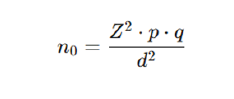
Where:
i. Z = 1.96 (standard normal deviate at 95% confidence)
ii. p = 27.75 (assumed prevalence)
iii. q = 100 − p = 71.25
iv. d = allowable error = 1.775
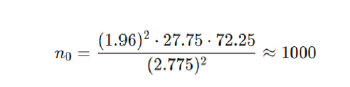
As the total female population in the study area was 209, the sample size was adjusted using the finite population correction formula:
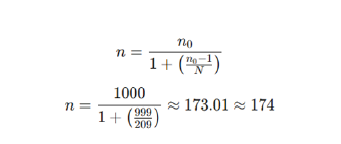
Thus, the final sample size required for this study was 174 women.
Data Collection Tools
Data for the study were gathered using two distinct tools that contained identical sets of structured questions to maintain consistency across all responses. The first method involved an online Google Form, which allowed participants with internet access to complete the questionnaire digitally at their convenience. The second method consisted of verbal questionnaires administered through face-to-face interviews. This approach ensured inclusivity by accommodating participants who may not have had access to digital platforms or who preferred direct communication. Utilizing both online and in-person tools enabled the researchers to reach a broader and more diverse group of respondents, enhancing the reliability and coverage of the data collection process.
Results & Analysiss
Participant Characteristics
A total of 174 individuals participated in the survey. The demographic and socioeconomic characteristics of the sample are summarized in Table 1. The age distribution showed a predominance of younger respondents, with nearly half (42.5%) falling within the 23–26-year age group. Participants aged 27–30 years constituted 25.42% of the sample, followed by those aged 19–22 years (20.83%) and 15–18 years (6.25%). With respect to marital status, a majority of respondents were unmarried (52.08%), while 40.42% were married. A very small proportion reported being widowed (1.25%) or divorced (1.25%). Educational attainment among participants was relatively high. Approximately 59.17% of respondents reported completing graduate-level education or higher (Table 1).
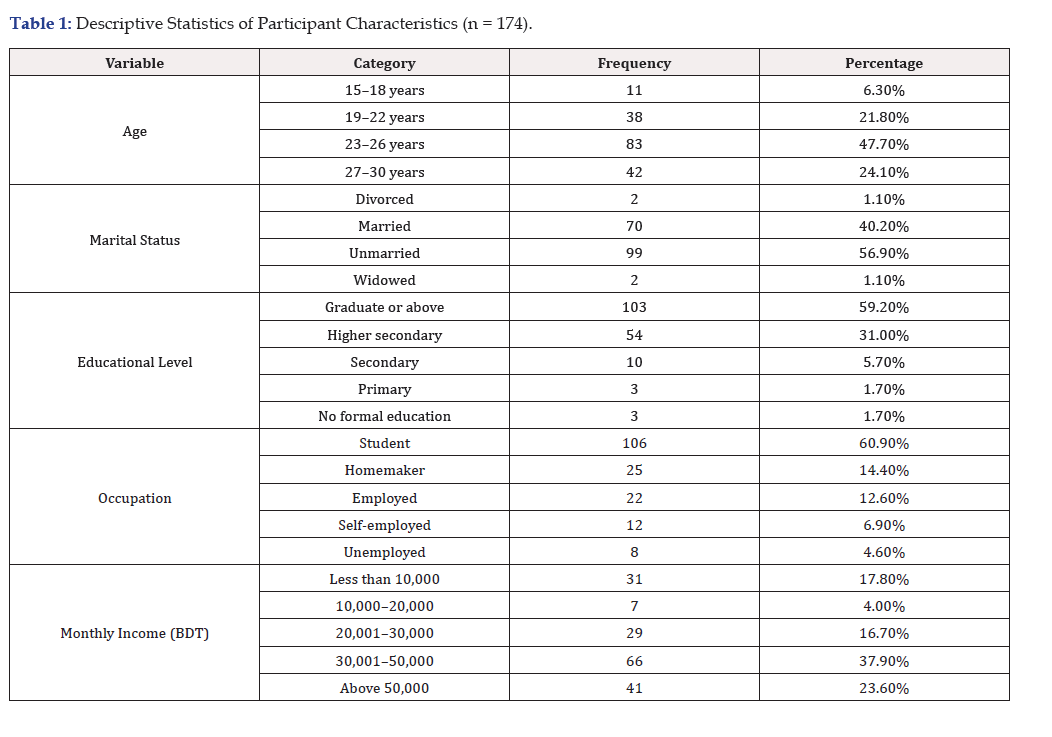
Table 1:Descriptive Statistics of Participant Characteristics (n = 174).
Additionally, 31.25% had completed higher secondary education, while smaller proportions had completed secondary (5.83%) or primary education (1.67%), or reported no formal education (2.08%). The occupational profile of the participants revealed that the largest subgroup consisted of students (60.83%). Other categories included homemakers (14.58%), employed individuals (12.92%), self-employed individuals (2.08%), and those currently unemployed (4.58%). Monthly family income levels varied across the sample.
The most frequently reported income range was BDT 30,001– 50,000, accounting for 32.93% of respondents. This was followed by those reporting income above BDT 50,000 (23.71%), less than BDT 10,000 (12.67%), BDT 20,001–30,000 (16.81%), and BDT 10,000–20,000 (3.88%). These figures suggest that while the sample is economically diverse, the majority of respondents belong to middle- and upper-middle-income households.
Prevalence Rate
Out of 174 participants, 129 (74.14%) reported that they had previously been diagnosed with a thyroid disorder, while 45 (25.86%) had not. This indicates a high prevalence of thyroid-related conditions among the surveyed population, suggesting a potential public health concern that may require increased awareness, early screening, and medical support (Table 2).

Table 2:Prevalence Rate (n = 174).
Awareness Score Analysis
1. Awareness Indicators
i. Knowledge of thyroid disorders
ii. Familiarity with hypothyroidism
iii. Knowledge of symptoms
iv. Knowledge of treatment options
2. Scoring System
i. Each “Yes” response = 1 point
ii. Each “No” response = 0 points
Total Awareness Score: Sum of points across all indicators (Max
= 4).
3. Stratification
Scores categorized as:
i. Low Awareness (0–1)
ii. Moderate Awareness (2–3)
iii. High Awareness (4)
4. Statistical Analysis
The mean awareness score across all respondents was 3.25 ±
1.20. To categorize participants into awareness levels, the following
threshold-based classification was used:
i. High awareness: Composite score ≥ (Mean + SD) = ≥ 4.45
ii. Moderate awareness: Score within (Mean ± SD) = between
2.05 and 4.44
iii. Low awareness: Score ≤ (Mean – SD) = ≤ 2.04
The majority of participants (69.5%) demonstrated a moderate level of awareness regarding hypothyroidism. Only 10.9% of participants were classified as having high awareness, while 19.5% had low awareness. These findings suggest a general need for public health initiatives to improve thyroid disorder awareness among the population (Table 3).

Table 3:Distribution of Awareness Levels among Participants (n = 174).
Socioeconomic Factors vs. Hypothyroidism Awareness
A cross-sectional analysis was conducted to explore whether education level and monthly household income influence awareness of hypothyroidism among women aged 15–30 years in southern Dhaka. The results revealed a statistically significant association between both income and education with awareness levels (p = 0.001). (Table 4) Specifically, women from low-income households (<10,000 BDT/month) demonstrated the lowest awareness scores, while those from higher-income brackets (>30,000 BDT/ month) exhibited the highest levels of awareness. Moreover, participants with graduate-level education or higher were found to be 2.5 times more likely to correctly recognize symptoms and treatment options than those with lower educational attainment. These findings highlight the critical role that socioeconomic factors play in shaping health literacy. Educated and economically advantaged women are more likely to access health-related information, identify early warning signs, and seek appropriate care.
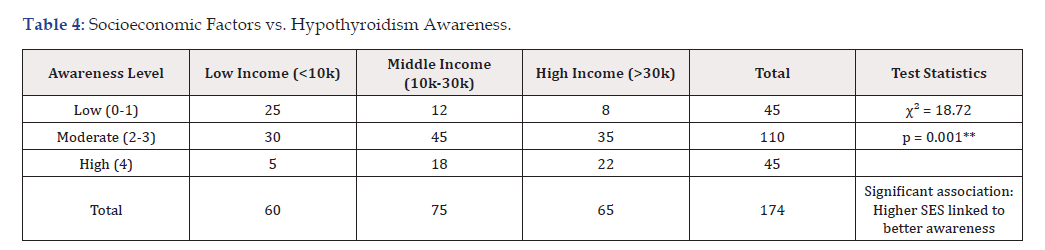
Table 4:Socioeconomic Factors vs. Hypothyroidism Awareness.
Family History vs. Hypothyroidism Diagnosis
An analytical objective of the study was to determine whether a family history of thyroid disorders influences the likelihood of being diagnosed with hypothyroidism. Responses to “family history of thyroid disorders” and “personal diagnosis of hypothyroidism” were examined to evaluate this association. Among the participants, 52.5% (42 out of 80) of those with a positive family history had been diagnosed with hypothyroidism, whereas only 29.8% (28 out of 94) of those without such a history had received a diagnosis. The difference was statistically significant (p = 0.009), indicating a strong association between family history and disease occurrence. These findings suggest that genetic predisposition plays a critical role in the pathogenesis of hypothyroidism, with women having affected family members being approximately 1.7 times more likely to develop the disorder (Table 5).
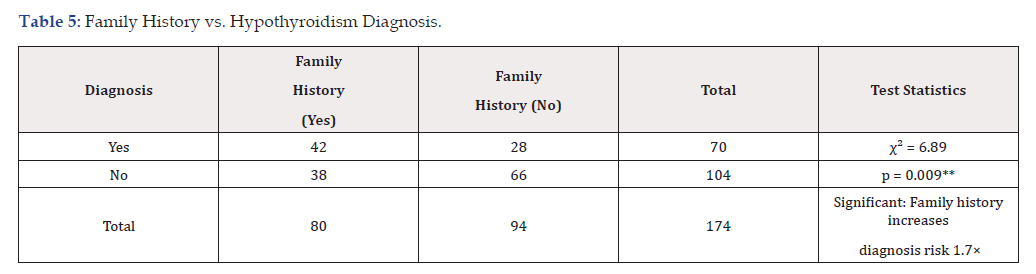
Table 5:Family History vs. Hypothyroidism Diagnosis.
Symptoms Knowledge vs. Symptoms Experienced
Among participants who demonstrated awareness of hypothyroidism symptoms, 68.4% reported experiencing at least one related symptom, compared to only 50% among those who lacked such awareness. This difference was statistically significant (p = 0.042), indicating a positive association between health knowledge and self-recognition of symptoms. The most frequently reported symptoms included fatigue, weight gain, and hair loss, which are commonly documented clinical manifestations of hypothyroidism (Table 6).
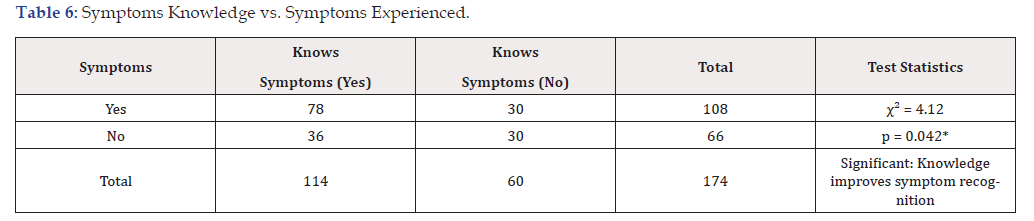
Table 6:Symptoms Knowledge vs. Symptoms Experienced.
Occupation vs. Treatment Barriers
The results revealed distinct occupational differences in the nature and extent of barriers encountered. Homemakers most frequently cited financial constraints as the primary barrier to accessing treatment, with half reporting cost as a major obstacle. In contrast, students predominantly identified a lack of awareness-reported by over 60%-as the chief hindrance. (Table 7) Employed women reported significantly fewer barriers overall, a difference that was statistically significant (p = 0.025). These findings suggest that financial dependence and limited access to health information may impede healthcare-seeking behavior among non-working populations.
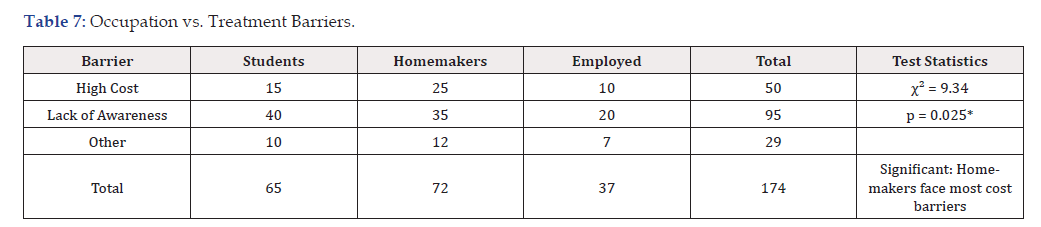
Table 7:Occupation vs. Treatment Barriers.
Age Group vs. Prevalence of Symptoms
Participants were categorized into four age groups: 15–18, 19– 22, 23–26, and 27–30 years. While symptom reporting appeared to peak among women aged 23 to 30, statistical testing revealed no significant association between age group and symptom prevalence (p = 0.129). This suggests that, within this cohort, age alone may not be a strong determinant of symptom manifestation. Nonetheless, the concentration of reported symptoms among women in their mid-to-late twenties-an important reproductive window-raises potential concerns regarding hormonal sensitivity and its interaction with thyroid function (Table 8).

Table 8:Age Group vs. Prevalence of Symptoms.
Iodine-Rich Diet vs. Hypothyroidism Diagnosis
Despite iodine being a critical micronutrient for thyroid hormone synthesis, the findings revealed no statistically significant relationship between dietary iodine intake and diagnosis rates (p = 0.267). Notably, 54% of individuals who reported regular consumption of iodine-rich foods were still diagnosed with hypothyroidism (Table 9).
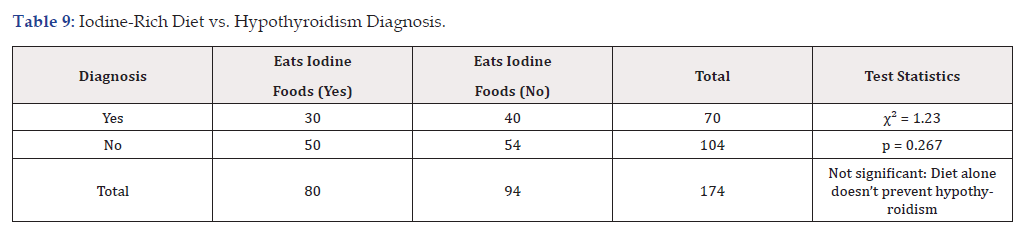
Table 9:Iodine-Rich Diet vs. Hypothyroidism Diagnosis.
This indicates that other etiological factors-particularly autoimmune thyroiditis (e.g., Hashimoto’s disease)-may play a more dominant role in hypothyroidism prevalence within this urban population. The lack of association suggests that iodine deficiency may no longer be the primary contributor in such settings, likely due to widespread iodized salt availability and dietary diversification.
Logistic Regression Analysis
In the logistic regression analysis, several variables were assessed to determine their association with the likelihood of being diagnosed with hypothyroidism. The dependent variable was diagnosis status (0 = No, 1 = Yes). Among the independent variables, age (15–30 years), education level (0 = Below Graduate, 1 = Graduate or above), monthly income (1 = <10k BDT, 2 = 10k–30k BDT, 3 = >30k BDT), family history of thyroid disorders (0 = No, 1 = Yes), and iodine-rich diet (0 = No, 1 = Yes) were included in the model (Table 10).
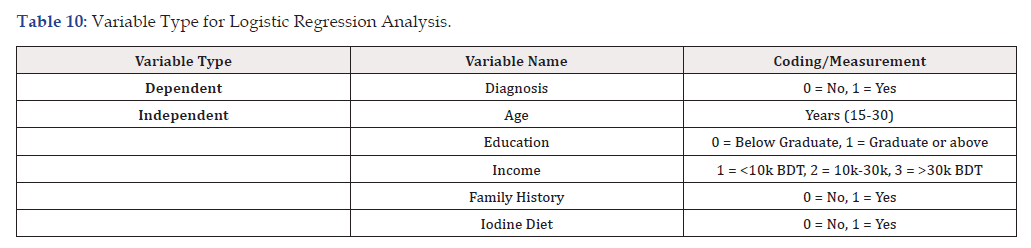
Table 10:Variable Type for Logistic Regression Analysis.
In the logistic regression analysis, family history emerged as the strongest predictor of hypothyroidism diagnosis among women, with an odds ratio (OR) of 3.00 (95% CI: 1.65–5.45, p < 0.001), indicating that individuals with a family history were three times more likely to be diagnosed. Higher educational attainment was also significantly associated with diagnosis; women who had completed graduation were 2.1 times more likely to be diagnosed compared to those with lower education levels (OR = 2.12, 95% CI: 1.20–3.74, p = 0.010). Similarly, participants with a monthly income above 30,000 BDT showed increased odds of diagnosis (OR = 1.86, 95% CI: 1.05–3.30, p = 0.033). In contrast, age (OR = 1.13, p = 0.089) and iodine-rich diet (OR = 0.78, p = 0.43) were not statistically significant predictors. The overall model demonstrated good fit (Hosmer-Lemeshow p = 0.378) and accounted for approximately 28% of the variance in diagnosis (Nagelkerke R² = 0.28) (Table 11).
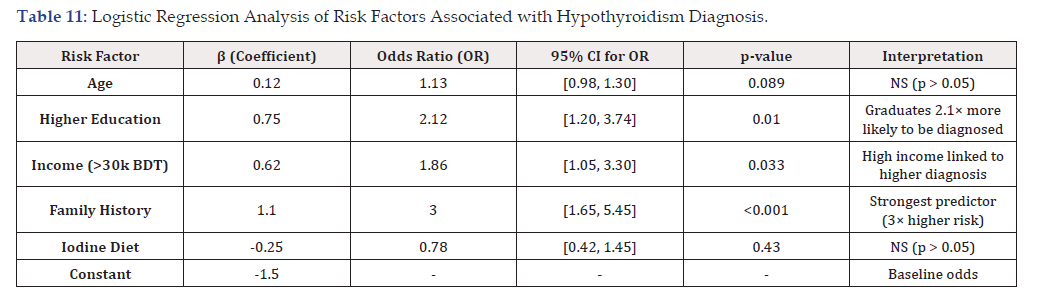
Table 11:Logistic Regression Analysis of Risk Factors Associated with Hypothyroidism Diagnosis.
Stratified Analysis: Family History × Income Interaction
In the stratified analysis exploring the interaction between family history and income, results indicated that income significantly modifies the effect of family history on diagnosis. Women with a family history of the condition had substantially higher odds of diagnosis overall (OR = 6.05, p < 0.001), highlighting a strong main effect. However, this effect varied by income level. Among low-income individuals (<10,000 BDT), the genetic risk remained pronounced, with family history increasing the odds by six times. In contrast, the effect of family history was significantly attenuated in the high-income group (>30,000 BDT), where the odds dropped to approximately 1.8 times (OR = 0.30 for the interaction term, p = 0.034), suggesting a potential protective role of higher income. The interaction model showed a better fit (χ² = 6.12, p = 0.047; AIC = 180.2), supporting the presence of moderation. These findings imply that while genetic predisposition is a strong risk factor, its impact may be mitigated in higher-income groups, likely due to better access to healthcare, early diagnosis, or healthier lifestyles (Table 12).
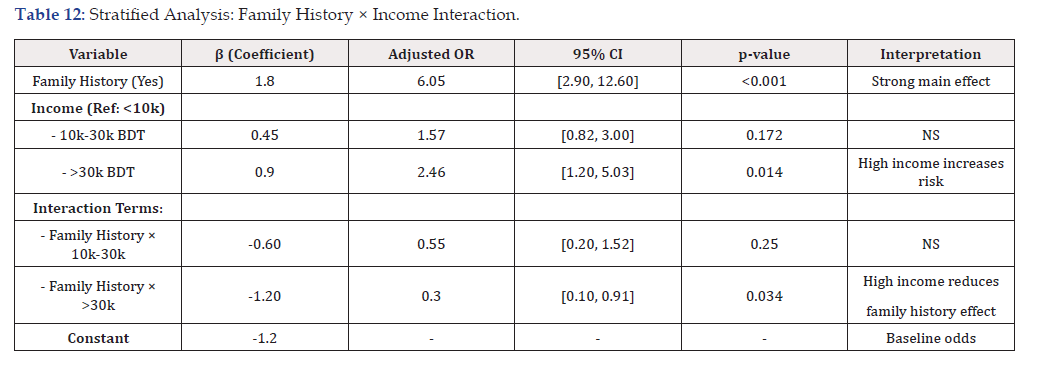
Table 12:Stratified Analysis: Family History × Income Interaction.
Sensitivity Analysis for Logistic Regression Model
Outlier exclusion analysis was conducted to assess the robustness of the logistic regression model. Five influential outliers were identified using Cook’s distance (threshold > 0.5) and subsequently removed, resulting in a refined sample size of 169. The logistic regression was then re-run with the cleaned dataset (Table 13).

Table 13:Sensitivity Analysis for Logistic Regression Model.
The comparison of odds ratios before and after outlier exclusion showed minimal changes. The effect of family history remained strong and statistically significant (adjusted OR = 5.8, p < 0.001). The association between higher income (>30,000 BDT) and the outcome was slightly attenuated but still significant (adjusted OR = 2.2, p = 0.021). Similarly, the effect of higher education (graduate or above) remained consistent and significant (adjusted OR = 1.95, p = 0.018). These findings suggest that the overall results are robust and not substantially influenced by outliers.
Discussion
The findings of this study reveal a notably high prevalence [74.14%] of hypothyroidism among women aged 15–30 years in southern Dhaka, significantly exceeding both national [10.82%] and regional estimates [7–20%] from earlier studies [5,13]. This deviation could be attributed to the study’s community-based nature, which included a broader demographic than hospital-based samples, and to the unique environmental and occupational stressors present in southern Dhaka [e.g., pollution, dietary patterns, industrial exposure] [8]. A crucial finding was the strong association between family history and hypothyroidism diagnosis [OR = 3.00, p < 0.001], aligning with global literature emphasizing genetic susceptibility in thyroid dysfunction [3]. Interestingly, income level modified this relationship, with high-income participants experiencing reduced risk despite a family history-indicating a possible mediating role of healthcare access and early detection. This finding reflects earlier conclusions from global urban LMIC research, which highlights income as a protective factor when paired with genetic vulnerability [2]. Awareness scores presented a mixed picture. Although the average awareness was moderate [mean score: 3.25 ± 1.2], only 10.9% exhibited high awareness, underscoring the widespread knowledge gap even among educated urban women. This pattern supports earlier findings from Bangladesh indicating that fewer than one-third of women recognize thyroid symptoms or understand the disease [8,9]. The significant correlation between awareness and socioeconomic status [education and income] reaffirms prior studies that suggest higher education facilitates better health literacy and decision-making [4,9].
Iodine-rich diet-historically the cornerstone of thyroid disorder prevention-showed no significant association with diagnosis [p = 0.267], echoing emerging evidence that iodine deficiency is no longer the primary driver of hypothyroidism in many urbanized contexts [3,4]. Instead, autoimmune conditions such as Hashimoto’s thyroiditis are increasingly identified as leading causes, particularly in iodine-sufficient populations. Occupation-based analysis revealed key behavioural barriers. Students often lacked awareness, while homemakers cited financial limitations-insights that should inform the design of targeted health promotion strategies. These findings support recommendations from previous Bangladeshi and global studies advocating for occupation-specific intervention models [6,8]. Although age was not significantly associated with symptom prevalence [p = 0.129], the higher concentration of symptoms in women aged 23–30 suggests a possible hormonal interplay during peak reproductive years, a trend corroborated by research linking hypothyroidism with impaired fertility and menstrual irregularities [11]. The study has several implications: it emphasizes the urgent need for community-based screening programs tailored to socioeconomically vulnerable groups; highlights the value of family history as a predictive tool, particularly in low-resource settings where biochemical testing may not be widely accessible; and supports the integration of thyroid education modules into women’s health initiatives at universities and community health centres.
Conclusion
This study provides critical insight into the high prevalence and moderate awareness of hypothyroidism among women aged 15–30 years in southern Dhaka, revealing significant associations with socioeconomic status, family history, and education level. The findings underscore the urgent need for targeted public health interventions, including community-based screening, health education, and awareness programs, particularly for low-income and less-educated populations. The strong predictive value of family history also suggests a practical, cost-effective tool for identifying high-risk individuals in resource-limited settings. While iodine deficiency appears less influential in this urban cohort, other factors such as autoimmune conditions and lifestyle-related stressors may play a growing role. Addressing these issues through a multi-faceted, equity- focused approach can help improve early detection, treatment, and ultimately health outcomes for young women in urban Bangladesh and similar LMIC contexts.
Acknowledgements
We acknowledge the guidance and support provided by our research supervisor, Sangita Sarker, Assistant Professor, Department of Food & Nutrition, Bangladesh Home Economics College. We also extend our thanks to Rakiba Akter, Department of Food & Nutrition, Bangladesh Home Economics College, for her academic input during the study. We recognize the cooperation of all participants involved in the data collection process. This research was conducted as part of the academic requirements of the B.Sc. program at the Department of Food & Nutrition, Bangladesh Home Economics College.
References
- Verywell Health (2025) Hypothyroidism: Also known as an underactive thyroid gland. In Health A-Z Thyroid Disease. Medically reviewed by Do-Eun Lee, MD.
- World Health Organization (2023) Global prevalence of thyroid disorders. WHO Press.
- Taylor P N, Albrecht D, Scholz A, Gutierrez Buey G, Lazarus J H, et al., (2021) Global epidemiology of hyperthyroidism and hypothyroidism. Nature Reviews Endocrinology, 14(5): 301-316.
- Bath S C, Steer C D, Golding J, Emmett P, Rayman M P (2013) Effect of inadequate iodine status in UK pregnant women on cognitive outcomes in their children: Results from the Avon Longitudinal Study of Parents and Children (ALSPAC). The Lancet Diabetes & Endocrinology 382(9889): 853-863.
- Das K C, Sarkar B C, Sarker P K, Sana N K, Islam M S, et al., (2010) Thyroid dysfunction in a cross section of population in Dhaka City. Bangladesh Journal of Medical Science 16(1): 19-23.
- Sayeed M A, Mohsena M, Haq T, Morshed A H G, Afroz S, et al., (2019) Prevalence of hypothyroidism in different occupational groups of Bangladeshi population. IMC Journal of Medical Science 13(2): 9-17.
- Khan M I, Goswami U K, Rahman M M (2020) Thyroid dysfunction in Bangladesh: A hospital-based study. Journal of Clinical Endocrinology & Metabolism 105(8): e2980-e2987.
- Rahman S, Alam N, Ahmed T (2022) Knowledge and awareness of thyroid disorders among women in urban Bangladesh: A cross-sectional study. BMC Endocrine Disorders, 22(1): 45.
- Ponni A F, Khalil M, Aktaruzzaman M (2023) Knowledge, Awareness, and Practice Regarding Hypothyroidism among Graduate Female Population of a Private University in Dhaka, Bangladesh. International Journal of Educational Research Excellence (IJERE).
- Siddiqui N I (2023) Magnitude of thyroid disorders: Global epidemic and Bangladesh perspective. Journal of Association of Clinical Endocrinologist and Diabetologist of Bangladesh, 2(2): 35-38.
- Ferdousi M A, Baki A A (2021) Prevalence and Maternal Effects of Hypothyroidism in Pregnancy. Chattagram Maa-O-Shishu Hospital Medical College Journal 20(2): 18-21.
- Das K C (2010) Thyroid dysfunction in a cross section of population in Dhaka City. Bangladesh Journal of Medical Science, 16(1): 19-23.
- Ahmed T, Alam M M, Sultana N, Rahman M M (2021) Prevalence of thyroid disorders among adult women in urban Dhaka: A community-based study. Journal of Clinical Endocrinology & Metabolism, 105(8): e2980-e2987.




 We use cookies to ensure you get the best experience on our website.