
Research Article 
 Creative Commons, CC-BY
Socio-Demographic and Clinical Profiles of Endometrial Carcinoma Patients: A Hospital-Based Study
*Corresponding author:Dr. Sayedatus saba, Clinical Pathologist, Department of Clinical Pathology, Dhaka Medical College Hospital, Dhaka, Bangladesh..
Received:August 20, 2025; Published:September 02, 2025
DOI: 10.34297/AJBSR.2025.28.003677
Abstract
Introduction: Endometrial carcinoma is one of the most common gynecological malignancies worldwide, particularly affecting postmenopausal
women. Its incidence is rising globally due to increasing life expectancy, obesity, and associated metabolic disorders. Understanding the sociodemographic
and clinical characteristics of affected patients is essential for early detection, effective management, and improved outcomes. This study
aims to evaluate the key clinical presentations and risk factors among patients diagnosed with endometrial carcinoma in a hospital-based setting.
Methods: This cross-sectional observational study was conducted in the Department of Pathology, Sir Salimullah Medical College, Dhaka., from
March 2022 to February 2024. Histopathologically diagnosed 46 endometrial carcinoma cases were included in this study. The statistical analysis
was carried out by using the SPSS 26 for Windows.
Result: In this study of 46 endometrial carcinoma patients, the majority were aged 51–70 years with a mean age of 56.9 years. Postmenopausal
bleeding was the most common symptom (78.6%), and over half had both diabetes and hypertension. Nearly half (47.6%) had a history of oral contraceptive
use, and 42.9% were multiparous. Endometrioid carcinoma was the most prevalent histological type (76.1%), with grade 3 tumors being
the most common (45.7%). Most cases were at stage pT1 (60.9%), and 78.3% showed >50% myometrial invasion.
Conclusion: This study reveals that endometrial carcinoma predominantly affects postmenopausal women, with a mean age of 56.9 years. Most
patients presented with postmenopausal bleeding and had comorbidities like diabetes and hypertension. Endometrioid carcinoma was the most
common type, with a high proportion showing advanced grade and deep myometrial invasion.
Keywords:Socio-Demography, Clinical Profiles, Endometrial Carcinoma
Introduction
Endometrial carcinoma (EC) is the most common gynecologic malignancy in high-income countries and the second most prevalent in developing nations, following cervical cancer [1]. Globally, it accounts for approximately 417,000 new cases and 97,000 deaths annually, with an increasing incidence attributed to rising life expectancy, obesity, and metabolic disorders [2]. EC typically affects postmenopausal women, with a median age of diagnosis around 60 years [3]. However, recent trends suggest a shift toward younger age groups, likely due to early-onset obesity, diabetes, and unopposed estrogen exposure [4]. Understanding the sociodemographic and clinical profile of EC patients is crucial for early detection, timely intervention, and effective management strategies. Various socio-demographic factors including age, educational status, socioeconomic condition, parity, and menopausal status have been shown to influence the risk and clinical course of endometrial cancer. Women from lower socioeconomic backgrounds often present at more advanced stages of the disease, partly due to delayed diagnosis and limited access to healthcare facilities [5].
Educational status also plays a significant role in health-seeking behavior, awareness about abnormal uterine bleeding (AUB), and timely presentation to healthcare providers [6]. Moreover, comorbidities such as hypertension, diabetes mellitus, and obesity are frequently encountered in EC patients and are important contributors to both disease development and progression [7]. Clinical presentation of EC is generally characterized by postmenopausal bleeding, which occurs in approximately 90% of cases [8]. In premenopausal women, abnormal or heavy menstrual bleeding may be the only symptom, often leading to delayed diagnosis. Advanced cases may present with pelvic pain, abdominal distension, or symptoms related to metastasis, especially in Type II EC [9]. Diagnostic workup typically includes transvaginal ultrasonography (TVUS), endometrial biopsy, and in selected cases, imaging modalities such as MRI or CT for staging purposes. Early-stage EC (stages I–II) carries a favorable prognosis, especially when confined to the uterus and managed appropriately with surgery, usually total hysterectomy with bilateral salpingo-oophorectomy [10]. In contrast, advanced stages (III-IV) often require multimodal treatment including surgery, radiation therapy, and chemotherapy, with significantly lower survival rates [11]. Prognostic factors influencing survival include tumor grade, histological type, depth of myometrial invasion, lymphovascular space involvement, and lymph node metastasis [12]. In resource-constrained settings such as many South Asian countries, including Bangladesh, the lack of organized screening programs and inadequate health literacy contribute to late-stage presentation and poor outcomes. A comprehensive understanding of the socio- demographic and clinical profile of EC patients in such regions is vital for designing targeted public health strategies, improving awareness, and optimizing resource allocation [13]. This hospital- based study aims to investigate the socio-demographic and clinical profiles of patients diagnosed with endometrial carcinoma.
Methods
This cross-sectional observational study was conducted in the Department of Pathology, Sir Salimullah Medical College, Dhaka, from March 2022 to February 2024. Histopathologically diagnosed endometrial carcinoma cases were included in this study. Samples were collected from adult female patients who underwent total abdominal hysterectomy. 46 cases were included in the present study. After receiving fresh hysterectomy samples, the gross examination was done as per standard procedure. A case record form has been developed to collect data from the patients. The statistical analysis was carried out by using the SPSS 26 for Windows. Descriptive statistics (frequencies, percentages) were used to summarize the patient’s demographic characteristics and presented in tables, figures, charts & diagrams. The frequencies of different entities were expressed as percentages. The Fisher Exact test was used to analyze the association between different categorical variables. A p-value less than 0.05 was considered statistically significant. Ethical clearance has been taken from the Ethical Review Committee (ERC), at Sir Salimullah Medical College. Informed written consent was taken from all patients.
Resultss
Out of the 46 patients, 18 (39.1%) were in the 51-60 years age group while 14 (30.4%) were in the 61-70 years age group. The mean age of the patients was 56.9 years which ranged from 35.0 to 72.0 years (Table 1). (Figure 1)
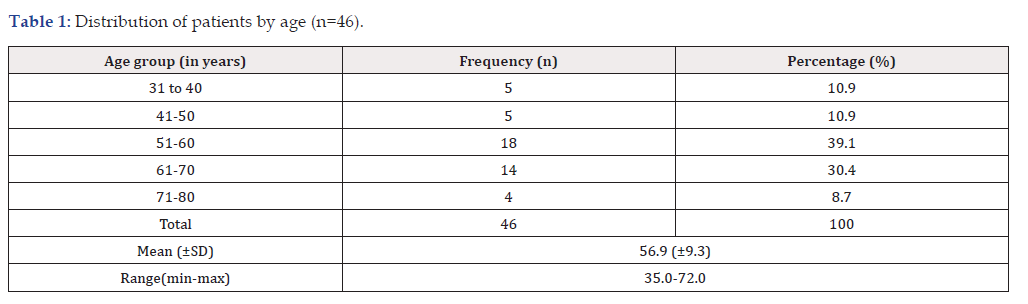
Table 1:Distribution of patients by age (n=46).

Figure 1:Distribution of patients by symptoms.
It was observed from the present study that out of the 42 patients, 22 (52.4%) did not use oral contraception while 20 (47.6%) used oral contraception. (Table 2)

Table 2:Distribution of study patients by history of contraception (n=42).
Out of the 42 patients, 25 (59.5%) patients had both diabetes mellitus and hypertension. Only 3 (7.1%) patients did not have any comorbidity. (Table 3, Figure 2)
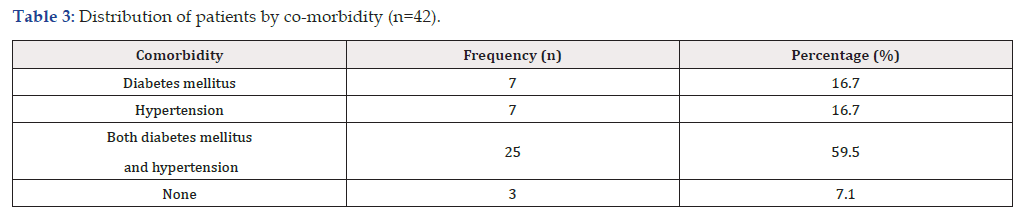
Table 3:Distribution of patients by co-morbidity (n=42).
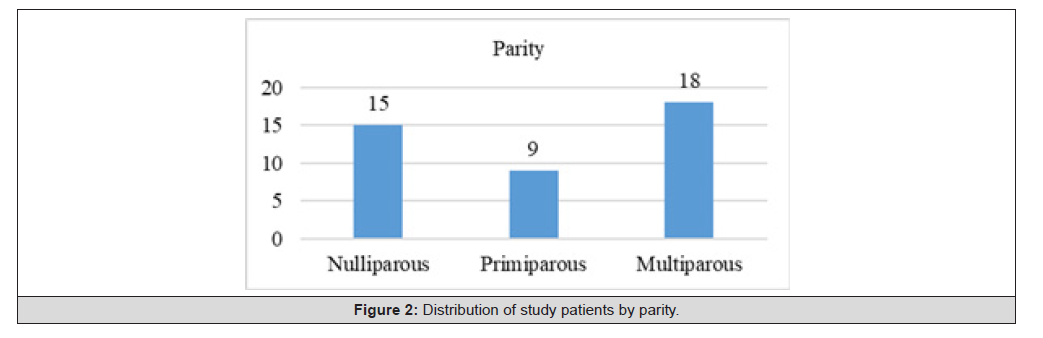
Figure 2:Distribution of study patients by parity.
According to parity, 15 (35.7%) were nulliparous women while 9 were primiparous (21.4%) and 18 were multiparous (42.9%).
The majority of 35 (76.1%) cases had endometrioid carcinoma. Ten (21.7%) had serous-type carcinomas and one patient (2.2%) had Carcinosarcoma. (Table 4)

Table 4:Distribution of study cases by histopathological type (n=46).
Out of the 46 cases, 13 (28.3%) had grade 1, 12 (26.1%) had grade 2, and 21 (45.7) had grade 3 carcinoma (Table 5, Figure 3)

Table 5:Distribution of cases (Endometrioid, Serous, and Carcinosarcoma) by grade (n=46).
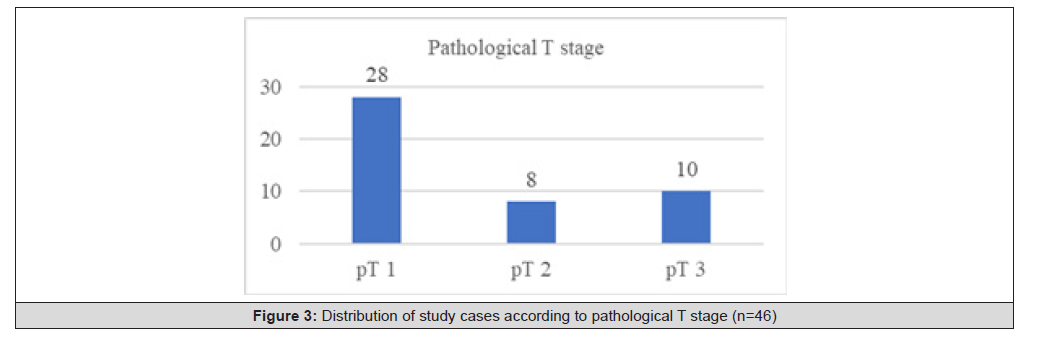
Figure 3:Distribution of study cases according to pathological T stage (n=46)
According to pathological T stage, 28 (60.9%) cases were in stage pT1 8 (17.4%) were in stage pT2 and 10 (21.7%) patients were in stage pT3.
Table 6 shows that >50% of myometrial invasion was in 36 (78.3%) cases and <50% in 10 (21.7%) cases. (Table 6, Figures 4-8)

Table 6:Distribution of study cases by myometrial invasion (n=46).
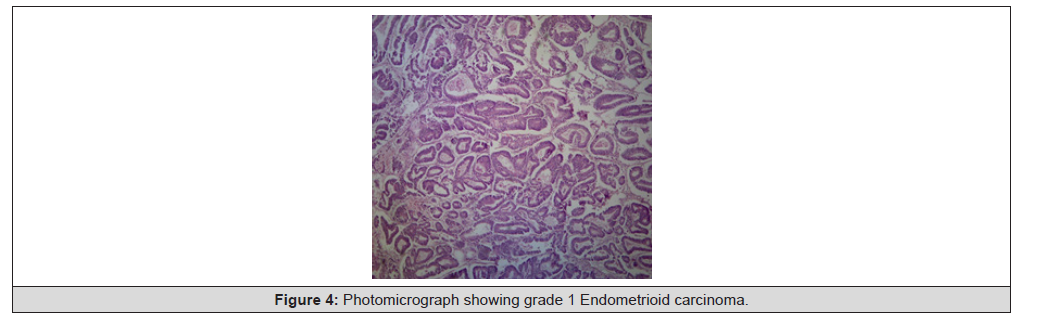
Figure 4:Photomicrograph showing grade 1 Endometrioid carcinoma.
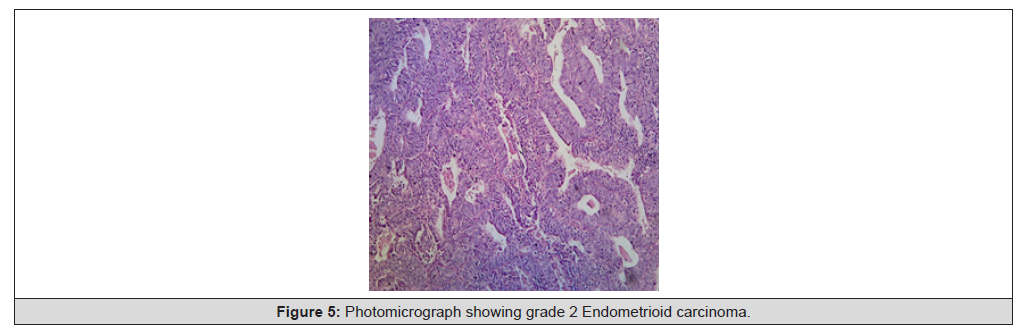
Figure 5:Photomicrograph showing grade 2 Endometrioid carcinoma.

Figure 6:Photomicrograph showing grade 3 Endometrioid carcinoma

Figure 7:Photomicrograph showing serous carcinoma.

Figure 8:Photomicrograph showing carsinosarcoma.
Discussion
In this study, the mean age of the study population was 56.9 (± 9.3) years which ranged from 35.0 to 72.0 years & a large number of the patients 39.1% belonged to the age group of 51-60 years. Similar findings were found in other studies where the mean age of patients was found near about 58 years [14,15]. Though endometrial carcinomas are prevalent in the seventh decade of life [16], a lower age range was observed in this study. Irregular uterine bleeding is the presenting sign in 90% of cases of endometrial carcinoma [3] and postmenopausal bleeding (PMB) accounts for ~90% of patients with EC [17]. In the present study, 21.4% had irregular vaginal bleeding while 78.6% had postmenopausal bleeding. This finding follows Zhang, et al. [18] where it was found that 62.7% of patients had postmenopausal bleeding. This indicates postmenopausal women are susceptible to endometrial carcinoma. It was observed from the present study that the majority (52.4%) did not use oral contraception while 47.6% used oral contraception. Pellerin and Finan [16] showed that 21.0% of patients had a history of taking oral contraceptives. In this study, 16.7% had isolated diabetes, and another 16.7% had only hypertension, while only 7.1% of patients had no comorbidities (Table 3). These findings are in line with the study by Lee, et al., which reported that metabolic syndrome components, particularly obesity, diabetes, and hypertension, were highly prevalent among endometrial cancer patients. In their cohort, 62% of patients had hypertension and 52% had diabetes mellitus, with a notable overlap between the two conditions, reinforcing the established link between metabolic dysregulation and endometrial carcinogenesis [19]. Parity is linked to a lower risk of endometrial cancer [20]. In the current study, 35.7% were nulliparous women while 21.4% were primiparous and 42.9% were multiparous. Excess estrogen is a risk factor for endometrial cancer and promotes the growth of endometrial cells. Estrogen and progesterone levels fluctuate with parity. For instance, compared to nulliparous women, parous women had decreased estrogen levels [21]. Shen, et al. [22] mentioned in their study that nulliparity causes endometrial cancer.
In this study, 76.1% of cases were endometrioid type EC while 21.7% were serous type and 2.2% were carcinosarcoma. It is similar to the finding of Zhang, et al. [18] where it was found that 90.6% were endometrioid type and 9.4% were serous type endometrial carcinoma. Morice, et al. [23] stated that the most prevalent histological form is endometrioid carcinoma, which is frequently identified when the pathology is still restricted to the uterus, which shows concordance with this study. In the present study, out of the 46 cases of endometrial carcinoma including endometrioid, serous, and carcinosarcoma, 28.3% cases were grade 1, 26.1% were grade 2 and 45.7% were grade 3. It is slightly different from the finding of Nesina, et al. [15] where grade 1, grade 2 and grade 3 carcinoma were 7.2%, 41.8%, and 50.9% respectively. Zhang, et al. [18] also showed a dissimilar result. It was seen that grade 1 carcinoma comprised 31%, grade 2 carcinoma 47.5%, and grade 3 carcinoma comprised 11.4%. This study shows that 60.9% of cases were in stage pT1, 17.4% were in stage pT2 and 21.7% were in stage pT3. Zhang, et al. [18] did staging according to the FIGO stage where stage I was 73.3%, stage II was 7.33%, stage III was 15.24% and stage IV was 4.10%. Desouki, et al. [14] also found that 72.0% of patients had FIGO stage I carcinoma while few were in FIGO stage II and III. It indicates that most of the cases were in the early stages, which may be due to the early clinical presentation and low-grade morphology of the tumor. Myometrial invasion is an independent predictor of outcome, as deep myometrial invasion is associated with a poor survival rate [24]. In the present study,>50% of myometrial invasion was in 78.3% of cases and <50% in 21.7% cases. Zhang, et al. [18] found that >50% of myometrial invasion was seen in 32.2% of cases and <50% of myometrial invasion was seen in 67.8% of cases. The current study finding is similar to that of Nesina, et al. [15]. In that study, myometrial invasion was seen in 60% of cases.
Limitations of The Study
The study was conducted in a single hospital with a small sample size. So, the results may not represent the whole community.
Conclusion
This study reveals that endometrial carcinoma predominantly affects postmenopausal women, with a mean age of 56.9 years. Most patients presented with postmenopausal bleeding and had comorbidities like diabetes and hypertension. Endometrioid carcinoma was the most common type, with a high proportion showing advanced grade and deep myometrial invasion.
Recommendation
Based on the findings, routine screening and awareness programs targeting postmenopausal women, especially those with comorbidities like diabetes and hypertension, are recommended for early detection of endometrial carcinoma. Emphasis should also be placed on timely evaluation of abnormal uterine bleeding to improve outcomes through early intervention.
Funding
No funding sources.
Conflict of interest
None declared.
References
- Sung H, Ferlay J, Siegel RL, Laversanne M, Soerjomataram I, et al., (2024) Global cancer statistics 2020: GLOBOCAN estimates of incidence and mortality worldwide for 36 cancers in 185 countries. CA a cancer j clin 74(3): 209-249.
- Brooks RA, Fleming GF, Lastra RR, Lee NK, Moroney JW, et al., (2019) Current recommendations and recent progress in endometrial cancer. CA Cancer J Clin 69(4): 258-279.
- Colombo N, Creutzberg C, Amant F, Bosse T, Gonzalez-Martin A, et al., (2016) ESMO-ESGO-ESTRO consensus conference on endometrial cancer: diagnosis, treatment and follow-up. Ann Oncol 27(1): 16-41.
- Setiawan VW, Yang HP, Pike MC, McCann SE, Yu H, et al., (2013) Type I and II endometrial cancers: have they different risk factors?. Journal of Clinical Oncology 31(20): 2607-2618.
- Barry JA, Azizia MM, Hardiman PJ (2014) Risk of endometrial, ovarian and breast cancer in women with polycystic ovary syndrome: a systematic review and meta-analysis. Human reprod update 20(5):748-758.
- Lassi ZS, Middleton P, Bhutta ZA, Crowther C (2019) Health care seeking for maternal and newborn illnesses in low-and middle-income countries: a systematic review of observational and qualitative studies. F1000Research 8:200.
- Felix AS, Yang HP, Bell DW, Sherman ME (2017) Epidemiology of endometrial carcinoma: etiologic importance of hormonal and metabolic influences Adv Exp Med Biol 943: 3-46.
- Munro MG, Critchley HO, Fraser IS, FIGO Menstrual Disorders Working Group (2011) The FIGO classification of causes of abnormal uterine bleeding in the reproductive years. Fertil Steril 95(7): 2204-2208.
- Passarello K, Kurian S, Villanueva V (2019) Endometrial cancer: an overview of pathophysiology, management, and care. Semin Oncol Nurs 35(2): 157-165.
- Concin N, Matias-Guiu X, Vergote I, Cibula D, Mirza MR, (2021) ESGO/ESTRO/ESP guidelines for the management of patients with endometrial carcinoma. Int J Gynecol Cancer 31(1): 12-39.
- Sartori E, Pasinetti B, Chiudinelli F, Gadducci A, Landoni F, et al., (2010) Surveillance procedures for patients treated for endometrial cancer: a review of the literature. International Journal of Gynecological Cancer 20(6): 985-992.
- Rousselin A, Bendifallah S, Timoh KN, Ouldamer L, Canlorbe G, et al., (2017) Patterns of care and the survival of elderly patients with high-risk endometrial cancer: A case-control study from the FRANCOGYN group. Eur J Surg Oncol 43(11): 2135-2142.
- Mwanje J (2023) Cervical cancer screening in resource-poor settings of south sudan: access coverage, associated factors and health system interventions.
- Desouki M M, Kallas S J, Khabele D, Crispens M A, Hameed O, et al., (2014) Differential vimentin expression in ovarian and uterine corpus endometrioid adenocarcinomas: diagnostic utility in distinguishing double primaries from metastatic tumors. Int J Gynecol Pathol 33(3): 274-281.
- Nesina I P, Iurchenko N P, Buchynska L G (2018) Markers of the epithelial-mesenchymal transition in cells of endometrial carcinoma. Exp Oncol 40(3): 218-222.
- Pellerin G P, Finan M A (2005) Endometrial cancer in women 45 years of age or younger: a clinicopathological analysis. Am J Obstet Gynecol 193(5): 1640-1644.
- Makker V, MacKay H, Ray Coquard I, Levine, D A, Westin S N, et al., (2021) Endometrial cancer. Nature reviews Disease primers 7(1): 88.
- Zhang X, Cao G, Diao X, Bai W, Zhang Y, et al., (2022) Vimentin protein in situ expression predicts less tumor metastasis and overall better survival of endometrial carcinoma. Dis Markers 2022: 5240046.
- Lee DY, Lee TS (2020) Associations between metabolic syndrome and gynecologic cancer. Obstet Gynecol Sci 63(3):215-224.
- Wu Q J, Li YY, Tu C, Zhu J, Qian K Q, et al., (2015) Parity and endometrial cancer risk: a meta-analysis of epidemiological studies. Sci Rep 5(1): 14243.
- Katagiri R, Iwasaki M, Abe S K, Islam M R, Rahman M S, (2023) Reproductive factors and endometrial cancer risk among women. JAMA network open, 6(9): e2332296-e2332296.
- Shen F, Gao Y, Ding J, Chen Q (2017) Is the positivity of estrogen receptor or progesterone receptor different between type 1 and type 2 endometrial cancer?. Oncotarget 8(1): 506-511.
- Morice P, Leary A, Creutzberg C, Abu Rustum N, Darai E (2016) Endometrial cancer. The Lancet 387(10023): 1094-1108.
- Dane C, Bakir S (2019) The effect of myometrial invasion on prognostic factors and survival analysis in endometrial carcinoma. Afr Health Sci 19(4): 3235-3241.




 We use cookies to ensure you get the best experience on our website.