
Research Article 
 Creative Commons, CC-BY
The Analysis of STEAM Education for Adaptive Path of Physical Education Majors-Oriented Mental Health Education
*Corresponding author:Xiantao Huang, School of Physical Education, Wuhan University of Science and Technology, Wuhan, China.
Received:September 16, 2025; Published:September 22, 2025
DOI: 10.34297/AJBSR.2025.28.003706
Abstract
In response to the imperatives of comprehensive and rapid development in the 21st century’s new era, the Ministry of Education (MoE) has proposed the integration of Mental Health Education (MHE) into the Physical Education (PE) curriculum. Meanwhile, grounded in Science, Technology, Engineering, Arts, and Mathematics (STEAM) education, PE students’ mental health (MH) issues can be addressed. This study entails conducting a questionnaire at a college in Hubei and formulating a STEAM Project-based Learning (PBL) model for MHE among PE majors. The research objective is to cultivate students’ design ability, behavioral norms, social skills, and teamwork ability, improving their comprehensive quality and providing feasible suggestions for MHE in sports and health education activities. Moreover, it can promote the expansion and development of sports functions, achieving the harmonious development of the physical and MH of PE majors. The proposed model comprises three stages: teaching preparation, implementation, and reflection, encompassing specific implementation methods and strategies. The findings reveal a favorable teaching effect, high teaching satisfaction, and rapid enhancement of teachers’ teaching proficiency. Subsequently, by comparing the introduction of the proposed STEAM PBL model into MHE for PE majors before and after, it can be found that more students have recognized the MHE curriculum promoted by this model. This approach has fostered students’ proficiency in design, behavior, social interaction, and team cooperation, enhancing comprehensive quality and fulfilling the educational objectives. Consequently, in sports and health education endeavors, MHE emerges as an indispensable factor in expanding and enhancing the sports function. The high coherence among middle school students’ knowledge, emotions, intentions, and behaviors, coupled with timely feedback, underscores the opportune timing for MHE. This discovery bears significant practical implications for implementing health education policies in PE colleges and fostering students’ harmonious physical and mental development.
Keywords:STEAM education; Mental health education; PE students’ mental health; Research of educational path; Physical education
Introduction
The 21st century epitomizes an era characterized by economic globalization and information networking. China’s economic ascension and the emergence of new social norms necessitate adolescents to cultivate survival skills, make informed choices, and adapt to evolving circumstances. Concurrently, there is an expectation for students to develop critical thinking abilities and foster creativity. The attainment of robust Mental Health (MH) aligns with these multifaceted demands and serves as a cornerstone for holistic well-being. Against this backdrop, Mental Health Education (MHE) for juveniles takes on critical importance, accompanied by a need to redefine MH parameters [1]. MH encompasses external manifes tations and internal predispositions, wherein adaptability and behavior reflect its outward expression, while its intrinsic essence lies in a sound MH diathesis. MH diathesis represents a high-level goal in fostering students’ mental quality, reflecting the basic requirements of quality education and MHE [2]. Currently, the research on college students’ MH diathesis faces several challenges, including unclear content delineation and cumbersome measurement methodologies. Physical Education (PE) constitutes a pivotal component and pedagogical avenue within the quality education framework, symbolizing an inevitable facet of contemporary educational reform and progression. However, differences in health development standards and conceptual frameworks across professional domains engender substantial divergence in the content and methods of physical exercises among college students [3]. Therefore, optimizing the role of PE in nurturing adolescents’ MH is an urgent imperative in contemporary PE discourse.
Originating in the United States (US), Science, Technology, Engineering, Arts, and Mathematics (STEAM) education has garnered widespread recognition as a pivotal educational paradigm in China and numerous other countries worldwide. It represents a ubiquitous concern in theoretical discourse and practical application [4]. STEAM education epitomizes interdisciplinary praxis encompassing science, technology, engineering, art, and mathematics, emphasizing the transcendence of disciplinary boundaries and fostering the cultivation of well-rounded talents [5]. Moreover, STEAM education constitutes a vital direction and effective methodology in fulfilling the overarching objectives of macro education. In the context of economic globalization, STEAM education has garnered worldwide attention and promotion, particularly in Western countries. With the advancement of global information technology, the increasing demand for innovative talent by multinational corporations has driven reforms in educational models. The 21st-century skill requirements emphasize innovation, teamwork, and the ability to solve complex problems. These are core competencies that STEAM education effectively cultivates. Additionally, the widespread use of information networks has provided education with more resources and interactive platforms, enabling cross-cultural and cross-regional knowledge sharing and collaborative learning. With China’s rapid economic development and the proliferation of information technology, STEAM education has gradually been integrated into its educational system, particularly at the foundational education level. According to the China Education Modernization 2035 report, interdisciplinary education and innovation education have been prioritized, offering policy support for the development of STEAM education. Against this backdrop, the STEAM Project-based Learning (PBL) model has emerged as a key direction for educational innovation [6]. The PBL model emphasizes the design and implementation of practical projects, enabling students to solve problems in real-world contexts. This approach not only enhances students’ subject knowledge but also fosters their teamwork, critical thinking, and problem-solving skills. This teaching method aligns with global education trends and holds significant potential for application within China’s education system (Riel & Becker, 2018). Integrating STEAM education into the framework of Chinese education aligns closely with the nation’s innovation-driven development strategy and provides a modern interpretation of traditional culture. China is actively promoting the development of STEAM and MHE through policy support, curriculum practices, and teacher training. This is particularly evident in PE, where there is an emphasis on cultivating critical thinking and creativity to meet the demand for innovative talent in the context of globalization. Compared to other nations, China uniquely combines local culture with modern education, incorporating traditional practices such as martial arts and Qigong into PE to emphasize the unity of physical and MH. Moreover, Chinese Colleges and Universities (CAUs), encompassing comprehensive universities, teacher training institutions, sports colleges, and vocational-technical colleges, play significant roles in promoting STEAM education and MHE. Together, these institutions contribute to the innovation of educational models and the advancement of MHE, driving deeper integration and broader application in the modern educational landscape.
This study is informed by a comprehensive analysis of STEAM educational paradigms, modalities, and methodologies. It also considers the contextual nuances of Science, Technology, Engineering, and Mathematics (STEM) education and PE reform within Chinese CAUs. Based on these insights, the study advances a novel teaching framework: the STEAM PBL model. The innovation is twofold: firstly, it transcends the prevalent tendency among Chinese scholars to theorize STEAM education without practical implementation. Secondly, it proposes a tailored STEAM education program tailored to the specificities of adolescent PE. Moreover, by contextualizing PE within the framework of MHE and STEAM education, this study engenders discussions surrounding the synergies between PE and MHE within the STEAM paradigm, offering insights for nurturing multifaceted creative talents. The study aims to explore an MHE model for PE students based on the STEAM teaching approach. Through a questionnaire survey conducted at a university in Hubei, the study compares the outcomes of MHE curricula before and after implementing the STEAM teaching model. It seeks to verify the model’s effectiveness in improving teaching outcomes, student satisfaction, and teacher’s teaching abilities. The study focuses on cultivating students’ design skills, behavioral norms, social skills, and teamwork abilities, thus enhancing their overall quality. Ultimately, it can provide feasible recommendations for integrating MHE into sports and health education activities, promoting the expansion and development of sports functions, and achieving the harmonious physical and mental development of college students in PE majors.
STEAM is considered more comprehensive than STEM as it integrates creativity and the arts into traditional technical courses. The inclusion of the arts not only fosters students’ innovative thinking but also enhances critical thinking and communication skills, which are crucial for addressing complex real-world problems. By incorporating the arts, STEAM advocates for a more holistic educational approach, requiring students to not only understand scientific principles and technological tools but also innovate and effectively communicate their ideas. Thus, this study investigates an adaptive pathway for MHE among college students in PE majors based on STEAM education, recognizing its strong alignment with contemporary educational innovation and the needs of MHE. STEAM education, through interdisciplinary integration of science, technology, engineering, arts, and mathematics, not only develops students’ academic abilities but also promotes creativity and critical thinking. This is particularly important for PE students as they face psychological challenges in both learning and competition. Moreover, PE students often experience multiple influences on their MH problems in the learning process, such as academic pressure, competitive anxiety, and teamwork challenges. Applying the STEAM education approach can enhance their psychological resilience and comprehensive skills. Additionally, the study responds to the Chinese Ministry of Education (MoE)’s call to incorporate modern educational models into MHE. It explores adaptive pathways to provide scientific guidance for MHE in PE majors and innovative practice references for other fields. This study holds significant theoretical and practical implications, contributing to the deeper integration of MHE with holistic student development.
Concept and Characteristics of STEAM Education
STEAM education emerges from the humanistic evolution of STEM education. In 2006, Gretel Ackerman of Virginia Tech University amalgamated the artistic essence of humanities and arts with STEM pedagogy, synthesizing science, technology, engineering, humanities, art, and mathematics. Ackerman envisioned STEAM education as a novel pedagogical approach that can seamlessly integrate diverse disciplines within the educational milieu. STEAM was perceived not merely as a professional pursuit but also as a holistic lifestyle and educational ethos [7]. Consequently, STEAM ideology facilitated societal adaptation and improved quality of life. It burgeoned in the post-World War II era by integrating erstwhile segregated domains such as science, technology, and humanities research. By the 1980s, educators began incorporating engineering and mathematics into the STEM framework. Subsequently, in the 21st century, humanistic arts were integrated into STEM, marking the advent of STEAM. There are many definitions of the STEAM concept, with various interpretations of the “A” in STEAM. Overall, there is a lack of reported learning outcomes in creativity, problem-solving, and arts education. These articles also differentiate the methods of integrating STEAM disciplines, describing them in one of five ways: interdisciplinary, multidisciplinary, transdisciplinary, cross-disciplinary, and arts integration. Recommendations have been provided to advance STEAM education research and practice [8]. Furthermore, experts from various countries such as Austria, Bulgaria, Poland, Russia, and Ukraine posited that STEM and STEAM education represented a trajectory toward diversified learning for students [9]. In Figure 1, the evolution of STEM-STEAM underscores an escalating demand for talent over time, underscoring the burgeoning need for high-quality talent and a heightened emphasis on humanities and arts [10] (Figure 1).

Figure 1:Time development from STS to STEAM Education.
Accordingly, STEAM education is characterized by the following
characteristics:
a. Multidisciplinary: STEAM encapsulates Science, Technology,
Engineering, Art, and Mathematics, highlighting its inclusive
scope.
b. Integration: STEAM fosters the amalgamation of diverse skills
[11] and employs multiple assessment strategies to enhance
students’ comprehension and dissemination of knowledge
[12].
c. Exploration: STEAM education advocates abstract knowledge
acquired through self-directed learning or teacher-guided instruction,
emphasizing students’ hands-on thinking and active
participation.
d. Real-world relevance: As outlined in the California syllabus,
STEM education underscores the practical application of acquired
skills and knowledge, necessitating the integration of
real-world experiences into classroom instruction.
e. Artistic expression: Artistic elements encompass various mediums
including painting, sculpture, architecture, music, literature,
and drama [13].
f. Collaboration: In STEAM education, students collaborate to
construct knowledge, fostering a cooperative learning environment.
g. Application: STEAM education emphasizes incorporating design
projects into learning outcomes. Design should be used
to promote the integration, transplantation, and application
of knowledge through the learning effect of works, external
learning knowledge, and ability [14].
PE is a structured teaching program designed to develop physical fitness, motor skills, knowledge of healthy lifestyles, and social skills. PE combines movement-based activities such as sports, gymnastics, and exercise with cognitive and emotional learning. It promotes physical health and holistic development in an educational context [15]. MHE involves teaching MH topics to raise awareness, reduce stigma, and promote strategies for maintaining MH. MHE typically covers stress management, emotional resilience, and coping strategies. It is often integrated into health education curricula and, at times, embedded within broader STEAM programs to nurture emotionally intelligent students [16]. PE and MHE are regarded as complementary disciplines, particularly within holistic educational frameworks like STEAM. While PE fosters physical resilience, MHE focuses on emotional and MH, working together to support students’ well-being. Innovative curricula often combine physical activities with MH strategies, acknowledging the connection between the two (World Health Organization, 2020) [17]. Regarding the allocation of teaching hours for university-level MHE, China’s MoE recommends that the primary content delivery for university courses should range between 32 and 36 hours. This allocation aligns to maintain a structured yet flexible academic schedule, allowing for comprehensive teaching and student engagement [18]. These guidelines are typically reflected in the course frameworks offered by higher education institutions, aiming to balance instructional activities with students’ self-study, assessments, and other academic responsibilities. For more detailed policies on time allocation and course structure in higher education, please refer to official announcements and academic calendar guidelines issued by the MoE or relevant educational authorities, which outline specific times for course content delivery [19].
The Necessity and Feasibility of Applying STEAM Education to the MHE for PE Students
Characteristics of MHE Curriculum: According to the basic requirements for the college MHE curriculum (Department of Education [2011] No. 5) issued by the MoE, college MHE is a public course integrating knowledge, psychological experience, and behavior training. Its purpose is to guide students’ psychological quality. Table 1 presents a brief analysis of the components of MH diathesis by some Chinese scholars.
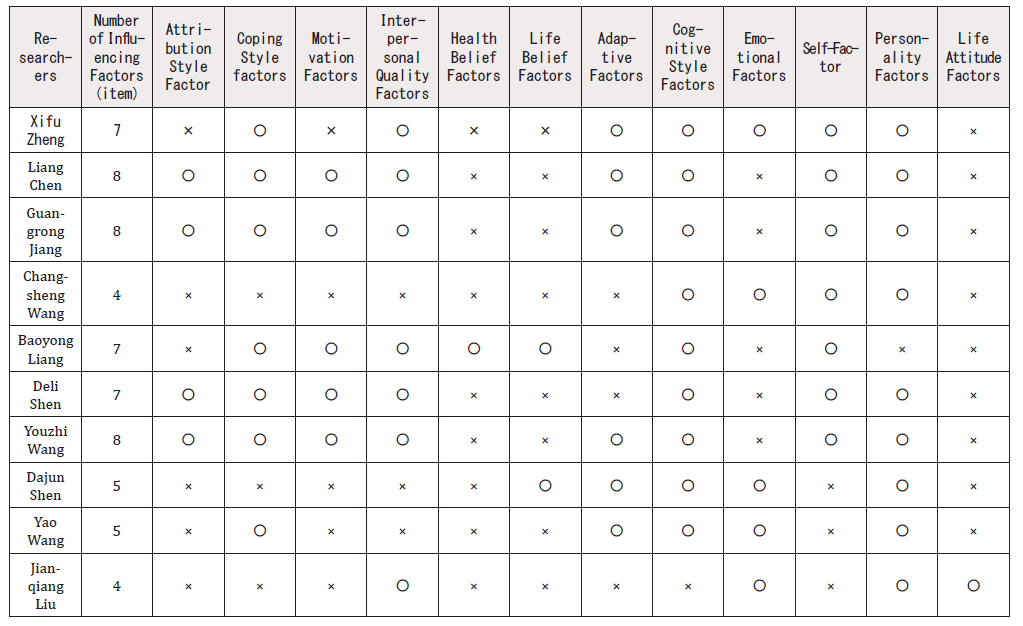
Table 1:A brief analysis of the components of MH diathesis by some Chinese scholars.
Note*: “〇” in the table indicates that this item has an impact on MH diathesis. “×” indicates that this item does not affect MH diathesis.
International research on MH focuses on college students’ MHE, interventions, and the accessibility of MH services. In terms of MH and well-being among college students, MH levels are influenced by various challenges encountered after entering university, including independent decision-making, academic pressure, and social adaptation. These studies emphasize the importance of MH interventions and advocate for increased attention to MH issues in universities, such as promoting positive MH, stress management, and psychological counseling services [20]. Additionally, scholars have proposed that the intervention measures to improve MH through peer support in CAUs have become the focus of attention. Systematic literature reviews have found that such interventions significantly enhance college students’ MH and sense of social belonging. Future studies are recommended to optimize the models and definitions of these interventions to better support students’ MH needs [21]. The structure and components of MH diathesis are initially delineated in the Investigation and Research on Teenagers’ Mental Health Diathesis, as depicted in (Figure 2).
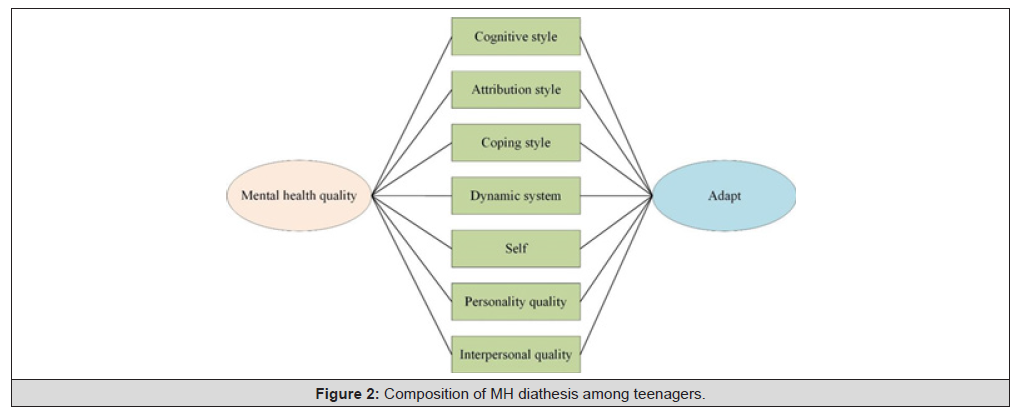
Figure 2:Composition of MH diathesis among teenagers.
The pervasive adoption of quality education and the burgeoning emphasis on positive psychology has prompted academic circles to reassess MH. The understanding of MH diathesis has gradually transcended the micro mental quality system [22]. From a subject composition standpoint, MH diathesis underscores the comprehension of the human socialization process. However, traditional research on MH diathesis has often overlooked its internal structural logic, leading to scholars’ skepticism regarding its constituent elements. Early investigations into MH diathesis primarily concentrated on its impact on MH [23].
An Analysis of PE Students’ Learning Situation: Age characteristics: Students enrolled in vocational PE programs are typically adolescents with vibrant intellectual faculties and heightened emotional sensitivity. They grapple with existential quandaries and life challenges, presenting an opportune context for STEAM education to empower them to surmount obstacles and adapt to academic and everyday exigencies. Moreover, STEAM equips students with creative and innovative skills, fostering diverse skill sets to pre-empt potential future skills shortages [24]. Enhancement of learning abilities: PE curricula often demand considerable time and energy investment in routine sports activities. STEAM education effectively harnesses students’ agency, placing them at the focal point of instruction. Consequently, it cultivates students’ Sense of Responsibility (SoR) and mission, elevating their learning aptitude [25].
Learning preferences: Compared to typical students, PE students are more outgoing and livelier. As a result, they gravitate toward lively and interactive learning environments, avoiding quiet and monotonous classroom settings. These students often thrive in environments conducive to active discussion, hands-on application, and collaborative teamwork. With its emphasis on interactive, experiential, and collaborative learning, STEAM education aligns more closely with PE students’ preferred learning styles [26]. Considering these characteristics, alongside the unique requirements of college MHE curricula and the prevailing conditions in PE colleges, traditional teaching methods may fall short of meeting students’ needs and achieving desired educational outcomes [27]. The teaching objectives of STEAM education are inherently aligned with its curriculum objectives, and its teaching methods are well-suited to the learning contexts of PE students. Hence, integrating STEAM into college education is both necessary and feasible.
Curriculum Integration Is the Most Important Feature of the STEAM Concept: The precursor to STEAM education was the STS course, initially introduced in the US during the 1970s. Central to its ethos was the aspiration to transcend conventional disciplinary boundaries and foster cross-disciplinary integration of diverse knowledge domains. Its common goal is to break through the traditional disciplinary knowledge differentiation and disciplinary separation and realize the cross-integration of multi-disciplinary content. Meanwhile, it aims to build the internal relationship between the knowledge of various disciplines and gradually integrate science and humanities into educational activities with social context [28]. The STS, STEM, and STEAM education aim to contextualize science, technology, and art within real-world settings, a strategic objective embraced by leading nations such as the US. Evolving from a discipline-centric approach, the contemporary STEAM course is now oriented toward topical themes rooted in societal situations [29].
Value of STEAM PBL Model from the Perspective of Core Competence: The MoE issued the Core Quality of Chinese Students’ Development in 2016, which outlined key dimensions including cultural foundation, independent development, and social participation. These dimensions manifest in six core qualities: humanities, scientific spirit, learning aptitude, promotion of healthy lifestyles, SoR, and practical innovation. The localization of STEAM PBL should implement the corresponding curriculum model and process from three aspects. First, STEAM PBL, as a project-oriented tool, transmutes knowledge and cultural symbols into tangible challenges, crafting curricula deeply intertwined with real-world scenarios that reflect contemporary cultural imperatives. Such an approach holds profound significance in nurturing humanistic qualities and instilling ethical values [30]. Second, STEAM PBL’s support for students’ self-development primarily resides in fostering activity-based competencies that improve personal growth and enhance a sense of accomplishment. Engagement within a learning environment can elicit physical and psychological transformations in learners, which are critical to adolescent development. Thematic subject studies can guide students to explore the external world to obtain experiential knowledge and promote the renewal of self-awareness and personal value. The acquisition and refinement of various skills enable the effective application of classroom learning, ensuring alignment between educational goals and students’ career aspirations [31]. Third, the PBL model is conducive to cultivating students’ SoR and collaborative spirit. Before STEAM implementation, diverse learning characteristics are examined, categorized, and addressed. Group-based learning experiences foster social interactions, autonomy, and a cooperative ethos among students [32].
Method
Application of STEAM in Teacher Training and Introduction of Teaching Methods
Application of STEAM In Teacher Training: STEAM education enhances teacher training by integrating science, technology, engineering, arts, and mathematics through the design of interdisciplinary curricula, hands-on activities, and technical tool training. Training sessions often incorporate real-world problem scenarios, encouraging teachers to design and implement student-centered projects such as building smart devices or organizing environmentally sustainable design competitions. Additionally, practical technical exercises (e.g., programming and 3D printing), guidance on curriculum assessment methods, and collaborative learning activities allow teachers to experience how to apply the STEAM education concept in their teaching practices. The STEAM concept recognizes that fostering creativity through a broad-based education acknowledges students’ diverse learning needs, increases engagement, and may enhance learning in STEM by leveraging cross-disciplinary translation skills shared with arts and design disciplines. The Rhode Island School of Design developed advocacy strategies to promote STEAM education policies, proposing recommendations such as (a) recognizing arts (and design) alongside STEM as core disciplines; (b) addressing equity/resource issues in providing arts education; (c) calling for research into the potential outcomes of STEAM education models; and (d) providing funding for professional development and the freedom for teachers to explore interdisciplinary learning [33]. STEAM also plays a vital role in equipping educators with digital competencies and fostering sustainable innovation practices. A systematic review reveals that STEAM cultivates interdisciplinary and culturally responsive teaching approaches, bridges the digital divide, and empowers teachers to address ecological, economic, and social challenges through holistic teaching methods. This approach emphasizes continuous professional development and aligns with the evolving educational demands of the digital age [34]. Effective STEAM training typically integrates innovative methods such as guided and open-ended inquiry-based learning, striking a balance between short-term learning outcomes and longterm cognitive development. Professional development programs based on STEAM principles aim to enhance teaching adaptability and student engagement by promoting inquiry, problem-solving, and real-world applications [35].
The Use of STEAM Teaching Methods: Under the STEAM concept, teacher training incorporates teaching methods such as PBL, design thinking, and inquiry-based learning, embedding innovation and practice throughout the training process. PBL emphasizes teaching driven by real-world projects; Design thinking equips teachers to prioritize creativity and problem-solving in curriculum development; Inquiry-based learning fosters a student-centered, question-driven teaching method. By combining collaborative learning with reflective teaching methods, the training program emphasizes both teamwork and individual reflection, supporting teachers in mastering STEAM’s education concept and implementation strategies. At the core of the diverse educational opportunities provided by STEAM lies a questioning of the role and status of “art” within STEM disciplines. The term “art” can refer to arts as a field of knowledge, such as the humanities and social sciences, or the distinct ways of perceiving and experiencing the world that arise from specific art forms, practices, or teaching methods [36]. STEAM garners attention for its principle of integrating the arts into STEM learning. Informal educators, in particular, often view it as an inclusive and authentic approach to engaging youth in STEM. However, like many emerging fields, STEAM’s conceptualization and application remain somewhat contradictory and under-theorized. On the one hand, STEAM offers promising pathways by emphasizing diverse modes of understanding and equitable learning opportunities. On the other hand, it is often deployed ambiguously or even problematically in theory, pedagogy, and practice to serve various objectives [37]. STEAM learning is considered a suitable response to 21st-century challenges, as it integrates hard and soft skills essential for children. Excitingly, most studies identify STEAM as a popular teaching method that fosters creativity, problem-solving, scientific inquiry, critical thinking, and other cognitive benefits. It is taught through integrated learning in early childhood education and applied through children’s daily observations. The literature also highlights the impact of STEAM learning, encouraging children to take an active role in their knowledge acquisition. Teachers influenced by STEAM-integrated professional development positively impact children through their professional learning [38].
The Development and Application of the STEAM Teaching Concept in Domestically and Internationally: The Chinese government has elevated STEM and STEAM education as strategic priorities to enhance technological and economic competitiveness. Policies emphasize the development of STEM curricula in CAUs to foster innovation and cultivate a technologically adept workforce. The integration of metacognitive approaches, such as reflection and regulation in STEM learning, is also prominent, reflecting the fusion of technological and cognitive goals in education [39]. National initiatives include funding from organizations such as the National Natural Science Foundation of China and targeted projects by the MoE to promote STEM/STEAM-focused teacher training and curriculum development [40]. Globally, STEAM education is viewed as a response to economic challenges and a method of fostering interdisciplinary learning. Historically, the US has led this movement since its origins during the Cold War, while other countries have adapted it to local contexts [41]. Innovative teaching methods, such as integrating design thinking into K-12 STEM education, emphasize creativity and problem-solving skills. Empirical studies in China have explored teacher preparedness and the adoption of modern frameworks, such as the Theory of Planned Behavior, to implement STEAM education, shedding light on the associated challenges and opportunities [42].
The Application 0f the STEAM PBL Model in the MHE Curriculum of PE Majors
This section takes a sports vocational college in Hubei as an example, employing a class of sports training majors as an experimental class to implement the teaching organization process of STEAM education. Another class of the same major and grade is taken as a reference class to conduct the traditional teaching model. Figure 3 suggests the curriculum design model under the STEAM concept. (Figure 3).
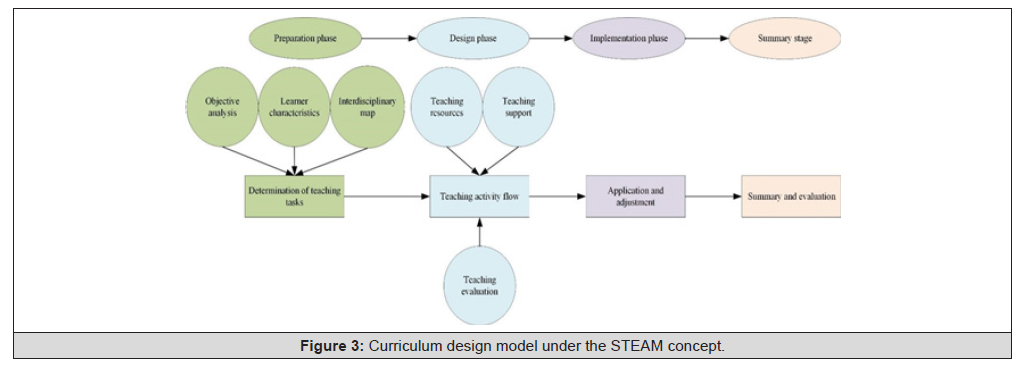
Figure 3:Curriculum design model under the STEAM concept.
Teaching Preparation Stage
The design and adjustment of teaching content commence with the teacher’s reorganization and alignment of instructional materials following the MoE’s course content guidelines, supplemented by practical pedagogical insights. The initial phase focuses on imparting foundational knowledge and establishing a robust theoretical framework encompassing MH, psychological counseling, manifestations of mental distress, and abnormal psychology. Traditional teaching methods are predominantly employed at this stage. Subsequently, the instructional focus shifts towards facilitating self-awareness, personal development, and self-cultivation, incorporating conventional “classroom teaching” approaches and innovative “STEAM” teaching models. STEAM education fosters students’ mental adaptability through avenues such as career planning, skill development, psychological insights, emotional regulation, interpersonal dynamics, romantic and sexual psychology, stress management, coping with setbacks, life skills, and crisis intervention [43]. Moreover, the allocation of teaching time adheres to MoE guidelines, specifying that college-level MHE instruction should span 32-36 hours. For instance, in a schedule of 36 total class hours over 18 weeks with two hours per week, Section 1 introduces foundational knowledge, establishing a basis for later sections. Section 2 sets comprehension objectives, dedicating four class hours to exploring consciousness and personality development, divided equally between teacher-led instruction and self-directed study. Section 3, comprising 28 class hours across seven sections (four hours each), employs the STEAM education method to deliver its content.
Teaching Implementation Stage
Carefully crafted scenarios and strategically posed questions form the cornerstone of the problem-oriented nature of STEAM education, guaranteeing the seamless execution of teaching activities [44]. The formulation of high-quality problems is tailored to the course’s educational objectives, aligns with students’ specific learning contexts, and caters to their psychological needs, fostering heightened engagement and enthusiasm for learning [45]. For instance, within the “emotion management” module, teachers can orchestrate scenarios that evoke specific emotions, encouraging students to ask questions such as: “What emotions am I experiencing?”, “How do emotions impact health?”, and “How can emotions be effectively managed?” This question-driven approach permeates the curriculum, providing a strong foundation for subsequent teaching activities. This teaching method enhances students’ capacity to pose incisive inquiries, enabling educators to collate insights and facilitate group discussions. Organized into groups of seven to eight individuals, students delve into textbooks and course materials to address their queries, leveraging various resources such as online platforms and literature [46]. Subsequently, classroom instruction incorporates interleaved teaching techniques to maintain an appropriate level of cognitive challenge, ensuring students can comprehend and analyze concepts effectively. Through this iterative process, students’ autonomy in learning is comprehensively bolstered.
During implementation, active discussions ensue, with each group nominating a spokesperson to present the outcomes. Various demonstration formats are permissible, including psychological dramas, group exercises, and other creative methods. The project’s core concepts may be conveyed through mediums like PowerPoint slides or speeches. Following these presentations, interactive questioning sessions involving teachers and fellow team members foster critical thinking, communication skills, and expressive abilities among students. Simultaneously, this dynamic exchange enables educators to promptly identify and address any challenges or uncertainties arising [47].
Upon conclusion, the teacher conducts a comprehensive evaluation of the teaching process, supplementing unresolved issues, emphasizing key insights, and aiding students in constructing a robust theoretical framework. A well-structured curriculum evaluation system significantly influences students’ MHE curriculum, with STEAM education offering enhancements to traditional evaluation methodologies. Following the introduction of the proposed STEAM PBL model, notable improvements are observed, with a 60% enhancement in overall classroom performance, alongside a 5% increase in attendance, 30% in STEAM education participation, 15% in group discussions, and 10% in supplemental inquiries. These advancements highlight the dual motivation for individual and collective progress, underscoring the experiential and participatory nature of the MHE program. The process of project activities is presented in (Figure 4).
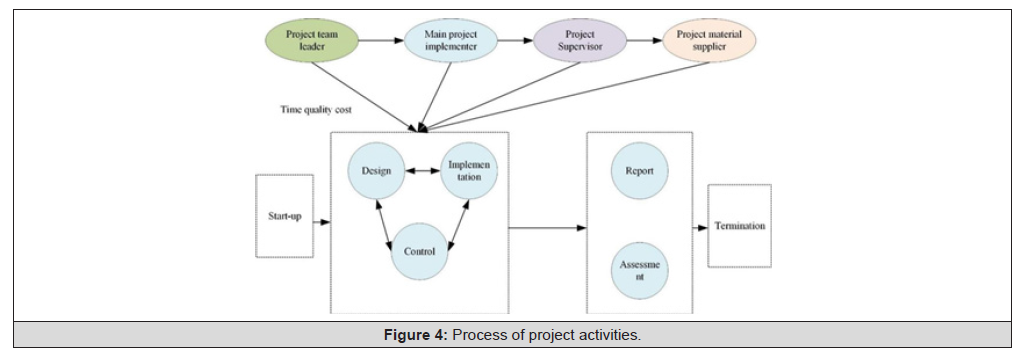
Figure 4:Process of project activities.
Teaching Reflection Stage: In the stage of teaching reflection, teachers’ reflections should be re-examined and reconsidered from the aspects of teaching ideas, strategies, methods, and contents. Education projects have several characteristics related to STEAM, namely a highly interdisciplinary and creative nature. Meanwhile, teachers should pay attention to students’ perception of science and their participation in scientific subjects in teaching (Domenici, 2022) [48]. In STEAM education, teachers should enter the classroom, communicate closely with students, understand students’ views through listening and observation, and master their learning dynamics.
Results and Discussion
Analysis Of the Application Effect of the STEAM PBL Model in the MHE Curriculum for PE Majors
Several beneficial outcomes can be attained by incorporating STEAM courses into the MHE curriculum for PE majors. This integrated approach not only fosters comprehension and skill acquisition in physical movement but also cultivates creativity, problem-solving abilities, and teamwork skills. By implementing the STEAM teaching method, students are allowed to amalgamate sports with knowledge from the arts, science, technology, and engineering domains. Consequently, students can develop a more holistic understanding of PE and MH, and enhance their overall literacy, thereby promoting comprehensive development.
The Improvement of Students’ Interest in Learning: Humanistic learning theory emphasizes the self-actualization and advancement of individuals, positing that intrinsic motivation and personal growth are the primary drivers of learning. This theory highlights the significance of individuals’ self-concept, self-esteem, and self-actualization, advocating for student-centered education that prioritizes students’ personalities and requirements, and providing a nurturing learning environment. The STEAM course has the potential to invigorate students’ interest in learning. An investigation conducted on experimental and control groups revealed that implementing the STEAM course in the experimental groups, 68% of students exhibited a keen interest in PE classes. However, in the control groups, only 42% of students demonstrated similar enthusiasm. Notably, students participating in STEAM courses exhibited markedly higher enthusiasm for PE classes, highlighting the substantial positive impact of STEAM on students’ engagement with PE.
Promotion of Students’ Comprehensive Development: Drawing from the multiple intelligences learning theory, human intelligence is multifaceted. Rather, each individual possesses several intelligences, including linguistic, rhythmic, mathematical, spatial, kinesthetic, introspective, and interpersonal intelligence. The theory highlights the diversity of intelligence potential among learners, necessitating educators to consider the interconnection and stimulation of multiple intelligences when designing instructional strategies, thereby fostering teaching conditions and environments conducive to holistic development. STEAM teaching represents an innovative, integrated teaching method that combines science, technology, engineering, arts, and mathematics, offering students a more varied learning experience. In STEAM teaching, students not only explore the mysteries of science and technology but also deepen their understanding and insight into knowledge through artistic expressions. This teaching method emphasizes cultivating students’ creativity, problem-solving abilities, and spirit of teamwork. Through sports, students can improve their physical fitness, while in interdisciplinary STEAM learning, they can also integrate sports with science, technology, engineering, and the arts, fostering well-rounded literacy. For example, students can understand engineering principles by designing sports equipment, analyzing sports data using mathematical knowledge, and expressing the beauty of sports through art, thereby stimulating students’ interest and enthusiasm for these disciplines. STEAM teaching is not just about imparting knowledge but also about cultivating students’ comprehensive abilities. By integrating knowledge from diverse disciplines, students can develop themselves more comprehensively, becoming future leaders and creators with innovative spirit and comprehensive literacy.
Good Teaching Effect: In terms of knowledge acquisition, the final exam’s total score averages 89.81 ± 3.68 for the experimental class, compared to 82.82 ± 3.49 for the reference class. Notably, students in the experimental class excel in theoretical knowledge. Regarding skill development, the experimental class demonstrates proficiency in learning progression, communication, problem-solving, interpersonal relations, and other competencies, all nurtured through the STEAM education model. Teachers play a pivotal role in meticulously observing and evaluating students’ diverse skills within the STEAM framework. Conversely, the reference class shows limited development in these areas, highlighting a deficiency in effective assessment methods. Emotionally, students in the experimental class exhibit close relationships with teachers and peers, fostering abundant interactions within and outside the classroom. The discussions are highly focused, making it easier to cultivate collective SoR and honor. Conversely, the reference class experiences fragmented discussions, hindering the formation of a cohesive collective environment conducive to unity and mutual assistance [49].
High Evaluation of Teaching Satisfaction: Attendance rates and positive curriculum evaluations are notably higher in the experimental class, with teaching satisfaction reaching 98.26%. This is primarily attributed to STEAM education’s efficacy in stimulating student interest, leading to active participation in learning. By addressing individual needs, STEAM provides a platform for students to express concerns and gain recognition and support from peers and instructors. Additionally, it enhances students’ self-awareness by encouraging reflective feedback through student-teacher interactions. This process promotes comprehensive self-assessment and fosters a positive and fulfilling learning experience.
Fast Improvement of Teachers’ Teaching Ability: STEAM education demands that teachers guide, encourage, assist, evaluate, and manage students and their learning processes, thus challenging teachers’ theoretical acumen and pedagogical aptitude. Before instruction, teachers must deeply comprehend the curriculum content, contextualize it within societal realities, carefully curate content, and design engaging problems. During lessons, teachers observe and guide students’ autonomous learning, offer targeted support for challenges, and objectively evaluate discussion outcomes. Post-lesson, teachers scrutinize teaching methods, summarize experiences, document challenges, and devise solutions, thereby comprehensively enhancing their teaching proficiency through iterative refinement [50].
Comparative Analysis of the Results Before and After the Application of STEAM In the MHE Curriculum for PE Majors
Formulation of Questionnaire: To understand the changes in MHE among PE students following the implementation of STEAM courses in the MHE curriculum, this study develops a Survey Questionnaire on STEAM Course Implementation. The questionnaire evaluates the effectiveness of applying STEAM courses to MHE for PE students. The survey covers multiple dimensions, including students’ basic information, course content, learning attitudes, learning motivation, and knowledge acquisition in psychology and kinesiology. The participants consist of PE undergraduates from a university in Hubei. A total of 50 questionnaires were distributed, all of which were completed and returned, resulting in a 100% response rate. The questionnaire was divided into two parts: an evaluation of learning attitudes and course satisfaction, and an assessment of knowledge acquisition.
This study selects vocational sports courses to represent “PE” as the primary educational context, as such courses are more aligned with actual professional demands, providing students with practical knowledge and skills. Particularly in PE education, students not only need to master basic athletic skills but also develop competencies such as teamwork, psychological adjustment, and professional etiquette. The design of vocational sports courses allows students to experience and address these challenges in realistic environments, preparing them for future careers in the sports industry.
The study is conducted at a sports vocational college in Hubei, with results applicable to other types of CAUs, given the universal adaptability of the core concepts and teaching methods of vocational sports courses. Regardless of whether the students are from PE majors or other disciplines, MHE and interdisciplinary learning models, such as STEAM education, can have a positive impact on improving students’ overall competencies. Therefore, although the study is performed in a specific region and type of institution, the insights and strategies derived from the study have broad applicability nationwide. As the content of PE evolves alongside professional demands, there is a need to reconceptualize the “PE” title. The scope should extend beyond simple athletic skills training to encompass broader career development pathways, including MH, team management, and teaching methods. Consequently, PE should not only focus on athletic skill cultivation but also emphasize holistic competency and professional capability enhancement.
Data collection combines online and offline methods, with questionnaires distributed via email and in printed format. Data cleaning and processing are conducted using SPSS software. Quantitative analysis employs descriptive statistics, paired-sample t-tests, and Analysis of Variance (ANOVA), while qualitative analysis involves thematic analysis of open-ended questions. The data analysis procedures ensure the representativeness of the sample and the accuracy of the results. Quantitative findings reveal significant improvements in the experimental group regarding learning attitudes, motivation, and knowledge acquisition in psychology and kinesiology (p < 0.01). For instance, students’ course enjoyment increased from a mean of 3.12 to 4.15 after implementing the STEAM course, while their learning motivation rose from 3.29 to 4.05, indicating the course effectively stimulated their interest and engagement. Additionally, students significantly improve their mastery of psychological and kinesiological knowledge. An analysis of the Survey Questionnaire on STEAM Course Implementation results demonstrates that STEAM courses significantly enhance MHE outcomes for PE students. Students’ learning attitudes, motivation, and knowledge in psychology and kinesiology exhibit notable improvement, and overall course satisfaction is high. These findings provide robust support for further optimization of course design and the broader promotion of STEAM courses.
Sample selection and distribution: The survey selects 50 students as the sample, with a 100% response rate, indicating effective questionnaire administration. However, the small sample size may limit the generalizability of the results. Additionally, the sample selection focuses solely on students’ perspectives, excluding teachers and other related groups, which compromises the comprehensiveness of the findings. Future studies are recommended to expand the sample scope and balance participation across different groups to more holistically reflect the overall impact of STEAM courses.
Questionnaire design and instrument validation: The questionnaire is structured into three parts: basic information, learning attitudes and emotions, and knowledge acquisition. Primary indicators are further refined into secondary indicators, covering both in-class and extracurricular learning content in PE and psychology, with a clear logical framework. Calculation of sample size: The questionnaire design does not specify the basis for calculating the sample size. While the 50-sample size is suitable for exploratory research, it may lack statistical power for quantitative analyses, especially when effective sample sizes decrease after data segmentation. It is recommended that future studies incorporate statistical power analysis (e.g., Cohen’s d or G*Power) to calculate an appropriate sample size, thus enhancing the statistical robustness of conclusions.
Data application and statistical analysis: The analysis primarily relies on descriptive statistics, such as reporting that 91% of students indicate increased course satisfaction. However, no paired-sample t-tests or ANOVA are performed to verify the statistical significance of the changes, leaving a gap in deeper statistical support. Future research could employ more advanced inferential statistical methods to examine the specific effects of course implementation on learning attitudes and knowledge acquisition. Additionally, incorporating open-ended questions could provide qualitative data, offering rich feedback for further course optimization. Table 2 shows the questionnaire-related information.
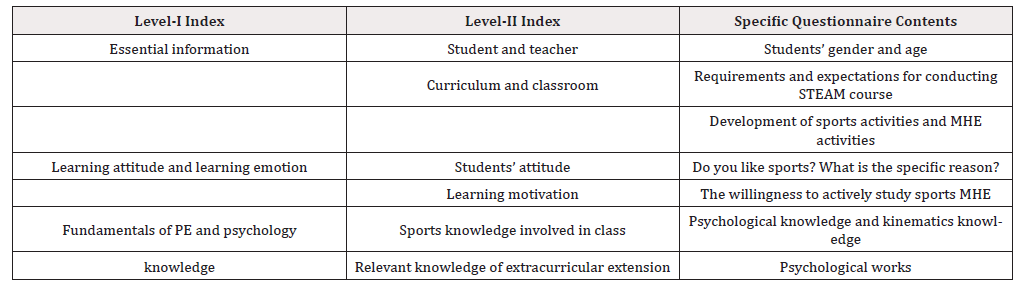
Table 2:Preparation of the questionnaire.
Evaluation of Learning Attitude and Curriculum Satisfaction: In Figure 5, following the exercise, the number of students expressing a strong affinity towards the activity notably increased, with 35 students stating “I like it very much” or “I like it.” Conversely, three students rated their experience as “average” due to difficulties integrating into the group dynamics. Thus, group project initiatives should cater to individual differences and facilitate group exchanges. Overall, there is a significant enhancement in students’ fondness for PE post-activity, accounting for 91% of the class (Figure 5). Regarding the evaluation of learning attitude, a comparison of pre-test and post-test average data revealed that students engaged in STEAM showed greater willingness to prepare for class. They actively participated in classroom activities and extended the impact of teaching beyond the confines of the classroom. Figure 6 compares students’ learning attitudes before and after the experiment (Figure 6).
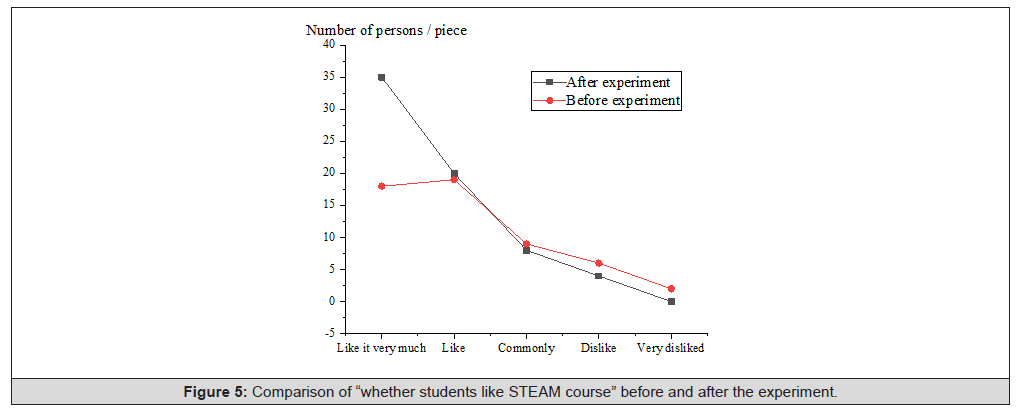
Figure 5:Comparison of “whether students like STEAM course” before and after the experiment.
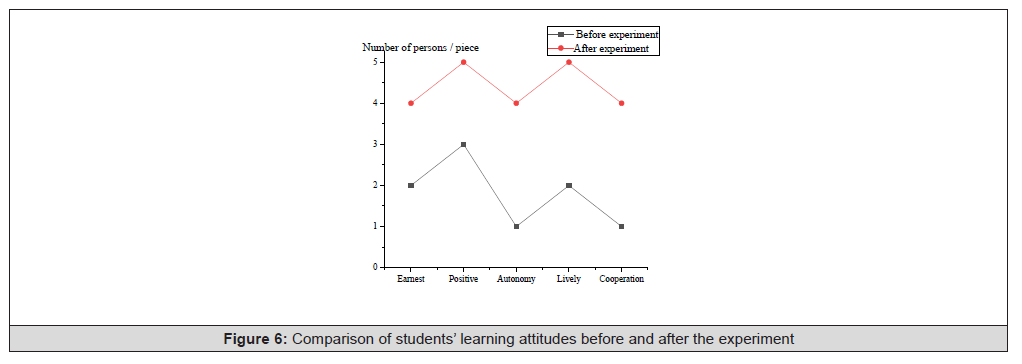
Figure 6:Comparison of students’ learning attitudes before and after the experiment
Assessment of Knowledge Mastery: Mastering the principles of knowledge is pivotal yet challenging within the course’s teaching objectives. In Figure 7, many students exhibited a vague understanding and low accuracy in basic knowledge comprehension before STEAM education. Following STEAM implementation, while the difficulty of test questions increased, students demonstrated higher accuracy, successfully meeting the elevated course objectives. Consequently, students displayed improved comprehension and application of classroom knowledge (Figure 7).
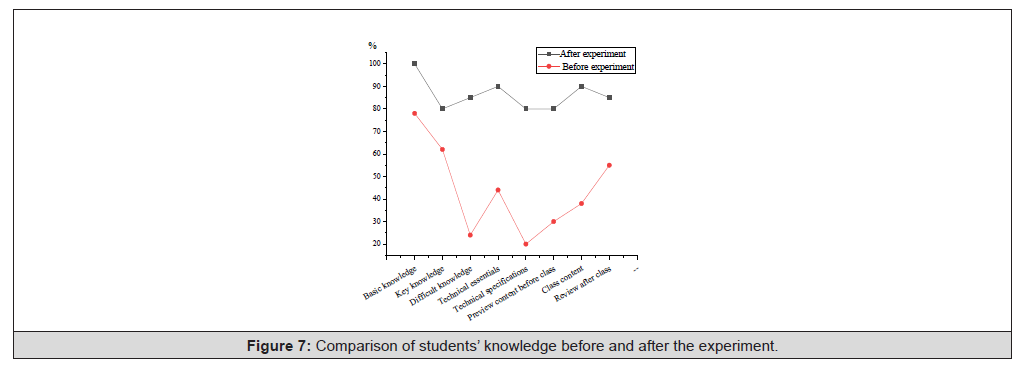
Figure 7:Comparison of students’ knowledge before and after the experiment
Investigation of Learning Attitude and Motivation: As Table 3 shows, in terms of learning attitudes and motivation, the experimental group exhibited significant improvement after the implementation of STEAM courses. Specifically, students’ liking for the course (learning attitude) increased from a pre-implementation mean of 3.12 to 4.15, with the SD decreasing from 0.75 to 0.56. The t-value was 7.92, and the p-value was less than 0.01, indicating that this change was statistically significant. Students’ interest and recognition of the course greatly improved. Additionally, students’ active learning motivation increased, with the mean rising from 3.29 to 4.05 and the SD dropping from 0.68 to 0.59. The t-value was 6.87, and the p-value was also less than 0.01, demonstrating that the STEAM course enhanced students’ liking for the course and effectively stimulated their active interest in learning psychology and sports science. Therefore, it can be concluded that implementing the STEAM course remarkably boosts students’ learning motivation and enthusiasm.

Table 3:Survey results on the learning attitude and motivation of PE majors before and after the implementation of STEAM courses.
Mastery of sports and psychology knowledge:
Table 4 suggests that, after the implementation of the STEAM course, students demonstrated remarkable improvement in their mastery of psychology and kinesiology knowledge. Specifically, the mean scores for the knowledge increased from pre-implementation levels of 3.28 and 3.21 to 4.06 and 3.95, respectively, with corresponding reductions in SD, indicating more stable knowledge acquisition. The t-values were 8.56 and 7.41, and the p-values were both less than 0.01, confirming that these changes were statistically significant. These findings suggest that the STEAM course can enhance students’ expertise in their respective fields and effectively promote the integration and understanding of interdisciplinary knowledge. This integration enables students to better combine psychology and kinesiology knowledge in practice, thereby improving their overall interdisciplinary competence.

Table 4:Survey results on students’ mastery of psychology and kinesiology knowledge before and after the implementation of STEAM courses.
Survey of Student Satisfaction with STEAM Courses:
The data in Table 5 shows that the vast majority of students expressed high satisfaction with the content, interactivity, and teaching methods of the STEAM course. Specifically, satisfaction with course content was 80%, while satisfaction with classroom interactivity and teaching methods reached 75% and 78%, respectively. These results indicate that the teaching design of the STEAM course has been widely recognized by students, particularly in terms of the richness of course content and the engagement fostered through classroom interaction. Meanwhile, students feel more aligned with their interests and needs. Innovative teaching methods and interactivity can enhance students’ learning experience and spark their enthusiasm and proactivity in learning. This positive feedback highlights that the course design of STEAM effectively meets students’ learning expectations and psychological needs, providing valuable insights for the future promotion and refinement of similar courses.

Table 5:Survey results of student satisfaction with STEAM courses.
According to the survey results, students’ liking for the STEAM course increased significantly after its implementation, with the number of students expressing liking rising from 18 to 35. Among PE students, their appreciation for the STEAM course saw a significant increase. Regarding students’ active learning attitudes, improvements were observed across five aspects: diligence, proactivity, autonomy, enthusiasm, and collaboration. After the implementation of the STEAM course, the number of students exhibiting positive attitudes in each aspect increased noticeably. In terms of knowledge acquisition, there were also substantial improvements in all areas. For example, the proportion of students successfully solving difficult test questions increased significantly, from 24% before implementation to 84% after implementation. These substantial improvements further corroborate the positive impact of the STEAM course. Additionally, after the implementation of the STEAM course, students demonstrated remarkable improvements in learning attitudes and motivation. Their liking for the course increased significantly, as evidenced by the rise in the mean score from 3.12 to 4.15. Students’ mastery of psychology and kinesiology knowledge also showed notable improvement, with mean scores rising from 3.28 and 3.21 to 4.06 and 3.95, respectively. Furthermore, satisfaction with course content reached 80%, underscoring the effectiveness of the STEAM course in enhancing learning outcomes.
Based on the foregoing analysis, following STEAM PBL implementation, students exhibit a heightened recognition of the course, with the PBL model effectively stimulating their learning interests. It has fostered the development of design, behavior, social interaction, and team cooperation skills, thus improving overall quality and fulfilling pedagogical objectives. Survey results indicate that post-application of the STEAM PBL model, students display improved learning attitudes, increased satisfaction with PE courses, and markedly enhanced knowledge mastery. This underscores the substantially positive impact of the STEAM PBL model on students’ PE course development. Concurrently, this model markedly elevates students’ learning engagement by incorporating interdisciplinary knowledge such as science, technology, engineering, art, and mathematics into PBL, thus sparking curiosity and nurturing a thirst for knowledge. Additionally, this teaching method supports students’ holistic development by fostering creativity, problem-solving skills, and teamwork, while reinforcing their sports knowledge and competencies. The teaching effectiveness of the STEAM PBL model is commendable, as evidenced by the significant enhancement in students’ comprehensive abilities and the generally high levels of teaching satisfaction. Furthermore, owing to the distinctive nature of this teaching method, teachers’ pedagogical acumen has rapidly advanced throughout the teaching process, presenting them with heightened professional challenges and a sense of accomplishment.
Conclusion
Interdisciplinary STEAM education, stemming from STEM, has garnered significant attention in educational spheres, particularly in China. Notably, relevant theories and practical applications have steadily amassed experiences and are trending positively. Firstly, China has achieved commendable teaching outcomes from curriculum planning to frontline teenage education implementation. Secondly, combining STEAM education with MHE for PE majors has prompted the design of novel teaching plans and procedures. Finally, a comparative analysis of data before and after the curriculum implementation reveals that the STEAM PBL model for PE majors’ MHE effectively enhances students’ learning interests. This model has nurtured students’ design, behavioral, social interaction, and team cooperation abilities, thus enhancing overall quality and fulfilling educational objectives. This study applies the STEAM PBL model to the PE curriculum, positively impacting their MH development and the PE domain. Primarily, this study expands the vision and scope of PE beyond traditional skill training and physical improvement, focusing instead on MH cultivation and students’ comprehensive literacy. This broader educational paradigm shifts PE’s focus towards students’ holistic development, enhancing teaching quality and effectiveness. Subsequently, it offers a new adaptive pathway for the MHE of PE majors by integrating STEAM into their curriculum, thereby promoting their overall MH development. The exploration provides more systematic and scientific guidance for the MHE of PE majors, which helps improve the students’ psychological quality and MH level. Lastly, this study offers a new approach for training sports professionals with comprehensive quality, enabling students to acquire interdisciplinary knowledge and skills, and fostering innovation, problem-solving, and teamwork abilities. Such comprehensive training aligns with contemporary talent demands, offering broader opportunities for the professional development of PE majors.
However, certain shortcomings need addressing.
1. Due to teaching environment constraints, this study lacks a
comparison between experimental and control groups, limiting
horizontal comparison of students’ knowledge and learning
attitudes, along with questionnaire quantity and scope.
2. This study selects a PE college and focuses on cultivating students’
abilities to ensure the STEAM PBL model’s smooth implementation.
It has advantages in curriculum and teaching
means, but this also leads to the lack of universality of the project.
Continuous supplementation of cases in future research is
imperative to enhance program universality.
3. Due to limited teaching experience, there is a misconception
regarding the comprehensive application of the STEAM concept
in practical application. This study has realized the complexity
of practical problems, leaving room for improvement in
design schemes in subsequent phases.
Competing Interest
The authors declare no competing financial or non-financial interests.
Funding
This work was supported by Open End Fund Project of Hubei Provincial Undergraduate College Teaching Reform Research Project in 2023 (Grant No.2023244). Ministry of Education Industry- University Cooperation Collaborative Education Project in 2024, (Grant No.24075330).
Acknowledgements
None..
References
- Røset L, Green K, Thurston M (2020) Norwegian youngsters' perceptions of physical education: exploring the implications for mental health. Sport Education and Society 25(6): 618-630.
- DeCoito I, Estaiteyeh M (2022) Transitioning to online teaching during the COVID-19 pandemic: An exploration of STEM teachers' views, Successes, and challenges. J Sci Educ Technol 31(3): 340-356.ss
- Razali F (2021) Exploring Crucial Factors of an Interest inSTEM Career Model amongSecondarySchoolStudents. International Journal of Instruction 14(2): 385-404.
- Elliott DC, Lakin JM (2021) Unparallel pathways: Exploring how divergent academic norms contribute to the transfer Shock of STEM Students. Community Coll J Res Pract 45(11): 802-815.
- Diele Viegas LM, de Almeida TS, Amati Martins, Bacon CD, Cassia Silva C, et al. (2022) Community voices: Sowing, germinating, flourishing as Strategies to Support inclusion in STEM. Nat Commun 13(1): 1-5.
- Binkley M, Erstad O, Herman J, Raizen S, Ripley M (2012) Defining 21st century skills. Int Soc Res Educ Dev.
- Lancheros Cuesta D, Fabregat R (2022) Educational Robotics Intervention in the Motivation of Students. IEEE Ibero-Am J Learn Technol 17(2): 131-139.
- Perignat E, Katz Buonincontro J (2019). STEAM in practice and research: An integrative literature review. Thinking Skills and Creativity 31: 31-43.
- Glushkova T, Gurba K, Hug T, Morze N, Noskova T, et al. (2022) New technologies in personalisation of stem and steam education - international context. Int J Contin Eng Educ Life‑Long Learn 32(5): 591-615.
- Selco JI, Habbak M (2021). Stem Students' perceptions on emergency online learning during the covid-19 pandemic: Challenges and Successes. EducationSciences 11(12): 799.
- McDavid L, Carleton Parker L, Li W, Bessenbacher A, Randolph A, et.al (2020). The effect of an in-school versus after-school delivery on Students' Social and motivational outcomes in a technology-based physical activity program. International Journal of STEM Education 7(1): 1-12.
- Garner J, Matheny E, Rutledge A, Kuhn M (2021) Invention Education as a Context for Children's Identity Exploration. J STEM Outreach 4(1): 1-14.
- Henry MA, Shorter S, Charkoudian LK, Heemstra JM, Le B, et al. (2022) Coping behavior versus coping Style: characterizing a measure of coping in undergraduate STEM contexts. Int J STEM Educ 9(1): 1-26.
- Dania A, Griffin LL (2021) Using Social network theory to explore a participatory action research collaboration through social media. Qual Res Sport Exerc Health 13(1): 41-58.
- Bailey R (2006) Physical education and sport in schools: A review of benefits and outcomes. J Sch Health 76(8): 397-401.
- Kutcher S, Wei Y, Coniglio C (2016) Mental health literacy: Past, present, and future. Can J Psychiatry 61(3): 154-158.
- Fiona C Bull, Salih S Al Ansari, Stuart Biddle, Katja Borodulin, Matthew P Buman (2020) World Health Organization (2020) guidelines on physical activity and sedentary behavior. Br J Sports Med World Health Organization 54(24): 1451-1462
- Zhang J, Wang Y (2017). Curriculum innovation in Chinese higher education: Implementation of policy guidelines in teaching practices. Journal of Higher Education Policy and Management 39(4): 411-422.
- Li X (2018) Curriculum design and teaching practices in Chinese universities: An analysis of policies and guidelines. Asian Educ Development Stud 7(3): 275-s290.
- Hernández Torrano D, Ibrayeva L, Sparks J, Lim N, Clementi A, et al. (2020) Mental health and well-being of university students: A bibliometric mapping of the literature. Front Psychol 11: 1226.
- Fortuna LR, Solomon P, Rivera SM (2021) A systematic review of peer support interventions for student mental health and well-being in higher education. BJPsych Open.
- Malkin V, Serpa S, Garcia Mas A, Shurmanov E (2020) New paradigm in modern sports psychology. Revista de Psicología del Deporte. Journal of Sport Psychology 29(2): 149-152.
- McCall C, Shew A, Simmons DR, Paretti MC, McNair LD (2020) Exploring Student disability and professional identity: Navigating Sociocultural expectations in US undergraduate civil engineering programs. Australasian Journal of Engineering Education 25(1): 79-89.
- Leavy A, Dick L, Meletiou Mavrotheris M, Paparistodemou E, Stylianou E (2023) The prevalence and use of emerging technologies in steam education: a systematic review of the literature. J Comput Assist Learn 39(4): 1061-1082.
- Ramirez A, Himang C, Selerio E, Manalastas R, Himang M, et.al (2020) Exploring the hedonic and eudaimonic motivations of teachers for pursuing graduate Studies. The Asia-Pacific Education Researcher 1-18.
- Martin JP, Stefl SK, Cain LW, Pfirman AL (2020) Understanding first-generation undergraduate engineering Students' entry and persistence through social capital theory. International Journal of STEM Education 7(1): 1-22.
- Harden KP, Domingue BW, Belsky DW, Boardman JD, Crosnoe R, et al. (2020) Genetic associations with mathematics tracking and persistence in Secondary School. NPJ Sci learn 5(1): 1-8.
- Miller AR, Saenz LP (2021) Exploring relationships between playspaces, pedagogy, and preschoolers' play-based Science and engineering practices. Journal of Childhood, Education &Society 2(3): 314-337.
- Melton JW, Ali Saiful J, Pat Shein P (2022) Interdisciplinary STEM program on authentic aerosol Science research and Students' Systems thinking approach in problem-solving. International Journal of Science Education 1-21.
- Stewart WH, Baek Y Kwid G, Taylor K (2021) Exploring Factors That Influence Computational Thinking Skills in Elementary Students' Collaborative Robotics. Journal of Educational Computing Research 59(6): 1208-1239.
- Stenard BS (2023) Interdisciplinary Skills for STEAM Entrepreneurship Education. Entrepreneurship Education and Pedagogy 6(1): 32-59.
- Vennix J, den Brok P, Taconis R (2018) Do outreach activities in Secondary STEM education motivate Students and improve their attitudes towards STEM? International Journal of Science Education 40(11): 1263-1283.
- Allina B (2018) The development of STEAM educational policy to promote student creativity and social empowerment. Arts Educ Policy Rev 119(2): 77-87.
- Kumar B (2024) A systematic review of STEAM education’s role in nurturing digital competencies for sustainable innovations. Educ Sci 14(3): Article 226.
- Boice M, Quigley C (2024) Exploring teachers' understanding and implementation of STEAM: One size does not fit all. Front Educ 9.
- Colucci Gray L, Burnard P, Gray D, Cooke C (2019) A critical review of STEAM (science, technology, engineering, arts, and mathematics). Oxford Res Encycl Educ: 1-22.
- Mejías S, Thompson N, Sedas RM, Rosin M, Soep E (2020) The trouble with STEAM and why we use it anyway. Informal Science.
- Wahyuningsih S, Nurjanah NE, Rasmani UEE, Hafidah R, Pudyaningtyas AR (2020) STEAM learning in early childhood education: A literature review. International Journal of Pedagogy and Teacher Education 4(1): 33-44.
- Li Z, Zhan Y (2023) Reconceptualizing STEM education in Chssina: Historical perspectives and contemporary developments.
- Wu W, Hu Q, Feng G, He Y (2023) A novel method for cross-modal collaborative analysis and evaluation in the intelligence era. Applied Sciences 13(4): 2404-2418.
- Zhao H, Wang X, Liu L (2023) Factors influencing student satisfaction toward STEM education: Exploratory study using structural equation modeling. International Journal of STEM Education 10(3): 345-367.
- Wu Z, Liang Q, Zhan Z (2022) How K-12 teachers’ readiness influences their intention to implement STEM education: Exploratory study based on decomposed theory of planned behavior. Journal of Educational Technology & Society 25(4): 63-77.
- Pfeifer MA, Reiter EM, Hendrickson M, Stanton JD (2020). Speaking up: A model of Self-advocacy for STEM undergraduates with ADHD and/or Specific learning disabilities. International Journal of STEM Education 7(1): 1-21.
- Qian J, Song B, Jin Z, Wang B, Chen H (2018). Linking Empowering Leadership to Task Performance, Taking Charge, and Voice: The Mediating Role of Feedback-Seeking. Frontiers in psychology 9: 2025.
- Kayan Fadlelmula F, Sellami A, Abdelkader N, Umer S (2022) A Systematic review of STEM education research in the GCC countries: trends, gaps and barriers. Int J STEM Educ 9(1): 1-24.
- Rogoza R, Żemojtel Piotrowska M, Kwiatkowska MM, Kwiatkowska K (2018) The bright, the dark, and the blue face of narcissism: The Spectrum of Narcissism in its relations to the metatraits of personality, Self-esteem, and the nomological network of Shyness, loneliness, and empathy. Frontiers in psychology 9: 343.
- Chen J, Ye X, Chen M, Liang Y (2019) Bibliometric analysis of the papers on urban education. Library Hi Tech 37(4): 894-905.
- Domenici V (2022) Steam project-based learning activities at the science museum as an effective training for future chemistry teachers. Educ Sci 12(1): 30.
- Chen M, Shen C (2019) The correlation analysis between the Service quality of intelligent library and the behavioral intention of users. Electron Libr 38(1): 95-112.
- Riel M, Becker H (2008) The role of technology in education reform. Education Policy Analysis Archives 16(4).




 We use cookies to ensure you get the best experience on our website.