
Research Article 
 Creative Commons, CC-BY
Common Skin Diseases and Technology Application Trends in The Mekong Delta: A 2024 Descriptive Study
*Corresponding author: Nguyen Thi Hong Nga, Can Tho University of Medicine and Pharmacy, 179 Nguyen Van Cu Street, Ninh Kieu Ward, Can Tho City, Vietnam.
Received:December 24, 2025; Published: January 13, 2026
DOI: 10.34297/AJBSR.2026.29.003846
Abstract
Question: The Mekong Delta region has had significant socio-economic development over the years, urbanization is increasing, however, the environment and the impacts of climate change are challenges in skin care and protection. The popularity of the media has contributed significantly to raising awareness about healthcare in general and skin care of people in particular. That has driven the increase in the system of skin disease treatment and health care facilities.
Objectives: Preliminary identification of common skin diseases in 2024 and the increase and decrease in the number of diseases compared to 2023, the current investment and development of resources of dermatology at treatment and health care facilities, reflected through the actual application of technology, the level of human resources and training needs.
Materials and Methods: The study described 128 doctors who are directly treating, caring for and managing in the field of dermatology and skin cosmetology in 11/13 localities in the Mekong Delta.
Results: the 10 most common skin diseases in treatment and care facilities in 2024 accounted for 84.1% of the structure of skin diseases in the following order: acne, atopic dermatitis, contact dermatitis, dermatitis, urticaria, seborrheic dermatitis, psoriasis, scabies, folliculitis, and itchy papules. Up to 82.0% of doctors believe that skin diseases in 2024 will increase compared to 2023. Dermatology hospitals have the highest average number of applied technologies (10.5 types/facility), second is general hospitals (7.7 types/facility), third is high-tech spas (6.4 types/facility). Lasers are the most popular technology group and also the technology group with the highest demand. Products to treat acne and fish skin dermatitis are in higher demand than other groups of treatment products.
Conclusion: Skin diseases are on the rise, tropical diseases are still accounting for a high proportion of the structure, laser technology and acne and dermatitis treatment products are the most prioritized in the current skin health care system in the Mekong Delta.
Keywords: Tropical skin diseases, Climate change, Laser technology, Mekong Delta
Abbreviations: CDC: Centers for Disease Control; CME: Continuing Medical Education; IPL: Intense Pulsed Light; PRP: Platelet Rich Plasma
Introduction
The Mekong Delta region has had significant socio-economic development and increasing urbanization over the years, however, the environment and impacts from climate change are challenges in skin care and protection, especially skin diseases typical of the tropics. have a hot and humid climate. The popularity of the media has contributed significantly to raising awareness about healthcare in general and skin care of people in particular. That has promoted the increase in the system of skin disease treatment and health care facilities, making dermatology one of the fastest-growing fields in recent years and is forecast to continue to develop in the near future.
To learn about the current state of development of dermatology in the Mekong Delta, we conducted the study “Current status of common skin diseases, the application of technology in skin treatment and care, the need for technology, products and training – A descriptive study in the Mekong Delta in 2024”. The goal is to through the opinions of doctors, the study will preliminarily identify common skin diseases in 2024 and the increase and decrease in the number of diseases compared to 2023, the current investment and development of resources of the dermatology specialty at treatment and health care facilities, reflected through the actual application of technology, human resource qualifications and training needs, as a basis for orientations to develop a network of health care services for skin diseases and cosmetic skin in accordance with the actual needs in the Mekong Delta region.
Materials and Methods
Study Design, Objects and Samples
A descriptive survey was conducted on 128 doctors in 11/13 provinces between October and November 2024 using convenient sampling. Participants required at least a doctor’s qualification and 1 year of experience.
Data Collection
Data was collected using structured questionnaires covering four parts: respondent info, disease trends, technology status, and training needs. Analysis was performed using Excel and SPSS.
Data Analysis
The data is cleaned before it is put into use. The main methods used in data analysis include frequency analysis and mean value calculation. The software used includes Excel and SPSS.
Results and Discussion
Overview of the Mekong Delta
The success of mRNA vaccines during the COVID-19 pandemic has catalysed renewed interest in RNA-based therapies beyond infectious disease spanning cancer immunotherapy, genetic disorders, and chronic diseases. Recent reviews highlight how advances in mRNA design, lipid nanoparticle delivery systems, and manufacturing pipelines have overcome historic limitations of instability and immunogenicity. The result is a versatile platform capable of rapidly producing functional proteins, antibodies, or peptides tailored to patient-specific needs [2,16-18].
Clinical trial pipelines are already populated: as of 2025, over 120 trials are evaluating personalized mRNA cancer vaccines across melanoma, pancreatic cancer, glioblastoma, and other tumour types. Early-stage results show encouraging immunogenicity, and manufacturing advances promise scalable production [18,17].
mRNA therapeutics are also being explored for genetic diseases, metabolic disorders, and protein replacement therapies - potentially offering a flexible alternative to conventional gene therapy or protein infusion [18].
Gene Editing and CRISPR-Based Modalities: Promise and Biosafety Challenges
Gene editing using CRISPR-Cas systems and synthetic biology has entered an era of accelerating translational activity. Recent reviews document expanding applications in diagnosis, prevention, and treatment of infectious, genetic, and chronic diseases [10].
Yet gene editing raises critical biosafety and regulatory concerns. The same review flags risks such as off-target edits, insertional mutagenesis, immune responses to viral vectors or Cas proteins, and ecological hazards when synthetic biology is applied to microbiome or environmental organisms [10].
To mitigate risk, the field is developing safer delivery systems (e.g. lipid nanoparticles, non-viral vectors), sensitive off-target screening, and tighter control of editing activity. Regulatory agencies have begun to issue guidance for gene-editing therapies, but globally harmonized frameworks remain nascent.
Microbiome Therapies & Organoid / Organ-on-Chip Models
An equally fast-moving field is microbiome-based therapeutics and diagnostics. A recent review in Nature Medicine (2025) summarises how multi-omic approaches, computational modelling, and translational studies have started to convert basic microbiome science into clinical applications including microbial therapeutics for recurrent Clostridioides difficile infection, microbiome-modulating interventions, and diagnostic biomarkers [11].
In parallel, tissue-engineering advances organoids, organs-onchips, microphysiological systems offer improved human-relevant preclinical models for drug screening, toxicology, and disease modeling, potentially reducing reliance on animal testing and increasing predictive validity. These platforms are increasingly used in partnership with RNA or gene-editing therapies to evaluate safety, efficacy, and organ specific effects.
Clinical Trial Landscape and Regulatory Shifts
Regulators are responding to these technological advances. For instance, the U.S. Food and Drug Administration (FDA) has updated its frameworks to accommodate novel modalities, including under its Digital Health Canter and accelerated pathways for gene, cell, and RNA-based therapies (FDA guidance updates 2024-2025). In parallel, regulatory bodies in Europe are exploring harmonized standards for microbiome therapeutics, synthetic biology, and personalized mRNA platforms [1].
However, critical gaps remain - particularly in long-term safety data, standardized manufacturing quality, off-target monitoring, and post-market surveillance.

Figure 1: Mekong Delta Province Map (Source: Wikipedia).
The Mekong Delta is the region in southwestern Vietnam where the Mekong River approaches and empties into the sea through a network of distributaries. The Mekong delta region encompasses a large portion of south-western Vietnam of over 40,922 km2 (15,800 sq mi) and population in 2022 about 17,4 million people. The size of the area covered by water depends on the season. Its wet coastal geography makes it an important source of agriculture and aquaculture for the country. The region comprises 12 provinces: Long An, Dong Thap, Tien Giang, An Giang, Ben Tre, Vinh Long, Tra Vinh, Hau Giang, Kien Giang, Soc Trang, Bac Lieu, and Ca Mau, along with the province-level municipality of Can Tho (Wikipedia, 2024) (Figure 1).
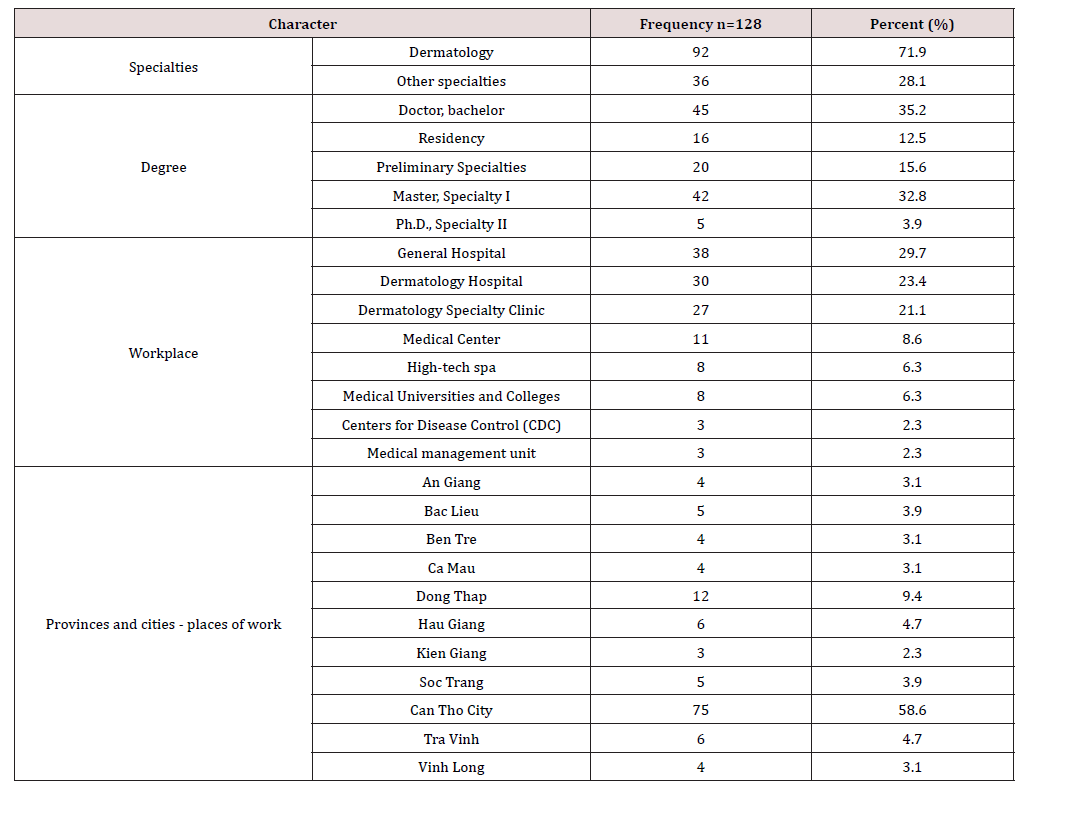
Table 1: Overview of the doctor participating in the interview.
Overview of the Research Object
Of the 128 doctors participating in the survey, dermatologists accounted for 71.9% and other specialties accounted for 28.1%. Doctors work in many different health care fields, most of them work in provincial hospitals (53.1%), of which 29.7% work in general hospitals and 23.4% work in dermatology hospitals; working in dermatology clinics accounted for 21.1%; working in health centers accounted for 8.6%; working at medical universities/ colleges accounted for 6.3%; working at high-tech spas accounted for 6.3%; working at the Centers for Disease Control accounted for 2.3% and working at the state management agency in charge of health accounted for 2.3%. Distribution of doctors’ work in 11/13 provinces and cities in the Mekong Delta. In which, Can Tho city has the highest number of doctors, 58.6% (Table 1).
Doctors participating in the interview had doctoral and bachelor’s degrees accounting for 35.2%; master’s degree and specialty I accounted for 32.8%; preliminary specialties accounted for 15.6%; resident doctors accounted for 12.5% and doctorates, Ph.D., Specialty II accounted for 3.9%. Doctors participate in interviews in terms of the number of years of experience. From 1 to 5 years, accounting for 54.7%; from 6 to 10 years, accounting for 14.1%; from over 10 to 20 years accounted for 14.8%; over 20 years accounted for 13.3% and less than 1 year accounted for 3.1% (Table 2).

Table 2: Number of years of experience of the doctor participating in the interview.
Common Skin Diseases In 2024 And the Increase/Decrease in Skin Diseases Compared To 2023
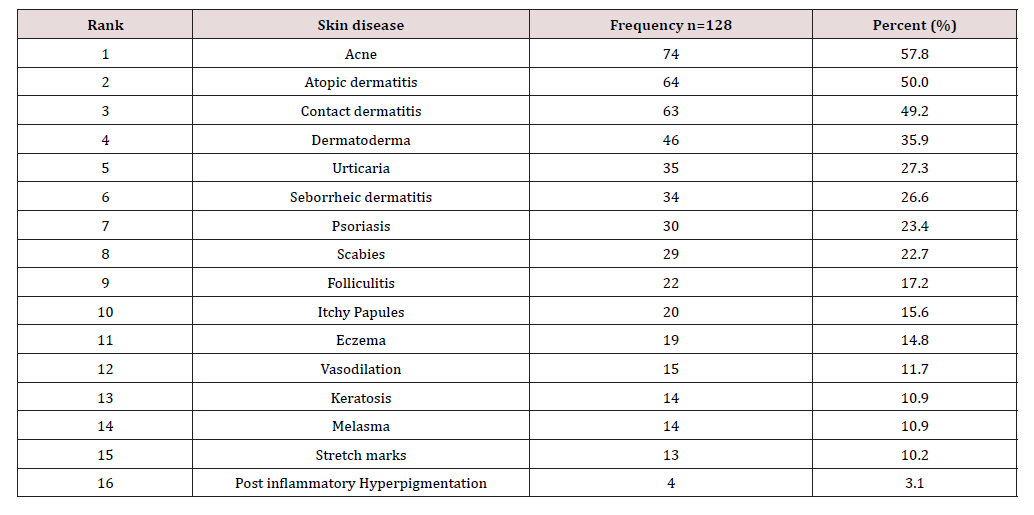
Table 3: Common skin diseases in 2024 according to doctors.
The most prevalent diseases in 2024 are acne (57.8%), atopic dermatitis (50.0%), and contact dermatitis (49.2%). 82.0% of respondents noted an increase in disease frequency over the past year (Table 3).
In addition to the above common skin diseases, doctors note that some skin diseases that need attention include vitiligo, herpes, drug allergies, lupus erythematosus, pemphigus and chickenpox. According to doctors, the situation of skin diseases in 2024 increased compared to 2023, accounting for 82.0% (of which a slight increase accounted for 52.3% and a sharp increase accounted for 29.7%), unchanged compared to 2023, accounting for 10.9% and decreasing compared to 2023, accounting for 7.0% (Table 4).
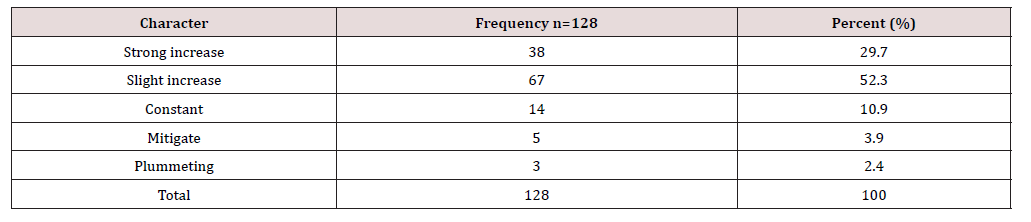
Table 4: The situation of increase and decrease in skin diseases in 2024 compared to 2023.
Current status and demand for technology and products in cosmetic skin treatment and care in 2024
On average, there are 6.8 types of technology used in a treatment and skin care facility. The most are 22 types and some establishments do not apply technology. In which, dermatology hospitals have the highest average number of technologies applied in the treatment and care of skin diseases (10.47 types/facility), ranked second is general hospitals (7.66 types/facility), third is high-tech spas (6.38 types/facility), and fourth is dermatology specialty clinics (5.93 types/facility). Provincial Health Centers and Centers for Disease Control (CDC) have fewer technologies in the treatment and care of skin diseases (2.82 and 2.33 types/facility), at least universities, medical colleges and health management units (Table 5).
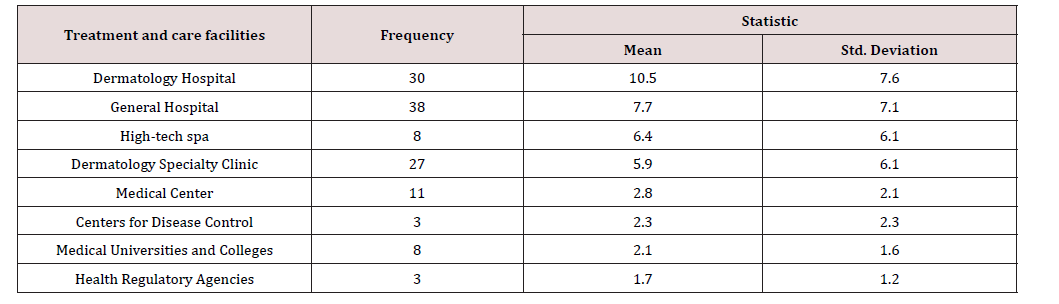
Table 5: The average number of technologies applied at skin disease treatment and care facilities by 11/2024.
Up to the time of the survey, 71.9% of respondents said that their workplace is applying Co 2 Laser technology, accounting for the highest percentage compared to other types of technology. Technologies accounting for over 30% include: Laser Pigmentation, needle rolling, Light (IPL), Electrocautery, mesotherapy, Light (LED), keloid scar/hypertrophic scar injection, scar bottom dissection and nutrient supply metastasis (Table 6).
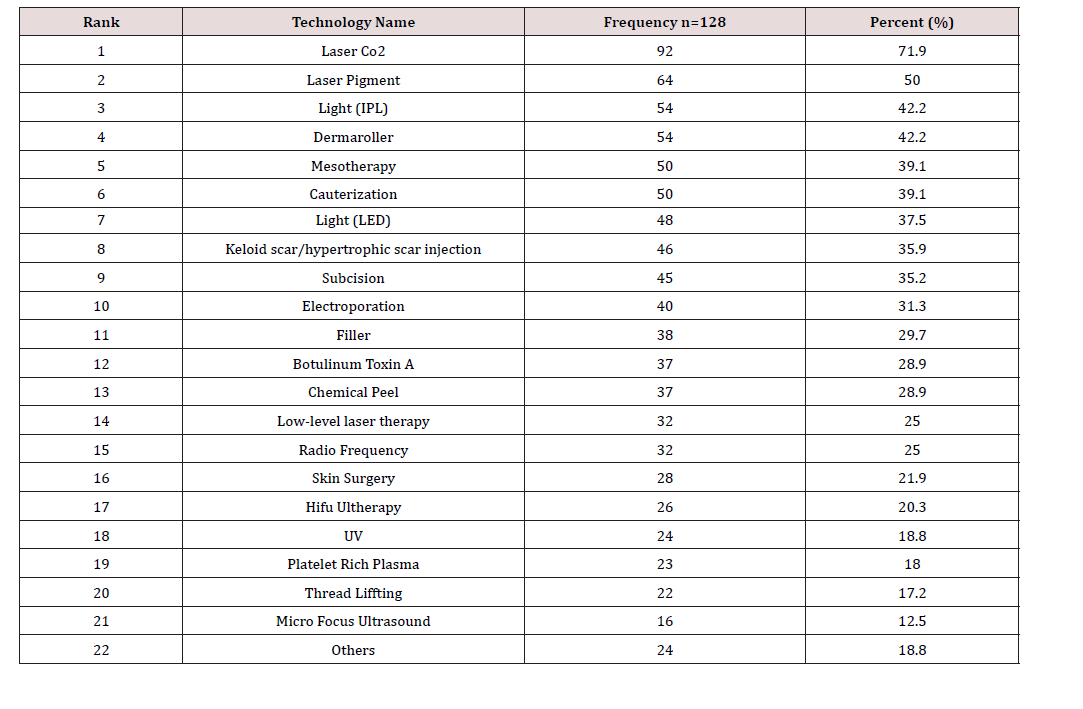
Table 6: The current status of technologies being applied at skin disease treatment and care facilities until 11/2024.
Regarding the demand for technology application in the coming time, the results of doctor interviews have shown that Laser technology continues to lead the demand in the future even if this technology is currently widely applied. The same trend with Lasers is light technologies (IPL). Technologies that currently have low application but are in increasing demand in the future include: fillers, Botulinum Toxin A, stem cells, facial thread lifts, etc. On the contrary, technologies with reduced demand in the future include: Needle Rolling, Chemical Peel, Electric Incineration, etc. (Table 7).
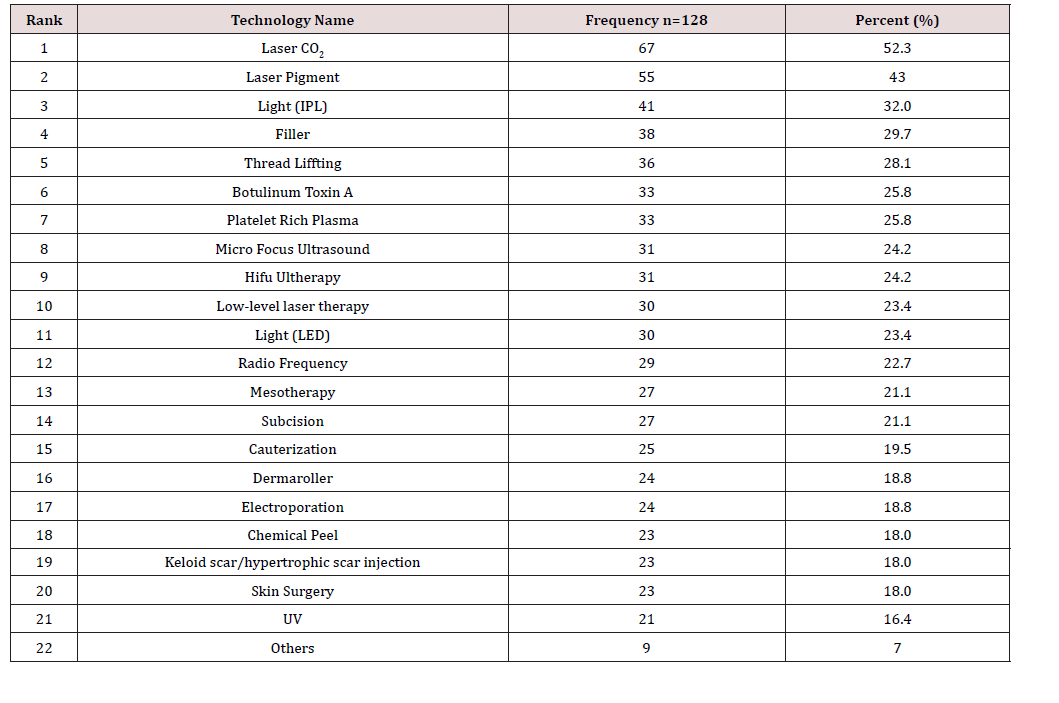
Table 7: The need for technology application in the coming time.
The demand for acne treatment products (76.56%) and dermatitis treatment products (58.59%) accounted for the highest proportion and was quite far away from the rest of the product groups. The third place is products used for hair care and restoration of facial skin damage (45.31%). Other care and treatment products have a lower demand rate (Table 8).
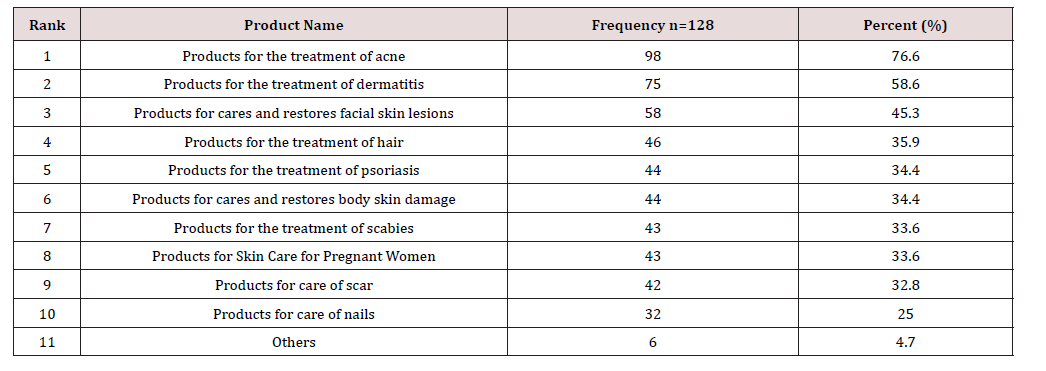
Table 8: Demand for skin disease treatment and care products.
Training Needs in 2024
According to the survey results, the demand for training doctors specialist II accounted for the highest rate, 32.0%; the second highest rate is the need for continuing medical training (CME), 25.0%; the third highest rate is the demand for doctoral and master’s training, 18.8%; the fourth highest rate is the demand for specialized training I, 17.2%; the fifth highest rate is the need to train skin care technicians, 16.41%. Training needs such as preliminary specialists, resident doctors, and nursing have a low rate (Table 9).
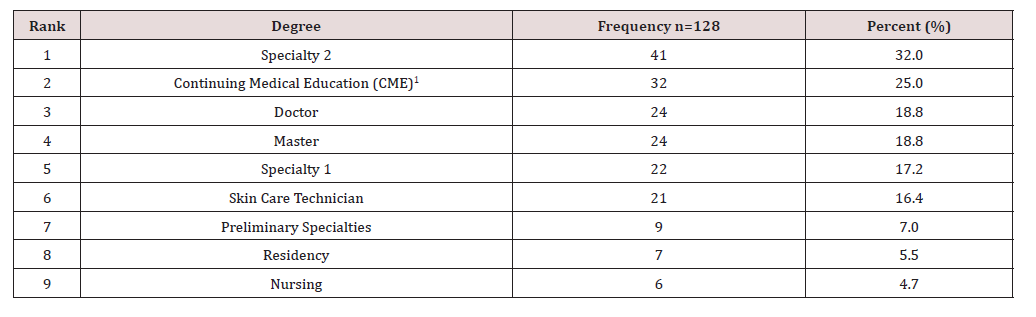
Table 9: Demand for training according to qualifications.
The areas of continuous training that are of the most interest are the advanced application of laser technology in skin treatment and care, 55.5%. Other technologies such as IPL, Mesotherapy, stem cells, Botox, Filler, RF, biotechnology, electrophoresis, etc. have similar demand, ranging from 25 to 36% (Table 10).
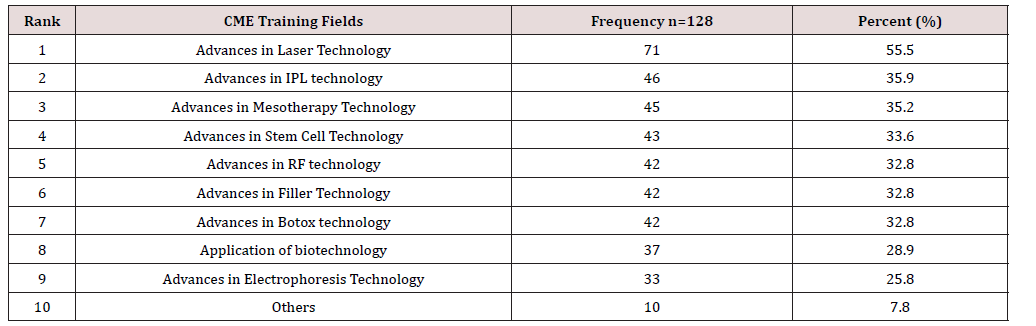
Table 10: Demand for continuous training.
*Note: CME: Continuing medical knowledge update (Article 3 of Circular No. 22/2013/TT-BYT dated August 9, 2013 of the Ministry of Health of Vietnam on guidelines for continuing education for medical staff)
The training time according to the needs of doctors in 01 day accounted for 55.8%; in 02 days, accounting for 25.9% and over 02 days, accounting for 18.3%. Over 50% of doctors choose the right days for training during the week are Saturday and Sunday.
Discussion
Skin diseases with a high proportion in the skin disease structure of the study have similar results to the study by Dinh, et al. [1] in a survey of 10 provinces/cities across the country. According to this study, atopic dermatitis accounts for 34% of the skin disease structure; fungal diseases and scabies account for a high proportion (13.5% and 13.0%). According to Huynh, et al. [2] epidemiological survey in Vinh Phu commune, Giang Thanh district, Kien Giang province (2024), the 3 skin diseases with the highest proportion are atopic dermatitis (24.4%), contact dermatitis (16.8%), and dermatomycosis (12.2%). In the above 2 studies, acne has a low rate in the community due to age restrictions. However, patients treated for acne at medical examination and treatment facilities according to doctors’ assessments are high, this result is similar to some reports of the Center for Disease Control (CDC), for example, the report of the Department of Dermatology of Kien Giang General Hospital in 2023, the number of acne cases is 522 cases, the second highest after atopic dermatitis (898 cases).
At the World Summit on Dermatology and the 3rd Indochina Dermatology Conference in 2017, experts discussed many topics of interest such as dermatopathogenesis, biochemotherapy, noninvasive aesthetics, regenerative aesthetics and the application of stem cells in beauty... have considered technology to play an important role in skin care today. There are many studies showings that Laser technology is quite commonly applied in many treatment fields such as dentistry, soft tissue surgery, ophthalmology, cosmetology, etc. Specifically, the research of Nguyen, et al. [3] evaluated the results of the application of CO2 laser in the treatment of maxillofacial soft diseases at the Center for Oral and Maxillofacial Diseases – Hue Central Hospital. In the treatment of acne, a study by Pham, et al. [4] on the treatment results and satisfaction of acne patients with a combination of Laser CO2 and FOB 10 Lotion has shown significant effectiveness, with an overall clinical improvement after 12 weeks of treatment: good (69.4%), good (26.4%), moderate (7.6%) and medium (4.2%), average change in GAGS score according to the time before treatment (31.65); after 12 weeks of treatment (17.76). 91.7% of patients were satisfied with the treatment results. The majority of patients were satisfied with the time (91.7%), efficiency (90.3%) and overall (90.3%) of the Co 2 Laser coordination procedure; 88.9% of patients decided to reuse the method.
Another application of Laser in the treatment of melasma is proven to be effective in the research of Luu, et al. [5]. When combined with Q-Switched ND: Yad Laser in combination with Melatonin cream, Tri-White Serum applied with a successful result accounting for 95.1% (78% disease cure, 17.1% disease reduction), 4.9% unsuccessful. The patient’s perception after treatment showed that very satisfied accounted for 56.1%, satisfaction accounted for 26.8%, normal accounted for 17.1%. The results of treatment according to the classification of cheek tanning according to MASI were statistically significant p<0.001.
Another study by Ahmed, et al. [6] in the treatment of dark circles around the eyes compared Carboxy therapy with Chemical Peel and Mesotherapy, the results showed that no statistically significant differences were found in improving pigmentation or patient satisfaction between any group. However, the mesotherapy group reported more burning sensations after treatment than the other two groups but also showed significant improvements in pigmentation and patient satisfaction compared to the Carboxy group.
Another solution is highly effective by Roohaninasab, et al. [7], when considering the degree of reduction in the intensity of dark circles under the eyes. The treatment method that combines nano fat injection along with SVF, PRP and Nd: YAG laser has a much greater therapeutic effect than nano fat injection alone. In all three combination treatment groups, patients were 100% satisfied.
There are many other studies on the effectiveness of the application of technology in the care of skin diseases and cosmetic skin, showing that the application of technology has greatly supported doctors in treating and caring for patients. On the other hand, technology is being developed at a very fast pace, every year, there are many new versions, new features are launched, requiring doctors to constantly update information, and the application of new technology also requires simultaneous updating of knowledge and corresponding human resources.
The new point discovered in the study is that the average number of applied technologies at high-tech spas (6.4 types/ facility) is higher than that of dermatology specialty clinics (5.9 types/facility). While health centers and disease control centers, this number only fluctuates at less than 3 types/facility. Based on the bridge between technology and human resources, this result shows that high-tech spas are currently strongly attracting a team of doctors and experts in the field of dermatology. According to many experts, high-tech spa is an industry with a higher growth rate than the rest of the groups in both number and scale. This group of services has been and will contribute to the official health system in “primary health care” for dermatology, through early detection and treatment advice for customers of professional teams at hightech spas, reducing the burden of resources on the official health system. and at the same time strengthen the role and participation of organizations in the community [8,9].
Conclusion
The 10 most common skin diseases in treatment and care facilities in 2024 account for 84.1% of the structure of skin diseases in the order: acne, atopic dermatitis, contact dermatitis, dermatitis, urticaria, seborrheic dermatitis, psoriasis, scabies, folliculitis, and itchy papules. Up to 82.0% of doctors believe that skin diseases in 2024 will increase compared to 2023.
Dermatology hospitals have the highest average number of applied technologies (10.5 types/facility), second is general hospitals (7.7 types/facility), third is high-tech spas (6.4 types/ facility). Lasers are the most popular technology group and also the technology group with the highest demand. Products to treat acne and fish skin dermatitis are in higher demand than other groups of treatment products.
Conflict of Interest
The authors declare no financial or personal conflicts of interest regarding this study.
References
- Dinh H N, Nguyen MT, Le TM, Ha TM, Ho PT, et al. (2023) Common skin disease patterns of patients in 10 provinces during the 2022 epidemiological survey of the National Hospital of Dermatology and Venereology. Vietnam Journal of Dermatology and Venereology: 40.
- Seirafianpour F, Atefi N, Amin NG, Namazi MR, Behrangi E, et al. (2024) Effectiveness, safety, and patient satisfaction of carboxytherapy as an adjunctive treatment for periorbital hyperpigmentation. Skin research and technology 30(3): e13651.
- Nguyen HL, Tran XP, Pham HN, Do TD (2022) Evaluation of the results of CO2 laser application in the treatment of maxillofacial soft tissue diseases at the Odonto- Stomatology Center - Hue Central Hospital. Journal of 108 - Clinical Medicine and Pharmacy 17: DB.
- Huynh VB, Huynh VT, Nguyen VN, Huynh TN, Huynh BC, et al. (2024) Common skin disease patterns in Vinh Phu Commune, Giang Thanh District, Kien Giang Province and some related factors in 2023. Vietnam Medical Journal 542.
- Luu TL, Huynh VB, Ngo MV, Nguyen HH (2023) Evaluation of treatment results for melasma using Q-switched Nd: YAG laser combined with melatonin cream and Tri- White serum at Can Tho University of Medicine and Pharmacy Hospital and FOB International Institute of Aesthetic Dermatology in 2022-2023. Vietnam Medical Journal 531: 1B.
- Ahmed NA, Mohammed SS, Fatani MI (2019) Treatment of periorbital dark circles: Comparative study of carboxy therapy vs chemical peeling vs mesotherapy. Journal of cosmetic dermatology 18(1): 169-175.
- Roohaninasab M, Ahmadi M, Dehghani A, Zare S, Goodarzi A, et al. (2024) The investigation and comparison of the efficacy and safety of stromal vascular fraction (SVF), platelet rich plasma (PRP), and 1064-nm Q-switched Nd:YAG laser in reducing nanofat treated infraorbital dark circles and wrinkles: A controlled blinded randomized clinical trial. Skin research and technology 30(6): e13793.
- Pham TBT, Huynh BC, Nguyen VN, Huynh VB (2024) Treatment outcomes and satisfaction of acne patients using a combination of Co2 and Fob 10 Lasers. Lotion at Fob Dermatology Clinic in 2022-2023. Journal of Community Medicine 65(4).
- Retrieved from Wikipedia https://en.wikipedia.org/wiki/Mekong_Delta (Last accessed November 16,2024)




 We use cookies to ensure you get the best experience on our website.