
Review Article 
 Creative Commons, CC-BY
Advances in Research Based on Different Strategies to Improve Resistance to Radiotherapy in Cervical Cancer
*Corresponding author:Jinghua Zhong and Yili Wang, Department of Oncology, First Affiliated Hospital, Gannan Medical University, Ganzhou 341000, Jiangxi, China, Jiangxi “Flagship” Oncology Department of Synergy for Chinese and Western Medicine, Ganzhou 341000, Jiangxi, China, Jiangxi Provincial Unit for Clinical Key Oncology Specialty Development, Ganzhou 341000, Jiangxi, China, Jiangxi Clinical Research Center for Cancer, Ganzhou 341000, Jiangxi, China.
Received:January 30, 2026; Published:February 05, 2026
DOI: 10.34297/AJBSR.2026.30.003879
Abstract
Radiotherapy is one of the important means of treatment for cervical cancer, however, radio-inflammation and tumor radiotherapy resistance caused by high-dose radiotherapy seriously affects the compliance and success rate of patient treatment. In recent years, many studies have reported that radiotherapy combined with sensitizers, thermotherapy, targeted therapy, immunotherapy, and other strategies can effectively improve the radiosensitivity of cervical cancer cells and promote the killing effect of rays on tumor cells, which is crucial to the clinic. This article provides an overview of the signaling pathways involved in cervical carcinogenesis and systematically describes the mechanisms affecting resistance to radiotherapy in cervical cancer and the different strategies to improve resistance to radiotherapy. In addition, the predictive modalities of radiotherapy sensitivity in cervical cancer are summarized to develop new ideas and provide a reliable theoretical basis and systematic scientific reference for cervical cancer patients troubled by the presence of radiotherapy resistance in the course of radiotherapy.
Keywords: Cervical cancer; Radiotherapy; Sensitizer; Thermotherapy; Mechanism
Introduction
Currently, cervical cancer is still the malignant tumor with the highest incidence rate in the female reproductive tract [1,2]. The National Comprehensive Cancer Network (NCCN) and the International Federation of Gynecology and Obstetrics (FIGO) guidelines for standard treatment of cervical cancer state that cervical cancer with surgical access should be treated with radical cervical cancer surgery and that postoperative adjuvant therapy should be used depending on whether or not there is a combination of high-risk factors after surgery. External irradiation +/- chemotherapy for inoperable patients [3]. In addition, the World Health Organization launched the Global Cervical Cancer Elimination Strategy initiative [4]. To achieve this goal, it is necessary not only to provide vaccination coverage and promote standardized screening for cervical cancer but also to improve standardized diagnosis and treatment of cervical cancer patients. However, the development of medical services in many countries is not balanced. Most patients have advanced disease at diagnosis and can only receive radical or palliative radiation [5]. Therefore, it is important to study the sensitivity of radiotherapy for cervical cancer thoroughly and to clarify the mechanisms by which different strategies improve the resistance to radiotherapy for cervical cancer.
Signaling Pathways Associated with Cervical Cancer
Several studies have found that signaling pathways such as RANKL/RANK, MAPK, and Hippo promote cervical carcinogenesis by affecting the proliferation and migration of cervical cancer cells, cycle regulation, and the expression of oncogenic proteins [6]. The treatment of cervical cancer by targeting and regulating signaling pathways may become an effective therapeutic strategy.
RANKL/RANK Signaling Pathway
NF-κB receptor activator (RANK) and its ligand RANKL were initially identified as osteoclast differentiation factors and regulatory molecules for interacting with T cells and dendritic cells [7]. SHANG, et al. [8] showed that high levels of mRANKL/ RANK expression in cervical cancer lesions play an important role in the malignant proliferation of cervical cancer cells. Furthermore, in cervical precancerous lesions, high RANKL expression often leads to a poor prognosis in certain cancers by modulating cancer cell characteristics and altering anti-tumor immune responses [9]. It has also been reported in the literature that the RANKL/ RANK pathway is a key signal that promotes progesterone-driven [10]. Deletion of RANK or pharmacological inhibition of RANKL reduces breast cancer susceptibility gene 1 (Brca1) mutations in mice by regulating stem cell number and proliferation and acts as a treatment for breast cancer [11,12]. However, further research is urgently needed to see if anti-RANKL therapy can be used in cervical cancer.
MAPK Signaling Pathway
MAPK (mitogen-activated protein kinase) mainly consists of three signaling pathways, ERK, p38 MAPK, and JNK, and plays an important role in complex cellular programs, such as proliferation, differentiation, development, and inflammatory responses [13,14]. WENG, et al. [15]. demonstrated that zinc finger protein 488 could promote cervical cancer cell proliferation and cycle progression. Knockdown of zinc finger protein 488 caused upregulation of p-ERK level, and the addition of ERK inhibitor effectively reversed the activation of ERK signaling pathway and cell proliferation ability, thus confirming that zinc finger protein 488 induces cervical carcinogenesis through ERK signaling pathway. CHENG, et al. [16] found that the activated p38 MAPK signaling pathway promoted apoptosis, inhibited cell proliferation and increased apoptotic protein-caspase 3 expression in cervical cancer HeLa cells. In addition, activation of the JNK pathway can also mediate proliferation inhibition and promote mitochondrial apoptosis in cervical cancer HeLa and Siha cells [17]. Because the occurrence of cervical cancer is related to the MAPK signaling pathway, there have been many reports in the literature that Chinese medicine monomers can inhibit the proliferation and migration of tumor cells, regulate the cell cycle, and down-regulate the expression of oncogenic proteins through the mechanisms of regulating the MAPK signaling pathway, to achieve the goal of treating cervical cancer [18-20].
Hippo Signaling Pathway
Hippo signaling has been reported to control organ size by regulating cell proliferation, apoptosis and stem cell self-renewal [21-24]. The Hippo pathway prevents tumorigenesis by limiting the expression of the downstream effector molecule YAP [25,26]. CHEN, et al. [27] found that miR-200a-3p differentially regulates the proliferation and metastasis of cervical cancer cells in an HPVassociated manner, and its mediated alteration of YAP function also differentially affects the tumor cell fates of HPV-negative and HPV-positive cervical cancers. In addition, down-regulation of large tumor suppressor kinase 1 (LATS1) protein expression is involved in cervical carcinogenesis by activating YAP and entering the nucleus to form a transcriptional complex with TEA structural domain transcription factors, which in turn blocks apoptosis, induces cell proliferation, and other processes [28]. It has been found that rhizophorin plays an important role in inhibiting the migration and proliferation of cancer cells by its unique antioxidant, anti-inflammatory and anticancer bioactivities [29]. JU, et al. [30] demonstrated that rhizopodophyllin inhibited migration, invasion and proliferation of HPV-positive cervical cancer cells, and the mechanism may be related to the down-regulation of the YAP/TAZ signaling pathway.
Radiotherapy Resistance and Sensitization Methods in Cervical Cancer
Fundamentals of Radiotherapy
Radiotherapy is one of the three major means of treating tumors, which kills tumors by damaging the DNA of tumor cells through ionizing radiation produced by various rays [31]. Specifically, radiation produces chemical and biological changes inside the cell through energy release, thereby damaging the DNA, proteins, and cellular structure of the cancer cell. It can not only directly damage the genetic material of cancer cells, leading to cell death or loss of dividing ability, but also indirectly damage cancer cells by generating free radicals and oxidative stress, causing damage to important biomolecules and structures of cancer cells, which in turn leads to apoptosis or inability of cancer cells to divide and proliferate normally. It has also been reported that radiation can have an inhibitory effect on the blood supply and neovascularization of cancer cells [32]. It is important to note that radiation does not only affect cancer cells only, but normal tissues may also experience varying degrees of inflammatory response, impaired cellular function, fibrosis, and other adverse effects.
Mechanisms of Radiotherapy Resistance
Although radiation therapy has a certain therapeutic effect on tumors, however, its efficacy is limited by tumor recurrence and metastasis after radiotherapy, and the mechanism is still unclear [33]. It is now generally accepted that radiotherapy resistance of tumor cells is an important factor in tumor recurrence and metastasis after radiotherapy, which is closely related to the tumor microenvironment, inactivation of apoptosis pathway, and enhanced DNA damage response, etc (Figure 1). For example, the microenvironment around the tumor may affect the tumor’s response to radiotherapy; tumor cells are more sensitive to radiotherapy during the mitotic phase; and tumor cells have a strong DNA repair ability and can effectively repair the damage caused by radiotherapy [33]. In addition, tumor cell heterogeneity, genetic mutations, and the overall health of the patient may affect the efficacy of radiation therapy [34].
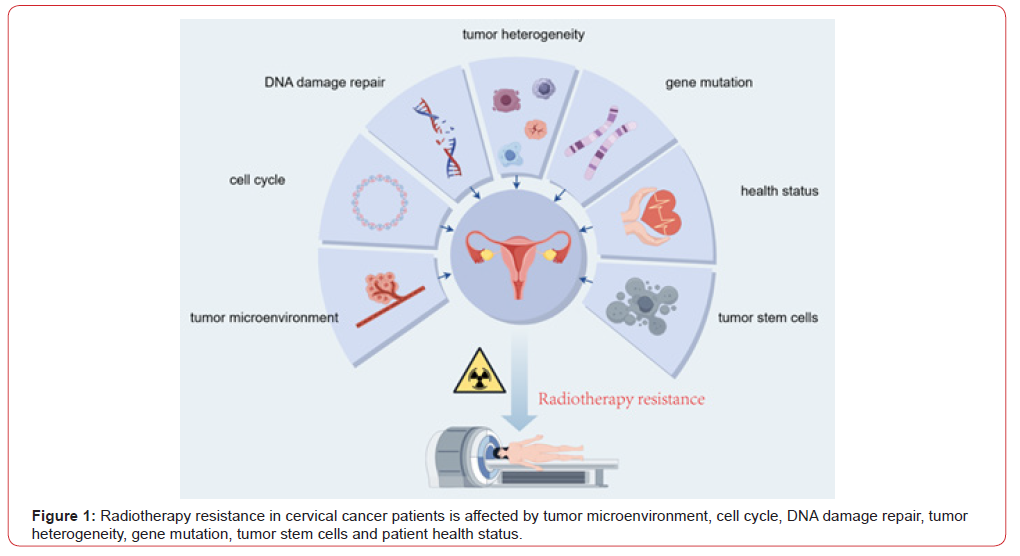
Figure 1:Radiotherapy resistance in cervical cancer patients is affected by tumor microenvironment, cell cycle, DNA damage repair, tumor heterogeneity, gene mutation, tumor stem cells and patient health status.
Tumor microenvironment: Studies have shown that the microenvironment of oxygen deprivation, neovascularization, and immune cell infiltration plays an important role in radioresistance in cervical cancer [35]. In addition, fibrosis or immunosuppression, among others, may lead to decreased efficacy. Among them, hypoxia is an important regulator of tumor growth with profound effects on the biological behavior and malignant phenotype of cancer cells. It mediates the effects of cancer treatments such as chemotherapy, radiotherapy and immunotherapy through complex mechanisms and is closely associated with poor prognosis in patients with various cancers [36].
In a hypoxic environment, the resistance of tumor cells to radiation can be increased 2-3 times. It was found that hypoxiainducible factor 1α (HIF-1α) up-regulation enhances radiotherapy resistance of cervical cancer cells by regulating downstream target genes and proteins, such as vascular endothelial growth factor (VEGF) [37]. HIF-1α knockdown enhances radiosensitivity of Hela cervical cancer cells [38]. Secondly, hypoxia destabilizes free radicals produced by the indirect action of radiation, which in turn causes limited and mostly reparable DNA damage [36]. In addition, cervical cancer radioresistance is also closely related to immune cells in the tumor microenvironment. High levels of tumorassociated neutrophils can lead to radioresistance in cervical cancer cells, which seriously affects patient prognosis [37]. Thus, a better understanding of the unique microenvironmental interactions of tumors will hopefully lead to the development of new cervical cancer therapies to reduce radioresistance.
Cell cycle: The cell cycle is divided into four phases: G1 (growth phase before DNA synthesis), S (DNA replication/synthesis), G2 (final preparation for division), and M (mitosis). Tumor cells in different cell cycle time phases have different sensitivities to radiation. The G1/S and G2/M phase checkpoints have been reported to respond to disruption or damage by blocking the cell cycle [39]. For example, radiation-induced DNA damage induces a G1/S phase checkpoint, which in turn induces G1/S phase cell arrest through signaling pathways such as ATM/p53 and ATM/checkpoint kinase 2, which promotes DNA damage repair and ultimately leads to radiation therapy resistance [33].
Knockdown of RSF-1, an identified tumor biomarker highly expressed in many human cancers, effectively inhibits cell proliferation and promotes apoptosis in a variety of cancer cells [40-42]. TAN, et al. [43] demonstrated that RSF-1 siRNA combined with radiation inhibited cell viability redistributed the cell cycle, and induced apoptosis in HeLa and SiHa cells, which in turn enhanced radiotherapy sensitivity. In addition, aspirin aggravated radiotherapy resistance by decreasing G2/M phase cellular regulatory proteins, leading to G2/M phase arrest in SiHa cells of cervical cancer, which likewise enhanced radiotherapy sensitivity [44]. Recent studies have pointed out that cancer cells when subjected to radiation damage, trigger own DNA breaks by activating the expression of caspase-activated DNA enzymes, which promote G2 phase arrest during cell division and buy time for radiation treatment-induced DNA damage [45]. Therefore, targeting the G2 cycle checkpoint pathway may be a potential way to improve the efficacy of radiotherapy.
DNA damage repair: Certain tumor cells have been reported to have a strong DNA repair capacity, which can effectively repair the damage caused by radiotherapy and is one of the key factors affecting the effect of radiotherapy [33]. It has been found that when radiation passes through genetic material, the deposition of energy triggers extensive DNA damage. Typically, this type of damage occurs in the form of double-strand breaks (DSBs), single-strand breaks, base damage, and interstrand cross-links, with the most deleterious being DSBs [46]. DNA damage repair proteins such as PARP-1, DNA-dependent protein kinase (DNA-PK), and radiationsensitive protein 51 (RAD51) are potential targets for sensitization to radiotherapy [47-49]. In addition, WANG, et al. [50] found that the application of the chaperone protein heat shock protein 90 (Hsp90) inhibitor PU-H71 could effectively block DNA damage repair by inhibiting the activity of the catalytic subunit of DNA-PK and prolonging the expression time of RAD51, thus improving the sensitivity to radiotherapy in HeLa and SiHa cells that had acquired radiation resistance. Therefore, targeting key regulators in the DNA damage repair pathway to reduce tumor cell tolerance to radiotherapy by interfering with the DNA damage repair regulatory system is an important method to improve the therapeutic efficacy of cervical cancer.
Radiotherapy Sensitization Methods for Cervical Cancer
Radiotherapy resistance is a major cause of treatment failure and poor prognosis in cervical cancer [51]. In recent years, with the in-depth study of radiotherapy resistance mechanism, various radiotherapy sensitization methods have emerged and become a research hotspot in the field of radiotherapy for cervical cancer. For example, studies on the combination of immune checkpoint inhibitors and radiotherapy have shown that activation of the immune system can make tumor cells more susceptible to radiotherapy; radiosensitizers can inhibit the DNA repair mechanisms of tumor cells, thereby increasing the effectiveness of radiotherapy; and specific biomarkers can be identified through genomic analysis to optimize radiotherapy regimens for individualized treatment [52].
Radiotherapy combined with sensitizers: Although radiotherapy is one of the important means of cancer treatment at present, however, the complications caused by high-dose radiotherapy, such as radioinflammation, radioactive skin injury, peripheral blood decline, tumor radioresistance, etc., have seriously affected the patient’s adherence to treatment and success rate [53]. It has been found that drugs such as resveratrol, paclitaxel, curcumin, genistein, and opponent can be used as sensitizers for radiotherapy, and play an important role in clinical tumor radiotherapy by inducing apoptosis of cervical cancer HeLa cells, affecting angiogenesis and repair of DNA damage, and effectively improving the radiosensitization of tumor cells, and facilitating the killing effect of rays on tumor cells (Table 1).
Inducing apoptosis in HeLa cells: Studies have found that increasing intracellular reactive oxygen species (ROS) levels, inhibiting key genes, and suppressing the cell cycle are different mechanisms by which radiotherapy sensitizers work, and among them, selectively increasing the ROS production rate in cancer cells is the most direct and effective way to improve the efficacy of radiotherapy [66,67]. Ganoderic acid T (GAT), a typical triterpene in Ganoderma lucidum, is highly cytotoxic to cancer cells. Previous studies have reported that GAT inhibits cell proliferation in human cervical cancer cells by inducing G1-phase blockade and can cause cytotoxicity in various tumor cells [68, 69]. SHAO, et al. [54] demonstrated that GAT induced apoptosis by γ-irradiation by increasing the level of ROS in cervical cancer cell line HeLa. It was also confirmed that GAT induced necrotic apoptosis with apoptosis in a dose-dependent manner under certain radiation conditions, and that the death status of HeLa cells changed from apoptosis to necrotic apoptosis when the concentration of GAT was increased. In addition to GAT, curcumin, the main active ingredient of turmeric, and resveratrol, a resveratrol extract, have significantly induced apoptosis in HeLa cells, and can be used as effective sensitizers for radiation therapy [53, 55].

Table 1:Different mechanisms by which radiotherapy combined with sensitizers improves resistance to radiotherapy in cervical cancer.
Baicaleins are one of the most abundant flavonoids in Xanthophylls and are of interest because of their wide range of biological activities. LEI, et al. [56] demonstrated in in vitro experiments that baicalein intervened in X-ray-treated cervical cancer HeLa cells to improve radiotherapy sensitivity. The mechanism is that baicalein inhibited cell viability and EMT, and induced cell apoptosis of Hela cells, through upregulating miR-183 via inactivation of the JAK2/STAT3 signaling pathway. Indisulam, a splicing-regulated sulfonamide, has demonstrated antitumor activity in many tumors. Researchers used Indisulam to treat human HeLa cells, and the results showed that low concentrations of Indisulam combined with X-rays or 12C6+ ion beams enhanced the radiosensitivity of HeLa cells, suggesting that Indisulam could be used as a new type of cervical cancer radiation therapy drug in the clinic [57]. In addition, Picrasidine injection has the antitumor synergistic effect of chemotherapeutic drugs and reduces chemotherapy resistance in tumors [58]. In chemotherapy for cervical cancer, CUO, et al. [70] demonstrated that Picrasidine injection increased chemosensitivity, improved chemotherapeutic efficacy, prolonged progression-free survival, and increased clinical benefit.
Influencing angiogenesis: Preclinical Study Shows Improved Tumor Control with Combination of Radiotherapy and Anti- Angiogenic Therapy and Progress in Unraveling the Complex Mechanisms by Which VEGF Inhibitors Enhance the Response to Radiotherapy [71]. Apatinib is an inhibitor of tyrosine kinase activity that highly selectively inhibits vascular endothelial growth factor receptor 2 (VEGFR2) and has demonstrated a favorable safety profile and positive therapeutic effects in the treatment of a variety of solid tumors. It has been confirmed that Apatinib inhibits the activity of key signaling molecules of the VEGFR2 pathway and JAK2/STAT3 signaling pathway in SiHa and HeLa cells through dephosphorylation mechanism, suppresses the proliferation of malignant tumor cells and neovascularization, and then increases the sensitivity of tumor cells to radiotherapy [59]. A randomized controlled study by SHU, et al. [60] analyzed the recent efficacy of 91 patients with locally advanced squamous carcinoma of the uterine cervix treated with simultaneous radiotherapy with or without recombinant human vascular endothelial inhibitor (VEI) and found that the combination of recombinant human VEI significantly increased the complete remission rate, and significantly reduced the serum tumor markers and VEGF-A levels. HUA, et al. [61] demonstrated that bevacizumab in combination with radiotherapy is a safe and tolerable treatment for patients with refractory cervical cancer and can improve their survival. Due to the rapid tumor regression, high three-year survival rate, locoregional recurrence-free survival rate, and distant metastasis-free survival rate, this combination therapy is likely to become a first-line option in clinical practice. Of note, although antiangiogenesis promotes tumor normalization and helps improve radiotherapy efficacy. However, the efficacy of this combination is variable and many questions remain about how best to use both modalities to achieve optimal response and minimal toxicity. An important limiting factor is that, unlike some other targeted therapies, antiangiogenic agents are not used in selected patient populations because biomarkers for identifying responders have not yet been identified [71].
DNA damage repair: In addition to anti-angiogenesis, DNA damage repair is one of the mechanisms of resistance to radiotherapy in cervical cancer, many drugs combined with radiotherapy can achieve the effect of sensitization to radiotherapy by affecting DNA damage repair. In terms of sensitization to radiotherapy for cervical cancer, LI, et al. [62] found through a mouse transplantation tumor model of cervical cancer that glycosaminidazole sodium could enhance the efficacy of radiotherapy, and at the same time reduce the compensatory increase in the level of regulatory T-cells Foxp3 induced by radiotherapy, and decrease the response to radiotherapy. However, levels of the T cell activation inhibitor immunoglobulin variable structural domain (VISTA) may increase substantially during the treatment of both, and the combination of VISTA inhibitors may increase antitumor responses. XUE, et al. [47] found that olaparib combined with radiotherapy significantly enhanced radiotherapy-induced cytotoxicity in cervical cancer HeLa. This combination strategy showed prominent inhibition of tumor growth in mice, thus establishing the radiosensitizing activity of niraparib. SAHA, et al. [63] compared four inhibitors of DNA damage repair in radiotherapy for cervical cancer and found that, compared with the other three drugs (ataxia telangiectasia and Rad3-related kinase inhibitor, cell cycle CHK1 inhibitor, and cell cycle regulator egg WEE1 kinase inhibitor), the molecularly targeted (PARP) inhibitor of DNA damage repair, rucaparib, had the radiosensitization sensitizing effect was the strongest. Thus, DNA damage response inhibition is a promising strategy to both improve the effectiveness of current treatments and protect the kidney from cisplatin-induced toxicity.
In recent years, it has been found that a suitable drug delivery vehicle can maximize the concentration of sensitizing drugs in the tumor and thus effectively enhance the sensitivity of cervical cancer cells to radiotherapy. Polyethylene glycolated platinum nanoflower complexes synthesized by Yang, et al. [64] amplified γ-radiationinduced killing of cervical cancer cell line Hela cells, and the radiosensitization ratio could be increased by 23%. In addition to synthetic drug delivery systems, exosomes, as natural drug delivery carriers, can also be used for radiosensitization. It has been found that exosomes carrying miR-22 can enhance the radiosensitization of cervical cancer cells by inhibiting the expression of c-Myc Binding Protein (MYCBP), leading to a decrease in the expression of human Telomerase Reverse Transcriptase (hTERT) [65]. Although the above radiotherapy combined with Chinese and Western medicines and delivery systems can effectively inhibit radiotherapy resistance and improve radiotherapy sensitivity in cervical cancer patients, its application is limited by side effects. Therefore, balancing the sensitization efficacy and its side effects is still a major challenge for chemotherapeutic agents to be used in cervical cancer radiotherapy sensitization.
Radiotherapy combined with thermotherapy: Tumor thermotherapy refers to the application of different physical factors such as radiofrequency, microwave, ultrasound, laser, and so on to increase the temperature of tumor tissue or body, using high temperature to kill and its secondary effects to treat tumors. In 1930, radiologist Kristian Overgaard first tried to treat tumors with the combination of thermotherapy and radiotherapy and found that compared with radiotherapy alone, the effect of thermal radiation is better in controlling the tumors [72]. Because thermotherapy can effectively kill tumor cells and play a sensitizing effect to improve the effect of radiotherapy, and at the same time reduce the toxic side effects of chemotherapy and radiotherapy, it is called “green therapy” by the international medical community [73]. Thermal therapy sensitizes cells to radiotherapy by degrading proteins associated with DNA damage repair in a time-dependent manner [74,75]. CREZEE, et al. [76] showed that potential synergistic mechanisms of hyperthermia include inhibition of DNA repair, selective killing of radiation-resistant hypoxic tumor tissue, and increased radiosensitivity through enhanced tissue perfusion, each of which exhibits different dose-effect relationships, different optimal time intervals, and different optimal sequences between radiotherapy and hyperthermia. Further studies found that the mechanism by which thermotherapy degrades DNA damage repair proteins is transient and that longer time intervals result in less radiosensitization. Preclinical studies have shown that the radiosensitizing effect of hyperthermia is significantly reduced at time intervals as short as 1-2 h between radiotherapy and hyperthermia, but clinical evidence is limited [77,78]. Short Intervals Between External Beam Radiotherapy (EBRT) and Thermal Therapy Are Associated with Lower Risk of Field Recurrence and Better Overall Survival in Women with Advanced Cervical Cancer [79]. However, some scholars believe that the time interval is not an independent risk factor affecting the prognosis of chemoradiotherapy in patients with cervical cancer, and they believe that chemoradiotherapy intervals of 4h or less and then shorter intervals do not affect clinical outcomes.
It has been noted that acute hypoxia alone has no significant effect on cellular response to heat therapy under well-defined nutritional conditions [80-82]. However, prolonged hypoxia or chronic hypoxia increases cellular sensitivity to heat [80, 83]. This because that thermal therapy can increase the sensitivity of cells in hypoxic areas to radiotherapy by increasing the increase in oxygen perfusion through reoxygenation [73]. Mild whole-body heating significantly alters the tumor microenvironment in human head and neck tumor xenograft models by decreasing interstitial hydraulics and hypoxia in the tumor while increasing microvascular perfusion [84]. In addition, other mechanisms of sensitization by heat therapy have been reported in other studies. Mildly elevated body temperature reduces tumor interstitial fluid pressure and hypoxia and enhances the efficacy of radiotherapy in a mouse tumor model [85]. High temperature induces chromatin trapping of factors involved in dna repair and replication, enhancing the sensitivity of cancer cells to dna damage therapy [86].
Currently, radiotherapy combined with concurrent cisplatin chemotherapy is the standard of care for women with locally advanced cervical cancer [87]. However, thermal radiotherapy is the best evidence-based, well-tolerated alternative to concurrent radiotherapy with a more significant reduction in toxicities and side effects, and is expected to be an alternative for patients with contraindications to cisplatin and those who cannot tolerate cisplatin radiotherapy [88]. Although the addition of thermotherapy to radiotherapy regimens has significant benefits for malignant tumors, the criteria for combining thermotherapy with radiotherapy have not yet been standardized, and there is a lack of large-scale clinical trials to confirm its efficacy and safety. Therefore, the efficacy of chemoradiotherapy in terms of sequence, temperature level, treatment duration, and the time interval between radiotherapy and thermotherapy should be thoroughly investigated, and it is expected to be widely applied to the treatment of cervical cancer and other cancers in clinical practice.
Other Joint Strategies: Some new advances have also been made in research to optimize simultaneous radiotherapy using new radiotherapy techniques. EMBRACE-I [89] was designed to evaluate the local control rate and recurrence rate of tumors after radiotherapy combined with magnetic resonance-guided imageguided adaptive brachytherapy (IGABT). It was found that the 5-year local control rate was 92%, the overall survival (OS) rate was 74%, and the progression-free survival (PFS) rate was 68%. The 5-year cumulative incidence of grade 3-5 adverse events was 6.8% for genitourinary, 8.5% for gastrointestinal, and 5.7% for vaginal. The results suggest that magnetic resonance-guided IGABT for locally advanced cervical cancer is effective and has a manageable risk. These results also represent a positive breakthrough in the treatment of locally advanced cervical cancer and may be used as a benchmark for clinical practice and all future studies. In addition, extensive localized lesions or a narrow vagina may interfere with brachytherapy for cervical cancer. COBUSSEN, et al. [90] attempted to combine IGABT and 3D-printed interpolated templates, which effectively solved this problem and provided a practical solution to achieve individualized treatment.
At the same time, simultaneous radiotherapy combined with molecular targeted therapy, immunotherapy, and other research has also been a hot spot of research in recent years. The RTOG0417 trial [91] was a study to evaluate the efficacy and safety of bevacizumab in combination with concurrent radiotherapy for the treatment of locally advanced cervical cancer. The results showed high 3-year OS and local control rates in the concurrent radiotherapy group combined with bevacizumab. The ENGOT-cx11/GOG-3047/ KEYNOTE-A18 study [92] evaluated the efficacy of pembrolizumab in combination with radiochemotherapy for high-risk locally advanced cervical cancer. Results Pabolizumab in combination with radiotherapy significantly improved overall survival in patients with locally advanced cervical cancer, as well as the results of the first interim analysis, support this immunoradiotherapy strategy as a new standard of care for this population.
The value of adjuvant radiotherapy after radical simultaneous radiotherapy for locally advanced cervical cancer has been controversial. ZHONG, et al. [93] conducted a meta-analysis to validate the role of consolidation chemotherapy after simultaneous radiotherapy in bulky and locally advanced cervical cancer. The results suggested that the OS rate and PFS rate of the group receiving adjuvant chemotherapy after simultaneous radiotherapy (CCRT+CT) were superior to that of the group receiving simultaneous radiotherapy alone (CCRT). In contrast, the recently published findings of the adjuvant chemotherapy After radiotherapy as primary treatment for locally advanced cervical cancer versus radiotherapy alone (OUTBACK) trial were inconsistent [87]. The OUTBACK trial found that the administration of adjuvant chemotherapy with carboplatin and paclitaxel after standard cisplatin radiotherapy for unselected locally advanced cervical cancer increased short-term toxicity and did not improve overall survival. This result suggests that adjuvant chemotherapy should not be routinely given after simultaneous radiotherapy for locally advanced cervical cancer, and the role of adjuvant chemotherapy after radical radiotherapy needs to be further explored.
In conclusion, improvements in radiotherapy technology and targeted immunotherapy have opened up new modalities for the treatment of locally advanced cervical cancer, but the current level of clinical evidence is low, with limited enhancement of efficacy, and the combination of these tools for optimal diagnostic and treatment modalities awaits higher-quality studies to provide higher levels of evidence.
Predictive Modalities of Sensitivity to Radiotherapy for Cervical Cancer
For patients with locally advanced cervical cancer, simultaneous radiotherapy is now considered the standard of care [94]. However, due to the heterogeneity of cervical cancer tumors and individual differences in patient sensitivity to radiotherapy, there would be some blindness if radiotherapy were administered to all patients. Timely, rational, and accurate assessment of the therapeutic response to radiotherapy not only helps to predict the outcome of patients but also lays the foundation for adaptive radiotherapy. In adaptive radiotherapy, the radiotherapy plan can be modified repeatedly during the fractionation period to maintain optimal target coverage and minimize radiotherapy-related side effects [95]. More importantly, the prediction of radiotherapy sensitivity will help clinicians to adjust the treatment strategy of patients promptly, so that patients who are insensitive to radiotherapy will not miss the best treatment opportunities.
Based on molecular diffusion properties, diffusion-weighted MRI (DW-MRI) noninvasively assesses treatment response by providing excellent tissue contrast, and efficacy adjudication is straightforward, allowing close follow-up of cancer treatment to be used as a predictive and monitoring biomarker for response to radiotherapy treatment in cervical cancer patients [96]. Plasma metabolomic analysis has been reported to be widely used for biomarker discovery and identification of cancer-specific metabolic pathways. The results of Eiji, et al. [97] suggest that the metabolite profiles of patients with cervical cancer may be an important indicator for differentiating these patients from healthy cohorts, and may also be useful for predicting sensitivity to radiotherapy, and could be used as a predictive biomarker for the diagnosis of cervical cancer and radiation sensitivity. Sushma, et al. [98] the demonstrated that apoptosis index can be used as a predictive marker of radiosensitivity in cervical cancer, and also pointed out that there is a correlation between apoptosis and its related biomarkers, membrane fluidity, superoxide dismutations, and changes in intracellular calcium levels of the enzyme. Table 2 summarizes the biomarkers associated with predicting sensitivity to radiotherapy in cervical cancer. In conclusion, by predicting the sensitivity of cervical cancer in radiotherapy with the help of certain means, screening whether patients benefit from radiotherapy, accurately stratifying patients with different sensitivities, and choosing the most effective treatment plan, it helps to realize the precision treatment of cervical cancer.

Table 2:Biomarkers associated with predicting sensitivity to radiotherapy in cervical cancer.
Summary and Outlook
Radiotherapy resistance to cervical cancer is an important factor affecting its treatment effect. In recent years, as the research on radiotherapy resistance in cervical cancer is being deepened, the research on radiotherapy combined with sensitizers, thermotherapy, molecular targeted therapy, and immunotherapy has made great progress in enhancing the sensitivity of radiotherapy. However, a large number of basic studies are needed to explore the specific mechanisms of combination strategies to increase radiotherapy sensitivity before they can be applied to the clinic. In addition, the combination strategies should be standardized to avoid the waste of research resources, and more importantly, the effects and risks of treatments with different strategies should be fully evaluated to ensure the safety of combination therapy. Different combination strategies to enhance radiotherapy resistance are expected to be widely used in clinical practice in the future so that more cervical cancer patients can benefit and improve their healing.
Acknowledgements
Not applicable.
Authors’ Contributions
CX-C: Data management, Data analysis, Manuscript writing, Project development. YX: Manuscript writing, Project development. ZH-L: Conception and design. JH-Z: Project development, Conception and design. YL-W: Project development, Conception and design. The manuscript’s published form was approved by all authors after they had read it.
Funding
This study was supported by the National Natural Science Foundation of China (grant number 82260604), the National Natural Science Foundation of Jiangxi Province (grant number 20192 BAB205053); “Jiangxi “Flagship” Oncology Department of Synergy for Chinese and Western Medicine” project; “Jiangxi Provincial Unit for Clinical Key Oncology Specialty Development” project; “Jiangxi Clinical Research Center for Cancer” project.
Data Availability
No datasets were generated or analysed during the current study.
Clinical Trial Number
Not applicable.
Declarations
Competing Interests
The authors declare no competing interests
Ethics Approval and Consent to Participate
Not applicable.
Consent for Publication
Not applicable.
Footnotes
Cixiang Chen and Yan Xu are contributed equally to this work.
References
- SUNG H, FERLAY J, SIEGEL R L, Mathieu Laversanne, Isabelle Soerjomataram, et al. (2021) Global Cancer Statistics 2020: GLOBOCAN Estimates of Incidence and Mortality Worldwide for 36 Cancers in 185 Countries. CA Cancer J Clin 71(3): 209-249.
- ARBYN M, XU L (2018) Efficacy and safety of prophylactic HPV vaccines. A Cochrane review of randomized trials. Expert rev vaccines 17(12): 1085-1091.
- KEYS H M, BUNDY B N, STEHMAN F B, L I Muderspach, W E Chafe, et al. (1999) Cisplatin, radiation, and adjuvant hysterectomy compared with radiation and adjuvant hysterectomy for bulky stage IB cervical carcinoma. N Engl J Med 340(15): 1154-1161.
- WORLD HEALTH O (2020) Global strategy to accelerate the elimination of cervical cancer as a public health problem. Geneva: World Health Organization.
- ABU RUSTUM N R, YASHAR C M, AREND R, Emma Barber, Kristin Bradley, et al. (2023) NCCN Guidelines® Insights: Cervical Cancer, Version 1.2024. J Natl Compr Canc Netw 21(12): 1224-2233.
- KELLY H, WEISS H A, BENAVENTE Y, Silvia de Sanjose, Philippe Mayaud, et al. (2018) Association of antiretroviral therapy with high-risk human papillomavirus, cervical intraepithelial neoplasia, and invasive cervical cancer in women living with HIV: a systematic review and meta-analysis. Lancet HIV 5(1): e45-e58.
- ANDERSON D M, MARASKOVSKY E, BILLINGSLEY W L, W C Dougall, M E Tometsko, et al. (1997) A homologue of the TNF receptor and its ligand enhance T-cell growth and dendritic-cell function. Nature 390(6656): 175-179.
- SHANG W Q, LI H, LIU L B, Kai Kai Chang, Jia Jun Yu, et al. (2015) RANKL/RANK interaction promotes the growth of cervical cancer cells by strengthening the dialogue between cervical cancer cells and regulation of IL-8 secretion. Oncol Rep 34(6): 3007-3016.
- DEMOULIN S A, SOMJA J, DURAY A, Samuel Guénin, Patrick Roncarati, et al. (2015) Cervical (pre)neoplastic microenvironment promotes the emergence of tolerogenic dendritic cells via RANKL secretion. Oncoimmunology 4(6): e1008334.
- SCHRAMEK D, LEIBBRANDT A, SIGL V, Lukas Kenner, John A Pospisilik, et al. (2010) Osteoclast differentiation factor RANKL controls development of progestin-driven mammary cancer. Nature 468(7320): 98-102.
- NOLAN E, VAILLANT F, BRANSTETTER D, Bhupinder Pal, Göknur Giner, et al. (2016) RANK ligand as a potential target for breast cancer prevention in BRCA1-mutation carriers. Nat Med 22(8): 933-939.
- SIGL V, OWUSU-BOAITEY K, JOSHI P A, Anoop Kavirayani, Gerald Wirnsberger, et al. (2016) RANKL/RANK control Brca1 mutation. Cell Res 26(7): 761-774.
- KCIUK M, GIELECIŃSKA A, BUDZINSKA A, Mariusz Mojzych, Renata Kontek (2022) Metastasis and MAPK Pathways. Int J Mol Sci 23(7): 3847
- MA Y, NICOLET J (2023) Specificity models in MAPK cascade signaling. FEBS open bio 13(7): 1177-1192.
- WENG K, LI L, ZHOU H (2023) Transcription factor ZNF488 accelerates cervical cancer progression through regulating the MEK/ERK signaling pathway. Histol Histopathol 38(12): 1381-1390.
- CHENG M J, CAO Y G (2017) TMPYP4 exerted antitumor effects in human cervical cancer cells through activation of p38 mitogen-activated protein kinase. Biol Res 50(1): 24.
- ZHANG W, WANG C, HU X, Yanzhen Lian, Caili Ding, et al. (2022) Inhibition of LDHA suppresses cell proliferation and increases mitochondrial apoptosis via the JNK signaling pathway in cervical cancer cells. Oncol Rep 47(4):77.
- LUO Y H, ZHANG L, WANG M Y, J Fang, J Y Xia, et al. (2021) Anti-cancer effects of baicalein on cervical carcinoma cells through down-regulation of the ERK/p38/MAPK pathway. J Biol Regul Homeost Agents 35(3): 945-952.
- HU Z, WANG H, FU Y, Kang Ma, Xiaoyan Ma, et al. (2021) Gentiopicroside Inhibits Cell Growth and Migration on Cervical Cancer via the Reciprocal MAPK/Akt Signaling Pathways. Nutr Cancer 73(8): 1459-1470.
- PENG L, HU C, ZHANG C, Yingying Lu, Shuli Man, et al. (2020) Anti-cancer activity of Conyza blinii saponin against cervical carcinoma through MAPK/TGF-β/Nrf2 signaling pathways. J Ethnopharmacol 251: 112503.
- ZHONG Z, JIAO Z, YU F X (2024) The Hippo signaling pathway in development and regeneration. Cell Rep 43(3): 113926.
- ZHU J, WU T, LIN Q (2023) Non-hippo kinases: indispensable roles in YAP/TAZ signaling and implications in cancer therapy. Mol Biol Rep 50(5): 4565-4578.
- LUO J, ZOU H, GUO Y, Tongyu Tong, Yun Chen, et al. (2023) The oncogenic roles and clinical implications of YAP/TAZ in breast cancer. Br J Cancer 128(9): 1611-1624.
- PICCOLO S, PANCIERA T, CONTESSOTTO P, Michelangelo Cordenonsi (2023) YAP/TAZ as master regulators in cancer: modulation, function and therapeutic approaches. Nat Cancer 4(1): 9-26.
- ZHOU X, WANG S, WANG Z, Xu Feng, Peng Liu, et al. (2015) Estrogen regulates Hippo signaling via GPER in breast cancer. J Clin Invest 125(5): 2123-2135.
- ZHAO B, LI L, LEI Q, Kun-Liang Guan (2010) The Hippo-YAP pathway in organ size control and tumorigenesis: an updated version. Genes Dev 24(9): 862-874.
- CHEN H, GU L, ZHANG M, Huifen Chen, Hong Liao, et al. (2022) Interaction of miR-200a-3p with YAP regulates cell proliferation and metastasis differentially in HPV-positive and HPV-negative cervical cancer cells. BMC Cancer 22(1): 1039.
- LI R H, TIAN T, GE Q W, Xin-Yu He, Cheng-Yu Shi, et al. (2021) A phosphatidic acid-binding lncRNA SNHG9 facilitates LATS1 liquid-liquid phase separation to promote oncogenic YAP signaling. Cell Res 31(10): 1088-1105.
- YANG C H, OU Y C, LIN C C, Yi-Sheng Lin, Min Che Tung, et al. (2022) Phloretin in Benign Prostate Hyperplasia and Prostate Cancer: A Contemporary Systematic Review. Life (Basel) 12(7):1029.
- JU X, WEI Q, WANG L (2024) Effect of rhizopodophyllin-regulated YAP/TAZ signaling pathway on the malignant progression of HPV-positive cervical cancer cells. Chinese Journal of Pathogen Biology 19(09): 1057-60+65.
- CITRIN D E (2017) Recent Developments in Radiotherapy. N Engl J Med 377(11): 1065-1075.
- WACHSBERGER P, BURD R, DICKER A P (2003) Tumor response to ionizing radiation combined with antiangiogenesis or vascular targeting agents: exploring mechanisms of interaction. Clin Cancer Res 9(6): 1957-1971.
- WU Y, SONG Y, WANG R, Tianlu Wang (2023) Molecular mechanisms of tumor resistance to radiotherapy. Mol Cancer 22(1): 96.
- XIE Y, LIU Y, LIN M, Zhenkang Li, Zhiyong Shen, et al. (2024) Targeting ATM enhances radiation sensitivity of colorectal cancer by potentiating radiation-induced cell death and antitumor immunity. J Adv Res 74:513-530.
- ZENG X, WAN L, WANG Y, Jinmin Xue, Huaju Yang, et al. (2020) Effect of low dose of berberine on the radioresistance of cervical cancer cells via a PI3K/HIF-1 pathway under nutrient-deprived conditions. Int J Radiat Biol 96(8): 1060-1067.
- CHEN Z, HAN F, DU Y, Huaqing Shi, Wence Zhou (2023) Hypoxic microenvironment in cancer: molecular mechanisms and therapeutic interventions. Signal Transduct Target Ther 8(1): 70.
- GLICKSMAN R, CHAUDARY N, PINTILIE M, Eric Leung, Blaise Clarke, et al. (2017) The predictive value of nadir neutrophil count during treatment of cervical cancer: Interactions with tumor hypoxia and interstitial fluid pressure (IFP). Clin Transl Radiat Oncol 6: 15-20.
- LIU J, ZHANG J, WANG X, Yan Li, Yongbin Chen, et al. (2010) HIF-1 and NDRG2 contribute to hypoxia-induced radioresistance of cervical cancer Hela cells. Exp Cell Res 316(12): 1985-1993.
- GHELLI LUSERNA DI RORA A, IACOBUCCI I, MARTINELLI G (2017) The cell cycle checkpoint inhibitors in the treatment of leukemias. J Hematol Oncol 10(1): 77.
- SHIH IE M, SHEU J J, SANTILLAN A, Kentaro Nakayama, M Jim Yen, et al. (2005) Amplification of a chromatin remodeling gene, Rsf-1/HBXAP, in ovarian carcinoma. Proc Natl Acad Sci U S A 102(39): 14004-14009.
- LI H, ZHANG Y, ZHANG Y, Xue Bai, Yang Peng, et al. (2014) Rsf-1 overexpression in human prostate cancer, implication as a prognostic marker. Tumour Biol 35(6): 5771-5776.
- LIU S, DONG Q, WANG E (2012) Rsf-1 overexpression correlates with poor prognosis and cell proliferation in colon cancer. Tumour Biol 33(5): 1485-1491.
- TIAN J, KONG E, WANG X, Zhaoguang Xie, Cherry Yin-Yi Chang, et al. (2020) RSF-1 siRNA Enhances Tumor Radiosensitivity in Cervical Cancer via Enhanced DNA Damage, Cell Cycle Redistribution, and Promotion of Apoptosis. Onco Targets Ther 13: 3061-3071.
- DAS S, RAY D K, SENGUPTA D, Elizabeth Mahapatra, Souvick Biswas, et al. (2022) Aspirin Restores Radiosensitivity in Cervical Cancer Cells by Inducing Mitotic Catastrophe through Downregulating G2/M Effectors. Asian Pac J Cancer Prev 23(11): 3801-3813.
- LARSEN B D, BENADA J, YUNG P Y K, Ryan A V Bell, George Pappas, et al. (2022) Cancer cells use self-inflicted DNA breaks to evade growth limits imposed by genotoxic stress. Science 376(6592): 476-483.
- LI J, SUN H, HUANG Y, Yali Wang, Yuyan Liu, et al. (2019) Pathways and assays for DNA double-strand break repair by homologous recombination. Acta Biochim Biophys Sin (Shanghai) 51(9): 879-889.
- XUE Q, ENYANG W, TINGTING G, Ma Xiaolin, Ma Qipeng, et al. (2023) Anti-tumour and radiosensitising effects of PARP inhibitor on cervical cancer xenografts. J Obstet Gynaecol 43(1): 2171783.
- WANG X, LIU H, SHI L, Xiaoli Yu, Yanjun Gu, et al. (2018) LINP1 facilitates DNA damage repair through non-homologous end joining (NHEJ) pathway and subsequently decreases the sensitivity of cervical cancer cells to ionizing radiation. Cell Cycle 17(4): 439-447.
- SUN H, FAN G, DENG C, Lin Wu (2020) miR-4429 sensitized cervical cancer cells to irradiation by targeting RAD51. J Cell Physiol 235(1): 185-193.
- WANG K, MIAO G, WANG W, et al. (2023) Study of PU-H71 on increasing the radiosensitivity of cervical cancer cells. Chinese Journal of Radiation Oncology 32(6): 551-556.
- WANG Y, ZHANG T, PENG S, Rui Zhou, Longhao Li, et al. (2021) Patterns of Treatment Failure after Concurrent Chemoradiotherapy or Adjuvant Radiotherapy in Patients with Locally Advanced Cervical Cancer. Oncol Res Treat 44(3): 76-85.
- LIZANO M, CARRILLO-GARCíA A, DE LA CRUZ-HERNáNDEZ E, Leonardo Josué Castro-Muñoz, Adriana Contreras-Paredes (2024) Promising predictive molecular biomarkers for cervical cancer (Review). Int J Mol Med 53(6): 50.
- KOMOROWSKA D, RADZIK T, KALENIK S, Aleksandra Rodacka (2022) Natural Radiosensitizers in Radiotherapy: Cancer Treatment by Combining Ionizing Radiation with Resveratrol. Int J Mol Sci 23(18): 10627.
- SHAO C S, FENG N, ZHOU S, Xin-Xin Zheng, Peng Wang, et al. (2021) Ganoderic acid T improves the radiosensitivity of HeLa cells via converting apoptosis to necroptosis. Toxicol Res (Camb) 10(3): 531-541.
- WANG Q, ZHAO G (2013) Mechanism of curcumin-induced apoptosis in cervical cancer HeLa cells. Chinese Journal of Hospital Pharmacy 33(17): 1385-1389.
- LEI H, SHI J, TENG Y, Chenghui Song, Lijuan Zou, et al. (2021) Baicalein modulates the radiosensitivity of cervical cancer cells in vitro via miR-183 and the JAK2/STAT3 signaling Adv Clin Exp Med 30(7): 727-736.
- ZHANG X (2021) Role and mechanism of Indisulam in the radiosensitization of human cervical cancer HeLa cells.
- DU R, ZHANG Y, LU Q (2018) The effects of Picrasidine injection on the sensitizing effect of chemotherapy and the quality of survival and immune function in patients with cervical cancer. Chinese Journal of Traditional Chinese Medicine 36(12): 3051-3055.
- GUO Q (2020) Clinical study and mechanism of antitumor effect of apatinib combined with radiotherapy on cervical cancer.
- SHU H, DONG Y, XU Z, Weiwei Luo, Lei Xu, et al. (2021) The Efficacy and Safety of Continuous Intravenous Endostar Treatment Combined With Concurrent Chemoradiotherapy in Patients With Locally Advanced Cervical Squamous Cell Carcinoma: A Randomized Controlled Trial. Front Oncol 11: 723193.
- Hua Yang, Ying Zhang, Changhao Liu, Bin Feng, Jianjun Zhang, et al. (2021) The integration of bevacizumab improves tumor response and survival in patients with refractory cervical cancer treated with radical chemoradiotherapy. Annals of translational medicine 9(14): 1184.
- LI L, SHI W, ZHOU J (2021) Effect of CMNa combined with radiotherapy on the tumor immune microenvironment of mouse cervical cancer cell transplantation tumor model. Bioengineered 12(1): 1066-1077.
- Santu Saha, Stuart Rundle, Ioannis C Kotsopoulos, Jacob Begbie, Rachel Howarth, et al. (2022) Determining the Potential of DNA Damage Response (DDR) Inhibitors in Cervical Cancer Therapy. Cancers 14(17): 4288.
- Xiaomin Yang, Daniela Salado Leza, Erika Porcel, César R González Vargas, Farah Savina, et al. (2020) A Facile One-Pot Synthesis of Versatile PEGylated Platinum Nanoflowers and Their Application in Radiation Therapy. International journal of molecular sciences 21(5): 1619.
- Hiromi Konishi, Masami Hayashi, Kohei Taniguchi, Mayumi Nakamura, Yuki Kuranaga, et al. (2020) The therapeutic potential of exosomal miR-22 for cervical cancer radiotherapy. Cancer biology & therapy 21(12): 1128-1135.
- JIANG L, IWAHASHI H (2019) The roles of radio-functional natural chemicals for the development of cancer radiation therapy. Reviews on environmental health 34(1): 5-12.
- Qing Liu, Xiaoqing He, Yong sheng Liu, Bingbing Du, Xiaoyan Wang, et al. (2008) NADPH oxidase-mediated generation of reactive oxygen species: A new mechanism for X-ray-induced HeLa cell death. Biochemical and biophysical research communications 377(3): 775-779.
- Ru Ming Liu, Ying Bo Li, Jian Jiang Zhong (2012) Cytotoxic and pro-apoptotic effects of novel ganoderic acid derivatives on human cervical cancer cells in vitro. European journal of pharmacology 681(1-3): 23-33.
- Tang W, Gu T, Zhong J J J B E J. (2006) Separation of targeted ganoderic acids from Ganoderma lucidum by reversed phase liquid chromatography with ultraviolet and mass spectrometry detections 32(3): 205-210.
- Cuo M, Wang L, Wang P (2021) Sensitizing effect of Picrasidine injection on chemotherapy of cervical cancer and its effect on body immune function and prognosis. Chinese Journal of Clinical Physicians 49(04): 500-503.
- Chryso Kanthou, Gillian Tozer (2019) Targeting the vasculature of tumours: combining VEGF pathway inhibitors with radiotherapy. The British journal of radiology 92(1093): 20180405.
- O Dahl, J Overgaard (1995) A century with hyperthermic oncology in Scandinavia. Acta oncologica (Stockholm, Sweden) 34(8): 1075-1083.
- M R Horsman, J Overgaard (2007) Hyperthermia: a potent enhancer of radiotherapy. Clinical oncology (Royal College of Radiologists 19(6): 418-426.
- J L Roti Roti (2004) Introduction: radiosensitization by hyperthermia. International journal of hyperthermia 20(2): 109-114.
- H H Kampinga, E Dikomey (2001) Hyperthermic radiosensitization: mode of action and clinical relevance. International journal of radiation biology 77(4): 399-408.
- Hans Crezee, Caspar M van Leeuwen, Arlene L Oei, Lukas J A Stalpers, Arjan Bel, et al. (2016) Thermoradiotherapy planning: Integration in routine clinical practice. International journal of hyperthermia 32(1): 41-49.
- Overgaard J (1980) Simultaneous and sequential hyperthermia and radiation treatment of an experimental tumor and its surrounding normal tissue in vivo. International journal of radiation oncology, biology, physics 6(11): 1507-1517.
- G C Li, H B Kal (1977) Effect of hyperthermia on the radiation response of two mammalian cell lines. European journal of cancer 13(1): 65-69.
- Caspar M van Leeuwen, Arlene L Oei, Kenneth W T K Chin, Johannes Crezee, Arjan Bel, et al. (2017) A short time interval between radiotherapy and hyperthermia reduces in-field recurrence and mortality in women with advanced cervical cancer. Radiation oncology 12(1): 75.
- L E Gerweck, T G Nygaard, M Burlett (1979) Response of cells to hyperthermia under acute and chronic hypoxic conditions. Cancer research 39(3): 966-972.
- L E Gerweck, E L Gillette, W C Dewey (1974) Killing of Chinese hamster cells in vitro by heating under hypoxic or aerobic conditions. European journal of cancer 10(10): 691-693.
- J A Power, J W Harris (1977) Response of extremely hypoxic cells to hyperthermia: survival and oxygen enhancement ratios. Radiology 123(3): 767-770.
- J Overgaard, O S Nielsen (1980) The role of tissue environmental factors on the kinetics and morphology of tumor cells exposed to hyperthermia. Annals of the New York Academy of Sciences 335: 254-80.
- Timothy B Winslow, Annu Eranki, Soumya Ullas, Anurag K Singh, Elizabeth A Repasky, et al. (2015) A pilot study of the effects of mild systemic heating on human head and neck tumour xenografts: Analysis of tumour perfusion, interstitial fluid pressure, hypoxia and efficacy of radiation therapy. International journal of hyperthermia 31(6): 693-701.
- Arindam Sen, Maegan L Capitano, Joseph A Spernyak, John T Schueckler, Seneca Thomas, et al. (2011) Mild elevation of body temperature reduces tumor interstitial fluid pressure and hypoxia and enhances efficacy of radiotherapy in murine tumor models. Cancer research 71(11): 3872-3880.
- Artem V Luzhin, Bogdan Avanesyan, Artem K Velichko, Victoria O Shender, Natalia Ovsyannikova, et al. (2020) Chromatin Trapping of Factors Involved in DNA Replication and Repair Underlies Heat-Induced Radio- and Chemosensitization. Cells 9(6): 1423.
- Linda R Mileshkin, Kathleen N Moore, Elizabeth H Barnes, Val Gebski, Kailash Narayan, et al. (2023) Adjuvant chemotherapy following chemoradiotherapy as primary treatment for locally advanced cervical cancer versus chemoradiotherapy alone (OUTBACK): an international, open-label, randomised, phase 3 trial. The Lancet Oncology 24(5): 468-482.
- Marloes IJff, Johannes Crezee, Arlene L Oei, Lukas J A Stalpers, Henrike Westerveld, et al. (2022) The role of hyperthermia in the treatment of locally advanced cervical cancer: a comprehensive review. International journal of gynecological cancer 32(3): 288-296.
- Richard Pötter, Kari Tanderup, Maximilian Paul Schmid, Ina Jürgenliemk Schulz, Christine Haie Meder, et al. (2021) MRI-guided adaptive brachytherapy in locally advanced cervical cancer (EMBRACE-I): a multicentre prospective cohort study. The Lancet Oncology 22(4): 538-547.
- Anne Cobussen, Primoz Petric, Christian Nielsen Wulff, Simon Buus, Harald Spejlborg, et al. (2023) Clinical outcomes using a 3D printed tandem-needle-template and the EMBRACE-II planning aims for image guided adaptive brachytherapy in locally advanced cervical cancer. Acta oncologica 62(11): 1470-1478.
- Tracey Schefter, Kathryn Winter, Janice S Kwon, Kelly Stuhr, Khalid Balaraj, et al. (2014) RTOG 0417: efficacy of bevacizumab in combination with definitive radiation therapy and cisplatin chemotherapy in untreated patients with locally advanced cervical carcinoma. International journal of radiation oncology, biology, physics 88(1): 101-105.
- Domenica Lorusso, Yang Xiang, Kosei Hasegawa, Giovanni Scambia, Manuel Leiva, et al. (2024) Pembrolizumab or placebo with chemoradiotherapy followed by pembrolizumab or placebo for newly diagnosed, high-risk, locally advanced cervical cancer (ENGOT-cx11/GOG-3047/KEYNOTE-A18): overall survival results from a randomised, double-blind, placebo-controlled, phase 3 trial. Lancet 404(10460): 1321-1332.
- Lan Zhong, Kemin Li, Liang Song, Rutie Yin (2022) The effect of consolidation chemotherapy after concurrent chemoradiation on the prognosis of locally advanced cervical cancer: a systematic review and meta-analysis. Journal of obstetrics and gynaecology 42(5): 830-837.
- Bradley J Monk, Krishnansu S Tewari, Wui Jin Koh (2007) Multimodality therapy for locally advanced cervical carcinoma: state of the art and future directions. Journal of clinical oncology 25(20): 2952-2965.
- Christine Haie Meder, Cyrus Chargari, Annie Rey, Isabelle Dumas, Philippe Morice, et al. (2010) MRI-based low dose-rate brachytherapy experience in locally advanced cervical cancer patients initially treated by concomitant chemoradiotherapy. Radiotherapy and oncology 96(2): 161-165.
- Fei Kuang, Ziping Yan, Jian Wang, Ziyuan Rao (2014) The value of diffusion-weighted MRI to evaluate the response to radiochemotherapy for cervical cancer. Magnetic resonance imaging 32(4): 342-349.
- Eiji Hishinuma, Muneaki Shimada, Naomi Matsukawa, Bin Li, Ikuko N Motoike, et al. (2023) Identification of predictive biomarkers for diagnosis and radiation sensitivity of uterine cervical cancer using wide-targeted metabolomics. The journal of obstetrics and gynaecology research 49(8): 2109-2117.
- Sushma M Bhosle, Nagraj G Huilgol, Kaushala P Mishra (2005) Apoptotic index as predictive marker for radiosensitivity of cervical carcinoma: evaluation of membrane fluidity, biochemical parameters and apoptosis after the first dose of fractionated radiotherapy to patients. Cancer detection and prevention 29(4): 369-375.
- Ke Zhao, Min Hu, Runfeng Yang, Jing Liu, Pingfan Zeng, et al. (2023) Decreasing expression of HIF-1α, VEGF-A, and Ki67 with efficacy of neoadjuvant therapy in locally advanced cervical cancer. Medicine 102(20): e33820.
- Guangyu Zhang, Li Miao, Haijian Wu, Youzhong Zhang, Chunli Fu, et al. (2021) Pretreatment Squamous Cell Carcinoma Antigen (SCC-Ag) as a Predictive Factor for the Use of Consolidation Chemotherapy in Cervical Cancer Patients After Postoperative Extended-Field Concurrent Chemoradiotherapy. Technology in cancer research & treatment 20: 15330338211044626.
- Na Yi Yuan Wu, Xiaoyun Zhang, Tangyuan Chu, Songlin Zhu, Yuping Deng, et al. (2019) High methylation of ZNF582 in cervical adenocarcinoma affects radiosensitivity and prognosis. Annals of translational medicine 7(14): 328.
- Soumitra Barik, Swarupa Mitra, Moushumi Suryavanshi, Abhinav Dewan, Inderjeet Kaur, et al. (2021) To study the role of pre-treatment microRNA (micro ribonucleic acid) expression as a predictor of response to chemoradiation in locally advanced carcinoma cervix. Cancer reports (Hoboken, NJ) 4(4): e1348.
- Moito Iijima, Noriyuki Okonogi, Nakako Izumi Nakajima, Yukie Morokoshi, Hiroaki Kanda, et al. (2020) Significance of PD-L1 expression in carbon-ion radiotherapy for uterine cervical adeno/adenosquamous carcinoma. Journal of gynecologic oncology 31(2): e19.
- Eva Meixner, Line Hoeltgen, Philipp Hoegen, Laila König, Nathalie Arians, et al. (2022) Age-Dependent Hematologic Toxicity Profiles and Prognostic Serologic Markers in Postoperative Radiochemotherapy Treatment for Uterine Cervical Cancer. Technology in cancer research & treatment 21: 15330338221118188.




 We use cookies to ensure you get the best experience on our website.