
Review Article 
 Creative Commons, CC-BY
Beyond the Saturated Fat Narrative: Tocotrienol-Rich Fraction from Palm Oil and Its Multifaceted Roles in Chronic Disease Prevention—A Review
*Corresponding author:Loso Judijanto, IPOSS Jakarta, Indonesia
Received:April 03, 2026; Published:April 17, 2026
DOI: 10.34297/AJBSR.2026.30.003978
Abstract
Non-Communicable Chronic Diseases (NCDs) — encompassing cardiovascular diseases, cancer, neurodegeneration, and metabolic disorders — constitute the leading cause of global mortality, responsible for approximately 74% of all deaths worldwide. Amid intensifying interest in food-derived bioactive compounds for chronic disease prevention, the Tocotrienol-Rich Fraction (TRF) derived from palm oil (Elaeis guineensis) has emerged as a scientifically compelling candidate. TRF is a natural vitamin E complex composed predominantly of α-, γ-, and δ-tocotrienol isoforms alongside α-tocopherol, distinguished by a unique unsaturated isoprenoid side chain that enables superior tissue bioavailability compared with conventional tocopherols. This paper presents a qualitative literature review synthesizing current biomedical evidence on TRF’s preventive roles across four major chronic disease domains: cardiovascular disease, oncology, neurodegeneration, and metabolic-immune disorders. Drawing on peer-reviewed literature, primarily from 2020 to 2026, sourced from Scopus-, PubMed-, and other indexed journals, the review adopts a narrative, interpretive approach to knowledge synthesis — deliberately distinguished from systematic literature review methodology in its epistemological orientation and analytical breadth. Thematic findings confirm that TRF exerts cardioprotective, anticancer, neuroprotective, antidiabetic, and immunomodulatory effects through convergent molecular pathways, including NF-κB suppression, HMG-CoA reductase inhibition, pro-apoptotic cascade activation, and reactive oxygen species scavenging. Clinical trial evidence, while still emerging, substantiates the translational potential of TRF in diabetic neuropathy, cardiovascular risk reduction, and immune enhancement. The review concludes with substantive recommendations for clinical integration, research investment, and evidence-based public health communication regarding palm oil’s bioactive profile.
Keywords:Tocotrienol-rich fraction, Palm oil, Chronic disease prevention, Neuroprotection, Cardiovascular, Anticancer, Immunomodulatory, Antioxidant, Vitamin E, Qualitative literature review
JEL Classification Codes: I12: Health Behavior; I18: Government Policy Regulation and Public Health; Q18: Agricultural Policy Food Policy; O33: Technological Change; L65: Chemicals, Rubber, Drugs, Biotechnology
Introduction
The Global Burden of Chronic Non-Communicable Diseases
Chronic Non-Communicable Diseases (NCDs) represent the most formidable public health challenge of the twenty-first century. According to the World Health Organization, NCDs account for approximately 74% of all global deaths, equating to 41 million fatalities annually. The four dominant categories — cardiovascular diseases, cancers, chronic respiratory diseases, and diabetes mellitus — collectively generate staggering human and economic costs. Recent projections indicate that global NCD mortality will reach 75.5 million deaths per year and produce 2.44 billion Disability-Adjust ed Life Years (DALYs) by 2050, driven disproportionately by cardiovascular events in low- and middle-income countries. The WHO’s Sustainable Development Goal target 3.4 calls for a one-third reduction in premature NCD mortality by 2030, requiring immediate, multi-pronged preventive strategies that extend well beyond pharmaceutical intervention [1,2]. A growing corpus of biomedical evidence has underscored the role of dietary bioactive compounds in the prevention of primary chronic diseases. Plant-derived micronutrients — particularly those from the vitamin E family — have attracted significant research interest owing to their capacity to modulate oxidative stress, inflammation, and aberrant cell signaling, which are common pathological features shared across all major NCD categories. In this context, the Tocotrienol-Rich Fraction (TRF) extracted from palm oil (Elaeis guineensis) has emerged as a particularly promising natural agent, supported by a rapidly expanding body of evidence from molecular, animal, and clinical studies [3,4].
Palm Oil as the Richest Natural Source of Tocotrienols
Elaeis guineensis, the African oil palm, is cultivated extensively across tropical regions of Southeast Asia (primarily Indonesia and Malaysia), West Africa, and Latin America. Its mesocarp yields crude palm oil (CPO), which — beyond its dominant saturated and monounsaturated fatty acid content — contains a uniquely concentrated bioactive fraction: the Tocotrienol-Rich Fraction (TRF). Palm oil accounts for approximately 70–80% of the world’s commercial tocotrienol supply and is the primary industrial source of standardized TRF preparations used in pharmaceutical and nutraceutical research [5-8]. Critically, public discourse has long conflated palm oil with its saturated fat content — particularly palmitic acid — largely ignoring the distinct therapeutic value of its TRF fraction. This conflation has generated persistent misconceptions that hinder the recognition of palm oil as a source of clinically relevant bioactives. A scientifically grounded, evidence-based appraisal of TRF’s multi-disease prevention potential is therefore both necessary and timely [9].
Urgency and Purpose of This Review
Despite robust and growing preclinical evidence across four major chronic disease domains, TRF remains conspicuously absent from mainstream clinical nutrition guidelines and preventive medicine protocols. This gap between biomedical evidence and clinical policy integration is the central motivation for this review. The objective of this paper is to narratively synthesize biomedical evidence on the multifaceted roles of palm oil-derived TRF in chronic disease prevention, addressing three research questions: (1) What are the established molecular and biochemical mechanisms of TRF across cardiovascular, oncological, neurological, and metabolic-immune disease domains? (2) What does the available clinical and preclinical evidence indicate about TRF’s efficacy in preventing or mitigating these diseases? (3) What are the implications for clinical practice, public health policy, and research priority-setting? The review focuses on literature published mainly between 2020 and 2026, supplemented by foundational earlier studies that remain scientifically relevant.
Literature Review: Conceptual and Theoretical Foundations
The Chemistry and Bioavailability of TRF
The vitamin E family encompasses eight naturally occurring fat-soluble compounds divided into two structural subfamilies: tocopherols and tocotrienols, each with four homologs (α-, β-, γ-, δ-). The defining structural distinction of tocotrienols is their unsaturated isoprenoid side chain, which contains three double bonds absent in tocopherols’ saturated phytyl tail. This unique structural feature enables tocotrienols to adopt a more uniform membrane distribution, penetrate tissues with saturated fatty layers (such as the brain and liver) more efficiently, and maintain greater rotational mobility — properties that collectively underlie their superior bioactivity over tocopherols in many biomedical contexts [10].
Palm oil TRF typically contains approximately 22–25% α-tocotrienol, 45–50% γ-tocotrienol, 12–15% δ-tocotrienol, and 20–25% α-tocopherol by composition. Commercial palm TRF preparations include Tocomin® and Tocovid Suprabio™ (Hovid Bhd., Malaysia), the latter of which has been used in multiple clinical trials due to its self-emulsifying drug-delivery formulation, which enhances oral bioavailability. Bioavailability studies in human subjects confirm that orally administered palm TRF reaches measurable plasma concentrations, with peak levels sufficient to exert neuroprotective and antioxidant effects at physiologically relevant doses (200–400 mg/day) [11-15]. Among the TRF homologs, γ- and δ-tocotrienol have demonstrated the most potent anti-inflammatory and anticancer activities, while α-tocotrienol is the most extensively studied neuroprotective isoform. Importantly, co-supplementation with α-tocopherol may attenuate TRF’s HMGCoA reductase inhibition and lipid-lowering activity, a pharmacological interaction relevant to formulation design [16-20].
Chronic Disease Prevention and the Oxidative Stress– Inflammation Axis
Modern biomedical understanding of NCD pathogenesis converges on a shared mechanistic axis: chronic oxidative stress and low-grade systemic inflammation. Reactive Oxygen Species (ROS) trigger the activation of the transcription factor NF-κB (nuclear factor kappa-light-chain-enhancer of activated B cells), which drives expression of pro-inflammatory cytokines (IL-1β, IL-6, TNF-α), adhesion molecules (ICAM-1, VCAM-1), and enzymes (COX-2, iNOS) implicated in atherogenesis, neuroinflammation, tumorigenesis, and insulin resistance. This shared mechanistic substrate explains why a single bioactive compound with potent antioxidant and anti- inflammatory properties can exert disease-preventive effects across seemingly disparate NCD categories — a “pleiotropic” pharmacological profile that characterizes TRF’s biomedical utility [15- 24].
The Theoretical Value of Tocotrienols Over Tocopherols/b>
For decades, vitamin E research was dominated by α-tocopherol, which is preferentially retained in human plasma and tissue. Clinical trials of α-tocopherol supplementation largely failed to demonstrate significant cardiovascular or cancer-preventive benefits, prompting a reassessment of the vitamin E research paradigm. This reassessment revealed that tocotrienols — constituting roughly 1% of all published vitamin E literature as of the early 2000s but now rapidly expanding — are not pharmacologically interchangeable with tocopherols. Tocotrienols demonstrate superior antioxidant potency, a unique ability to inhibit HMG-CoA reductase (the rate-limiting enzyme in cholesterol synthesis), distinct pro-apoptotic activity in cancer cells, and blood-brain barrier permeability that tocopherols lack. These differences position TRF as a distinct therapeutic entity with independent evidence requirements — and independent potential [25-29].
Methodology
Research Design: Qualitative Literature Review
This paper adopts a qualitative literature review (also termed a narrative literature review) as its methodological framework. A narrative literature review is a form of knowledge synthesis that provides a broad, integrative, and interpretive discussion of the existing literature on a given biomedical topic. Unlike a Systematic Literature Review (SLR), which requires a rigidly pre-specified search protocol, exhaustive database querying, PRISMA-compliant reporting, and quantitative data aggregation, a narrative review exercises authorial judgment in source selection, interpretation, and thematic synthesis. This epistemological distinction is deliberate: the breadth of TRF’s biomedical applications across four disease domains — and the interpretive synthesis required to build a coherent cross-domain argument — renders the narrative review format more epistemologically appropriate than an SLR’s narrow, protocol-driven approach [10,25,30,31]. The narrative review was selected over grounded theory, phenomenology, and other qualitative primary research designs because the objective is to synthesize existing literature, not to generate new primary data from informants or observations. This aligns with the review’s purpose as a scholarly contribution to evidence synthesis rather than a primary qualitative investigation [32-34].
Literature Search and Selection
Literature was identified through targeted searches of PubMed/MEDLINE, Scopus, Web of Science, and Google Scholar databases. Search terms included: “tocotrienol-rich fraction,” “palm oil TRF,” “tocotrienol chronic disease,” “tocotrienol cardiovascular,” “tocotrienol anticancer,” “tocotrienol neuroprotection,” “tocotrienol diabetes,” “tocotrienol immunomodulatory,” “tocotrienol NF-κB,” “TRF clinical trial,” and “palm oil vitamin E.” Priority was given to peer-reviewed articles published from 2020 to 2026 in Scopusand PubMed-indexed journals. Foundational mechanistic studies published before 2020 were retained where they provided irreplaceable theoretical grounding. A total of over 70 sources were reviewed, with approximately 40 selected for primary citation based on relevance, methodological quality, and publication in reputable journals.
Thematic Synthesis
Selected sources were analyzed using thematic coding, yielding four primary disease-domain themes: (1) cardiovascular protection; (2) anticancer activity; (3) neuroprotection; and (4) metabolic and immunomodulatory effects. Secondary themes emerging across domains included convergent molecular mechanisms and considerations for clinical translation. This thematic structure guides both the Results and Discussion sections of this paper, ensuring that each research question is systematically addressed [35].
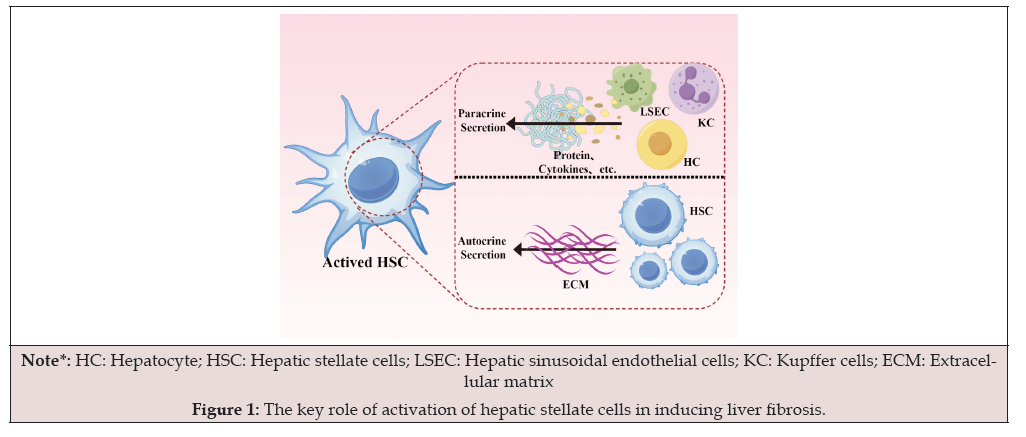
Figure 1:The key role of activation of hepatic stellate cells in inducing liver fibrosis.
Results: Thematic Findings
Theme 1 — Cardioprotective Properties of Palm Oil TRF
Lipid-Lowering and Anti-Atherogenic Effects: TRF’s cardioprotective profile is anchored in its capacity to reduce circulating lipid levels through a mechanism distinct from statins yet partially overlapping: inhibition of HMG-CoA reductase. This hepatic enzyme governs the mevalonate pathway of cholesterol biosynthesis. Unlike statins, TRF’s HMG-CoA reductase inhibition is post-translational, involving accelerated degradation of the enzyme rather than competitive inhibition at the active site. In clinical settings, TRF supplementation at 400 mg/day for 16 weeks produced significant reductions in Total Cholesterol (TC), lowdensity lipoprotein cholesterol (LDL-C), and the inflammatory markers IL-6 and TNF-α in patients with metabolic syndrome. A meta-analysis of animal studies confirmed that TRF consistently reduced markers of early atherogenesis, including foam cell formation, vascular inflammation, and ICAM-1 expression [3]. A study in Human Umbilical Vein Endothelial Cells (HUVECs) stimulated with oxidized LDL demonstrated that palm oil TRF and individual tocotrienol isoforms (particularly δ- and γ-T3) significantly downregulated NF-κB, ICAM-1, VCAM-1, and monocyte binding activity — biomarkers central to early-stage atherogenesis. These endothelial-protective effects were more pronounced than those of α-tocopherol administered at equivalent concentrations, reinforcing TRF’s superiority as a vascular-protective agent. Palm oil TRF extract (Tocomin®) demonstrated significantly greater restoration of endothelium-dependent relaxation than pure tocotrienol isoforms in oxidative stress models of vascular injury, suggesting synergistic activity between TRF components [4,16,18].
Anti-Inflammatory Cardioprotection and Clinical Evidence: Beyond lipid modulation, TRF attenuates vascular inflammation by suppressing the NF-κB pathway. A Randomized Controlled Trial (RCT) in patients with Chronic Kidney Disease (CKD) demonstrated that TRF supplementation significantly reduced inflammatory and oxidative stress markers relevant to cardiovascular risk, including C-Reactive Protein (CRP) and malondialdehyde. In cardiomyocyte protection studies, palm TRF preserved mitochondrial membrane integrity and reduced ROS-induced cell death in neonatal rat cardiomyocytes exposed to hydrogen peroxide. Cardioprotective mechanisms identified in isolated heart models include stabilization of the 20S proteasome — an anti-apoptotic mechanism unique to tocotrienols, not shared by tocopherols. γ-Tocotrienol was identified as the most potent cardioprotective isoform. Collectively, these findings support TRF as a multi-mechanistic cardioprotective agent that acts simultaneously on lipid metabolism, endothelial function, inflammation, and myocardial survival pathways [4,20,29,36,37].
Theme 2 — Anticancer Potential of Palm Oil TRF
Pro-Apoptotic Mechanisms: TRF’s anticancer activity operates through several convergent molecular pathways, with the induction of apoptosis identified as the most extensively characterized mechanism. In human colon carcinoma cells, TRF activates the tumor suppressor p53, upregulates the pro-apoptotic protein Bax, downregulates the anti-apoptotic Bcl-2, and triggers caspase-3 and caspase-9 activation — key executors of the intrinsic apoptosis cascade. In human prostate cancer cells, TRF induces G0/ G1 cell cycle arrest and selectively promotes apoptosis in malignant cells without affecting normal prostate epithelial cells, a selectivity profile of considerable therapeutic significance. A 2023 systematic review confirmed the involvement of Endoplasmic Reticulum (ER) stress and the Unfolded Protein Response (UPR) — encompassing PERK, IRE1α, and ATF6 pathways — as additional anticancer mechanisms through which tocotrienols induce apoptosis [38,39].
Breadth of Anticancer Activity and Anti-Angiogenesis: The anticancer reach of palm oil TRF is notably broad. Documented activity has been reported in vitro and in vivo against breast, colon, prostate, lung, liver, ovarian, pancreatic, and hematological cancers. Anti-angiogenic effects — particularly VEGF suppression — have been demonstrated in tumor xenograft models, impairing the vascular support essential for tumor growth and metastasis. TRF has also been shown to inhibit Wnt/β-catenin signaling, a pathway aberrantly activated in colorectal and other cancers. In the context of cancer immunotherapy, palm oil bioactives — including TRF and carotenoids — are being investigated for their capacity to modulate immunotherapy outcomes, potentially improving objective response rates and reducing immune-related adverse events [40].
Chemo preventive and Adjuvant Role: TRF has demonstrated synergistic cytotoxic effects when combined with conventional chemotherapeutic agents, including tamoxifen, doxorubicin, and 5-fluorouracil, thereby enhancing drug sensitivity in resistant cancer cell lines. These synergistic effects offer a compelling rationale for TRF’s potential role as a chemosensitizer in oncological care. While rigorous phase III clinical trials remain to be conducted, early- phase clinical data have provided preliminary support for TRF’s ability to maintain cancer-related quality-of-life outcomes during treatment [41].
Theme 3 — Neuroprotective Effects of Palm Oil TRF
Protection Against Oxidative Neuronal Damage: Palm oilderived α-tocotrienol has been identified as a uniquely potent neuroprotective molecule, capable of protecting neurons against a range of neurotoxic insults at nanomolar concentrations — a level of potency unmatched by any other natural vitamin E form. The mechanism involves attenuation of both enzymatic (12-lipoxygenase/12-LOX pathway) and non-enzymatic Arachidonic Acid (AA) cascade mediators of neurodegeneration. In ischemia models, TRF reduces brain infarct volume, attenuates oxidative stress markers, and preserves mitochondrial function. TRF’s ability to cross the blood-brain barrier — demonstrated in oral supplementation studies in human subjects — is a critical prerequisite for its central neuroprotective activity [13,42,43].
TRF in Alzheimer’s and Vascular Dementia: In transgenic Alzheimer’s Disease (AD) mouse models, long-term TRF treatment (10 months) significantly improved spatial memory, exploratory activity, and object recognition performance — effects associated with amelioration of perturbed hippocampal metabolic pathways linked to Aβ protein accumulation. TRF modulates neuronal genes and proteins associated with amyloid processing and neuroinflammatory cascades, providing a mechanistic basis for its cognitive- protective activity. In diabetic rats, palm oil TRF at 30–120 mg/ kg reduced vascular dementia-associated memory deficits in the Morris Water Maze — an important finding given the disproportionately high risk of vascular dementia in the diabetic population. A 2025 scoping review confirmed the convergence of evidence on TRF’s anti-neuroinflammatory, antioxidant, and pro-cognitive neuroprotective effects, recommending further clinical investigation as a supplement to support healthy aging and slow neurodegeneration [30,44-48].
Clinical Evidence in Neurological Conditions: The Phase II Randomized Controlled Trial (VENUS Study) demonstrated that daily supplementation with Tocovid Suprabio™ (400 mg/day, 12 months) significantly improved nerve conduction velocity in median sensory (1.60 m/s improvement), sural sensory (2.10 m/s), and tibial motor nerves in patients with type 2 diabetes mellitus-associated peripheral neuropathy [49,50]. This clinical trial represents the strongest human evidence to date for TRF’s neurotrophic and neuroprotective activity in a chronic disease context. Ismail and colleagues’ systematic review of preclinical evidence on palm oil’s neuroprotective effects confirmed that all 18 included studies (10 animal, 8 cell-based) demonstrated positive cognitive and neuroprotective effects of TRF or α-tocotrienol [4,30,44,51,52].
Theme 4 — Metabolic and Immunomodulatory Effects
Antidiabetic and Insulin-Sensitizing Properties: TRF’s antidiabetic activity operates through multiple mechanisms. In Streptozotocin (STZ)-induced diabetic rats, TRF supplementation (200 mg/kg/day) significantly improved biochemical parameters, including fasting blood glucose, oxidative stress markers (malondialdehyde, catalase), and vascular wall integrity, compared to untreated diabetic controls. These findings are corroborated by mechanistic evidence showing that TRF stimulates insulin receptor signaling pathways, downregulates adipokines including resistin, and reduces hepatic lipid peroxidation under hyperglycemic conditions. At the cellular level, TRF’s antioxidant activity protects pancreatic β-cells from glucolipotoxicity-induced apoptosis, preserving insulin secretory capacity [47,53-56].
Effects on Metabolic Syndrome and Dyslipidemia: Heng and colleagues’ RCT found that 400 mg of TRF daily for 16 weeks in patients with metabolic syndrome led to significant reductions in total cholesterol, LDL-C, and inflammatory cytokine levels (IL- 6, TNF-α). A 2024 publication from a Malaysian population-based clinical cohort demonstrated TRF-associated benefits in postoperative quality of life (sleep, role physical, emotional) among patients with atrial fibrillation, highlighting TRF’s capacity to modulate cardiometabolic recovery. In high-fat diet-fed mice, palm TRF modulated cardiac SOD1 expression and Farnesoid X Receptor (FXR) target gene activity, reducing tauro-conjugated bile acid levels — a novel mechanistic pathway in metabolic protection [57-59].
Immunomodulatory Activity and Vaccine Enhancement: A pivotal clinical study demonstrated that healthy volunteers receiving 400mg of TRF daily and subsequently vaccinated with Tetanus Toxoid (TT) showed significantly higher antibody titers to TT compared with placebo recipients. This finding positions TRF as a promising immune adjuvant — a nutraceutical that can augment vaccine-induced immunological memory without pharmacological side effects. An active randomized clinical trial at Monash University Malaysia is currently evaluating dose-response effects of TRF (50, 100, 200, 400 mg) on influenza vaccine immune response in healthy volunteers, measuring antibody levels, blood leucocyte profiles, cytokine production, and plasma vitamin E levels. This trial addresses a critical evidence gap: optimal dosing for immunological enhancement [60-63]. Dietary tocotrienol supplementation has also been shown to enhance lymphocyte proliferation and production of key immunomodulatory cytokines (IL-2, IL-4) in aged animal models, suggesting TRF’s potential utility in combating age-associated immune decline (immunosenescence). The molecular mechanism involves δ-tocotrienol’s induction of the anti-inflammatory protein A20 via sphingolipid modulation, which suppresses TNF-α-induced NF-κB activation [20,64-66].
Discussion and Analysis
Convergent Mechanisms: The “One Compound, Multiple Targets” Paradigm
The most scientifically significant insight emerging from this review is the convergence of TRF’s bioactive mechanisms across four apparently disparate domains of chronic disease. NF-κB suppression, HMG-CoA reductase inhibition, ROS scavenging, and pro-apoptotic signaling modulation — these are not disease-specific phenomena but rather core pathological mechanisms shared by cardiovascular disease, cancer, neurodegeneration, and metabolic disorders alike. TRF’s ability to simultaneously address these shared mechanisms through a single natural compound constitutes a compelling argument for its role in integrative preventive medicine [4,5,29].
This “one compound, multiple targets” paradigm is theoretically coherent with the concept of pleiotropic pharmacology — the pharmacological principle that a single molecule can interact with multiple molecular targets to produce diverse but mechanistically related therapeutic outcomes. In TRF’s case, the chromanol ring’s hydrogen-donating antioxidant capacity and the isoprenoid chain’s membrane-modulating and enzyme-inhibiting properties together produce an unusually broad spectrum of beneficial biomedical activities [10].
Translational Status: Where Does the Evidence Stand?
A balanced appraisal of TRF’s evidence base requires distinguishing between the domains of mechanistic certainty, clinical promise, and clinical confirmation. The following assessment reflects the current state of evidence:
a) Cardiovascular disease: Strong preclinical evidence (in vitro and in vivo) plus supportive RCT data for lipid modulation and anti-inflammatory endpoints. Evidence for hard cardiovascular outcomes (myocardial infarction, stroke reduction) in humans remains to be generated through long-term RCTs [20,25,29,67,68].
b) Anticancer Activity: Robust in vitro and in vivo evidence across diverse cancer types; emerging immunotherapy interaction data. Phase III human trial data are not yet available. TRF’s chemopreventive potential is currently positioned as adjunctive rather than first-line therapeutic [69-72].
c) Neuroprotection: Compelling animal model evidence; Phase II clinical evidence in diabetic neuropathy (VENUS trial); epidemiological associations between tocotrienol blood levels and cognitive health. Clinical evidence in Alzheimer’s disease remains preclinical-stage only, warranting urgent clinical investment [47,49,50].
d) Metabolic and Immune Effects: Supportive animal and limited human data for antidiabetic activity; RCT-confirmed immune enhancement with vaccine adjuvant effect. Further dose-finding and mechanistic clinical studies are in progress [16,47,49,73,74].
Reframing Palm Oil in Preventive Medicine Discourse
A persistent barrier to TRF’s clinical recognition is its inseparable public image from palm oil — a commodity long stigmatized for its saturated fat content. This review affirms that such stigmatization misrepresents palm oil’s complex nutritional chemistry. The bioactive TRF fraction is extractable, standardizable, and commercially available as a pharmaceutical-grade supplement entirely distinct from the fatty acid profile of crude palm oil. The conflation of palm oil’s saturated fat critique with TRF’s therapeutic profile is scientifically untenable and has demonstrably impeded clinical and policy integration of this promising bioactive [9]. Healthcare professionals and public health communicators have a scientific obligation to differentiate between the macronutrient and the micronutrient- bioactive dimensions of any food commodity. In the case of palm oil, this means explicitly acknowledging that TRF’s cardiovascular, neuroprotective, anticancer, and immunomodulatory benefits are not contradicted by — nor dependent upon — the dietary fatty acid debate, since TRF is a discrete molecular entity with an independent evidence base [12,18,29,30,75].
Limitations of the Review
As a narrative literature review, this paper carries inherent methodological limitations. The non-exhaustive, interpretive approach to source selection introduces potential for publication bias toward positive findings. The variability in TRF commercial formulations (differing tocotrienol isoform profiles and bioavailability- enhancing excipients) across studies limits direct comparability of dosing and outcome data. Clinical trials are predominantly conducted in Malaysian and Indonesian populations, and their generalizability to other ethnic populations requires validation. Acknowledging these limitations is consistent with the epistemological transparency expected of rigorous narrative reviews [35,76-78].
Conclusion
Substantive Conclusions
This qualitative literature review has synthesized a robust, multi-domain body of biomedical evidence demonstrating that palm oil-derived TRF exerts genuine and significant preventive activity across the four most prevalent categories of chronic non-communicable disease. TRF’s cardioprotective, anticancer, neuroprotective, and metabolic-immune benefits are mechanistically convergent, clinically emerging, and theoretically coherent within the framework of oxidative stress-inflammation NCD pathogenesis. Preclinical evidence for all four disease domains is substantial and internally consistent across in vitro and in vivo study designs. Clinical evidence is strongest for cardiovascular lipid modulation, diabetic neuropathy (VENUS Phase II RCT), and immune enhancement via vaccine adjuvant activity. Translational gaps remain in Alzheimer’s disease, primary cancer prevention, and long-term metabolic outcomes — all of which constitute priority research targets for the next decade. Critically, γ- and δ-tocotrienol isoforms consistently outperform α-tocopherol across anti-inflammatory, anticancer, and cardioprotective endpoints — a finding that reinforces the scientific imperative to study TRF as an independent entity rather than as a surrogate for the broader vitamin E category.
Policy Recommendations
Based on the evidence synthesized in this review, five evidence-
based policy recommendations are advanced:
a. Clinical guideline integration: National and international nutrition
guidelines — including those of the WHO, FAO, and
Southeast Asian regional health ministries — should consider
incorporating palm oil-derived TRF as a recognized preventive
bioactive in dietary recommendations for populations at elevated
cardiovascular, metabolic, and neurodegenerative risk.
b. Investment in long-term phase III clinical trials: Governments
and health research councils, particularly in Indonesia and
Malaysia — the world’s leading palm oil producers — should
prioritize funding for multi-year, adequately powered RCTs of
TRF efficacy in primary NCD prevention. Specific priority areas
include TRF for primary prevention of cardiovascular events,
early-stage Alzheimer’s disease, and management of metabolic
syndrome.
c. Evidence-based palm oil health communication: Public health
agencies and the palm oil industry must collaborate on science-
based communication campaigns that clearly delineate
TRF’s bioactive health benefits from the debate over palm
oil’s saturated fat content. Effective health literacy requires
nuanced messaging that accurately represents the compound-
specific evidence base.
d. Standardization of TRF formulations: Pharmaceutical and nutraceutical
regulatory agencies should develop standardized
specifications for palm TRF preparations, covering minimum
tocotrienol isoform concentrations, bioavailability enhancement
requirements, and stability benchmarks — necessary
prerequisites for consistent clinical outcomes.
e. Cross-disciplinary collaboration: The convergence of TRF’s
effects across cardiovascular, oncological, neurological, and
metabolic disease domains argues for multi-disciplinary clinical
research programs combining cardiologists, oncologists,
neurologists, endocrinologists, and nutritional scientists to
comprehensively map TRF’s preventive therapeutic potential
in integrated chronic disease prevention frameworks.
Acknowledgement
None.
Conflict of Interest
None.
References
- (2023) WHO. Noncommunicable diseases - Key facts. WHO. Accessed: Apr. 01, 2026. [Online]. Available: https://medbox.org/document/noncommunicable-diseases-key-facts-2023.
- O Freihat, D Sipos, M Aamir, A Kovacs (2025) Global burden and future projections of non-communicable diseases (2000–2050): Progress toward SDG 3.4 and disparities across regions and risk factors. PLoS One 20(12): e0336036.
- L Judijanto (2026) Tocotrienol-Rich Fractions from Palm Oil: A Review of Cardioprotective, Neuroprotective, and Anti-Cancer Potentials. Biomed J Sci Tech Res 64 (4): 56764-56774.
- Z Zainal, H Khaza ai, A Kutty Radhakrishnan, SK Chang (2022) Therapeutic potential of palm oil vitamin E-derived tocotrienols in inflammation and chronic diseases: Evidence from preclinical and clinical studies. Food Res Int 156: 111175.
- AD Looi, UD Palanisamy, M Moorthy, AK Radhakrishnan (2025) Health Benefits of Palm Tocotrienol-Rich Fraction: A Systematic Review of Randomized Controlled Trials. Nutr Rev 83(2): 307-328.
- I Singh, RS Nair, S Gan, V Cheong, A Morris (2019) An evaluation of crude palm oil (CPO) and tocotrienol rich fraction (TRF) of palm oil as percutaneous permeation enhancers using full-thickness human skin. Pharm Dev Technol 24(4): 448-454.
- NS Sulaiman, MD Sintang, S Mantihal, H M Zaini, E Munsu, et al. (2022) Balancing functional and health benefits of food products formulated with palm oil as oil sources. Heliyon 8(10): e11041.
- N Abdullah, Kamalrudin Mohamed Salleh, Kalsom Zakaria, Nur Nadia Kamil, Zaida Zainal, et al. (2022) The preference for palm vitamin E tocotrienols and the willingness to purchase among consumers in peninsular Malaysia. Malaysian J Consum Fam Econ 29: 375–395. Available: https://research.monash.edu/en/publications/the-preference-for-palm-vitamin-e-tocotrienols-and-the-willingnes/.
- L Judijanto (2026) Balancing risks and benefits; A review of palm oil consumption and cardiovascular health outcomes. Open Access J Sci 9(1): 46-56.
- N Londoño, Nidia Casas Forero, Andres Felipe Garzón Méndez, Dalí Aleixandra Rojas Díaz, Mary Luz Olivares Tenorio, et al. (2026) Tocotrienols: A Review from Source to Therapeutic Applications. Food Front 7: 2.
- Y Pyo, KH Kwon (2025) Therapeutic potential of red palm oil as antioxidant for men’s health. J Mens health 21(9): 5.
- M Ismail, Abdulsamad Alsalahi, Mustapha Umar Imam, Der Jiun Ooi, Huzwah Khaza'ai, et al. (2020) Safety and Neuroprotective Efficacy of Palm Oil and Tocotrienol-Rich Fraction from Palm Oil: A Systematic Review. Nutrients 12(2): 521.
- MZ Sadikan, NA Abdul Nasir, R Agarwal, N Mohd Ismail (2020) Protective Effect of Palm Oil-Derived Tocotrienol-Rich Fraction Against Retinal Neurodegenerative Changes in Rats with Streptozotocin-Induced Diabetic Retinopathy. Biomolecules 10(4): 556.
- HI Ninsiima, HE Ainamani, G Ayebazibwe, D Matovu, ED Eze (2026) Essential micronutrients and biguanides (metformin) synergistic and antagonistic interactions on neurocognitive outcomes in type two diabetes mellitus: a systematic review of preclinical and clinical evidence. Front. Endocrinol. (Lausanne). 17.
- R Ranasinghe, M Mathai, A Zulli (2022) Revisiting the therapeutic potential of tocotrienol. Bio Factors 48(4): 813-856.
- KL Pang, KY Chin (2019) The Role of Tocotrienol in Protecting Against Metabolic Diseases. Molecules 24(5): 923.
- KY Chin, KL Pang, IN Soelaiman (2016) Tocotrienol and Its Role in Chronic Diseases. in Anti-inflammatory Nutraceuticals and Chronic Diseases. Advances in Experimental Medicine and Biology 97-130.
- SK Wong, Yusof Kamisah, Norazlina Mohamed, Norliza Muhammad, Norliana Masbah, et al. (2020) Potential Role of Tocotrienols on Non-Communicable Diseases: A Review of Current Evidence. Nutrients 12(1): 259.
- H Ahsan, A Ahad, J Iqbal, WA Siddiqui (2014) Pharmacological potential of tocotrienols: a review. Nutr Metab (Lond) 11(1): 52.
- Y Wang, NY Park, Y Jang, A Ma, Q Jiang (2015) Vitamin E γ-Tocotrienol Inhibits Cytokine-Stimulated NF-κB Activation by Induction of Anti-Inflammatory A20 via Stress Adaptive Response Due to Modulation of Sphingolipids. J Immunol 195(1): 126–133.
- NAA Nasir, M Z Sadikan, R Agarwal (2021) Modulation of NFkB signalling pathway by tocotrienol: A systematic review. Asia Pac J Clin Nutr 30(3): 537–555.
- BH Khor, Hui Ci Tiong, Shing Cheng Tan, Sok Kuan Wong, Kok Yong Chin, et al. (2021) Effects of tocotrienols supplementation on markers of inflammation and oxidative stress: A systematic review and meta-analysis of randomized controlled trials. PLoS One 16(7): e0255205.
- KL Pang, CW Mai, KY Chin (2023) Molecular Mechanism of Tocotrienol-Mediated Anticancer Properties: A Systematic Review of the Involvement of Endoplasmic Reticulum Stress and Unfolded Protein Response. Nutrients 15(8): 1854.
- Z Zainal, AA Rahim, AK Radhakrishnan, SK Chang, H Khaza’ai (2019) Investigation of the curative effects of palm vitamin E tocotrienols on autoimmune arthritis disease in vivo. Sci Rep 9(1): 16793.
- HW Abdah, NI Hanafi, S Abdul Muid, N Ibrahim, NA Mohd Kasim (2025) Effect of tocotrienol-rich fraction (TRF) on lipid profile in hyperlipidemic experimental animal model: a systematic review and meta-analysis. Sci Rep 15(1): 33954.
- NAN Amir Razak, Jo Aan Goon, Wan Zurinah Wan Ngah, Suzana Makpol, Mohd Hanafi Ahmad Damanhuri, et al. (2025) Effectiveness of Tocotrienol-Rich Fraction in Older Adults: Protocol for a Randomized, Double-Blind, Placebo-Controlled Trial. JMIR Res Protoc 14: e73039.
- BL Sailo, Suravi Chauhan, Mangala Hegde, Sosmitha Girisa, Mohammed S Alqahtani, et al., (2025) Therapeutic potential of tocotrienols as chemosensitizers in cancer therapy. Phyther Res 39(4): 1694–1720.
- SY Tham, HS Loh, CW Mai, JY Fu (2019) Tocotrienols Modulate a Life-or-Death Decision in Cancers. Int J Mol Sci 20(2): 372.
- L Trugilho, Lívia Alvarenga, Ludmila Cardozo, Bruna Paiva, Jessyca Brito, et al. (2025) Effects of Tocotrienol on Cardiovascular Risk Markers in Patients with Chronic Kidney Disease: A Randomized Controlled Trial. J Nutr Metab 2025: 1.
- E Yunita, ML Nasaruddin, NZ Ramli, MF Yahaya, H Ahmad Damanhuri (2025) Scoping Review: The Role of Tocotrienol-Rich Fraction as a Potent Neuroprotective Agent. Int J Mol Sci 26 (16): 7691.
- AD Looi, UD Palanisamy, M Moorthy, AK Radhakrishnan (2025) Health Benefits of Palm Tocotrienol-Rich Fraction: A Systematic Review of Randomized Controlled Trials. Nutr Rev 83(2): 307–328.
- AC Usman, M Al Hendawi, S Bulut (2025) Approach to qualitative research: Narrative literature research. Adv Med Psychol Public Heal 2(2): 81–95.
- H Kim, JS Sefcik, C Bradway (2017) Characteristics of Qualitative Descriptive Studies: A Systematic Review. Res Nurs Health 40(1): 23–42.
- LE Tomaszewski, J Zarestky, E Gonzalez (2020) Planning Qualitative Research: Design and Decision Making for New Researchers. Int J Qual Methods 19.
- D Turnbull, R Chugh, J Luck (2023) Systematic-narrative hybrid literature review: A strategy for integrating a concise methodology into a manuscript. Soc Sci Humanit Open 7(1): 100381.
- A Meiliana, A Wijaya (2014) A Closer Look at Cardioprotective Function of HDL: Revise the HDL – Cholesterol Hypothesis?. Indones Biomed J6(1): 17.
- JM Reis Filho, Ivan Lobo de Sousa Marques, Lucas Miranda Kangussu, Alexandre Dantas Costa, Gabrielly Carvalho de Mattos, et al. (2026) Empagliflozin and intermittent fasting as a strategy to mitigate anthracycline-induced cardiotoxicity. Sci Rep 1–37.
- LG de Almeida Chuffa, Fábio Rodrigues Ferreira Seiva, Henrique S Silveira, Roberta Carvalho Cesário, Karolina da Silva Tonon, et al. (2024) Melatonin regulates endoplasmic reticulum stress in diverse pathophysiological contexts: A comprehensive mechanistic review. J Cell Physiol 239: 11.
- H Zhang, Y Mu, H Li, X Li (2026) Unfolded protein response in endoplasmic reticulum stress associated with retinal degenerative diseases: A promising therapeutic target. NRR Neural Regen Res 21(4): 1339–1352.
- HML Lubis, E Purwoningsih, AA Nasution, Q M Salim (2022) Mechanism of Action of Tumorigenesis of Anticancer Molecules of Palm Oil Tocotrienols (Elaeis Guieensis Jacq.): A Systematic Review. Eduvest - J Univers Stud 2(2): 431–440.
- A Abdullah, A Atia, N Salem Alrawaiq, M Kamil Md Yusof, M Fadzli Rusli (2022) Palm Oil Tocotrienols in Cancer Chemoprevention and Treatment. in Elaeis guineensis, H Kamyab Ed IntechOpen (7): 117–126.
- A E Kocsis, N Kucsápszky, AR Santa Maria, A Hunyadi, MA Deli, et al. (2025) Much More than Nutrients: The Protective Effects of Nutraceuticals on the Blood–Brain Barrier in Diseases. Nutrients 17(5): 766.
- NV Mohamad (2023) Strategies to Enhance the Solubility and Bioavailability of Tocotrienols Using Self-Emulsifying Drug Delivery System. Pharmaceuticals 16(10): 1403.
- RA Razali, WZW Ngah, S Makpol, D Yanagisawa, T Kato, et al. (2025) Shifting Perspectives on the Role of Tocotrienol vs. Tocopherol in Brain Health: A Scoping Review. Int J Mol Sci 26(13): 6339.
- AM Mathew, S Bhuvanendran, RS Nair, AK Radhakrishnan (2023) Exploring the anti-inflammatory activities, mechanism of action and prospective drug delivery systems of tocotrienol to target neurodegenerative diseases. F1000Research 12: 338.
- SY Ang, S Bhuvanendran, VLL Lee, JY Tan, AK Radhakrishnan, et al. (2025) Modulation of NF-κB signaling pathway by tocotrienol in neurodegenerative diseases. Discov Ment Heal 5(1): 160.
- N Rusli, Jen Kit Tan, Suzana Makpol, Isma Liza Mohd Isa, Nur Haleeda Hakimi, et al. (2025) Exploring the Effects of Palm Tocotrienol-Rich Fraction in Diabetic Peripheral Neuropathy Rat’s Model: An Untargeted Metabolomic Profiling and Correlation Study. Int J Mol Sci 26: 23.
- SA Shaikh, R Varatharajan, A Muthuraman (2022) Palm Oil Derived Tocotrienol-Rich Fraction Attenuates Vascular Dementia in Type 2 Diabetic Rats. Int J Mol Sci 23: 21.
- YT Ng, Sonia Chew Wen Phang, Gerald Chen Jie Tan, En Yng Ng, Nevein Philip Botross Henien, et al., (2020) The Effects of Tocotrienol-Rich Vitamin E (Tocovid) on Diabetic Neuropathy: A Phase II Randomized Controlled Trial. Nutrients 12(5): 1522.
- PF Chuar, Yeek Tat Ng, Sonia Chew Wen Phang, Yan Yi Koay, J Ian Ho, et al. (2021) Tocotrienol-Rich Vitamin E (Tocovid) Improved Nerve Conduction Velocity in Type 2 Diabetes Mellitus Patients in a Phase II Double-Blind, Randomized Controlled Clinical Trial. Nutrients 13(11): 3770.
- R Naomi, NH Shafie, P Kaniappan, H Bahari (2021) An Interactive Review on the Role of Tocotrienols in the Neurodegenerative Disorders. Front Nutr 8: 754086.
- HM Yap, KL Lye (2020) An Insight of Vitamin E as Neuroprotective Agents. Prog Microbes Mol Biol 3(1): 1–6.
- JE Vela Guajardo, S Garza González, N García (2021) Glucolipotoxicity-induced Oxidative Stress is Related to Mitochondrial Dysfunction and Apoptosis of Pancreatic β-cell. Curr Diabetes Rev 17: 5.
- J Šrámek, V Němcová Fürstová, J Kovář (2021) Molecular Mechanisms of Apoptosis Induction and Its Regulation by Fatty Acids in Pancreatic β-Cells. Int J Mol Sci 22(8): 4285.
- B Zhu, Yuankui Wei, Mingming Zhang, Shiyu Yang, Rongsheng Tong, et al. (2023) Metabolic dysfunction-associated steatotic liver disease: ferroptosis related mechanisms and potential drugs. Front Pharmacol 14: 1286449.
- S Lim, Md Abdur Rashid, Miran Jang, Yeonghwan Kim, Hyeran Won, et al. (2011) Mitochondria-targeted Antioxidants Protect Pancreatic β-cells against Oxidative Stress and Improve Insulin Secretion in Glucotoxicity and Glucolipotoxicity. Cell Physiol Biochem 28 (5): 873–886.
- NAN Md Shahrulnizam, MD Mohd Efendy Goon, S Ab Rahim, SW Lew, SH Sheikh Abdul Kadir, et al. (2024) Palm-based tocotrienol-rich fraction (TRF) supplementation modulates cardiac sod1 expression, fxr target gene expression, and tauro-conjugated bile acid levels in aleptinemic mice fed a high-fat diet. Genes Nutr 19(1): 3.
- DE Goon, Sharaniza Ab Rahim, Amir Hakimi Mohd Sakri, Musalmah Mazlan, Jen Kit Tan, et al. (2021) Untargeted serum metabolites profiling in high-fat diet mice supplemented with enhanced palm tocotrienol-rich fraction using UHPLC-MS. Sci Rep 11(1): 21001.
- Y Wang, Juan Sun, Lamei Xue, Yujie Sun, Kuiliang Zhang, et al. (2025) Dietary Gallic Acid Alleviates Hypercholesterolemia in High‐Fat‐Diet‐Fed Mice by Modulating Cholesterol and Bile Acid Metabolism. Mol Nutr Food Res 69: 24.
- AK Radhakrishnan, B Ahmad, KR Selvaduray, SR Abdul Hafid, UD Palanisamy, et al. (2024) Single-centre, randomised clinical trial of the immunomodulatory mechanisms of daily supplementation of palm tocotrienol-rich fraction in healthy human volunteers following influenza vaccination. F1000Research (13): 135.
- S Subramaniam, Jeya Seela Anandha Rao, Premdass Ramdas, Mei Han Ng, Methil Kannan Kutty, et al. (2021) Reduced infiltration of regulatory T cells in tumours from mice fed daily with gamma-tocotrienol supplementation. Clin Exp Immunol 206(2): 161–172.
- SR Abdul Hafid, S Chakravarthi, K Nesaretnam, AK Radhakrishnan (2013) Tocotrienol-Adjuvanted Dendritic Cells Inhibit Tumor Growth and Metastasis: A Murine Model of Breast Cancer. PLoS One 8(9): e74753.
- S Tripathy, DK Verma, AK Gupta, PP Srivastav, ML Chávez González, et al. (2025) Immune-Boosting Potential of Food Bioactives. in Food Bioactives and Nutraceuticals, S. Amir Ashraf and M. Adnan, Eds. Singapore: Springer Nature Singapore 343–382.
- Z Ren, M Pae, MC Dao, D Smith, SN Meydani, et al. (2010) Dietary Supplementation with Tocotrienols Enhances Immune Function in C57BL/6 Mice. J Nutr 140(7): 1335–1341.
- E Tourkochristou, C Triantos, A Mouzaki (2021) The Influence of Nutritional Factors on Immunological Outcomes. Front Immunol 12: 665968.
- H Subramaiam, WL Chu, AK Radhakrishnan, S Chakravarthi, KR Selvaduray, et al. (2021) Evaluating Anticancer and Immunomodulatory Effects of Spirulina (Arthrospira) platensis and Gamma-Tocotrienol Supplementation in a Syngeneic Mouse Model of Breast Cancer. Nutrients 13(7): 2320.
- DF Mazli, Zaw Myo Hein, Che Mohd Nasril Che Mohd Nassir, Che Mohd Nasril Che Mohd Nassir, Sint Sint Win, et al. (2026) Targeting the Sleep-Glymphatic-Vascular Continuum in Cerebral Small Vessel Disease: A Nutritional Perspective on Neuroprotective Potential of Tocotrienols (T3). Life 16(3): 393.
- AFG Cicero, Alessandro Colletti, Gani Bajraktari, Olivier Descamps, Dragan M Djuric, et al. (2017) Lipid-lowering nutraceuticals in clinical practice: position paper from an International Lipid Expert Panel. Nutr Rev 75(9): 731–767.
- L Raunkilde, Torben Frøstrup Hansen, Birgitte Mayland Havelund, Caroline Brenner Thomsen, Søren Rafael Rafaelsen, et al. (2023) Delta tocotrienol as a supplement to FOLFOXIRI in first-line treatment of metastatic colorectal cancer. A randomized, double-blind, placebo-controlled phase II study. Acta Oncol (Madr) 62(9): 1066–1075.
- X Ji, H Yao, M Meister, DS Gardenhire, H Mo (2021) Tocotrienols: Dietary Supplements for Chronic Obstructive Pulmonary Disease. Antioxidants 10(6): 883.
- T Eitsuka, N Tatewaki, H Nishida, K Nakagawa, T Miyazawa (2016) Synergistic Anticancer Effect of Tocotrienol Combined with Chemotherapeutic Agents or Dietary Components: A Review. Int J Mol Sci 17(10): 1605.
- H Mo, R Jeter, A Bachmann, ST Yount, CL Shen, et al. (2019) The Potential of Isoprenoids in Adjuvant Cancer Therapy to Reduce Adverse Effects of Statins. Front Pharmacol 9: 1515.
- MZ Sadikan, NA Abdul Nasir, NS Bakar, I Iezhitsa, R Agarwal (2023) Tocotrienol-rich fraction reduces retinal inflammation and angiogenesis in rats with streptozotocin-induced diabetes. BMC Complement Med Ther 23(1): 179.
- Y Goh, Muhammad Zulfiqah Sadikan, Heethal Jaiprakash, Nurul Alimah Abdul Nasir, Renu Agarwal, et al, (2024) Tocotrienol-rich fraction (TRF) protects against retinal cell apoptosis and preserves visual behaviour in rats with streptozotocin-induced diabetic retinopathy. BMC Complement. Med Ther 24(1): 322.
- C Griñan Lison, Jose L Blaya Cánovas, Araceli López Tejada, Marta Ávalos Moreno, Alba Navarro Ocón, et al. (2021) Antioxidants for the Treatment of Breast Cancer: Are We There Yet?. Antioxidants 10(2): 205.
- JA Overcash (2003) Narrative research: a review of methodology and relevance to clinical practice. Crit Rev Oncol Hematol 48(2): 179–184.
- T Greenhalgh, J Raftery, S Hanney, M Glover (2016) Research impact: a narrative review. BMC Med 14(1): 78.
- ET Rother (2007) Revisão sistemática X revisão narrativa. Acta Paul Enferm 20(2): v–vi.




 We use cookies to ensure you get the best experience on our website.