
Research Article 
 Creative Commons, CC-BY
Correlation between Nurses’ Work Environment and Self-Assessed Satisfaction in Emergency Care/h1>
*Corresponding author:Marija RAGUŽ-VINKOVIĆ, 1Faculty of Medicine, JJ Strossmayer University of Osijek, Croatia.
Received:March 31, 2026; Published:April 13, 2026
DOI: 10.34297/AJBSR.2026.30.003977
Abstract
Introduction: In the Republic of Croatia, no research has been conducted that examines the work environment in the field of emergency medicine. Emergency medicine is characterized by nurses’ exposure to various adverse external conditions and hazardous situations while providing interventions. A safe and supportive work environment should be one of the primary prerequisites that employers must ensure for nurses, enabling them to carry out their professional duties in a healthy, secure, and comfortable manner.
Aim: To examine the work environment and the key factors that correlate with self-assessed satisfaction among nurses employed in prehospital emergency medical services.
Methods: A total of 60 participants took part in the study, all of whom were nurses employed at the Institute of Emergency Medicine of Osijek-Baranja County. The data collection was conducted from June to July 2021. The research instrument consisted of demographic questions, self-assessment satisfaction question and the Nursing Work Environment Questionnaire.
Results: Among the participants, those with secondary vocational education were significantly the most represented (Chi-square test, P < 0.001). There was also a significantly higher proportion of nurses whose work tasks were aligned with their level of education, who were most frequently studying while employed, who held permanent positions, who most often worked in Team 1, and who had either 1–5 years or 16–30 years of work experience (Chi-square test, P ≤ 0.007). Self-assessment of satisfaction with their current work situation showed that participants were fairly satisfied; the median score on a five-point scale was 2, (IQR from 1 to 2). The negative correlation between age and the topics assessed by individual subscales indicates that older participants were more likely to disagree with the statements, while positive correlation with self-assessed satisfaction means that employees who are satisfied with their current work situation are more likely to agree with the statements presented in the questionnaire. There was no significant difference regarding gender found.
Conclusion: The nursing work environment is associated with self-assessed satisfaction. However, although the self-assessed satisfaction with their current personal work situation indicated a very low level of satisfaction, this cannot be said for the other statements related to overall satisfaction with the work environment, as scores for each scale of the questionnaire are somewhat high. Satisfaction or dissatisfaction among employed nurses may ultimately lead to leaving their position or seeking employment abroad.
Keywords:Assessment of work capacity, Emergency medicine, Nurses, Self-assessed Satisfaction, Work environment
Introduction
In the Republic of Croatia, there is a lack of research related
to the work environment of nurses in the field of emergency
medical services. Prehospital emergency medical care is part of
primary health care, and its work is sometimes carried out under
inadequate conditions and frequently requires demanding physical
activities [1]. A well-organized work environment should be one
of the key prerequisites for nursing practice [2,3]. The concept of
the work environment encompasses a combination of physical,
organizational, and social factors [4,5]. Ergonomics represents
an important element that enables nurses to perform their work
tasks in the most effective manner. Key work environment factors
influencing work ability include the availability of resources,
leadership quality, staffing levels, and workplace culture [5].
According to Ilmarinen and Rantanen, interventions aimed
at improving factors that influence work ability should focus
on health promotion, enhancement of professional skills, and
interventions targeting both the psychosocial and physical
environment [6]. A study conducted in the United States reported
that interventions aimed at improving work environment
standards were associated with increased employee satisfaction,
reduced turnover, and longer average tenure among nurses. Other
studies in the literature have clearly demonstrated an association
between the work environment and nurses’ well-being, even
during the COVID-19 pandemic [7]. Numerous studies have shown
that an empowering work environment can enhance nurses’ job
satisfaction by fostering a sense of organizational support and
motivating them to perform their duties more effectively. A study
by Teixeira, et al. (2023) reported that structural empowerment
of nurses directly increases job satisfaction and indirectly reduces
burnout. Structural empowerment includes systems, policies,
and resource allocation at the organizational level and can have
a direct impact on the work environment and job satisfaction.
Furthermore, psychological empowerment has been shown to
result in higher levels of job satisfaction and productivity among
nurses. Psychological empowerment refers to a subjective sense
of control, autonomy, meaning, and competence, and is associated
with an internal perception that provides nurses with hope that
they can bring about significant changes in their work and lives [8].
The work environment is linked to organizational characteristics
that may either facilitate or constrain nursing practice. A lack
of team dynamics, time constraints, and staffing shortages are
potential factors influencing job satisfaction [9]. A study conducted
in Singapore by Goh and Lopez among 814 nurses reported that
leadership skills and the work environment were predictors of
nurses’ intentions to migrate and work abroad [10]. Job satisfaction
is a key factor in nurse retention. Empowerment plays a particularly
important role, as it enhances nurses’ autonomy and satisfaction
with their workplace. Empowerment-based strategies increase
job satisfaction and promote motivation and work effectiveness
among nurses [8,11,12]. Workforce turnover is not only a challenge
in emergency medicine but also affects other medical disciplines
within healthcare systems. Well-known examples include so-called
“Magnet hospitals,” which have successfully retained existing
healthcare professionals and attracted new staff through changes
in management strategies. By implementing organizational
and leadership changes, these hospitals have minimized the
phenomenon of “quiet quitting” among nurses, which has emerged
as a growing global issue in recent years [13-16]. Key contributing
factors included structural and process-related elements such as
leadership and management style, staffing levels, opportunities for
career advancement, and education [13,17]. Projections indicate
a continuously increasing shortage of personnel in emergency
medical services [18,19]. Among paramedics in the United States,
the annual turnover rate is nearly 10% [20,21]. In Israel, Doppelt,
et al. reported turnover rates among paramedics of 42% after two
years of employment and over 90% after ten years [22]. A recent
study from Germany revealed similarly alarmingly high figures,
with 54% of paramedics considering leaving emergency medical
services within one year, and 46% reporting dissatisfaction with
their job. Additionally, paramedics were found to have relatively
lower levels of job satisfaction and higher levels of depression
[23] and burnout [24]. Prehospital emergency medical services
are considered a profession in which employees are regularly
exposed to external stressors specific to emergency care, such as
critically ill patients, accidents, physical exertion, and occupational
hazards [25]. Both internal and external stressors are important
determinants of job satisfaction. Employee turnover is associated
not only with increased workload for employers and disrupted
interpersonal relationships, but also with high financial costs
and the loss of knowledge and experience. Retaining newly
trained and highly educated employees in emergency services is
challenging, and low job satisfaction may be problematic not only
due to workforce shortages but also because of its association with
individual employee health [21].
The aim of this study is to examine the work environment and
its correlation with job satisfaction among nurses in emergency
medical services.
Methods
Participants
The study included a total of 60 participants, all of whom were
nurses employed at the Institute of Emergency Medicine of Osijek-
Baranja County, regardless of their educational level or position
within Team I (comprising a physician, a nurse, and a driver),
Team II (comprising two nurses, one of whom also serves as the
driver), or the dispatch and call-receiving unit. All participants
met the following inclusion criteria: full-time employment at
the Institute of Emergency Medicine; employment in a nursing
position; voluntary participation in the study. The exclusion criteria
were employment in managerial or supervisory positions and
unwillingness to participate in the study. Participants were assured
of anonymity throughout the research process. Data collected via
the questionnaire were not linked in any way to the participants’
personal information. The obtained results were entered into a
computer, statistically processed, and securely stored.
Procedure
This study was conducted as a cross-sectional study [26] at the
Institute of Emergency Medicine of Osijek-Baranja County during
June and July 2021, following approval from the Institute’s Ethics
Committee. Participants received a structured questionnaire at
their workplace and, after completion, deposited it into designated
collection boxes to ensure anonymity. The estimated time required
to complete the questionnaire was approximately 15 minutes. Data
collection was carried out during the employees’ free time within
working hours, in coordination with the institute’s chief technician.
Participation in the study was anonymous and voluntary, and
participants were free to withdraw at any time without any
obligations. Prior to completing the questionnaire, each participant
received an explanation of the study, including its purpose and
objectives. The research instrument consisted of one open-ended
questionnaire item and two sections: Sociodemographic and
occupational characteristics, including sex, age, level of education,
profession and job responsibilities, employment in accordance
with the attained level of education, studying while employed,
permanent employment status, job position, working hours, total
years of work experience, length of service in the current position,
and satisfaction with the current work situation. The Nursing Work
Environment Questionnaire is a reliable and valid instrument for
assessing the nursing work environment and has been translated
and validated in more than 30 countries. The instrument was
translated into Croatian and validated, and permission for its use
was obtained from the authors [27]. Items assessing the work
environment were grouped into five subscales: Nurse participation
in hospital affairs – nine items; Nursing foundations for quality of
care – ten items; Nurse manager ability, leadership, and support of
nurses – five items; Staffing and resource adequacy – four items;
Collegial nurse–physician relations – three items. The self-assessed
satisfaction with the current work situation was examined with
additional question. It was supposed to be answered by selecting
one of five offered responses on Likert scale. The offered responses
were from very satisfied, fairly satisfied, partially satisfied, fairly
dissatisfied, and very dissatisfied (on Likert scale from 5 to 1).
For the purpose of conducting the research at the Institute for
Emergency Medicine of Osijek-Baranja County, approval was
requested from their Ethics Committee. The approval was granted,
before conducting the research, under class number: 034-01/21-
01/16 and registration number: 381-21/1.
Statistical Analysis
All collected categorical data were presented as absolute and
relative frequencies, while numerical data were expressed as
medians and interquartile ranges. The Shapiro–Wilk test was used
to assess the normality of data distribution and according to the
results were used parametric or nonparametric measures and tests.
Results were presented in tables and figures. The chi-square test
was used to compare categorical variables, with Fisher’s exact test
applied when appropriate. Differences between two independent
groups of numerical data were tested using the nonparametric
Mann–Whitney U test, while differences among three or more
independent groups were analyzed using the nonparametric
Kruskal–Walli’s test followed by Conover’s post hoc test. Statistical
analyses were performed using MedCalc (version 20.008, MedCalc
Software Ltd., Ostend, Belgium) and IBM SPSS Statistics (version
24.0.0.0, IBM Corp., Armonk, NY, USA), with the level of statistical
significance set at α = 0.05 [28].
Results
The study included a total of 60 participants with a mean age of
37.9 (SD = 13.4) Years. A slightly higher proportion of participants
were male (Table 1).
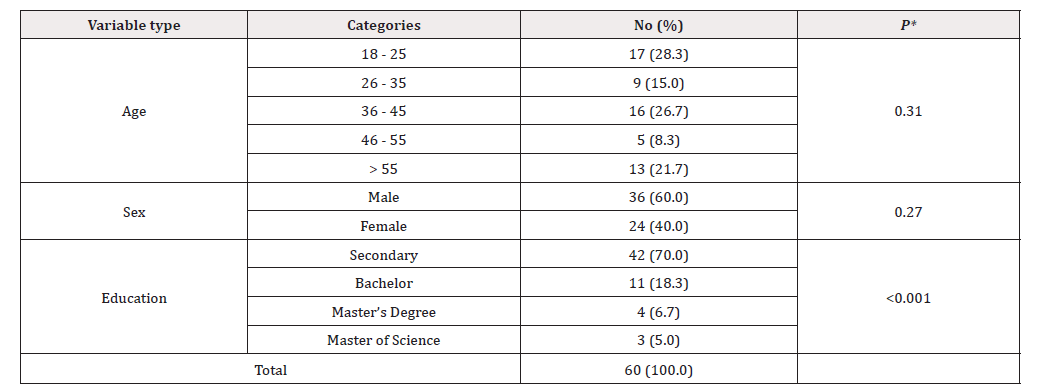
Table 1:Distribution of the demographic parameters.
*Chi-square test
Among the participants, a significantly higher proportion
had completed secondary-level vocational education (Chi-square
test, P < 0.001). In addition, a significantly higher proportion of
participants (Chi-square test, P ≤ 0.007) reported that their nursing
duties were consistent with their level of education, that they most
commonly studied while working, were employed on permanent
contracts, most frequently worked in Team I, and had lengths of
service most commonly ranging from 1 to 5 years and from 16 to
30 years (Table 2).
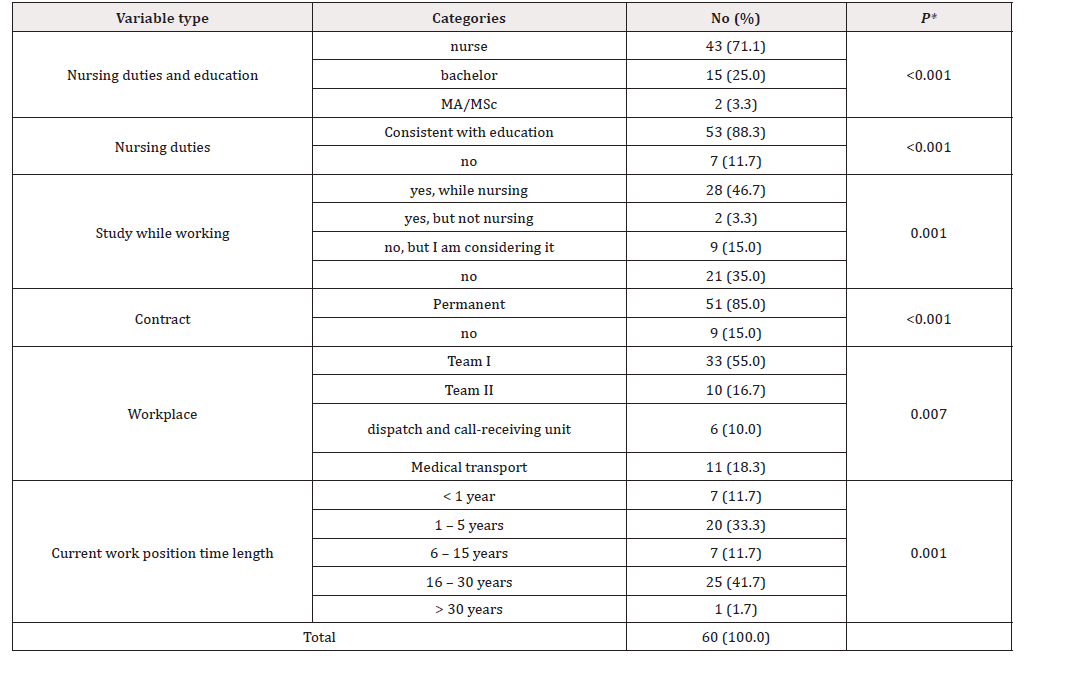
Table 2:Distribution of work-related parameters.
*Chi-square test
On average, participants had 15.1 (SD = 12.6) years of total work
experience. The self-assessment of satisfaction with the current
work situation indicated that participants were fairly satisfied as
the median overall score on a five-point Likert scale was 2, with IQR
from 1 to 2 (Figure 1).
Comparison of the subscales of the questionnaire by participants’
sex did not reveal any statistically significant differences between
the subscales (Table 3). The associations between the questionnaire
subscales and age were negative and ranged from weak to
moderate, whereas associations with satisfaction with the current
work situation were positive with somewhat stronger correlation
coefficient. For both variables, statistically significant correlations
were observed (Kendall’s Tau test, P ≤ 0.01) for almost all subscales
of the questionnaire used (Table 4).
The negative correlation between age and the domains
assessed by individual subscales indicates that older participants
more frequently disagreed with the statements, which applied to
all subscales except Nursing Foundations for Quality of Care, for
which the Tau correlation coefficient was small and no statistically
significant association was observed.
In contrast to age, satisfaction with the current work situation
was positively correlated with all subscales, with statistically
significant associations (Kendall’s Tau test, P < 0.001) and
somewhat higher Tau correlation coefficients (Tau > 0.3). As
expected, participants who were more satisfied with their current
work situation were more likely to agree with the statements
presented in the individual items of the Practice Environment Scale
of the Nursing Work Index (Table 4).

Figure 1:Self-assessment of satisfaction with the current work situation.
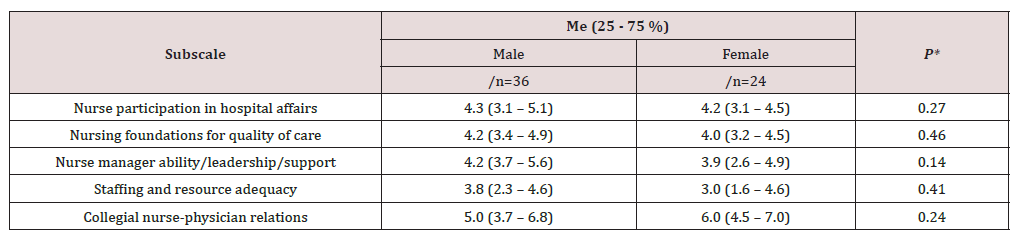
Table 3:Comparison of subscales of the Practice Environment Scale of the Nursing Work Index by participants’ sex.
*Mann-Whitney test
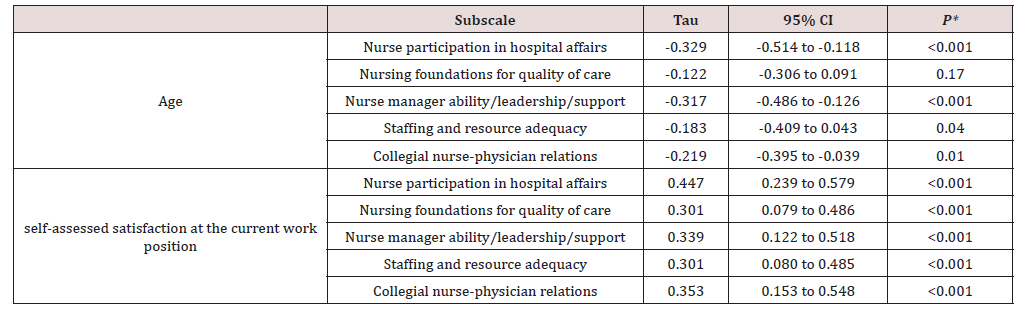
Table 4:Associations between subscales of the Practice Environment Scale of the Nursing Work Index, age, and satisfaction with the
current work situation.
*Kendall’s Tau correlation test
Discussion
When examining the age distribution of the participants, the
largest proportion consisted of the youngest respondents aged up
to 25 years (28.3%), followed by those aged 36–45 years (26.7%)
and participants older than 55 years (21.7%). The remaining
age groups accounted for 23.3% of the sample. Given the specific
demands of prehospital emergency medical services, which
require, among other competencies, good physical fitness, the
age distribution can be considered satisfactory, as more than two
thirds of the participants were younger than 45 years. On the other
hand, the presence of highly experienced nurses suggests that
they will have sufficient time to transfer experiential knowledge
to younger colleagues prior to retirement -knowledge that cannot
be acquired through formal education but is essential for safer and
more competent emergency care practice. This also strengthens
teamwork, which is particularly crucial in emergency situations
requiring a well-coordinated healthcare team.
These observations are further supported by the length of
work experience. The majority of participants belonged to the
groups with 1–5 years (33.3%) and 16–30 years (41.7%) of tenure
at their current workplace. Considering all these data, it can be
concluded that most participants possess sufficient professional
experience that contributes to higher quality of care and enables
long-term efforts toward its continuous improvement. Given
that these nurses still have many years of work ahead of them, it
is essential to emphasize the important role of management in
ensuring an adequate work environment to achieve high levels of
job satisfaction, thereby preventing or reducing staff turnover and
migration to other institutions or to countries within the European
Union [29].
Prehospital emergency medical services involve activities
related to urgent patient care, often performed under unfavorable
climatic conditions (rain, ice, snow, high temperatures) and
requiring considerable physical exertion (lifting and lowering
injured or ill patients, extrication, carrying). For this reason, there
are stereotypes that this field predominantly requires male labor.
The demographic data of this study indicate a majority of male
participants (60%); however, the proportion of female participants
(40%) is not negligible. This suggests that there are no evident
gender biases or discrimination regarding workforce composition
within the Institute, which may, in turn, contribute to higher
personal job satisfaction among employees.
With regard to educational level, nurses with basic nursing
education were the most represented (71.1%), followed by
bachelor’s degree–prepared nurses (25%) and a small proportion
of nurses holding a master’s degree in nursing (3.3%). A finding
that provides reassurance both for employees and the organization
is that the majority of participants (85%) were employed on
permanent contracts, which may be associated with a greater sense
of job security and, consequently, improved staff retention and
continued employment at the current workplace. Furthermore,
as many as 88.3% of participants agreed that they perform work
tasks consistent with their level of education. All employees
are required to engage in continuous professional education,
which is prescribed and largely organized by the employer [30].
Particularly noteworthy are the enthusiasm and motivation for
professional development, as well as the aspiration for further
education and acquisition of new knowledge. Supporting this,
46.7% of participants were pursuing higher education in their own
profession alongside work, while 3.3% were studying in another
field, which may indicate satisfaction with their current workplace.
These findings are comparable to studies conducted among nurses
in Norwegian hospitals, which report that continuing education
is one of the factors influencing job satisfaction and intention to
remain in the workplace and the profession (1). The fact that the
Institute encourages further education of nurses at higher academic
levels reflects a forward-looking and visionary approach. In this
context, the Ministry of Health introduced specialization programs
for bachelor’s degree–prepared nurses in 2023 as part of further
emergency medicine reforms, which is expected to substantially
improve nurses’ expertise within emergency medical teams and,
consequently, the quality of services provided [31].
Participants’ self-assessed satisfaction with their current work
situation, measured on a scale from 1 to 5, yielded a high score
of 4. This finding suggests that participants are highly satisfied,
demonstrating optimism and commitment to their current
positions, thereby confirming satisfaction with their career choice.
This level of satisfaction is comparable to, and even relatively high
when contrasted with, data from European Union countries that
have investigated job satisfaction among nurses [32]. For most
items in the questionnaire, the largest proportion of respondents
selected a neutral response (“neither agree nor disagree”).
However, higher levels of agreement were observed for items
related to opportunities for advancement, trust in management due
to responsiveness to employee concerns, and the accessibility of the
head nurse to staff, with responses ranging from neutral to strong
agreement. A study by Smith et al. reported that the approachability
and availability of the head nurse significantly influence nurses’
satisfaction with the work environment, enabling them to focus
more effectively on patient care. This study included 233 nurses
[33]. Other neutral responses are consistent with findings from
similar studies, particularly regarding limited involvement in
management processes and participation in decision-making [34].
It is important to note that participants expressed the view that
the quality of care is inconsistent due to staffing shortages. These
perceptions align with challenges faced by healthcare systems
worldwide and represent a major focus of contemporary research.
Studies indicate that an insufficient number of adequately trained
healthcare professionals can significantly affect the quality of
patient care [35]. Approximately one third of participants reported
being fully satisfied with collaboration and teamwork with
physicians within the team, which is particularly important given
the urgency inherent in emergency patient care. The International
Council of Nurses emphasizes that a positive and healthy work
environment has a significant impact on nurses and highlights
the work environment as a critical dimension that should be of
major importance to healthcare organizations [36,37]. When a
healthy work environment is present, lower levels of burnout and
nurse migration are observed, alongside higher job satisfaction
and reduced rates of presenteeism [38,39]. Addressing work
environment–related challenges require policies that encourage
nurses to participate in management alongside leadership, promote
open communication about workplace issues, and foster a positive
organizational climate in which nurses feel valued and accepted
[40-46].
Limitations of the Study and Future Work
The limitations of this study include the relatively small sample
size and the restricted geographical area, which may reduce the
representativeness of the findings and limit the generalizability
of the results. Additionally, the cross-sectional design further
constrains the study, as data were collected at a single point in time,
thereby limiting the ability to assess causal relationships between
the variables examined. In the future work it would be beneficial
to conduct research on larger sample and compare results
internationally.
Conclusion
Average self-assessment of satisfaction with the current personal
work situation indicates very low level of individual satisfaction.
However, this cannot be equally applied to other statements
examined with Nursing Work Environment Questionnaire, as scores
for each scale are somewhat high. The nursing work environment
is positively associated with self-assessed satisfaction and
negatively with age, however there was no significant difference
regarding gender. Employees who are satisfied with their current
work situation are more likely to agree with the statements
presented in the questionnaire. Also, a high level of enthusiasm
and a strong desire for professional development, further training,
and the acquisition of new knowledge were observed among the
participants.
Author contribution
a) Acquisition of data: NB
b) Administrative, technical, or logistic support: MRV, DMB,
JN
c) Analysis and interpretation of data: NB, KK, PM
d) Conception and design: NB, AB
e) Critical revision of the article for important intellectual
content: NB, AB, AM
f) Drafting of the article: NB, DMB
g) Final approval of the article: KK, MRV, DMB
h) Guarantor of the study: AB, KŠ
i) Provision of study materials or patients: JN, AM, PM
j) Statistical expertise: KŠ, KK
Conflict of interest
The authors declare that there is no conflict of interest.
Acknowledgments
The authors would like to thank all the voluntary participants
in the research.
Funding
The authors of this article are financing the article with their
own funds.
References
- Roelen CAM, van Hoffen MFA, Waage S, Schaufeli WB, Twisk JWR, Bjorvatn B, et al. (2018) Psychosocial work environment and mental health-related long-term sickness absence among nurses. Int Arch Occup Environ Health 91(2):195-203.
- Lake ET (2007) The Nursing Practice Environment. Med Care Res Rev 64(2_suppl):104S-122S.
- Gensimore MM, Maduro RS, Morgan MK, McGee GW, Zimbro KS (2020) The Effect of Nurse Practice Environment on Retention and Quality of Care via Burnout, Work Characteristics, and Resilience: A Moderated Mediation Model. JONA J Nurs Adm 50(10): 546-553.
- McGregor A, Ashbury F, Caputi P, Iverson D (2018) A Preliminary Investigation of Health and Work-Environment Factors on Presenteeism in the Workplace. J Occup Environ Med 60(12): e671-678.
- Zhang Y, Fu Y, Zheng X, Shi X, Liu J, et al. (2025) The impact of nursing work environment, emotional intelligence, and empathy fatigue on nurses’ presenteeism: a structural equation model. BMC Nurs 24(1): 291.
- Knežević (2010) Stress at work and the working capacity of healthcare workers in hospitals [Internet]. [Zagreb]: University of Zagreb, School of Medicine, Zagreb.
- Bruyneel A, Dello S, Dauvergne JE, Kohnen D, Sermeus W (2025) Prevalence and risk factors for burnout, missed nursing care, and intention-to-leave the job among intensive care unit and general ward nurses: A cross-sectional study across six European countries in the COVID-19 era. Intensive Crit Care Nurs 86:103885.
- Chang SY, Wang SZ, Lee HF (2025) The cultural difference between empowerment and job satisfaction among nurses: An umbrella review. Appl Nurs Res 82: 151912.
- Zhu X, Zheng J, Liu K, You L (2019) Rationing of Nursing Care and Its Relationship with Nurse Staffing and Patient Outcomes: The Mediation Effect Tested by Structural Equation Modeling. Int J Environ Res Public Health 16(10): 1672.
- Goh YS, Lopez V (2016) Acculturation, quality of life and work environment of international nurses in a multi-cultural society: A cross-sectional, correlational study. Appl Nurs Res 30: 111-118.
- Barry T Teta, Longacre M, Carney KO, Patterson S (2019) Team inclusion and empowerment among nursing staff in long-term care. Geriatr Nur 40(5): 487-93.
- Friend ML, Sieloff CL (2018) Empowerment in Nursing Literature: An Update and Look to the Future. Nurs Sci Q 31(4): 355-361.
- Moisoglou I, Katsiroumpa A, Katsapi A, Konstantakopoulou O, Galanis P (2025) Poor Nurses’ Work Environment Increases Quiet Quitting and Reduces Work Engagement: A Cross-Sectional Study in Greece. Nurs Rep 15(1): 19.
- Zuzelo PR (2023) Discouraging Quiet Quitting: Potential Strategies for Nurses. Holist Nurs Pract 37(3): 174-175.
- Galanis P, Katsiroumpa A, Vraka I, Siskou O, Konstantakopoulou O, Katsoulas T, et al. (2024) Nurses quietly quit their job more often than other healthcare workers: An alarming issue for healthcare services. Int Nurs Rev 71(4): 850-859.
- Hungerford C, Jackson D, Cleary M (2025) Quiet Quitting, Resenteeism and Other Forms of Disengagement: What Are the Answers for Nurses? J Adv Nurs 81(6): 2855-2857.
- (1983) Magnet hospitals. Attraction and retention of professional nurses. Task Force on Nursing Practice in Hospitals. American Academy of Nursing. ANA Publ (G-160): i-xiv, 1-135.
- Bowron JS, Todd KH (1999) Job stressors and job satisfaction in a major metropolitan public EMS service. Prehosp Disaster Med 14(4): 236-239.
- Uppal N, Gondi S (2019) Addressing the EMS workforce shortage: How medical students can help bridge the gap. J Emerg Manag 17(5): 380-384.
- Brown WE, Dawson D, Levine R (2003) Compensation, benefits and satisfaction: The longitudinal emergency medical technician demographic study (leads) project. Prehosp Emerg Care 7(3): 357-362.
- Patterson PD, Jones CB, Hubble MW, Carr M, Weaver MD, et al. (2010) The Longitudinal Study of Turnover and the Cost of Turnover in Emergency Medical Services. Prehosp Emerg Care 14(2): 209-221.
- Dopelt K, Wacht O, Strugo R, Miller R, Kushnir T ( 2019) Factors that affect Israeli paramedics’ decision to quit the profession: a mixed methods study. Isr J Health Policy Res 8(1): 78.
- Baier N, Roth K, Felgner S, Henschke C (2018) Burnout and safety outcomes - a cross-sectional nationwide survey of EMS-workers in Germany. BMC Emerg Med 18(1): 24.
- Eiche C, Birkholz T, Jobst E, Gall C, Prottengeier J (2019) Well-being and PTSD in German emergency medical services - A nationwide cross-sectional survey. Kavushansky A, editor. PLoS One 14(7): e0220154.
- van der Ploeg E (2003) Acute and chronic job stressors among ambulance personnel: predictors of health symptoms. Occup Environ Med 60 Suppl 1(Suppl 1): i40-46.
- Marušić M (2019) Uvod u znanstveni rad u medicini. Zagreb: Medicinska naklada.
- Smokrović E, Žvanut MF, Bajan A, Radić R, Žvanut B (2019) The effect of job satisfaction, absenteeism, and personal motivation on job quitting: A survey of Croatian nurses. J East Eur Manag Stud 24(3): 398-422.
- Petz B, Kolesarić V, Ivanec D (2012) Petzova statistika : osnove statističke metode za nematematič Jastrebar Naklada Slap.
- Proclamation of Nursing of the Republic of Croatia (2020). Croatian Chamber of Nurses and Technicians.
- Balija S, Važanić D (2020) Education of nurses and medical technicians in the field of emergency medicine. Acta medica croat cĆasopis Croatian akad med znan 1: 101-109.
- Ordinance on Specialist Training of Bachelor of Nursing in Emergency Medicine. Ministry of Health.
- Sansoni J, De Caro W, Marucci AR, M Sorrentino, L Mayner, et al. (2016) Nurses’ Job satisfaction: an Italian study. Ann Ig Med 28(1): 58-69.
- Smith JG, Morin KH, Lake ET (2018) Association of the nurse work environment with nurse incivility in hospitals. J Nurs Manag 26(2): 219-226.
- Bjørk IT, Samdal GB, Hansen BS, Tørstad S, Hamilton GA (2007) Job satisfaction in a Norwegian population of nurses: A questionnaire survey. Int J Nurs Stud 44(5): 747-757.
- Sinčić Working Environment of Nurses. (2020): University of Rijeka.
- Aiken LH, Cimiotti JP, Sloane DM, Smith HL, Flynn L, et al. (2011) Effects of Nurse Staffing and Nurse Education on Patient Deaths in Hospitals with Different Nurse Work Environments. Med Care 49(12): 1047-1053.
- Ulrich B, Cassidy L, Barden C, Varn-Davis N, Delgado SA (2022) National Nurse Work Environments - October 2021: A Status Report. Crit Care Nurse 42(5): 58-70.
- Danquah E, Asiamah N (2022) Associations between physical work environment, workplace support for health, and presenteeism: a COVID-19 context. Int Arch Occup Environ Health 95(9): 1807-1816.
- Lake ET, Riman KA, Sloane DM (2020) Improved work environments and staffing lead to less missed nursing care: A panel study. J Nurs Manag 28(8): 2157-2165.
- Formica S, Sfodera F (2022) The Great Resignation and Quiet Quitting paradigm shifts: An overview of current situation and future research directions. J Hosp Mark Manag 31(8): 899-907.
- Hamouche S, Chabani Z (2021) COVID-19 and the new forms of employment relationship: implications and insights for human resource development. Ind Commer Train 53(4): 366-379.
- Liu-Lastres B, Wen H, Huang WJ (2023) A reflection on the Great Resignation in the hospitality and tourism industry. Int J Contemp Hosp Manag 35(1): 235-249.
- Zuzelo PR (2023) Discouraging Quiet Quitting: Potential Strategies for Nurses. Holist Nurs Pract 37(3): 174-175.
- Serenko A (2023) The Great Resignation: the great knowledge exodus or the onset of the Great Knowledge Revolution? J Knowl Manag 27(4): 1042-1055.
- Forrester N (2023) Fed up and burnt out: ‘quiet quitting’ hits academia. Nature 615(7953): 751-753.
- Lu M, Al Mamun A, Chen X, Yang Q, Masukujjaman M (2023) Quiet quitting during COVID-19: the role of psychological empowerment. Humanit Soc Sci Commun 10(1): 485.
*Corresponding author:Marija RAGUŽ-VINKOVIĆ, 1Faculty of Medicine, JJ Strossmayer University of Osijek, Croatia.
Received:March 31, 2026; Published:April 13, 2026
DOI: 10.34297/AJBSR.2026.30.003977
Abstract
Introduction: In the Republic of Croatia, no research has been conducted that examines the work environment in the field of emergency medicine. Emergency medicine is characterized by nurses’ exposure to various adverse external conditions and hazardous situations while providing interventions. A safe and supportive work environment should be one of the primary prerequisites that employers must ensure for nurses, enabling them to carry out their professional duties in a healthy, secure, and comfortable manner.
Aim: To examine the work environment and the key factors that correlate with self-assessed satisfaction among nurses employed in prehospital emergency medical services.
Methods: A total of 60 participants took part in the study, all of whom were nurses employed at the Institute of Emergency Medicine of Osijek-Baranja County. The data collection was conducted from June to July 2021. The research instrument consisted of demographic questions, self-assessment satisfaction question and the Nursing Work Environment Questionnaire.
Results: Among the participants, those with secondary vocational education were significantly the most represented (Chi-square test, P < 0.001). There was also a significantly higher proportion of nurses whose work tasks were aligned with their level of education, who were most frequently studying while employed, who held permanent positions, who most often worked in Team 1, and who had either 1–5 years or 16–30 years of work experience (Chi-square test, P ≤ 0.007). Self-assessment of satisfaction with their current work situation showed that participants were fairly satisfied; the median score on a five-point scale was 2, (IQR from 1 to 2). The negative correlation between age and the topics assessed by individual subscales indicates that older participants were more likely to disagree with the statements, while positive correlation with self-assessed satisfaction means that employees who are satisfied with their current work situation are more likely to agree with the statements presented in the questionnaire. There was no significant difference regarding gender found.
Conclusion: The nursing work environment is associated with self-assessed satisfaction. However, although the self-assessed satisfaction with their current personal work situation indicated a very low level of satisfaction, this cannot be said for the other statements related to overall satisfaction with the work environment, as scores for each scale of the questionnaire are somewhat high. Satisfaction or dissatisfaction among employed nurses may ultimately lead to leaving their position or seeking employment abroad.
Keywords:Assessment of work capacity, Emergency medicine, Nurses, Self-assessed Satisfaction, Work environment
Introduction
In the Republic of Croatia, there is a lack of research related to the work environment of nurses in the field of emergency medical services. Prehospital emergency medical care is part of primary health care, and its work is sometimes carried out under inadequate conditions and frequently requires demanding physical activities [1]. A well-organized work environment should be one of the key prerequisites for nursing practice [2,3]. The concept of the work environment encompasses a combination of physical, organizational, and social factors [4,5]. Ergonomics represents an important element that enables nurses to perform their work tasks in the most effective manner. Key work environment factors influencing work ability include the availability of resources, leadership quality, staffing levels, and workplace culture [5]. According to Ilmarinen and Rantanen, interventions aimed at improving factors that influence work ability should focus on health promotion, enhancement of professional skills, and interventions targeting both the psychosocial and physical environment [6]. A study conducted in the United States reported that interventions aimed at improving work environment standards were associated with increased employee satisfaction, reduced turnover, and longer average tenure among nurses. Other studies in the literature have clearly demonstrated an association between the work environment and nurses’ well-being, even during the COVID-19 pandemic [7]. Numerous studies have shown that an empowering work environment can enhance nurses’ job satisfaction by fostering a sense of organizational support and motivating them to perform their duties more effectively. A study by Teixeira, et al. (2023) reported that structural empowerment of nurses directly increases job satisfaction and indirectly reduces burnout. Structural empowerment includes systems, policies, and resource allocation at the organizational level and can have a direct impact on the work environment and job satisfaction. Furthermore, psychological empowerment has been shown to result in higher levels of job satisfaction and productivity among nurses. Psychological empowerment refers to a subjective sense of control, autonomy, meaning, and competence, and is associated with an internal perception that provides nurses with hope that they can bring about significant changes in their work and lives [8]. The work environment is linked to organizational characteristics that may either facilitate or constrain nursing practice. A lack of team dynamics, time constraints, and staffing shortages are potential factors influencing job satisfaction [9]. A study conducted in Singapore by Goh and Lopez among 814 nurses reported that leadership skills and the work environment were predictors of nurses’ intentions to migrate and work abroad [10]. Job satisfaction is a key factor in nurse retention. Empowerment plays a particularly important role, as it enhances nurses’ autonomy and satisfaction with their workplace. Empowerment-based strategies increase job satisfaction and promote motivation and work effectiveness among nurses [8,11,12]. Workforce turnover is not only a challenge in emergency medicine but also affects other medical disciplines within healthcare systems. Well-known examples include so-called “Magnet hospitals,” which have successfully retained existing healthcare professionals and attracted new staff through changes in management strategies. By implementing organizational and leadership changes, these hospitals have minimized the phenomenon of “quiet quitting” among nurses, which has emerged as a growing global issue in recent years [13-16]. Key contributing factors included structural and process-related elements such as leadership and management style, staffing levels, opportunities for career advancement, and education [13,17]. Projections indicate a continuously increasing shortage of personnel in emergency medical services [18,19]. Among paramedics in the United States, the annual turnover rate is nearly 10% [20,21]. In Israel, Doppelt, et al. reported turnover rates among paramedics of 42% after two years of employment and over 90% after ten years [22]. A recent study from Germany revealed similarly alarmingly high figures, with 54% of paramedics considering leaving emergency medical services within one year, and 46% reporting dissatisfaction with their job. Additionally, paramedics were found to have relatively lower levels of job satisfaction and higher levels of depression [23] and burnout [24]. Prehospital emergency medical services are considered a profession in which employees are regularly exposed to external stressors specific to emergency care, such as critically ill patients, accidents, physical exertion, and occupational hazards [25]. Both internal and external stressors are important determinants of job satisfaction. Employee turnover is associated not only with increased workload for employers and disrupted interpersonal relationships, but also with high financial costs and the loss of knowledge and experience. Retaining newly trained and highly educated employees in emergency services is challenging, and low job satisfaction may be problematic not only due to workforce shortages but also because of its association with individual employee health [21].
The aim of this study is to examine the work environment and its correlation with job satisfaction among nurses in emergency medical services.
Methods
Participants
The study included a total of 60 participants, all of whom were nurses employed at the Institute of Emergency Medicine of Osijek- Baranja County, regardless of their educational level or position within Team I (comprising a physician, a nurse, and a driver), Team II (comprising two nurses, one of whom also serves as the driver), or the dispatch and call-receiving unit. All participants met the following inclusion criteria: full-time employment at the Institute of Emergency Medicine; employment in a nursing position; voluntary participation in the study. The exclusion criteria were employment in managerial or supervisory positions and unwillingness to participate in the study. Participants were assured of anonymity throughout the research process. Data collected via the questionnaire were not linked in any way to the participants’ personal information. The obtained results were entered into a computer, statistically processed, and securely stored.
Procedure
This study was conducted as a cross-sectional study [26] at the Institute of Emergency Medicine of Osijek-Baranja County during June and July 2021, following approval from the Institute’s Ethics Committee. Participants received a structured questionnaire at their workplace and, after completion, deposited it into designated collection boxes to ensure anonymity. The estimated time required to complete the questionnaire was approximately 15 minutes. Data collection was carried out during the employees’ free time within working hours, in coordination with the institute’s chief technician. Participation in the study was anonymous and voluntary, and participants were free to withdraw at any time without any obligations. Prior to completing the questionnaire, each participant received an explanation of the study, including its purpose and objectives. The research instrument consisted of one open-ended questionnaire item and two sections: Sociodemographic and occupational characteristics, including sex, age, level of education, profession and job responsibilities, employment in accordance with the attained level of education, studying while employed, permanent employment status, job position, working hours, total years of work experience, length of service in the current position, and satisfaction with the current work situation. The Nursing Work Environment Questionnaire is a reliable and valid instrument for assessing the nursing work environment and has been translated and validated in more than 30 countries. The instrument was translated into Croatian and validated, and permission for its use was obtained from the authors [27]. Items assessing the work environment were grouped into five subscales: Nurse participation in hospital affairs – nine items; Nursing foundations for quality of care – ten items; Nurse manager ability, leadership, and support of nurses – five items; Staffing and resource adequacy – four items; Collegial nurse–physician relations – three items. The self-assessed satisfaction with the current work situation was examined with additional question. It was supposed to be answered by selecting one of five offered responses on Likert scale. The offered responses were from very satisfied, fairly satisfied, partially satisfied, fairly dissatisfied, and very dissatisfied (on Likert scale from 5 to 1). For the purpose of conducting the research at the Institute for Emergency Medicine of Osijek-Baranja County, approval was requested from their Ethics Committee. The approval was granted, before conducting the research, under class number: 034-01/21- 01/16 and registration number: 381-21/1.
Statistical Analysis
All collected categorical data were presented as absolute and relative frequencies, while numerical data were expressed as medians and interquartile ranges. The Shapiro–Wilk test was used to assess the normality of data distribution and according to the results were used parametric or nonparametric measures and tests. Results were presented in tables and figures. The chi-square test was used to compare categorical variables, with Fisher’s exact test applied when appropriate. Differences between two independent groups of numerical data were tested using the nonparametric Mann–Whitney U test, while differences among three or more independent groups were analyzed using the nonparametric Kruskal–Walli’s test followed by Conover’s post hoc test. Statistical analyses were performed using MedCalc (version 20.008, MedCalc Software Ltd., Ostend, Belgium) and IBM SPSS Statistics (version 24.0.0.0, IBM Corp., Armonk, NY, USA), with the level of statistical significance set at α = 0.05 [28].
Results
The study included a total of 60 participants with a mean age of 37.9 (SD = 13.4) Years. A slightly higher proportion of participants were male (Table 1).
Table 1:Distribution of the demographic parameters.
*Chi-square test
Among the participants, a significantly higher proportion had completed secondary-level vocational education (Chi-square test, P < 0.001). In addition, a significantly higher proportion of participants (Chi-square test, P ≤ 0.007) reported that their nursing duties were consistent with their level of education, that they most commonly studied while working, were employed on permanent contracts, most frequently worked in Team I, and had lengths of service most commonly ranging from 1 to 5 years and from 16 to 30 years (Table 2).
Table 2:Distribution of work-related parameters.
*Chi-square test
On average, participants had 15.1 (SD = 12.6) years of total work experience. The self-assessment of satisfaction with the current work situation indicated that participants were fairly satisfied as the median overall score on a five-point Likert scale was 2, with IQR from 1 to 2 (Figure 1).
Comparison of the subscales of the questionnaire by participants’ sex did not reveal any statistically significant differences between the subscales (Table 3). The associations between the questionnaire subscales and age were negative and ranged from weak to moderate, whereas associations with satisfaction with the current work situation were positive with somewhat stronger correlation coefficient. For both variables, statistically significant correlations were observed (Kendall’s Tau test, P ≤ 0.01) for almost all subscales of the questionnaire used (Table 4).
The negative correlation between age and the domains assessed by individual subscales indicates that older participants more frequently disagreed with the statements, which applied to all subscales except Nursing Foundations for Quality of Care, for which the Tau correlation coefficient was small and no statistically significant association was observed.
In contrast to age, satisfaction with the current work situation was positively correlated with all subscales, with statistically significant associations (Kendall’s Tau test, P < 0.001) and somewhat higher Tau correlation coefficients (Tau > 0.3). As expected, participants who were more satisfied with their current work situation were more likely to agree with the statements presented in the individual items of the Practice Environment Scale of the Nursing Work Index (Table 4).
Figure 1:Self-assessment of satisfaction with the current work situation.
Table 3:Comparison of subscales of the Practice Environment Scale of the Nursing Work Index by participants’ sex.
*Mann-Whitney test
Table 4:Associations between subscales of the Practice Environment Scale of the Nursing Work Index, age, and satisfaction with the current work situation.
*Kendall’s Tau correlation test
Discussion
When examining the age distribution of the participants, the largest proportion consisted of the youngest respondents aged up to 25 years (28.3%), followed by those aged 36–45 years (26.7%) and participants older than 55 years (21.7%). The remaining age groups accounted for 23.3% of the sample. Given the specific demands of prehospital emergency medical services, which require, among other competencies, good physical fitness, the age distribution can be considered satisfactory, as more than two thirds of the participants were younger than 45 years. On the other hand, the presence of highly experienced nurses suggests that they will have sufficient time to transfer experiential knowledge to younger colleagues prior to retirement -knowledge that cannot be acquired through formal education but is essential for safer and more competent emergency care practice. This also strengthens teamwork, which is particularly crucial in emergency situations requiring a well-coordinated healthcare team.
These observations are further supported by the length of work experience. The majority of participants belonged to the groups with 1–5 years (33.3%) and 16–30 years (41.7%) of tenure at their current workplace. Considering all these data, it can be concluded that most participants possess sufficient professional experience that contributes to higher quality of care and enables long-term efforts toward its continuous improvement. Given that these nurses still have many years of work ahead of them, it is essential to emphasize the important role of management in ensuring an adequate work environment to achieve high levels of job satisfaction, thereby preventing or reducing staff turnover and migration to other institutions or to countries within the European Union [29].
Prehospital emergency medical services involve activities related to urgent patient care, often performed under unfavorable climatic conditions (rain, ice, snow, high temperatures) and requiring considerable physical exertion (lifting and lowering injured or ill patients, extrication, carrying). For this reason, there are stereotypes that this field predominantly requires male labor. The demographic data of this study indicate a majority of male participants (60%); however, the proportion of female participants (40%) is not negligible. This suggests that there are no evident gender biases or discrimination regarding workforce composition within the Institute, which may, in turn, contribute to higher personal job satisfaction among employees.
With regard to educational level, nurses with basic nursing education were the most represented (71.1%), followed by bachelor’s degree–prepared nurses (25%) and a small proportion of nurses holding a master’s degree in nursing (3.3%). A finding that provides reassurance both for employees and the organization is that the majority of participants (85%) were employed on permanent contracts, which may be associated with a greater sense of job security and, consequently, improved staff retention and continued employment at the current workplace. Furthermore, as many as 88.3% of participants agreed that they perform work tasks consistent with their level of education. All employees are required to engage in continuous professional education, which is prescribed and largely organized by the employer [30]. Particularly noteworthy are the enthusiasm and motivation for professional development, as well as the aspiration for further education and acquisition of new knowledge. Supporting this, 46.7% of participants were pursuing higher education in their own profession alongside work, while 3.3% were studying in another field, which may indicate satisfaction with their current workplace. These findings are comparable to studies conducted among nurses in Norwegian hospitals, which report that continuing education is one of the factors influencing job satisfaction and intention to remain in the workplace and the profession (1). The fact that the Institute encourages further education of nurses at higher academic levels reflects a forward-looking and visionary approach. In this context, the Ministry of Health introduced specialization programs for bachelor’s degree–prepared nurses in 2023 as part of further emergency medicine reforms, which is expected to substantially improve nurses’ expertise within emergency medical teams and, consequently, the quality of services provided [31].
Participants’ self-assessed satisfaction with their current work situation, measured on a scale from 1 to 5, yielded a high score of 4. This finding suggests that participants are highly satisfied, demonstrating optimism and commitment to their current positions, thereby confirming satisfaction with their career choice. This level of satisfaction is comparable to, and even relatively high when contrasted with, data from European Union countries that have investigated job satisfaction among nurses [32]. For most items in the questionnaire, the largest proportion of respondents selected a neutral response (“neither agree nor disagree”). However, higher levels of agreement were observed for items related to opportunities for advancement, trust in management due to responsiveness to employee concerns, and the accessibility of the head nurse to staff, with responses ranging from neutral to strong agreement. A study by Smith et al. reported that the approachability and availability of the head nurse significantly influence nurses’ satisfaction with the work environment, enabling them to focus more effectively on patient care. This study included 233 nurses [33]. Other neutral responses are consistent with findings from similar studies, particularly regarding limited involvement in management processes and participation in decision-making [34].
It is important to note that participants expressed the view that the quality of care is inconsistent due to staffing shortages. These perceptions align with challenges faced by healthcare systems worldwide and represent a major focus of contemporary research. Studies indicate that an insufficient number of adequately trained healthcare professionals can significantly affect the quality of patient care [35]. Approximately one third of participants reported being fully satisfied with collaboration and teamwork with physicians within the team, which is particularly important given the urgency inherent in emergency patient care. The International Council of Nurses emphasizes that a positive and healthy work environment has a significant impact on nurses and highlights the work environment as a critical dimension that should be of major importance to healthcare organizations [36,37]. When a healthy work environment is present, lower levels of burnout and nurse migration are observed, alongside higher job satisfaction and reduced rates of presenteeism [38,39]. Addressing work environment–related challenges require policies that encourage nurses to participate in management alongside leadership, promote open communication about workplace issues, and foster a positive organizational climate in which nurses feel valued and accepted [40-46].
Limitations of the Study and Future Work
The limitations of this study include the relatively small sample size and the restricted geographical area, which may reduce the representativeness of the findings and limit the generalizability of the results. Additionally, the cross-sectional design further constrains the study, as data were collected at a single point in time, thereby limiting the ability to assess causal relationships between the variables examined. In the future work it would be beneficial to conduct research on larger sample and compare results internationally.
Conclusion
Average self-assessment of satisfaction with the current personal work situation indicates very low level of individual satisfaction. However, this cannot be equally applied to other statements examined with Nursing Work Environment Questionnaire, as scores for each scale are somewhat high. The nursing work environment is positively associated with self-assessed satisfaction and negatively with age, however there was no significant difference regarding gender. Employees who are satisfied with their current work situation are more likely to agree with the statements presented in the questionnaire. Also, a high level of enthusiasm and a strong desire for professional development, further training, and the acquisition of new knowledge were observed among the participants.
Author contribution
a) Acquisition of data: NB
b) Administrative, technical, or logistic support: MRV, DMB,
JN
c) Analysis and interpretation of data: NB, KK, PM
d) Conception and design: NB, AB
e) Critical revision of the article for important intellectual
content: NB, AB, AM
f) Drafting of the article: NB, DMB
g) Final approval of the article: KK, MRV, DMB
h) Guarantor of the study: AB, KŠ
i) Provision of study materials or patients: JN, AM, PM
j) Statistical expertise: KŠ, KK
Conflict of interest
The authors declare that there is no conflict of interest.
Acknowledgments
The authors would like to thank all the voluntary participants in the research.
Funding
The authors of this article are financing the article with their own funds.
References
- Roelen CAM, van Hoffen MFA, Waage S, Schaufeli WB, Twisk JWR, Bjorvatn B, et al. (2018) Psychosocial work environment and mental health-related long-term sickness absence among nurses. Int Arch Occup Environ Health 91(2):195-203.
- Lake ET (2007) The Nursing Practice Environment. Med Care Res Rev 64(2_suppl):104S-122S.
- Gensimore MM, Maduro RS, Morgan MK, McGee GW, Zimbro KS (2020) The Effect of Nurse Practice Environment on Retention and Quality of Care via Burnout, Work Characteristics, and Resilience: A Moderated Mediation Model. JONA J Nurs Adm 50(10): 546-553.
- McGregor A, Ashbury F, Caputi P, Iverson D (2018) A Preliminary Investigation of Health and Work-Environment Factors on Presenteeism in the Workplace. J Occup Environ Med 60(12): e671-678.
- Zhang Y, Fu Y, Zheng X, Shi X, Liu J, et al. (2025) The impact of nursing work environment, emotional intelligence, and empathy fatigue on nurses’ presenteeism: a structural equation model. BMC Nurs 24(1): 291.
- Knežević (2010) Stress at work and the working capacity of healthcare workers in hospitals [Internet]. [Zagreb]: University of Zagreb, School of Medicine, Zagreb.
- Bruyneel A, Dello S, Dauvergne JE, Kohnen D, Sermeus W (2025) Prevalence and risk factors for burnout, missed nursing care, and intention-to-leave the job among intensive care unit and general ward nurses: A cross-sectional study across six European countries in the COVID-19 era. Intensive Crit Care Nurs 86:103885.
- Chang SY, Wang SZ, Lee HF (2025) The cultural difference between empowerment and job satisfaction among nurses: An umbrella review. Appl Nurs Res 82: 151912.
- Zhu X, Zheng J, Liu K, You L (2019) Rationing of Nursing Care and Its Relationship with Nurse Staffing and Patient Outcomes: The Mediation Effect Tested by Structural Equation Modeling. Int J Environ Res Public Health 16(10): 1672.
- Goh YS, Lopez V (2016) Acculturation, quality of life and work environment of international nurses in a multi-cultural society: A cross-sectional, correlational study. Appl Nurs Res 30: 111-118.
- Barry T Teta, Longacre M, Carney KO, Patterson S (2019) Team inclusion and empowerment among nursing staff in long-term care. Geriatr Nur 40(5): 487-93.
- Friend ML, Sieloff CL (2018) Empowerment in Nursing Literature: An Update and Look to the Future. Nurs Sci Q 31(4): 355-361.
- Moisoglou I, Katsiroumpa A, Katsapi A, Konstantakopoulou O, Galanis P (2025) Poor Nurses’ Work Environment Increases Quiet Quitting and Reduces Work Engagement: A Cross-Sectional Study in Greece. Nurs Rep 15(1): 19.
- Zuzelo PR (2023) Discouraging Quiet Quitting: Potential Strategies for Nurses. Holist Nurs Pract 37(3): 174-175.
- Galanis P, Katsiroumpa A, Vraka I, Siskou O, Konstantakopoulou O, Katsoulas T, et al. (2024) Nurses quietly quit their job more often than other healthcare workers: An alarming issue for healthcare services. Int Nurs Rev 71(4): 850-859.
- Hungerford C, Jackson D, Cleary M (2025) Quiet Quitting, Resenteeism and Other Forms of Disengagement: What Are the Answers for Nurses? J Adv Nurs 81(6): 2855-2857.
- (1983) Magnet hospitals. Attraction and retention of professional nurses. Task Force on Nursing Practice in Hospitals. American Academy of Nursing. ANA Publ (G-160): i-xiv, 1-135.
- Bowron JS, Todd KH (1999) Job stressors and job satisfaction in a major metropolitan public EMS service. Prehosp Disaster Med 14(4): 236-239.
- Uppal N, Gondi S (2019) Addressing the EMS workforce shortage: How medical students can help bridge the gap. J Emerg Manag 17(5): 380-384.
- Brown WE, Dawson D, Levine R (2003) Compensation, benefits and satisfaction: The longitudinal emergency medical technician demographic study (leads) project. Prehosp Emerg Care 7(3): 357-362.
- Patterson PD, Jones CB, Hubble MW, Carr M, Weaver MD, et al. (2010) The Longitudinal Study of Turnover and the Cost of Turnover in Emergency Medical Services. Prehosp Emerg Care 14(2): 209-221.
- Dopelt K, Wacht O, Strugo R, Miller R, Kushnir T ( 2019) Factors that affect Israeli paramedics’ decision to quit the profession: a mixed methods study. Isr J Health Policy Res 8(1): 78.
- Baier N, Roth K, Felgner S, Henschke C (2018) Burnout and safety outcomes - a cross-sectional nationwide survey of EMS-workers in Germany. BMC Emerg Med 18(1): 24.
- Eiche C, Birkholz T, Jobst E, Gall C, Prottengeier J (2019) Well-being and PTSD in German emergency medical services - A nationwide cross-sectional survey. Kavushansky A, editor. PLoS One 14(7): e0220154.
- van der Ploeg E (2003) Acute and chronic job stressors among ambulance personnel: predictors of health symptoms. Occup Environ Med 60 Suppl 1(Suppl 1): i40-46.
- Marušić M (2019) Uvod u znanstveni rad u medicini. Zagreb: Medicinska naklada.
- Smokrović E, Žvanut MF, Bajan A, Radić R, Žvanut B (2019) The effect of job satisfaction, absenteeism, and personal motivation on job quitting: A survey of Croatian nurses. J East Eur Manag Stud 24(3): 398-422.
- Petz B, Kolesarić V, Ivanec D (2012) Petzova statistika : osnove statističke metode za nematematič Jastrebar Naklada Slap.
- Proclamation of Nursing of the Republic of Croatia (2020). Croatian Chamber of Nurses and Technicians.
- Balija S, Važanić D (2020) Education of nurses and medical technicians in the field of emergency medicine. Acta medica croat cĆasopis Croatian akad med znan 1: 101-109.
- Ordinance on Specialist Training of Bachelor of Nursing in Emergency Medicine. Ministry of Health.
- Sansoni J, De Caro W, Marucci AR, M Sorrentino, L Mayner, et al. (2016) Nurses’ Job satisfaction: an Italian study. Ann Ig Med 28(1): 58-69.
- Smith JG, Morin KH, Lake ET (2018) Association of the nurse work environment with nurse incivility in hospitals. J Nurs Manag 26(2): 219-226.
- Bjørk IT, Samdal GB, Hansen BS, Tørstad S, Hamilton GA (2007) Job satisfaction in a Norwegian population of nurses: A questionnaire survey. Int J Nurs Stud 44(5): 747-757.
- Sinčić Working Environment of Nurses. (2020): University of Rijeka.
- Aiken LH, Cimiotti JP, Sloane DM, Smith HL, Flynn L, et al. (2011) Effects of Nurse Staffing and Nurse Education on Patient Deaths in Hospitals with Different Nurse Work Environments. Med Care 49(12): 1047-1053.
- Ulrich B, Cassidy L, Barden C, Varn-Davis N, Delgado SA (2022) National Nurse Work Environments - October 2021: A Status Report. Crit Care Nurse 42(5): 58-70.
- Danquah E, Asiamah N (2022) Associations between physical work environment, workplace support for health, and presenteeism: a COVID-19 context. Int Arch Occup Environ Health 95(9): 1807-1816.
- Lake ET, Riman KA, Sloane DM (2020) Improved work environments and staffing lead to less missed nursing care: A panel study. J Nurs Manag 28(8): 2157-2165.
- Formica S, Sfodera F (2022) The Great Resignation and Quiet Quitting paradigm shifts: An overview of current situation and future research directions. J Hosp Mark Manag 31(8): 899-907.
- Hamouche S, Chabani Z (2021) COVID-19 and the new forms of employment relationship: implications and insights for human resource development. Ind Commer Train 53(4): 366-379.
- Liu-Lastres B, Wen H, Huang WJ (2023) A reflection on the Great Resignation in the hospitality and tourism industry. Int J Contemp Hosp Manag 35(1): 235-249.
- Zuzelo PR (2023) Discouraging Quiet Quitting: Potential Strategies for Nurses. Holist Nurs Pract 37(3): 174-175.
- Serenko A (2023) The Great Resignation: the great knowledge exodus or the onset of the Great Knowledge Revolution? J Knowl Manag 27(4): 1042-1055.
- Forrester N (2023) Fed up and burnt out: ‘quiet quitting’ hits academia. Nature 615(7953): 751-753.
- Lu M, Al Mamun A, Chen X, Yang Q, Masukujjaman M (2023) Quiet quitting during COVID-19: the role of psychological empowerment. Humanit Soc Sci Commun 10(1): 485.




 We use cookies to ensure you get the best experience on our website.