
Research Article 
 Creative Commons, CC-BY
Integrated Assessment of Heavy Metal Pollution and Microbial Water Quality in the Coastal Waters of Ras Al Khaimah, Arabian Gulf
*Corresponding author:Vibha Bhardwaj, Director Environment Laboratories, Ras Al Khaimah Municipality as Al Khaimah, United Arab Emirates.
Received:February 18, 2026; Published:February 24, 2026
DOI: 10.34297/AJBSR.2026.30.003905
Abstract
Heavy metal contamination in marine ecosystems has become a substantial global environmental concern due to its potential threat to marine life and ecological balance. The primary resources of heavy metals in seawater include anthropogenic activities, discharge of urban and industrial wastewater, and the natural weathering of rocks through physical, chemical, and biological processes. Following a preliminary survey of the Ras Al Khaimah region, five sampling sites were selected for investigation. Seawater samples were collected in triplicate from each site to evaluate the concentrations of selected physicochemical parameters, and microbiological contaminants in the Arabian Gulf. Parameters analyzed included Nitrate-Nitrogen, Nitrite-Nitrogen, Salinity, Phosphate-Phosphorus, Turbidity, Arsenic, Copper, Iron, Lead, Manganese, Mercury, Nickel, Sodium, and Zinc using Inductively Coupled Plasma Optical Emission Spectrometry (ICP-OES). The pH values ranged from 7.51±0.1 to 8.26±0.21 across the sampling locations. Variations in nutrient concentrations were observed among the sites, with the highest Nitrate-Nitrogen concentration recorded at Site 1 and the lowest at Site 3. Heavy metals such as Arsenic, Copper, Iron, Lead, Manganese, Mercury, and Nickel were not detected in any of the collected samples. Microbiological assessment revealed very low levels of E. coli and Total Coliform. Overall, the findings indicate that the studied marine area in Ras Al Khaimah is not significantly impacted by heavy metal or microbial pollution, reflecting a satisfactory environmental status. Nevertheless, the results emphasize the importance of implementing targeted preventive measures and maintaining consistent routine monitoring programs to ensure long-term protection and sustainability of the marine ecosystem.
Keywords: Marine water, Biomonitoring, Water quality, Public health, Heavy metals
Abbreviations:SD: Standard Deviation; MW: Marine Water; ND: Not Detected; ppm: Parts per Million; ppt: Parts per Trillion; ADS: Abu Dhabi Specifications.
Introduction
Heavy metal contamination in marine ecosystems has become a major global environmental concern due to its detrimental effects on marine organisms and overall ecological health [1]. Coastal waters are particularly vulnerable to heavy metal inputs arising from anthropogenic activities, including urban expansion, industrial discharge, and wastewater effluents, as well as from the natural weathering of rocks through physical, chemical, and biological processes [2]. Rapid urbanization and industrial development have significantly increased heavy metal pollution along the coastal regions of Saudi Arabia in the Arabian Peninsula [3,4]. Previous assessments of the Arabian Gulf have highlighted the region’s environmental vulnerability [5]. The Gulf’s arid climate, characterized by high temperatures and elevated evaporation rates, reduces water dilution and slows dispersion processes, thereby enhancing the accumulation and persistence of heavy metals within the marine ecosystem. The presence of heavy metals in coastal waters and sediments poses serious ecological risks due to their toxicity, persistence, and capacity for bioaccumulation, which can subsequently threaten human health through the food chain [6]. Furthermore, metal contamination has broader socio-economic implications for the region. Seafood resources, particularly fish and shrimp, play a vital role in both domestic consumption and international trade within the Arabian Gulf, making the monitoring and management of heavy metal pollution essential for environmental sustainability and economic stability [5,4].
Coastal environments worldwide are increasingly exposed to heavy metal contamination because of expanding industrial activities along littoral zones [7]. Heavy metals enter coastal systems through both anthropogenic sources-such as industrial discharge, urban runoff, mining, and wastewater effluents-and natural processes including rock weathering [8,9]. The distribution and behavior of metals in aquatic environments are regulated by complex physicochemical and biological interactions, which are further influenced by human activities and industrial wastewater inputs [10]. In marine coastal areas, a significant proportion of anthropogenic metals originates from terrestrial sources associated with urbanization, industrial development, and other human practices near water bodies [11]. Numerous studies have evaluated heavy metal pollution in coastal regions globally, with a strong focus on sediment analysis as an indicator of contamination [11-22]. More recent investigations along the coastal stretch between Ras Tanura and Ras Abu Ali in the Saudi Arabian Gulf have reported exposure to anthropogenic pollutants, including desalination brine discharge, landfill leachate, sewage effluents, oil residues, and construction-related solid wastes [21-23]. In light of these concerns, the present study aims to: (i) evaluate the levels of heavy metals and microbiological contamination along selected coastal areas of Ras Al Khaimah; (ii) assess the impact of human activities on the coastal marine environment; and (iii) compare pollution levels across five different coastal locations within the emirate. Rapid population growth, urban expansion, industrialization, and agricultural activities have placed increasing qualitative and quantitative pressures on marine water resources. To support ongoing research efforts and address the rising demand for sustainable water management, this study investigates the marine water quality of Ras Al Khaimah by analyzing heavy metals, physicochemical parameters, and microbiological indicators at five selected sites. The findings are expected to provide valuable baseline data on the status of marine water quality in the region, contribute to a better understanding of contamination patterns, and serve as a foundation for future environmental monitoring and management strategies.
Material and Methods
Sample Collection
Five marine water samples were obtained from five different sites within the Emirates of Ras Al Khaimah (labelled MW1, MW2, MW3, MW4, MW5) in the month of august, September 2025. All water samples were collected in sterile glass bottles (1 litre). All samples were stored and transported in a cool box kept below 4°C. Analyses were performed as soon as the samples were carried to the laboratory.
Physico-Chemical Analysis
Marine water samples were analysed for pH, salinity, Nitrate, Nitrite, turbidity, Phosphorous and heavy metal concentration. The pH, salinity was measured with WTW 3430 multimeter, Germany. Nitrate, Nitrite, Sulphate, Phosphorous concentration was measured by using HACH spectrophotometer DR 3900, USA. Heavy metal concentration was measured by using ICP-OES Plasma Quant PQ 9000 (Analytik Jena, Germany) [24]. E. coli and Total Coliform were analyzed by using Colilert 18 IDEXX, USA.
Statistical Analysis
The tests were performed in triplicates. Data are expressed as mean. Pair wise comparisons were performed. Experimental error was determined to be triplicate and expressed as Standard Deviation (SD).
Results and Discussion
The objective of this research was to assess the marine water quality of Emirates of Ras Al Khaimah from five different locations by considering physico-chemical parameters to highlight all those factors which are damaging water quality. Microbiological assessment was analysed by E. coli and total coliform count. This study provided a valuable data concerning the assessment and awareness of marine water quality of Ras Al Khaimah. Figure 1 showing the location map of study area.
Physicochemical and Microbiological Parameters of Marine Water Samples (Table 1)
Physicochemical Characteristics
The pH of seawater samples collected from the five coastal locations in Ras Al Khaimah ranged from 7.51±0.10 to 8.26±0.21 (Figure 2, Table 1), indicating slightly alkaline conditions typical of marine environments. These values are comparable to those reported near Dammam in the Arabian Gulf (7.91±0.26–8.22±0.38) [25], suggesting that the carbonate buffering system and overall acid–base balance of Gulf waters remain relatively stable across different coastal regions. Salinity values (3.50-3.74% (Figure 3, Table 1)) were consistent with the hypersaline nature of the Arabian Gulf, attributed to high evaporation rates and limited freshwater inflow. Similar elevated salinity and total dissolved solids were observed in the Dammam coastal waters [25], confirming the regional hydrographic characteristics of the Gulf.
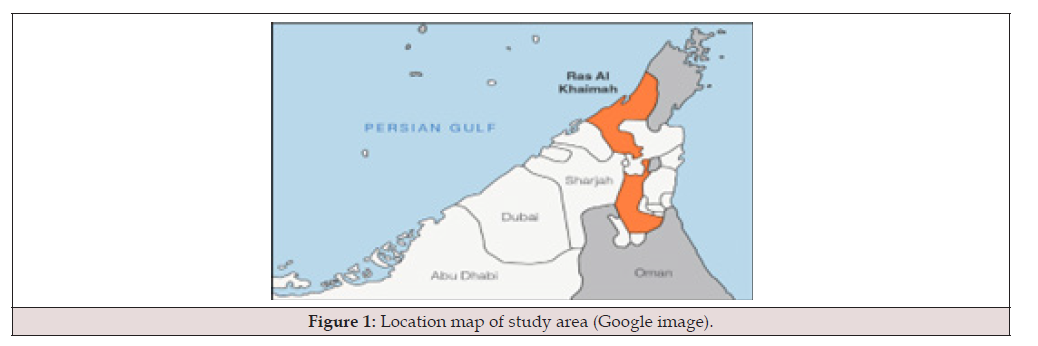
Figure 1:Location map of study area (Google image).
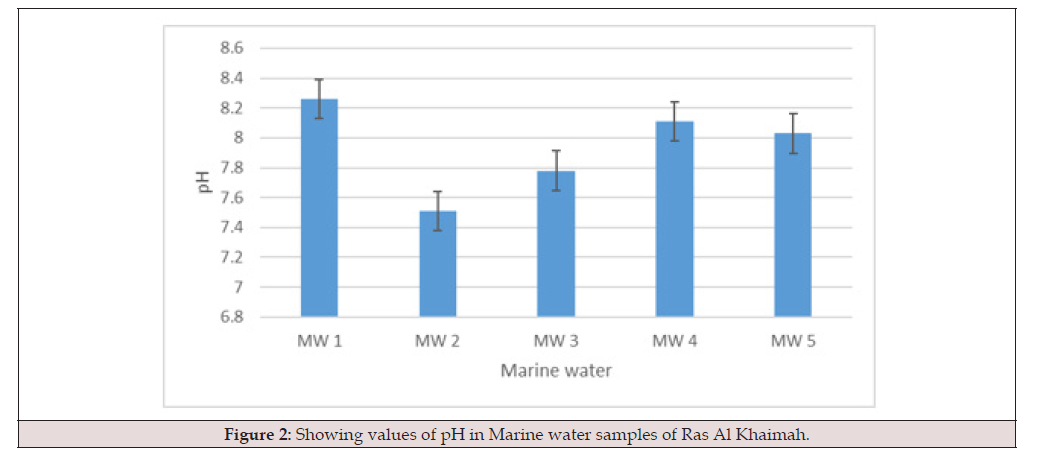
Figure 2:Showing values of pH in Marine water samples of Ras Al Khaimah.
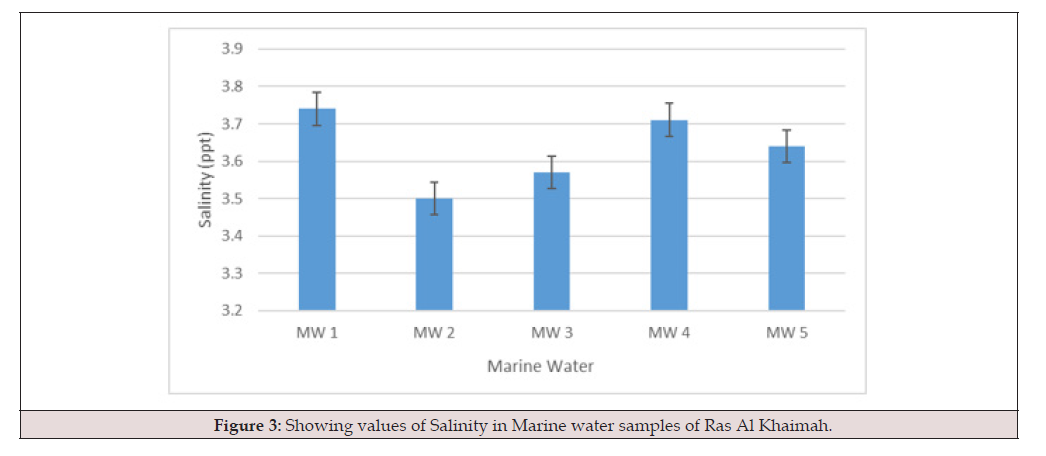
Figure 3:Showing values of Salinity in Marine water samples of Ras Al Khaimah.
Nitrate-N (Figure 4, Table 1) and phosphate-P concentrations in the present study were generally low, indicating limited nutrient enrichment and minimal eutrophication risk. This contrasts with some industrialized coastal areas of Saudi Arabia where anthropogenic inputs have been reported to increase pollutant loads [26]. The low turbidity values further support the absence of excessive suspended particulates or major terrestrial runoff during the sampling period (Figure 5).
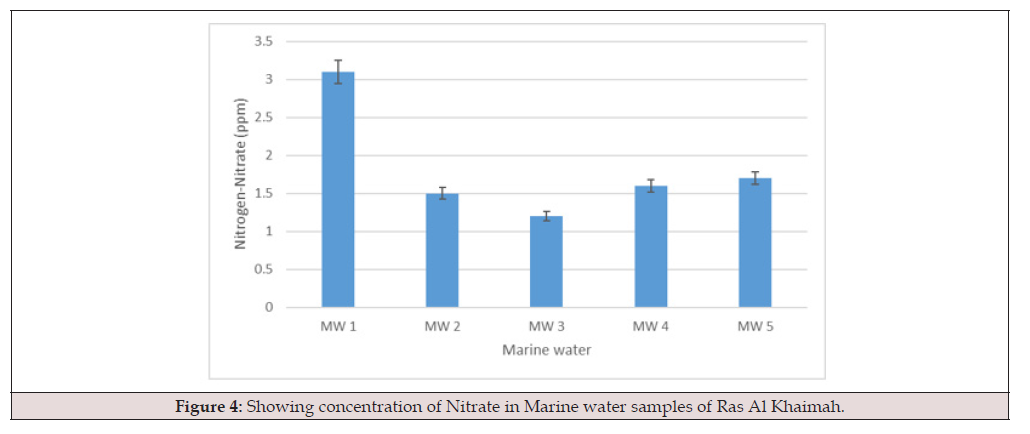
Figure 4:Showing concentration of Nitrate in Marine water samples of Ras Al Khaimah.
Heavy Metal Concentrations in Marine Water
In the present investigation, Arsenic (As), Copper (Cu), Iron (Fe), Lead (Pb), Manganese (Mn), Mercury (Hg), Nickel (Ni), and Zinc (Zn) (Table 1) were not detected in any of the sampled locations, indicating that their concentrations were below the detection limits of the ICP-OES analysis. Sodium level was analysed and detected (Figure 6, Table 1).
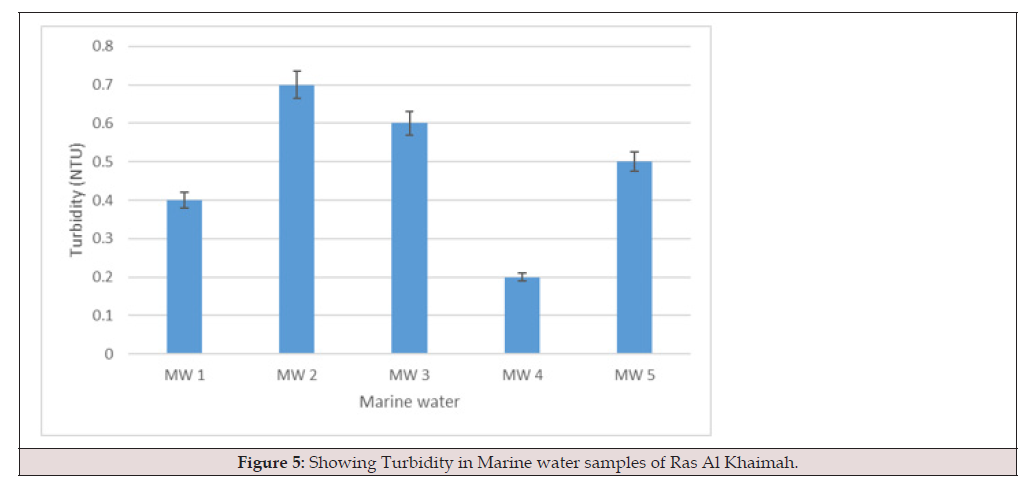
Figure 5:Showing Turbidity in Marine water samples of Ras Al Khaimah.
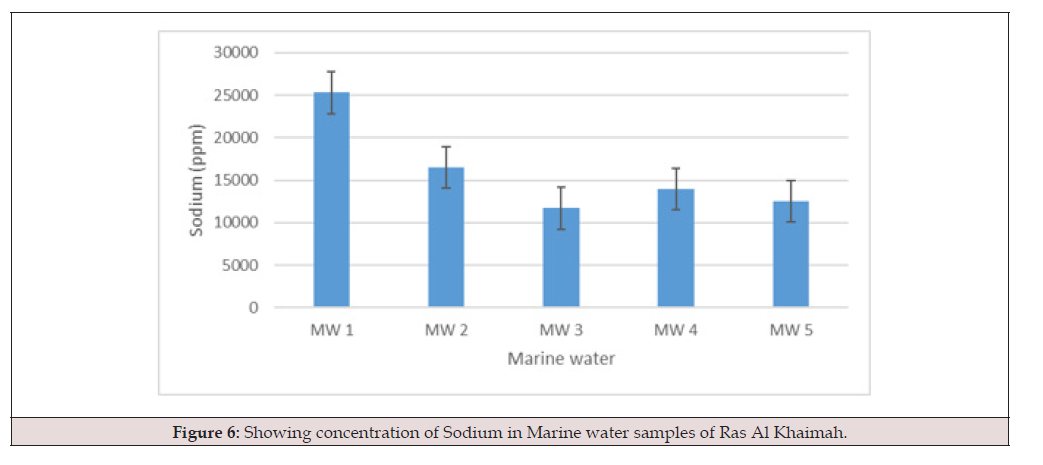
Figure 6:Showing concentration of Sodium in Marine water samples of Ras Al Khaimah.
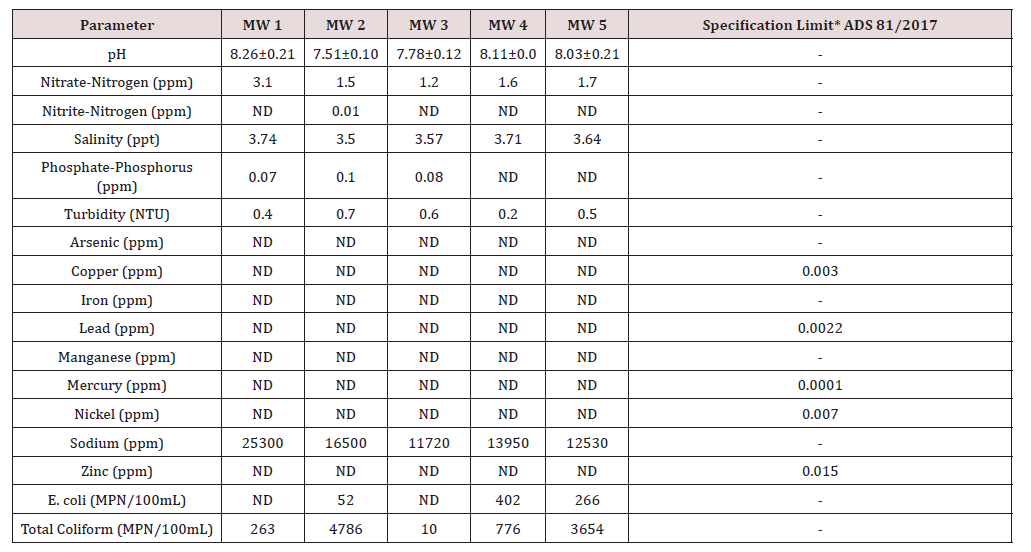
Table 1:Physicochemical and microbiological parameters of five marine water samples of Ras Al Khaimah, United Arab Emirates compared with ADS standard reference limit.
Note: *Specification Limit: ADS 81/2017-Ambient Marine Water and Sediments Specifications.
This finding differs significantly from the study conducted near Dammam, Saudi Arabia, where measurable concentrations of multiple metals were reported in seawater, with the order of abundance: Sr>Cu>Se>Zn>As>Mn >Fe>Ni>Mo>Hg>Co>Cr>Ag>Cd>Pb and Be [25]. Moreover, that study concluded that concentrations of As, Hg, Cd, Cr, Cu, Fe, and Sr were alarmingly high in the Dammam area [25]. In contrast to our study [2,26-31] stated that Zn (30.78 lg/L) and Cu 100.396 lg/L) were higher compared to Gulf of Suez, Iranian Oman Sea coast and, Gulf of Aqaba and Yellow River Estuary. In contrast, the absence of detectable heavy metals in Ras Al Khaimah coastal waters suggests comparatively lower anthropogenic pressure and better environmental quality. Similarly, sediment studies along the Al-Khobar coastline reported severe to very severe enrichment of Cu, V, Sr, Cr, Zn, Hg, Mo, and Se due to anthropogenic activities such as oil spills, desalination discharge, and industrial effluents [26]. The contrast between those findings and the present study highlights the relatively unpolluted status of Ras Al Khaimah marine waters. Another similar study reported by Al-Taani et al., he stated that Be and Se were relatively low in concentration in water and sediment samples. Mo concentration was found higher compared to in the Gulf of Aqaba. In another contrast study Lattemann and Hoepner, revealed that Mo is probably entered due to corrosion and discharged from desalination plants in Saudi Arabia. The difference in contamination levels may be attributed to varying degrees of industrialization, petrochemical activities, landfilling, and sewage discharge. Previous studies have emphasized that coastal regions subjected to intense urbanization and industrial activities exhibit higher metal enrichment factors [29], whereas the Ras Al Khaimah sites examined in this study appear less impacted.
Microbiological Quality
Microbiological assessment revealed low concentrations of E. coli and Total Coliforms in most sampling locations, although certain sites showed relatively higher counts. The absence of heavy metals coupled with limited microbial contamination suggests that fecal inputs, where present, are localized rather than widespread. Although the Dammam study [25] primarily focused on physicochemical and heavy metal parameters, it linked elevated metal concentrations to anthropogenic activities such as sewage discharge and industrial effluents. In the present study, the minimal microbial and metal contamination indicates that such pollution sources are either absent or effectively managed in the surveyed areas. Our microbiology results are like [32], which revealed that very low concentration of Total coliforms, Faecal coliforms were found and no Salmonella in microbiological monitoring of sea water.
Environmental Implications and Comparative Assessment
Comparative evaluation with studies from Al-Khobar and Dammam indicates that while certain Saudi Arabian Gulf coastal areas exhibit moderate to severe heavy metal enrichment [29], the Ras Al Khaimah coastal waters investigated in this study remain within safe environmental limits. The absence of detectable heavy metals contrasts sharply with reports of elevated As, Hg, Cd, Cu, and Sr in other Gulf regions [25]. These differences underscore the spatial variability of heavy metal pollution within the Arabian Gulf and emphasize the importance of localized monitoring. The relatively good environmental status observed in Ras Al Khaimah may reflect lower industrial intensity, better waste management practices, or favorable hydrodynamic conditions that enhance dilution and dispersion [33-35].
Overall Assessment
The results demonstrate that the coastal waters of Ras Al Khaimah are not currently affected by significant heavy metal contamination, unlike some industrialized sectors of the Arabian Gulf reported in previous studies. Nevertheless, given the Gulf’s vulnerability to pollutant accumulation due to high evaporation and limited water exchange, continuous routine monitoring is essential to prevent future deterioration. The findings provide valuable baseline data for Ras Al Khaimah and support the implementation of proactive environmental management strategies to maintain the ecological health and sustainability of the coastal marine ecosystem.
Conclusion
This study assessed the marine water quality of five coastal locations in Ras Al Khaimah through physicochemical, heavy metal, and microbiological analyses. The results showed slightly alkaline pH, normal salinity, low nutrient levels, and acceptable turbidity. Heavy metals (As, Cu, Fe, Pb, Mn, Hg, Ni, and Zn) were not detected in any samples, and microbiological indicators (E. coli and Total Coliforms) were present at very low concentrations. Overall, the findings indicate that the studied coastal waters are not significantly affected by pollution and remain in a satisfactory environmental condition. Continuous routine monitoring is recommended to ensure long-term protection and sustainable management of the marine ecosystem.
Ethics Approval and Consent to Participate
Not applicable.
Consent for Publication
Not applicable.
Availability of Data and Materials
The relevant data and materials are available in the present study.
Competing Interests
The authors declare that they have no competing interests. All procedures followed were in accordance with the ethical standards (institutional and national).
Funding
Not applicable.
Acknowledgements
Authors would like to thank all individuals who provided their efforts for this research especially Aaesha Ahmed Alzaabi and Nizamuddin for their assistance during research work.
Authors’ Contributions
VB performed all the experiments. VB analysed the data and wrote the manuscript.
References
- Qian Y, Zhang W, Yu L (2015) Metal pollution in coastal sediments. Curr Pollut Rep 1: 203-219.
- Alharbi T, El Sorogy A (2017) Assessment of metal contamination in coastal sediments of Al-Khobar area, Arabian Gulf, Saudi Arabia. J Afr Earth Sci 129: 458-468.
- El Sorogy A, Al Kahtany K, Youssef M, Al Kahtany F, Al Malky M (2018) Distribution and metal contamination in the coastal sediments of Dammam Al-Jubail area, Arabian Gulf, Saudi Arabia. Mar Pollu Bull 128: 8-16.
- Hussain B, Fatima M, Al Ghanim KA, Al Misned F, Mahboob S, (2020) Assessment of DNA integrity through MN bioassay of erythrocytes and histopathological changes in Wallago attu and Cirrhinus mrigala in response to freshwater pollution. Saudi J Biol Sci 27(1): 251-260.
- Freije AM (2015) Heavy metal, trace element and petroleum hydrocarbon pollution in the Arabian Gulf: Review. J Asso Arab Univ Basic Appl Sci 17: 90-100.
- Sharifuzzaman S, Rahman Md H, Ashekuzzaman SM, Islam M, Chowdhury S, Hossain MS, et al. (2016) Heavy Metals Accumulation in Coastal Sediments. Environmental Remediation Technologies for Metal-Contaminated Soils.
- El Zrelli R, Courjault Rade P, Rabaoui L, Castet S, Michel S, Bejaoui N, et al. (2015) Heavy metal contamination and ecological risk assessment in the surface sediments of the coastal area surrounding the industrial complex of Gabes city, Gulf of Gabes, SE Tunisia. Mar Poll Bull 101(2): 922-929.
- Sadiq M, Alam I, (1989) Metal concentrations in pearl oyster, Pinctada radiata, collected from Saudi Arabian coast of the Arabian Gulf. Bull Environ Contam Toxicol 42(1): 111-118.
- El Sorogy AS, Abdelwahab M, Nour H (2012) Heavy metals contamination of the Quaternary coral reefs, Red Sea coast. Egypt Environ Earth Sci 67(3): 777-785.
- Christophoridis C, Dedepsidis D, Fytianos K (2009) Occurrence and distribution of selected heavy metals in the surface sediments of Thermaikos Gulf. N. Greece. Assessment using pollution indicators. J Hazard Mater 168(2-3): 1082-1091.
- Carman CM, Li XD, Zhang G, Wai OWH, Li YS (2007) Trace metal distribution in sediments of the Pearl River Estuary and the surrounding coastal area, South China. Environ Pollut 147(2): 311-323.
- Adamo P, Arienzo M, Imperato M, Naimo D, Nardi G, Stanzione D, et al. (2005) Distribution and partition of heavy metals in surface and sub-surface sediments of Naples city port. Chemosphere 61(6): 800-809.
- Gonzales Macias C, Schifter I, Lluch Cota DB, Mendez Rodriguez L, Hernandez Vazquez S (2006) Distribution, enrichment and accumulation of heavy metals in coastal sediments of Salina Cruz Bay, Mexico. Environ Monit Assess 118(1-3): 211-230.
- Vallius H, Lehto O (1998) The distribution of some heavy metals and arsenic in recent sediments from the eastern Gulf of Finland. Appl Geochem 13: 369-377.
- Abrahim G, Parker R (2008) Assessment of heavy metal enrichment factors and the degree of contamination in marine sediments from Tamaki Estuary, Auckland, New Zealand. Environ Monit Assess 136(1-3): 227-238.
- Cevik F, Goksu MZL, Derici OB, Fındık O (2009) An assessment of metal pollution in surface sediments of Seyhan dam by using enrichment factor, geoaccumulation index and statistical analyses. Environ Monit Assess 152(1-4): 309-317.
- Fang TH, Li JY, Feng HM, Chen HY (2009) Distribution and contamination of trace metals in surface sediments of the East China Sea. Mar Environ Res 68: 178-187.
- Diaz de Alba M, Galindo Riano MD, Casanueva Marenco MJ, Garcia Vargas M, Kosore CM (2011) Assessment of the metal pollution, potential toxicity and speciation of sediment from Algeciras Bay (South of Spain) using chemometric tools. J Hazard Mater 190(1-3): 177-187.
- Hahladakis J, Smaragdaki E, Vasilaki G, Gidarakos E, (2013) Use of Sediment Quality Guidelines and pollution indicators for the assessment of heavy metal and PAH contamination in Greek surficial sea and lake sediments. Environ Monit Assess 185(3): 2843-2853.
- Omar MB, Mendiguchia C, Er Raioui H, Marhraoui M, Lafraoui GH, Ouladbdellah MK, Garcia Vargas M, Moreno C, et al. (2015) Distribution of heavy metals in marine sediments of Tetouan coast (North of Morocco): natural and anthropogenic sources. Environ Earth Sci 74(5): 4171-4185.
- Youssef M, El Sorogy AS, Al Kahtany KH, AlOtaibi N (2015) Environmental assessment of coastal surface sediments Tarut Island, Arabian Gulf (Saudi Arabia) Mar Poll Bull 96(1-2): 424-433.
- El Sorogy AS, Tawfik M, Almadani SA, Attiah A (2016) Assessment of toxic metals in coastal sediments of the Rosetta area, Mediterranean Sea. Egypt Environ earth Sci 75(5): 398.
- Almasoud FI, Usman AI, Al Farraj AS (2015) Heavy metals in the soils of the Arabian Gulf coast affected by industrial activities: analysis and assessment using enrichment factor and multivariate analysis. Arab J Geosci 8 (3): 1691-1703.
- Bhardwaj V (2023) Evaluation of Ground Water Quality of Ras Al Khaimah (United Arab Emirate) by Physico-Chemical Characterization. International Journal of Bio Life Sciences Europe 1(4): 220-226.
- Shahid M, Zubair A, Muhammad F, Promy V, N Al Mulhm, Almohannad AA, Baabbad (2022) Assessment of heavy metals pollution in seawater and sediments in the Arabian Gulf, near Dammam, Saudi Arabia. Journal of King Saud University-Science 34: 101677.
- Alharbi T, Alfaifi H, El Sorogy A (2017) Metal pollution in Al-Khobar seawater, Arabian Gulf, Saudi Arabia. Mar Pollut Bull 119(1): 407-415.
- Hamed AH, Emara AM, (2006). Marine molluscs as biomonitors for heavy metal levels in the Gulf of Suez, Red Sea. J Mar. Sys 60: 220-234.
- Bazzi AO (2014) Heavy metals in seawaters, sediments and marine organisms in the Gulf of Chbahar, Oman Sea. J Oceanogr Mar Sci 5(3): 20-29.
- Al Taani A, Batayneh A, Nazzal Y, Ghrefat H, Elawadi E, Zaman H (2014) Status of trace metals in surface seawater of the Gulf of Aqaba, Saudi Arabia. Mar Pollut Bull 86(1-2): 582-590.
- Tang A, Liu R, Ling M, Xu L, Wang J (2010) Distribution characteristics and controlling factors of soluble heavy metals in the Yellow River Estuary and adjacent sea. Proc Environ Sci 2: 1193-1198.
- Zhang L, Shi Z, Zhang J, Jiang Z, Wang F, Huang X, et al. (2016) Toxic heavy metals in sediments, seawater, and molluscs in the eastern and western coastal waters of Guangdong Province, South China. Environ Monitor Assess 188(5): 313.
- Piana A, N Sechi, MD Masia, A Azara, E Muresu, A Maida, et al. (2006) Monitoring on chemical and biological pollutants in sea waters of central-northern Sardinia. Journal Of Preventive Medicine and Hygiene 47(2): 49-55.
- Al Madfa H, Dahab OA, Holail H (1994) Mercury pollution in Doha (Qatar) coastal environment. Environ Toxicol Chem 13(5): 725-735.
- El Sorogy AS, Youssef M (2015) Assessment of heavy metal contamination in intertidal gastropod and bivalve shells from central Arabian Gulf coastline, Saudi Arabia. J Afr Earth Sci 111: 41-53.
- Lattemann S, Hoepner T (2008) Environmental impact and impact assessment of seawater desalination. Desalination 220(1-3): 1-15.




 We use cookies to ensure you get the best experience on our website.