
Research Article 
 Creative Commons, CC-BY
Intractable Nausea and Vomiting in Early Pregnancy: A Descriptive and Etiological Study
*Corresponding author:Marwen Nadia¹*, Hammadi Jawaher¹, Alouane Chourouk1, Ghzel Raja2, Kchini oumayma3 and Ridha Fatnassi¹
Received:February 08, 2026; Published:February 25, 2026
DOI: 10.34297/AJBSR.2026.30.003907
Abstract
Introduction: Nausea and vomiting during the first trimester are common pregnancy symptoms and the leading cause of hospitalization at this
stage. Their pathophysiology is multifactorial, and their medico-social impact is considerable. This study aimed to describe the clinical, biological,
and etiological characteristics of patients hospitalized for intractable first-trimester vomiting.
Methods: A prospective descriptive study was conducted in the maternity unit of Kairouan University Hospital over a four-month period (January–
April 2025). Forty-two pregnant women hospitalized for severe vomiting before 15 weeks of gestation were included. Sociodemographic,
clinical, biological, therapeutic, and outcome data were analyzed.
Results: The mean age was 30 years, and 39.3% of patients were primigravidas. The mean gestational age at admission was 10.2 weeks. Dehydration
was present in 50% of cases, impaired general condition in 28.6%, and ketonuria in 85.7%. The most frequent biological abnormalities were
hyponatremia (76.4%), hypokalemia (50%), hepatic cytolysis (14.3%), and transient hyperthyroidism (24.9%). Hyperemesis gravidarum was the
main etiology (46.4%).
Conclusion: Intractable first-trimester vomiting is a frequent and potentially severe condition. Hyperemesis gravidarum and transient hyperthyroidism
are the main etiologies. Standardized management and systematic etiological investigation are essential to reduce maternal morbidity.
Keywords: Pregnancy-related vomiting, Hyperemesis gravidarum, Pregnancy, First trimester, Hyperthyroidism
Introduction
Nausea and vomiting in early Pregnancy (NVP) affect 50–80% of pregnant women and represent the leading cause of hospitalization in the first trimester [1]. They typically appear early, around the 5th week of amenorrhea, peak between 9 and 10 weeks of gestation, and improve after 15–18 weeks [2]. In most cases, NVP remain mild; however, 0.3–3% of pregnancies progress to Hyperemesis Gravidarum (HG), characterized by intractable vomiting, weight loss, dehydration, and electrolyte disturbances [2]. HG is associated with significant maternal morbidity, including metabolic disorders and hepatic, renal, and neurological complications. It also constitutes a public health concern due to its medicoeconomic impact, particularly prolonged hospitalization and work absenteeism [3]. The pathophysiology of NVP is multifactorial. Several hypotheses have been proposed, including elevated levels of hCG and estrogens, transient hyperthyroidism related to the thyrotropic effect of hCG, as well as genetic, gastrointestinal, immunological, and psychological factors [4]. Recent studies also suggest an association between HG and intestinal dysbiosis, as well as genetic susceptibility involving GDF15 and IGFBP7 variants [5].
The psychosocial impact of NVP is well documented: a metaanalysis demonstrated an increased risk of anxiety and depressive disorders in affected women [6]. Furthermore, severe cases have been linked to obstetric complications, particularly an increased risk of intrauterine growth restriction and placental dysfunction [7]. In Tunisia, limited data are available on the epidemiological profile and etiologies of intractable first-trimester vomiting. The objective of this study was therefore to describe the clinical, biological, and outcome characteristics of patients hospitalized for intractable first-trimester vomiting, and to identify their main etiologies.
Methods
This was a prospective descriptive study conducted in the maternity department of Kairouan university Hospital between January and April 2025, including 42 pregnant women hospitalized for first-trimester vomiting (<15 weeks of gestation). Inclusion criteria were an ongoing intrauterine pregnancy with severe vomiting requiring hospitalization (general condition impairment, electrolyte imbalance, ketonuria ≥2+, or drug-resistant vomiting), while pregnancies >15 weeks and patients refusing hospitalization were excluded. Clinical, biological, and paraclinical data were collected from medical records and emergency registers. Severity was assessed using the PUQE score and biological abnormalities (hyponatremia, hypokalemia, renal impairment). Treatment efficacy was judged by cessation of vomiting, negativization of ketonuria, resumption of oral intake, and normalization of laboratory results. Bibliographic research was performed using PubMed, Google Scholar, Science Direct, and university libraries. The study respected ethical principles and informed consent, and no conflict of interest was declared.
Results
The mean age of patients was 30.1 years (range: 19–40). The most represented age group was 25–31 years (66%), followed by 19–24 years (20%) and 32–40 years (14%) (Figure 1).
Primigravidas accounted for 39.3% of cases, and pregnancy was spontaneous in 98.6%. The mean gestational age at admission was 10.2 weeks (Figure 2).
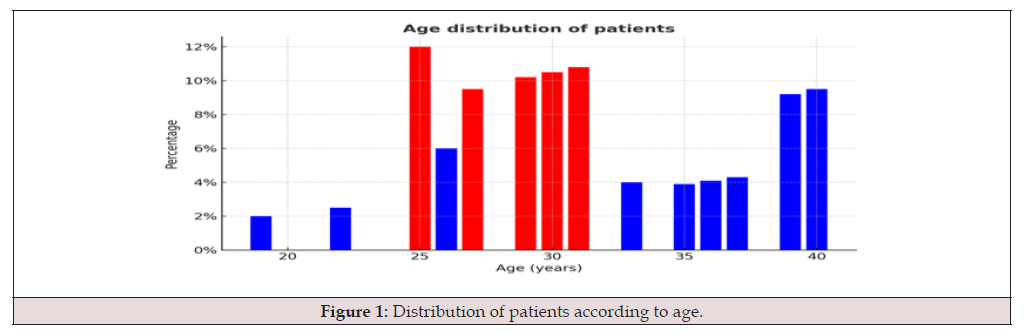
Figure 1:Distribution of patients according to age.
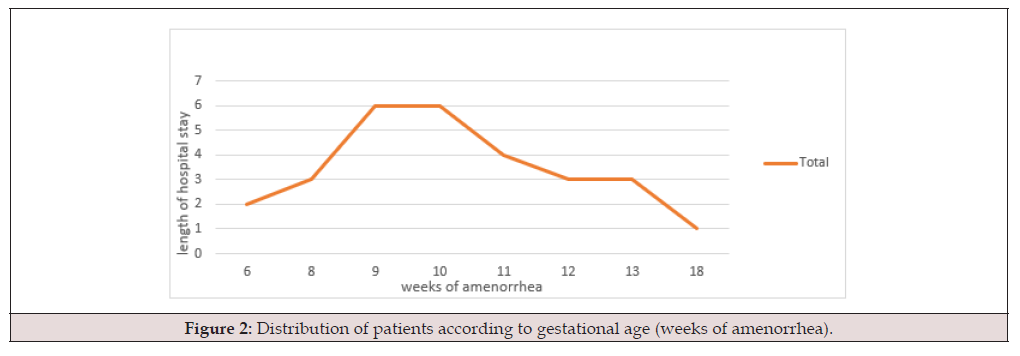
Figure 2:Distribution of patients according to gestational age (weeks of amenorrhea).
Clinically, 28.6% of patients presented with impaired general condition, and 50% showed signs of dehydration. Ketonuria ≥ 2+ was found in 85.7% of cases. Severity assessed by the PUQE score showed that nearly half of the cases (48.5%) had a severe form (Figure 3).
hyponatremia (76.4%), hypokalemia (50%), and hypochloremia (35%). Hepatic cytolysis was noted in 14.3% of cases, while pathological pancreatic findings were observed in 7.1%, including one confirmed case of acute pancreatitis. Mild functional renal impairment was present in 10% of cases. Thyroid function tests revealed transient hyperthyroidism in 24.9%, including 7.1% with transient gestational thyrotoxicosis. In addition, 7.1% of patients presented with documented urinary tract infection. Management was based on intravenous rehydration, antiemetics (metoclopramide, ondansetron), vitamin and potassium supplementation. The mean hospital stay was 5 days (range: 2–15). Recurrence of vomiting requiring rehospitalization occurred in 28.5% of cases, all during the first trimester, mainly around 11 weeks of gestation. Regarding etiologies, hyperemesis gravidarum was the most frequent cause (46.4%), followed by transient hyperthyroidism (24.9%). One case of acute pancreatitis and one case of acute pyelonephritis were recorded. In 35.7% of cases, no specific etiology could be identified (Figure 4).
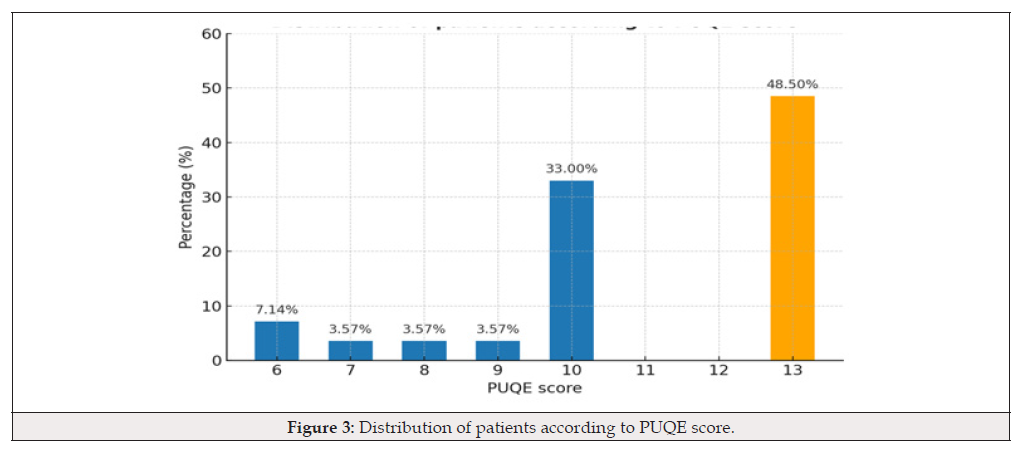
Figure 3:Distribution of patients according to PUQE score.
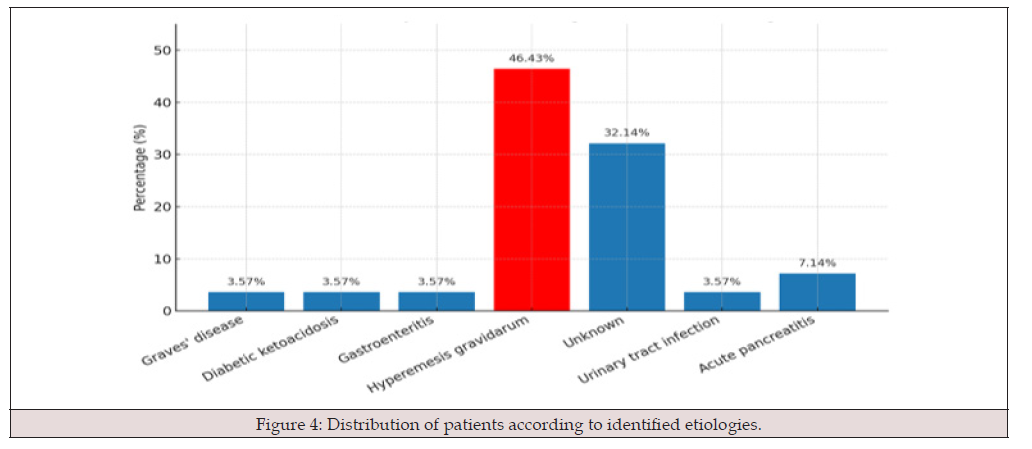
Figure 4:Distribution of patients according to identified etiologies.
Discussion
Our study, conducted on 42 women hospitalized for firsttrimester Hyperemesis Gravidarum (HG), allowed us to establish a precise epidemiological and clinical profile of these patients. The mean maternal age was 30 years, with 39.8% being primigravidas, which aligns with the observations of Bustos et al., who reported a mean age of 29.8 years [2]. The majority of patients presented signs of dehydration (46.4%) and significant ketonuria (85.7%), highlighting the severity of their clinical condition at admission (Table 1). These findings are similar to those reported by Doğru et, al., [8], who showed that ketonuria reflects the initial severity of vomiting but is not an absolute predictor of hospitalization duration.

Table 1:Clinical Characteristics of Patients with First-Trimester Hyperemesis Gravidarum: Comparative Series.
Biologically, hypokalemia was observed in 50% of cases, higher than the 21% reported by Naik [9], which could be explained by the initial severity of the patients and prior outpatient treatments. Hepatic cytolysis was found in 21.4% of cases, compared to 50% in the study by Ahmed [10], suggesting that these abnormalities are not necessarily markers of severity but justify close monitoring. Mild functional renal insufficiency, observed in 7.14% of cases, is consistent with data from Vijayan [11], who emphasize dehydration as the primary cause of renal impairment in the first trimester (Table 2).

Table 2:Biological Abnormalities in Patients with First-Trimester Hyperemesis Gravidarum: Comparative Data.
The etiological investigation revealed that hyperemesis gravidarum was the most frequent cause (24.86%), followed by transient hyperthyroidism (16.4%), confirming the findings of Farshbaf-Khalili [12] regarding the effect of hCG on TSH in the first trimester. Additional examinations, including abdominal ultrasound and endoscopy, identified specific causes such as biliary sludge, gastric cardia incompetence, or gastritis; however, in 35.7% of cases, no etiology was identified, consistent with the results of Nurmi [13]. Regarding management, the protocol used was based on intravenous fluid replacement and administration of metoclopramide, in accordance with the CNGOF guidelines 3. Ondansetron and chlorpromazine were used as second-line treatments, following the meta-analyses by Boelig [14] and Albazee [15]. The mean hospital stays (5 days) and ketonuria resolution (2.6 days) are comparable to international data [4]. Recurrences were observed in 28.57% of cases, which is lower than the rates reported by Morris [16] and Nurmi [13], highlighting the importance of early and appropriate management (Table 3).

Table 3:Comparison of Clinical Outcomes in Patients with First-Trimester Hyperemesis Gravidarum.
The obstetric and neonatal consequences of hyperemesis gravidarum are now better established. A 2023 meta-analysis including over 20 million pregnancies demonstrated a significant increase in the risks of preterm birth before 34 weeks’ gestation (OR 2.81), low birth weight (OR 1.43), and neonatal intensive care admission (OR 1.20) [17]. Although our study did not assess these outcomes, these findings underscore the need for enhanced obstetric follow-up in affected patients to detect early fetal compromise. It is important to note that recent insights into the pathology, including the role of GDF15 in hyperemesis gravidarum, maternal, paternal, and fetal genetic influences, as well as the potential preventive effect of metformin, were not explored in our study [18]. This limitation is due to the lack of technical and financial resources necessary for indepth molecular, genetic, or pharmacological analyses. Therefore, our study is limited to classical clinical and biological parameters but still provides relevant data for the management and monitoring of women hospitalized for first-trimester vomiting. Finally, based on our findings and recent literature, it is recommended to implement a standardized management approach for HG, including a detailed clinical interview, careful monitoring, thiamine supplementation to prevent Wernicke’s encephalopathy, systematic thyroid and urinary assessments, endoscopy in severe or recurrent cases, and a multidisciplinary approach for complicated cases to optimize maternal and fetal outcomes.
Conclusion
Intractable first-trimester vomiting is a frequent and potentially serious condition that can significantly affect maternal health. Hyperemesis gravidarum and transient hyperthyroidism are the leading identifiable causes, while a substantial proportion of cases remain idiopathic. Early recognition, standardized management— including intravenous rehydration, antiemetics, electrolyte supplementation, and close biological monitoring—and systematic etiological investigation are essential to reduce maternal morbidity and prevent potential obstetric complications. Our study highlights the need for comprehensive care protocols and underscores the importance of further research into the genetic, hormonal, and molecular mechanisms underlying severe first-trimester vomiting to improve both maternal and fetal outcomes.
Acknowledgement
None.
Declaration of Competing Interest
The authors have no conflicts of interest relevant to this article.
References
- Masson E (2025) EM-Consulte. Formalized consensus of experts from the French National College of Gynecologists and Obstetricians: management of nausea and vomiting in pregnancy and hyperemesis gravidarum. Available from: https://www.em-consulte.com/article/1547144/consensus-formalise-d-experts-du-college-national.
- (2025) American College of Obstetricians and Gynecologists. Practice Bulletin No. 189: Nausea and Vomiting of Pregnancy.
- Masson E (2025) EM-Consulte. Retrospective study of pregnant women hospitalized for hyperemesis gravidarum revealing transient hyperthyroidism: comparison of subclinical forms versus thyrotoxicosis. Available from: https://www.em-consulte.com/article/1142589/etude-retrospective-de-femmes-enceintes-hospitalis
- Thakur M, Gautam J, Dangal G (2019) Severity of Hyperemesis Gravidarum and Associated Maternal factors. J Nepal Health Res Counc 17(3): 293-296.
- Bustos M, Venkataramanan R, Caritis S (2017) Nausea and vomiting of pregnancy - What’s new? Auton Neurosci Basic Clin 202: 62-72.
- Koudijs HM, Savitri AI, Browne JL, Amelia D, Baharuddin M, et al. (2016) Hyperemesis gravidarum and placental dysfunction disorders, BMC Pregnancy Childbirth 16(1): 374.
- Yıldırım E and Demir E (2019) The relationship of hyperemesis gravidarum with sleep disorders, anxiety and depression. J Obstet Gynaecol 39(6): 793-798.
- (2025) Europe PMC. Abstract Available from: https://europepmc.org/article/med/37344182.
- Naik S, Talwar D, Acharya S, Kumar S, Shrivastava D (2021) Hyperemesis Gravidarum Presenting as Severe Hypokalemic Periodic Paralysis and Type II Respiratory Failure: A Different Form of Thyroid Storm? Cureus 13(11): e19566.
- Ahmed KT, Almashhrawi AA, Rahman RN, Hammoud GM, Ibdah JA (2013) Liver diseases in pregnancy: Diseases unique to pregnancy. World J Gastroenterol 19(43): 7639–7646.
- Vijayan M, Avendano M, Chinchilla KA, Jim B (2019) Acute kidney injury in pregnancy. Curr Opin Crit Care 25(6): 580.
- Farshbaf-Khalili A, Salehi-Pourmehr H, Najafipour F, Alamdari NM, Pourzeinali S, et al. (2023) Is hyperemesis gravidarum associated with transient hyperthyroidism? A systematic review and meta-analysis. Taiwan J Obstet Gynecol 62(2): 205-225.
- Nurmi M, Rautava P, Gissler M, Vahlberg T, Polo-Kantola P (2020) Incidence and risk factors of hyperemesis gravidarum: A national register-based study in Finland, 2005-2017. Acta Obstet Gynecol Scand 99(8): 1003-1013.
- Boelig RC, Barton SJ, Saccone G, Kelly AJ, Edwards SJ, et al. (2018) Interventions for treating hyperemesis gravidarum: a Cochrane systematic review and meta-analysis. J Matern-Fetal Neonatal Med 31(18): 2492-2505.
- Albazee E, Almahmoud L, Al-Rshoud F, Sallam D, Albzea W, et al. (2022) Ondansetron versus metoclopramide for managing hyperemesis gravidarum: A systematic review and meta-analysis of randomized controlled trials. Turk J Obstet Gynecol 19(2): 162–169.
- Morris ZH, Azab AN, Harlev S, Plakht Y (2018) Developing and validating a prognostic index predicting re-hospitalization of patients with Hyperemesis Gravidarum. Eur J Obstet Gynecol Reprod Biol 225: 113-117.
- Larissa A W Jansen, Kelly Nijsten, Jacqueline Limpens, Rik van Eekelen, Marjette H Koot, et al. (2023) Europe PMC. Perinatal outcomes of infants born to mothers with hyperemesis gravidarum: A systematic review and meta-analysis.
- Fejzo MS, Sazonova OV, Sathirapongsasuti JF, Hallgrímsdóttir IB, Vacic V, et al. (2018) Placenta and appetite genes GDF15 and IGFBP7 are associated with hyperemesis gravidarum. Nat Commun9(1): 1178.




 We use cookies to ensure you get the best experience on our website.