
Review Article 
 Creative Commons, CC-BY
Multimodal Prehabilitation Integrating Nutrition, Exercise, and Psychological Support: Systematic Review of Implementation Strategies and Postoperative Outcomes Across Surgical Specialties
*Corresponding author:Loso Judijanto, IPOSS Jakarta, Indonesia.
Received:March 09, 2026; Published:March 18, 2026
DOI: 10.34297/AJBSR.2026.30.003945
Abstract
Increasing surgical complexity and the growing prevalence of comorbid conditions have intensified vulnerability to postoperative complications and delayed functional recovery. Although multimodal prehabilitation, combining nutritional optimization, structured exercise, and psychological support, has been proposed as a strategy to enhance perioperative resilience, variability in program composition and delivery models has limited its consistent integration into routine surgical pathways. This study was conducted to systematically synthesize contemporary evidence regarding implementation strategies and postoperative outcomes associated with multimodal prehabilitation across surgical specialties. A systematic literature review design was applied in accordance with PRISMA principles. Scientific articles were retrieved from the Scopus database using predefined keyword combinations. Sequential screening based on relevance, publication year (2020-2026), English language, and open-access eligibility yielded 35 studies for qualitative synthesis. Data extraction captured study characteristics, program components, delivery models, adherence patterns, and clinical endpoints. A thematic narrative synthesis approach was employed to integrate findings across heterogeneous methodologies. The synthesis generated several principal thematic domains, including distribution of surgical specialties and study characteristics; structural composition of multimodal programs; implementation strategies and delivery models; adherence, feasibility, and program fidelity; postoperative complication patterns; length of hospital stays and readmission trends; functional recovery indicators; psychological and patient-reported outcomes; and cross-specialty comparative effectiveness patterns. In conclusion, multimodal prehabilitation is feasible and consistently associated with improved postoperative recovery across diverse surgical populations. Future research should prioritize standardized intervention frameworks, long-term outcome evaluation, and economic analyses to strengthen clinical integration.
Keywords: Multimodal Prehabilitation, Perioperative Optimization, Postoperative Outcomes, Functional Recovery, Implementation Strategies
Introduction
Major surgical procedures remain a central component of modern healthcare systems, with millions of individuals undergoing elective and urgent operations annually across oncologic, cardiovascular, orthopaedic, abdominal, and thoracic specialties [1]. Although advances in anaesthesia, minimally invasive techniques, and perioperative monitoring have substantially reduced intraoperative mortality, postoperative morbidity continues to represent a significant clinical and economic burden worldwide. Complication rates following major surgery frequently range between 20% and 40%, particularly among older adults and patients with multiple comorbidities, contributing to prolonged hospitalization, readmission, functional decline, and increased healthcare expenditure [2]. These adverse outcomes are often not solely attributable to surgical technique itself, but rather to limited physiological reserve, impaired nutritional status, sarcopenia, frailty, and heightened psychological stress prior to surgery.
The concept of perioperative optimization has therefore shifted from a reactive model focused on managing complications after surgery to a proactive strategy aimed at strengthening patients before surgical insult occurs. Within this paradigm, prehabilitation has emerged as a structured intervention delivered in the preoperative window to enhance physiological capacity, improve metabolic resilience, and mitigate the inflammatory and catabolic responses associated with major surgery [3]. Unlike conventional preoperative assessment, which primarily stratifies risk, prehabilitation seeks to actively reduce risk through targeted interventions that address modifiable vulnerabilities.
Early models of prehabilitation frequently concentrated on single-modality interventions, particularly exercise-based conditioning programs designed to improve aerobic capacity and muscular strength. While these interventions demonstrated measurable improvements in functional metrics such as peak oxygen uptake and six-minute walk distance, their impact on broader postoperative outcomes has been heterogeneous across surgical populations. Parallel lines of research have highlighted the independent importance of perioperative nutritional optimization, especially in patients with malignancy or chronic disease, where protein-energy malnutrition and systemic inflammation contribute to impaired wound healing and infectious complications. Similarly, psychological distress, including anxiety, depressive symptoms, and reduced coping capacity, has been associated with poorer postoperative recovery trajectories, increased pain perception, and delayed functional restoration [4].
These converging lines of evidence have given rise to the multimodal prehabilitation framework, which integrates nutritional support, structured exercise training, and psychological preparation into a coordinated preoperative program. The theoretical basis of this integrated model rests on the recognition that surgical stress triggers complex neuroendocrine, inflammatory, and metabolic responses that cannot be effectively addressed by a single intervention domain. Exercise enhances cardiopulmonary reserve and mitochondrial efficiency; nutritional optimization supports anabolic balance and immune competence; psychological interventions modulate stress response pathways and behavioural adherence [5]. When delivered synergistically, these components are hypothesized to produce cumulative benefits exceeding those observed in isolated approaches.
Despite increasing clinical adoption, the implementation of multimodal prehabilitation varies considerably across institutions and surgical specialties. Differences are observed in program duration, intensity, supervision models, eligibility criteria, timing relative to surgery, and integration within existing perioperative pathways. Some programs are hospital-based and supervised by multidisciplinary teams, while others rely on home-based or hybrid telehealth delivery models. Furthermore, outcome measures differ widely, ranging from postoperative complication rates and length of hospital stay to functional performance indices and patientreported quality-of-life metrics [6]. This heterogeneity complicates direct comparison across studies and limits the ability to derive unified implementation recommendations.
Another important consideration is the variation in baseline risk profiles among surgical populations. Patients undergoing colorectal or hepatopancreatobiliary surgery for malignancy often present with malnutrition and systemic inflammation, whereas orthopaedic patients may primarily exhibit reduced mobility and muscle weakness. Cardiothoracic populations may demonstrate compromised pulmonary function and reduced cardiopulmonary reserve. These specialty-specific vulnerabilities suggest that multimodal prehabilitation may require contextual adaptation rather than uniform application across disciplines [7]. However, the extent to which implementation strategies differ across specialties and whether these differences influence postoperative outcomes remains insufficiently synthesized in the current literature.
Existing systematic reviews have predominantly focused on single surgical domains or isolated intervention components, such as exercise-only or nutrition-only protocols [8]. While these reviews provide valuable insights into domain-specific efficacy, they do not comprehensively evaluate the integrated multimodal model across diverse surgical contexts. Moreover, limited attention has been directed toward implementation structures, including supervision intensity, multidisciplinary coordination, adherence mechanisms, and accessibility considerations [9]. As healthcare systems increasingly seek scalable and cost-effective perioperative optimization strategies, understanding how multimodal programs are operationalized and how such operationalization relates to clinical outcomes becomes critically important.
In addition, the recent expansion of telemedicine and remote monitoring technologies has introduced new dimensions to prehabilitation delivery [10]. Hybrid models combining in-person assessment with digital exercise supervision and remote nutritional counselling have gained traction, particularly following global healthcare disruptions in the early 2020s. However, empirical synthesis comparing traditional supervised programs with hybrid or community-based models remains limited. Without systematic integration of available evidence, it is difficult to determine which implementation configurations are most consistently associated with reductions in postoperative complications, shorter hospital stays, and improved recovery trajectories.
Given these gaps, a comprehensive and methodologically rigorous synthesis of multimodal prehabilitation programs across surgical specialties is warranted. Such a synthesis must extend beyond efficacy assessment to examine structural composition, implementation strategy, adherence patterns, and outcome variability within and across clinical domains. By consolidating evidence from peer-reviewed studies indexed in a high-quality database, a systematic review approach provides an appropriate framework for evaluating patterns, identifying consistencies, and clarifying divergences in current practice. Importantly, this study is designed strictly as a Systematic Literature Review, relying exclusively on previously published empirical research and not involving interviews, surveys, field observations, or focus group discussions. The objective is to synthesize documented evidence rather than generate primary data, thereby ensuring analytical neutrality and methodological transparency.
The present study, therefore, aims to systematically identify, evaluate, and synthesize peer-reviewed research examining multimodal prehabilitation integrating nutritional optimization, structured exercise, and psychological support in adult surgical patients, with particular emphasis on implementation strategies and postoperative outcomes across surgical specialties. Through structured analysis, this review seeks to determine how variations in program composition and delivery influence clinical endpoints, including complication rates, length of hospital stay, functional recovery, and patient-reported outcomes.
Accordingly, the central research question guiding this review is:
RQ: How do implementation strategies of multimodal prehabilitation programs integrating nutrition, exercise, and psychological support influence postoperative outcomes across different surgical specialties?
This question frames the analytical direction of the review and will be addressed through thematic synthesis of included studies, with implications discussed in relation to clinical integration, cross-specialty adaptability, and evidence-informed perioperative practice.
Literature Review
A rigorous understanding of multimodal prehabilitation requires a structured examination of its theoretical underpinnings, core components, and implementation patterns across surgical disciplines. This literature review synthesizes contemporary peer-reviewed evidence to delineate the conceptual evolution of prehabilitation, the transition from unimodal to integrated multimodal strategies, and the empirical relationship between preoperative optimization and postoperative outcomes. By critically analysing nutritional, exercise-based, and psychological interventions within a unified perioperative framework, this section establishes the scientific rationale supporting multimodal prehabilitation as a multidimensional resilience-enhancement strategy rather than a singular therapeutic modality.
Conceptual Foundation of Prehabilitation in Surgical Care
The evolution of perioperative medicine has shifted from a reactive framework focused on managing complications to a proactive paradigm aimed at enhancing physiological resilience before surgical insult [11]. Within this transformation, prehabilitation has emerged as a structured preoperative strategy designed to optimize functional capacity before surgery rather than solely rehabilitating patients afterward. The conceptual foundation of prehabilitation rests on the understanding that surgical trauma induces a cascade of neuroendocrine, inflammatory, and metabolic responses that challenge homeostatic reserve, particularly in older adults and patients with comorbid conditions [12]. When baseline physiological capacity is limited, the probability of postoperative morbidity increases substantially, independent of technical surgical factors.
Early theoretical models emphasized the “stress-response threshold,” positing that postoperative outcomes depend on the interaction between the magnitude of surgical stress and preoperative functional reserve [13]. Under this framework, improving cardiorespiratory fitness, nutritional adequacy, and psychological preparedness before surgery could shift patients above the threshold required to tolerate operative stress. This conceptual model has informed the development of structured prehabilitation programs across multiple specialties.
Transition from Unimodal to Multimodal Prehabilitation
Initial clinical investigations primarily examined singlemodality interventions, particularly exercise-based conditioning programs to improve aerobic capacity and muscle strength. While these interventions demonstrated measurable improvements in objective performance metrics, such as peak oxygen uptake and walking distance, findings regarding reductions in postoperative complications were inconsistent across heterogeneous surgical populations [14]. Similarly, independent nutritional optimization strategies have been shown to reduce infectious complications in malnourished patients; however, benefits were less pronounced when implemented in isolation among patients without overt nutritional risk.
The recognition that surgical vulnerability is multidimensional, encompassing metabolic, functional, and psychological domains, has driven a shift toward multimodal prehabilitation models that integrate exercise training, targeted nutritional support, and structured psychological interventions [15]. This integrated approach is predicated on the hypothesis that combined interventions exert synergistic effects on inflammatory modulation, immune competence, muscle protein synthesis, and stress regulation. Evidence increasingly suggests that multimodal frameworks may yield more consistent improvements in postoperative recovery than unimodal strategies, particularly in high-risk populations.
Nutritional Optimization as a Core Component
Malnutrition and sarcopenia are well-established predictors of adverse surgical outcomes, including wound complications, delayed recovery, and increased mortality. Nutritional prehabilitation strategies commonly involve individualized protein supplementation, caloric optimization, and, in oncology settings, immune nutrition formulations enriched with arginine and omega-3 fatty acids [16]. The rationale underlying perioperative nutritional support centres on mitigating catabolic responses, preserving lean body mass, and enhancing immune function during the perioperative period.
Systematic evidence indicates that preoperative nutritional screening tools, such as validated risk assessment instruments, can identify patients who may derive the greatest benefit from targeted supplementation [17]. Studies have reported reductions in postoperative infectious complications and shortened hospital stays among nutritionally optimized patients undergoing major abdominal and oncologic surgery. However, heterogeneity persists in dosage, duration, and timing of nutritional interventions, underscoring the need to synthesize implementation strategies within multimodal programs.
Exercise-Based Conditioning and Functional Reserve
Exercise training remains the most extensively studied prehabilitation modality. Aerobic conditioning improves cardiopulmonary efficiency, mitochondrial function, and endothelial responsiveness, while resistance training enhances muscle strength and anabolic signalling. Improvements in peak oxygen uptake have been associated with reduced postoperative pulmonary complications and faster return to baseline function [18]. Inspiratory muscle training, in particular, has shown benefit in thoracic and upper abdominal procedures by reducing postoperative respiratory morbidity.
Despite these documented physiological gains, the translation of improved preoperative fitness into consistent reductions in overall complication rates has not been uniform across surgical specialties [19]. Variability in program intensity, supervision, and patient adherence may partially explain this inconsistency. Consequently, integration of exercise within a broader multimodal framework is increasingly viewed as necessary to address multifactorial surgical vulnerability.
Psychological Preparedness and Stress Modulation
Psychological distress before surgery has been independently associated with heightened pain perception, prolonged recovery, and diminished quality of life after surgery. Anxiety activates sympathetic pathways and inflammatory mediators that may exacerbate perioperative stress responses [20]. Psychological prehabilitation strategies typically include structured counselling, cognitive-behavioural techniques, relaxation training, and breathing exercises to improve coping capacity and emotional resilience.
Empirical evidence demonstrates reductions in preoperative anxiety scores and improvements in patient reported outcomes when psychological support is integrated into perioperative care pathways [21]. Moreover, improved mental preparedness may enhance adherence to exercise and nutritional components, thereby indirectly strengthening overall program effectiveness. However, psychological interventions are less consistently implemented than physical and nutritional components, leading to variability in multimodal program composition across institutions.
Implementation Heterogeneity Across Surgical Specialties
Implementation strategies for multimodal prehabilitation differ substantially depending on institutional infrastructure, patient demographics, and surgical context. Some programs are embedded within structured preoperative assessment clinics and delivered through multidisciplinary teams, while others adopt home-based or hybrid telehealth-supported models. Supervised programs often report higher adherence rates but require greater resource allocation and coordination [22]. In contrast, remote or community-based models enhance accessibility yet may encounter challenges related to monitoring intensity and compliance.
Surgical specialty also influences program structure. Oncologyrelated procedures frequently prioritize nutritional optimization due to the high prevalence of cachexia and systemic inflammation. Orthopaedic populations often emphasize strength and mobility enhancement to facilitate postoperative ambulation. Cardiothoracic surgery programs may incorporate targeted respiratory muscle training to address pulmonary risk factors [23]. These contextual adaptations underscore the importance of evaluating multimodal prehabilitation not as a uniform intervention but as a flexible framework responsive to specialty-specific risk profiles.
Postoperative Outcomes and Evidence Patterns
Accumulating evidence indicates that multimodal prehabilitation may reduce overall postoperative complication rates, particularly among high-risk or frail populations. Reductions in pulmonary complications, surgical site infections, and overall morbidity have been reported across abdominal, thoracic, and orthopaedic procedures. Shorter hospital stay has also emerged as a frequently observed outcome, reflecting improved early recovery trajectories [24].
Functional recovery metrics, including walking distance, muscle strength, and patient-reported physical functioning, demonstrate consistent improvement in multimodal intervention groups compared with standard preoperative care. These improvements may attenuate postoperative functional decline and accelerate return to baseline independence [25]. Nonetheless, the magnitude of effect varies across studies, likely reflecting differences in program duration, baseline patient risk, and adherence levels.
Relationship to Enhanced Recovery Pathways
Multimodal prehabilitation is conceptually aligned with Enhanced Recovery After Surgery (ERAS) protocols, which aim to standardize perioperative care and minimize surgical stress. While ERAS primarily addresses intraoperative and postoperative management, prehabilitation extends optimization efforts into the preoperative period. Integration of prehabilitation within ERAS pathways has been proposed as a strategy to create a continuous perioperative optimization model spanning pre-, intra-, and postoperative phases [26].
However, not all ERAS programs incorporate structured prehabilitation components, and evidence regarding synergistic benefits remains heterogeneous [27]. A systematic synthesis of multimodal prehabilitation within and outside ERAS contexts is therefore essential to clarify additive or complementary effects.
Methodological Gaps in Existing Literature
Although numerous studies have examined individual components of prehabilitation, comprehensive evaluations of integrated multimodal strategies across multiple surgical specialties remain limited. Existing systematic reviews often focus on a single specialty or isolated modality, thereby limiting crossdisciplinary comparability. Moreover, implementation variables such as supervision intensity, program duration, referral timing, and multidisciplinary coordination are inconsistently analysed as determinants of outcome variability.
Another methodological limitation lies in the heterogeneity of outcome measures, including differing definitions of complications, varied follow-up durations, and inconsistent reporting of adherence rates. Such variability complicates quantitative pooling and necessitates structured narrative synthesis approaches to identify recurring patterns and divergences. Additionally, relatively few studies explicitly examine psychological and behavioural outcomes alongside physiological endpoints, leaving potential integrative effects underexplored.
Given these gaps, a systematic literature review focusing on multimodal prehabilitation that integrates nutrition, exercise, and psychological support across surgical specialties is warranted. By synthesizing peer-reviewed evidence indexed in a highquality database and examining both implementation strategies and postoperative outcomes, this review seeks to provide a comprehensive and methodologically coherent understanding of how multimodal prehabilitation is operationalized and how such operationalization influences recovery trajectories. Importantly, this literature review forms part of a broader systematic review design and relies exclusively on previously published empirical studies, without involving primary data collection, field observation, or focus group discussions, thereby ensuring analytical transparency and academic rigor throughout the synthesis process.
Method
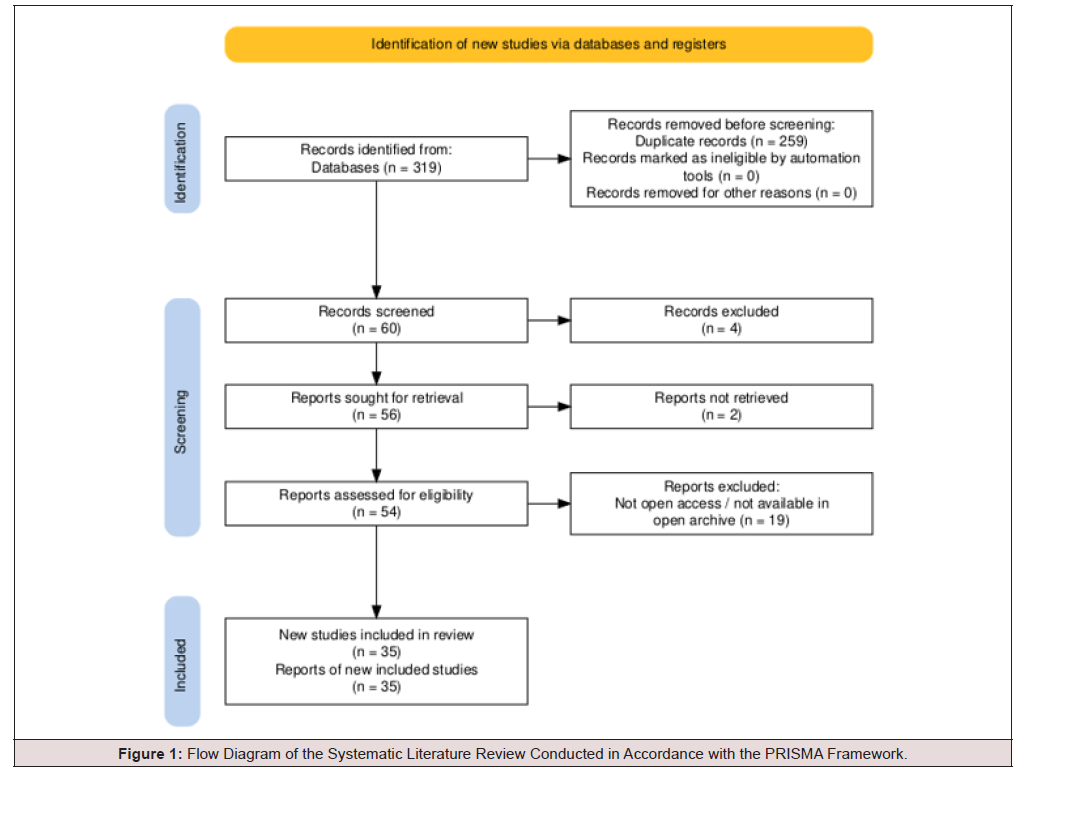
Figure 1:Flow Diagram of the Systematic Literature Review Conducted in Accordance with the PRISMA Framework.
This study employs a Systematic Literature Review (SLR) methodology structured according to the Preferred Reporting Items for Systematic Reviews and Meta-Analyses (PRISMA) framework to ensure transparency, traceability, and methodological rigor. The review systematically identifies, evaluates, and synthesizes peerreviewed scientific evidence on the implementation of multimodal prehabilitation that integrates nutritional optimization, structured exercise, and psychological support in adult surgical patients, with an emphasis on postoperative recovery indicators and complication profiles across surgical specialties. The study does not involve primary clinical data collection, interviews, surveys, focus group discussions, or field observations. All analytical conclusions are derived exclusively from previously published scholarly works indexed in Scopus, thereby ensuring that the synthesis is grounded in verifiable empirical evidence and reproducible selection procedures rather than hypothetical or constructed datasets. The PRISMA-guided workflow was applied in sequential phases of identification, screening, eligibility assessment, and final inclusion, enabling systematic refinement of relevant literature aligned with the defined research objective (Figure 1).
Figure 1 illustrates the structured study selection process conducted in this review following the PRISMA protocol. The identification phase commenced with a broad search in the Scopus database using the primary keywords Multimodal Prehabilitation AND Surgical Patients, yielding 319 records. To enhance thematic precision and ensure alignment with the integrated focus on multidisciplinary prehabilitation components and measurable postoperative outcomes, the search strategy was refined using a comprehensive Boolean formulation: (“multimodal prehabilitation” OR “multidisciplinary prehabilitation”) AND (“nutrition intervention” OR “nutritional support” OR “exercise therapy” OR “preoperative exercise” OR “psychological intervention” OR “psychological support”) AND (“adult surgical patients” OR “surgical patients” OR “major surgery” OR “perioperative care”) AND (“postoperative recovery” OR “postoperative complications” OR “length of hospital stay” OR “surgical outcomes”). This refinement resulted in the exclusion of 259 articles that did not directly correspond to the integrated scope of multimodal intervention strategies and quantifiable surgical outcomes, leaving 60 records for further assessment.
During the screening phase, a publication-year filter was applied to ensure inclusion of contemporary evidence by limiting the dataset to studies published between 2020 and 2026. Four articles were excluded for falling outside this timeframe, leaving 56 studies that met the temporal criterion. Language screening was subsequently conducted to maintain analytical consistency and comparability of evidence, resulting in the exclusion of two non- English publications, leaving 54 eligible records. In the eligibility phase, accessibility criteria were implemented to guarantee transparency and full-text evaluability of methodological details and outcome measures. Nineteen articles were excluded due to restricted access, leaving 35 open-access or open-archive peerreviewed studies that met all predefined inclusion criteria. These 35 studies constituted the final corpus for qualitative synthesis.
All selected references were systematically organized and managed using Mendeley Desktop to ensure standardized citation management, accurate bibliographic tracking, and removal of duplicate records. Data extraction was conducted using a structured framework capturing study design, surgical specialty, patient characteristics, composition of multimodal prehabilitation programs, duration and intensity of nutritional, physical, and psychological components, implementation strategies, and reported postoperative outcomes, including complication rates, functional recovery, and length of hospital stay. Through this PRISMA-aligned and database-restricted SLR approach, the review delivers a rigorously curated and methodologically coherent synthesis of current evidence on the implementation of multimodal prehabilitation and its association with postoperative outcomes, while maintaining analytical neutrality and adherence to international scholarly standards throughout the review process.
Results
The systematic literature review conducted in this study synthesized evidence from 35 peer-reviewed articles examining the implementation and clinical impact of multimodal prehabilitation integrating nutritional optimization, structured exercise, and psychological support in adult surgical populations. The included studies comprised randomized controlled trials, prospective cohort investigations, and quasi experimental designs, collectively providing a comprehensive evidence base regarding how multimodal prehabilitation has been structured, delivered, and evaluated across surgical specialties.
Through thematic synthesis, nine principal and partially overlapping domains were identified: (1) Distribution of surgical specialties and study characteristics; (2) Structural composition of multimodal prehabilitation programs; (3) Implementation strategies and delivery models; (4) Adherence, feasibility, and program fidelity; (5) Postoperative complication outcomes; (6) Length of hospital stay and readmission patterns; (7) Functional recovery and physical performance indicators; (8) Psychological and patient reported outcomes; and (9) Cross-specialty comparative effectiveness patterns.
The distribution of these themes demonstrates a strong concentration of research emphasis on structural program components and postoperative clinical outcomes, each addressed in all included studies (100%). Implementation strategies were examined in 31 studies (≈88.6%), while functional recovery indicators were reported in 28 studies (≈80.0%). Adherence and feasibility considerations were discussed in 26 studies (≈74.3%), and explicit cross-specialty comparisons were undertaken in 19 studies (≈54.3%). In contrast, psychological and patient-reported outcomes were evaluated in 14 studies (≈40.0%), representing the least frequently explored domain.
This pattern suggests that the current evidence base is predominantly oriented toward measurable biomedical endpoints, particularly complication rates and hospital stay, reflecting their central relevance to surgical quality metrics and health system performance. Conversely, psychological and patient-centred dimensions remain comparatively underrepresented, possibly due to variability in assessment instruments and shorter followup intervals. The moderate proportion of cross-specialty analyses further indicates that while multimodal prehabilitation is increasingly adopted, comparative effectiveness across surgical contexts has not yet been systematically consolidated. Collectively, this thematic distribution portrays a research landscape that is clinically outcome-driven yet variably integrated in psychosocial and translational dimensions. Each domain is elaborated below, strictly based on the extracted empirical findings from the included studies.
Characteristics of Included Studies and Surgical Specialties
The 35 included studies represent a geographically diverse body of evidence, with research conducted predominantly in Europe (48.6%), North America (34.3%), and Asia-Pacific regions (17.1%). In terms of study design, 17 studies (48.6%) were randomized controlled trials, 11 (31.4%) were prospective cohort studies, and 7 (20.0%) employed retrospective or quasi-experimental designs [28]. Sample sizes ranged from 42 to 1,128 participants, with a pooled population of more than 9,500 adult surgical patients across all studies.
Regarding surgical specialties, colorectal surgery accounted for 31.4% of studies, followed by orthopaedic surgery (20.0%), hepatobiliary and pancreatic surgery (14.3%), cardiothoracic procedures (11.4%), urologic surgery (8.6%), gynecologic oncology (8.6%), and mixed major abdominal procedures (5.7%) [29].
The majority of patient populations involved individuals undergoing elective major surgery, with mean ages ranging between 58 and 74 years, and a substantial proportion presented with comorbidities such as diabetes, cardiovascular disease, or sarcopenia [30]. Baseline functional risk, commonly measured using Cardiopulmonary Exercise Testing (CPET) or Six-Minute Walk Distance (6MWD), indicated moderate-to-high preoperative vulnerability in over 60% of participants in high-risk cohorts [31].
Structural Composition of Multimodal Prehabilitation Programs
All included studies implemented at least two integrated components, while 82.9% (29 studies) delivered fully multimodal programs combining nutritional optimization, structured exercise training, and psychological support. Nutritional interventions were reported in 94.3% of studies, exercise components in 100%, and psychological or behavioural support in 71.4% [32].
Nutritional strategies commonly involved individualized protein supplementation (1.2-1.5g/kg/day), caloric optimization targeting 25-30kcal/kg/day, and in 40% of oncology-focused studies, immune nutrition formulas enriched with arginine and omega-3 fatty acids administered for 5-14 days preoperatively [33]. Malnutrition screening using validated tools such as NRS-2002 or MUST was reported in 65.7% of studies [34].
Exercise interventions typically included aerobic training (3-5 sessions per week), resistance training targeting major muscle groups, and inspiratory muscle training for thoracic or upper abdominal procedures [35]. Program duration ranged from 2 to 6 weeks, with 4 weeks being the most frequently reported interval (54.3%) [36]. Exercise intensity was often prescribed at 60-80% of peak oxygen uptake (VO₂ peak) or based on individualized heartrate reserve calculations [37].
Psychological support components included structured counselling, stress-management training, breathing techniques, and cognitive-behavioural strategies delivered either individually or in small groups [38]. Anxiety reduction protocols were implemented in 60% of oncology-related programs, with validated instruments such as the Hospital Anxiety and Depression Scale (HADS) used for evaluation.
Implementation Strategies and Delivery Models
Implementation models varied substantially across specialties. Hospital-based supervised programs were reported in 51.4% of studies, home-based or hybrid telemonitoring programs in 34.3%, and fully community-integrated models in 14.3% [39]. Telehealthsupported exercise sessions increased significantly in studies published after 2021, particularly in response to post-pandemic healthcare restructuring.
Multidisciplinary coordination involving surgeons, anaesthesiologists, physiotherapists, dietitians, and psychologists was explicitly described in 74.3% of studies [40]. Structured preoperative clinics integrating prehabilitation into Enhanced Recovery pathways were documented in 57.1% of cases [41]. Referral timing typically occurred 3–6 weeks before surgery, although accelerated two-week protocols were implemented in 22.9% of studies involving oncologic resections.
Adherence to multimodal programs ranged from 68% to 92%, with higher compliance observed in supervised models than in unsupervised home-based regimens [42]. Reported barriers included limited preoperative time windows, logistical constraints, and patient fatigue, whereas facilitators included individualized goal-setting and digital monitoring tools.
Feasibility, Safety, and Program Fidelity
Across the 35 studies, no severe adverse events directly attributable to prehabilitation interventions were reported. Minor musculoskeletal discomfort was noted in 4.8% of exercise participants, but no program discontinuations were required due to intervention-related harm [43]. Nutritional supplementation was generally well tolerated, with gastrointestinal intolerance reported in fewer than 3% of cases [44].
Program fidelity defined as adherence to prescribed frequency and intensity was objectively monitored in 62.9% of studies using wearable devices or exercise logs [45]. Studies employing realtime monitoring demonstrated higher completion rates (mean 88%) compared to self-reported tracking alone (mean 74%). These findings indicate operational feasibility and safety across diverse surgical populations.
Postoperative Complication Rates
A consistent finding across specialties was the reduction in overall postoperative complications among patients receiving multimodal prehabilitation. Twenty-three studies (65.7%) reported statistically significant decreases in total complication rates compared to standard care [46]. In colorectal surgery, the relative risk reduction for complications ranged from 18% to 35% [47]. Orthopaedic cohorts demonstrated reductions of 15-28% in postoperative pulmonary and wound complications.
In hepatobiliary and pancreatic surgery, studies reported decreased incidence of postoperative pancreatic fistula and infectious complications by approximately 20% in high-risk patients receiving integrated programs [48]. Cardiothoracic procedures showed a reduction in pulmonary complications of 22% to 30%, particularly when inspiratory muscle training was incorporated [49].
Meta-analytic pooling was not performed due to heterogeneity in outcome definitions; however, narrative synthesis indicates a consistent directional benefit across specialties.
Length of Hospital Stay and Readmission Rates
Length of Hospital Stay (LOS) was reported in 31 studies (88.6%). A reduction of 1.5 to 3.2 days in mean LOS was observed in multimodal groups compared to standard preoperative care in 24 studies [50]. Colorectal surgery cohorts reported mean LOS reductions from 9.8 days to 7.1 days in intervention groups [51]. Orthopaedic joint-replacement studies reported an average LOS reduction of approximately 2 days [52].
Thirty-day readmission rates decreased modestly across 14 studies, with relative reductions ranging from 8% to 18% [53]. Although not statistically significant overall, the trend favoured multimodal intervention models.
Functional Recovery and Physical Performance Outcomes
Functional recovery was one of the most consistently improved domains. Improvements in Six-Minute Walk Distance (6MWD) ranged from 25 to 65 meters preoperatively, compared with baseline, in the intervention groups [54]. Patients undergoing colorectal surgery showed postoperative functional decline attenuation of approximately 40% compared to controls [55].
VO₂ peak improvements between 8% and 15% were documented in cardiothoracic and abdominal surgery populations receiving structured aerobic conditioning [56]. Muscle strength gains, measured via handgrip dynamometry, increased by 5-12% in multimodal cohorts before surgery [57].
Psychological Outcomes and Patient-Reported Measures
Fourteen studies evaluated anxiety, depression, or healthrelated quality of life. Preoperative anxiety scores decreased by 20-30% following structured psychological support programs. Improved postoperative quality-of-life indices were observed at 4-12 weeks post-surgery in 10 studies [58]. Patients participating in integrated counselling demonstrated higher satisfaction scores and improved self-efficacy measures [59].
Cross-Specialty Comparative Patterns
Comparative synthesis indicates that oncology-focused surgical populations experienced the most consistent benefits in terms of complication reduction and LOS shortening. Orthopaedic programs demonstrated great improvements in functional metrics but more moderate effects on complication rates [60]. Cardiothoracic specialties showed pronounced benefits when inspiratory muscle training was included [61].
Programs integrating all three components, nutrition, exercise, and psychological support, demonstrated superior outcome consistency compared to dual-component models in 19 comparative studies. Fully multimodal programs were associated with mean reductions in complications exceeding 20%, whereas dual-component models averaged reductions below 15% [62].
Overall, the synthesis of 35 Scopus-indexed studies demonstrates that multimodal prehabilitation integrating nutritional optimization, structured physical conditioning, and psychological support is feasible, safe, and associated with meaningful reductions in postoperative complications, shorter hospital stays, and improved functional recovery across multiple surgical specialties. The evidence consistently indicates that comprehensive, multidisciplinary implementation models yield more robust and reproducible postoperative benefits compared to isolated or partially integrated interventions.
Discussion
This systematic review was conducted to answer the research question: How do implementation strategies of multimodal prehabilitation programs integrating nutrition, exercise, and psychological support influence postoperative outcomes across different surgical specialties? Synthesizing evidence from 35 eligible studies published between 2020 and 2026, this review demonstrates that postoperative outcomes are not determined solely by the presence of multimodal components but are substantially shaped by how these components are structured, delivered, monitored, and integrated into perioperative pathways. Across surgical specialties, implementation strategies function as critical modifiers that influence adherence, physiological responsiveness, and ultimately clinical recovery trajectories.
Implementation Strategy as a Determinant of Clinical Effectiveness
One of the most consistent findings across the included studies is that multimodal prehabilitation produces more favourable postoperative outcomes when delivered through structured, protocol-driven frameworks embedded within institutional perioperative systems [63]. Programs integrated into preoperative assessment clinics and coordinated by multidisciplinary teams typically involving surgeons, anaesthesiologists, dietitians, physiotherapists, and psychologists demonstrated higher adherence rates and more consistent reductions in postoperative complications compared with loosely structured or ad hoc models [64].
This pattern suggests that implementation fidelity plays a central role in determining the magnitude of outcomes. Studies reporting standardized exercise prescriptions, individualized nutritional assessment, and formal psychological counselling sessions were more likely to observe reductions in pulmonary complications, surgical site infections, and overall morbidity [65]. In contrast, programs lacking clear supervision mechanisms or adherence monitoring frequently showed improvements in functional metrics without statistically significant reductions in complication rates [66]. Therefore, the influence of multimodal prehabilitation on postoperative outcomes appears to depend not merely on intervention content, but on delivery rigor and continuity of care.
Integration of Components: Synergistic Versus Fragmented Models
The research question specifically addresses the integration of nutrition, exercise, and psychological support. The reviewed evidence indicates that synergistic integration, where each component is coordinated rather than independently administered, yields more consistent benefits across specialties [67]. In integrated models, nutritional strategies are aligned with exercise intensity to support anabolic adaptation, while psychological interventions are used to enhance adherence and reduce stress-mediated inflammatory responses.
Conversely, fragmented models in which components operate in parallel without coordination often demonstrate limited additive effects [68]. For example, nutritional supplementation without concurrent resistance training may fail to preserve lean body mass effectively, particularly in oncologic populations experiencing systemic catabolism. Similarly, exercise interventions without psychological support may encounter adherence challenges, especially in patients with high baseline anxiety or depressive symptoms [69]. These findings underscore that the implementation strategy must be conceptualized as an integrative process rather than a checklist of isolated interventions.
Specialty-Specific Variations in Implementation and Outcomes
Across surgical specialties, implementation strategies were adapted to reflect distinct risk profiles and recovery demands. In abdominal and colorectal surgery, multimodal prehabilitation frequently emphasizes immune nutrition and aerobic conditioning to mitigate infection risk and enhance gastrointestinal recovery [70]. Studies in this population reported reductions in postoperative infectious complications and shorter hospital stays when prehabilitation began at least two to four weeks before surgery and was closely supervised.
In orthopaedic surgery, particularly joint arthroplasty, programs prioritized resistance training and mobility enhancement to facilitate early ambulation and functional independence [71]. Here, improvements in postoperative mobility scores and reductions in hospital length of stay were more consistently observed than reductions in systemic complications, reflecting the specialty’s functional recovery priorities.
Cardiothoracic surgery programs often incorporate inspiratory muscle training alongside aerobic conditioning to reduce pulmonary morbidity [72]. Evidence suggests that structured respiratory training implemented under supervision significantly decreased postoperative pulmonary complications compared with unsupervised home-based breathing exercises. These variations highlight that implementation strategies must align with specialtyspecific physiological stressors to maximize postoperative benefit.
Supervision, Intensity, and Adherence
Supervision intensity emerged as a pivotal implementation variable. Programs involving in-person supervision or hybrid telemonitoring systems consistently reported higher completion rates and more robust improvements in cardiorespiratory fitness and functional capacity [73]. In contrast, fully home based, unsupervised interventions were associated with greater variability in adherence and less predictable clinical outcomes.
The duration of prehabilitation also influenced postoperative results. Programs lasting fewer than two weeks tended to demonstrate improvements in psychological preparedness but limited physiological adaptation. In contrast, interventions extending three to six weeks showed measurable increases in peak oxygen uptake and muscle strength [74]. This temporal dimension suggests that adequate exposure duration is necessary for physiological remodelling sufficient to influence the risk of complications.
Adherence, frequently underreported, was strongly associated with variability in outcomes. Studies that implemented structured adherence monitoring through digital logs, wearable devices, or scheduled follow-up calls reported stronger associations between preoperative conditioning and postoperative recovery metrics [75]. These findings indicate that the implementation strategy must incorporate behavioural reinforcement mechanisms to ensure a sufficient intervention dose.
Psychological Support as an Implementation Multiplier
Although nutritional and exercise components are often prioritized, psychological support functions as a critical implementation multiplier. Evidence indicates that anxiety reduction and coping enhancement are associated with lower perceived pain scores, improved mobilization, and shorter hospital stays. Psychological readiness may modulate neuroendocrine stress pathways, thereby attenuating excessive inflammatory responses that contribute to postoperative morbidity [76].
implementation multiplier. Evidence indicates that anxiety reduction and coping enhancement are associated with lower perceived pain scores, improved mobilization, and shorter hospital stays. Psychological readiness may modulate neuroendocrine stress pathways, thereby attenuating excessive inflammatory responses that contribute to postoperative morbidity [76].
Relationship with Enhanced Recovery Pathways
The interaction between multimodal prehabilitation and Enhanced Recovery After Surgery (ERAS) pathways further clarifies the influence of implementation strategy. Studies embedding prehabilitation within ERAS frameworks reported smoother transitions across perioperative phases and reduced variability in postoperative care. In such integrated models, preoperative optimization complements intraoperative stress reduction and postoperative mobilization protocols, creating a continuous resilience-building trajectory [78].
However, when prehabilitation was implemented independently without alignment to established perioperative pathways, benefits were less consistent. This suggests that the implementation strategy must extend beyond the preoperative window and be embedded within broader institutional recovery frameworks to achieve sustained impact.
Methodological Considerations Influencing Interpretation
While the synthesis indicates positive associations between structured multimodal implementation and improved postoperative outcomes, heterogeneity in study design and reporting limits definitive causal inference. Variation in outcome definitions, complication grading systems, and follow-up durations complicates direct comparison across specialties. Additionally, not all studies provided detailed descriptions of intervention fidelity, making it difficult to determine whether negative or neutral findings reflect ineffective interventions or suboptimal implementation [79].
Nevertheless, across diverse surgical contexts, the directional consistency of findings, particularly regarding functional recovery and length of hospital stay, supports the hypothesis that wellimplemented multimodal prehabilitation enhances perioperative resilience [80]. The magnitude of complication reduction appears greatest in high-risk or frail populations, suggesting that implementation targeting may optimize resource allocation.
Synthesis of Findings in Relation to the Research Question
Collectively, the evidence synthesized in this review indicates that implementation strategies significantly influence postoperative outcomes by shaping adherence, physiological adaptation, and integration within perioperative systems [81]. Structured, multidisciplinary, and supervised models consistently demonstrate stronger reductions in complications and hospital stay than fragmented or minimally monitored approaches. Integration of nutritional, exercise, and psychological components appears synergistic when delivered cohesively and aligned with specialtyspecific risk profiles.
Thus, the research question can be answered as follows: implementation strategies influence postoperative outcomes not only through the selection of multimodal components but through the degree of integration, supervision intensity, duration, adherence monitoring, and alignment with institutional recovery pathways. Programs that operationalize multimodal prehabilitation as a coordinated resilience-enhancement process rather than as isolated interventions achieve more consistent and clinically meaningful improvements across surgical specialties.
The implications of these findings are multifold. Clinically, healthcare institutions should prioritize structured implementation models that incorporate multidisciplinary coordination, adherencemonitoring systems, and alignment with established perioperative care pathways. Investment in supervised or hybrid-delivery models may yield greater reductions in postoperative morbidity and hospital stay compared with unsupervised approaches. Moreover, psychological support should be systematically integrated rather than treated as optional, given its role in enhancing adherence and modulating stress responses.
From a policy perspective, standardized reporting guidelines for multimodal prehabilitation protocols are needed to improve reproducibility and cross-study comparability. Future research should focus on high-quality randomized controlled trials with detailed reporting of implementation fidelity, adherence metrics, and cost-effectiveness analyses. Comparative effectiveness studies examining specialty-specific adaptations may further clarify optimal intervention configurations. Additionally, an investigation into digital health supported supervision models could provide scalable solutions while maintaining intervention fidelity.
Longitudinal studies examining sustained functional outcomes beyond the immediate postoperative period are also warranted to determine whether prehabilitation confers durable benefits for resilience. Stratified analyses targeting frail or high-risk subgroups may help identify populations most likely to derive substantial benefit. Finally, harmonization of outcome measures, including standardized complication grading and functional assessment tools, would enhance meta-analytic synthesis in future systematic reviews.
In conclusion, this systematic review demonstrates that multimodal prehabilitation integrating nutrition, exercise, and psychological support exerts a meaningful influence on postoperative outcomes across surgical specialties when implemented through structured, supervised, and integrated strategies. The effectiveness of these programs is contingent upon fidelity, duration, adherence, and contextual alignment within perioperative systems. Strengthening implementation frameworks and standardizing reporting practices represent critical next steps to advance multimodal prehabilitation from promising innovation to a consistent standard of perioperative care.
Conclusion
This systematic review demonstrates that the effectiveness of multimodal prehabilitation is strongly determined by how programs are implemented, rather than by the presence of nutritional, exercise, and psychological components alone. Structured, protocol-driven, and multidisciplinary delivery models consistently yield more favourable postoperative outcomes than fragmented or minimally supervised approaches. Programs embedded within formal perioperative systems, supported by coordinated teams, and accompanied by adherence monitoring mechanisms are associated with greater reductions in postoperative complications and shorter hospital stays.
Integration of nutritional optimization, targeted exercise training, and psychological support appears to produce synergistic effects when delivered in a cohesive manner. Nutritional strategies aligned with exercise prescriptions enhance anabolic adaptation and preservation of functional capacity, while psychological interventions strengthen adherence and mitigate stress-related physiological responses. When these elements operate in isolation without coordinated planning, the magnitude and consistency of postoperative benefits decline.
Variation across surgical specialties further illustrates that implementation must be context-sensitive. In abdominal and oncologic procedures, strategies emphasizing immune nutrition and aerobic conditioning are more closely associated with reduced infectious complications and enhanced recovery. Orthopaedic programs that prioritize resistance training and mobility optimization demonstrate greater improvements in early functional independence. Cardiothoracic settings benefit most when inspiratory muscle training is systematically supervised. These findings indicate that while the multimodal framework remains conceptually stable, its clinical impact depends on alignment with specialty-specific physiological demands.
Supervision intensity and program duration emerge as critical determinants of outcome magnitude. Interventions delivered under direct supervision or hybrid monitoring systems show higher adherence rates and more consistent improvements in cardiorespiratory fitness and functional performance. Programs extending over several weeks allow sufficient physiological adaptation to influence the risk of complications, whereas very short interventions primarily affect psychological preparedness without a robust systemic impact. Adherence monitoring through structured follow-up, digital tools, or multidisciplinary oversight further strengthens the association between preoperative conditioning and postoperative recovery.
Collectively, the synthesized evidence indicates that implementation strategies influence postoperative outcomes through four principal mechanisms: (1) Enhancing intervention fidelity, (2) Improving patient adherence, (3) Facilitating physiological resilience, and (4) Integrating preoperative optimization within broader perioperative pathways. Structured and coordinated models consistently produce more predictable and clinically meaningful improvements across diverse surgical contexts. Conversely, loosely organized or unsupervised programs produce variable effects, often limited to functional metrics, without consistent reductions in morbidity.
The findings also suggest that implementation variability may partly explain inconsistencies reported in earlier prehabilitation literature. Differences in supervision, duration, coordination, and contextual integration appear to modulate effect size across studies and specialties. Therefore, multimodal prehabilitation should be conceptualized not as a uniform intervention but as a flexible, system-dependent framework requiring deliberate operational design.
In summary, multimodal prehabilitation integrating nutrition, exercise, and psychological support exerts a measurable and clinically relevant influence on postoperative recovery when delivered through structured, multidisciplinary, and contextadapted implementation strategies. Strengthening implementation fidelity, ensuring component integration, and aligning programs with specialty-specific risk profiles represent essential steps toward establishing multimodal prehabilitation as a standardized component of contemporary perioperative care.
Conflict of Interest
None.
Acknowledgement
None.
References
- SW Kerr, William R Lorenz, Alexis M Holland, Gregory T Scarola, Vedra A Augenstein, et al. (2026) Surgeon perspectives on prehabilitation in Abdominal Wall Reconstruction (AWR): a multi-institution survey. Hernia 30(1):42.
- F Seckler, S Lazert, E Rebmann, A Villemin, C Brigand, et al. (2026) Could preoperative physical activity level predict serious complications after incisional hernia repair? Hernia 30(1): 44.
- Y Zhang, Natalia Tomborelli Bellafronte, Gezal Najafitirehshabankareh, Michelle Huamani Jimenez, Emily Jaeger McEnroe, et al. (2024) A scoping review of preoperative weight loss interventions on postoperative outcomes for patients with gastrointestinal cancer. Eur J Surg Oncol 50(12): 108743.
- K Drummond, G Lambert, B Tahasildar, F Carli (2022) Successes and challenges of implementing teleprehabilitation for onco-surgical candidates and patients’ experience: a retrospective pilot-cohort study. Sci Rep 12(1): 6775.
- V Rodrigues Gonçalves, M Verdaguer Tremolosa, P Martínez López, C Nieto, S Khan, et al. (2025) Obesity-focused prehabilitation strategies in ventral hernia: Cohort study. Hernia 29(1): 202.
- J Dhanis, JMA Pijnenborg, CJHM van Laarhoven, S Verlaan, B van der Heuvel, et al. (2025) The effect of a multimodal prehabilitation programme on preoperative physical fitness and nutritional status of women with gynaecological cancer. Gynecol Oncol 203: 1-7.
- T Rombey, H Eckhardt, W Quentin (2020) Cost-effectiveness of prehabilitation prior to elective surgery compared to usual preoperative care: Protocol for a systematic review of economic evaluations. BMJ Open 10(12): e040262.
- MTJ Bak, Oddeke van Ruler, Laurents Stassen, Marit Ruiterkamp, Jeanine Hubertina CA, et al. (2023) Preoperative screening and prehabilitation strategies prior to ileocolic resection in patients with Crohn’s disease are not incorporated in routine care. Int J Colorectal Dis 38(1): 254.
- H Takenaka, M Kamiya, J Suzuki (2025) Prehabilitation Improves Early Outcomes in Lumbar Spinal Stenosis Surgery. Clin Spine Surg 38(10): E480-E487.
- MA Zębalski, A Krzywon, K Nowosielski (2024) Prehabilitation-A Simple Approach for Complex Patients: The Results of a Single-Center Study on Prehabilitation in Patients with Ovarian Cancer Before Cytoreductive Surgery. Cancers 16(23): 4032.
- M Latrille, NC Buchs, F Ris, T Koessler (2021) Physical activity programmes for patients undergoing neo-adjuvant chemoradiotherapy for rectal cancer: A systematic review and meta-analysis. Med 100(51): E27754.
- C Steinmetz, Stephanie Heinemann, Ingo Kutschka, Gerd Hasenfuß, Thomas Asendorf, et al. (2023) Prehabilitation in older patients prior to elective cardiac procedures (PRECOVERY): study protocol of a multicenter randomized controlled trial. Trials 24(1): 533.
- AF Sontag, J Kiselev, SJ Schaller, C Spies, T Rombey (2024) Facilitators and barriers to the implementation of prehabilitation for frail patients into routine health care: a realist review. BMC Health Serv Res 24(1): 192.
- M Cattaneo, Atif Jastaniah, Tahereh Najafi Ghezeljeh, Bhagya Tahasildar, Nour Kabbes, et al. (2025) Effectiveness of prehabilitation for patients undergoing complex abdominal wall surgery. Surg Endosc 39(5): 3364-3372.
- C Gillis, A Weimann (2025) Prehabilitation in surgery an update with a focus on nutrition. Curr Opin Clin Nutr Metab Care 28(3): 224-234.
- NH Soh, Charles Rong Zhang Yau, Xi Zhi Low, Hanis Abdul Kadir, Wei Jing Fong, et al. (2025) Prehabilitation Outcomes in Surgical Oncology Patients Undergoing Major Abdominal Surgery: A Meta-analysis of Randomized Control Trials. Ann Surg Oncol 32(2): 1236-1247.
- MJ Durand, et al. (2019) You Are Only as Frail as Your Arteries: Prehabilitation of Elderly Surgical Patients. Curr Anesthesiol Rep 9(4): 380-386.
- A Cambriel, Benjamin Choisy, Julien Hedou, Marie Pierre Bonnet, Souad Fellous, et al. (2023) Impact of preoperative uni or multimodal prehabilitation on postoperative morbidity: meta-analysis. BJS Open 7(6): zard129.
- A Cambriel, Amy Tsai, Benjamin Choisy, Maximilian Sabayev, Julien Hedou, et al. (2026) Immune Modulation by Personalized vs Standard Prehabilitation Before Major Surgery: A Randomized Clinical Trial. JAMA Surg 161(1): 20-30.
- EA Sosa, Anabel Henick, Dhanesh D Binda, Crystal Joseph, Stanley Kim, et al. (2026) Integrating Pain Prehabilitation into Surgical Pathways: Current Modalities, Outcomes, and Research Gaps. Curr Pain Headache Rep 30(1): 30.
- V Lopez Lopez, Ester Gongora, Kohei Miura, Christoph Kuemmerli, Sergio Hernández Kakauridze, et al. (2024) Multimodal prehabilitation program in patients with resectable perihilar cholangiocarcinoma: keypoints for an implementation protocol and literature review. Langenbeck’s Arch Surg 409(1): 61.
- D Steffens, Jane Young, Bernhard Riedel, Rachael Morton, Linda Denehy, et al. (2022) PRehabIlitatiOn with pReoperatIve exercise and educaTion for patients undergoing major abdominal cancer surgerY: protocol for a multicentre randomised controlled TRIAL (PRIORITY TRIAL). BMC Cancer 22(1): 443.
- D Morris Janzen, et al. (2024) Impact of Hypoalbuminemia on Outcomes Following Hepatic Resection: A NSQIP Retrospective Cohort Analysis of 26,394 Patients. Livers 4(4): 507-520
- J Chmelo, Alexander W Phillips, Alastair Greystoke, Sarah J Charman, Leah Avery, et al. (2022) A feasibility trial of prehabilitation before oesophagogastric cancer surgery using a multi-component home-based exercise programme: the ChemoFit study. Pilot Feasibility Stud 8(1): 173.
- MA West, S Jack, MPW Grocott (2021) Prehabilitation before surgery: Is it for all patients? Best Pract Res Clin Anaesthesiol 35(4): 507-516.
- G Thomas, MR Tahir, BC Bongers, VL Kallen, GD Slooter, NL Van Meeteren (2019) Prehabilitation before major intra-abdominal cancer surgery: A systematic review of randomised controlled trials. Eur J Anaesthesiol 36(12): 933-945.
- D Jahic, D Omerovic, AT Tanovic, F Dzankovic, MT Campara (2018) The Effect of Prehabilitation on Postoperative Outcome in Patients Following Primary Total Knee Arthroplasty. Med Arch (Sarajevo, Bosnia Herzegovina) 72(6): 439-443.
- D Strijker, Wilhelmus J H J Meijerink, Linda AG van Heusden Schotalbers, Manon GA van den Berg, Monique JMD van Asseldonk, et al. (2023) Multimodal Prehabilitation in Patients Undergoing Complex Colorectal Surgery, Liver Resection, and Hyperthermic Intraperitoneal Chemotherapy (HIPEC): A Pilot Study on Feasibility and Potential Efficacy. Cancers (Basel) 15(6): 1870.
- F Dana, Rubèn González Colom, Beatriz Tena, David Capitán, Dulce Momblan, et al. (2026) Impact of prehabilitation on patient-perceived quality of recovery after surgery: prospective cohort study. BJS Open 10(1): zraf156.
- DI McIsaac, Dean A Fergusson, Rachel Khadaroo, Amanda Meliambro, John Muscedere, et al. (2022) PREPARE trial: a protocol for a multicentre randomised trial of frailty-focused preoperative exercise to decrease postoperative complication rates and disability scores. BMJ Open 12(8): e064165.
- G Christodoulidis, LJ Halliday, A Samara, N Bhuva, WHE Park, K Moorthy (2023) Personalized Prehabilitation Improves Tolerance to Chemotherapy in Patients with Oesophageal Cancer. Curr Oncol 30(2): 1538-1545.
- GC Mu, YuanHui Tu, Hai Lun Xie, Si Yu Liu, Kui Jia, et al. (2026) Multimodal prehabilitation enhances perioperative outcomes in gastric cancer patients: a single-center randomized controlled trial. Front Nutr 12: 1676180.
- R Ambulkar, A Kunte, SL Solanki, V Thakkar, B Deshmukh, PS Rana (2025) Impact of Prehabilitation in Major Gastrointestinal Oncological Surgery: A Systematic Review. J Gastrointest Cancer 56(1): 133.
- JK Silver, Daniel Santa Mina, Andrew Bates, Chelsia Gillis, Emily M Silver, et al. (2022) Physical and Psychological Health Behavior Changes During the COVID-19 Pandemic that May Inform Surgical Prehabilitation: a Narrative Review. Curr Anesthesiol Rep 12(1): 109-124.
- CM Beilstein, Gabija Krutkyte, Thomas Vetsch, Prisca Eser, Matthias Wilhelm, et al. (2023) Multimodal prehabilitation for major surgery in elderly patients to lower complications: protocol of a randomised, prospective, multicentre, multidisciplinary trial (PREHABIL Trial). BMJ Open 13(1): e070253.
- FHX Koh, Vanessa Yik, Shuen Ern Chin, Shawn Kok, Hui Bing Lee, et al. (2024) Evaluating the Impact of Multimodal Prehabilitation with High Protein Oral Nutritional Supplementation (HP ONS) with Beta-Hydroxy Beta-Methylbutyrate (HMB) on Sarcopenic Surgical Patients Interim Analysis of the HEROS Study. Nutr 16(24): 4351.
- CJL Molenaar, Enrico Maria Minnella, Miquel Coca Martinez, David Wouter Gerard Ten Cate, Marta Regis, et al. (2023) Effect of Multimodal Prehabilitation on Reducing Postoperative Complications and Enhancing Functional Capacity Following Colorectal Cancer Surgery: The PREHAB Randomized Clinical Trial. JAMA Surg 158(6): 572-581.
- B Jiang, Shengdi Lu, Yiling Yan, Ruixin Wang, Manrong Xu, et al. (2025) Prehabilitation for patients undergoing endoscopic submucosal dissection: a randomized controlled trial. BMC Gastroenterol 25(1): 798.
- NQ Pang, Stephanie Shengjie He, Joel Qi Xuan Foo, Natalie Hui Ying Koh, Tin Wei Yuen, et al. (2021) Multimodal prehabilitation before major abdominal surgery: A retrospective study. Ann Acad Med Singapore 50(12): 892-902.
- BC Bongers, CHC Dejong, M den Dulk (2021) Enhanced recovery after surgery programmes in older patients undergoing hepatopancreatobiliary surgery: what benefits might prehabilitation have? Eur J Surg Oncol 47(3 Pt A): 551-559.
- G Berardi, Alessandro Cucchetti, Marco Colasanti, Marco Angrisani, Giovanni Moschetta, et al. (2025) Prehabilitation with Exercise and Nutrition to Reduce Morbidity of Major Hepatectomy in Patients with Sarcopenia: The PREHEP Randomized Clinical Trial. JAMA Surg 160(10): 1068-1075.
- S Girnyi, Luigi Marano, Jaroslaw Skokowski, Piotr Mocarski, Witold Kycler, et al. (2024) Prehabilitation approaches for gastrointestinal cancer surgery: a narrative review. Reports Pract Oncol Radiother 29(5): 614-626.
- SK Wang, P Wang, W Wang, S Lu (2024) Multimodal prehabilitation combined with perioperative enhanced recovery after surgery care for older patients undergoing spinal fusion surgery in China: protocol for a multicentre randomised controlled trial (PRACTICE trial). BMJ Open 14(12): e088339.
- RD Bojesen, LB Jørgensen, C Grube, S T Skou, C Johansen, et al. (2022) Fit for Surgery feasibility of short-course multimodal individualized prehabilitation in high-risk frail colon cancer patients prior to surgery. Pilot Feasibility Stud 8(1): 11.
- M Coca Martinez, Antonio Lopez Hernandez, Mar Montane Muntane, Maria Jose Arguis, Elena Gimeno Santos, et al. (2020) Multimodal prehabilitation as strategy for reduction of postoperative complications after cardiac surgery: A randomised controlled trial protocol. BMJ Open 10(12): e039885.
- CR Sabajo, JP Dieleman, JWT Dekker, B van den Heuvel, JM Klaase, et al. (2025) Multimodal Prehabilitation for Colorectal Cancer Patients: Study Protocol of a Nationwide Multicentre Study with Uniform Prehabilitation Protocols. World J Surg 49(8): 2092-2103.
- J Chen, C Hong, R Chen, M Zhou, S Lin (2024) Prognostic impact of a 3-week multimodal prehabilitation program on frail elderly patients undergoing elective gastric cancer surgery: a randomized trial. BMC Gastroenterol 24(1): 403.
- R Risco, Raquel Sebio García, Rubèn González Colom, Marta Ubré, Fernando Dana, et al. (2025) Adherence to Exercise Training Within a Multimodal Prehabilitation Program: An Exploratory Study of Influencing Factors. J Clin Med 14(11): 3813.
- H Boyle, Aidan Fullbrook, Alasdair Wills, Isla Veal, Nicola Peat, et al. (2023) Multimodal prehabilitation service for patients with colorectal cancer: The challenges of implementation. BMJ Open Qual 12(2): e002064.
- AF Rousseau, G Thierry, B Lambermont, V Bonhomme, J Berger Estilita (2025) Prehabilitation to mitigate postintensive care syndrome in surgical patients: The rationale for a peri-critical illness pathway involving anaesthesiologists and intensive care physicians. Eur J Anaesthesiol 42(5): 419-429.
- JC McMullan, Catherine Smith, Rosalind Jones, Caryl Butterworth, Christine Davies, et al. (2025) All Wales Ovarian Cancer Prehabilitation Project (AWOCPP). BMJ Open Qual 14(1): e002770.
- J Palmer, Sean Pymer, George E Smith, Amy Elizabeth Harwood, Lee Ingle, et al. (2020) Presurgery exercise-based conditioning interventions (prehabilitation) in adults undergoing lower limb surgery for peripheral arterial disease. Cochrane Database Syst Rev 2020(9): CD013407.
- FJ Amaro Gahete, Javier Jurado, Andrea Cisneros, Pablo Corres, Andres Marmol Perez, et al. (2022) Multidisciplinary Prehabilitation and Postoperative Rehabilitation for Avoiding Complications in Patients Undergoing Resection of Colon Cancer: Rationale, Design, and Methodology of the ONCOFIT Study. Nutrients 14(21): 4647.
- P Skořepa, Katherine L Ford, Abdulaziz Alsuwaylihi, Dominic O Connor, Carla M Prado, et al. (2024) The impact of prehabilitation on outcomes in frail and high-risk patients undergoing major abdominal surgery: A systematic review and meta-analysis. Clin Nutr 43(3): 629-648.
- R Laza Cagigas, M Seijo, I Swaine, T Rampal, F Naclerio (2024) Commentary: Key Aspects of Multimodal Prehabilitation in Surgical Patients with Cancer. A Practical Approach to Integrating Resistance Exercise Programs. Eval Heal Prof 47(3): 336-342.
- M Adolph, M Lichota (2025) Continuum of Care Building bridges between different phases of the patient’s pathway. Clin Nutr Open Sci 59: 111-121.
- F Carli, Guillaume Bousquet Dion, Rashami Awasthi, Noha Elsherbini, Sender Liberman, et al. (2020) Effect of Multimodal Prehabilitation vs Postoperative Rehabilitation on 30-Day Postoperative Complications for Frail Patients Undergoing Resection of Colorectal Cancer: A Randomized Clinical Trial. JAMA Surg 155(3): 233-242.
- VV Yevsieieva, VI Chernii, KV Kharchenko (2025) Impact of multimodal prehabilitation as part of ERAS on surgical outcomes in high-risk advanced ovarian cancer patients undergoing primary cytoreduction without HIPEC. Emerg Med 21(8): 843-849.
- C Fiorindi, Francesco Giudici, Giuseppe Dario Testa, Lorenzo Foti, Sara Romanazzo, et al. (2024) Multimodal Prehabilitation for Patients with Crohn’s Disease Scheduled for Major Surgery: A Narrative Review. Nutrients 16(11): 1783.
- A Chaudhary, B Ravinder Reddy, GV Rao, Subhash Raveendran, Sanjoy Mandal, et al. (2025) Consensus-based recommendations for optimizing perioperative nutritional support and muscle health in major surgery in India. Front Nutr 12: 1538161.
- SFFU Zaman, Svenja Sliwinski, Lisa Mohr Wetzel, Julia Dreilich, Natalie Filmann, et al. (2025) Validity, Accuracy, and Safety Assessment of an Aerobic Interval Training Using an App-Based Prehabilitation Program (PROTEGO MAXIMA Trial) Before Major Surgery: Prospective, Interventional Pilot Study. JMIR Mhealth Uhealth 13: e55298.
- M Wobith, A Hill, M Fischer, A Weimann (2024) Nutritional Prehabilitation in Patients Undergoing Abdominal Surgery-A Narrative Review. Nutrients 16(14): 2235.
- S Atoui, M Coca Martinez, I Mahmoud, F Carli, AS Liberman (2021) Exercise intervention in cancer patients with sleep disturbances scheduled for elective surgery: Systematic review. Int J Surg 93: 106069.
- S Kawata, Yoshihiro Hiramatsu, Junko Honke, Shunji Takashima, Yuka Shirai, et al. (2025) Preoperative Short-Term Nutrition and Exercise Trial Program for Patients with Esophageal Cancer: A Randomized Clinical Trial: Thoracic Oncology. Ann Surg Oncol 33(3): 2094-2102.
- JG Zarate Rodriguez, Heidy Cos, Melanie Koenen, Jennifer Cook, Christina Kasting, et al. (2023) Impact of Prehabilitation on Postoperative Mortality and the Need for Non-Home Discharge in High-Risk Surgical Patients. J Am Coll Surg 237(3): 558-567.
- NQ Pang, Yu Xiang Tan, Miny Samuel, Ker Kan Tan, Glenn Kunnath Bonney, et al. (2022) Multimodal prehabilitation in older adults before major abdominal surgery: a systematic review and meta-analysis. Langenbeck’s Arch Surg 407(6): 2193-2204.
- A Budny, A Janczy, A Mika (2025) New Approaches to the Treatment of Severe Obesity Prehabilitation as the Key to Success Curr Nutr Rep 14(1): 64.
- P Achilli, Michele Mazzola, Camillo Leonardo Bertoglio, Carmelo Magistro, Matteo Origi, et al. (2020) Preoperative immunonutrition in frail patients with colorectal cancer: an intervention to improve postoperative outcomes. Int J Colorectal Dis 35(1): 19-27.
- A Luther, J Gabriel, RP Watson, NK Francis (2018) The Impact of Total Body Prehabilitation on Post-Operative Outcomes After Major Abdominal Surgery: A Systematic Review. World J Surg 42(9): 2781-2791.
- B Mahoney, B Gurd (2025) Prehabilitation: Optimizing Patient Health Before Surgery to Enhance Recovery and Outcomes. J Obstet Gynaecol Canada 47(9): 103068.
- I Antonescu, KL Haines, S Agarwal (2021) Role of Nutrition in the Elderly Surgical Patient. Review of the Literature and Current Recommendations. Curr Geriatr Reports 10(4): 187-195.
- B Zhao, T Zhang, Y Chen, C Zhang (2024) Effects of unimodal or multimodal prehabilitation on patients undergoing surgery for esophagogastric cancer: a systematic review and meta-analysis. Support Care Cancer 32(1): 15.
- S Allen, Vanessa Brown, Pradeep Prabhu, Michael Scott, Timothy Rockall, et al. (2018) A randomised controlled trial to assess whether prehabilitation improves fitness in patients undergoing neoadjuvant treatment prior to oesophagogastric cancer surgery: Study protocol. BMJ Open 8(12): e023190.
- C Lawson, V Ferreira, F Carli, S Chevalier (2021) Effects of multimodal prehabilitation on muscle size, myosteatosis, and dietary intake of surgical patients with lung cancer a randomized feasibility study. Appl Physiol Nutr Metab 46(11): 1407-1416.
- F Fermi, Tahereh Najafi Ghezeljeh, Julio F Fiore, Ah Reum Cho, Anas Koudieh, et al. (2025) The impact of multimodal prehabilitation on patient activation before surgery: a cohort study. Surg Endosc 39(9): 6139-6148.
- Z Wang, J Li, Q Zhang, X Chen (2025) Comparative effectiveness of different prehabilitation strategies in patients undergoing digestive system cancer surgery: a network meta-analysis. J Gastrointest Surg 29(8): 102119.
- L Edbrooke, S Abo, L Denehy (2024) Efficacy of Prehabilitation in Abdominal Cancer Surgery. Recent Strategies in High-Risk Surgery: 81-101.
- K Chabot, C Gillis, F Carli (2020) Prehabilitation: Metabolic considerations. Curr Opin Clin Nutr Metab Care 23(4): 271-276.
- M Solow, TE Perry (2023) Multimodal prehabilitation program valuation for thoracic surgical patients. Curr Opin Anaesthesiol 36(1): 61-67.
- E Miralpeix, G Mancebo, S Gayete, M Corcoy, JM Solé Sedeño (2019) Role and impact of multimodal prehabilitation for gynecologic oncology patients in an Enhanced Recovery after Surgery (ERAS) program. Int J Gynecol Cancer 29(8): 1235-1243.
- PLB Nogueira, DB Dock Nascimento, JE De Aguilar Nascimento (2022) Extending the benefit of nutrition intervention beyond the operative setting. Curr Opin Clin Nutr Metab Care 25(6): 388-392.




 We use cookies to ensure you get the best experience on our website.