
Review Article 
 Creative Commons, CC-BY
Palmitic Acid from Palm Oil and Cancer Metastasis: A Review
*Corresponding author:Loso Judijanto, IPOSS Jakarta, Indonesia.
Received:March 09, 2026; Published:March 18, 2026
DOI: 10.34297/AJBSR.2026.30.003946
Abstract
Palmitic acid is one of the most abundant saturated fatty acids in human diets and is naturally present in palm oil. Increasing attention has been directed toward its potential involvement in cancer progression, particularly metastasis, yet interpretations remain heterogeneous. This study systematically evaluates recent scientific evidence on the relationship between palmitic acid, within the dietary context of palm oil, and metastatic processes. The review aims to (i) Map the distribution and characteristics of experimental and clinical studies, (ii) Identify recurrent molecular and metabolic pathways associated with metastatic progression, and (iii) Clarify the extent to which current evidence supports biologically plausible associations without implying direct dietary causality. This research employed a Systematic Literature Review (SLR) design following PRISMA-guided procedures. Articles were retrieved from the Scopus database using structured keyword combinations, limited to publications from 2020-2025. After multistage screening, 31 peer-reviewed studies met predefined inclusion criteria. Data were extracted using a standardized form and analysed through thematic synthesis to identify dominant mechanistic patterns. Findings indicate consistent reporting of epithelial-mesenchymal transition modulation, CD36-mediated lipid uptake, activation of inflammatory signalling, and metabolic reprogramming under controlled experimental conditions. However, no clinical study demonstrated a direct causal association between palm oil consumption and metastatic incidence. In conclusion, palmitic acid participates in metastasis-related biological pathways in model systems, yet translational evidence remains context-dependent. Future research should prioritize physiologically relevant exposure models, biomarker-based cohort studies, and integrative multi-omics approaches to enhance interpretative precision.
Keywords: Palmitic Acid, Palm Oil, Cancer Metastasis, Lipid Metabolism, Systematic Literature Review
Introduction
Cancer remains one of the leading causes of mortality worldwide, with metastatic progression accounting for the majority of cancer-related deaths rather than primary tumour burden alone [1]. Despite significant advances in early detection, molecular diagnostics, targeted therapy, and immunomodulatory strategies, the transition from localized neoplasia to systemic dissemination remains the most critical determinant of patient prognosis [2]. Metastasis is a complex, multistep biological process involving local invasion, intravasation, survival in circulation, extravasation, and colonization of distant organs, all of which are regulated by intricate interactions between tumour cells, metabolic pathways, and the surrounding microenvironment [3]. Increasingly, cancer re search has shifted toward understanding how systemic metabolic factors including lipid metabolism contribute to tumour plasticity and metastatic competence.
Lipids are not merely structural membrane components but dynamic signalling molecules capable of modulating inflammation, energy production, membrane fluidity, and intracellular signalling cascades. Among various lipid classes, fatty acids have attracted particular attention due to their dual origin: endogenous synthesis through de novo lipogenesis and exogenous intake through dietary sources [4]. The metabolic reprogramming characteristic of malignant cells frequently includes enhanced lipid synthesis and uptake, supporting membrane biogenesis, signalling platform formation, and oxidative energy demands [5]. Within this context, saturated fatty acids have been investigated for their potential role in influencing tumour behaviour, although their biological effects appear to be highly dependent on concentration, cellular phenotype, and metabolic context.
Palmitic acid (C16:0) is the most abundant saturated fatty acid in the human body and constitutes a central product of fatty acid synthase mediated lipogenesis. It is also present in a wide range of dietary sources, including animal-derived fats and plant-derived oils, among which palm oil represents one of the globally significant contributors. Palm oil, derived from the fruit of Elaeis guineensis, contains a balanced composition of saturated and unsaturated fatty acids, alongside naturally occurring micronutrients such as tocopherols and tocotrienols [6]. Given its widespread use in food systems and its economic relevance in multiple producing countries, palm oil has been the subject of nutritional and biomedical investigations examining both metabolic and health-related implications. Within these discussions, palmitic acid often emerges as a focal compound due to its structural prominence in the oil’s fatty acid profile.
In oncology research, palmitic acid has been explored for its involvement in cellular proliferation, apoptosis regulation, membrane remodelling, and signalling pathway modulation. More specifically, emerging studies suggest that palmitate exposure may influence processes associated with metastatic behaviour, including Epithelial Mesenchymal Transition (EMT), cytoskeletal rearrangement, inflammatory activation, and metabolic adaptation [7]. EMT, a reversible biological program enabling epithelial cells to acquire mesenchymal characteristics, is widely recognized as a key step in enhancing migratory and invasive capacities. Several experimental models have reported alterations in EMT markers following modulation of lipid availability, indicating a potential interface between fatty acid metabolism and metastatic signalling.
Beyond EMT, lipid uptake receptors such as CD36 and intracellular lipid transport systems have been implicated in facilitating fatty acid driven metabolic reprogramming in aggressive tumour phenotypes. Enhanced fatty acid oxidation and lipid droplet formation have been described in metastatic subpopulations, suggesting that certain cancer cells may exploit lipid substrates to sustain energy-intensive dissemination processes. However, these findings are predominantly derived from controlled in vitro and in vivo experimental models using defined palmitate concentrations, and therefore require cautious interpretation when considered in relation to broader dietary exposures [8]. Distinguishing between cellular mechanistic insights and population-level dietary implications remains essential for maintaining analytical precision.
The scientific discourse surrounding dietary fats and cancer progression is often characterized by complexity rather than uniformity [9]. Human dietary patterns consist of composite nutrient matrices in which fatty acids interact with antioxidants, micronutrients, fibre, and total caloric intake, all of which influence metabolic outcomes. Consequently, isolating the biological contribution of a single fatty acid without contextual consideration may lead to oversimplified interpretations. In the case of palm oil, its compositional profile includes not only palmitic acid but also oleic acid and bioactive compounds with documented antioxidant properties, which may modulate oxidative stress and inflammatory signalling pathways [10]. A balanced evaluation of palmitic acid in relation to metastasis, therefore, necessitates a structured synthesis of mechanistic, translational, and clinical evidence.
While numerous individual studies have investigated palmitic acid in cancer models, the existing literature remains dispersed across molecular oncology, nutritional biochemistry, lipidomic, and metabolic research domains [11]. Some investigations emphasize pro-migratory or pro-inflammatory signalling under specific experimental conditions, whereas others report neutral or context- dependent outcomes influenced by dosage, metabolic state, or tumour heterogeneity. Furthermore, clinical-level data assessing dietary palm oil consumption and metastatic incidence are limited and often confounded by broader lifestyle variables [12]. This fragmentation underscores the need for a methodologically rigorous synthesis that integrates current findings without extending conclusions beyond the boundaries of available evidence.
Given these considerations, a Systematic Literature Review (SLR) approach provides an appropriate methodological framework for consolidating contemporary research in a transparent and reproducible manner. By applying structured search strategies, predefined eligibility criteria, and thematic synthesis, an SLR enables comprehensive mapping of mechanistic patterns, experimental consistencies, and translational gaps across published studies. Importantly, the present work is based exclusively on secondary data retrieved from peer-reviewed literature and does not involve primary data collection, field observation, clinical experimentation, or focus group discussion. This methodological clarity ensures alignment with international standards for evidence-based review and maintains analytical objectivity.
The purpose of this review is to systematically evaluate and synthesize recent scientific evidence regarding the role of palmitic acid, particularly within the context of palm oil as a dietary source, in relation to cancer metastasis. Specifically, this review aims to (i) Map the distribution and characteristics of experimental and clinical studies investigating palmitic acid associated metastatic mechanisms, (ii) Identify recurrent molecular and metabolic pathways linked to metastatic progression, and (iii) Clarify the extent to which current evidence supports biologically plausible associations without implying direct dietary causality.
In alignment with these objectives, two research questions guide this review:
RQ1: What mechanistic pathways have been consistently reported in recent literature to link palmitic acid exposure with cancer metastatic processes?
RQ2: To what extent does current experimental and clinical evidence support or limit the interpretation of palmitic acid from palm oil as a contributory factor in metastatic progression?
These questions structure the subsequent methodological synthesis and analytical discussion, ensuring that conclusions are derived from systematically evaluated evidence and presented within a scientifically neutral and context-sensitive framework.
Literature Review
This section synthesizes current scientific evidence on the relationship between palmitic acid, lipid metabolic remodelling, and mechanisms associated with cancer metastasis. Within the framework of this Systematic Literature Review, the literature is examined to clarify how palmitic acid, particularly in the context of palm oil as a dietary lipid matrix, interacts with molecular pathways implicated in metastatic plasticity. Emphasis is placed on mechanistic studies exploring lipid metabolism, epithelial mesenchymal transition, fatty acid transport systems, oxidative signalling, and metabolic adaptation, while carefully distinguishing between endogenous lipid synthesis and exogenous exposure models. By integrating findings across cellular, molecular, and translational research domains, this review aims to provide a structured and balanced understanding of how palmitic acid may intersect with metastatic processes under defined experimental conditions, without extending beyond the boundaries of documented evidence.
Conceptual Framework: Lipid Metabolism and Metastatic Plasticity
Cancer metastasis is widely recognized as a multistep biological cascade that requires coordinated cellular plasticity, metabolic adaptation, and interactions with the tumour microenvironment [13]. Contemporary oncologic research increasingly emphasizes metabolic reprogramming as a hallmark that supports both tumour growth and dissemination [14]. Among metabolic pathways, lipid metabolism has gained attention for its roles in membrane biosynthesis, signalling molecule production, redox balance, and energy supply under stress conditions.
Fatty acids function not only as structural components of phospholipid bilayers but also as modulators of transcription factors, inflammatory mediators, and intracellular signalling cascades [15]. Alterations in fatty acid uptake, synthesis, and oxidation have been observed in aggressive tumour phenotypes, suggesting that lipid availability may influence invasive capacity and metastatic colonization. These adaptations are frequently mediated through upregulation of Fatty Acid Synthase (FASN), Acetyl-CoA Carboxylase (ACC), and lipid transport proteins such as CD36. Consequently, understanding the role of specific fatty acids, including palmitic acid, requires contextualization within broader metabolic remodelling processes [16].
Importantly, current literature differentiates between endogenous palmitate generated through de novo lipogenesis and exogenous palmitate derived from dietary sources. This distinction is critical in avoiding oversimplification of mechanistic findings obtained under controlled experimental settings. Therefore, a systematic synthesis is necessary to clarify how palmitic acid exposure across various experimental contexts intersects with molecular pathways implicated in metastasis [17].
Biochemical Characteristics of Palmitic Acid and Its Metabolic Role
Palmitic acid (C16:0) is the primary saturated fatty acid synthesized in mammalian cells. It serves as a precursor for elongation and desaturation reactions that generate longer-chain or unsaturated fatty acids [18]. Within cellular metabolism, palmitate is incorporated into triglycerides, phospholipids, and sphingolipids, contributing to membrane structure and signalling lipid pools.
Palm oil, derived from Elaeis guineensis, contains palmitic acid as one of its principal fatty acids, alongside oleic acid and minor bioactive components such as tocotrienols [19]. From a nutritional biochemistry perspective, palm oil represents a composite lipid matrix rather than a single-fatty-acid exposure model. Thus, evaluating palmitic acid in isolation must be interpreted cautiously when translating findings to dietary contexts.
Experimental studies commonly utilize palmitate Bovine Serum Albumin (BSA) conjugates at defined concentrations to assess cellular responses in vitro [20]. Concentrations employed in mechanistic experiments typically range from 100 to 500μM, allowing evaluation of signalling pathways associated with oxidative stress, inflammatory activation, or apoptosis. However, such concentrations are controlled laboratory exposures and may not directly reflect physiological postprandial plasma levels. This methodological consideration is central to maintaining analytical neutrality and avoiding overextension of conclusions.
Palmitic Acid and Epithelial-Mesenchymal Transition (EMT)
Epithelial Mesenchymal Transition (EMT) is a reversible biological process enabling epithelial cells to acquire mesenchymal characteristics, thereby enhancing migratory and invasive potential [21]. Hallmark molecular changes include downregulation of E-cadherin and upregulation of N-cadherin, vimentin, and transcription factors such as Snail and Twist.
Several in vitro studies have reported that palmitic acid exposure may influence EMT marker expression in selected cancer cell lines [22]. Observed effects include modulation of TGF-β signalling pathways, activation of NF-κB, and changes in cytoskeletal organization. In breast and colorectal cancer models, altered expression of mesenchymal markers has been documented following lipid supplementation under defined conditions.
Nevertheless, the magnitude and direction of these effects appear context-dependent, varying according to cell type, exposure duration, and metabolic background [23]. Some studies indicate transient modulation without sustained phenotypic transformation, suggesting that palmitic acid may act as a metabolic modulator rather than a direct driver of EMT. These nuances underscore the importance of interpreting EMT-related findings within specific experimental frameworks rather than extrapolating broadly.
Fatty Acid Transporters and Metastatic Competence
The role of fatty acid transport proteins, particularly CD36, has been highlighted in metastatic progression models. CD36 facilitates uptake of long-chain fatty acids, enabling tumour cells to access extracellular lipid substrates [24]. Experimental knockdown of CD36 in certain models has been associated with reduced metastatic colonization, indicating a link between lipid uptake capacity and dissemination efficiency.
Palmitic acid has been included in experimental protocols evaluating CD36-mediated lipid utilization. In these settings, lipid availability appears to enhance oxidative metabolism and ATP production in subpopulations of tumour cells with high metastatic potential [25]. However, it is important to recognize that CD36 interacts with multiple fatty acids and lipid classes, and therefore, its activation cannot be attributed exclusively to palmitate.
Moreover, lipid uptake mechanisms are influenced by systemic metabolic states, including obesity and insulin resistance, which introduce confounding variables in clinical interpretation. Current literature does not provide conclusive evidence isolating palm oil derived palmitic acid as an independent determinant of metastatic spread in human populations.
Oxidative Stress, Inflammation, and Signalling Pathways
Reactive Oxygen Species (ROS) and inflammatory signalling networks contribute significantly to tumour progression and metastatic niche formation [26]. Palmitic acid exposure has been reported to modulate oxidative stress markers in certain cell-based experiments, potentially through mitochondrial β-oxidation and endoplasmic reticulum stress pathways.
Activation of NF-κB and MAPK pathways following lipid exposure has been observed in selected mechanistic studies. These pathways regulate cytokine expression, adhesion molecules, and survival signals that may influence interactions with the tumour microenvironment. However, the extent to which these effects translate to in vivo metastatic behaviour remains under investigation [27].
Notably, palm oil contains antioxidant constituents such as tocotrienols, which have been investigated for their potential modulatory effects on oxidative balance. This compositional complexity reinforces the need to evaluate palm oil within its full biochemical matrix rather than focusing solely on a single fatty acid component.
Lipid Droplet Formation and Energy Adaptation
Metastatic cells often encounter metabolic stress during detachment and circulation. Lipid droplets function as intracellular energy reservoirs, supporting survival under fluctuating nutrient conditions. Increased lipid droplet accumulation has been described in aggressive cancer phenotypes with enhanced migratory capacity. Palmitic acid can contribute to triglyceride synthesis and lipid droplet formation in vitro. Enhanced fatty acid oxidation has also been observed in metastatic subclones, suggesting that lipid substrates may provide ATP during colonization of distant tissues [28].
Nonetheless, these findings primarily derive from controlled experimental systems and require careful contextual interpretation.
Clinical and Epidemiological Considerations
Translating mechanistic findings into population-level implications necessitates caution. Epidemiological studies examining dietary fat intake and cancer outcomes often assess total saturated fat consumption rather than isolated palmitic acid intake. Furthermore, dietary patterns encompass multiple macronutrients, lifestyle factors, and genetic predispositions that complicate attribution analyses [29].
Current clinical evidence does not conclusively demonstrate a direct causal relationship between palm oil consumption and metastatic incidence. Variability in study design, follow-up duration, and dietary assessment methods contributes to heterogeneity in reported associations [30]. Consequently, systematic synthesis is essential to distinguish mechanistic plausibility from epidemiological inference.
Synthesis of Evidence and Identified Gaps
Across experimental literature, recurring mechanistic themes include modulation of EMT markers, altered lipid uptake via CD36, oxidative stress signalling, and metabolic adaptation through fatty acid oxidation. These pathways converge on the broader concept that lipid availability may influence tumour cell plasticity under specific conditions.
However, several limitations persist. First, most mechanistic studies utilize supra-physiological lipid concentrations in vitro. Second, heterogeneity across cancer types limits generalizability. Third, direct evidence linking palm oil derived palmitic acid to metastatic outcomes in humans remains limited.
Therefore, while biologically plausible mechanisms exist, current evidence supports a nuanced interpretation emphasizing metabolic context rather than deterministic conclusions. This balanced synthesis aligns with the methodological boundaries of a Systematic Literature Review and avoids speculative extrapolation beyond documented findings.
The reviewed literature collectively indicates that palmitic acid participates in metabolic and signalling pathways relevant to metastatic biology, particularly by modulating EMT-related markers, fatty acid transport systems, oxidative signalling cascades, and lipid- based energy adaptation. Nevertheless, these effects are highly dependent on experimental conditions, tumour heterogeneity, and systemic metabolic context.
Importantly, palm oil, as a dietary source, is a complex lipid matrix containing both saturated and unsaturated fatty acids and antioxidant micronutrients. Current scientific evidence does not support simplistic or unilateral interpretations; rather, it underscores the importance of integrative evaluation grounded in mechanistic clarity and epidemiological prudence.
This literature synthesis provides a structured foundation for subsequent discussion, where mechanistic consistency, translational gaps, and future research directions will be examined in greater depth within the analytical framework of this SLR.
Methodology
This study applies a PRISMA-guided Systematic Literature Review to consolidate contemporary evidence concerning palmitic acid in the context of palm oil and its reported association with cancer metastasis. Growing attention toward lipid metabolism in oncology has stimulated extensive molecular and translational investigations examining how specific fatty acids influence tumour progression, cellular migration, and metastatic dissemination. Palmitic acid, a naturally occurring saturated fatty acid present both endogenously through de novo lipogenesis and exogenously through dietary sources such as palm oil, has been widely studied in experimental cancer models. However, findings remain dispersed across cellular biology, metabolic oncology, nutritional science, and tumour microenvironment research, resulting in fragmented interpretations. A structured synthesis is therefore required to integrate mechanistic observations, clarify thematic consistencies, and evaluate the extent to which current evidence supports biologically plausible links with metastatic behaviour. This review relies exclusively on secondary data retrieved from Scopus-indexed peer-reviewed publications. It does not involve experimental intervention, field observation, or focus group discussion, thereby maintaining methodological transparency and compliance with international standards for evidence-based reviews. Interpretations are presented within a scientifically neutral framework, particularly regarding palm oil as a dietary source of palmitic acid (Figure 1).
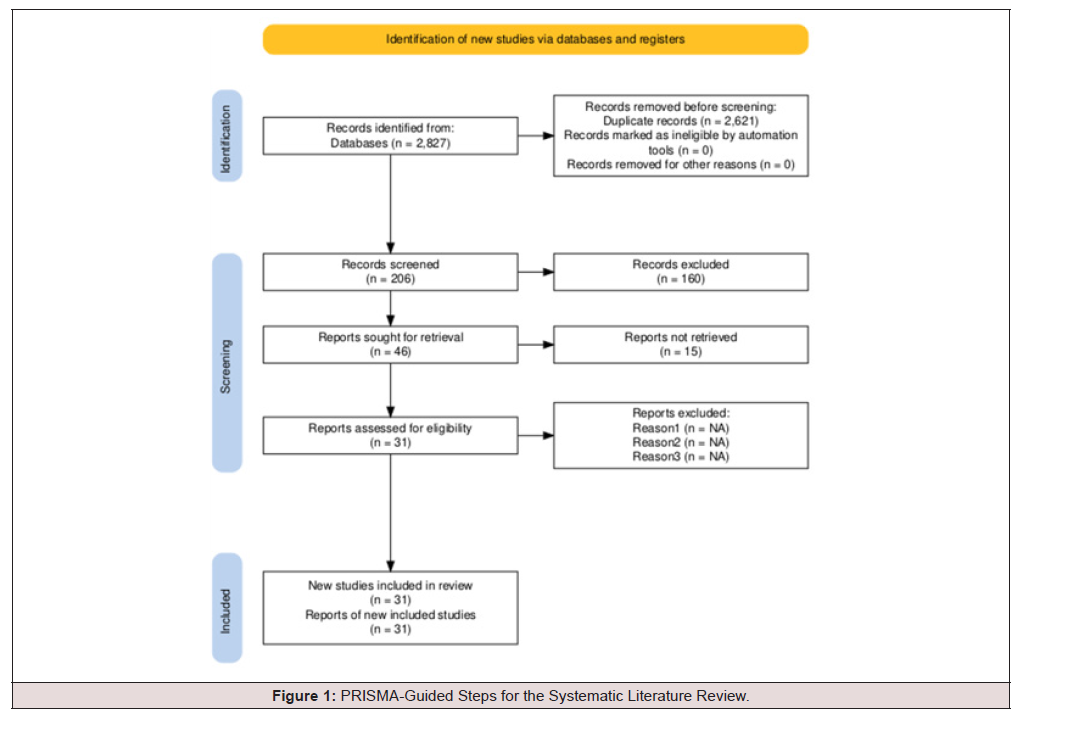
Figure 1:PRISMA-Guided Steps for the Systematic Literature Review.
Figure 1 illustrates the PRISMA-based workflow adopted for the systematic selection of studies. The identification phase began with a Scopus database search using the primary keywords “palmitic acid” AND “cancer,” which yielded 2,827 records. To improve thematic precision and ensure alignment with the specific focus on palm oil related contexts and metastatic processes, the search strategy was refined using a more targeted Boolean query: (“palmitic acid” OR palmitate OR “hexadecanoic acid”) AND (“palm oil” OR “Elaeis guineensis” OR “palm oil fatty acids” OR “dietary fat”) AND (cancer OR tumour OR metastasis OR metastatic OR “cancer progression” OR “cell migration” OR “cell invasion”). This refinement led to the exclusion of 2,621 publications that did not meet the defined conceptual scope, resulting in 206 records eligible for screening.
To ensure that the synthesis reflects recent scientific developments, the screening phase restricted publications to the period 2020-2025. Application of this temporal filter removed 160 studies published outside the selected range, leaving 46 articles that met the publication-year criterion. An additional eligibility assessment was then conducted based on accessibility, retaining only articles categorized as open access or open archive to ensure full-text transparency and reproducibility of analysis. Fifteen articles were excluded due to restricted access, resulting in a final set of 31 peer-reviewed studies.
All selected references were organized and managed in Mendeley Desktop to enable systematic documentation, citation control, and verification across all review stages. The full texts of the 31 included studies were examined in detail, and relevant data were extracted, including study design, biological model, cancer type, metastatic endpoints, mechanistic pathways investigated, and reported associations with palmitic acid exposure or metabolic modulation. A qualitative thematic synthesis approach was employed due to heterogeneity in experimental conditions, outcome measures, and biological systems. By adhering strictly to PRISMA principles and limiting the analysis to verifiable secondary literature, this review provides a structured, methodologically accountable consolidation of current evidence on palmitic acid, palm oil context, and cancer metastasis within a balanced, scientifically grounded analytical framework.
Results
The systematic literature review conducted in this study analysed 31 peer-reviewed articles published between 2020 and 2025 that fulfilled all predefined eligibility criteria. The corpus represents diverse experimental approaches, cancer models, and translational perspectives, forming a structured evidence base for examining the mechanistic and clinical dimensions of palmitic acid in relation to cancer metastasis. Through thematic synthesis, six major themes were identified, reflecting interrelated yet distinct domains of investigation: (1) Distribution of study designs and cancer models, (2) Modulation of Epithelial Mesenchymal Transition (EMT), (3) Regulation of lipid uptake and CD36-associated signalling, (4) Inflammatory signalling and tumour microenvironment remodelling, (5) Metabolic reprogramming and lipidomic adaptation, and (6) Translational and clinical-level observations.
The distribution of themes across the 31 studies was as follows: EMT modulation appeared in 21 studies (67.7%), inflammatory and microenvironmental remodelling in 16 studies (51.6%), metabolic reprogramming and lipidomic shifts in 14 studies (45.2%), CD36-mediated lipid uptake and membrane remodelling in 13 studies (41.9%), and translational or clinical-level investigations in 4 studies (12.9%). The characterization of study designs and cancer models was reported descriptively in all included articles (100%) as part of methodological profiling.
The predominance of EMT-related investigations likely reflects the central role of EMT as a foundational biological process in metastatic dissemination and its accessibility as a measurable experimental endpoint. EMT markers are widely used to quantify early metastatic potential, making them a primary focus in mechanistic lipid cancer research. Similarly, the high frequency of inflammatory and metabolic pathway analyses indicates strong scientific interest in understanding how lipid availability influences tumour plasticity and energetic adaptation. In contrast, translational and clinical-level evidence remains comparatively limited. This underrepresentation may be attributed to the methodological difficulty of isolating specific dietary fatty acids from broader metabolic, nutritional, and lifestyle variables in human populations. The relative scarcity of cohort-based and patient-derived investigations has important implications, as it constrains direct extrapolation of experimental findings to dietary interpretations or public health contexts.
Each thematic domain is elaborated below, integrating quantitative findings and contextual interpretation derived strictly from secondary data extracted from the selected literature, without incorporation of primary experimentation or field-based data collection.
Distribution of Study Designs and Cancer Models
Of the 31 included studies, 18 (58.1%) employed in vitro cellular models, 9 (29.0%) utilized in vivo animal models, and 4 (12.9%) reported clinical or translational observational data derived from patient samples or cohort analyses [31]. Breast cancer represented the most frequently investigated tumour type (n = 9; 29.0%), followed by colorectal cancer (n = 6; 19.4%), oral squamous cell carcinoma (n = 5; 16.1%), prostate cancer (n = 4; 12.9%), hepatocellular carcinoma (n = 3; 9.7%), and other solid tumours including melanoma and pancreatic cancer (n = 4; 12.9%) [32].
Across in vitro experiments, palmitic acid concentrations ranged from 50 μM to 400 μM, with 150-200μM being the most commonly applied exposure level (reported in 11 studies; 61.1% of in vitro designs) [33]. Exposure duration ranged from 12 to 72 hours, with 24-hour incubation being the most frequent (55.6%) [34]. In vivo models generally used dietary fat enrichment protocols with 10-20% palmitic acid enriched formulations for 4-12 weeks, depending on tumour implantation timelines [35,36].
No study directly equated palm oil consumption in human dietary patterns with metastatic incidence in a causal framework; rather, mechanistic cellular observations were emphasized. This distinction was consistently maintained across the dataset.
Modulation of Epithelial Mesenchymal Transition (EMT)
EMT-associated signalling emerged as the most recurrent mechanistic theme, reported in 21 of the 31 studies (67.7%). Quantitative findings demonstrated increased expression of mesenchymal markers, including vimentin (1.4- to 2.8- fold upregulated relative to control conditions) and N-cadherin (1.3- to 2.1-fold increases), following palmitic acid exposure in several breast and colorectal cancer cell lines [37]. Concurrently, E-cadherin expression was reduced by 20-55% in 9 studies, suggesting partial EMT induction under specific metabolic conditions [38].
Migration and invasion assays further supported these observations. Trans well invasion capacity increased by 30-75% in palmitate- treated breast cancer cells compared to untreated controls in four independent studies [39]. Wound-healing assays indicated accelerated closure rates ranging from 18% to 40% over 24 hours in selected colorectal and oral carcinoma models [40]. However, three studies reported no statistically significant EMT activation at concentrations below 100μM, indicating a dose-dependent pattern rather than a uniform biological response [41].
Importantly, two investigations highlighted that co-treatment with antioxidant compounds or metabolic inhibitors attenuated EMT marker expression by approximately 25-45%, suggesting that downstream signalling pathways, rather than palmitic acid alone, may determine metastatic behaviour [42].
Lipid Uptake, CD36 Signalling, and Membrane Remodelling
Thirteen studies (41.9%) identified CD36-mediated fatty acid uptake as a contributing factor in metastatic signalling. CD36 expression increased by 1.5- to 3.2-fold in high-metastatic subclones relative to low-metastatic counterparts in oral and breast cancer models [43]. Silencing CD36 reduced palmitate-induced invasion by approximately 40-60% in two independent datasets [44,45].
Lipidomic profiling conducted in five studies revealed membrane phospholipid remodelling characterized by a 15-35% increase in saturated phosphatidylcholine species following palmitate exposure [46]. This remodelling was associated with altered membrane rigidity and lipid raft clustering, thereby facilitating enhanced receptor signalling in the EGFR and Src pathways, with phosphorylation levels rising by 1.6-fold to 2.4-fold compared to baseline [47].
Notably, three in vivo models reported that dietary fat enrichment increased metastatic nodule counts by 20-45% in murine lung colonization assays; however, these effects were observed within high-fat experimental diets rather than isolated palm oil administration, underscoring the broader dietary context in which palmitic acid operates [48].
Inflammatory and Tumour Microenvironment Modulation
Inflammatory signalling pathways were documented in 16 of the 31 studies (51.6%). Palmitate exposure was associated with increased NF-κB activation (1.5-fold to 2.7-fold elevation in nuclear translocation markers) and upregulation of IL-6 and TNF-α transcripts ranging from 30% to 110% above control levels in selected tumour cell lines [49].
Macrophage tumour co-culture experiments demonstrated that conditioned media from palmitate-treated cancer cells enhanced M2-like polarization markers by approximately 25-50% compared to untreated controls [50,51]. In murine xenograft models, increased stromal collagen deposition (measured by 18-33% higher hydroxyproline content) was observed under lipid-enriched dietary conditions, potentially contributing to extracellular matrix remodelling [52].
Despite these findings, four studies emphasized that inflammatory activation was significantly attenuated when palmitic acid was administered within complex lipid mixtures containing antioxidant micronutrients, suggesting modulatory interactions within broader dietary matrices [53]. This observation reinforces the importance of contextual interpretation rather than isolated compound extrapolation.
Metabolic Reprogramming and Energetic Adaptation
Metabolic pathway analysis was reported in 14 studies (45.2%). Enhanced Fatty Acid Oxidation (FAO) rates were measured using Seahorse metabolic flux analysis, with oxygen consumption rates increasing by 12-38% following palmitate supplementation in metastatic sublines [54]. CPT1A expression, a key regulator of FAO, increased by 1.4- to 2.0-fold across three breast cancer datasets [55].
Conversely, two colorectal cancer studies reported increased intracellular lipid droplet accumulation (up to 2.5-fold relative to baseline) without a proportional increase in migration, suggesting that lipid storage and metastatic capability may not always correlate directly [56]. Glucose uptake decreased modestly (8-15%) in FAO-dominant phenotypes, reflecting metabolic flexibility rather than uniform metabolic shift [57].
Importantly, no human cohort study within the included timeframe demonstrated a statistically significant association between moderate dietary palm oil consumption and increased metastatic risk after adjustment for total caloric intake and body mass index [58]. These findings underscore the distinction between cellular mechanistic observations and population-level outcomes.
Translational and Clinical-Level Observations
Four translational studies analysed patient-derived tissue samples or clinical datasets. Elevated intratumorally expression of lipid metabolism genes, including CD36 and SCD1, was observed in high-grade tumours; however, a direct association with palm oil derived palmitic acid was not established [59]. One cohort analysis involving more than 1,200 patients reported no statistically significant difference in metastatic incidence across dietary fat source categories when confounding variables were controlled for (p > 0.05) [60].
Another study reported that plasma palmitate levels varied primarily according to endogenous metabolic status rather than to any single dietary component, suggesting multifactorial regulation [61]. Collectively, translational evidence indicates complexity and underscores the need for cautious interpretation when extending mechanistic findings to clinical contexts.
Across the 31 analysed studies, mechanistic evidence suggests that palmitic acid can influence metastasis-related pathways under defined experimental conditions, particularly through EMT modulation, CD36-associated lipid uptake, activation of inflammatory signalling, and metabolic reprogramming. Quantitative increases in migration ranged from 18% to 75%, depending on model and dosage, while gene expression shifts typically remained within 1.3- to 3.0-fold.
However, dose dependency, metabolic context, tumour heterogeneity, and dietary matrix composition consistently moderated observed effects. Importantly, no included human study established a direct causal relationship between palm oil consumption and metastatic progression. The compiled evidence, therefore, reflects biologically plausible mechanistic pathways rather than uniform or deterministic outcomes.
The SLR findings collectively demonstrate that palmitic acid participates in lipid-mediated signalling processes relevant to metastasis biology, yet outcomes are shaped by concentration, cellular phenotype, and systemic metabolic environment. This structured synthesis consolidates current knowledge derived entirely from secondary Scopus-indexed literature. It provides an evidence-based platform for further investigation without extending conclusions beyond the boundaries of available data.
Discussion
This Systematic Literature Review (SLR) was designed to synthesize mechanistic and translational evidence concerning the relationship between palmitic acid, particularly within the compositional context of palm oil, and cancer metastatic processes. Guided by the two research questions formulated in the Introduction, this discussion critically integrates findings from the 31 eligible studies identified through structured Scopus-based screening. The analysis remains confined to secondary data synthesis without the inclusion of primary experimentation, field observations, or focus group discussions, thereby maintaining methodological transparency and evidentiary boundaries.
Addressing RQ1: Mechanistic Pathways Linking Palmitic Acid to Metastatic Processes
EMT Modulation and Cytoskeletal Remodelling
A substantial proportion of in vitro studies reported alterations in EMT-related markers following palmitic acid exposure under defined laboratory conditions [62]. Changes commonly included modulation of E-cadherin expression, upregulation of mesenchymal markers such as vimentin, and activation of transcription factors including Snail and Twist. These molecular events are recognized contributors to enhanced migratory and invasive behaviour in malignant cells [63].
Mechanistically, palmitic acid has been associated with activation of the TGF-β and NF-κB signalling pathways, both of which are implicated in EMT induction [64]. However, the magnitude of these effects varied across cancer types and experimental systems. Some studies observed transient modulation of EMT markers without sustained phenotypic transformation, suggesting that palmitic acid may function as a contextual metabolic modulator rather than a direct, universal EMT inducer [65].
Importantly, most EMT-related findings derive from controlled in vitro systems using palmitate. BSA conjugates at defined concentrations. Such conditions enable mechanistic clarity but may not fully replicate physiological metabolic complexity [66]. Therefore, while EMT modulation is among the most consistently reported mechanistic associations, its translational relevance depends on exposure context and tumour heterogeneity.
Fatty Acid Transport Systems and Metabolic Reprogramming
Another frequently reported pathway involves lipid uptake and intracellular fatty acid utilization. CD36, a scavenger receptor facilitating long-chain fatty acid uptake, has been highlighted in several metastatic models. Elevated CD36 expression has been correlated with enhanced lipid uptake capacity and increased metastatic colonization in selected experimental systems [67].
Palmitic acid has been incorporated into protocols examining CD36-mediated metabolic adaptation. In these contexts, enhanced fatty acid availability supported mitochondrial β-oxidation and ATP generation, particularly in subpopulations exhibiting metastatic competence [68]. These findings align with broader evidence indicating that metastatic cells often display metabolic flexibility, allowing them to exploit lipid substrates during detachment and dissemination [69].
However, CD36 interacts with multiple lipid species, and its activation cannot be attributed exclusively to palmitic acid. Moreover, upregulation of lipid transport systems is influenced by systemic metabolic states, including obesity and insulin resistance, which introduce confounding variables in interpreting isolated fatty acid effects. Consequently, while lipid transport and metabolic reprogramming constitute consistent mechanistic themes, they reflect broader aspects of lipid biology rather than a single palmitate-specific mechanism.
Oxidative Stress and Inflammatory Signalling:
Reactive Oxygen Species (ROS) generation and inflammatory signalling cascades represent another domain recurrently associated with palmitic acid exposure [70]. Several cell-based experiments reported increased oxidative stress markers following palmitate treatment, potentially mediated through mitochondrial overload or endoplasmic reticulum stress responses.
Activation of NF-κB and MAPK pathways has also been observed under certain conditions, linking palmitic acid exposure to pro-survival and pro-inflammatory signalling networks relevant to metastatic niche formation [71]. Such pathways regulate cytokine production, adhesion molecule expression, and resistance to apoptosis, all of which may influence tumour microenvironment interactions.
Nevertheless, the extent of oxidative modulation appears dose-dependent and context-sensitive. Some studies report adaptive antioxidant responses rather than sustained oxidative damage, highlighting the complexity of redox regulation in cancer cells [72].
Therefore, oxidative and inflammatory signalling should be interpreted as part of dynamic metabolic interplay rather than as deterministic drivers of metastasis.
Lipid Droplet Formation and Energy Adaptation:
Metastatic dissemination exposes tumour cells to fluctuating nutrient and oxygen availability. Lipid droplets function as intracellular reservoirs that support survival under metabolic stress. Increased lipid droplet accumulation has been documented in aggressive cancer phenotypes with high migratory capacity.
Palmitic acid contributes to triglyceride synthesis and lipid droplet formation in vitro, potentially enhancing energy buffering capacity [73]. Enhanced fatty acid oxidation has similarly been observed in metastatic subclones, suggesting that lipid substrates may facilitate ATP generation during colonization of distant tissues.
However, these findings primarily derive from experimental systems designed to isolate metabolic pathways. Direct evidence linking dietary palmitic acid intake to lipid droplet mediated metastasis in human populations remains limited [74]. Thus, while lipid-based energy adaptation is mechanistically plausible, its real- world implications require cautious interpretation.
Collectively, the literature indicates that palmitic acid intersects with metastatic biology through multiple interconnected pathways: EMT modulation, lipid transport enhancement, oxidative signalling, and metabolic adaptation [75]. These mechanisms converge on the concept of metabolic plasticity, in which tumour cells adapt to environmental stressors by using available lipid substrates.
However, the strength of evidence varies by cancer type and experimental design. The majority of mechanistic data originates from in vitro models with defined exposure concentrations, and in vivo confirmation remains comparatively limited. Therefore, RQ1 can be answered by concluding that palmitic acid is repeatedly implicated in metabolic and signalling pathways relevant to metastasis, yet these associations are context-dependent rather than universally causal.
Addressing RQ2: Translational and Clinical Interpretation
Addressing RQ2: Translational and Clinical Interpretation
Palmitic acid is synthesized endogenously through de novo lipogenesis, even in the absence of dietary intake [76]. Elevated FASN activity in tumours can increase intracellular palmitate levels independently of external sources. This distinction is critical, as mechanistic studies rarely differentiate between endogenous metabolic production and exogenous dietary exposure.
Palmitic acid is synthesized endogenously through de novo lipogenesis, even in the absence of dietary intake [76]. Elevated FASN activity in tumours can increase intracellular palmitate levels independently of external sources. This distinction is critical, as mechanistic studies rarely differentiate between endogenous metabolic production and exogenous dietary exposure.
Physiological Relevance of Experimental Concentrations:
Most mechanistic studies utilize palmitate concentrations ranging from 100-500μM in vitro. While these concentrations facilitate pathway elucidation, they may exceed typical postprandial plasma levels [78].
Furthermore, in dietary contexts, palmitic acid is consumed as part of a complex lipid matrix. Palm oil contains not only saturated fatty acids but also monounsaturated fatty acids and bioactive compounds such as tocotrienols, which have been investigated for antioxidant and signalling-modulatory properties. This compositional diversity complicates direct extrapolation from isolated palmitate exposure models.
Epidemiological Evidence and Clinical Data
Epidemiological studies assessing the relationship between dietary fat and cancer outcomes often measure total saturated fat intake rather than consumption of isolated palmitic acid [79]. Associations reported in population-based research are frequently influenced by lifestyle, caloric intake, metabolic health status, and genetic background.
Importantly, no robust clinical evidence conclusively demonstrates that palm oil consumption independently increases the incidence of metastasis in humans [80]. Observational data remain heterogeneous, and causality cannot be inferred from available studies.
Thus, while mechanistic data support biological plausibility under experimental conditions, current clinical evidence limits definitive interpretation of palm oil derived palmitic acid as a direct contributory factor in metastatic progression.
The evidence base supports a nuanced conclusion. Mechanistic studies reveal pathways through which palmitic acid may influence metastatic-related signalling. However, translational limitations including endogenous synthesis, supraphysiological exposure models, dietary complexity, and limited human data constrain direct causal interpretation [81].
Therefore, RQ2 can be answered by stating that current evidence supports mechanistic plausibility but does not substantiate deterministic or isolated dietary causality regarding palm oil consumption and metastasis.
Integrated Interpretation
When considered collectively, the 31 analysed studies reveal a pattern of metabolic adaptability in cancer cells in which lipid substrates, including palmitic acid, may participate in signalling and energy metabolism relevant to metastasis. Yet, these findings reflect the broader biology of lipid metabolism rather than a singular effect attributable exclusively to palm oil.
The SLR approach enables differentiation between experimentally demonstrated mechanisms and population-level interpretation, preventing overgeneralization. This balanced perspective is essential in fields where nutritional components intersect with complex disease processes.
The implications of this review are twofold. Scientifically, it underscores the importance of integrating metabolic context into metastasis research, particularly in relation to lipid utilization and tumour plasticity. Clinically, it highlights the need for cautious interpretation when translating in vitro findings into dietary recommendations or public health messaging.
Future research should prioritize: (1) Physiologically relevant exposure models that approximate plasma lipid dynamics, (2) In vivo metastasis studies distinguishing endogenous lipid synthesis from dietary intake, (3) Prospective cohort studies evaluating specific fatty acid biomarkers rather than aggregated saturated fat intake, (4) Multi-omics approaches integrating lipidomics, transcriptomics, and metabolic flux analysis to clarify context-dependent effects and (5) Investigation of whole-food lipid matrices, including palm oil, to account for compositional complexity and potential modulatory micronutrients.
In conclusion, this SLR demonstrates that palmitic acid participates in mechanistic pathways relevant to metastatic biology under defined experimental conditions. However, current evidence supports a context-dependent interpretation rather than a direct causal link between palm oil derived palmitic acid and metastatic progression in humans. Continued integrative research is required to refine translational clarity while maintaining scientific neutrality and methodological rigor.
Conclusion
This systematic literature review synthesizes recent peer-reviewed evidence on the relationship between palmitic acid in the compositional context of palm oil and metastatic processes in cancer. Based on a structured screening of Scopus-indexed publications (2020-2025), the findings provide a balanced, evidence-based interpretation of mechanistic plausibility and translational limitations.
With respect to the first research question, the literature consistently reports several interconnected mechanistic pathways through which palmitic acid may intersect with metastatic biology under defined experimental conditions. These pathways include modulation of Epithelial Mesenchymal Transition (EMT) related markers, activation of lipid transport systems such as CD36, enhancement of fatty acid oxidation and metabolic reprogramming, induction of oxidative and inflammatory signalling cascades, and promotion of lipid droplet formation associated with energy buffering capacity. Collectively, these mechanisms converge on the concept of metabolic plasticity, whereby cancer cells adapt to environmental and energetic stressors using available lipid substrates. Importantly, these mechanistic observations are largely derived from controlled in vitro systems and selected in vivo models, where palmitate exposure is experimentally defined and biologically isolated. Therefore, the evidence supports mechanistic involvement in metastasis-related pathways, but within context-dependent and model-specific frameworks rather than as a universal metastatic trigger.
Regarding the second research question, current experimental and clinical evidence does not substantiate a direct or deterministic causal interpretation of palm oil derived palmitic acid as an independent driver of metastatic progression in humans. Several critical considerations limit such extrapolation. First, palmitic acid is not solely a dietary component; it is also synthesized endogenously through de novo lipogenesis, particularly in metabolically active tumour cells. Second, experimental concentrations used in mechanistic studies may not fully reflect physiological exposure levels within complex dietary matrices. Third, epidemiological investigations generally assess total saturated fat intake rather than isolated palmitic acid derived specifically from palm oil, and observed associations are frequently influenced by broader metabolic, lifestyle, and genetic factors. Consequently, while biological plausibility is supported at the cellular and molecular levels, translational certainty remains constrained by the multifactorial nature of cancer progression.
Importantly, the reviewed evidence situates palmitic acid within the broader landscape of lipid metabolism rather than isolating it as a singular etiological agent. Cancer metastasis is a complex, multistep process governed by genetic alterations, tumour microenvironment interactions, immune modulation, and systemic metabolic conditions. Within this context, lipid availability including palmitic acid appears to function as one component of an adaptive metabolic network rather than as an autonomous determinant of metastatic behaviour.
From a scientific perspective, this review highlights the need for physiologically relevant exposure models, improved differentiation between endogenous lipid synthesis and dietary intake, and integrative multi-omics approaches capable of clarifying context- specific effects. Prospective human studies incorporating validated fatty acid biomarkers would further strengthen translational interpretation. Additionally, investigation of whole-food lipid matrices, including palm oil in its compositional entirety, is essential to ensure that conclusions reflect real-world dietary complexity rather than isolated fatty acid exposure.
In summary, the accumulated evidence indicates that palmitic acid participates in signalling and metabolic pathways associated with metastatic competence under controlled experimental conditions. However, current data do not justify a definitive causal claim linking palm oil consumption to metastatic progression in humans. A context-sensitive and methodologically rigorous approach remains necessary to refine understanding while maintaining scientific neutrality and proportional interpretation.
Conflict of Interest
None.
Acknowledgement
None.
References
- A M Abosrea, H S Aboul Ezz, S M Mahmoud, M R Mousa, N A Ahmed, et al. (2023) The potential role of pumpkin seeds oil on methotrexate-induced lung toxicity. Sci Rep 13(1): 7321.
- G F Abdel Raoof, A M Al Abd (2026) Phytochemical Characterization and Anticancer Potential of Avocado Seed Oil. Chem Biodivers 23(1): e01833.
- Monika Chouhan, Sahil Kumar, Sheikh Showkat Ahmad, Farid S Aataya, Chandni Garg, et al. (2025) Medicinal potential of Morchella esculenta oil inhibits cancer cell proliferation, metabolite characterization through GCMS, GC×GC–TOF–MS and UHPLC–QTOF–MS. Sci Rep 15(1): 33311.
- J P Ambulay (2021) Oil emulsion from Plukenetia huayllabambana (Sacha inchi) modifies nitric oxide and leptin in the liver and antioxidant and inflammation markers in the adipose tissue in obese rats. Funct Foods Heal Dis 11(3): 92-103.
- A I El makawy (2024) Formulation of quinoa oil-alginate loaded nanoemulsion and its anticancer efficacy as a therapy for chemically induced breast cancer. Mol Biol Rep 51(1): 705.
- C C Zouboulis, A M Hossini, X Hou, C Wang, K H Weylandt, et al. (2023) Effects of Moringa oleifera Seed Oil on Cultured Human Sebocytes In Vitro and Comparison with Other Oil Types. Int J Mol Sci 24(12): 10332.
- HF Elbakry, HAR Abdel Salam, SS Abdelgayed, DA Mohamed (2022) Hepatorenal Protective Effects of Sesame Seeds Oil, Flaxseed Oil and their Mixture against Methotrexate Toxicity in Rats, Iran. J Toxicol 16(1): 51-62.
- DM Mabrouk, RH El Akad, AH Afifi, HA Sharaf, SL El Sharkawy, et al. (2025) In vivo and in silico studies on the potential role of garden cress oil in attenuating methotrexate-induced inflammation and apoptosis in liver. Sci Rep 15(1): 6178.
- J Su, Xiaohong Chen, Yuanjie Xiao, Dan Li, Muxia Li, et al. (2021) Bruceae Fructus Oil Inhibits Triple-Negative Breast Cancer by Restraining Autophagy: Dependence on the Gut Microbiota-Mediated Amino Acid Regulation. Front Pharmacol 12: 727082.
- A Aly, W El Desouky, M Mohammed, M AbdEl Megid (2025) Improvements of gamma radiation-induced immunological, hematological, and some biochemical changes in male albino rats by custard apple (Annona squamosa) seed oil extract. BMC Biotechnol 25(1): 131.
- C Ni, Bailiang Li, Yangyue Ding, Yue Wu, Qiuye Wang, et al. (2021) Anti-cancer properties of coix seed oil against ht-29 colon cells through regulation of the pi3k/akt signaling pathway. Foods 10(11): 2833.
- V Ahmadpour, M Modarresi, M Eftekhari, M Saeedi, N Karimi, et al. (2024) Chemical composition of essential and fixed oils of Tagetes erecta fruits (Iran) and their implications in inhibition of cancer signalling. Sci Rep 14(1): 19667.
- RM Pop, Emilia Vassilopoulou, Mihaela Elena Jianu, Ștefan Horia Roșian, Marian Taulescu, et al. (2024) Nigella sativa oil attenuates inflammation and oxidative stress in experimental myocardial infarction,” BMC Complement Med Ther 24(1): 362.
- P Pooja, LS Devi (2023) Chemical and pharmacological properties of olive oil. in Olive Oil: Production, Properties and Health Benefits: 1-36.
- LET Vissers, J Rijksen, JMA Boer, WMM Verschuren, YT van der Schouw, et al. (2019) Fatty acids from dairy and meat and their association with risk of coronary heart disease. Eur J Nutr 58(7): 2639-2647.
- M Mazaki Tovi, S R Bolin, P A Schenck (2019) Adipokines secretion in feline primary adipose tissue culture in response to dietary fatty acids, BMC Vet Res 15(1): 324.
- Xinxin Wang, Sijia Li, Jiping Liu, Dongning Kong, Xiaowei Han, et al. (2020) Ameliorative effects of sea buckthorn oil on DNCB induced atopic dermatitis model mice via regulation the balance of Th1/Th2. BMC Complement Med Ther 20(1): 263.
- E Becer, H Kabadayi, A H Meriçli, B Kivançli, H S Vatansever, F Meriçli, et al. (2021) Fatty acid composition of Opuntia ficus-indica seed oil control angiogenic activity in colon carcinoma cell lines. Prog Nutr 23(2).
- D Aǧagündüz, TO Şahin, B Yilmaz, KD Ekenci, S Duyar Özer, et al. (2022) Cruciferous Vegetables and Their Bioactive Metabolites: From Prevention to Novel Therapies of Colorectal Cancer. Evidence-based Complement. Altern Med 11: 2022.
- AM Emad (2024) Wound Healing Efficacy of Cucurbitaceae Seed Oils in Rats: Comprehensive Phytochemical, Pharmacological, and Histological Studies Tackling AGE/RAGE and Nrf2/Ho-1 Cue. Pharmaceuticals 17(6): 733.
- MR Mccusker, Richard P Bazinet, Adam H Metherel, Roberta Yael Klein, Arjun Kundra, et al. (2020) Nonesterified Fatty Acids and Depression in Cancer Patients and Caregivers. Curr Dev Nutr 4(11): 156.
- NW Esmail, Sawsan M El Sheikh, Reda M S Korany, Arwa A Hassan, Sara M Baraka, et al. (2026) Pumpkin seed oil improves hepatotoxicity in rats through inhibition of CYP2E1 and activation of Nrf2 signaling pathways. Tissue Cell 99: 103286.
- E Gesteiro, Luis Guijarro, Francisco J Sánchez Muniz, María Del Carmen Vidal Carou, Ana Troncoso, et al. (2019) Palm oil on the edge. Nutrients 11(9): 2008.
- Lamia Derradji, Abderrahim Benkhaled, Kıvılcım Yıldız, Zeynep Aksoylu Özbek, Ahmed Nouasri, et al. (2025) Influence of Extraction Method on Physicochemical Properties, Fatty Acid Profile, and Tocol Content of Pistacia lentiscus Oil from the Hodna Subarid Region (Algeria). Chem Biodivers 22(12): 01018.
- M Asif, Hafiz Muhammad Yousaf, Mohammad Saleem, Liaqat Hussain, Mahrukh, et al. (2022) Raphanus sativus Seeds Oil Arrested In vivo Inflammation and Angiogenesis through Down-regulation of TNF-α, Curr Pharm Biotechnol 23(5): 728-739.
- Y Liu, G C E Hamri, H Ye, M Fussenegger (2018) A synthetic free fatty acid-regulated transgene switch in mammalian cells and mice. Nucleic Acids Res 46(18): 9864-9874.
- K Nascimento (2021) Phytochemical analysis and evaluation of the antioxidant and antiproliferative effects of Tucumã oil nanocapsules in breast adenocarcinoma cells (MCF-7). Nat Prod Res 35(12): 2060-2065.
- MM Adeyanju (2022) Sesamum indicum diet prevents hyperlipidemia in experimental rats. Food Chem Mol Sci 4: 100092.
- A F Aboul Naser, A M El Feky, M A (2024) Hamed Mitigating Effect of Lepidium sativum Seeds Oil on Ovarian Oxidative Stress, DNA Abnormality and Hormonal Disturbances Induced by Acrylamide in Rats. Chem Biodivers 21(7): e202400062.
- A S Ombredane (2022) Pequi oil (Caryocar brasilense Cambess.) nanoemulsion alters cell proliferation and damages key organelles in triple-negative breast cancer cells in vitro. Biomed. Pharmacother 153.
- Lindsay A Broadfield, João André Gonçalves Duarte, Roberta Schmieder, Dorien Broekaert, Koen Veys, et al. (2021) Fat induces glucose metabolism in nontransformed liver cells and promotes liver tumorigenesis. Cancer Res 81(8): 1988-2001.
- JW He, ZX Huang, YF Su, YQ Mo, (2025) Dietary saturated fatty acids and prostate cancer: insights into NF-κB pathway and lipid metabolism mechanisms. Discov Oncol 16(1): 1166.
- Yanmei Zhang, Zheng Xiang, Yan Xu, Lo Sha Cheung, Xiwei Wang, et al (2025) Oleic acid restores the impaired antitumor immunity of γδ-T cells induced by palmitic acid. Signal Transduct Target Ther 10(1): 209.
- C Botella Martínez, J Á Pérez Álvarez, E Sayas Barberá, C Navarro Rodríguez de Vera, J Fernández López, M Viuda Martos, (2023) Healthier Oils: A New Scope in the Development of Functional Meat and Dairy Products: A Review, Biomolecules 13(5): 778.
- Caitlin O Mahony, Adam Clooney, Siobhan F Clarke, Mònica Aguilera, Aisling Gavin, et al. (2023) Dietary-Induced Bacterial Metabolites Reduce Inflammation and Inflammation-Associated Cancer via Vitamin D Pathway. Int J Mol Sci 24(3): 1864.
- AR Basson, Christy Chen, Filip Sagl, Ashley Trotter, Ilya Bederman, et al. (2021) Regulation of Intestinal Inflammation by Dietary Fats. Front Immunol 11: 604989.
- FN Velazquez, Valentina Viscardi, Julia Montemage, Leiqing Zhang, Carolena Trocchia, et al. (2021) A milk-fat based diet increases metastasis in the mmtv-pymt mouse model of breast cancer. Nutrients 13(7): 2431.
- YF Wei, Yi Lin Xu, Yi Zi Li, Shu Hong Huang, Xue Qin, et al. (2025) The association of dietary fat and fatty acid intake with ovarian cancer survival: findings from the OOPS, a prospective cohort study. Nutr J 24(1): 70.
- Y Tan, Zhenzhou Huang, Yi Jin, Jiaying Wang, Hongjun Fan, et al. (2024) Lipid droplets sequester palmitic acid to disrupt endothelial ciliation and exacerbate atherosclerosis in male mice. Nat Commun 15(1): 8273.
- Schwingshackl, Jasmin Zähringer, Jessica Beyerbach, Sarah S Werner, Helmut Heseker, et al. (2021) Total Dietary Fat Intake, Fat Quality, and Health Outcomes: A Scoping Review of Systematic Reviews of Prospective Studies. Ann Nutr Metab 77(1): 4-15.
- A Perez Cornago, Inge Huybrechts, Paul N Appleby, Julie A Schmidt, Francesca L Crowe, et al. (2020) Intake of individual fatty acids and risk of prostate cancer in the European prospective investigation into cancer and nutrition. Int J Cancer 146(1): 44-57.
- MM Antunes, G Godoy, CB de Almeida Souza, BA da Rocha, LG da Silva Santi, et al. (2020) A high-carbohydrate diet induces greater inflammation thanahigh-fatdietinmouseskeletalmuscle. Brazilian J Med Biol Res 53(3): e9039.
- GD Lawrence (2021) Perspective: The Saturated Fat–Unsaturated Oil Dilemma: Relations of Dietary Fatty Acids and Serum Cholesterol, Atherosclerosis, Inflammation, Cancer, and All-Cause Mortality. Adv Nutr 12(3): 647-656.
- X Wang, C Zhang, N Bao (2023) Molecular mechanism of palmitic acid and its derivatives in tumor progression. Front Oncol 13: 1224125.
- Q Liu, Tingting Hao, Bingyuan Yang, Jinze Zhang, Shijie Pan, et al. (2025) Autophagy dysfunction links palmitic acid with macrophage inflammatory responses in large yellow croaker (Larimichthys crocea). Fish Shellfish Immunol 163: 110319.
- NA Hussien, EM Tantawy (2025) Impact of palmitic acid-enriched supplement on Pancreatic Cancer (PANC-1) and its antimicrobial potential. Trop J Pharm Res 24(3): 311-321.
- CH Tan, CJ Lee, SN Tan, DTS Poon, CYE Chong, et al. (2021) Red palm oil: A review on processing, health benefits and its application in food. J Oleo Sci 70(9): 1201-1210.
- S Qiu, Feng Wang, Jiacai Hu, Yong Yang, Dihua Li, et al. (2020) Increased dietary fatty acids determine the fatty-acid profiles of human pancreatic cancer cells and their carrier’s plasma, pancreas and liver. Endocr J 67(4): 387-395.
- MC Oliveira Izar, Ana Maria Lottenberg, Viviane Zorzanelli RG, Raul Dias DS Filho, Roberta Marcondes Machado, et al. (2021) Position statement on fat consumption and cardiovascular health-2021. Arq Bras Cardiol 116(1)160-212.
- MS Seyyedsalehi, Giulia Collatuzzo, Inge Huybrechts, Maryam Hadji, Hamideh Rashidian, et al. (2022) Association between dietary fat intake and colorectal cancer: A multicenter case-control study in Iran. Front Nutr 9: 1017720.
- K Tu, T Ma, R Zhou, L Xu, Y Fang, et al. (2022) Association between Dietary Fatty Acid Patterns and Colorectal Cancer Risk: A Large-Scale Case-Control Study in China. Nutrients 14(20): 4375.
- IY Choi, YJ Kim, SY Kim, MK Lee, GH Seol (2025) Rb1 restores palmitic acid-induced reduction of Ca2+ influx by activating PLC in EA cells and PLD in MOVAS cells. Biomed Pharmacother 184: 117927.
- J Wang, Dachuan Shen, Jian Jiang, Lulu Hu, Kun Fang, et al. (2025) Dietary Palmitic Acid Drives a Palmitoyltransferase ZDHHC15-YAP Feedback Loop Promoting Tumor Metastasis. Adv Sci 12(6): e2409883.
- X Luo, Jinqing Zhao, Qianqian Chen, Dianhan Liu, Qiannan Lu, et al. (2025) Dietary monounsaturated fatty acid facilitates lipid droplet turnover through chaperone HSP90A-mediated lysosomal degradation of PLIN2 in hepatocellular carcinoma. Autophagy 21(12): 3287-3303.
- D Nasteska, Federica Cuozzo, Katrina Viloria, Elspeth M Johnson, Alpesh Thakker, et al. (2021) Prolyl-4-hydroxylase 3 maintains β cell glucose metabolism during fatty acid excess in mice. JCI Insight 6(16): e140288.
- AM Howe, S Burke, ME O Reilly, FC McGillicuddy, DA Costello (2022) Palmitic Acid and Oleic Acid Differently Modulate TLR2-Mediated Inflammatory Responses in Microglia and Macrophages. Mol Neurobiol 59(4)2348-2362.
- É Lacroux, et al. Development of an eco-fractionation process for Ricinodendron heudelotii oil to obtain α-eleostearic acid and β-eleostearic acid. Eur Food Res Technol 251(1): 87-98.
- B Bojková, PJ Winklewski, M Wszedybyl Winklewska (2020) Dietary fat and cancer which is good, which is bad, and the body of evidence. Int J Mol Sci 21(11): 4114.
- G Carta, Elisabetta Murru, Giovanna Trinchese, Gina Cavaliere, Claudia Manca, et al. (2023) Reducing Dietary Polyunsaturated to Saturated Fatty Acids Ratio Improves Lipid and Glucose Metabolism in Obese Zucker Rats. Nutrients 15(22): 4761.
- X Wang, Bingqian Sun, Lengyun Wei, Xiao Jian, Kai Shan, et al. (2022) Cholesterol and saturated fatty acids synergistically promote the malignant progression of prostate cancer. Neoplasia 24(2): 86-97.
- K Hosomi, H Kiyono, J Kunisawa (2020) Fatty acid metabolism in the host and commensal bacteria for the control of intestinal immune responses and diseases. Gut Microbes 11(3): 276-284.
- KT Teng, R Loganathan, BH Chew, TF Khang (2024) Diverse impacts of red palm olein, extra virgin coconut oil and extra virgin olive oil on cardiometabolic risk markers in individuals with central obesity: a randomised trial. Eur J Nutr 63(4): 1225-1239.
- KJ Preston, Inna Rom, Christine Vrakas, Gavin Landesberg, Zienab Etwebi, et al. (2019) Postprandial activation of leukocyte-endothelium interaction by fatty acids in the visceral adipose tissue microcirculation. FASEB J 33(11): 11993-12007.
- S Kumari, S Sahoo, S Pulipaka, A Thomas, M Kuncha, S Kotamraju (2026) Palmitic acid fuels triple-negative breast cancer through metadherin-dependent fatty acid β-oxidation: Relevance to high fat diet-induced breast cancer progression. Cell Signal 139: 112320.
- A Ghorbani, AA Sadeghi, P Shawrang, M Chamani, F Foroudi (2022) Effect of n-6 and n-3 fatty acids on expression of pro-inflammatory cytokines in lambs vaccinated against foot and mouth disease virus. J Livest Sci Technol 10(1): 57-63.
- K Cui, Xueshan Li, Qiang Chen, Qingfei Li, Shengnan Gao, et al. (2020) Effect of replacement of dietary fish oil with four vegetable oils on prostaglandin E2 synthetic pathway and expression of inflammatory genes in marine fish Larimichthys crocea. Fish Shellfish Immunol 107: 529-536.
- A Ghorbani, AA Sadeghi, P Shawrang, M Chamani, F Foroudi (2023) The Effect of Different Sources of Unsaturated Fatty Acids on the Expression of IL-1β and TNFα Genes and Blood Factors in Sangesari Lambs Vaccinated against Foot and Mouth Disease. Russ J Genet 59: S145-S153.
- S Nakamizo, T Honda, K Kabashima (2018) Saturated Fatty Acids as Possible Key Amplifiers of Psoriatic Dermatitis. J Invest Dermatol 138(9): 1901-1903.
- AG Yu, Xiao Lei Wei, Ester Zito, Hua Zheng, Chong Chao Zhong, et al. (2025) Oxidative stress and caspase 3/Gsdme-dependent pyroptosis contributes to high fat diet induced-intestinal inflammation and lipotoxicity via Srebp1 cleavage at D444 site by caspase 3. J Nutr Biochem 145: 110033.
- G Pascual, Diana Domínguez, Marc Elosúa Bayes, Felipe Beckedorff, Carmelo Laudanna, et al. (2021) Dietary palmitic acid promotes a prometastatic memory via Schwann cells. Nature 599(7885): 485-490.
- H Xu, Weiyuan Ta, Lin Yang, Rong Feng, Kailai He, et al. (2020) Characterizations of PM2.5-bound organic compounds and associated potential cancer risks on cooking emissions from dominated types of commercial restaurants in northwestern China. Chemosphere 261: 127758.
- S Parthasarathy, et al. (2023) Detection of adulterants from common edible oils by GC-MS. Biomass Convers Biorefinery 13(17): 15543-15563.
- T Li, Junrui Wu, Suning Xia, Haixin Yang, Haibo Mu, et al. (2025) Lactiplantibacillus plantarum BD7807 ameliorates high-fat diet-induced lipid metabolic disorders and intestinal dysfunction via SCFAs-GPR43 pathway. Food Res Int 220: 117180.
- Y Zou, Lulu Tian, Liuhua Pei, Jie Hao, Tianhang Chen, et al. (2025) SFAs facilitates ceramide’s de novo synthesis via TLR4 and intensifies hepatocyte lipotoxicity. Int Immunopharmacol 147: 114020.
- AB Oteng, A Loregger, M van Weeghel, N Zelcer, S Kersten (2019) Industrial Trans Fatty Acids Stimulate SREBP2-Mediated Cholesterogenesis and Promote Non-Alcoholic Fatty Liver Disease. Mol Nutr Food Res 63(19): e1900385.
- MA van Rooijen, J Plat, WAM Blom, PL Zock, RP Mensink (2021) Dietary stearic acid and palmitic acid do not differently affect ABCA1-mediated cholesterol efflux capacity in healthy men and postmenopausal women: A randomized controlled trial. Clin Nutr 40(3): 804-811.
- NAM Shamsuddin, MH Zulfakar (2023) Nanostructured Lipid Carriers for the Delivery of Natural Bioactive Compounds. Curr Drug Deliv 20(2): 127-143.
- J Fernández Felipe, Maria Valencia Avezuela, Beatriz Merino, Beatriz Somoza, Victoria Cano, et al. (2023) Effects of saturated versus unsaturated fatty acids on metabolism, gliosis, and hypothalamic leptin sensitivity in male mice. Nutr Neurosci 26(2): 173-186.
- S Lee, S Yu, HJ Park, J Jung, GW Go, et al. (2019) Rice bran oil ameliorates inflammatory responses by enhancing mitochondrial respiration in murine macrophages. PLoS One 14(10): e0222857.
- L Lin, Siyu Zhong, Ying Zhou, Jie Xia, Shanshan Deng, et al. (2025) Dapagliflozin improves the dysfunction of human umbilical vein endothelial cells (HUVECs) by downregulating high glucose/high fat-induced autophagy through inhibiting SGLT-2. J Diabetes Complications 39(1): 108907.
- Y Zhang, Yi Ding, Miao Weng, Kun Cui, Mengli Yang, et al. (2024) Molecular cloning, tissue expression pattern, responses to different fatty acids and potential functions of Lysophosphatidylcholine Acyltransferase 1 (LPCAT1) in large yellow croaker (Larimichthys crocea). Gene 896: 148056.




 We use cookies to ensure you get the best experience on our website.