
Research Article 
 Creative Commons, CC-BY
Rational Antibiotic Use: Integrating Clinical Strategies to Maximize Efficacy and Combat Resistance
*Corresponding author:Parisa Batul, Benazir Bhutto Shaheed University, Sindh, Pakistan.
Received:March 05, 2026; Published:March 11, 2026
DOI: 10.34297/AJBSR.2026.30.003937
Abstract
Background: Antibiotics have been pivotal in controlling infections since their discovery, particularly during the golden era (1940–1962). However, the emergence of Antimicrobial Resistance (AMR), now causing over 33,000 annual deaths in Europe alone, poses a serious threat to global public health. Inappropriate antibiotic prescribing is a key contributor, leading to drug resistance, increased healthcare costs, and disruption of the gut microbiome.
Objective: To explore and synthesize evidence-based strategies for optimizing antibiotic use in clinical settings to improve efficacy and combat the rise of AMR.
Methods: A systematic literature review was conducted to assess studies addressing antibiotic selection, individualized dosing, duration of therapy, diagnostics, and emerging therapies. The inclusion criteria focused on studies involving stewardship interventions, resistance surveillance, and innovation in antibiotic therapy.
Results: Effective optimization strategies include the use of rapid diagnostics (e.g., PCR, molecular techniques), individualized treatment based on patient-specific factors (age, renal function, comorbidities), and consideration of local resistance patterns. Shorter treatment courses and stewardship programs significantly improve clinical outcomes. Emerging therapies such as phage therapy, antimicrobial peptides, and CRISPR offer promising alternatives to traditional antibiotics.
Conclusion: Addressing AMR requires a multifaceted approach involving prudent antibiotic use, advanced diagnostics, public education, and robust investment in innovative therapies. Global collaboration across clinical, agricultural, and research sectors is essential to preserve the effectiveness of antibiotics and prevent resistance escalation.
Keywords: Antibiotics, Resistance, Selection, Dosing, Public health
Introduction
Antibiotics are substances that kill or inhibit the growth of bacteria and have been in use to cure infections for millennia [31]. Early civilizations employed moulds and plant extracts. Paul Ehrlich discovered arsphenamine in 1909 [30], while Selman Waksman was credited with discovering more than 20 antibiotics [63]. Over 30 years afterward, ‘antibiotics’ first gave this group of medicines its name [49]. The first antibiotic discovered was mycophenolic acid by Vincenzo Tiberio in 1896 [23]. Alexander Fleming later uncovered penicillin in 1928, a discovery which made an important contribution to medicine as a whole [35]. In the 1930s, Gerhard Domagk developed the first commercially available antibiotic, Prontosil [60]. Most antibiotic classes were discovered and introduced during the golden era of antibiotics from 1940 to 1962.
Antimicrobial resistance is an emerging concern that takes 33,000 lives every year in Europe. Inappropriate prescription of antibiotics is a widespread occurrence; as many as 50% of treatments given are found to be inappropriate. The use of antibiotics when not required may result in antibiotic resistance, adverse drug events, increased costs of health care, disturbance in gut flora, and infections caused by C. difficile. Optimized utilization of antibiotics by way of rapid diagnostics, inflammation markers, shorter lengths of courses, individualization, and avoidance of highrisk classes will lead to better patient outcomes and quality of care [7,12,24]. Antibiotics have a great contribution to public health because they reduce morbidity and mortality rates associated with bacterial infections. They have been very useful in the treatment of infectious diseases since their discovery, thus saving many lives [34]. These are essential in medical care, used for treatment and prevention of bacterial infections such as pneumonia, tuberculosis, and sepsis. They either kill or stop the growth of bacteria, hence allowing the immune system to clear the infection. They are also used as prophylaxis before surgical procedures.
The optimization of antibiotic use in hospitals is becoming a more urgent concern as resistance spreads [19]. Despite the focus on physicians, optimizing the use of antibiotics in hospitals requires awareness of a number of stakeholders, not all of whom prescribe, and the ways they influence practice and practice reform [11]. The use of antibiotics in hospitals should be optimized with considerations such as sources of infection, pathogens, patient conditions, and risk factors taken into consideration. Precision dosing approaches in antibiotic therapy, such as monitoring via biosensors, are improvements in treatment outcomes [27]. Pediatric intensive care strategies include rapid diagnostics, markers for inflammation, and individualized therapies. Overuse and misuse contribute to resistance, increasing health care costs and adverse events. Optimizing antibiotic use improves treatment outcomes, reduces resistance development, lowers costs, contributes to public health, and promotes responsible use and better patient outcomes. Antibiotic resistance is increasing because of the ability of bacteria to evade antibiotics by chemically modifying the antibiotic, exporting it, or altering receptors. Overuse and improper use of these drugs, along with a lack of new antibiotic development and the sharing of resistance genes, have all led to this problem [20,48]. General interventions involve legislation, health policy, Antibiotic resistance can be addressed by enhancing stewardship of existing antibiotics, researching and developing new ones, and raising awareness among healthcare professionals [27,62].
Methicillin-Resistant Staphylococcus Aureus (MRSA), Vancomycin-Resistant Enterococcus (VRE), Multi-drug-resistant Mycobacterium tuberculosis (MDR-TB), and Carbapenemaseproducing Enterobacterales (CPE) are some of the major antibioticresistant pathogens that caused more than 100,000 deaths in 2019 alone [10]. These resistant bacteria are capable of adapting to antibiotic pressure, making infections harder to treat. MDR-TB is resistant to multiple antibiotics, raising the transmission risk. CPE produces carbapenemases, which render the carbapenem antibiotics ineffective [57]. The present review aims to critically appraise current evidence and guidelines on optimal use of antibiotics, including indications, dosing regimens, duration of therapy, strategies to minimize antimicrobial resistance, and adverse effects. It will also discuss emerging trends, challenges, and future directions in antibiotic stewardship to promote the rational and effective use of antibiotics in clinical practice.
Methodology
Study Design and Search Strategy
The present study employed the qualitative research methodology to examine the examines current practices and future directions in antibiotic use and stewardship to ensure effective, safe, and resistance-conscious clinical application. PRISMA guidelines were employed for the selection of suitable studies from different data sources to increase the results authentication. Certain databases such as Scopus, Web of Science, Cochrane Library, Science Direct, and Google Scholar were used. Relevant key words used to filter the specified studies such as “Antibiotic Stewardship,” “Antimicrobial Resistance,” “Rational Antibiotic Use,” “Clinical Guidelines,” “Antibiotic Dosing,” “Treatment Duration,” “Emerging Trends,” “Adverse Effects,” “Evidence-Based Practice,” and “Infection Management.”
Inclusion Criteria
This study limits its inclusion to peer-reviewed articles, clinical trials, systematic reviews, meta-analyses, and official clinical guidelines that focus on antibiotic use and stewardship. Only studies published within the last decade (2006–2025) were considered to ensure the capture of updated and relevant evidence. Chosen literature had to address core areas such as indications of antibiotics, dosing regimens, length of treatment, strategies aimed at reducing antimicrobial resistance, and strategies for minimizing adverse effects. Further, English language publications were the only ones considered for consistency and ease of interpretation.
Exclusion Criteria
Studies not relevant to peer-reviewed research, such as opinion or editorial pieces and conference abstracts without full texts, will fall outside of the scope of this review. Excluded articles which have been published prior to the year 2000, unless they are considered seminal or foundational in the field. Excluded studies that deal solely with veterinary medicine or use of antibiotics for agricultural purposes. Moreover, papers on unrelated subjects in antibiotic stewardship, clinical practice, or management of resistance will not be included. Finally, only publications in the English language will be included, due to the high risk of error in translation and misinterpretation.
Data Collection
Study selection was based on the PRISMA 2020 guidelines. A total of 768 records were initially identified from five major databases, namely Scopus, Web of Science, Cochrane Library, ScienceDirect, and Google Scholar. After removing duplicates, a total of 680 titles and abstracts were screened. Of these, 382 fulltext articles were assessed for eligibility. Based on the inclusion and exclusion criteria, 333 full-text articles were excluded due to reasons related to irrelevant studies, incomplete data, or methodological flaws. Thus, 49 studies were finally included in the qualitative synthesis, as indicated in Figure 1.
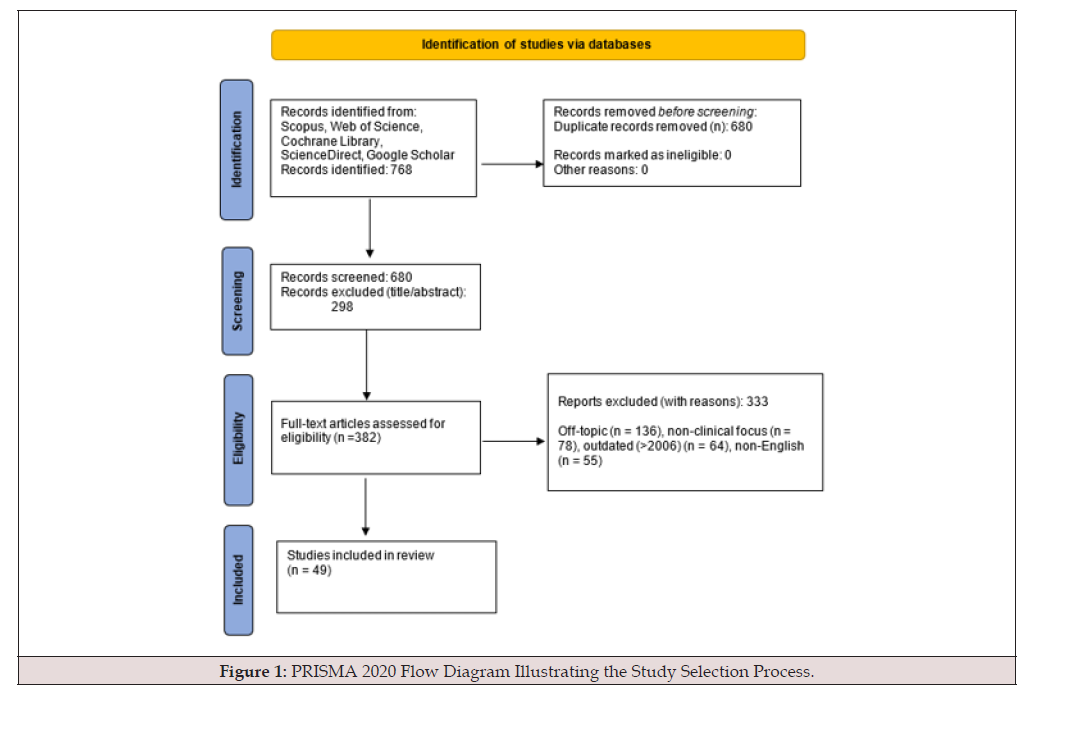
Figure 1:PRISMA 2020 Flow Diagram Illustrating the Study Selection Process.
Quality Assessment
We performed the quality assessment of the included studies with an adapted QUADAS-2 tool, assessing risk of bias across four domains: patient selection, index test, reference standard, and flow and timing. Most studies had a low risk of bias, notably in the aspects of patient selection and the procedures for testing. Minor concerns existed in a few regarding reference standards and timing consistency. Generally, the methodological quality was acceptable and provided a reliable basis for synthesizing findings. A detailed summary is presented in Figure 2.
Results & Discussion
This systematic review synthesized current evidence from clinical guidelines, observational studies, and randomized controlled trials to assess the optimal use of antibiotics in clinical practice. The focus of analysis was on major dimensions of antibiotic use: appropriate indications, diagnostic support, dosing strategy, duration of treatment, minimizing resistance, and management of adverse events. Emerging therapeutic trends and diagnostic innovation were also explored. Most of the included studies supported the evidence for individualized antibiotic regimens according to pathogen susceptibility, infection type, and patientspecific factors. The main findings are summarized thematically in Table 1.
Appropriate Indications for Antibiotics use
Antibiotic selection includes identification of the specific pathogen, selection of an antibiotic based on spectrum of activity, and susceptibility testing. The site and severity of infection also dictate antibiotic selection. Patient-related factors include age, comorbid conditions, allergies, pregnancy status, renal function, and history of prior antibiotic use. Drug interactions should be verified in order to avoid harmful consequences. Knowledge of local resistance patterns will facilitate this process by ensuring the most appropriate use of antibiotics. The duration of therapy recommended ranges from the kind of infection to the severity of the infection. Antibiotic stewardship principles include narrowest spectrum, prudent combination therapy, and optimization in dosing and duration [2,43].
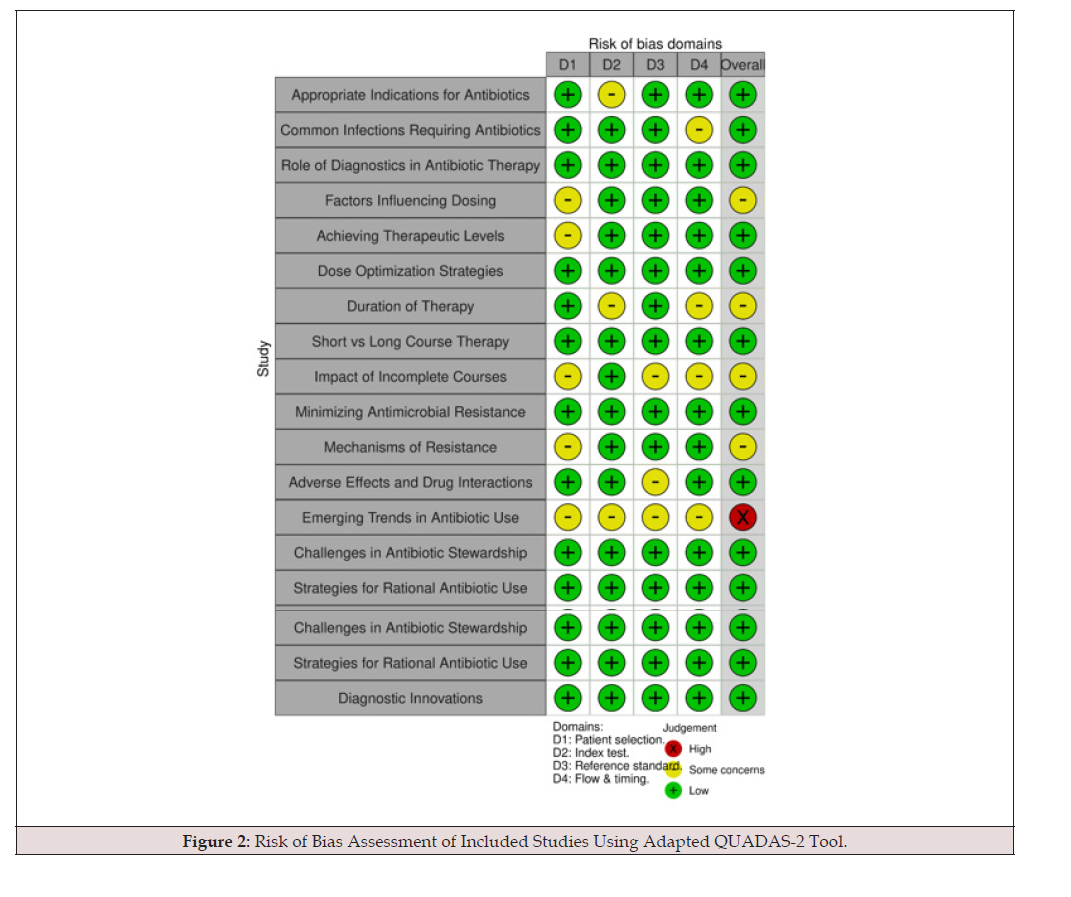
Figure 2:Risk of Bias Assessment of Included Studies Using Adapted QUADAS-2 Tool.
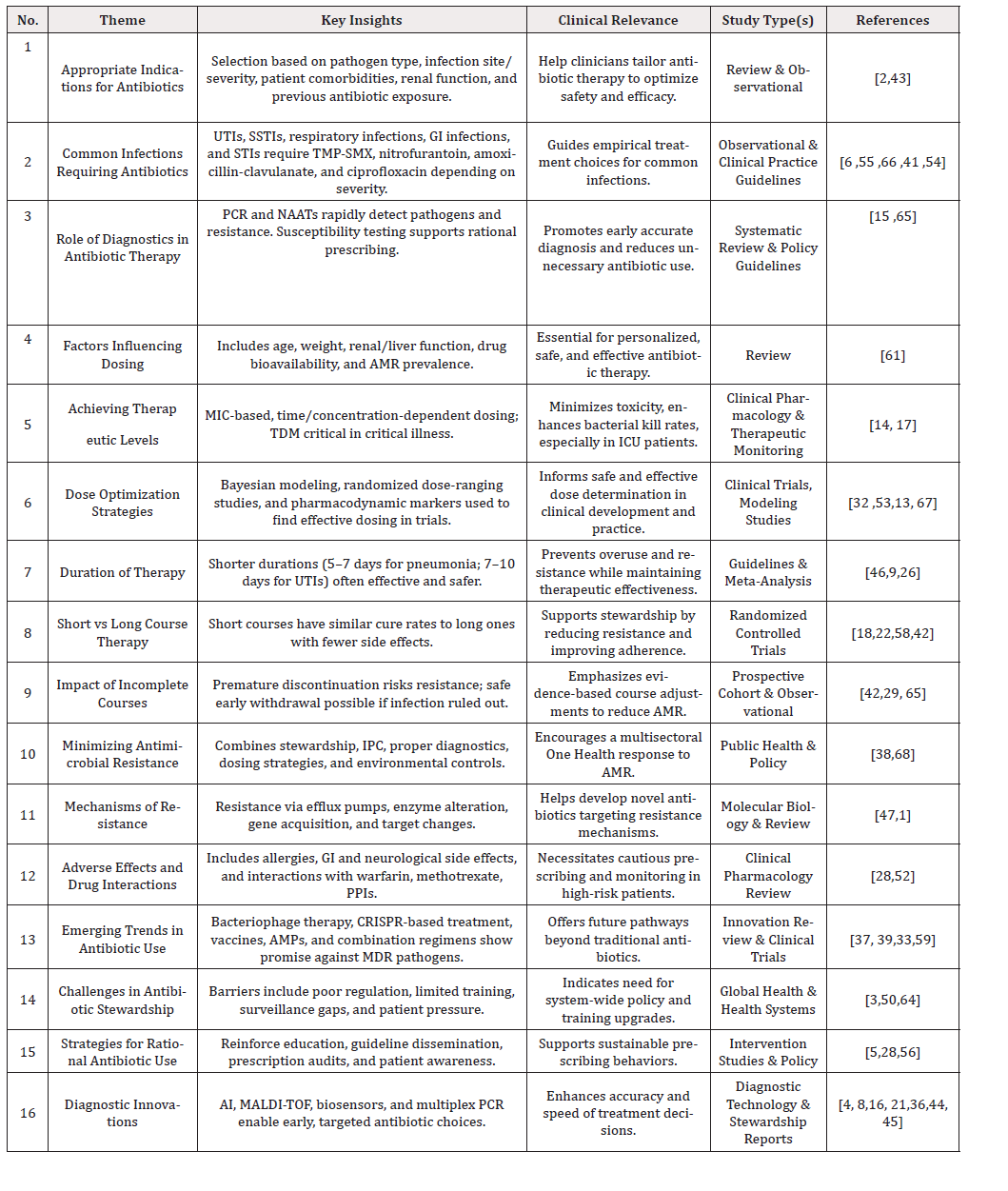
Table 1:Summary of Evidence-Based Findings on Rational Antibiotic Use Across Clinical Contexts.
Common Bacterial Infection Require Antibiotic Treatment
Most of the common bacterial infections, such as UTIs and SSTIs, are usually treated with antibiotic courses, which also depend on the severity of the infection, using antibiotics like TMPSMX, nitrofurantoin, ciprofloxacin, or fosfomycin [6,55]. Antibiotics such as amoxicillin-clavulanate, azithromycin, clarithromycin, or doxycycline may be necessary for infections like respiratory tract infections, ear infections, and streptococcal infections [66]. Children could need amoxicillin-clavulanate, whereas most cases of strep throat and skin infections require penicillin, amoxicillin, or erythromycin [41]. Severe bacterial gastrointestinal, sexually transmitted, and meningitis infections require the use of antibiotics such as ciprofloxacin, azithromycin, and TMPSMX. STIs including gonorrhea and chlamydia warrant treatment with ceftriaxone with added azithromycin or doxycycline [54].
Role Of Diagnostics in Guiding Antibiotic Therapy
Diagnostics play a vital role in guiding antibiotic therapy through the identification of infection type, identification of the pathogen causing infection, determination of its antibiotic susceptibility, and follow-up of the response to treatment. It can support identifying the need for antibiotics, determining suitable agents, as shown in guidance criteria in Figure 2. Molecular diagnostic techniques, including Polymerase Chain Reaction (PCR) and Nucleic Acid Amplification Tests (NAATs), can provide identification of specific bacterial pathogens, including resistant ones, rapidly. Testing antimicrobial susceptibility helps health care providers select the most effective antibiotic. Diagnostic tests also help guide empiric therapy based on local resistance patterns and patient characteristics. They can also detect mechanisms of antibiotic resistance, avoid unnecessary use of antibiotics, and support antibiotic stewardship through rational use and prevent the spread of resistant pathogens [15,45] (Figure 3).
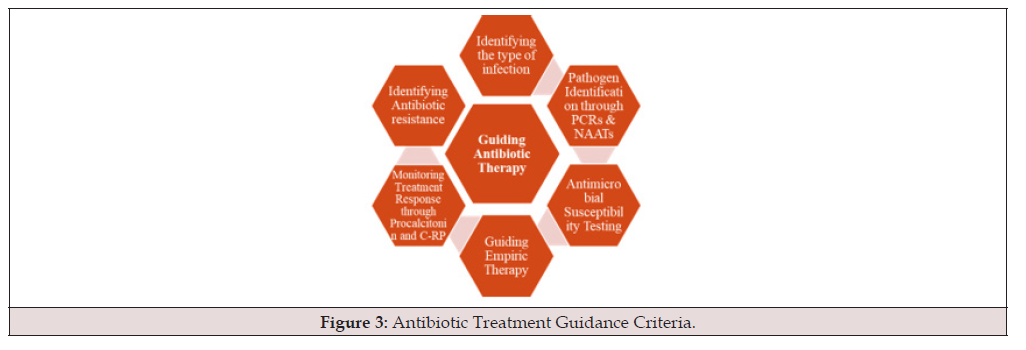
Figure 3:Antibiotic Treatment Guidance Criteria.
Dosing Regimen & Pharmacokinetics
Factors Influencing Antibiotic Dosing
Antibiotic dosing in critical care settings is influenced by
patient-specific, drug-specific, and contextual factors.
a) Patient-specific factors include age, comorbidities, renal
function, weight, and severity of illness.
b) Drug-specific factors include antibiotic spectrum, ease
of dosing, oral bioavailability, and local rates of antibioticresistant
bacteria.
c) Contextual factors include local rates of antibioticresistant
bacteria, cultural norms, and antibiotic prescribing
guidelines [61].
These factors highlight the complexity of determining appropriate antibiotic dosages for critically ill patients, emphasizing the need for individualized regimens.
Importance of Achieving Adequate Antibiotic Concentrations at The Infection Site
Antibiotic dosing strategies consider the Minimum Inhibitory Concentration (MIC) to optimize therapeutic efficacy and reduce the risk of toxicity and antimicrobial resistance. Time-dependent killers require dosing to exceed the MIC by 1-5 multiples for 40-100% of the dosage interval. Concentration-dependent killers require high plasma concentrations relative to the MIC and maintaining the area under the plasma concentration-time curve above the bacterial MIC during the dosage interval. Adaptive dosing for difficult infections and Therapeutic Drug Monitoring (TDM) help optimize dosing and achieve desired clinical outcomes [14,17].
Strategies For Optimizing Dosing to Maximize Efficacy and Minimize Toxicity
Optimizing dosing through rigorous, randomized studies early in development, utilizing pharmacologic principles and innovative trial designs, is crucial for maximizing patient benefit-risk ratio. Here are the key strategies for optimizing dosing in oncology drug development to maximize efficacy and minimize toxicity.
a) Conduct randomized dose-ranging studies early in
development to identify optimal doses and dosing schedules,
balancing efficacy and toxicity, for later stage trials [32].
b) Sponsors should utilize preclinical data and early clinical
studies to determine optimal efficacy and toxicity levels,
narrowing the range of doses for further evaluation.
c) Pharmacodynamics endpoints, such as biomarkers or
target engagement, can offer valuable insights beyond toxicity
and clinical response evaluation for effective dose selection
[53].
d) Bayesian adaptive designs and exposure-response
modeling can enhance the efficiency of dose-finding studies
by facilitating seamless dose optimization throughout the trial
[13].
e) Effectively manage overlapping toxicities and determine
the most tolerable and effective doses of each agent in drug
combinations, additional dose-schedule optimization is
necessary [13,67].
Appropriate Duration of Antibiotic Treatment
The duration of antibiotic therapy is crucial to ensure the efficacy and safety of antimicrobial treatment. Factors that influence this duration include the type and severity of the infection, the patient’s immune status, and the antibiotic used. The choice of antibiotic, along with patient factors such as age, renal function, and liver function, and the risk of antimicrobial resistance, also influences the duration [46]. The American Thoracic Society and Infectious Diseases Society of America recommend a duration of 5-7 days for community-acquired pneumonia and 7-10 days for urinary tract infections. These challenges include non-uniform treatment guidelines, variability in patient responses, and the risk of antimicrobial resistance. Further studies need to be done to establish more precise guidelines on duration of therapy and to explore other alternative strategies to minimize resistance [9,26].
Short Courses Vs Long Course Therapy: Evidence and Considerations
Short-course antibiotic therapy is equally effective as longer courses for various infections, with no significant difference in clinical cure rates, microbiological efficacy, relapses, or adverse events [18]. Shorter courses may even lower the risk of adverse events, especially in pneumonia and sepsis, highlighting potential benefits in specific conditions. In the context of sepsis, shorter courses of antibiotics have been associated with lower 28-day mortality rates compared to longer courses [22,58].
Studies show shorter antibiotic courses are non-inferior to longer courses in treating childhood non-severe communityacquired pneumonia, particularly for children aged 2 to 59 months, aligning with antimicrobial stewardship principles [7].
Impact of Incomplete Courses and Antibiotic Discontinuation on Resistance
Incomplete antibiotic courses can lead to the survival of resistant bacteria, causing infections that are more difficult to treat with the same antibiotic, as these bacteria multiply and spread. It has also been demonstrated that early antibiotic withdrawal, even 24 hours after beginning treatment, is safe for patients without bacterial infection [42]. On the other hand, quitting medicines too soon before the infection is completely cured might also help more resistant germs to thrive and spread. This may be a factor in the community’s general rise in diseases resistant to antibiotics. Emerging evidence suggests shorter antibiotic courses may be effective for certain infections, reducing bacterial exposure and potentially slowing resistance development. Careful consideration of course length is crucial for treatment efficacy [29,65].
Minimizing Antimicrobial Resistance
Strategies to reduce the burden of resistance include antibiotic stewardship, infection prevention and control, investing in research and development, optimal dosing, reducing environmental residues of antibiotics, and enhancing antibiotic susceptibility testing. All these strategies have to be implemented focusing on a One Health approach: coordinating human, animal, and environmental health in order to reduce the global threat posed by antimicrobial resistance. By addressing those strategies, we will be able to ensure effectiveness and prevent the spread of resistant bacteria [38,40].
Mechanisms Of Antibiotic Resistance and the Role of Antimicrobial Stewardship in Prevention and Management
The bacteria developed resistance to antibiotics by modifying enzymes, reducing permeability through cell membranes, using active efflux pumps, altering the target site, and acquiring resistance genes from other bacteria [47]. Antibiotic resistance requires a multi-pronged approach to prevention and management: antibiotic stewardship programs in healthcare, enhanced infection prevention measures, monitoring of antibiotic resistance patterns, development of new antibiotics besides alternative therapies, prudent use of antibiotics in agriculture and animal husbandry, and public education about antibiotic use and resistance hazards. This approach will have to move hand in hand with new drug development to ensure effective antibiotics for the future [1].
Managing Adverse Effects and Drug Interactions
Adverse reactions to antibiotics include allergic reactions, gastrointestinal effects, neurological effects, hypersensitivity reactions, and antibiotic-associated diarrhea. Reactions can be mild to severe and are managed by the administration of antihistamines, antacids, and anti-diarrheal medications, respectively [25]. Drug interactions involving antibiotics, such as warfarin and penicillin and cephalosporin, methotrexate and sulphonamides and trimethoprim-sulfamethoxazole, fluoroquinolones and aminoglycosides and macrolides, antacids and tetracyclines and fluoroquinolones, and proton pump inhibitors and metronidazole and ciprofloxacin increase the potential for toxicity. The clinician should monitor for adverse events and manage them by timely medication, adjustment of the dose of antibiotics, and educating and counseling the patient [52].
Emerging Trends in Antibiotic Use
The increasing need for new antibiotics has led to a focus on drug discovery and development. Traditional antibiotics are becoming less effective due to rising resistance levels, prompting researchers to explore novel compounds and classes of antibiotics [37]. Bacteriophage therapy, which uses viruses to infect bacteria, is being explored as a viable option against Multidrug-Resistant (MDR) pathogens [39]. Combination therapy and novel delivery methods are emerging as critical strategies in tackling AMR. Phage therapy, which targets and destroys bacteria, offers a tailored treatment option that could significantly reduce reliance on traditional antibiotics. Other innovative strategies include antimicrobial peptides, CRISPR technology, and vaccine development [33,59].
Challenges in Antibiotic Stewardship
Barriers to implementing effective antibiotic stewardship include weak health systems, lack of education and training for healthcare providers, inadequate surveillance, and regulatory challenges. Healthcare systems often lack robust infrastructure, treatment guidelines, and monitoring mechanisms, leading to up to 75% of countries lacking plans to combat Antimicrobial Resistance (AMR). Insufficient surveillance data and inconsistent regulations can also facilitate irrational use. Patients often expect antibiotics for viral infections or minor ailments, leading to pressure on healthcare providers to prescribe them despite their ineffectiveness. Lack of awareness about AMR consequences diminishes the perceived urgency for stewardship practices [3,50,64].
Strategies For Promoting Rational Use of Antibiotics
Healthcare professionals should receive education on Antimicrobial Resistance (AMR) and rational prescribing, with programs focusing on updating knowledge and raising awareness. Clinical guidelines should be developed and disseminated regularly, and regulatory measures should be strengthened to control misuse. Auditing and feedback mechanisms can encourage adherence to guidelines, and community engagement can encourage responsible antibiotic consumption [5,28,56].
Diagnostics Innovations for Pathogen Identification and Susceptibility Testing
Rapid diagnostic tests for pathogen identification and susceptibility testing are crucial for targeted antibiotic therapy. Innovations include multiplex PCR assays, MALDI-TOF mass spectrometry, and microfluidic and biosensor technologies. These technologies enable early identification of bacterial species and optimize antibiotic therapy [4,8,16]. Antibiotic stewardship uses AI algorithms to recommend personalized treatments, minimizing toxicity and reducing antibiotic resistance risk. Policymakers must align reimbursement, prescribing guidelines, use reporting, and access policies with stewardship goals [21,36,44,45].
Limitations
This review was limited to English-language, peer-reviewed studies, excluding grey literature and non-clinical contexts. Study heterogeneity prevented meta-analysis. Some included studies lacked methodological clarity, introducing potential bias [1-68].
Conclusion
Antibiotics have revolutionized the treatment of bacterial infections, but their success is threatened by antimicrobial resistance (AMR). The inappropriate use of antibiotics in healthcare and agriculture has led to the emergence of resistant pathogens like MRSA and MDR-TB, posing significant challenges to public health. To combat AMR, a comprehensive strategy including antibiotic stewardship, education, infection control, and the development of novel therapies is essential. Precision diagnostics, personalized dosing, and evidence-based treatment courses are key to optimizing antibiotic efficacy. Stewardship programs educate healthcare providers and patients about responsible antibiotic use, reducing unnecessary prescriptions and mitigating resistance. Emerging therapies, such as bacteriophage therapy, antimicrobial peptides, and CRISPR-based technologies, hold promise for the future, but their success depends on continued investment in research and global coordination to regulate antibiotic use. Safeguarding the future of antibiotics requires a multi-pronged approach involving responsible use, scientific innovation, and international cooperation.
Recommendations
Strengthen antibiotic stewardship programs guided by local resistance data. Promote provider education, diagnostic innovation, and One Health collaboration. Future research should focus on optimized dosing, duration, and global policy enforcement.
Author Contribution
P. Batul: Conception or design of the work; or the acquisition, analysis, or interpretation of data for the work; AND Drafting the work or revising it critically for important intellectual content; AND Final approval of the version to be published; AND Agreement to be accountable for all aspects of the work in ensuring that questions related to the accuracy or integrity of any part of the work are appropriately investigated and resolved.
Funding
None.
Acknowledgement
None.
Conflict of Interest
None.
References
- Ali MH, Reshad R A I, Rahman M M, Miah M F Antimicrobial resistance: Understanding the mechanism and strategies for prevention and control.
- Paula Arcenillas, Lucía Boix Palop, Lucía Gómez, Mariona Xercavins, Pablo March, et al. (2018). Assessment of quality indicators for appropriate antibiotic use. Antimicrobial Agents and Chemotherapy 62(12): 00875-00818.
- James A Ayukekbong, Michel Ntemgwa, Andrew N Atabe (2017) The threat of antimicrobial resistance in developing countries: causes and control strategies. Antimicrobial Resistance & Infection Control 6(1): 47.
- Farnaz Bahavarnia, Mohammad Hasanzadeh, Deniz Sadighbayan, Farzad Seidi (2022) Recent progress and challenges on the microfluidic assay of pathogenic bacteria using biosensor technology. Biomimetics 7(4): 175.
- Tamar F Barlam, Sara E Cosgrove, Lilian M Abbo, Conan MacDougall, Audrey N Schuetz, et al. (2016) Implementing an antibiotic stewardship program: guidelines by the Infectious Diseases Society of America and the Society for Healthcare Epidemiology of America. Clinical infectious diseases 62(10): e51-e77.
- Bartoletti R, Cai T, Wagenlehner FM, Naber K, Johansen TEB, et al. (2016) Treatment of urinary tract infections and antibiotic stewardship. European Urology Supplements 15(4): 81-87.
- Stefano Bassetti, Sarah Tschudin Sutter, Adrian Egli, Michael Osthoff (2022) Optimizing antibiotic therapies to reduce the risk of bacterial resistance. European journal of internal medicine 99: 7-12.
- Maya Beganovic, Erin K McCreary, Monica V Mahoney, Brandon Dionne, Daniel A Green, et al. (2019) Interplay between rapid diagnostic tests and antimicrobial stewardship programs among patients with bloodstream and other severe infections. The Journal of Applied Laboratory Medicine 3(4): 601-616.
- Isabela Borges, Rafael Carneiro, Rafael Bergo, Larissa Martins, Enrico Colosimo, et al. (2020) Duration of antibiotic therapy in critically ill patients: a randomized controlled trial of a clinical and C-reactive protein-based protocol versus an evidence-based best practice strategy without biomarkers. Critical Care 24(1): 281.
- Bowman Derrick, S (2020) Applied Epidemiology in Victoria.
- A Broom, A F Gibson, J Broom, E Kirby, T Yarwood, et al. (2016) Optimizing antibiotic usage in hospitals: a qualitative study of the perspectives of hospital managers. Journal of Hospital Infection 94(3): 230-235.
- Esmita Charani, Martin McKee, Raheelah Ahmad, Manica Balasegaram, Candice Bonaconsa, et al. (2021) Optimising antimicrobial use in humans–review of current evidence and an interdisciplinary consensus on key priorities for research. The Lancet Regional Health–Europe 7: 100161.
- Xin Chen, Ruyue He, Xinyi Chen, Liyun Jiang, Fei Wang, et al. (2023) Optimizing dose-schedule regimens with bayesian adaptive designs: opportunities and challenges. Frontiers in Pharmacology 14: 1261312.
- Chicoine A (2010) Antimicrobial dosing strategies: Applying PK/PD principles (Proceedings).
- M Christ Crain, B Müller (2007) Biomarkers in respiratory tract infections: diagnostic guides to antibiotic prescription, prognostic markers and mediators. European Respiratory Journal 30(3): 556-573.
- Andrew E Clark, Erin J Kaleta, Amit Arora, Donna M Wolk (2013) Matrix-assisted laser desorption ionization–time of flight mass spectrometry: a fundamental shift in the routine practice of clinical microbiology. Clinical microbiology reviews 26(3): 547-603.
- M O Cotta, J A Roberts, J Lipman (2015) Antibiotic dose optimization in critically ill patients. Medicina intensiva 39(9): 563-572.
- Elizabeth E Dawson Hahn, Sharon Mickan, Igho Onakpoya, Nia Roberts, Matthew Kronman, et al. (2017) Short-course versus long-course oral antibiotic treatment for infections treated in outpatient settings: a review of systematic reviews. Family practice 34(5): 511-519.
- Dijkmans A (2019) Rational use of antibiotics. Neth J Med 77(7): 255-260.
- Francisco Dionisio, Fernando Baquero, Marina Fuertes (2023) Psychological and cultural factors influencing antibiotic prescription. Trends in Microbiology 31(6): 559-570.
- Feng S (2022) Guanylate-binding proteins as mediators of inflammasome activation in response to bacterial infection The Australian National University (Australia).
- Ludovico Furlan, Luca Erba, Lucia Trombetta, Roberto Sacco, Giorgio Colombo, et al. (2019) Short-vs long-course antibiotic therapy for pneumonia: a comparison of systematic reviews and guidelines for the SIMI choosing wisely campaign. Internal and emergency medicine 14: 377-394.
- Giusti P, Vendramin A, Zusso M (2024) The Penicillin saga: a different tale. Top Italian Scientists Journal 1(1).
- Emily H Glynn (2022) Corruption in the health sector: A problem in need of a systems-thinking approach. Frontiers in Public Health 10: 910073.
- Eric V Granowitz, Richard B Brown (2008) Antibiotic adverse reactions and drug interactions. Critical care clinics 24(2): 421-442.
- Jennifer Grant, Nicole Le Saux, members of the Antimicrobial Stewardship and Resistance Committee (ASRC) of the Association of Medical Microbiology and Infectious Disease (AMMI) Canada (2022) Duration of antibiotic therapy for common infections. Official Journal of the Association of Medical Microbiology and Infectious Disease Canada 6(3): 181-197.
- Ping He, Qiang Sun, Lizheng Shi, Qingyue Meng (2019) Rational use of antibiotics in the context of China’s health system reform. Bmj 365: l4016.
- Benedikt Huttner, Herman Goossens, Theo Verheij, Stephan Harbarth (2010) Characteristics and outcomes of public campaigns aimed at improving the use of antibiotics in outpatients in high-income countries. The Lancet infectious diseases 10(1): 17-31.
- Sameer S Kadri, Sarah Warner, Chanu Rhee, Michael Klompas, Dean Follmann, et al. (2023) Early Discontinuation of Antibiotics in Patients Admitted with Clinically Suspected Serious Infection but Negative Cultures: Retrospective Cohort Study of Practice Patterns and Outcomes at 111 US Hospitals. Open Forum Infectious Diseases 10(7): ofad286.
- Kawamura I (2023) Sahachiro Hata (1873-1938) and his contributions to the birth of antimicrobial chemotherapy. Journal of Infection and Chemotherapy 29(5): 546-548.
- Nancy Khardori, Cecilia Stevaux, Kathryn Ripley (2020) Antibiotics: from the beginning to the future: Part 1. The Indian Journal of Pediatrics 87: 39-42.
- Edward L Korn, Jeffrey A Moscow, Boris Freidlin (2023) Dose optimization during drug development: whether and when to optimize. J Natl Cancer Inst 115(5): 492-497.
- Kaitlyn E Kortright, Benjamin K Chan, Jonathan L Koff, Paul E Turner (2019) Phage therapy: a renewed approach to combat antibiotic-resistant bacteria. Cell host & microbe 25(2): 219-232.
- Kotsiftopoulos, C (2017) The rational use of antibiotics medicine. Arch Med 2(4): 36.
- Kourkouta L, Koukourikos K, Iliadis C, Plati P, Dimitriadou A (2018) History of antibiotics. Sumerian J Med Healthcare 1: 51-55.
- Lamba V, Dhanireddy R (2021) Antimicrobial associated harm and the role for effective antimicrobial stewardship. This Inaugural Issue of JAAPI is Dedicated to the following Legendary Indian Physicians 1(1): 76-81.
- Ramanan Laxminarayan, Adriano Duse, Chand Wattal, Anita K M Zaidi, Heiman F L Wertheim, et al. (2013) Antibiotic resistance—the need for global solutions. The Lancet infectious diseases 13(12): 1057-1098.
- Chang Ro Lee, Ill Hwan Cho, Byeong Chul Jeong, Sang Hee Lee (2013) Strategies to minimize antibiotic resistance. International journal of environmental research and public health 10(9): 4274-4305.
- Lewis K (2020) The science of antibiotic discovery. Cell 181(1): 29-45.
- Qinyuan Li, Qi Zhou, Ivan D Florez, Joseph L Mathew, Lianhan Shang, et al. (2022) Short-course vs long-course antibiotic therapy for children with nonsevere community-acquired pneumonia: a systematic review and meta-analysis. JAMA pediatrics, 176(12): 1199-1207.
- Sarah S Long (2016) Optimizing antimicrobial therapy in children. Journal of Infection 72: S91-S97.
- Li Wen Loo, Yi Xin Liew, Winnie Lee, Lai Wei Lee, Piotr Chlebicki (2019) Discontinuation of antibiotic therapy within 24 hours of treatment initiation for patients with no clinical evidence of bacterial infection: a 5-year safety and outcome study from Singapore General Hospital Antimicrobial Stewardship Program. International journal of antimicrobial agents 53(5): 606-611.
- Alicia López Romo, Rodolfo Quirós (2019) Appropriate use of antibiotics: an unmet need. Therapeutic advances in urology, 11: 1756287219832174.
- Dhara Malavia, Neil A R Gow, Jane Usher (2020) Advances in molecular tools and in vivo models for the study of human fungal pathogenesis. Microorganisms 8(6): 803.
- Marc Mendelson, Malebona Precious Matsoso (2015) Guest editorial: the World Health Organization Global Action Plan for antimicrobial resistance. South African medical journal 105(5): 325-325.
- Monteagudo Chu M, Shaeshaa N (2017) Duration of antibiotic therapy: General principles. In.
- Munita JM, Arias CA (2016) Mechanisms of antibiotic resistance. Virulence mechanisms of bacterial pathogens 481-511.
- Ghazala Muteeb, Md Tabish Rehman, Moayad Shahwan, Mohammad Aatif (2023) Origin of antibiotics and antibiotic resistance, and their impacts on drug development: A narrative review. Pharmaceuticals 16(11): 1615.
- Kyriacos C Nicolaou, Stephan Rigol (2018) A brief history of antibiotics and select advances in their synthesis. The Journal of antibiotics 71(2): 153-184.
- O Neill J (2016) Tackling drug-resistant infections globally: final report and recommendations.
- Organization W H (2016) Diagnostic stewardship: a guide to implementation in antimicrobial resistance surveillance sites.
- Manjunath P Pai, Kathryn M Momary, Keith A Rodvold (2006) Antibiotic drug interactions. Medical Clinics 90(6): 1223-1255.
- Apostolos Papachristos, Jai Patel, Maria Vasileiou, George P Patrinos (2023) Dose Optimization in Oncology Drug Development: The Emerging Role of Pharmacogenomics, Pharmacokinetics, and Pharmacodynamics. Cancers 15(12): 3233.
- Perrin A (2016) Antibiotic stewardship: The FP’s role. THE JOURNAL OF FAMILY PRACTICE 65(12): 876-885.
- Koen B Pouwels, Susan Hopkins, Martin J Llewelyn, Ann Sarah Walker, Cliodna Am McNulty, et al. (2019) Duration of antibiotic treatment for common infections in English primary care: cross sectional analysis and comparison with guidelines. Bmj 364.
- C Pulcini, F Binda, A S Lamkang, A Trett, E Charani (2019) Developing core elements and checklist items for global hospital antimicrobial stewardship programmes: a consensus approach. Clinical Microbiology and Infection 25(1): 20-25.
- Rogers N L (2014) The 24th Annual Research Conference Abstract Booklet.
- Nozomi Takahashi, Taro Imaeda, Taka Aki Nakada, Takehiko Oami, Toshikazu Abe, et al. (2022) Short-versus long-course antibiotic therapy for sepsis: a post hoc analysis of the nationwide cohort study. Journal of Intensive Care 10(1): 49.
- Pranita D Tamma, Sara E Cosgrove, Lisa L Maragakis (2012) Combination therapy for treatment of infections with gram-negative bacteria. Clinical microbiology reviews 25(3): 450-470.
- Hendrik Uhlendahl, Dominik Gross (2020) Victim or profiteer? Gerhard Domagk (1895–1964) and his relation to National Socialism. Pathology-Research and Practice 216(6): 152944.
- Laura W van Buul, Jenny T van der Steen, Sarah M M M Doncker, Wilco P Achterberg, François G Schellevis (2014) Factors influencing antibiotic prescribing in long-term care facilities: a qualitative in-depth study. BMC geriatrics 14: 1-11.
- C Lee Ventola (2015) The antibiotic resistance crisis: part 1: causes and threats. Pharmacy and therapeutics 40(4): 277-283.
- Michaela Wenzel (2020) Do we really understand how antibiotics work? Future Medicine 15: 1307-1311.
- Didier Wernli, Peter S Jørgensen, Stephan Harbarth, Scott P Carroll, Ramanan Laxminarayan, et al. (2017) Antimicrobial resistance: the complex challenge of measurement to inform policy and the public. PLoS medicine 14(8): e1002378.
- (2020) WHO Antimicrobial resistance: Does stopping a course of antibiotics early lead to antibiotic resistance? WHO.
- David M Wong, Dean A Blumberg, Lisa G Lowe (2006) Guidelines for the use of antibiotics in acute upper respiratory tract infections. American family physician 74(6): 956-966.
- Yuan Y, Zhou H, Liu S (2024) Statistical and practical considerations in planning and conduct of dose-optimization trials. Clinical Trials 21(3): 273-286.
- Yu Zhang, Timothy R Walsh, Yang Wang, Jianzhong Shen, Min Yang, et al. (2022) Minimizing risks of antimicrobial resistance development in the environment from a public one health perspective. China CDC Weekly 4(49): 1105-1109.




 We use cookies to ensure you get the best experience on our website.