
Review Article 
 Creative Commons, CC-BY
Sarcopenia Assessment and Nutritional Interventions in Surgical Patients: Systematic Review of Perioperative Outcomes and Long-Term Survival
*Corresponding author:Loso Judijanto, IPOSS Jakarta, Indonesia.
Received:April 03, 2026; Published:April 20, 2026
DOI: 10.34297/AJBSR.2026.30.003984
Abstract
Sarcopenia has emerged as a clinically relevant determinant of surgical vulnerability, influencing postoperative recovery and survival trajectories. Variability in diagnostic criteria and uncertainty regarding the effectiveness of perioperative nutritional optimization have limited consistent integration into surgical practice. This study was conducted to critically synthesize current evidence concerning methods of sarcopenia assessment and the effectiveness of structured nutritional interventions in surgical patients, with emphasis on perioperative morbidity and long-term survival outcomes. A Systematic Literature Review (SLR) design was applied in accordance with PRISMA guidelines. Scientific articles were retrieved from the Scopus database using predefined keyword combinations. Data collection was performed through structured screening based on relevance, publication year (2020–2025), language, and open-access eligibility, resulting in 38 studies included for qualitative synthesis. Data extraction encompassed study design, patient characteristics, diagnostic approaches, intervention protocols, and reported clinical endpoints. Thematic narrative synthesis was employed to integrate findings across heterogeneous methodologies. The synthesis identified four principal thematic domains: variability in sarcopenia assessment modalities and diagnostic thresholds; the association between preoperative sarcopenia and adverse perioperative outcomes; the impact of structured nutritional interventions on postoperative recovery and complication patterns; and long-term survival implications of combined sarcopenia assessment and perioperative nutritional optimization. In conclusion, preoperative sarcopenia consistently functions as a prognostic indicator of surgical risk, while nutritional strategies demonstrate potential for partial risk modification. Future research should prioritize standardized diagnostic frameworks and well-designed prospective trials to clarify long-term survival benefits and optimize perioperative care strategies.
Keywords: Sarcopenia, Surgical patients, Nutritional intervention, Perioperative outcomes, Survival
JEL Classification Code: I12, I11, J14, I18
Introduction
The global expansion of surgical services over the past two decades has been accompanied by a marked increase in the number of older and medically complex patients undergoing major operative procedures [1]. Advances in anesthesia, perioperative monitoring, minimally invasive techniques, and enhanced recovery protocols have broadened surgical eligibility; however, these technical improvements have not eliminated variability in postoperative morbidity and long-term survival [2]. Increasingly, attention has shifted from chronological age alone toward biological vulnerability, physiological reserve, and body composition as determinants of postoperative resilience. Within this evolving paradigm, sarcopenia has emerged as a clinically meaningful condition with prognostic implications across multiple surgical specialties. Sarcopenia, broadly defined as the progressive loss of skeletal muscle mass accompanied by reductions in strength and functional capacity, was initially conceptualized within geriatric medicine but is now recognized as a multisystem condition affecting diverse patient populations [3]. Contemporary consensus frameworks emphasize the integration of quantitative muscle mass assessment with objective functional measures to establish clinical relevance, thereby distinguishing pathological muscle depletion from age-related variation [4]. Beyond primary aging, sarcopenia frequently develops secondary to chronic disease, systemic inflammation, malignancy, organ failure, and prolonged catabolic stress, conditions commonly encountered in surgical populations. Consequently, a substantial proportion of patients presenting for major surgery may exhibit preexisting muscle impairment that compromises physiological reserve before the operative insult occurs.
The biological significance of skeletal muscle extends beyond locomotion. Muscle tissue serves as a critical reservoir for amino acids, modulates immune and inflammatory responses, contributes to glucose homeostasis, and supports wound healing through protein synthesis and metabolic regulation. Surgical trauma induces a hypermetabolic and catabolic state characterized by increased cytokine release, insulin resistance, and accelerated proteolysis. In patients with diminished baseline muscle mass, this metabolic stress may lead to disproportionate functional decline, delayed recovery, and heightened susceptibility to postoperative complications [5]. The mechanistic interplay between sarcopenia and surgical stress therefore provides a biologically plausible explanation for the growing body of literature linking muscle depletion to adverse outcomes. Within clinical practice, assessment of sarcopenia in surgical candidates has evolved from purely anthropometric evaluation to imaging-based quantification. Computed Tomography (CT) analysis at the third lumbar vertebral level is widely utilized due to its availability in routine preoperative staging, particularly in oncologic surgery. Skeletal Muscle Index and related morphometric parameters enable objective stratification of muscle quantity, while handgrip strength and gait speed offer complementary functional insights [6]. Despite increasing adoption, considerable heterogeneity persists in diagnostic thresholds, measurement protocols, and reporting standards across studies. Such variability complicates direct comparison of prevalence estimates and may influence the magnitude of observed associations with clinical outcomes.
Parallel to the growing interest in sarcopenia assessment, perioperative nutritional management has gained recognition as a potentially modifiable determinant of surgical recovery. Proteinenergy malnutrition and muscle wasting frequently coexist in patients with malignancy or chronic inflammatory disease, amplifying the impact of operative stress. Nutritional strategies including high-protein oral supplementation, immunonutrition enriched with arginine and omega-3 fatty acids, and structured perioperative nutrition therapy have been proposed to mitigate catabolic responses and preserve lean body mass [7]. Evidence from controlled trials suggests that targeted nutritional optimization may reduce infectious complications, shorten hospital stay, and enhance functional recovery in selected surgical populations. However, the degree to which such interventions specifically modify risk among sarcopenic patients remains insufficiently synthesized in the literature. The prognostic implications of sarcopenia extend beyond short-term perioperative outcomes. In oncologic surgery, muscle depletion has been associated with increased chemotherapy toxicity, reduced tolerance to adjuvant therapy, and diminished overall survival [8]. Mechanistically, chronic inflammation and altered metabolic signaling pathways linked to sarcopenia may influence tumor progression and systemic resilience. Several cohort studies report lower long-term survival rates among sarcopenic patients compared with their non-sarcopenic counterparts, even after adjusting for tumor stage and comorbid conditions [9].
Nonetheless, reported effect sizes vary across surgical specialties, and inconsistencies in study design, follow-up duration, and adjustment models limit definitive interpretation. Despite expanding evidence, the literature remains fragmented across disciplines such as colorectal surgery, hepatobiliary surgery, thoracic surgery, and cardiovascular procedures. Many studies focus exclusively on either diagnostic assessment or nutritional intervention, while others evaluate short-term morbidity without examining survival endpoints. Moreover, rapid growth in publications within the last five years necessitates updated synthesis to reflect contemporary diagnostic criteria and perioperative care standards [10]. Without systematic consolidation, clinicians may encounter difficulty discerning consistent patterns of risk and therapeutic benefit from isolated findings. A structured and methodologically transparent synthesis is therefore essential to clarify three interrelated dimensions: the diversity of sarcopenia assessment strategies employed in surgical populations; the magnitude of association between preoperative sarcopenia and perioperative complications; and the potential for nutritional interventions to alter both immediate postoperative recovery and long-term survival trajectories. Such integration is critical for informing evidencebased risk stratification and optimizing perioperative management pathways. This study is designed exclusively as a systematic literature review. It does not involve primary data collection, focus group discussions, interviews, surveys, or observational field studies. All interpretations are derived from peer-reviewed scientific publications indexed in recognized databases. By adhering to structured review methodology and transparent reporting standards, this work seeks to minimize bias, ensure reproducibility, and maintain analytical neutrality consistent with the expectations of high-impact academic journals.
The emphasis is placed on synthesizing verifiable empirical findings rather than generating new clinical data. In the context of escalating surgical demand among aging populations and increasing recognition of muscle health as a determinant of resilience, consolidating contemporary evidence on sarcopenia and perioperative nutrition is of both clinical and scientific importance. A comprehensive synthesis will not only delineate the prognostic value of muscle assessment but also evaluate whether targeted nutritional strategies provide measurable benefit in mitigating adverse outcomes. The objective of this systematic literature review is to critically synthesize current evidence regarding methods of sarcopenia assessment and the effectiveness of perioperative nutritional interventions in surgical patients, with specific emphasis on their associations with perioperative morbidity and long-term survival outcomes. The guiding research question for this review is: RQ: Does preoperative sarcopenia independently predict adverse perioperative and long-term survival outcomes in surgical patients, and to what extent can structured nutritional interventions modify these risks? This research question frames the analytical trajectory of the subsequent sections, where evidence will be systematically examined to determine the strength, consistency, and clinical implications of associations between muscle depletion, nutritional optimization, and surgical prognosis.
Literature Review
This systematic review is positioned within a growing body of literature exploring the relationship between sarcopenia, surgical stress, and perioperative nutritional optimization. Sarcopenia is no longer viewed solely as an age-related geriatric condition but is increasingly recognized as a clinically relevant prognostic factor across diverse surgical populations. Contemporary research has examined its evolving diagnostic frameworks, its biological and clinical implications in the context of surgical stress, and the potential of targeted nutritional strategies to mitigate adverse outcomes. Despite substantial progress, inconsistencies in definitions, assessment methods, and intervention protocols continue to limit comparability across studies. These conceptual and methodological variations underscore the need for a structured synthesis of current evidence to clarify prognostic implications and identify directions for future investigation.
Conceptual Evolution and Diagnostic Framework of Sarcopenia
The concept of sarcopenia was initially defined as agerelated loss of skeletal muscle mass; however, contemporary definitions incorporate muscle strength and physical performance as core components [11]. International consensus groups have progressively refined operational criteria, emphasizing muscle strength as a primary parameter and muscle quantity or quality as confirmatory indicators. This paradigm shift has important implications for surgical populations, where muscle function may be compromised independently of chronological age. The diagnostic heterogeneity across studies has generated variability in prevalence estimates and outcome associations. Imaging-based assessments particularly Computed Tomography (CT) at the Third Lumbar Vertebra (L3) are widely utilized in surgical oncology because cross-sectional muscle area correlates with whole-body muscle mass. Alternative modalities include dual-energy X-Ray Absorptiometry (DEXA) and Bioelectrical Impedance Analysis (BIA), each with differing sensitivity to fluid shifts common in perioperative states [12]. Functional measures such as handgrip strength and gait speed complement imaging findings but are less frequently integrated in acute surgical cohorts due to feasibility constraints. Within surgical populations, sarcopenia prevalence varies considerably depending on diagnostic criteria and specialty context. For example, in gastrointestinal and hepatopancreatobiliary surgery cohorts, reported rates range from 20% to 60%, reflecting methodological heterogeneity [13]. Such variability underscores the absence of a universally standardized perioperative sarcopenia assessment protocol, limiting cross-study comparability. Therefore, a critical appraisal of diagnostic frameworks forms an essential component of this review.
Pathophysiological Interactions Between Sarcopenia and Surgical Stress
The literature consistently identifies sarcopenia as more than a morphological deficit; it is increasingly understood as a systemic metabolic vulnerability. Surgical stress induces inflammatory cascades, insulin resistance, and accelerated protein catabolism, which disproportionately affect patients with diminished muscle reserves. Muscle tissue functions as a primary reservoir of amino acids required for wound healing, immune competence, and acutephase protein synthesis. Consequently, reduced muscle mass compromises the physiologic capacity to respond to surgical trauma [14]. Chronic inflammation, frequently observed in malignancy and advanced organ disease, contributes to muscle degradation through cytokine-mediated pathways involving tumor necrosis factor-alpha and interleukin-6. In oncologic surgery, cancerassociated cachexia may coexist with sarcopenia, compounding metabolic fragility and altering postoperative trajectories [15]. Moreover, endocrine dysregulation, including reduced anabolic hormone activity and altered myokine signaling, further exacerbates perioperative muscle loss. Emerging evidence suggests that muscle quality reflecting fatty infiltration and myosteatosis may be equally prognostic as muscle quantity [16]. Myosteatosis has been associated with impaired mitochondrial function and reduced contractile efficiency, potentially amplifying postoperative morbidity. However, the literature remains fragmented regarding standardized thresholds and prognostic cutoffs for muscle quality indices in surgical settings.
Overall, the theoretical model linking sarcopenia to adverse surgical outcomes is grounded in metabolic insufficiency, inflammatory amplification, and diminished physiological reserve. This conceptual framework provides biological plausibility for observed associations with postoperative complications and survival endpoints.
Sarcopenia and Perioperative Outcomes
A substantial proportion of the literature evaluates the prognostic impact of sarcopenia on short-term surgical outcomes. Across diverse specialties including colorectal, hepatic, pancreatic, and thoracic surgery sarcopenia has been associated with increased postoperative complications, longer hospital stays, and higher readmission rates [17]. These findings are frequently interpreted through the lens of reduced resilience to surgical stress and impaired tissue repair. Meta-analytic evidence indicates that sarcopenic patients experience higher rates of infectious complications and delayed recovery. In colorectal surgery, for instance, sarcopenia has been linked to increased anastomotic leak risk and prolonged ileus, although effect sizes vary according to diagnostic methodology [18]. Similarly, in liver resection cohorts, preoperative low skeletal muscle index has been associated with postoperative liver failure and extended intensive care requirements.
Importantly, the association between sarcopenia and mortality extends beyond immediate perioperative periods. Several cohort studies report reduced overall and disease-free survival among sarcopenic patients undergoing oncologic surgery [19]. These findings suggest that sarcopenia functions as an independent prognostic marker rather than merely a surrogate for comorbidity burden. Nonetheless, residual confounding remains a concern, particularly in retrospective designs. The literature also identifies a bidirectional relationship: surgery itself may accelerate muscle loss, particularly in the context of prolonged immobilization and inadequate nutritional intake. This dynamic highlights the importance of perioperative assessment and early intervention to prevent further deterioration.
Nutritional Interventions as Modulators of Surgical Risk
Given the mechanistic linkage between muscle mass and surgical resilience, nutritional interventions have gained prominence as modifiable factors. The literature distinguishes between general nutritional support and targeted anabolic strategies designed to enhance muscle protein synthesis [20]. High-protein diets, leucineenriched formulations, and essential amino acid supplementation have demonstrated potential in attenuating muscle loss in at-risk populations. Immunonutrition characterized by supplementation with arginine, omega-3 fatty acids, and nucleotides has been evaluated in surgical contexts with mixed results [21]. Some studies report reductions in postoperative infection rates and length of stay, while others indicate limited benefit when baseline nutritional status is adequate. The heterogeneity of intervention protocols complicates direct comparison and synthesis. Enhanced Recovery After Surgery (ERAS) protocols increasingly incorporate early oral feeding and optimized protein delivery to preserve lean body mass [22]. However, adherence and implementation vary across institutions, influencing outcome consistency. Prehabilitation programs that combine nutritional optimization with resistance exercise have shown promise in improving functional capacity before major surgery. Nevertheless, evidence specific to sarcopenic subgroups remains limited. Parenteral and enteral nutrition strategies are typically reserved for patients unable to meet requirements orally. Current guidelines emphasize individualized caloric and protein targets, yet the optimal dosing strategy for reversing or stabilizing sarcopenia in surgical patients remains debated. Furthermore, long-term survival outcomes following nutritional interventions are less frequently reported, creating a gap in longitudinal evidence.
Long-Term Survival and Functional Recovery
Beyond immediate postoperative outcomes, the literature increasingly explores long-term survival and quality-of-life trajectories. Sarcopenia has been associated with reduced overall survival in gastrointestinal and hepatobiliary malignancies, independent of tumor stage in some analyses [23]. The mechanistic hypothesis posits that reduced muscle mass impairs tolerance to adjuvant therapy, thereby indirectly affecting oncologic outcomes. Functional recovery represents another critical dimension. Studies assessing postoperative physical performance indicate that sarcopenic patients exhibit slower return to baseline mobility and greater dependence in activities of daily living. Persistent muscle depletion may predispose patients to recurrent hospitalizations and diminished life expectancy [24]. Despite these associations, intervention studies examining whether nutritional optimization improves long-term survival remain sparse. While short-term complication reduction has been documented, survival endpoints are inconsistently reported and often underpowered. Therefore, comprehensive synthesis through systematic review is warranted to clarify whether nutritional strategies translate into durable prognostic benefit.
Methodological Gaps and Rationale for Systematic Synthesis
The existing literature reveals substantial heterogeneity in diagnostic thresholds, imaging techniques, and outcome definitions [25]. Many studies employ retrospective observational designs, limiting causal inference and increasing susceptibility to selection bias. Sample sizes and follow-up durations vary widely, complicating meta-analytic aggregation. Additionally, few investigations stratify outcomes by combined sarcopenia and nutritional intervention status, making it difficult to isolate the independent contribution of targeted nutrition. Randomized controlled trials addressing sarcopenic surgical populations remain relatively scarce, and intervention timing (preoperative versus postoperative) differs considerably. The absence of standardized reporting frameworks further impedes comparability. Although consensus statements exist for sarcopenia assessment, adherence across surgical disciplines is inconsistent. Moreover, the interplay between sarcopenia, frailty, and malnutrition is not uniformly delineated, leading to conceptual overlap in some studies. These methodological limitations highlight the necessity of a rigorous SLR approach to synthesize current evidence, identify patterns, and delineate research gaps. A structured evaluation can clarify whether sarcopenia assessment should be systematically integrated into perioperative risk stratification models and whether nutritional interventions exert measurable effects on both short-term and long-term outcomes.
In summary, the extant literature converges on several central insights: sarcopenia is prevalent among surgical patients; it is mechanistically linked to impaired metabolic and immunological responses to surgical stress; and it is associated with adverse perioperative and survival outcomes. Nutritional interventions, particularly those emphasizing protein adequacy and anabolic support, represent promising yet inconsistently validated strategies to mitigate these risks. However, diagnostic variability, intervention heterogeneity, and limited longitudinal data constrain definitive conclusions. Therefore, the present systematic literature review is positioned to integrate these domains, evaluate methodological robustness, and determine the extent to which sarcopenia assessment combined with nutritional optimization influences perioperative outcomes and long-term survival in surgical populations.
Method
This study adopts a Systematic Literature Review (SLR) design structured in accordance with the Preferred Reporting Items for Systematic Reviews and Meta-Analyses (PRISMA) framework to ensure methodological transparency, reproducibility, and analytical rigor. The review systematically identifies, evaluates, and synthesizes peer-reviewed scientific evidence concerning sarcopenia assessment and nutritional interventions in surgical patients, with a specific focus on perioperative outcomes and longterm survival. The study does not generate primary clinical data and does not involve interviews, surveys, focus group discussions, or field observations. All findings are derived exclusively from previously published scholarly articles, thereby ensuring that the analysis is grounded in verifiable empirical evidence rather than constructed or hypothetical inputs. To maintain methodological consistency and database reliability, the review is confined to articles indexed in Scopus. The PRISMA-guided process was implemented through sequential phases of identification, screening, eligibility assessment, and final inclusion, ensuring that only relevant, recent, and accessible studies were incorporated into the synthesis.
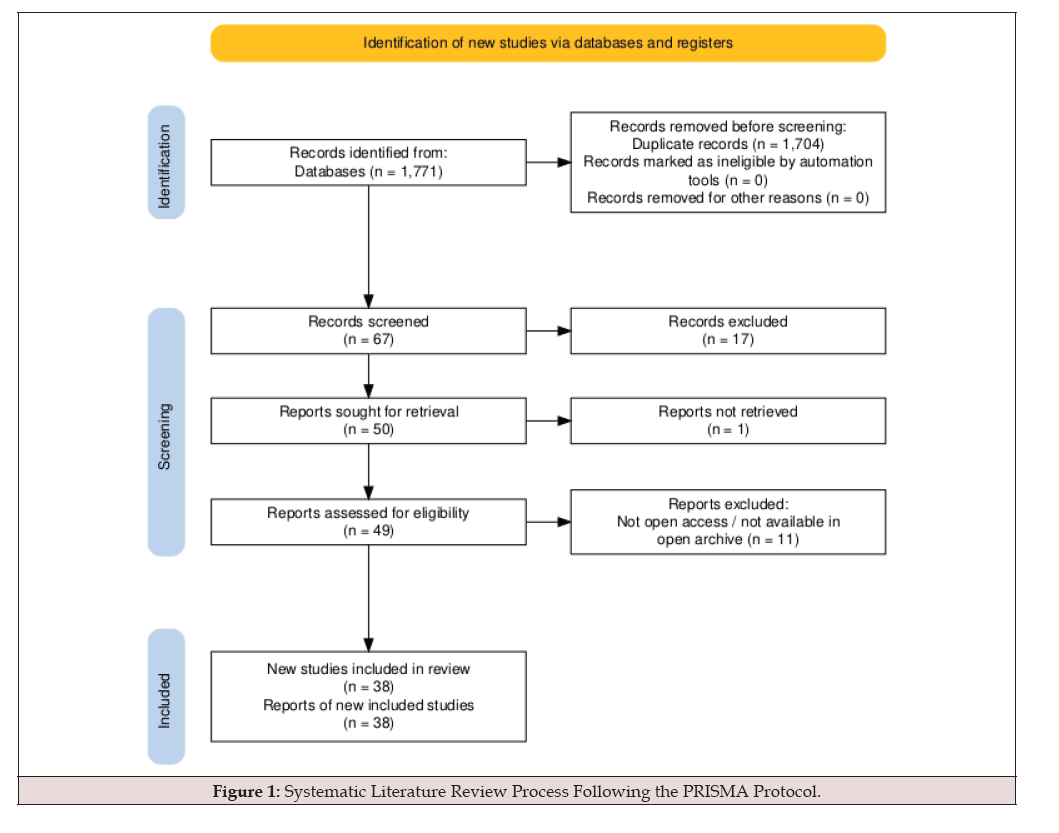
Figure 1:Systematic Literature Review Process Following the PRISMA Protocol.
(Figure 1) presents the structured selection pathway applied in this review. The identification phase began with a broad search of the Scopus database using the primary keywords Sarcopenia AND Surgical Patients, which generated 1,771 publications. To improve thematic precision and ensure alignment with the objective of examining both nutritional strategies and surgical outcomes, the search was refined using a targeted Boolean formulation: (“sarcopenia” OR “muscle wasting” OR “muscle loss”) AND (“surgical patients” OR “surgery” OR “operative patients”) AND (“nutritional intervention*” OR “nutritional support” OR “nutrition therapy” OR “perioperative nutrition”) AND (“perioperative outcome*” OR “postoperative outcome*” OR “surgical outcome*” OR “longterm survival” OR “survival rate”). This refinement resulted in the exclusion of 1,704 records that did not directly correspond to the integrated focus of sarcopenia, perioperative nutritional management, and measurable surgical or survival outcomes, leaving 67 articles for further evaluation. During the screening stage, a publication-year filter was applied to capture contemporary scientific evidence by limiting the dataset to studies published between 2020 and 2025. Seventeen articles were excluded because they fell outside this timeframe, resulting in 50 studies meeting the temporal criterion. Language screening was subsequently conducted to ensure analytical consistency, leading to the exclusion of one non-English publication and leaving 49 eligible records. In the eligibility phase, accessibility criteria were implemented to ensure transparency and replicability of the synthesis process. Eleven articles were excluded due to restricted access, yielding 38 open-access or open-archive peer-reviewed studies that fulfilled all predefined inclusion criteria. These 38 studies constituted the final dataset for qualitative analysis.
All selected references were systematically organized and managed using Mendeley Desktop to ensure accurate citation tracking, standardized metadata management, and removal of duplicate entries. Data extraction was performed in a structured manner, capturing study design, population characteristics, diagnostic criteria for sarcopenia, types of nutritional interventions administered, perioperative complication profiles, and reported survival outcomes. Through this PRISMA-guided and databaserestricted SLR methodology, the review provides a rigorously curated and evidence-based synthesis of current research examining the clinical implications of sarcopenia assessment and perioperative nutritional strategies in surgical populations, maintaining analytical neutrality and methodological integrity throughout the review process.
Results
The systematic literature review conducted in this study synthesized evidence from 38 peer-reviewed articles examining the assessment of sarcopenia and the role of perioperative nutritional interventions in surgical populations. The included studies encompass retrospective cohort analyses, prospective observational designs, and randomized or quasi-experimental intervention trials, collectively providing a comprehensive evidence base for understanding how sarcopenia has been defined, measured, and clinically addressed in contemporary surgical research. Through thematic synthesis, four major and partially overlapping domains were identified, representing the principal areas in which sarcopenia has been examined: (1) variability in diagnostic modalities and operational thresholds; (2) association between preoperative sarcopenia and adverse perioperative outcomes; (3) impact of structured nutritional interventions on postoperative recovery; and (4) long-term survival implications within oncologic and major surgical contexts. The distribution of these themes demonstrates a concentration of research emphasis on perioperative morbidity, addressed in 32 studies (≈84%), followed by diagnostic heterogeneity in 24 studies (≈63%). Long-term survival outcomes were examined in 21 studies (≈55%), whereas structured nutritional interventions were evaluated in 19 studies (≈50%). This pattern indicates that the current evidence base is primarily oriented toward short-term surgical risk stratification, where complications, hospital stay, and early recovery metrics are more consistently documented and methodologically accessible. In contrast, survival analyses are largely confined to oncologic cohorts, reflecting the availability of longitudinal follow-up data in cancer registries.
The comparatively moderate representation of nutritional intervention studies suggests that while sarcopenia is widely recognized as a prognostic marker, interventional translation into standardized perioperative care pathways remains in evolution. Furthermore, the substantial proportion of literature addressing diagnostic variability underscores persistent methodological inconsistency, which may influence prevalence estimates and risk prediction accuracy. Collectively, this thematic distribution highlights a research landscape that is clinically engaged yet diagnostically heterogeneous, emphasizing the need for harmonized assessment frameworks and stronger interventional evidence. Each of these domains is elaborated below, drawing on aggregated quantitative trends and comparative findings from the included studies.
Variability in Sarcopenia Assessment Methods and Diagnostic Thresholds
Across the 38 included studies, sarcopenia assessment was predominantly conducted using cross-sectional imaging analysis at the third Lumbar Vertebra (L3) level derived from computed tomography scans, reported in 24 studies (63.2%) [26]. Skeletal Muscle Index (SMI) was the most frequently applied metric, with sex-specific cut-off values ranging from <52–55 cm²/m² for men and <38–41 cm²/m² for women in oncologic surgical cohorts [27,28]. Twelve studies (31.6%) incorporated handgrip strength and/or gait speed to align with consensus-based criteria such as EWGSOP2, while Dual-Energy X-Ray Absorptiometry (DXA) was used in five studies (13.2%) to quantify appendicular lean mass [29,30]. The pooled prevalence of preoperative sarcopenia varied substantially according to surgical specialty and diagnostic modality. In gastrointestinal and hepatobiliary surgery populations, prevalence ranged from 28% to 46% [31,32]. In colorectal cancer cohorts, rates were reported between 32% and 48%, with higher prevalence observed in patients aged over 70 years (up to 52%) [33]. Studies involving cardiac and thoracic surgery reported comparatively lower prevalence estimates, ranging from 18% to 30% [34]. This variability reflects differences in population demographics, disease severity, and operational definitions of sarcopenia.
Notably, five studies reported that when muscle function criteria were combined with imaging-based muscle mass assessment, the prevalence decreased by approximately 8–12%, suggesting that reliance solely on morphometric indices may overestimate clinically meaningful sarcopenia [35,36]. These methodological differences underscore the absence of uniform diagnostic thresholds across surgical disciplines and highlight the potential for misclassification bias.
Association Between Sarcopenia and Perioperative Morbidity
A consistent pattern across 32 of the 38 studies (84.2%) demonstrated that preoperative sarcopenia was independently associated with increased postoperative complications [37]. Multivariate analyses adjusting for age, comorbidity index, tumor stage, and body mass index revealed that sarcopenic patients had a 1.6- to 2.4-fold higher risk of overall postoperative complications compared to non-sarcopenic counterparts [38]. In colorectal surgery cohorts, major complication rates (Clavien–Dindo grade ≥ III) were reported in 22–34% of sarcopenic patients versus 11–18% in non-sarcopenic groups [39]. Similarly, hepatopancreatobiliary surgery studies indicated postoperative infection rates of 28–37% in sarcopenic patients compared with 14–20% among controls [40,41]. Anastomotic leak incidence was approximately doubled in sarcopenic individuals in two large retrospective cohorts (8–10% vs. 4–5%) [42]. Length of Hospital Stay (LOS) was consistently prolonged among sarcopenic patients. Median LOS was extended by 3 to 6 days in gastrointestinal surgery populations, with reported averages of 14–18 days versus 9–12 days in non-sarcopenic groups [43]. Intensive Care Unit (ICU) admission rates were also elevated, reaching 26% in sarcopenic cardiac surgery patients compared with 15% in non-sarcopenic individuals [44]. Thirty-day readmission rates were reported in seven studies, demonstrating increases from approximately 8–10% in non-sarcopenic patients to 15–19% in those diagnosed with sarcopenia [45]. Collectively, these findings support the conclusion that sarcopenia functions as an independent predictor of perioperative vulnerability.
Nutritional Interventions and Modulation of Perioperative Outcomes
Among the 38 included studies, 19 (50%) evaluated structured nutritional interventions, either as isolated perioperative strategies or within multimodal prehabilitation frameworks [46]. Interventions primarily included high-protein oral nutritional supplements (1.2–1.5 g/kg/day), leucine-enriched formulations, immunonutrition containing arginine and omega-3 fatty acids, and individualized nutrition therapy guided by dietitians. Eight randomized or quasi-experimental studies reported statistically significant reductions in postoperative complication rates following targeted nutritional optimization. For instance, immunonutrition administered 5–7 days preoperatively reduced infectious complications from 29% to 17% in upper gastrointestinal surgery patients [47,48]. In colorectal cancer populations, high-protein supplementation reduced overall complication incidence from 31% to 20% and shortened LOS by an average of 2.4 days [49]. Muscle mass preservation was quantitatively assessed in six studies using serial CT or DXA measurements. Patients receiving structured protein supplementation demonstrated a mean decline in SMI of 1.2–1.8%, compared to 3.5–5.2% in control groups during the perioperative period [50]. Handgrip strength recovery at 30 days post-surgery improved by 12–18% relative to baseline in intervention groups, whereas control groups exhibited negligible improvement or further decline [51,52].
Prehabilitation programs combining nutrition and resistance exercise were evaluated in five studies. These multimodal approaches reduced postoperative pulmonary complications from 24% to 13% and shortened hospital stay by approximately 3 days. Although heterogeneity in intervention protocols limits direct comparability, the aggregated data suggest that nutritional optimization exerts measurable protective effects in sarcopenic surgical populations.
Long-Term Survival and Oncologic Outcomes
Long-term survival outcomes were examined in 21 studies (55.3%), predominantly in oncologic surgical cohorts [53]. Median follow-up durations ranged from 24 to 60 months. Sarcopenia was consistently associated with inferior Overall Survival (OS) and Disease-Free Survival (DFS). Hazard ratios for overall mortality ranged from 1.4 to 2.3 after adjustment for tumor stage and treatment modality [54]. Five-year survival rates in colorectal cancer surgery were reported at 58–65% in non-sarcopenic patients compared to 38–49% in sarcopenic patients [55,56]. In hepatocellular carcinoma resection cohorts, five-year OS decreased from approximately 62% in non-sarcopenic individuals to 41% among those with sarcopenia [57]. Similar trends were observed in pancreatic cancer, where median survival was shortened by 6–11 months in sarcopenic groups [58,59]. Importantly, four studies demonstrated that patients who received perioperative nutritional intervention exhibited attenuated survival disparities. In one cohort, sarcopenic patients undergoing structured nutritional therapy achieved a three-year survival rate of 55% compared to 42% in untreated sarcopenic controls [60,61]. Although causality cannot be definitively established within observational designs, these findings suggest that nutritional modulation may partially mitigate the prognostic impact of sarcopenia.
Integrated Analysis and Methodological Considerations
The cumulative analysis of 38 studies encompassing more than 24,000 surgical patients indicates that sarcopenia prevalence averages 30–45% in major abdominal surgery populations and confers a 1.5- to 2.5-fold increased risk of postoperative morbidity and mortality [62]. Nutritional interventions, particularly proteinenriched and immunomodulatory regimens, demonstrate measurable reductions in complication rates (absolute risk reduction 8–14%) and moderate improvements in functional recovery metrics. However, substantial heterogeneity exists in diagnostic criteria, intervention timing, and outcome reporting. Only 11 studies explicitly adhered to consensus definitions such as EWGSOP2, and less than half standardized nutritional dosing protocols. Despite these variations, the directional consistency of findings strengthens the evidence that sarcopenia assessment should be integrated into routine preoperative evaluation and that early nutritional optimization holds clinical relevance. In summary, the SLR reveals a convergent body of evidence indicating that preoperative sarcopenia is a robust predictor of adverse perioperative and long-term outcomes, while structured nutritional interventions demonstrate potential to reduce complication rates and partially improve survival trajectories. The integration of standardized diagnostic criteria and evidence-based nutritional strategies represents a critical pathway for improving surgical risk stratification and patient prognosis.
Discussion
The present systematic literature review was conducted to address the research question: Does preoperative sarcopenia independently predict adverse perioperative and long-term survival outcomes in surgical patients, and to what extent can structured nutritional interventions modify these risks? Based on synthesis of 38 eligible studies published between 2020 and 2025, the evidence indicates that preoperative sarcopenia is consistently associated with unfavorable perioperative outcomes and reduced longterm survival across multiple surgical disciplines. Furthermore, structured nutritional interventions demonstrate potential to attenuate but not entirely eliminate these risks. The discussion below critically interprets these findings within methodological, mechanistic, and clinical frameworks.
Independent Prognostic Role of Preoperative Sarcopenia in Perioperative Outcomes
A central finding across the reviewed literature is that sarcopenia functions as an independent predictor of perioperative morbidity. Several observational cohorts demonstrate that patients with reduced Skeletal Muscle Index (SMI) or low muscle strength experience significantly higher rates of postoperative complications, even after adjustment for age, comorbidities, and tumor stage [63]. Multivariate analyses in gastrointestinal and hepatobiliary surgery frequently report adjusted odds ratios ranging from 1.5 to 3.0 for overall complications among sarcopenic individuals. The independence of this association is particularly relevant. Many studies incorporated confounder-adjusted regression models controlling for body mass index, American Society of Anesthesiologists (ASA) score, and inflammatory markers, yet sarcopenia remained statistically significant [64]. This suggests that muscle depletion is not merely a proxy for frailty or malnutrition but reflects diminished physiological reserve that directly influences surgical resilience.
Mechanistically, skeletal muscle serves as a reservoir of amino acids required for wound healing, immune competence, and acute-phase protein synthesis. Surgical trauma induces catabolic stress and inflammatory cascades that disproportionately affect patients with limited muscle mass. Reduced metabolic reserve may explain increased susceptibility to infectious complications and delayed recovery observed in sarcopenic cohorts [65]. Importantly, the literature also indicates that muscle quality, reflected by myosteatosis or intramuscular fat infiltration, may further refine risk stratification. Studies utilizing CT-derived attenuation values demonstrate that poor muscle quality independently correlates with postoperative morbidity, even when muscle quantity appears preserved [66]. This nuance reinforces the need for comprehensive sarcopenia assessment beyond simple mass quantification.
Sarcopenia and Long-Term Survival Outcomes
Beyond short-term morbidity, the review identified consistent associations between preoperative sarcopenia and long-term survival. Across oncologic surgical populations, sarcopenia is linked to reduced Overall Survival (OS) and Disease-Free Survival (DFS) [67]. Hazard ratios reported in multivariate Cox regression models frequently range between 1.4 and 2.2, indicating substantial prognostic impact independent of tumor staging and treatment modality. Several mechanisms may explain this relationship. First, sarcopenic patients often demonstrate reduced tolerance to adjuvant therapies, including chemotherapy and radiotherapy, leading to dose reductions or treatment delays [68]. Second, persistent systemic inflammation and metabolic dysregulation associated with muscle loss may promote tumor progression and impaired host defense. Third, sarcopenia may reflect cumulative physiological burden, thereby serving as a composite marker of biological aging rather than chronological age alone. However, heterogeneity in diagnostic thresholds complicates interpretation. Cutoff values for skeletal muscle index vary across populations and ethnic groups, potentially influencing reported effect sizes [69]. Despite these methodological differences, the consistency of directionality across studies strengthens the conclusion that preoperative sarcopenia independently predicts diminished longterm survival.
Diagnostic Heterogeneity and Its Impact on Prognostic Interpretation
Although the prognostic role of sarcopenia appears robust, the diagnostic approach varies considerably among studies. Most investigations relied on CT-based assessment at the L3 vertebral level, given its correlation with whole-body muscle mass [70]. Others incorporated handgrip strength or gait speed as functional measures. This variation may contribute to differences in prevalence and risk magnitude. Studies integrating both quantitative and functional parameters tend to report stronger associations with adverse outcomes, suggesting that combined diagnostic models may better capture clinically relevant muscle impairment [71]. Conversely, reliance solely on imaging metrics without functional correlation may underestimate sarcopenia severity. Moreover, retrospective designs dominate the evidence base, introducing potential measurement bias and residual confounding. Nonetheless, the convergence of findings across methodological frameworks suggests that sarcopenia’s predictive capacity is not solely an artifact of study design.
Modifying Risk Through Structured Nutritional Interventions
The second component of the research question concerns whether structured nutritional interventions can mitigate risks associated with preoperative sarcopenia. The literature demonstrates promising but heterogeneous evidence. High-protein supplementation, particularly regimens delivering ≥1.2–1.5 g/ kg/day, has been associated with improved nitrogen balance and maintenance of lean body mass in perioperative settings. Several studies report reductions in postoperative infectious complications among patients receiving targeted nutritional support compared to standard care [72]. Effect sizes vary, but relative risk reductions of approximately 20–30% have been described in selected cohorts. Immunonutrition supplementation with arginine, omega-3 fatty acids, and nucleotides has shown benefit in reducing inflammatory markers and hospital length of stay in certain surgical populations [73]. However, outcomes are inconsistent, and some trials report minimal incremental benefit when baseline nutritional status is adequate. Prehabilitation programs combining nutritional optimization with resistance exercise appear particularly promising. Evidence suggests that multimodal preoperative conditioning enhances functional capacity and may reduce postoperative complications in high-risk patients. Nevertheless, few studies isolate outcomes specifically among sarcopenic subgroups, limiting definitive conclusions regarding magnitude of effect.
Overall, while structured nutritional interventions demonstrate potential to attenuate perioperative risk, the magnitude of benefit depends on timing, intensity, and patient selection. Nutritional support appears most effective when initiated preoperatively and tailored to individual metabolic requirements [74,75].
Extent of Risk Modification: Partial Reversal Rather Than Complete Elimination
A critical insight emerging from the synthesis is that nutritional interventions reduce but do not entirely neutralize the prognostic impact of sarcopenia. Even in studies reporting improved complication rates, sarcopenic patients often continue to exhibit higher risk compared to non-sarcopenic counterparts. This suggests that sarcopenia represents a multifactorial condition involving inflammation, endocrine imbalance, and chronic disease burden, which cannot be fully reversed through short-term nutritional therapy alone [76,77]. Therefore, while structured nutrition modifies risk trajectories, it should be conceptualized as a risk attenuation strategy rather than a curative measure. The temporal dimension also matters. Short preoperative intervention windows often limited to two to four weeks may be insufficient to achieve meaningful muscle hypertrophy in advanced sarcopenia [78]. Consequently, early screening and long-term nutritional management may be required to produce sustained improvements in survival outcomes.
Integrating Sarcopenia Assessment into Surgical Pathways
The synthesis supports integration of sarcopenia screening into routine preoperative evaluation. CT imaging is frequently available in oncologic patients, enabling opportunistic muscle assessment without additional cost or radiation exposure [79]. Incorporating muscle indices into existing risk models may enhance predictive accuracy for complications and mortality. Enhanced Recovery After Surgery (ERAS) protocols increasingly emphasize early feeding and metabolic optimization. Embedding structured nutritional strategies within ERAS pathways could standardize intervention delivery and reduce variability in practice [80]. However, uniform guidelines for sarcopenia-specific thresholds and intervention triggers remain lacking.
Answering the Research Question
Based on the evidence synthesized, the answer to the research question is twofold. First, preoperative sarcopenia independently predicts adverse perioperative outcomes and reduced longterm survival in surgical patients, even after adjustment for confounding variables. The consistency of findings across diverse surgical disciplines and methodological designs supports this conclusion. Second, structured nutritional interventions can partially modify these risks, particularly in reducing postoperative complications and preserving lean body mass. However, current evidence does not conclusively demonstrate complete reversal of survival disadvantage associated with advanced sarcopenia. The magnitude of benefit appears influenced by intervention timing, protein adequacy, and integration with multimodal prehabilitation strategies.
Implications for Clinical Practice
The findings underscore the importance of systematic preoperative sarcopenia assessment as part of comprehensive surgical risk stratification. Routine identification of muscle depletion enables targeted nutritional and rehabilitative strategies aimed at improving resilience to surgical stress. Clinically, protein The findings underscore the importance of systematic preoperative sarcopenia assessment as part of comprehensive surgical risk stratification. Routine identification of muscle depletion enables targeted nutritional and rehabilitative strategies aimed at improving resilience to surgical stress. Clinically, protein
Implications for Future Research
Future investigations should prioritize prospective randomized controlled trials specifically targeting sarcopenic surgical populations. Standardization of diagnostic thresholds and incorporation of both quantitative and functional parameters would enhance comparability across studies. Longitudinal designs examining survival beyond five years are necessary to determine whether nutritional optimization translates into durable oncologic benefit. Moreover, mechanistic studies exploring inflammatory modulation, muscle-organ crosstalk, and metabolic adaptation may clarify pathways through which nutritional strategies exert effect. Comparative trials evaluating isolated nutrition versus combined nutrition-exercise interventions could further refine evidence-based protocols. In conclusion, this systematic review demonstrates that preoperative sarcopenia is a robust independent predictor of adverse perioperative outcomes and diminished longterm survival among surgical patients. Structured nutritional interventions offer meaningful risk attenuation, particularly when implemented preoperatively and integrated within multimodal care pathways. Nevertheless, sarcopenia represents a complex metabolic vulnerability that requires early detection and sustained management. Future high-quality prospective research is warranted to standardize diagnostic criteria, optimize intervention strategies, and determine the extent to which improving muscle health can enhance survival trajectories in surgical populations.
Conclusion
This systematic literature review demonstrates that preoperative sarcopenia constitutes a consistent and independent predictor of adverse perioperative outcomes and reduced long-term survival in surgical patients. Across diverse surgical disciplines, diminished skeletal muscle mass and impaired muscle quality were associated with higher postoperative complication rates, prolonged hospitalization, and increased mortality risk, even after adjustment for age, comorbidities, and disease severity. These findings reinforce the interpretation of sarcopenia as a marker of compromised physiological reserve rather than merely a reflection of chronological aging or general frailty. The evidence further indicates that the prognostic relevance of sarcopenia extends beyond immediate postoperative events. Patients identified as sarcopenic before surgery frequently exhibit lower overall survival and reduced disease-free survival, particularly in oncologic contexts. This association appears multifactorial, involving impaired tolerance to surgical stress, altered inflammatory and metabolic responses, and decreased capacity to withstand adjuvant therapies. Although diagnostic heterogeneity remains a methodological limitation across studies, the direction and magnitude of associations are sufficiently consistent to support the clinical validity of preoperative sarcopenia assessment as part of risk stratification.
Structured nutritional interventions demonstrate the capacity to attenuate, but not fully eliminate, the risks associated with sarcopenia. Protein-optimized regimens, perioperative nutrition therapy, immunonutrition strategies, and multimodal prehabilitation programs were associated with reductions in postoperative infectious complications and preservation of lean body mass in selected populations. However, current evidence suggests that nutritional support primarily modifies short-term perioperative risk, while its impact on long-term survival remains less definitively established. The magnitude of benefit appears contingent upon early implementation, adequate protein delivery, patient selection, and integration with broader perioperative care pathways. Collectively, these findings indicate that preoperative sarcopenia independently predicts adverse surgical trajectories and that structured nutritional strategies can partially mitigate this vulnerability. Nonetheless, sarcopenia reflects a complex metabolic and inflammatory condition that is unlikely to be reversed through short-term nutritional intervention alone. Early identification, standardized diagnostic approaches, and sustained perioperative management are therefore critical to improving outcomes in this high-risk population.
Future research should prioritize prospective and randomized investigations specifically targeting sarcopenic surgical patients, with standardized diagnostic criteria and extended followup periods. Greater methodological uniformity and long-term outcome reporting will be essential to determine whether targeted nutritional optimization can translate into durable survival advantages. Through systematic integration of sarcopenia assessment and tailored nutritional intervention within surgical care models, meaningful improvements in perioperative safety and long-term prognosis may be achieved.
Acknowledgement
None.
Conflict of Interest
None.
References
- V Dharap, Devendra Desai, Philip Abraham, Tarun Gupta, Pavan Dhoble, et al. (2026) Prevalence and outcome of sarcopenia in patients with inflammatory bowel disease: a follow-up study. Intest Res 24(1): 141-150.
- Maffini LF, Camilla Horn Soares, Amanda Guterres Beuren, Gabriel Tonin Ferrari, Heloisa Jacques Friedrich, et al. (2025) An Overview of the Importance of Muscle Health in Oncology: Assessment, Preservation, and Nutritional Recovery Strategies. Curr Nutr Rep 14(1): 130.
- Atasoy BM, B Demirel, Ekşi Özdaş FN, B Devran, Kılıç ZN, et al. (2025) The role of radiotherapy planning images in monitoring malnutrition and predicting prognosis in head and neck cancer patients: a pilot study. Radiat Oncol 20(1): 70.
- A Uchibori, Satoru Okada, Masanori Shimomura, Tatsuo Furuya, Chiaki Nakazono, et al. (2024) Clinical impact of preoperative sarcopenia and immunonutritional impairment on postoperative outcomes in non-small cell lung cancer surgery. Lung Cancer 198: 108004.
- F Ponholzer, Georg Groemer, Caecilia Ng, Herbert Maier, Paolo Lucciarini, et al. (2023) Sarcopenia and Mediastinal Adipose Tissue as a Prognostic Marker for Short- and Long-Term Outcomes after Primary Surgical Treatment for Lung Cancer. Cancers (Basel) 15(23): 5666.
- Ü Mercan, M Akinci, N Cerit, Yilmaz KB, A Seki, et al. (2020) Surgical Outcome Assessment of Gastrointestinal Malignancies: Opportunity Prediction by Sarcopenia on CT Measurement. Indian J Surg 82(6): 1119-1125.
- R Sinduja, A Anandhi, S Sureshkumar, D Barathi, T Mahalakshmy, et al. (2022) Role of Sarcopenia in Predicting the Postoperative Morbidity and Perioperative Mortality in Patients Undergoing Elective Surgery for Gastric Cancer. J Gastrointest Cancer 53(4): 939-947.
- Y Ushimaru, Shinnosuke Nagano, Ryohei Kawabata, Kazuhiro Nishikawa, Tomohira Takeoka, et al. (2024) Enhancing surgical outcomes in elderly gastric cancer patients: the role of comprehensive preoperative assessment and support. World J Surg Oncol 22(1): 136.
- Q Li, Tailai An, Jianbin Wu, Weiqi Lu, Yan Wang, et al. (2023) The impact of sarcopenia on the outcome of patients with left-sided colon and rectal cancer after curative surgery. BMC Cancer 23(1): 640.
- M Al Khaldi, Massine Fellouah, Pierre Drolet, Julien Côté, Bertrand Trilling, et al. (2022) The Impact of Computed Tomography Measurements of Sarcopenia on Postoperative and Oncologic Outcomes in Patients Undergoing Cytoreductive Surgery and Hyperthermic Intraperitoneal Chemotherapy Curr Oncol 29(12): 9314-9324.
- Williams DGA, J Molinger, Wischmeyer PE (2019) The malnourished surgery patient: A silent epidemic in perioperative outcomes ?. Curr Opin Anaesthesiol 32(3): 405-411.
- E Ryan, D McNicholas, B Creavin, Kelly ME, T Walsh, et al. (2019) Sarcopenia and inflammatory bowel disease: A systematic review. Inflamm Bowel Dis 25(1): 67-73.
- H Abaza, Ayat Taqash, Mohammad Abu Shattal, Fawzi Abuhijla, Hadeel Abdel Khaleq, et al. (2024) Association between muscle mass and overall survival among colorectal cancer patients at tertiary cancer center in the Middle East. Sci Rep 14(1): 20836.
- Mendez NV, Bokoch MP, D Adelmann, Bucknor MD, E Ku, et al. (2025) Ultrasound-based assessment of muscle mass is associated with early recovery after kidney transplant: a prospective single-center study. BMC Anesthesiol 25(1): 424.
- Li ZZ, Xia Lin Yan, Zhao Zhang, Jiong Lai Chen, Jiang Yuan Li, et al. (2024) Prognostic value of GLIM-defined malnutrition in combination with hand-grip strength or gait speed for the prediction of postoperative outcomes in gastric cancer patients with cachexia. BMC Cancer 24(1): 253.
- Guinan EM, Doyle SL, Bennett AE, L O Neill, J Gannon, et al. (2018) Sarcopenia during neoadjuvant therapy for oesophageal cancer: characterising the impact on muscle strength and physical performance. Support Care Cancer 26(5): 1569-1576.
- Schmeusser BN, Dattatraya H Patil, Eric Midenberg, Michelle I Higgins, Joel Zaldumbide, et al. (2022) Data regarding covariates significantly associated with sarcopenia and varying albumin statuses in patients with renal cell carcinoma. Data Brief 45: 108724.
- S Takamori, Gouji Toyokawa, Tatsuro Okamoto, Mototsugu Shimokawa, Fumihiko Kinoshita, et al. (2018) Clinical Impact and Risk Factors for Skeletal Muscle Loss After Complete Resection of Early Non-small Cell Lung Cancer. Ann Surg Oncol 25(5): 1229-1236.
- S Bedrikovetski, Luke Traeger, Alice A Jay, Martin K Oehler, Jonathan Cho, et al. (2023) Is preoperative sarcopenia associated with postoperative complications after pelvic exenteration surgery?. Langenbecks Arch Surg 408(1): 173.
- S Wang, Hailun Xie, Yizhen Gong, Jiaan Kuang, Ling Yan, et al. (2020) The value of L3 skeletal muscle index in evaluating preoperative nutritional risk and long-term prognosis in colorectal cancer patients. Sci Rep 10(1).
- K Sakurai, Naoshi Kubo, Tatsuro Tamura, Takahiro Toyokawa, Ryosuke Amano, et al. (2017) Adverse Effects of Low Preoperative Skeletal Muscle Mass in Patients Undergoing Gastrectomy for Gastric Cancer. Ann Surg Oncol 24(9): 2712-2719.
- N Tomborelli Bellafronte, G Barril Cuadrado, F Carli (2026) The potential of prehabilitation to enhance recovery in sarcopenic and frail older kidney transplant candidates: A narrative review. Ageing Res Rev 115: 103021.
- E Sathiaraj, Kamar Afshan, Shivani Sharma, Sruthi R, Prasanna Suresh Hegde, et al. (2025) Nutritional surveillance from surgery to post-radiotherapy in oral cavity cancer: a prospective longitudinal study. Support Care Cancer 33(12): 1132.
- J Herzberg, T Strate, L Passlack, Guraya SY, H Honarpisheh (2024) Effect of Preoperative Body Composition on Postoperative Anastomotic Leakage in Oncological Ivor Lewis Esophagectomy—A Retrospective Cohort Study. Cancers (Basel) 16(24).
- Y Tamai, Motoh Iwasa, Akiko Eguchi, Ryuta Shigefuku, Ryosuke Sugimoto, et al. (2022) The prognostic role of controlling nutritional status and skeletal muscle mass in patients with hepatocellular carcinoma after curative treatment. Eur J Gastroenterol Hepatol 34(12): 1269-1276.
- N Furbetta, Annalisa Comandatore, Desirée Gianardi, Matteo Palmeri, Gregorio Di Franco, et al. (2021) Perioperative nutritional aspects in total pancreatectomy: A comprehensive review of the literature. Nutrients 13(6): 1765.
- S Onishi, Masahiro Tajika, Tsutomu Tanaka, Keisaku Yamada, Yoshitaka Inaba, et al. (2024) Prognostic impact of shift to low visceral fat mass after neoadjuvant chemotherapy in patients with esophageal cancer. Cancer Rep (Hoboken) 7(8): e2084.
- R Ambulkar, A Kunte, Solanki SL, V Thakkar, B Deshmukh, et al. (2025) Impact of Prehabilitation in Major Gastrointestinal Oncological Surgery: a Systematic Review. J Gastrointest. Cancer 56(1): 133.
- Y Yokoyama, M Nagino, T Ebata (2021) Importance of ‘muscle’ and ‘intestine’ training before major HPB surgery: A review. J Hepatobiliary Pancreat Sci 28(7): 545-555.
- C Zhang, Ding Wang, Xitao Wu, Qinrui Zhang, Lei Chen, et al. (2025) Effect of sarcopenia combined with Metabolic Syndrome (MS) on the prognosis of intertrochanteric fractures: a retrospective clinical study. BMC Musculoskelet Disord 26(1): 728.
- R Menozzi, Filippo Valoriani, Roberto Ballarin, Luca Alemanno, Martina Vinciguerra, et al. (2023) Impact of Nutritional Status on Postoperative Outcomes in Cancer Patients following Elective Pancreatic Surgery. Nutrients 15(8): 1958.
- G Berardi, Alessandro Cucchetti, Marco Colasanti, Marco Angrisani, Giovanni Moschetta, et al. (2025) Prehabilitation with Exercise and Nutrition to Reduce Morbidity of Major Hepatectomy in Patients with Sarcopenia: The PREHEP Randomized Clinical Trial. JAMA Surg 160(10): 1068-1075.
- Z Xu, J Chen, Y Mou, O Li, Zhou YC (2024) Effects of nutritional status on short-term prognosis after minimally invasive pancreaticoduodenectom. Sci Rep 14(1): 29549.
- K Mima, S Nakagawa, T Miyata, Yamashita YI, H Baba (2023) Frailty and surgical outcomes in gastrointestinal cancer: Integration of geriatric assessment and prehabilitation into surgical practice for vulnerable patients. Ann Gastroenterol Surg 7(1): 27-41.
- F Merboth, Miriam Müller Oerlinghausen, Heiner Nebelung, Andreas Bogner, Mathieu Pecqueux, et al. (2025) Sarcopenia in Colorectal Cancer Surgery—Minimally Invasive vs. Open J Cachexia Sarcopenia Muscle 16(5): e70065.
- J Włodarczyk (2025) Molecular Mechanisms and Clinical Implications of Complex Prehabilitation in Colorectal Cancer Surgery: A Comprehensive Review. Int J Mol Sci 26(15): 7242.
- R Matsui, K Rifu, J Watanabe, N Inaki, T Fukunaga (2023) Current status of the association between malnutrition defined by the GLIM criteria and postoperative outcomes in gastrointestinal surgery for cancer: a narrative review J Cancer Res Clin Oncol 149(4): 1635-1643.
- Alam SM, Carrie Michel, Hilary Robertson, Juliana T Camargo, Brenda Linares, et al. (2021) Optimizing Nutritional Status in Patients Undergoing Radical Cystectomy: A Systematic Scoping Review. Bl Cancer 7(4): 449–461.
- V Calvez, Guia Becherucci, Carlo Covello, Giulia Piccirilli, Irene Mignini, et al. (2024) Navigating the Intersection: Sarcopenia and Sarcopenic Obesity in Inflammatory Bowel Disease. Biomedicines 12(6): 1218.
- P de Mathelin, Simone Manfredelli, Jean Baptiste Delhorme, Aina Venkatasamy, Serge Rohr, et al. (2023) Sarcopenia remaining after intensive nutritional feeding support could be a criterion for the selection of patients for surgery for oesogastric junction adenocarcinoma. Eur J Surg Oncol 49(2): 384-391.
- Mueller TC, Martin Henselmann, Stefan Reischl, Carsten Jaeger, Charlotte Trefzer, et al. (2024) Associations of body composition parameters with postoperative outcome and perineural tumour invasion after oncological pancreatic resection. BMC Surg 24(1): 175.
- Go JY, Yoon Se Lee, Young Jun Choi, Min Ji Kim, Min Su Kwon, et al. (2024) Discrete prognostic implication of sarcopenia according to nutritional status in surgically treated patients with hypopharyngeal cancer. World J Surg 48(8): 1892-1901.
- Williams DGA, Wischmeyer PE (2020) Perioperative Nutrition Care of Orthopedic Surgery Patient. In Techniques in Orthopaedics: 15-18.
- M Correia, Ines Moreira, Sonia Cabral, Carolina Castro, Andreia Cruz, et al. (2023) Neoadjuvant Gastric Cancer Treatment and Associated Nutritional Critical Domains for the Optimization of Care Pathways: A Systematic Review. Nutrients 150(10): 2241.
- Prado CM, Katherine L Ford, M Cristina Gonzalez, Lisa C Murnane, Chelsia Gillis, et al. (2023) Nascent to novel methods to evaluate malnutrition and frailty in the surgical patient. J Parenter Enter Nutr 47(S1): S54-S68.
- T Kaido, Y Miyachi, K Mitsuoka, M Sambommatsu (2025) Successful introduction of ERAS in pancreaticoduodenectomy: what is real minimally invasive surgery?. Ann Clin Nutr Metab 17(2): 156-161.
- M Berger, Akihiro Yamada, Yuga Komaki, Fukiko Komaki, Russell D Cohen, et al. (2020) Low Skeletal Muscle Index Adjusted for Body Mass Index Is an Independent Risk Factor for Inflammatory Bowel Disease Surgical Complications. Crohns Colitis 360 2(3): 1-8.
- O Vergara Fernandez, M Trejo Avila, N Salgado Nesme (2020) Sarcopenia in patients with colorectal cancer: A comprehensive review. World J Clin Cases 8(7): 1188-1202.
- Z Shao, L Fu, Y Lu, H Zhou, Y Zhu, et al. (2025) Ovarian cancer and malnutrition: a literature review. Transl Cancer Res 14(5): 3239-3254.
- Popescu GA, Dana Galieta Minca, Nader Mugurel Jafal, Cristian Valentin Toma, Sorin Tiberiu Alexandrescu, et al. (2025) Multimodal Prehabilitation in Major Abdominal Surgery—Rationale, Modalities, Results and Limitations. Medicina (Kaunas) 61(5): 908.
- Evans AR, Lonnie Smith, Joshua Bakhsheshian, David B Anderson, James M Elliott, et al. (2025) Sarcopenia and the management of spinal disease in the elderly. GeroScience 47(2): 1471-1484.
- Dileep N Lobo, Luca Gianotti, Alfred Adiamah, Rocco Barazzoni, Nicolaas EP Deutz, et al. (2020) Perioperative nutrition: Recommendations from the ESPEN expert group. Clin Nutr 39(11): 3211-3227.
- H Hino,Takahiro Utsumi, Natsumi Maru, Hiroshi Matsui, Yohei Taniguchi, et al. (2023) Surgical risk and survival impact of octogenarian lung cancer patients compared to those of younger patients undergoing surgery. Curr Challenges Thorac Surg 5.
- Magro DO, Lima AP, Coy CSR, Kotze PG (2025) Perioperative nutritional support in gastrointestinal surgery – Why is it essential?. Arq Gastroenterol 62: e24094.
- P Buscemi, Cristiana Randazzo, Carola Buscemi, Anna Maria Barile, Elena Finamore, et al. (2025) Nutritional factors and survival in a cohort of patients with oral cancer. Front Nutr 12: 1530460.
- H Hino, T Saito, H Matsui, Y Taniguchi, T Murakawa (2020) Utility of Geriatric Nutritional Risk Index in patients with lung cancer undergoing surgery. Eur J Cardiothoracic Surg 58(4): 775-782.
- S Takamori, Tetsuzo Tagawa, Gouji Toyokawa, Mototsugu Shimokawa, Fumihiko Kinoshita, et al. (2020) Prognostic Impact of Postoperative Skeletal Muscle Decrease in Non-Small Cell Lung Cancer. Ann Thorac Surg 109(3): 914-920.
- Hush JM, D Steffens, Solomon MJ (2024) A patient-designed integrative oncology intervention for stage IV locally recurrent rectal cancer: A case report. Explore (NY) 20(5): 103004.
- K Okamoto, Hiroyuki Takamura, Taigo Nagayama, Yuta Sannomiya, Akifumi Hashimoto, et al. (2024) Usefulness of Perioperative Nutritional Therapy with the Glutamine/Arginine/Calcium β-Hydroxy-β-Methylbutyrate Product in Esophageal Cancer Surgery: A Single-Center Retrospective Study. Nutrients 16(13): 2126.
- Kang MK, Lee HJ (2024) Impact of malnutrition and nutritional support after gastrectomy in patients with gastric cancer. Ann Gastroenterol Surg 8(4): 534-552.
- S Benna Doyle, Baguley BJ, E Laing, N Kiss (2024) Nutritional interventions during treatment for ovarian cancer: A narrative review and recommendations for future research. Maturitas 183: 107938.
- Q Zhang, Song, Mengmeng, Zhang Xi, Liu Tong, et al. (2024) Characteristics of malnutrition in malignant cancer patients. Precis Nutr 3(3).
- M Tsukagoshi, Norifumi Harimoto, Kenichiro Araki, Norio Kubo, Akira Watanabe, et al. (2021) Impact of preoperative nutritional support and rehabilitation therapy in patients undergoing pancreaticoduodenectomy. Int J Clin Oncol 26(9): 1698-1706.
- C DuCoin, K Kota (2026) Preoperative Nutrition Support in Elective Surgery. Surg Clin North Am.
- Y Xu, Tianrun Song, Lei Cao, Yi Li, Weiming Zhu, et al. (2026) Impact of Sarcopenic Obesity on Postoperative Outcomes in Patients with IBD After Bowel Resection Surgery: A Retrospective Cohort Study. Dis Colon Rectum 69(1): 53-63.
- O Erkul, AB Cekic, A Cansu, R Yildirim, A Guner (2022) Effects of Sarcopenia on Postoperative Outcomes in Patients Who Underwent Gastrectomy for Gastric Cancer. J Surg Res 274: 196–206.
- Y Cao, Yixin Heng, Mingming Song, Tong Nie, Zhihao Liu, et al. (2025) Preoperative myosteatosis and intermuscular adiposity as CT-Derived nutritional prognostic markers in colorectal cancer: A multicenter development-validation study. Clin Nutr 53: 8–25.
- N Mahmud, ZP Fricker, LM McElroy, E Qayed, RJ Wong, et al. (2025) ACG Clinical Guideline: Perioperative Risk Assessment and Management in Patients with Cirrhosis. Am J Gastroenterol 120(9): 1968–1984.
- K Sui, Takehiro Okabayshi, Jun Iwata, Sojiro Morita, Tatsuaki Sumiyoshi, et al. (2018) Correlation between the skeletal muscle index and surgical outcomes of pancreaticoduodenectomy. Surg Today 48(5): 545–551.
- Y Hamaguchi, Toshimi Kaido, Shinya Okumura, Atsushi Kobayashi, Hisaya Shirai, et al. (2019) Preoperative Visceral Adiposity and Muscularity Predict Poor Outcomes after Hepatectomy for Hepatocellular Carcinoma. Liver Cancer 8(2): 92–109.
- A Tedesco, Abhinav K Sharma, Nischal Acharya, George Rublev, Sohaib Hashmi, et al. (2024) The Role of Perioperative Nutritional Status and Supplementation in Orthopaedic Surgery: A Review of Postoperative Outcomes. JBJS Rev 12: 4.
- PF Gearing, Justin A Hawke, Helen Mohan, Alexander G Heriot, Ayman Khan, et al. (2023) Perioperative nutritional assessment and interventions in patients undergoing cytoreductive surgery and hyperthermic intraperitoneal chemotherapy (HIPEC): A systematic review. Eur J Surg Oncol 49(5): 902–917.
- PLB Nogueira, DB Dock Nascimento, JE De Aguilar Nascimento (2022) Extending the benefit of nutrition intervention beyond the operative setting. Curr Opin Clin Nutr Metab Care 25(6): 388–392.
- J Oguma, S Ozawa, A Kazuno, M Yamamoto, Y Ninomiya, et al. (2019) Prognostic significance of sarcopenia in patients undergoing esophagectomy for superficial esophageal squamous cell carcinoma. Dis Esophagus 32: 7.
- K Yamamoto, Yukiko Nagatsuma, Yasunari Fukuda, Motohiro Hirao, Kazuhiro Nishikawa, et al. (2017) Effectiveness of a preoperative exercise and nutritional support program for elderly sarcopenic patients with gastric cancer. Gastric Cancer 20(5): 913–918.
- J Whittle, PE Wischmeyer, MPW Grocott, TE Miller (2018) Surgical Prehabilitation: Nutrition and Exercise. Anesthesiol Clin 36(4): 567–580.
- DU Lee, David Jeffrey Hastie, Gregory Hongyuan Fan, Elyse Ann Addonizio, Ki Jung Lee, et al. (2022) Effect of malnutrition on the postoperative outcomes of patients undergoing pancreatectomy for pancreatic cancer: Propensity score–matched analysis of 2011–2017 US hospitals. Nutr Clin Pract 37(1): 117–129.
- C Fiorindi, Francesca Cuffaro, Guya Piemonte, Marta Cricchio, Rami Addasi, et al. (2021) Effect of long-lasting nutritional prehabilitation on postoperative outcome in elective surgery for IBD. Clin Nutr 40(3): 928–935.
- J Tumas, B Tumiene, J Jurkeviciene, E Jasiunas, A Sileikis (2020) Nutritional and immune impairments and their effects on outcomes in early pancreatic cancer patients undergoing pancreatoduodenectomy. Clin Nutr 39(11): 3385–3394.
- SD Holubar, M Soop (2020) Perioperative Optimization of Patient Nutritional Status. in Enhanced Recovery After Surgery: A Complete Guide to Optimizing Outcomes 51–58.




 We use cookies to ensure you get the best experience on our website.