
Research Article 
 Creative Commons, CC-BY
Guillain-Barré Syndrome Following COVID-19: A Three-Year Prospective Cohort Study from a Tertiary Care Centre
*Corresponding author: Mukti Nath Sankhi, Nepalese Army Institute of Health Sciences College of Medicine, Kathmandu, Bagmati, Nepal.
Received: July 17, 2026; Published:August 07, 2026
DOI: 10.34297/AJBSR.2026.31.004087
Abstract
Background: Coronavirus disease 2019 (COVID-19), caused by SARS-CoV-2, has been associated with a wide spectrum of neurological complications, including Guillain-Barré Syndrome (GBS). Although numerous case reports and systematic reviews have described COVID-19-associated GBS, data regarding its long-term occurrence following COVID-19 remain limited. This study aimed to determine the occurrence of GBS among patients recovering from COVID-19 over a three-year follow-up period and to evaluate its association with demographic characteristics and severity of the initial infection.
Materials and Methods: A Prospective longitudinal cohort study was initiated in 2022 at a tertiary care teaching hospital in India. A total of 1,389 adult patients with laboratory-confirmed COVID-19 who fulfilled the eligibility criteria were included and followed for three years. Demographic and clinical data were retrieved from hospital records. Patients developing neurological symptoms underwent detailed evaluation, and the diagnosis of GBS was established using the Brighton Collaboration diagnostic criteria with supportive nerve conduction studies and cerebrospinal fluid analysis where available. Data were analysed using appropriate descriptive and inferential statistical methods.
Results: During the three-year follow-up, 31 patients (2.23%) developed Guillain-Barré syndrome. The majority of affected patients belonged to the 18-40-year age group (58.1%), followed by the 41-60-year group (35.5%), while only 6.5% were older than 60 years. There was a clear male predominance, with 21 (67.7%) males and 10 (32.3%) females. Among patients who developed GBS, antecedent COVID-19 infection had been mild in 12 (38.7%), moderate in 16 (51.6%), and severe in 3 (9.7%) cases. The highest number of GBS cases occurred between one and two years following COVID-19 infection.
Conclusion: Guillain-Barré syndrome was identified as an uncommon but clinically significant neurological complication during long-term follow-up after COVID-19. A predominance among younger adults, males, and patients with moderate antecedent COVID-19 was observed. These findings emphasise the importance of continued neurological surveillance in patients recovering from SARS-CoV-2 infection and highlight the need for larger prospective multicentre studies to further define the long-term risk and underlying immunopathological mechanisms of post-COVID-19 Guillain-Barré syndrome.
Keywords:COVID-19, SARS-CoV-2, Guillain-Barré syndrome, Peripheral neuropathy, Neurological complications, Long COVID, Prospective cohort
Introduction
Coronavirus disease 2019 (COVID-19), caused by severe acute respiratory syndrome coronavirus 2 (SARS-CoV-2), evolved rapidly into an unprecedented global public health emergency following its emergence in late 2019. The World Health Organization declared COVID-19 a pandemic on 11 March 2020, and since then hundreds of millions of confirmed infections and millions of deaths have been recorded worldwide. Beyond its considerable burden on healthcare systems, the pandemic has produced profound socioeconomic consequences and has underscored the multisystem nature of SARSCoV- 2 infection. Although initially recognised as a predominantly respiratory illness, accumulating evidence indicates that COVID-19 can affect virtually every organ system, including the cardiovascular, renal, gastrointestinal, endocrine, haematological, and nervous systems [1,2]. With improvements in survival and the widespread roll-out of vaccination, attention has progressively shifted from the acute phase of infection toward its long-term health consequences. A substantial proportion of patients continue to experience persistent or newly developed symptoms weeks to months after recovering from acute COVID-19, a condition commonly termed Long COVID or Post-Acute Sequelae of SARS-CoV-2 infection (PASC). Long COVID has emerged as a major healthcare challenge owing to its prolonged clinical course, heterogeneous manifestations, and considerable impact on quality of life. Fatigue, dyspnoea, cognitive dysfunction, autonomic disturbances, sleep disorders, psychiatric symptoms, and neurological deficits are among its most frequently reported features. The precise pathophysiological mechanisms remain incompletely understood, but proposed contributors include persistent immune activation, endothelial dysfunction, viral antigen persistence, microvascular injury, dysregulated inflammatory responses, and autoimmune phenomena [3,4].
Neurological involvement constitutes one of the most clinically significant aspects of COVID-19, with both the central and peripheral nervous systems potentially affected during the acute phase as well as during recovery. Reported manifestations include headache, anosmia, ageusia, encephalopathy, cerebrovascular events, seizures, transverse myelitis, cranial neuropathies, peripheral neuropathies, and Guillain-Barré Syndrome (GBS). While many of these symptoms are self-limiting, others can cause substantial disability requiring prolonged rehabilitation and multidisciplinary management [2,4]. Guillain-Barré syndrome is an acute immunemediated polyradiculoneuropathy characterised by rapidly progressive symmetrical limb weakness, diminished or absent deep tendon reflexes, sensory disturbances, cranial nerve involvement, and autonomic dysfunction. It is the most common cause of acute flaccid paralysis worldwide and is classically preceded by bacterial or viral infection. The underlying mechanism is thought to involve an aberrant autoimmune response in which antibodies generated against an infectious agent cross-react with gangliosides on peripheral nerves through molecular mimicry, resulting in demyelination or axonal degeneration. Established antecedent infections include Campylobacter jejuni, cytomegalovirus, Epstein- Barr virus, influenza virus, hepatitis E virus, and Zika virus [5,6]. Since the onset of the COVID-19 pandemic, a growing number of case reports, case series, systematic reviews, and observational studies have suggested a temporal association between SARSCoV- 2 infection and the subsequent development of GBS. Most affected patients develop neurological symptoms within days to several weeks of COVID-19, supporting a post-infectious immunemediated process rather than direct viral invasion of peripheral nerves. Proposed mechanisms include molecular mimicry, cytokine-mediated immune activation, complement activation, and dysregulated cellular immunity. However, whether SARS-CoV-2 truly increases the incidence of GBS, or merely behaves as one of several triggering infections, remains an area of active investigation [6,7].
Although numerous reports have described COVID-19- associated GBS, most of the available literature consists of isolated case reports, small case series, or systematic reviews with comparatively short follow-up. Large longitudinal cohort studies evaluating the long-term occurrence of GBS among patients recovering from COVID-19 remain scarce, particularly from developing-country settings. Furthermore, the relationship between the severity of the initial COVID-19 illness and the subsequent risk of GBS has not been firmly established. The present prospective longitudinal cohort study was therefore undertaken at a tertiary care centre to evaluate the occurrence of GBS among patients with confirmed COVID-19 over a three-year follow-up period, and to examine its association with demographic characteristics and the severity of the initial infection. The findings are intended to contribute to the growing evidence base on longterm neurological sequelae of SARS-CoV-2 infection and to assist clinicians in identifying patients who warrant closer neurological surveillance after recovery from COVID-19.
Materials and Methods
Study Design and Setting
This prospective longitudinal cohort study was initiated in 2022 at a tertiary care teaching hospital in India after obtaining approval from the Institutional Ethics Committee. Hospital records of patients diagnosed with COVID-19 were reviewed. Patients fulfilling the eligibility criteria were enrolled and subsequently followed for three years to evaluate the occurrence of GBS after recovery from acute COVID-19.
Study Population
A total of 1,649 consecutive patients with laboratory-confirmed COVID-19 were initially screened for eligibility. After applying the predefined inclusion and exclusion criteria, 260 patients were excluded due to loss to follow-up before completion of the threeyear observation period, pre-existing neurological disorders or peripheral neuropathies that could confound the diagnosis of Guillain-Barré syndrome and a previous history of Guillain-Barré syndrome or chronic inflammatory demyelinating polyneuropathy. 1,389 patients were included in the final analysis and constituted the study cohort, followed longitudinally for three years. In addition, two patients who developed Guillain-Barré syndrome while receiving Tumour Necrosis Factor (TNF)-alpha inhibitor therapy for underlying autoimmune or inflammatory conditions were excluded from the final cohort, as TNF-alpha inhibitors have themselves been recognised as a potential precipitating factor for Guillain-Barré syndrome and could therefore confound the observed association with antecedent COVID-19 infection [8].
Inclusion Criteria
Patients fulfilling all of the following criteria were included:
a) Age ≥18 years at the time of diagnosis.
b) Laboratory-confirmed SARS-CoV-2 infection by Reverse Transcriptase Polymerase Chain Reaction (RT-PCR) and/ or Rapid Antigen Test (RAT), in accordance with national diagnostic guidelines.
c) Availability of complete demographic, clinical, and follow-up records.
d) Completion of a minimum follow-up period of three years after diagnosis of COVID-19.
Exclusion Criteria
Patients were excluded if they met any of the following criteria:
a) Previous history of Guillain-Barré syndrome or Chronic Inflammatory Demyelinating Polyneuropathy (CIDP).
b) Pre-existing peripheral neuropathy due to diabetes mellitus, alcohol abuse, hereditary neuropathies, vasculitis, connective tissue disorders, or other established neurological diseases that could confound the diagnosis of GBS.
c) History of spinal cord disorders, motor neuron disease, myasthenia gravis, or other neuromuscular disorders.
d) Presence of other well-recognised antecedent or precipitating factors for Guillain-Barré syndrome within six weeks before symptom onset, such as diarrhoeal illness (including Campylobacter jejuni infection), recent vaccination, or other intercurrent infections, which could independently account for the development of GBS [9].
e) Loss to follow-up before completion of the three-year study period.
f) Alternative aetiologies for acute flaccid paralysis identified during follow-up.
Clinical Data Collection
Demographic and clinical information was collected for all enrolled patients using a standardised data collection proforma. The variables recorded included age, sex, presenting symptoms, comorbid illnesses, duration of hospitalisation, requirement for Intensive Care Unit (ICU) admission, oxygen supplementation, mechanical ventilation, severity of COVID-19 infection, and COVID-19 vaccination status (including vaccine type received and the interval between vaccination and onset of neurological symptoms, where applicable).
Patients were categorised according to the severity of acute COVID-19 illness as mild, moderate, or severe, based on the prevailing national clinical management guidelines at initial presentation.
a. Mild: SpO2 >94% and RR <24/min.
b. Moderate: SpO2 91-94% or RR 24-30/min.
c. Severe: SpO2 <90% or RR >30/min.
Follow-up
All enrolled patients were followed for three years from the date of confirmed COVID-19 diagnosis. Patients presenting with new-onset neurological symptoms suggestive of peripheral nerve involvement, including progressive limb weakness, paraesthesia, gait disturbance, cranial nerve palsies, respiratory muscle weakness, or areflexia, underwent detailed neurological evaluation.
Diagnosis of Guillain-Barré Syndrome
The diagnosis of GBS was established by an experienced neurologist based on clinical findings and supportive investigations, in accordance with the Brighton Collaboration diagnostic criteria. [10] Supportive investigations included Nerve Conduction Studies/ Electromyography (NCS/EMG) demonstrating demyelinating or axonal polyneuropathy, and Cerebrospinal Fluid (CSF) examination showing albuminocytological dissociation whenever available. The primary outcome measure of the study was the occurrence of GBS during the three-year follow-up period after confirmed COVID-19 infection.
Outcome Measures
The primary outcome was the occurrence of GBS among patients recovering from COVID-19. Secondary outcome measures included:
i. Association between age and development of GBS.
ii. Association between sex and development of GBS.
iii. Association between severity of COVID-19 infection and subsequent development of GBS.
iv. Time interval between COVID-19 diagnosis and onset of GBS.
v. Association between COVID-19 vaccination status and development of GBS.
Statistical Analysis
All statistical analyses were performed using IBM SPSS Statistics (IBM Corp., Armonk, NY, USA). Continuous variables, where applicable, were expressed as mean ± Standard Deviation (SD) or median with Interquartile Range (IQR), depending on the distribution of data. Categorical variables including age group, sex, severity of antecedent COVID-19 illness, and time interval to GBS onset were expressed as frequencies and percentages. The primary outcome was the occurrence of Guillain-Barré syndrome following COVID-19, was calculated as the number of confirmed GBS cases divided by the total cohort of laboratory-confirmed COVID-19 patients followed for three years, expressed as a percentage. Descriptive analysis was used to characterise the demographic profile (age, sex) and clinical profile (severity of antecedent COVID-19, time interval to GBS onset) of patients who developed GBS.
Results
A total of 1,389 patients with laboratory-confirmed COVID-19 who fulfilled the eligibility criteria were included in the study and followed for three years. During follow-up, 31 patients (2.23%) developed Guillain-Barré syndrome.
Distribution of COVID-19 Cases
Patients were categorised according to age group and sex. The age and sex distribution of the enrolled COVID-19 patients is shown in Table 1.
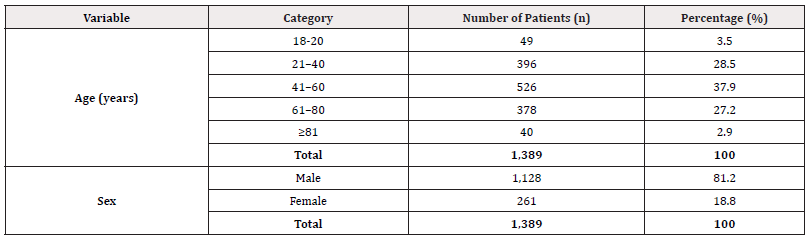
Table 1: Age and sex distribution of COVID-19 patients (n=1,389).
As shown in Table 1, the majority of the study population belonged to the 41-60-year age group (526/1,389; 37.9%), followed by the 21-40-year age group (396/1,389; 31.5%). A further 378 patients (27.2%) were aged 61-80 years, 49 patients (3.5%) were under 20 years, and 40 patients (2.9%) were older than 81 years. There was a significantly higher proportion of male patients (1,131/1,389; 81.2%) compared to female patients (261/1,389; 18.8%).
Patients were classified according to the severity of acute COVID-19 illness into mild, moderate and severe at initial presentation. The study population demonstrated an almost equal distribution across the three categories of COVID-19 severity. Patients with severe COVID-19 accounted for the highest proportion (488/1,389; 35.1%), followed closely by those with mild disease (451/1,389; 32.5%) and moderate disease (450/1,389; 32.4%) (Figure 1).
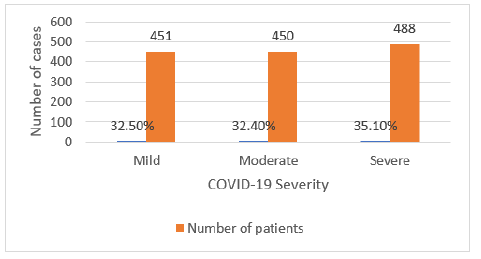
Figure 1: Distribution of study participants according to COVID-19 severity.
Demographic Characteristics of Patients Who Developed Guillain-Barré Syndrome
Among the 31 patients diagnosed with GBS, the majority belonged to the 18-40-year age group (58.1%), followed by the 41- 60-year group (35.5%), while only 6.5% were older than 60 years (Table 2).

Table 2: Age distribution of GBS patients (n=31).
A male predominance was observed among patients who developed GBS: 21 of 31 patients (67.7%) were male and 10 (32.3%) were female, giving a male-to-female ratio of approximately 2.1:1 (Figure 2).
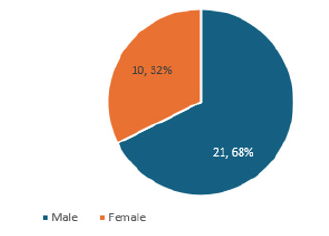
Figure 2: Age distribution of GBS patients (n=31).
Severity of Antecedent COVID-19 Illness
Among patients who subsequently developed GBS, 12 (38.7%) had experienced mild COVID-19, 16 (51.6%) had moderate disease, and 3 (9.7%) had severe disease (Figure 3).
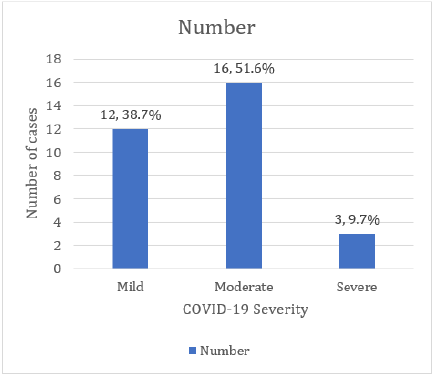
Figure 3: Severity of antecedent COVID-19 among GBS patients
Interval Between COVID-19 Infection and Onset of Guillain- Barré Syndrome
The majority of patients developed GBS between one and two years after COVID-19 infection. Twelve patients (38.7%) developed GBS after two years, while eleven (35.5%) developed it within one year. Only two patients (6.5%) presented within three months of COVID-19 (Table 3).

Table 3: Time interval between COVID-19 diagnosis and onset of GBS.
Vaccination Status of Patients Who Developed GBS
Vaccination status at the time of GBS onset was assessed for all 31 patients who developed the syndrome during follow-up (Table 4). Twenty-one of 31 patients (67.7%) had not received any COVID-19 vaccine and developed GBS prior to vaccination. Three patients (9.7%) had received a COVID-19 vaccine more than one year before the onset of GBS symptoms. The remaining seven patients (22.6%) had received a COVID-19 vaccine within two months of symptom onset, with the interval between vaccination and onset of GBS ranging from 15 to 54 days in this subgroup (Figure 4). During 2022, the COVID-19 vaccine administered at the study centre was Covishield (ChAdOx1 nCoV-19), an adenovirus viral vector vaccine, which was the vaccine formulation received by all vaccinated patients in this cohort.
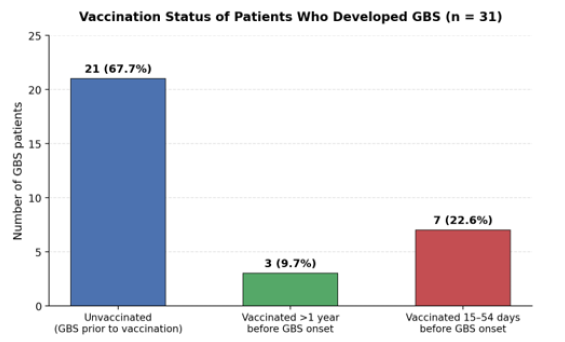
Figure 4: Vaccination status of patients who developed GBS (n = 31).

Table 4: Vaccination status of patients who developed GBS (n=31).
Discussion
Guillain-Barré syndrome has emerged as one of the clinically important immune-mediated neurological complications reported following SARS-CoV-2 infection. Although a causal relationship remains under investigation, increasing clinical and epidemiological evidence supports an association between COVID-19 and the subsequent development of GBS through post-infectious immune dysregulation and molecular mimicry [6,7]. In the present cohort, 31 of 1,389 patients (2.23%) developed GBS during the threeyear follow-up period. The relatively prolonged follow-up enabled identification of delayed neurological manifestations beyond the acute phase of COVID-19, providing additional insight into longterm neurological sequelae; comparable long-term complications have been highlighted in previous systematic reviews and observational studies [1,4]. The majority of patients in this study belonged to the 18-40-year age group (58.1%), followed by the 41- 60-year group (35.5%), with only a small proportion older than 60 years. Earlier studies have reported that COVID-19-associated GBS can occur across a wide age spectrum, although middleaged and elderly adults are most frequently affected. [6,11] The comparatively younger age distribution in this cohort may reflect regional demographic characteristics and the age profile of patients treated at this tertiary care centre. A clear male predominance (67.7%) was observed among patients who developed GBS, consistent with previously published literature reporting that males account for approximately 60-70% of COVID-19-associated GBS cases [6,11]. The basis for this sex difference remains uncertain but may involve immunological and hormonal factors influencing susceptibility to autoimmune neurological disease. More than half of the patients who subsequently developed GBS (51.6%) had experienced moderate antecedent COVID-19, whereas only 9.7% had severe disease. This finding suggests that the development of GBS does not necessarily correlate with the severity of the acute respiratory illness. Previous reviews have similarly described GBS following asymptomatic, mild, moderate, and severe SARS-CoV-2 infection, supporting the concept that immune dysregulation, rather than direct viral neurotoxicity, is primarily responsible for disease development [6,11].
The temporal pattern observed in this study showed that, although a few patients developed GBS within the first six months after COVID-19, most presented between one and two years after infection. Most published literature describes GBS developing within days to several weeks of SARS-CoV-2 infection [6,7]. The longer interval observed here may reflect delayed immune-mediated neurological manifestations, recurrent immune activation, or independent triggering events occurring in susceptible individuals after COVID-19, and warrants further evaluation in multicentre prospective studies. The proposed pathophysiological mechanism involves molecular mimicry between SARS-CoV-2 antigens and peripheral nerve gangliosides, with production of crossreactive antibodies that activate complement and inflammatory cascades leading to demyelination or axonal injury. [6] Persistent immune activation, cytokine dysregulation, endothelial injury, and autoimmune responses associated with long COVID may further contribute to peripheral nerve damage [3,4]. The principal strengths of this study are the relatively large COVID-19 cohort and the extended three-year follow-up period. However, several limitations should be acknowledged. Its single-centre design may limit generalisability, and the absence of a non-COVID control population precludes direct estimation of attributable risk. Additionally, temporal association alone cannot establish causality between SARS-CoV-2 infection and subsequent GBS. Overall, these findings contribute additional evidence supporting continued neurological surveillance in patients recovering from COVID-19 and highlight the need for larger multicentre studies to clarify the long-term incidence and mechanisms of post-COVID GBS.
Conclusion
This prospective longitudinal cohort study demonstrated that Guillain-Barré syndrome developed in 31 (2.23%) of 1,389 patients during a three-year follow-up after laboratory-confirmed COVID-19 infection. Most affected patients were younger adults, with a male predominance, and over half had experienced moderate antecedent COVID-19 illness. Although GBS has traditionally been regarded as an acute post-infectious neuropathy, these findings suggest that neurological complications may continue to emerge well beyond the acute phase of SARS-CoV-2 infection. These observations reinforce the need for long-term neurological follow-up of patients recovering from COVID-19, particularly those presenting with new-onset limb weakness, sensory disturbance, or areflexia. Early recognition and timely management of GBS remain essential to minimise morbidity and improve functional outcomes. Larger multicentre studies are warranted to validate these findings, clarify the temporal relationship between COVID-19 and GBS, and elucidate the immunological mechanisms responsible for post- COVID neurological sequelae.
Authors’ contribution
Rahil Arora, Shantanu Khanna, Parrina Seghal: conceptualization, methodology, investigation, resources, data curation, software, writing-original draft; Santosh Kumar Singh, Rohit Vashisht: conceptualization, methodology, project administration, supervision, validation; Vani Singh, Harikrishnan S, Abhisekh Singh Chauhan: literature review, formal analysis, visualization, validation; Mukti Nath Sankhi, Rajiv Sitaula: literature review, writing review & editings
Human Ethics
All procedures performed in studies involving human participants were in accordance with the institutional review committee and with the 1964 Helsinki declaration and its later amendments.
Ethical Approval
Ethical approval for the study was obtained from Institutional Review Committee.
Consent To Participate
Written informed consent was obtained from each participant.
Clinical Trial Number
Not applicable
Availability Of Data and Materials
The datasets used and/or analysed during the current study are available from the corresponding author on reasonable request.
Conflict Of Interest
The authors declare that they have no competing interests.
Funding
No source of funding to declare.
Acknowledgement
None.
References
- Chen X, Laurent S, Onur OA, Kleineberg NN, Fink GR, et al. (2021) A systematic review of neurological symptoms and complications of COVID-19. J Neurol 268(2): 392-402.
- Wildwing T, Holt N (2021) The neurological symptoms of COVID-19: a systematic overview of systematic reviews, comparison with other neurological conditions and implications for healthcare services. Ther adv chronic dis.
- Crook H, Raza S, Nowell J, Young M, Edison P (2021) Long covid-mechanisms, risk factors, and management. bmj 26: 374.
- Matthews R, Alam A, Bullmore E, Michael BD (2026) Understanding the long-term neurological effects of SARS-CoV-2 infection. Nat Rev Neurol 22(6): 351-365.
- Keddie S, Pakpoor J, Mousele C, Pipis M, Machado PM, et al. (2021) Epidemiological and cohort study finds no association between COVID-19 and Guillain-Barré Brain 144(2): 682-693.
- Abu-Rumeileh S, Abdelhak A, Foschi M, Tumani H, Otto M (2021) Guillain–Barré syndrome spectrum associated with COVID-19: an up-to-date systematic review of 73 cases. J neur 268(4): 1133-1170.
- Uncini A, Vallat JM, Jacobs BC (2020) Guillain-Barré syndrome in SARS-CoV-2 infection: an instant systematic review of the first six months of pandemic. J Neurol Neurosurg Psychiatry 91(10):1105-1110.
- Stübgen JP (2008) Tumor necrosis factor‐α antagonists and neuropathy. Muscle Nerve 37(3): 281-292.
- Willison HJ, Jacobs BC, van Doorn PA (2016) Guillain-barre syndrome. The Lancet 388(10045): 717-727.
- Fokke C, Vanden Berg B, Drenthen J, Walgaard C, Van Doorn PA, et al. (2014) Diagnosis of Guillain-Barré syndrome and validation of Brighton criteria. Brain 137(1):33-43.
- Finsterer J, Scorza FA (2021) Guillain-Barre syndrome in 220 patients with COVID-19. Egypt J Neuro Psychiatr Neurosurg 57(1): 55.




 We use cookies to ensure you get the best experience on our website.