
Research Article 
 Creative Commons, CC-BY
Sources of Payment for Cardiac Intervention in Nigeria
*Corresponding author:Emmanuel Auchi Edafe, Department of Medicine, faculty of clinical sciences, University of Port Harcourt, Nigeria.
Received:July 25, 2026; Published:August 06, 2026
DOI: 10.34297/AJBSR.2026.31.004096
Abstract
Background: Cardiovascular diseases such as acute coronary syndrome, symptomatic bradycardia, sudden cardia arrest and advanced heart failure are common in low resource country like Nigeria. The objective of the study aims at evaluating the modes of payment for cardiovascular intervention in south-south Nigeria.
Methods: This is a retrospective study and it evaluate the various modes and sources of payment of cardiovascular interventions over the last 8 years of cardiovascular interventions in the south-sooth.
Results: The various sources of payment of cardiovascular interventions include out of pocket expenses, insurance coverage, and government programs. The out-of-pocket payment account for 78%, private insurance 7% and NGOs ie near free interventions 12%. There was no coverage of public insurance or Government program on the cardiovascular interventions.
Conclusion: The commonest source of payment is out of pocket payment.
Introduction
Cardiovascular diseases such as acute coronary syndrome, ischemic strokes, acute limb ischemia, critical limb ischemia, massive pulmonary embolism and extensive deep venous thrombosis [1-3]. The CAD burden is projected to disproportionately affect Africa, with a doubling of its mortality by 2030 [4,5]. Acute Coronary Syndrome (ACS) is the major contributor to CAD mortality [6]. Only a small proportion of the study populations in the South African arm of ACCESS (Acute Coronary Events—A Multinational Survey of Current Management Strategies) were indigenous Black African people [7]. Coronary Artery Disease (CAD) in Nigeria is experiencing a rising prevalence due to urbanization and lifestyle changes, with approximately 25% of adult Nigerians now at risk [8-10]. While historically considered rare, CAD now accounts for about 2.82% of total deaths in Nigeria, often presenting with significant risk factors like hypertension, obesity, and diabetes [8-10]. With the increase in coronary artery disease in Nigeria, and increase in number of cardiac catherization laboratories, the mode of payment is still very weak with most patient paying from their pocket. This study investigated the modes of payment from a single cardiac catherization laboratory in the south-south region of Nigeria.
Method
Study Design
This study is retrospective and descriptive cross-sectional. It evaluated the healthcare financing of Percutaneous Coronary Intervention in one centre in Nigeria. This study used a descriptive cross-sectional study design and it evaluates the various modes and sources of payment of cardiovascular interventions over the last 8 years of cardiovascular interventions in the south-south.
Study Population
The study population included the those with coronary intervention or cardiac devices referred our centre in Port Harcourt. The study population consisted of individuals seeking cardiovascular interventions in the cardiac catheterization laboratory at Anderson and Save A life hospitals in Port Harcourt. A survey questionnaire was used to fill the questionnaire with a welltrained researcher. The information was sourced from patient file and account unit on mode of payment. The number of interventions covered include coronary, pacemaker, ICD, CRTs, peripheral, venous and pulmonary interventions. All payments were made in Naira. The study period ranged from January 2024 to May 31st, 20205 Modes of payment included out of pocket [cash or transfer from patient, relative or close person], government or public insurance and private insurance.
Inclusion and Exclusion Criteria
The subjects with aged 18 years and above who presented to the two hospital facilities for cardiovascular interventions i.e. coronary interventions, pacemaker, ICD and cardiac Resynchronization Therapy. Respondents were considered eligible to participate if he/she is 18 years and older and have consented to fill the form. Excluded included those whose mode of payment were not clearly stated.
Data Analysis
A baseline characteristic of respondents was presented using percentages and proportions. The out-of-pocket payments, private and government insurance were presented in proportions as needed.
Results
Socio Demographic Characteristics of the Study Group
In the socio demographic characteristics, age 40 years and below accounts for 15.5% 40-50years accounts for 13.1%, 51-60 years accounts for 29.1%, 61-70 years account for 31.1% while 71 years and above accounts for 10.7%. This is shown in table 1. Female accounts for 52.4% and male: accounts 47.6% (Table 1).
Mode and Source of Payment of Cardiovascular Intervention
The various sources of payment of cardiovascular interventions include out of pocket expenses, insurance coverage which may be Government and private. The out-of-pocket payment account for 78%, private insurance 7% and NGOs i.e. near free interventions 12%. There was no coverage of public insurance or Government program on the cardiovascular interventions. This is shown on table 2 and figure 1.
Out-of-Pocket Payment
This remains one of the most common sources of financing for healthcare services in Nigeria. Patient and their families often rely on personal savings or loan to pay for cardiac procedures.
Government or Public Funding
Government funding for cardiac interventions occur through federal and state healthcare programs. Some teaching hospitals offer subsidized cardiac procedures. However, government funding remains insufficient due to limited healthcare budgets and competing health priorities.
International Medical Missions
International cardiac missions organized by foreign medical teams and non-profit organization also contribute to the provision of cardiac care in Nigeria. These missions provide free or subsidized surgeries while also training local healthcare professionals (Table 2) & (Figure 1).
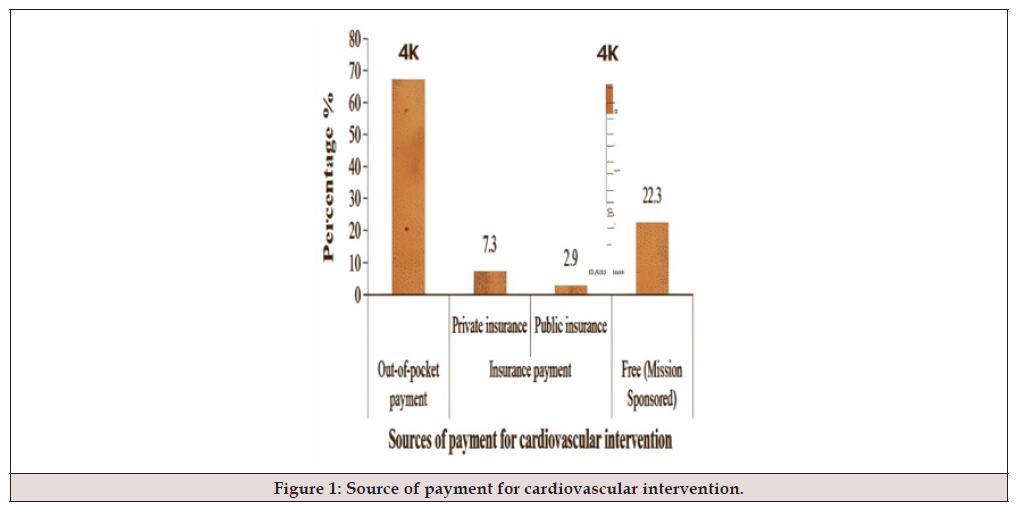
Figure 1:Source of payment for cardiovascular intervention.
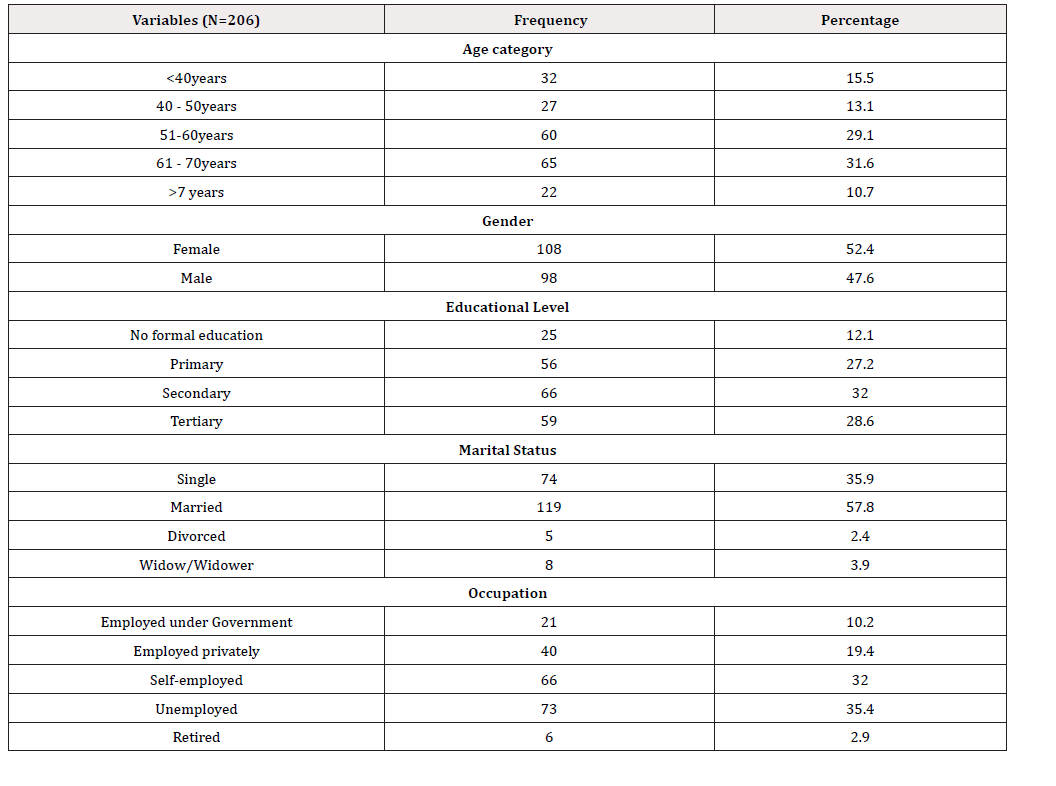
Table 1:Socio demographic characteristics of the study population.
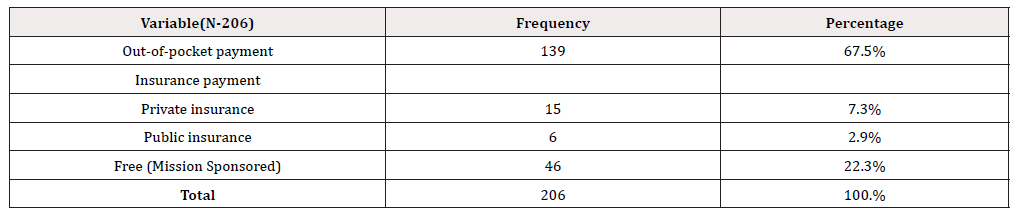
Table 2:Sources of payment of cardiovascular intervention in Nigeria.
Discussion
Out of pocket payment is the commonest source in modes of payment in Nigeria. Adeniji et al in a study of Burden of out-ofpocket payments among patients with cardiovascular disease in public and private hospitals in Ibadan, South West, Nigeria: a cross-sectional study reported P2P as the most common form of payment in Nigeria [1]. Several other studies have also reported that out-of-pocket payment remains the most dominant method of financing cardiac intervention in Nigeria [11,12]. Ogah et al., reported that majority of patients pays directly for cardiac intervention, medication and follow up care due to limited coverage of health insurance schemes [12]. The main sources of payment for cardiovascular interventions in the USA are Medicare, private insurance, and Medicaid with Medicare being the largest payer and private insurance also covering a significant portion [11]. In the USA, Medicare is the largest payer for cardiovascular care, covering a significant portion of hospitalizations and services [11] Private Insurance formed a substantial payer, covering a large percentage of cardiovascular intervention costs, particularly for non-Medicare beneficiaries. Medicaid Covers cardiovascular care for eligible lowincome individuals and is a significant payer, though smaller than Medicare or private insurance [11]. Uninsured portion of costs is paid out-of-pocket or by other means for individuals who lack insurance [11].
Conclusion
The commonest source of payment in Nigeria is out of pocket payment.
Acknowledgement
None.
Conflict of Interest
None.
References
- Folashayo Adeniji (2021) Burden of out-of-pocket payments among patients with cardiovascular disease in public and private hospitals in Ibadan, South West, Nigeria: a cross-sectional study. BMJ Open 11(6): e044044.
- Balbinotto Neto G, Silva Enda (2008) The costs of cardiovascular disease in Brazil: a brief economic comment. Arq Bras Cardiol 91: 198-199.
- Abegunde DO, Mathers CD, Taghreed Adam, Monica Ortegon, Kathleen Strong, et al. (2007) The burden and costs of chronic diseases in low-income and middle-income countries. Lancet 370: 1929-1938.
- Hamid S, Groot W, Pavlova M (2019) Trends in cardiovascular diseases and associated risks in sub-Saharan Africa: a review of the evidence for Ghana, Nigeria, South Africa, Sudan and Tanzania. Aging Male 22: 169-176.
- Murray CJL, Lopez AD, eds. (1996) The Global Burden of Disease: A Comprehensive Assessment of Mortality and Disability from Diseases, Injuries, and Risk Factors in 1990 and projected to 2020. Harvard School of Public Health.
- Isezuo S, Sani MU, Talle A, Johnson A, Adeoye AM, et al. (2022) Registry for Acute Coronary Events in Nigeria (RACE-Nigeria): Clinical Characterization, Management, and Outcome. J Am Heart Assoc 11(1): e020244.
- Schamroth C, ACCESS, South Africa Investigators (2012) Management of acute coronary syndrome in South Africa: insights from the ACCESS (Acute Coronary Events – A Multinational Survey of Current Management Strategies) Registry. Cardiovasc J Afr 13: 1-5.
- Walker ARP, Sareli P (1997) Coronary heart disease. Outlook for Africa. J R Soc Med 90(1): 23-27.
- Falase AO, Cole TO, Osuntokun BO (1973) Myocardial Infarction in Nigerians. Trop Geog Med 25: 147-150.
- Ogunowo PO, Odesanmi WO, Andy JJ (1986) Coronary artery pathology of 111 consecutive Nigerians. Tran R. Soc Trop Med Hyg 80(6): 923-926.
- Sandhu AT, Heidenreich PA, Borden W, Steven A Farmer, P Michael Ho, et al. (2023) Value-Based Payment for Clinicians Treating Cardiovascular Disease: A Policy Statement from the American Heart Association. Circulation 148(6): 543-563.
- Ogah OS, Stewart S, Falase AO, Akinyemi JO, Adeyemi O, Adewole AA. Prevalence of cardiovascular disease in Nigeria: a systematic review. Int J Cardiol.




 We use cookies to ensure you get the best experience on our website.