
Review Article 
 Creative Commons, CC-BY
A Qualitative Exploration 0f Embodied Recovery in Women with Eating Disorder: Comparing Standalone CBT with an Integrated CBT- Psychobiotics Intervention
*Corresponding author:Nadeem Ahmed, Head of Department, Psychiatry and Behavioral Sciences, Sialkot Medical College, Pakistan.
Received:November 05, 2026; Published:November 11, 2026
DOI: 10.34297/AJBSR.2026.32.004213
Abstract
Cognitive Behavioral Therapy (CBT) is the treatment recommended to treat Eating Disorders (EDs), which have high rates of residual symptoms and relapse, with emerging evidence indicated that the gut-brain axis is involved in emotional regulation and disordered eating. Current study examined 10 women with the diagnosis of Anorexia Nervosa, allocated to two groups: a group of 5 women using standard CBT, and a group of 5 women using CBT plus a probiotic supplement with a comparison conducted between those two groups as to their subjective experiences in recovery using Interpretative Phenomenological Analysis (IPA) combined with semi-structured interviews and thematic analysis. The three overarching themes were: The War Inside vs. The Calm Within, reflecting cognitive conflict and emotional regulation; The Body as an Adversary vs. The Body as an Ally, indicating the presence of a cognitive perspective vs. an interoceptive perspective; and Procedural Recovery vs. Embodied Integration, reflecting the cognition vs embodied dimensions of recovery. Women who went through CBT with psychobiotics recovered more quickly because the psychobiotics helped calm their anxious gut, and the CBT actives were able to take effect without being drowned out by overwhelming physical panic, which transforms a mental process of getting better into healing a whole body.
Keywords:CBT, Psychobiotics, Gut-Brain-Axis, Eating Disorder, Anorexia Nervosa
Introduction
Eating Disorders (EDs) such as Anorexia Nervosa (AN) and Bulimia Nervosa (BN) are serious mental health conditions that involve chronic dysfunction with eating patterns and there are harmful thoughts associated with weight and shape (American Psychiatric Association, 2022) [1] These disorders also have one of the highest mortality rates compared to other psychiatric disorders, along with significant psychosocial impairments [2]. The most empirically supported treatment known as Cognitive Behavioral Therapy (CBT), which specifically targets maladaptive thoughts and behaviors which perpetuate the disorder which can be treated (Fairburn, 2008; Murphy et al., 2025) [3-4]. But the remission rates are still not satisfactory; there is a large proportion of patients that do not go into complete remission or relapse. This identifies a gap in the Treatment literature which seeks more treatments that target cognitive- behavioral symptoms and affective abnormalities as well as targeting neurobiological and physiological abnormalities [5].
There is growing evidence of the role of the Gut-Brain Axis (GBA) in mental health conditions that has provided clarity about the significant psychological impact of gut issues. The gut microbiome is an intricate collection of microbes that can interact with the brain both ways through various neural, endocrine, and immune pathways [6]. The gut microbiome is known to be disturbed (dysbiosis) in the context of EDs and suggested to play a role in the various symptoms observed in this disorder, such as anxiety, depression, and changes in interoceptive awareness, the awareness of internal bodily states [7]. Bullying problems are a significant aspect of EDs (Weineck et al., 2021) [8], that often involve a diminished capacity to sense hunger and satiety signals. Microbially targeted interventions, including probiotics (also known as psychobiotics), have an impact on these pathways. Initial research indicated that probiotics might be effective in lowering anxiety and depressive symptoms, especially since they are often co-occurring in EDS [9]. Current study suggests that the use of a probiotic in combination with CBT might have a synergic effect, which could make CBT more effective by diminishing physiological that underlies ED thoughts.
Literature Review
CBT-ED is considered a gold standard treatment, and the EDs are conceptualized as being driven by over-evaluation of weight/ shape and then followed by dietary restraint, bingeing and purging (Fairburn, 2008). In a recent large-scale trial, Morkl et al. (2020) [10] found the effectiveness of CBT but importantly this study reported that around one-third of patients had continued symptoms after treatment. This chronic symptom load is frequently related to elevated anxiety, depression and emotional dysregulation [11]. A significant aspect of psychiatric research is now the GBA. A research study by Cryan et al. (2019) [6] gave an extensive review on the role of the microbiome in behaviour, stress response and mood. They showed that gastrointestinal bacteria affect the production of neurotransmitters, such as serotonin and Gamma-Aminobutyric Acid (GABA) (Chang et al., 2022) [12]and modulate the hypothalamic-pituitary- adrenal (HPA) axis, which is overactive in EDs patients. The rationale behind the addition of probiotics to psychological therapy is supported by evidence from the neurobiological system.
Microbial significance has been found in specific studies for patients with AN. One example is Kleiman et al. (2015) [7] who reported decreased diversity and abundance of several important bacterial communities’ size associated with changes in eating patterns and stress in women with AN. However, in a longitudinal study, Scala et al. (2025) [13] found that nutritional rehabilitation has a positive effect on the gut microbiome but that it is still not indistinguishable from healthy controls, indicating that dysbiosis may be a trait marker rather than a state marker. Psychobiotic refers to any living organism when ingested in adequate amounts, can provide a health benefit to psychiatric diseased individuals.[14]. RCTs demonstrated that, for instance, strains of the genus Lactobacillus (and Bifidobacterium) can alleviate anxiety and depression symptoms [10]. Until now, however, their effectiveness specifically in patients with EDs has been rarely explored, and there is a lack of research on the effect of these on subjective illness and recovery experiences (Figure 1).
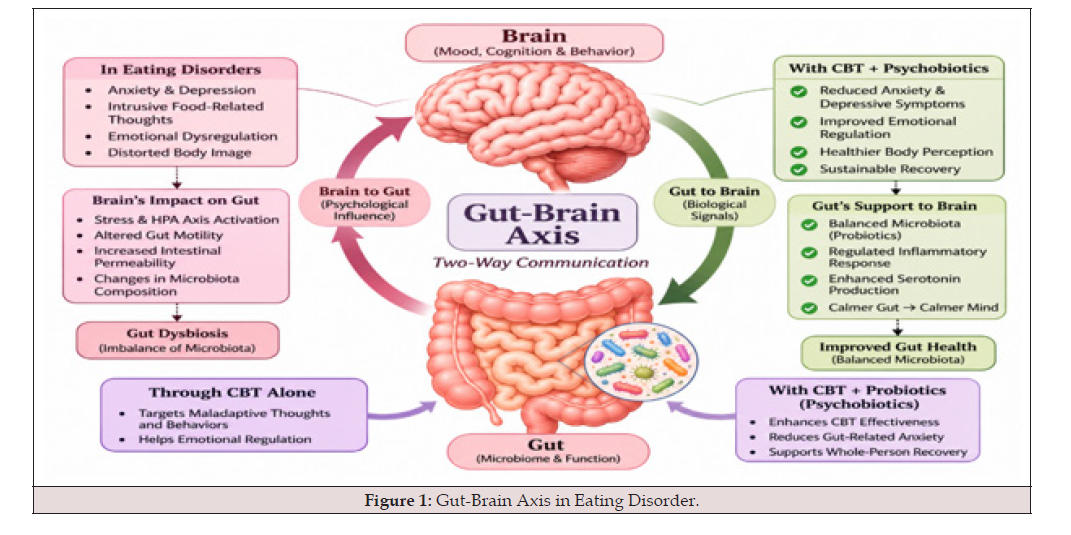
Figure 1: Gut-Brain Axis in Eating Disorder.
Gap of the Study
CBT remains to be effective for the reduction of eating disorder symptoms and probiotics are shown to have an impact on mood and the health of the gut; however, research about the interaction between these interventions hasn’t been investigated from the patients’ point of view. Current trials investigate just the objective decrease in symptoms; there remains an absence of insight into whether or how the physiological advantages of a probiotic (lower anxiety in enteric areas & greater somatic consciousness) in a model of recovery actually encompass a significant shift in the subjective feel of this recovery. To fill that gap, current study investigates the rich narratives of female participants receiving CBT alone and those who received CBT plus a probiotic, asking whether the biological intervention might help participants feel as though they were able to reconceptualize entrenched ED cognitions in their ED treatment process.
Research Questions
a. What is it like for women with eating disorders after completing
a course of CBT?
b. What is the difference in the subjective experience of recovery
for women in the Psychobiotics (CBT plus a probiotic) group as
compared to women in the CBT group?
c. What do participants think they have changed (psychologically
and physiologically) due to the treatment?
Methodology
This study utilized a qualitative research design using interpretative Phenomenological Analysis (IPA) (Smith et al., 2021) [15], with ten female patients with eating disorder, five of them were between the ages of 22-34 assigned to a CBT-only treatment group and five between the ages of 24-37 to a Psychobiotics (Twice a day) + CBT treatment group. The patients had all been diagnosed with AN within the last months and completed the 20 weeks of CBT within a manualized protocol; patients with severe psychotic comorbid PTSD were excluded. Face-to-face, semi-structured interviews with an open-ended treatment guide were used to gather data and explored experiences of treatment, changes in body relationship, and for the supplement group, the perceived uniqueness of the supplement group treatment. Interviews were recorded on audio tapes and transcribed verbatim and themed following the Braun Clarke’s six phases of thematic analysis to find out the patterns within the data (Braun & Clarke, 2006) [16] All participants gave informed consent and had their information pseudonymized.
Results
Performing the analysis, three superordinate themes were found, which were further distinguished by two sub-themes per theme.
Theme 1 - The War Inside vs The Calm Within
This theme highlights the feeling of an inner struggle of the participants.
Group A (CBT Only): These women experienced recovery as a battle that was never finished in their heads. They were always struggling with getting themselves to adopt the right attitude, it took a lot out of them. It was as though it would never end. Mrs. S, called it a dialogue with a bully, saying, “I would have to fight myself back every bite I had to eat, it was tiring like the bully wouldn’t leave me alone”. Mrs. R knew exactly how she felt: “I was so worried all the time, so calculating, there was no peace, it was a constant tussle with her head”. This is consistent with elevated cognitive functioning, rumination, in EDs.
Group B (CBT + Psychobiotics): Women in this group observed a difference, their minds became quieter. There were less stress and noise. Miss M. narrated, “I can just... sit with it. The urge wasn’t as strong. It was like that it was like; I guess I started at a ten and turned it down to a two”. Mrs. L agreed: “Before, my brain was a courtroom and there was the constant cross-examination, now it’s more like a quiet library. The thoughts were there, but they don’t yell at me all the time”. It is plausible that the physical experience of anxiety the sensations in the body were calmed by the probiotic, and that is why the negative thoughts became more prominent.
Theme 2: The Body as an Adversary vs Body as an Ally
This theme refers to the change in perception of one’s body: interoceptive awareness.
Group A (CBT Only): These women perceived their body as untrustworthy or even as an enemy. They were unable to pay attention to their internal cues as hunger and were not connected to what their bodies were communicating to them. Sometimes, even when they make it past their initial feeling that they needed to eat, they still feel uncomfortable or disgusted afterwards. Miss E, reported that, “My tummy would grumble, but I couldn’t count on it, I thought, that’s a lot of belly grumbles it’s not that I need it”. Mrs. L, stated that when she was obliged to have lunch, “she felt like she was pushing food down an enemy’s throat, I knew the rules were I had to eat lunch but my body felt like a traitor when I did because it was heavy, bloated and wrong, I felt like I was pushing food down an enemy’s throat”.
Group B (CBT + Psychobiotics): This group experienced a significantly more positive change. It was the first time in a long time that they felt hunger a pleasant, reassuring sensation. They started to feel comfortable with their body once more. Mrs. C narrated “For the first time in years, I felt no weirdness in my stomach when I felt hungry, it felt like a soft signal, not a panic alarm, and I really did believe it”. Mrs. A also reported that, “My body said it was full and for the first time, I didn’t argue with it. My body was on my side, and I felt it talking to me”. Feeding this alteration seemed to diminish the fear associated with eating, likely due to increased signals from the gut to the brain.
Theme 3: Procedural Recovery vs. Embodied Integration
This theme focuses on recovery as part of one’s whole identity.
Group A (CBT Only): This group found a list of so many rules that required adherence such as eat three meals and 2 snacks. They were able to make the actions but were not really recovered persons. It was fragile, as though they were faking it. As Miss M. reported, “I did the meals, I did the boxes but, on the inside, I felt like a fraud, because I was just playing a part the part of a healthy person”. Mrs. T also pointed out, “I was afraid if I didn’t play it by the rules, I would break down, it was a script, not a true story of me getting better”.
Group B (CBT + Psychobiotics): This group felt like they were recovering themselves. It wasn’t simply a matter of rules but actually being real and whole. Mrs. S, narrated “It felt like my head finally caught up with my body... I began to live out my recovery, stopping to think that it was happening”. Miss K. Stated that, “The rules were not rules, they were common sense. They were not a performance; it was just me.” This means that once the physical aspect of recovery has been addressed, it may be easier to actually live and be a healthy person, rather than pretending to live that role.
Discussion
The findings shed light on an important finding of learning and interoceptive integration in ED treatment. CBT-only participants showed ‘procedural recovery’, evidenced by the success of using the CBT procedures to change eating behaviours, and to challenge the unhelpful thoughts. This corresponds to the key principles of CBTED, in which a change in beliefs (cognitions) is linked to changes in behavior (Fairburn, 200). The ongoing training in the body as “adversary,” however, demands attention to its bottom line: There is a fundamental issue of somatic anxiety, tension, bodily mistrust that cannot be “restructured” by the thought level. This supports the findings of who explained that interoceptive deficits are an important maintaining factor in EDs which cannot be solved with verbal-cognitive methods only, thus leaving the person prone to relapse unless the interoceptive discrepancies are balanced [17]. The most significant differences were found in the CBT+Psychobiotics group who reported feelings of “calm within” and felt the body was an “ally. It is a preliminary and qualitative proof of the gut-brain axis (GBA) to support a deeper embodied recovery. The study participants reported decreased somatic hyperarousal, a parameter that can be theorized to be linked to the modulation of Hypothalamic-Pituitary-Adrenal (HPA) axis and neurotransmitter systems by the microbiome [6]. The use of probiotic may have decreased the attenuation of physiological “noise” associated with the gut environment which can exaggerate ED cognitions under normal circumstances. This fits with developing psychobiotics research which shows a number of probiotic strains can reduce anxiety and improve emotional regulation (Forney et al., 2022) [18], thus supporting a biological (bottom-up) and cognitive (top-down) complementary approach to promoting emotional health.
One key difference between groups was that interoceptive trust was restored. While the CBT-only group still perceived their bodies as “deceptive,” the CBT+Psychobiotics group spoke of a “reliable” stomach and experiencing “true hunger” which did not occur in the CBT-only group. The finding bears broad implications for the understanding of mechanisms involved in the maintenance of ED. Dietary restraint and compensation are associated with interoceptive dysfunction, defined as decreased perception of hunger and fullness and less awareness of emotional cues [10]. The probiotic might have helped regain a normal level of gut peptides (such as ghrelin, leptin) affected in ED, and that these peptides connect directly with brain regions affected by the reward and homeostatic regulation systems [19-20]. As hunger turned from a ‘should do’ message to a ‘safe do’ message, the cognitive task of the CBT became easier to access and to implement, making the improvement of once beleaguered interoceptive deficits one necessary condition for sustainable cognitive improvement. The “embodied integration” that the CBT+Psychobiotics group reported marked a change from the “ego-dystonic recovery” that many people perceive of as recovery as an imposed obligation, intervention or imposed on them by others, to “ego-syntonic recovery,” which is recovery that feels natural and congruent with oneself. This is key in helping understand long-term outcomes and preventing relapse. High rates of relapse in EDs are often explained by the long-term nature of the recovery experience as a struggle against one’s instincts and urges [21]. For each person who felt embodied integration, there were three cases of recovery not as rules to live by, but as a real new way to live. This is cohesive with the notion of “sense of agency” in recovery, defined as feeling yourself as an “active agent” and not a “passive recipient of treatment” as explained by Treasure et al (2020) [2]. This shift may be facilitated by the probiotic, as the experience of the body changed because of this supplement, thereby “embodying” the cognitive insights gained from the CBT.
The study combined these findings and proposed a continuum ranging from cognitive compliance to embodied change regarding the recovery from EDs. The CBT group got less confrontational with their ED thoughts, but at the same time remained vigilant in their thoughts, emotionally adjusting to normal behavior (Fairburn, 2018) [22]. While the CBT group became less confrontational with residual ED thoughts, they stayed vigil against their ED thoughts emotionally adjusting to normal behaviour. In contrast, there was a qualitative transition between the CBT+Psychobiotics group in which internal sensations seemed to experience less of a threat value and cognitive skill was easier to use. This is consistent with the theoretical framework who stressed the dynamic nature of the relationship between ED symptomatology and HPA axis dysregulation (Choquette & Khalasa, 2025) [17]. The probiotic served as a catalyst for toxicity that may have interrupted a vicious cycle of anxious feelings, dysbiosis and disordered eating. They provide an invitation for clinicians and other professionals in the field to shift their view of recovery from symptom control to fundamental change, both cognitively and bodily.
Conclusion
By exploring current study, CBT offers the important foundational cognitive structure needed for recovery from an eating disorder, adding a probiotic could help to create a more meaningful, embodied, or grounded path to healing. The combined treatments convey that gut brain axis-targeted physiological treatments impact on somatic anxiety, mechanical substructure, interoceptive awareness, and that the cognitive change could be felt and embraced at the bodily level. The study shades a compelling picture for clinicians about the recovery process as not only a cognitive or behavioral effort, but also a physiological effort. It appears the adoption of a multifaceted treatment model for both psychological and biological treatment for EDs may be important in getting a person into full, sustainable recovery. The subjective feeling of something, not just the simple ability to think it is recovered or not, is an important outcome that needs to be explored.
Implications of the Study
There are significant implications of the present study: In clinical practice, results recommend exploring the possibility of adding the use of psychobiotics to routine care in the ED, mental health, and clinicians to evaluate their patients’ digestive health and investigate the option of nutritional psychiatry referral to treat somatic anxiety symptoms. In terms of research, it puts in place a new hypothesis, focusing on future randomized controlled trial studies to evaluate the efficacy of probiotic supplementation on interoceptive deficits and relapse prevention, and requests validated measures of body/ brain recovery. The findings provide hope for patients because they provide an alternative understanding of barriers to recovery as not solely about will or lack of it but also follow a biological paradigm.
Acknowledgement
None.
Conflict of Interest
None.
References
- American Psychiatric Association (2022) Diagnostic and statistical manual of mental disorders (5th ed., text rev.).
- Treasure D, Duarte T A, Ulrike Schmidt (2020) Schmidt 2020 eating disorders. Lancet 395(10227): 899-911.
- Fairburn C G (2008) Cognitive behavior therapy and eating disorders. Guilford Press.
- Murphy R, Bailey-Straebler S, Dalle Grave R, Calugi S, Osborne E L, et.al. (2025) Evolving perspectives on CBT-E for eating disorders: clarifying ten key points–misconceptions and communication gaps explored. The Cognitive Behaviour Therapist 18: e50.
- Wick M R, Brown T A, Fitzgerald E H, Keel P K (2021) How changing life roles predict eating disorder pathology over 30-year follow-up. J Abnorm Psychol 130(4): 388-398.
- Cryan J F, O'Riordan K J, Cowan C S, Sandhu K V, Bastiaanssen T F et.al. (2019) The microbiota-gut-brain axis. Physiol Rev 99(4): 1877-2013.
- Kleiman S C, Watson H J, Bulik-Sullivan E C, Huh E Y, Tarantino L M (2015) The intestinal microbiota in acute anorexia nervosa and during renourishment: relationship to depression, anxiety, and eating disorder psychopathology. Psychosom Med 77(9): 969-981.
- Weineck F, Hauke G, Lindemann H, Lachenmeir K, Schnebel A, et.al. (2021) Using bodily postures in the treatment of anorexia nervosa: Effects of power posing on interoception and affective states. Eur Eat Disord Rev 29(2): 216-231.
- Murphy RL (2023) How Comorbid Anxiety and Depressive Disorders Impact the Treatment of Anorexia Nervosa, Bulimia Nervosa, and Binge-eating Disorder: Treatment Implications and Potential Treatment Options (Doctoral dissertation, Alliant International University).
- Mörkl S, Butler MI, Holl A, Cryan JF, Dinan TG (2020) Probiotics and the Microbiota-Gut-Brain Axis: Focus on Psychiatry. Curr Nutr Rep 9(3): 171-182.
- Achamrah N, Breton J, Galmiche M, Demangeat T, Quillard M, et.al. (2026) Characterisation of changes in the gut microbiota associated with eating disorders. Clin Nutr 62: 106681.
- Chang RS, Cerit H, Hye T, Durham EL, Aizley H, et.al. (2022) Stress-induced alterations in HPA-axis reactivity and mesolimbic reward activation in individuals with emotional eating. Appetite 168: 105707.
- Scala M, Tabone M, Paolini M, Salueña A, Iturra R A, et.al. (2025) Unlocking the link between gut microbiota and psychopathological insights in anorexia nervosa: A systematic review. Eur Eat Disord Rev 33(4): 700-718.
- Floris M, Panero M (2024) “I’m Not Hungry:” Bodily Representations and Bodily Experiences in Anorexia Nervosa. Review of Philosophy and Psychology 15(3): 749-771.
- Smith J A, Larkin M, Flowers P (2021) Interpretative phenomenological analysis: Theory, method and research.
- Braun V, Clarke V (2006) Using thematic analysis in psychology. Qualitative research in psychology 3(2): 77-101.
- Choquette E M, Khalsa S S (2025) Interoception in Eating Disorders. The Handbook of the Neurobiology of Eating Disorders 162.
- Forney K J, Brown T A, Crosby R D, Klein K M, Keel P K (2022) Evaluating the predictive validity of purging disorder by comparison to bulimia nervosa at long‐term follow‐up. Int J Eat Disord 55(6): 810-819.
- de Jong M, Spinhoven P, Korrelboom K, Deen M, van der Meer I, et.al. (2020) Effectiveness of enhanced cognitive behavior therapy for eating disorders: A randomized controlled trial. Int J Eat Disord 53(5): 447-457.
- Calcaterra V, Magenes VC, Fratangeli N, Nigro G, Fabiano V, et.al. (2024) Hypothalamic-pituitary-adrenal axis in anorexia nervosa; an underestimated endocrine dysfunction among adolescents. Front Pediatr 12: 1415061.
- Carbone E A, D'Amato P, Vicchio G, De Fazio P, Segura-Garcia C (2021) A systematic review on the role of microbiota in the pathogenesis and treatment of eating disorders. Eur Psychiatry 64(1): e2.
- Fairburn C G (2018) Cognitive behavior therapy and eating disorders. Eating disorders and obesity: A comprehensive handbook 284.




 We use cookies to ensure you get the best experience on our website.