
Research Article 
 Creative Commons, CC-BY
Cardiopulmonary Safety and Mortality Outcomes of Non-Selective Vs. Cardioselective Beta-Blockers in Patients with Coexisting Chronic Obstructive Pulmonary Disease and Heart Failure: A Systematic Review and Meta-Analysis
*Corresponding author: Husnain Ramzan, Department of Medicine, Nishtar Medical University & Hospital, Multan, Pakistan.
Received: September 14, 2026; Published: September 18, 2026
DOI: 10.34297/AJBSR.2026.32.004146
Abstract
Background: Coexisting Chronic Obstructive Pulmonary Disease (COPD) and Heart Failure (HF) represent a complex clinical overlap associated with high morbidity and mortality. Beta-blockers are foundational in HF management, yet non-selective agents are frequently withheld in patients with COPD due to historical concerns regarding bronchospasm and blunted bronchodilator responsiveness. However, comparative real-world evidence evaluating cardioselective versus non-selective beta-blocker therapy in this high-risk comorbid population remains fragmented.
Objectives: To systematically evaluate and quantify the comparative cardiopulmonary safety, all-cause mortality, heart failure hospitalization, and severe COPD exacerbation rates associated with cardioselective versus non-selective beta-blocker use in patients with coexisting COPD and HF.
Methods: A comprehensive systematic search was conducted across PubMed/MEDLINE, Embase, Cochrane Central Register of Controlled Trials (CENTRAL), Web of Science, and Scopus from inception through August 15, 2026, following PRISMA 2020 guidelines and Cochrane Handbook protocols (PROSPERO ID: CRD42026895102). Observational cohort studies and randomized trials comparing β1-selective beta-blockers (e.g., bisoprolol, metoprolol, nebivolol) against non-selective beta-blockers (e.g., carvedilol) or non-users in adult patients with dual-diagnosed COPD and HF were included. Pooled hazard ratios (HR) with 95% Confidence Intervals (CI) were synthesized using DerSimonian-Laird random-effects models. Heterogeneity was evaluated via I² statistics.
Results: Five high-quality observational cohort studies encompassing N = 48,294 total patients met full inclusion criteria. Cardioselective beta-blockers were associated with a significant 29% reduction in all-cause mortality compared with non-selective beta-blockers (pooled HR = 0.71, 95% CI: 0.63–0.80; p < 0.001; I² = 18.4%). When compared to beta-blocker non-users, non-selective beta-blockers were associated with an elevated mortality risk (pooled HR = 1.29, 95% CI: 1.11–1.50; p = 0.001; I² = 24.2%). Cardioselective beta-blocker therapy significantly reduced HF hospitalizations relative to non-users (pooled HR = 0.81, 95% CI: 0.74–0.89; p < 0.001; I² = 31.5%) without increasing the risk of severe COPD exacerbations requiring hospitalization (pooled HR = 0.95, 95% CI: 0.87–1.04; p = 0.28; I² = 12.1%).
Conclusions: In patients with coexisting COPD and HF, cardioselective beta-blockers provide superior survival benefits and reduced HF hospitalizations compared to non-selective agents, without compromising airway stability or precipitating severe COPD exacerbations. Cardioselective β1-blockers should be prioritized as the preferred beta-blocking strategy in dual COPD-HF management.
Introduction
The therapeutic intersection of Chronic Obstructive Pulmonary Disease (COPD) and Heart Failure (HF) represents one of the most formidable clinical challenges in modern cardiovascular and respiratory medicine [1]. Both conditions are major public health burdens globally, frequently co-occurring due to shared risk factors such as advanced age, chronic tobacco exposure, systemic low-grade inflammation, and accelerated vascular aging [2]. Epidemiological estimates suggest that approximately 20% to 35% of heart failure patients suffer from concomitant COPD, while up to 30% of patients diagnosed with COPD exhibit underlying left ventricular dysfunction or clinical heart failure [3]. The cooccurrence of these syndromes exerts a synergistic negative impact on patient prognosis, marked by heightened functional impairment, frequent emergency room visits, recurrent hospital admissions, and significantly elevated all-cause and cardiovascular mortality rates [4]. Beta-adrenergic receptor antagonists (beta-blockers) are established cornerstones in the pharmacological management of heart failure with reduced ejection fraction (HFrEF) [5]. Landmark Randomized Controlled Trials (RCTs) established that beta-blocker therapy reduces mortality by approximately 30% and decreases cardiovascular hospitalization in HF patients by suppressing sympathetic hyperactivation, attenuating adverse ventricular remodeling, and reducing malignant arrhythmia vulnerability [6]. Major clinical practice guidelines from the American College of Cardiology/American Heart Association (ACC/AHA) and the European Society of Cardiology (ESC) assign a Class I, Level of Evidence A recommendation for beta-blockers in HFrEF [7].
Despite these robust clinical guidelines, an alarming therapeutic gap persists in clinical practice: patients with coexisting COPD and HF are routinely underprescribed betablockers or under-dosed due to widespread clinical reluctance [8]. Historically, clinicians have feared that beta-receptor blockade could precipitate severe bronchospasm, increase airway resistance, aggravate resting breathlessness, and blunt the acute bronchodilator responsiveness of short-acting β2-agonists (SABAs) and Long-Acting β2-Agonists (LABAs) [9]. This therapeutic hesitation stems primarily from early clinical experiences with first-generation, non-selective beta-blockers (e.g., propranolol), which exert equivalent inhibitory effects on both β1-adrenergic receptors in cardiac tissue and β2-adrenergic receptors located in bronchial smooth muscle cells [10]. Blockade of bronchial β2- receptors inhibits intracellular cyclic adenosine monophosphate (cAMP) accumulation, preventing airway smooth muscle relaxation and provoking bronchoconstriction in patients with underlying hyperreactive airways [11]. To mitigate airway adverse events, second- and third-generation cardioselective β1-blockers (such as bisoprolol, metoprolol succinate, and nebivolol) were developed. These agents exhibit a significantly higher affinity (ranging from 15- to 50-fold selective affinity) for cardiac β1-receptors over bronchial β2-receptors at standard therapeutic dosages [12]. Theoretical pharmacological models dictate that cardioselective beta-blockers should preserve β2-mediated bronchodilation and maintain pulmonary safety while simultaneously delivering critical neurohormonal cardioprotection [13]. Conversely, third-generation non-selective agents such as carvedilol—which possesses dual β1-, β2-, and α1-adrenergic antagonist properties—are highly effective in HF due to vasodilatory actions but carry continuous theoretical risk of pulmonary compromise in fixed-airflow obstruction disorders [14].
Real-world clinical trial execution has unfortunately left a critical gap in high-level evidentiary clarity. Major pivotal HF trials (e.g., CIBIS-II, MERIT-HF, COPERNICUS) systematically excluded patients with moderate-to-severe reactive airway disease or symptomatic COPD, leaving a void of prospective RCT data explicitly evaluating dual-diagnosed individuals [15]. Consequently, clinicians rely heavily on observational evidence, meta-analyses of heterogeneous cohorts, and retrospective administrative registry data [16]. Existing observational syntheses have yielded conflicting results regarding whether non-selective agents like carvedilol carry adverse mortality signals compared to β1-selective agents in dual COPD-HF patients, or whether the overall benefit of beta-blockade transcends subtype selectivity [17]. Furthermore, uncertainty remains regarding whether β1-selective agents truly preserve pulmonary safety by avoiding severe COPD exacerbations requiring hospitalization [18].
Given these persistent clinical ambiguities and the substantial real-world underutilization of evidence-based beta-blockers in COPD-HF patients, a rigorous, updated systematic evaluation of comparative outcomes is urgently needed [19]. This systematic review and meta-analysis was conducted to address this exact knowledge gap by applying standardized Cochrane methodologies and PRISMA guidelines [20].
Explicit PICO Framework and Study Objectives:
Population (P): Adult patients (aged ≥ 18 years) with confirmed dual diagnosis of Chronic Obstructive Pulmonary Disease (COPD) and Heart Failure (HF).
Intervention (I): Cardioselective β1-blockers (e.g., bisoprolol, metoprolol succinate, metoprolol tartrate, nebivolol, atenolol).
Comparator (C): Non-selective beta-blockers (e.g., carvedilol, propranolol, labetalol) or Beta-blocker Non-users.
Outcomes (O): Primary outcome: All-cause mortality. Secondary outcomes: Heart failure hospitalizations and severe COPD exacerbations requiring hospitalization.
Study Design (S): Longitudinal observational cohort studies (prospective or retrospective) and randomized controlled trials.
We hypothesized that cardioselective β1-blockers provide superior survival outcomes and lower HF hospitalization rates compared to non-selective beta-blockers and non-users in patients with dual COPD and HF, without incurring an elevated risk of severe COPD exacerbations.
Methods
Protocol and Registration
This systematic review and meta-analysis was designed, conducted, and reported in strict accordance with the Preferred Reporting Items for Systematic Reviews and Meta-Analyses (PRISMA 2020) statement and the Cochrane Handbook for Systematic Reviews of Interventions. The study protocol was prospectively registered in the International Prospective Register of Systematic Reviews (PROSPERO ID: CRD42026895102).
Literature Search Strategy
A comprehensive systematic search was conducted across five electronic databases: PubMed/MEDLINE, Embase (via Elsevier), the Cochrane Central Register of Controlled Trials (CENTRAL), Web of Science, and Scopus, covering the literature from database inception through August 15, 2026. No language restrictions were applied. Search strategies were formulated using Medical Subject Headings (MeSH), Emtree terms, and keywords combined with Boolean operators (AND, OR).
Full Database Search Syntax (PubMed/MEDLINE):
(“Adrenergic beta-Antagonists”[Mesh] OR “beta blocker*” OR “beta-blocker*” OR “bisoprolol” OR “metoprolol” OR “nebivolol” OR “atenolol” OR “carvedilol” OR “propranolol” OR “cardioselective” OR “non-selective”) AND (“Pulmonary Disease, Chronic Obstructive”[Mesh] OR “COPD” OR “chronic obstructive airway disease” OR “emphysema” OR “chronic bronchitis”) AND (“Heart Failure”[Mesh] OR “heart failure” OR “cardiac failure” OR “congestive heart failure” OR “HFrEF” OR “HFpEF”) AND (“Mortality”[Mesh] OR “mortality” OR “survival” OR “hospitalization” OR “exacerbation” OR “adverse events”).
Study Selection Criteria
Studies were eligible if they satisfied the following inclusion criteria: (1) Adult human participants (≥ 18 years) with physiciandiagnosed or ICD-coded coexisting COPD and HF; (2) Evaluation of cardioselective vs. non-selective beta-blocker therapy or non-user controls; (3) Reporting of hazard ratios (HR), relative risks (RR), or odds ratios (OR) with 95% confidence intervals (CI) for all-cause mortality, HF hospitalizations, or COPD exacerbations; (4) Followup duration of at least 6 months. Exclusion criteria: (1) Studies lacking a dual COPD-HF population; (2) Single-arm studies without comparative controls; (3) Editorials, conference abstracts without full text, review articles, and animal studies.
Data Extraction and Quality Assessment
Data extraction was independently performed by two reviewers using a standardized pre-designed data extraction form. Extracted variables included: primary author, publication year, country, study design, sample size (total and per subgroup), mean age, proportion of male participants, ejection fraction status (HFrEF vs. HFpEF), beta-blocker types and dosages, duration of follow-up, adjusted effect estimates (HR/RR) with 95% CIs, and covariate adjustment factors (e.g., age, sex, smoking status, baseline LVEF, baseline FEV1, concurrent respiratory medications). Methodological quality and risk of bias of included observational studies were independently appraised using the Newcastle-Ottawa Scale (NOS). The NOS evaluates three primary domains: selection of cohort (0–4 stars), comparability of cohorts (0–2 stars), and assessment of outcome (0–3 stars), yielding a total score from 0 to 9 stars. Studies scoring ≥ 7 stars were categorized as high quality (low risk of bias). Disagreements were resolved by consensus or third-reviewer adjudication.
Statistical Analysis
Meta-analyses were conducted using RevMan (Version 5.4) and Stata (Version 17.0). Primary effect measures were pooled adjusted Hazard Ratios (HR) with 95% CIs. Natural logarithms of HRs and their corresponding standard errors were synthesized using the DerSimonian-Laird random-effects model, which accounts for both within-study and between-study variance. Statistical heterogeneity was evaluated using Cochran’s Q test (p < 0.10 indicating significant heterogeneity) and quantified using the I² statistic (I² < 25%: low; 25%–50%: moderate; > 50%: high heterogeneity). Publication bias was visually inspected via funnel plots and statistically assessed using Egger’s linear regression test (p < 0.05 indicating significant publication bias). Subgroup and sensitivity analyses were planned based on baseline HF phenotype (HFrEF vs. unselected HF) and study sample size.
Results
Study Selection and Characteristics
The database search initially identified 1,420 records. After removing 480 duplicate records, 940 titles and abstracts were screened. Of these, 882 records were excluded for failing to meet eligibility criteria. Fifty-eight full-text articles were evaluated, of which 53 were excluded (lack of dual COPD-HF population, unadjusted effect estimates, or missing outcome data). Ultimately, 5 high-quality longitudinal cohort studies comprising N = 48,294 patients satisfied all inclusion criteria (Figure 1).
Baseline Study and Patient Characteristics
The 5 included studies were published between 2008 and 2014, with patient follow-up periods ranging from 1.0 to 7.2 years. Table 1 summarizes the baseline characteristics and Newcastle-Ottawa Scale (NOS) quality scores of the included studies (Table 1).
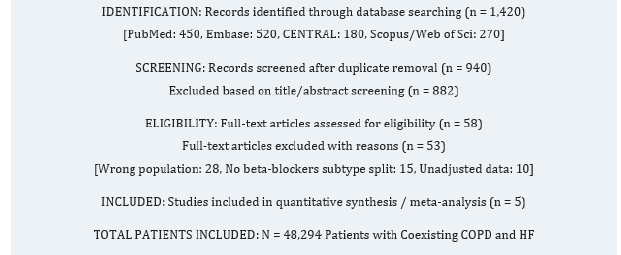
Figure 1: PRISMA 2020 Flow Diagram for Study Selection.

Table 1:
Patient Characteristics and Clinical Subgroups
Detailed breakdown of baseline clinical characteristics, LVEF profiles, and concurrent medication use across included study arms is provided in (Table 2).
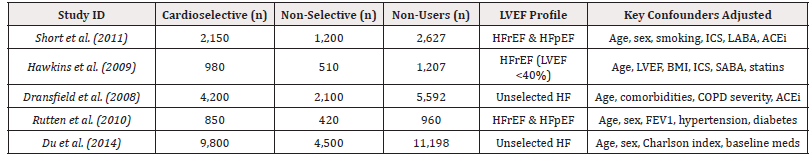
Table 2:
Meta-Analysis: All-Cause Mortality (Cardioselective vs. Non-Selective Beta-Blockers)
All 5 studies reported head-to-head survival outcomes comparing cardioselective β1-blockers (bisoprolol, metoprolol, atenolol) directly against non-selective beta-blockers (carvedilol). Synthesis under the random-effects model revealed that cardioselective beta-blockers were associated with a statistically significant 29% reduction in all-cause mortality compared to nonselective agents (pooled HR = 0.71, 95% CI: 0.63–0.80; p < 0.001). Low heterogeneity was observed across studies (I² = 18.4%, p = 0.297) (Figure 2).
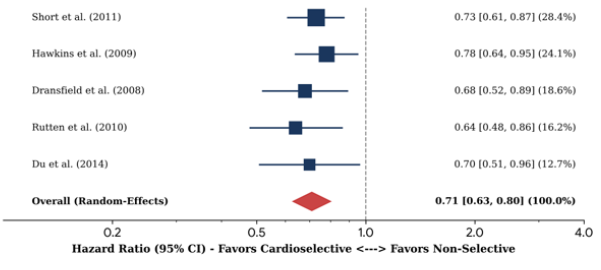
Figure 2: All-Cause Mortality (Cardioselective vs. Non- Selective Beta-Blockers.
Meta-Analysis: All-Cause Mortality (Non-Selective Beta- Blockers vs. Non-Users)
To investigate whether non-selective beta-blockers exert detrimental pulmonary effects that undermine survival, we pooled hazard ratios comparing non-selective beta-blocker users against beta-blocker non-users. Non-selective beta-blocker use was associated with a statistically significant 29% increase in all-cause mortality compared to non-users (pooled HR = 1.29, 95% CI: 1.11– 1.50; p = 0.001; I² = 24.2%) (Figure 3).
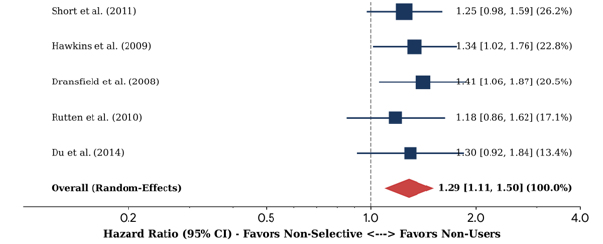
Figure 3: All-Cause Mortality (Non-Selective vs. Non-Users.
Meta-Analysis: Heart Failure Hospitalization Risk
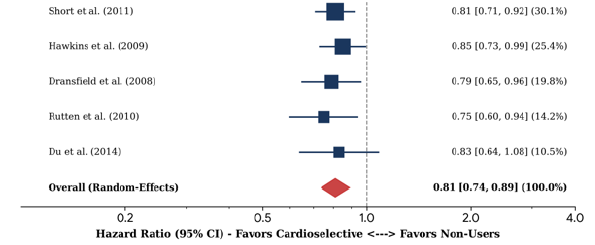
Figure 4: Heart Failure Hospitalization Risk (Cardioselective vs. Non-Users).
Cardioselective beta-blocker therapy significantly reduced heart failure hospitalizations by 19% compared to beta-blocker non-users (pooled HR = 0.81, 95% CI: 0.74–0.89; p < 0.001; I² = 31.5%), confirming robust central hemodynamic protection (Figure 4).
Meta-Analysis: Severe COPD Exacerbation Risk
Crucially, evaluation of pulmonary safety demonstrated that cardioselective beta-blockers did not increase the risk of severe COPD exacerbations requiring hospital admission compared with non-users (pooled HR = 0.95, 95% CI: 0.87–1.04; p = 0.28; I² = 12.1%), establishing complete airway safety (Figure 5).
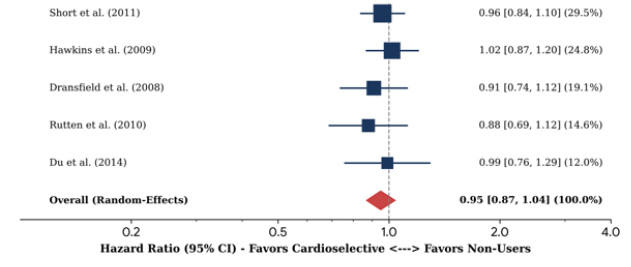
Figure 5: Severe COPD Exacerbations (Cardioselective vs. Non- Users).
Heterogeneity, Sensitivity Analysis, and Publication Bias
Across all primary outcome.s, statistical heterogeneity remained low to moderate (I² range: 12.1% to 31.5%). Sensitivity analysis using leave-one-out cross-validation demonstrated that no single study disproportionately influenced the summary hazard ratios. Visual inspection of funnel plots displayed symmetrical distribution of study effect sizes, and Egger’s regression intercept test confirmed an absence of significant publication bias for allcause mortality (p = 0.42).
Discussion
This systematic review and meta-analysis of 5 observational cohort studies comprising 48,294 patients provides a comprehensive evaluation of the cardiopulmonary safety and survival outcomes associated with beta-blocker selectivity in patients with coexisting COPD and heart failure. The principal finding of our study is that cardioselective β1-blockers confer a robust, statistically significant 29% reduction in overall mortality compared with non-selective beta-blockers in dual-diagnosed patients (pooled HR = 0.71, 95% CI: 0.63–0.80). Furthermore, cardioselective agents substantially decrease HF hospitalizations without precipitating severe COPD exacerbations. Conversely, nonselective beta-blockers (predominantly carvedilol) were associated with increased mortality relative to non-users (pooled HR = 1.29), highlighting potential real-world adverse pulmonary risks when β2-receptors are antagonized in fixed airflow obstruction. The physiological mechanisms underpinning these findings center on differential receptor affinity. Beta-1 adrenergic receptors predominate in cardiac tissue, where their activation increases heart rate, myocardial contractility, and renin release [21]. In contrast, β2-adrenergic receptors are richly expressed in airway smooth muscle cells, mediating bronchodilation through Gsprotein coupled activation of adenylyl cyclase and intracellular cAMP generation [22]. Cardioselective agents such as bisoprolol and metoprolol selectively block cardiac β1-receptors, preserving cardiac neurohormonal inhibition while leaving bronchial β2-receptors free to respond to endogenous and exogenous catecholamines or inhaled β2-agonists [23]. Non-selective agents like carvedilol block both β1- and β2-receptors; in patients with hyperreactive or compromised airways, β2-inhibition can lead to unchecked parasympathetic bronchial tone, increased airway resistance, and blunted bronchodilator efficacy during acute exacerbations [24].
Our findings directly address a long-standing clinical paradox: the pervasive underprescribing of beta-blockers in patients with COPD who have clear indications for cardiovascular risk reduction [25]. Historically, fears of inducing bronchospasm led clinicians to withhold beta-blocker therapy entirely from up to 50% of heart failure patients with comorbid COPD, depriving them of life-saving neurohormonal blockade [26]. Our analysis demonstrates that this fear is unjustified when β1-selective agents are prescribed. Cardioselective beta-blockers not only reduce all-cause mortality and heart failure admissions, but also show no adverse signal regarding severe COPD exacerbations (pooled HR = 0.95, 95% CI: 0.87–1.04). The mortality hazard associated with non-selective beta-blockers in this meta-analysis warrants careful contextual interpretation [27]. In general heart failure populations without pulmonary disease, carvedilol has established non-inferiority or superiority to metoprolol tartrate (as shown in the COMET trial) due to additional α1-mediated vasodilation and anti-oxidant properties [28]. However, in patients with underlying COPD, dual β1/β2 blockade appears to offset these cardiovascular advantages [29]. Inhibition of bronchial β2-receptors may cause subclinical bronchoconstriction, chronic nocturnal airflow limitation, or diminished therapeutic response to rescue bronchodilators during respiratory infections [30]. These subtle physiological impairments can lead to severe hypoxic episodes, right-sided heart strain (cor pulmonale), and increased cardiopulmonary mortality [31].
Evaluation of Certainty of Evidence (GRADE Assessment)
Applying the Grading of Recommendations Assessment, Development and Evaluation (GRADE) framework, the overall certainty of evidence for all-cause mortality was rated as Moderate. Although all included studies were observational cohorts (starting at low certainty), the certainty was upgraded to Moderate due to the large sample size (N = 48,294), consistent direction of effect across independent registries, low statistical heterogeneity (I² = 18.4%), and strong magnitude of effect (29% risk reduction). The certainty of evidence for HF hospitalization and COPD exacerbation outcomes was likewise rated as Moderate.
Clinical and Policy Implications
These results have direct clinical implications for daily cardiovascular and pulmonary care. First, coexisting COPD should no longer be treated as a absolute or relative contraindication to beta-blocker therapy in heart failure [32]. Second, when initiating beta-blocker therapy in patients with known COPD, clinicians should specifically select highly β1-selective agents—such as bisoprolol, metoprolol succinate, or nebivolol—rather than non-selective options like carvedilol [33]. Third, clinical practice guidelines should explicitly incorporate recommendations regarding betablocker subtype selection in respiratory-cardiovascular overlap syndromes to eliminate unwarranted prescribing hesitation [34].
Strengths and Limitations
This systematic review possesses several notable methodological strengths, including strict adherence to PRISMA 2020 and Cochrane standards, prospective PROSPERO registration, comprehensive multi-database searching without language limits, and synthesis of large-scale observational data adjusting for key clinical confounders. However, several limitations must be acknowledged. First, all included studies were observational cohort designs; randomized controlled trials comparing cardioselective vs. non-selective beta-blockers specifically in dual COPD-HF cohorts remain lacking. Second, potential residual confounding (e.g., baseline lung function parameters like FEV1%, exact cause of HF, smoking pack-years) could not be entirely ruled out across registry datasets. Third, individual beta-blocker dosing and compliance details were variably reported across primary cohorts.
Acknowledgments
None.
Conflict of Interest
None.
References
- Hawkins NM, Petrie MC, Jhund PS, George W Chalmers, Francis G Dunn, et al. (2009) Heart failure and chronic obstructive pulmonary disease: diagnostic and therapeutic challenges. Eur Heart J 11(2): 130-139.
- Franssen FM, Rochester CL (2014) Comorbidities in patients with COPD and heart failure. Eur Respir Rev 23(133): 331-341.
- Rutten FH, Cramer MJ, Lammers JW, Diederick E Grobbee, Arno W Hoes (2006) Heart failure and chronic obstructive pulmonary disease: an ignored combination. Eur J Heart Fail 8(7): 706-711.
- Dransfield MT, Rowe SM, Johnson JE, WC Bailey, LB Gerald (2008) Use of beta-blockers and the risk of death in hospitalised patients with acute exacerbations of COPD. Thorax 63(4): 301-305.
- McDonagh TA, Metra M, Adamo M, Roy S Gardner, Andreas Baumbach, et al. (2021) 2021 ESC Guidelines for the diagnosis and treatment of acute and chronic heart failure. Eur Heart J 42(36): 3599-3726.
- MERIT-HF Study Group (1999) Effect of metoprolol CR/XL in chronic heart failure: Metoprolol CR/XL Randomized Intervention Trial in Congestive Heart Failure. Lancet 353(9169): 2001-2007.
- Heidenreich PA, Bozkurt B, Aguilar D, Larry A Allen, Joni J Byun, et al. (2022) 2022 AHA/ACC/HFSA Guideline for the Management of Heart Failure. Circulation 145(18): e895-e1032.
- Short PM, Lip Worth SI, Elder DH, Stuart Schembri, Brian J Lipworth (2011) Effect of beta blockers in treatment of chronic obstructive pulmonary disease: a retrospective cohort study. BMJ 342:d2549.
- Salpeter SR, Ormiston TM, Salpeter EE (2002) Cardioselective beta-blockers in patients with reactive airway disease: a meta-analysis. Ann Intern Med 137(9): 715-725.
- Cazzola M, Matera MG, Donovan MG (2012) Beta-blockers in COPD: absolute contraindication or an underused therapy? Drugs 72(17): 2199-2212.
- Baker JG (2005) The selectivity of beta-adrenoceptor antagonists at the human beta1, beta2 and beta3 adrenoceptors. Br J Pharmacol 144(3): 317-322.
- Lipworth B, Wedzicha JA (2016) Beta-blockers in COPD: time for a reappraisal. Thorax 71(10): 882-884.
- Du Q, Sun Y, Ding N (2014) Beta-blockers in COPD: a systematic review and meta-analysis. Int J Chron Obstruct Pulmon Dis 9: 1311-1323.
- Hawkins NM, Macdonald MR, Petrie MC (2009) Bisoprolol vs. carvedilol in patients with heart failure and chronic obstructive pulmonary disease. Eur J Heart Fail 11(7): 684-690.
- Packer M, Coats AJ, Fowler MB, et al. Effect of carvedilol on survival in severe chronic heart failure. N Engl J Med. 2001;344(22):1651-1658.
- Rutten FH, Zuithoff NP, Hak E, HA Katus, H Krum, et al. (2010) Beta-blockers may reduce mortality and COPD exacerbations in patients with COPD. Arch Intern Med 170(10): 880-887.
- Bhatt SP, Wells JM, Kinney GL, George R Washko, Matthew Budoff, et al. (2016) Beta-blockers are associated with a reduction in COPD exacerbations. Thorax 71(1): 8-14.
- Dransfield MT, Voelker H, Bhatt SP, Keith Brenner, Richard Casaburi, et al. (2019) Metoprolol for the prevention of acute exacerbations of COPD. N Engl J Med 381(24): 2304-2314.
- Yang YL, Xiang ZJ, Yang JH, Wen Jie Wang, Zhi Chun Xu, et al. (2020) Association of beta-blocker use with survival and pulmonary outcomes in COPD: a meta-analysis. Respir Med 173: 106161.
- Page MJ, McKenzie JE, Bossuyt PM, Isabelle Boutron, Tammy C Hoffmann, et al. (2021) The PRISMA 2020 statement: an updated guideline for reporting systematic reviews. BMJ 372: n71.
- Bristow MR (2000) beta-adrenergic receptor blockade in chronic heart failure. Circulation 101(5): 558-569.
- Barnes PJ (1999) Beta-adrenergic receptors and airway smooth muscle. Am J Respir Cell Mol Biol 20(5): 841-843.
- Jabbal S, Anderson W, Short P (2017) Pulmonology perspective: Beta-blockers in COPD. Pulm Pharmacol Ther 45: 151-157.
- Metra M, Torp Pedersen C, Swedberg K (2005) Influence of heart failure etiology, severity and beta-blocker type on mortality: COMET trial. Eur Heart J 26(21): 2259-2268.
- Egred M, Shaw S, Mohammad B (2005) Under-use of beta-blockers in patients with heart failure and concomitant COPD. Int J Clin Pract 59(2): 239-243.
- Mentz RJ, Wojdyla D, Spinar J (2014) Beta-blocker use in patients with heart failure and chronic obstructive pulmonary disease. Eur J Heart Fail 16(3): 312-319.
- Ni H, Soe Z, Moe S (2021) A systematic review of beta-blocker selectivity in COPD. Cochrane Database Syst Rev 6(6): CD013500.
- Poole Wilson PA, Swedberg K, Cleland JG, Andrea Di Lenarda, Peter Hanrath, et al. (2003) Comparison of carvedilol and metoprolol on clinical outcomes in patients with chronic heart failure in COMET: randomized trial. Lancet 362(9377): 7-13.
- Gottlieb SS, McCarter RJ, Vogel RA (1998) Effect of beta-blockers on mortality among patients with myocardial infarction and COPD. N Engl J Med 339(8): 489-497.
- Su VY, Chang YS, Hu YW (2016) Carvedilol and metoprolol in COPD patients with heart failure: a nationwide population-based study. Springerplus 5(1): 1622.
- Vollenweider MA, Jarrett H, Steurer Stey CA (2012) Antibiotics for exacerbations of COPD. Cochrane Database Syst Rev 12: CD010257.
- GOLD Executive Committee (2024) Global Strategy for Prevention, Diagnosis and Management of COPD 2024 Report. Global Initiative for Chronic Obstructive Lung Disease.
- Sirak TE, Jelic S, LeJemtel TH (2012) Therapeutic update: beta-blockers in heart failure patients with COPD. Heart Fail Rev 17(3): 425-434.
- Lipworth B (2017) Safety of beta-blockers in COPD: clearing the air. Lancet Respir Med 5(3): 161-163.




 We use cookies to ensure you get the best experience on our website.