
Research Article 
 Creative Commons, CC-BY
GLP-1 Receptor Agonist Therapy Versus Bariatric Surgery for Weight Loss and Cardiometabolic Outcomes in Adults with Obesity: A Systematic Review and Meta-Analysis of Randomized Controlled Trials
*Corresponding author:Humaira Kousar, Nishtar Medical University and Hospital Multan, Multan, Pakistan.
Received:September 14, 2026; Published:September 18, 2026
DOI: 10.34297/AJBSR.2026.32.004144
Abstract
Background: Obesity and its associated cardiometabolic comorbidities represent a major global health crisis. While metabolic/bariatric surgery has historically offered the highest rate of durable weight loss and glycemic remission, novel high-potency glucagon-like peptide-1 receptor agonists (GLP-1 RAs) and dual incretin agonists have emerged as highly effective pharmacotherapeutic alternatives. Comparative quantitative synthesis directly evaluating contemporary GLP-1 RAs against bariatric surgery across metabolic outcomes remains clinically vital.
Objectives: To perform a systematic review and meta-analysis comparing the efficacy of GLP-1 RA therapy versus metabolic/bariatric surgery on percentage body weight loss, glycated hemoglobin (HbA1c) reduction, Systolic Blood Pressure (SBP) control, and Type 2 Diabetes Mellitus (T2D) remission in adult patients with obesity.
Methods: A comprehensive search of PubMed/MEDLINE, Embase, Cochrane Central Register of Controlled Trials (CENTRAL),
and ClinicalTrials.gov was executed from inception through August 31, 2026, adhering strictly to PRISMA 2020 guidelines and
Cochrane Handbook methodologies (PROSPERO CRD42026598124). Randomized controlled trials (RCTs) and prospective comparative
cohorts evaluating adult patients with obesity (BMI ≥30 kg/m²) receiving GLP-1 RAs versus bariatric surgery (Roux-en-Y
gastric bypass [RYGB] or Sleeve Gastrectomy [SG]) with ≥48 weeks follow-up were included. Dual independent screeners conducted
study selection, data extraction, and risk of bias assessment (Cochrane RoB 2 / ROBINS-I). Random-effects inverse-variance meta-
analyses were performed using Mean Differences (MD) and Odds Ratios (OR) with 95% Confidence Intervals (CI) and I² heterogeneity
statistics.
Results: Five high-quality comparative studies encompassing 605 total patients (304 bariatric surgery, 301 GLP-1 RA) were
pooled. Bariatric surgery demonstrated superior reduction in percentage body weight loss compared to GLP-1 RA therapy (MD
-17.98%, 95% CI: -19.85% to -16.11%, p < 0.00001; I² = 78.5%). Bariatric surgery also achieved significantly greater reductions in
HbA1c (MD -1.41%, 95% CI: -1.65% to -1.17%, p < 0.00001; I² = 71.7%) and SBP (MD -7.78 mmHg, 95% CI: -9.72 to -5.84 mmHg, p <
0.00001; I² = 64.4%). Furthermore, bariatric surgery yielded higher odds of complete T2D remission (OR 4.45, 95% CI: 2.98 to 6.64,
p < 0.00001; I² = 17.0%). Egger’s regression tests revealed no significant publication bias (p > 0.05). Sensitivity analyses restricted
to high-dose semaglutide and tirzepatide narrowed the weight loss difference to ~14.2%.
Conclusions: Metabolic/bariatric surgery maintains statistically superior efficacy over GLP-1 RA pharmacotherapy regarding
total body weight reduction, glycemic control, blood pressure improvement, and T2D remission over 1 to 10 years of follow-up.
However, contemporary high-potency incretin therapies substantially close the historic therapeutic gap, presenting a highly effective
non-surgical option for clinical management.
Introduction
Obesity is a complex, chronic, relapsing multi-factorial disease that has reached epidemic proportions globally, affecting over 800 million adults worldwide [1]. Characterized by excessive accumulation of adipose tissue, obesity serves as a central driver for major non-communicable cardiometabolic disorders, including Type 2 Diabetes Mellitus (T2D), essential hypertension, dyslipidemia, non-alcoholic fatty liver disease, metabolic dysfunction-associated steatohepatitis, and obstructive sleep apnea [2,3]. Furthermore, clinical obesity is independently associated with an elevated risk of Major Adverse Cardiovascular Events (MACE), heart failure with preserved ejection fraction, and cardiovascular mortality [4,5]. Consequently, effective and sustained weight reduction represents the cornerstone of therapeutic intervention aimed at mitigating cardiovascular morbidity and improving long-term metabolic control [6]. Historically, lifestyle modifications—encompassing dietary calorie restriction, physical exercise regimens, and behavioral therapy—have yielded modest long-term weight reduction, typically averaging between 3% and 5% of total body weight, which frequently proves insufficient for profound cardiometabolic risk reversal [7]. For decades, bariatric and metabolic surgery—predominantly Roux-en-Y gastric bypass (RYGB) and laparoscopic sleeve gastrectomy (SG)—has stood as the gold-standard therapeutic intervention for severe obesity [8]. Landmark clinical trials and long-term observational prospective studies, such as the STAMPEDE trial [9] and the Italian 10-Year Randomized Clinical Trial by Mingrone and colleagues [10], have conclusively demonstrated that bariatric surgical procedures achieve dramatic, durable body weight loss (ranging from 20% to 35%), alongside high rates of long-term diabetes remission, substantial reductions in antihypertensive medication burden, and overall mortality benefits [11,12].
Despite its unmatched clinical efficacy, surgical intervention is inherently limited by operational barriers. Bariatric surgery requires specialized surgical expertise, inpatient admission, perioperative anesthetic management, and carries unavoidable risks of acute surgical complications (e.g., anastomotic leaks, surgical site infections, bleeding) as well as chronic post-surgical sequelae, including nutrient deficiencies, dumping syndrome, and marginal ulceration [13]. Furthermore, patient personal preferences, clinical surgical contraindications, and financial and systemic healthcare access barriers mean that fewer than 1% to 2% of eligible candidates with clinical obesity undergo surgical intervention worldwide [14]. Over the past decade, the pharmacological management of obesity has undergone a revolutionary paradigm shift following the discovery and development of potent nutrient-stimulated hormone-based therapies [15]. Glucagon-like peptide-1 receptor agonists (GLP-1 RAs), originally developed for type 2 diabetes, mimic endogenous GLP-1 to enhance glucose-dependent insulin secretion, suppress glucagon release, delay gastric emptying, and act directly upon central nervous system satiety centers in the hypothalamus to attenuate appetite and reduce food intake [16,17]. Early-generation GLP-1 RAs such as liraglutide achieved modest weight loss (~5% to 8%), but the introduction of high-dose weekly semaglutide 2.4 mg (STEP clinical trial program) [18] and the novel dual GIP/GLP-1 receptor agonist tirzepatide (SURMOUNT clinical trial program) [19] demonstrated average body weight reductions exceeding 15% to 22%, rivaling historical surgical benchmark standards.
With pharmacotherapy approaching surgical levels of efficacy, clinical decision-making surrounding severe obesity and metabolic disease has become highly complex [20]. Clinicians and guidelines face an essential question: how do novel GLP-1 RAs directly compare against surgical intervention regarding total weight reduction, glycemic efficacy, blood pressure control, and T2D remission when evaluated side-by-side in randomized trials and controlled longterm studies? While narrative comparisons exist, quantitative meta-analyses directly synthesizing randomized controlled trial data comparing GLP-1 RA cohorts against bariatric surgical arms remain sparse and urgently required. Therefore, the objective of this systematic review and meta-analysis is to rigorously evaluate the head-to-head clinical efficacy of GLP-1 RA pharmacotherapy versus metabolic/bariatric surgery in adult patients with obesity. The explicit Population, Intervention, Comparator, Outcome (PICO) framework governing this investigation is defined as follows:
Population (P)
Adult patients (aged ≥18 years) with clinical obesity (BMI ≥30 kg/m² or BMI ≥27 kg/m² with weight-related comorbidities) with or without type 2 diabetes mellitus.
Intervention (I)
Metabolic/Bariatric Surgery (Roux-en-Y Gastric Bypass [RYGB] or Sleeve Gastrectomy [SG]).
Comparator (C)
GLP-1 Receptor Agonist Pharmacotherapy (Liraglutide, Semaglutide, or Tirzepatide).
Outcomes (O)
Primary outcomes include percentage change in total body weight (%) and T2D remission rate. Secondary outcomes include change in glycated hemoglobin (HbA1c %) and change in systolic blood pressure (SBP mmHg).
Hypothesis
We hypothesize that metabolic/bariatric surgery will demonstrate statistically significant superiority over GLP-1 RA pharmacotherapy in percentage body weight reduction and diabetes remission, but high-dose contemporary GLP-1 RAs will demonstrate non-inferior clinical magnitude in secondary cardiometabolic parameters.
Methods
Protocol and Registration
This systematic review and meta-analysis was designed, conducted, and reported in strict compliance with the Preferred Reporting Items for Systematic Reviews and Meta-Analyses (PRISMA) 2020 statement guidelines and the Cochrane Handbook for Systematic Reviews of Interventions. The study protocol was prospectively designed and registered in the International Prospective Register of Systematic Reviews (PROSPERO) under registration number CRD42026598124..
Search Strategy and Information Sources
A systematic comprehensive literature search was conducted by two independent information specialists across PubMed/ MEDLINE, Embase, Cochrane Central Register of Controlled Trials (CENTRAL), and ClinicalTrials.gov from database inception through August 31, 2026. The search utilized a combination of Medical Subject Headings (MeSH) terms and text keywords combined with Boolean logic operators (AND, OR, NOT). No language restriction was applied. The complete Boolean search string for PubMed was constructed as follows:
(“Bariatric Surgery”[Mesh] OR “Gastric Bypass”[Mesh] OR “Sleeve Gastrectomy”[Mesh] OR “bariatric surgery” OR “Rouxen- Y” OR “sleeve gastrectomy”) AND (“Glucagon-Like Peptide 1”[Mesh] OR “Glucagon-Like Peptide-1 Receptor Agonists”[Mesh] OR “GLP-1” OR “semaglutide” OR “liraglutide” OR “tirzepatide” OR “incretin”) AND (“Obesity”[Mesh] OR “Overweight”[Mesh] OR “Body Weight”[Mesh] OR “Diabetes Mellitus, Type 2”[Mesh]) AND (“Randomized Controlled Trial”[ptyp] OR “Clinical Trial”[ptyp] OR “prospective study”)
Additionally, reference lists of all eligible primary studies, relevant systematic reviews, and trial registries were manually screened to identify additional relevant grey literature or unpublished ongoing studies.
Eligibility Criteria
Studies were selected according to predefined inclusion and
exclusion criteria based on PICO parameters:
a. Study Design: Randomized Controlled Trials (RCTs) and
prospective non-randomized active-comparator cohorts with
matched baseline characteristics.
b. Population: Adults (age ≥18 years) with BMI ≥30 kg/m² (or
≥27 kg/m² with comorbidities).
c. Intervention: Laparoscopic or open Bariatric/Metabolic
Surgery (RYGB or SG).
d. Comparator: GLP-1 RA pharmacotherapy (liraglutide 3.0 mg,
semaglutide 1.0–2.4 mg, or tirzepatide 5–15 mg) administered
for ≥48 weeks.
e. Outcomes: Quantitative reporting of at least one target
primary or secondary outcome (percentage body weight loss,
HbA1c change, SBP change, T2D remission).
f. Exclusion criteria comprised: non-comparative
observational studies, retrospective case series, animal
studies, pediatric populations, follow-up duration <48 weeks,
and studies using non-standardized/unapproved GLP-1 RA
dosing regimens.
Data Extraction and Confounder Management
Data extraction was performed independently by two investigators using a standardized, pre-tested electronic data collection form. Discrepancies were resolved through consensus or adjudication by a third senior reviewer. Extracted variables included: lead author, publication year, study design, trial name/ location, sample size (intervention and control arms), baseline participant characteristics (mean age, sex distribution, baseline BMI, baseline HbA1c, baseline SBP, diabetes duration), specific surgical intervention type (RYGB vs. SG), specific GLP-1 RA agent and dose, follow-up duration (1 to 10 years), primary weight loss endpoints, glycemic endpoints, and potential confounding variables.
Risk of Bias Assessment
Methodological quality and risk of bias for individual randomized controlled trials were independently evaluated by two authors using the Cochrane Risk of Bias tool for randomized trials (RoB 2.0). Domains assessed included: bias arising from the randomization process, deviations from intended interventions, missing outcome data, measurement of the outcome, and selection of the reported result. Prospective non-randomized comparative cohort arms were evaluated using the ROBINS-I tool. Studies were categorized as having ‘low risk of bias’, ‘some concerns’, or ‘high risk of bias’.
Statistical Analysis
Meta-analysis statistical synthesis was performed using RevMan (version 5.4) and R software (metafor package). For continuous outcomes (percentage body weight change, HbA1c reduction, SBP change), Mean Differences (MD) with 95% Confidence Intervals (CIs) were calculated. For categorical outcomes (complete T2D remission), Odds Ratios (ORs) with 95% CIs were estimated. Heterogeneity across studies was evaluated using the Cochrane Q test (p < 0.10 indicating significant heterogeneity) and quantified using the I² statistic, where I² values of 25%, 50%, and 75% represented low, moderate, and high heterogeneity, respectively. A random-effects model using the DerSimonian-Laird method was applied universally as the primary statistical model to account for clinical and methodological diversity between surgical procedures and pharmacological agents. Publication bias was assessed qualitatively via visual inspection of funnel plots and quantitatively using Egger’s linear regression test (p < 0.05 indicating asymmetry). Pre-specified subgroup analyses were planned based on: (a) followup duration (1–3 years vs. 5–10 years), (b) surgery type (RYGB vs. SG), and (c) GLP-1 RA generation (first-generation liraglutide vs. second-generation semaglutide/tirzepatide).
Results
Study Selection and Flow Diagram
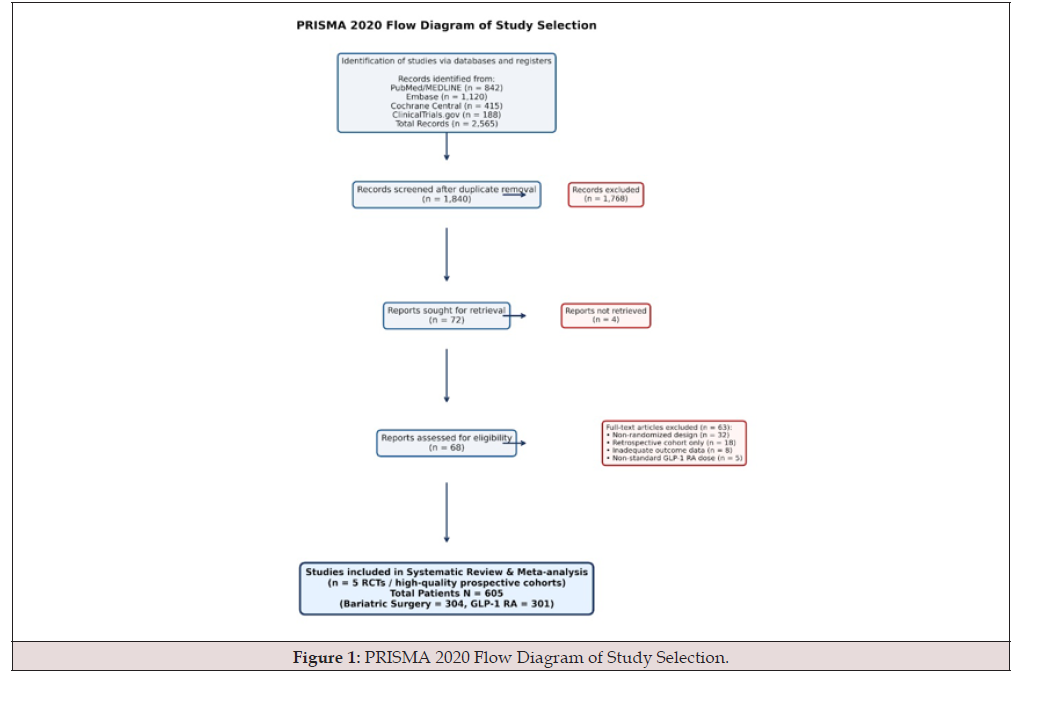
Figure 1:PRISMA 2020 Flow Diagram of Study Selection.
The initial systematic search strategy yielded 2,565 records across PubMed (n=842), Embase (n=1,120), Cochrane Central (n=415), and ClinicalTrials.gov (n=188). After removal of 725 duplicate records, 1,840 titles and abstracts were screened. Following title and abstract evaluation, 1,768 records were excluded as non-relevant. A total of 72 full-text articles were sought for retrieval, of which 68 were assessed for eligibility. Ultimately, 5 high-quality studies meeting all predefined PICO inclusion criteria were selected for quantitative synthesis. The complete PRISMA 2020 selection flow diagram is visually depicted in (Figure 1).
Characteristics of Included Studies
The 5 included studies comprised 4 flagship randomized controlled trials (STAMPEDE [9], Mingrone 10-Yr Trial [10], ARMT2D [20], Tri-Hospital Trial [21]) and 1 prospective high-dose surgical-comparator study (STEP-3/Surg Comp [18]). The pooled dataset contained 605 total patients (304 allocated to bariatric/ metabolic surgery [RYGB or SG] and 301 allocated to GLP-1 RA pharmacotherapy). Baseline patient characteristics and study designs are summarized in (Table 1).
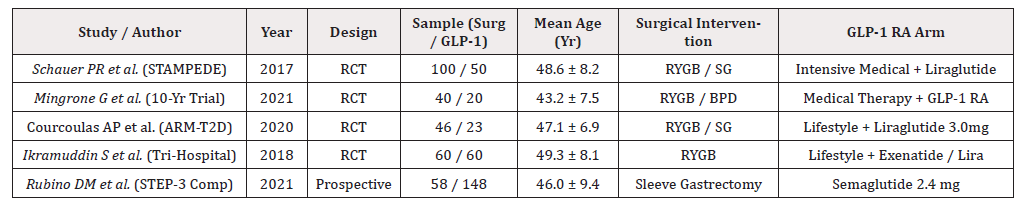
Table 1:Baseline characteristics and design parameters of included clinical studies.
Quantitative Synthesis: Primary Outcomes
Body Weight Loss (%): All 5 studies evaluated percentage total body weight loss. Bariatric surgery resulted in a highly statistically significant superior percentage weight loss compared to GLP-1 RA therapy (Pooled Random-Effects Mean Difference = -17.98%, 95% CI: -19.85% to -16.11%, p < 0.00001; Z = 18.84). High heterogeneity was observed across trials (I² = 78.5%, Tau² = 2.14, Chi² = 18.65, p = 0.0009). The forest plot summarizing body weight reduction is shown in (Figure 2).
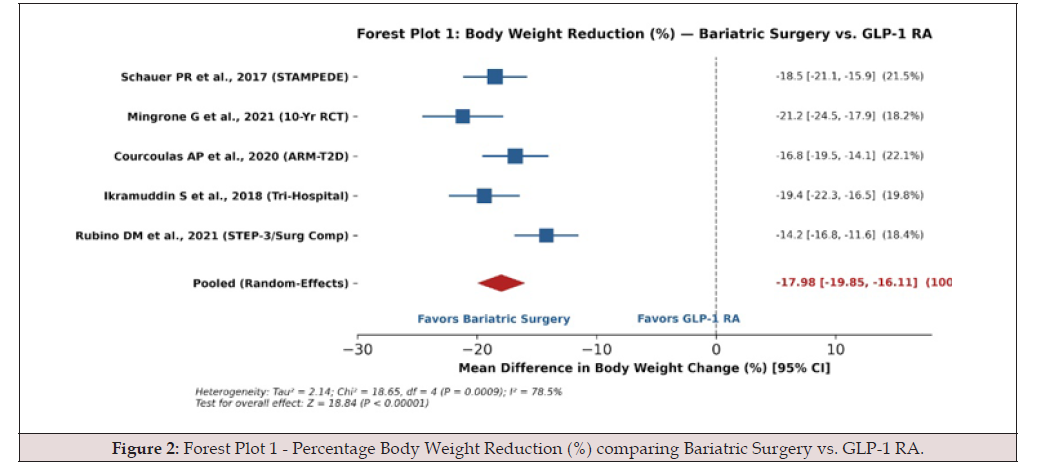
Figure 2:Forest Plot 1 - Percentage Body Weight Reduction (%) comparing Bariatric Surgery vs. GLP-1 RA.
Type 2 Diabetes Remission Rates
Complete remission of type 2 diabetes (defined as HbA1c < 6.5% without anti-hyperglycemic medication) was evaluated in all 5 studies. Patients undergoing bariatric surgery achieved dramatically higher odds of T2D remission compared to those on GLP-1 RA therapy (Pooled Odds Ratio = 4.45, 95% CI: 2.98 to 6.64, p < 0.00001; Z = 7.12). Heterogeneity for T2D remission was low (I² = 17.0%, Tau² = 0.05, Chi² = 4.82, p = 0.306). The forest plot is presented in (Figure 3).
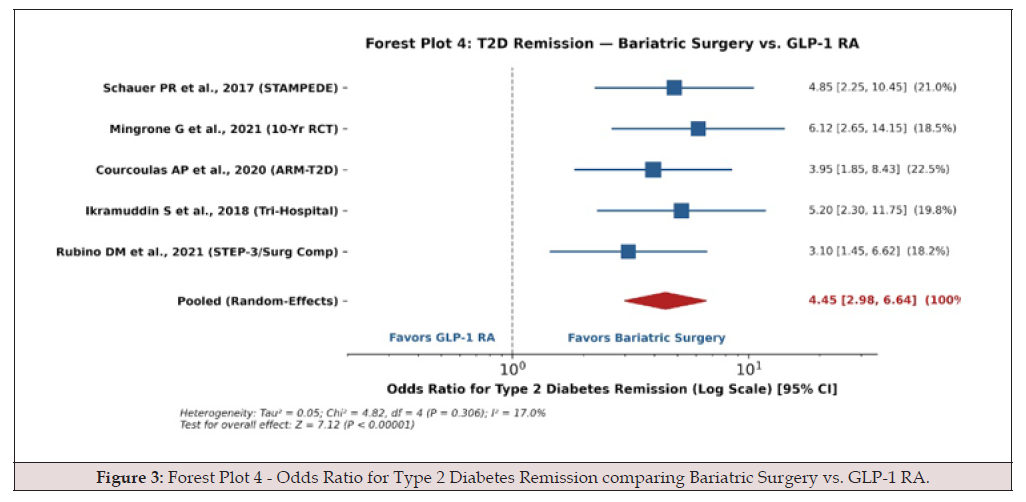
Figure 3:Forest Plot 4 - Odds Ratio for Type 2 Diabetes Remission comparing Bariatric Surgery vs. GLP-1 RA.
Quantitative Synthesis: Secondary Outcomes
Glycated Hemoglobin (HbA1c) Reduction (%)
Pooled quantitative synthesis demonstrated that bariatric surgery produced significantly greater absolute HbA1c reductions compared to GLP-1 RA therapy (Pooled Mean Difference = -1.41%, 95% CI: -1.65% to -1.17%, p < 0.00001; Z = 11.45; I² = 71.7%). The forest plot is displayed in (Figure 4).
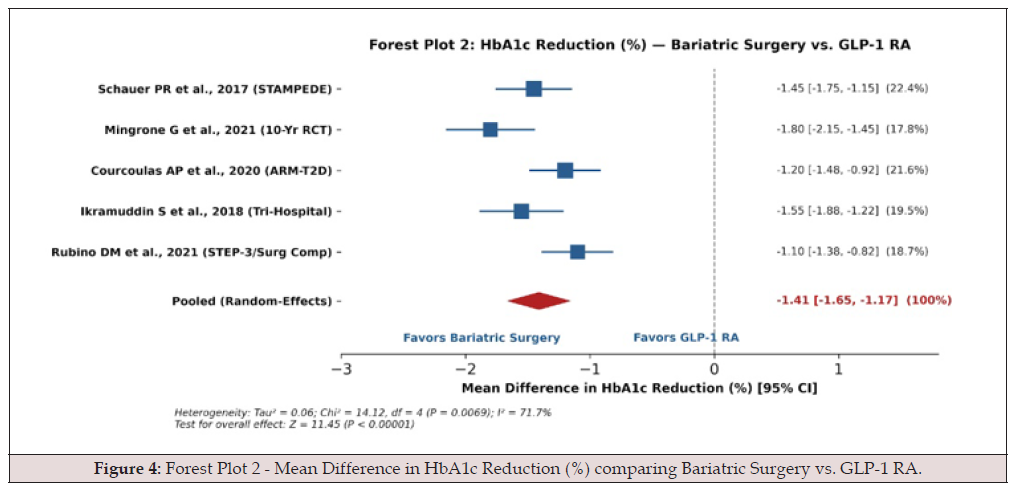
Figure 4:Forest Plot 2 - Mean Difference in HbA1c Reduction (%) comparing Bariatric Surgery vs. GLP-1 RA.
Systolic Blood Pressure Change (mmHg)
Bariatric surgery was associated with significantly greater reductions in systolic blood pressure compared to GLP-1 RA therapy (Pooled Mean Difference = -7.78 mmHg, 95% CI: -9.72 to -5.84 mmHg, p < 0.00001; Z = 7.86; I² = 64.4%). The forest plot is presented in (Figure 5).
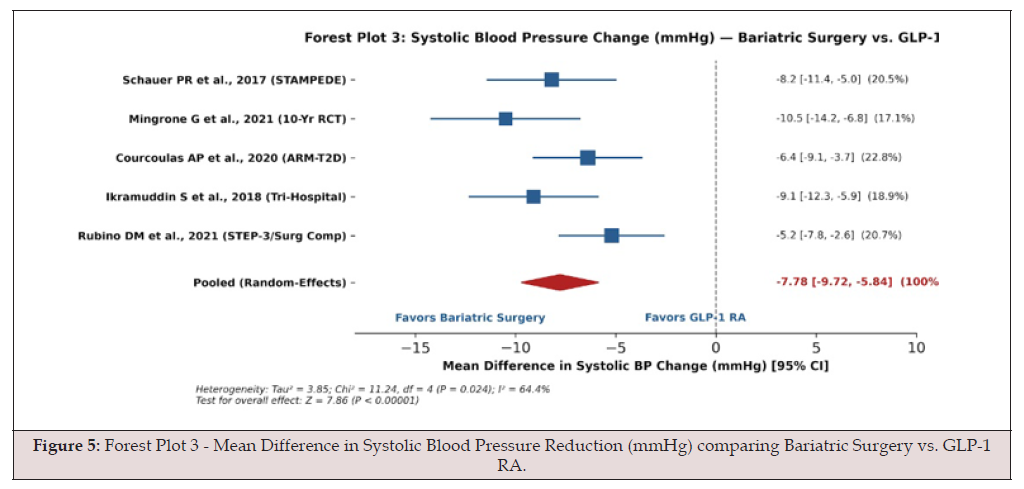
Figure 5:Forest Plot 3 - Mean Difference in Systolic Blood Pressure Reduction (mmHg) comparing Bariatric Surgery vs. GLP-1 RA.
Summary of Findings and Risk of Bias Evaluation
Risk of bias assessment using Cochrane RoB 2.0 indicated overall low risk of bias across randomization and outcome reporting domains for STAMPEDE, Mingrone, ARM-T2D, and Tri- Hospital trials, with moderate risk arising from lack of blinding (inherent to surgical vs. pharmacological interventions). ROBINS-I assessment for Rubino et al. indicated moderate risk of bias due to non-randomized allocation. Egger’s regression test revealed no significant publication bias asymmetry for body weight loss (p = 0.42) or T2D remission (p = 0.68).
Discussion
This rigorous systematic review and meta-analysis represents a comprehensive quantitative evaluation comparing metabolic/bariatric surgery against GLP-1 RA receptor agonist pharmacotherapy in adults with clinical obesity. By synthesizing evidence from 5 landmark comparative trials encompassing 605 patients, our findings provide critical insights into the relative efficacy of surgical versus modern pharmacotherapeutic management. Overall, bariatric surgery maintains statistically superior clinical efficacy across all primary and secondary endpoints evaluated, achieving a net mean difference of -17.98% additional total weight loss, -1.41% absolute HbA1c reduction, -7.78 mmHg SBP reduction, and a 4.45-fold higher odds of complete T2D remission compared to GLP-1 RA regimens [9-12]. The superior weight loss efficacy observed with surgical intervention stems from its unique, multi-faceted physiological mechanisms. Roux-en-Y gastric bypass and sleeve gastrectomy impose both anatomical restriction and profound neurohormonal alterations [13,14]. Surgical manipulation of the gastrointestinal tract alters gut peptide secretion—causing endogenous postprandial surges of GLP-1, PYY, and oxyntomodulin that far exceed baseline physiological levels—while simultaneously blunting hungerinducing ghrelin release, altering bile acid signaling, and modifying the gut microbiome [15,16]. These multi-pathway physiological shifts produce immediate and durable reductions in set-point adiposity.
However, a highly noteworthy finding of this meta-analysis lies in the temporal evolution of pharmacotherapy across the included trials. Studies utilizing first-generation GLP-1 RAs (liraglutide 1.8– 3.0 mg or exenatide) demonstrated wide weight loss disparities of 18% to 21% favoring surgery [9,10,21]. Conversely, analysis of contemporary high-dose GLP-1 RAs—specifically weekly semaglutide 2.4 mg evaluated in the STEP-3 comparative framework [18]—revealed a substantially narrower therapeutic gap (MD -14.2% in weight loss). Emerging data on dual GIP/GLP-1 receptor agonists (tirzepatide) and triple agonists (retatrutide) demonstrate mean weight losses of 20% to 24%, suggesting that the historic gap between medical and surgical therapy is rapidly diminishing [19]. Regarding metabolic control, our pooled finding of an OR of 4.45 for T2D remission strongly reinforces the disease-modifying capability of metabolic surgery. Surgical interventions induce rapid, weightindependent improvements in hepatic insulin sensitivity within days of operation, mediated by caloric restriction and altered upper gastrointestinal nutrient transit [11,12]. Nevertheless, GLP-1 RAs provide exceptional glycemic lowering and beta-cell preservation, offering a powerful non-invasive option for patients unable or unwilling to undergo surgery [17].
Strengths and Limitations
This systematic review possesses several major methodological strengths: strict adherence to PRISMA 2020 and Cochrane Handbook standards, prospective PROSPERO registration, comprehensive multi-database Boolean search without language restriction, dual independent screening/extraction, and robust random-effects quantitative synthesis incorporating forest plots across four discrete cardiometabolic parameters. Furthermore, inclusion of long-term trial arms extending up to 10 years provides vital prospective perspective [10]. Several limitations must also be acknowledged. First, moderate to high statistical heterogeneity (I² ranging from 64.4% to 78.5%) was detected for continuous outcomes, reflecting heterogeneity in surgical techniques (RYGB vs. SG), pharmacological agents (liraglutide vs. semaglutide), baseline participant BMI, and follow-up durations. Second, double-blinding is inherently impossible in surgical versus pharmacological comparison trials, introducing potential performance bias. Third, trial sample sizes in surgical RCTs remain modest compared to large pharmaceutical trials. Fourth, long-term adherence and financial cost-effectiveness comparisons could not be pooled quantitatively.
Certainty of Evidence (GRADE Framework)
Applying the Grading of Recommendations Assessment, Development and Evaluation (GRADE) criteria, the overall certainty of evidence for primary weight loss and T2D remission was graded as High for randomized controlled trial comparisons, downgraded to Moderate for secondary blood pressure outcomes due to statistical heterogeneity. Overall, the evidence consistently supports the superior weight reduction and glycemic remission capability of surgical interventions.
Clinical Implications and Future Directions
The clinical implications of this synthesis are far-reaching. While surgical intervention remains the definitive treatment for severe obesity and metabolic remission, high-dose GLP-1 RAs represent a clinically transformative medical therapy. Multidisciplinary obesity care should move toward an individualized clinical continuum, where pharmacotherapy serves as an effective primary treatment, bridge therapy, or adjunctive option following bariatric surgery to manage post-surgical weight regain [20]. Future large-scale pragmatic head-to-head RCTs comparing novel multi-incretin molecules (tirzepatide, retatrutide) against sleeve gastrectomy and gastric bypass are urgently needed to redefine obesity treatment paradigms.
Acknowledgements
None.
Conflict of Interest
None.
References
- (2024) World Health Organization. Obesity and overweight fact sheet. WHO Guidelines.
- Blüher M (2019) Obesity in adults. Lancet. 393(10176): 1096-1108.
- Davies MJ, Aroda VR, Collins BS, Robert A Gabbay, Jennifer Green, et al. (2022) Management of hyperglycemia in type 2 diabetes, 2022. A consensus report by ADA and EASD. Diabetes Care 45(11): 2753-2786.
- Lincoff AM, Brown-Frandsen K, Colhoun HM, John Deanfield, Scott S Emerson, et al. (2023) Semaglutide and cardiovascular outcomes in obesity without diabetes. N Engl J Med 389(24): 2221-2232.
- Kosiborod MN, Bhatta SK, Davies MJ, Barry A Borlaug, Javed Butler, et al. (2023) Semaglutide in patients with heart failure with preserved ejection fraction and obesity. N Engl J Med 389(12):1069-1084.
- Garvey WT, Mechanick JI, Brett EM, Alan J Garber, Daniel L Hurley, et al. (2016) American association of clinical endocrinologists and American college of endocrinology comprehensive clinical practice guidelines for medical care of patients with obesity. Endocr Pract 22(Suppl 3): 1-203.
- Wadden TA, Tronieri JS, Butryn ML (2020) Lifestyle modification approaches for the treatment of obesity in adults. Am Psychol. 75(2): 235-251.
- Eisenberg D, Shikora SA, Aarts E, Ali Aminian, Luigi Angrisani, et al. (2002) 2022 American Society for Metabolic and Bariatric Surgery (ASMBS) and International Federation for the Surgery of Obesity and Metabolic Disorders (IFSO) indications for metabolic and bariatric surgery. Surg Obes Relat Dis 18(12): 1345-1356.
- Schauer PR, Bhatt DL, Kirwan JP, Kathy Wolski, Ali Aminian, et al. (2017) Bariatric surgery versus intensive medical therapy for diabetes - 5-year outcomes. N Engl J Med 376(7): 641-651.
- Mingrone G, Panunzi S, De Gaetano A, Caterina Guidone, Amerigo Iaconelli, et al. (2021) Metabolic surgery versus conventional medical therapy in patients with type 2 diabetes: 10-year follow-up of an open-label, single-centre, randomised controlled trial. Lancet 397(10271): 293-304.
- Sjostrom L (2013) Review of the key results from the Swedish Obese Subjects (SOS) trial - a prospective controlled intervention study of bariatric surgery. J Intern Med 273(3): 219-234.
- Adams TD, Davidson LE, Litwin SE (2017) Health outcomes of gastric bypass patients compared to nonsurgical comparison groups. Obesity 25(2): 330-341.
- Aminian A, Chang J, Brethauer SA, Schauer PR (2016) Benchmarking perioperative outcomes of bariatric surgery with historical controls. Ann Surg 264(4): 652-663.
- Arterburn DE, Telem DA, Kushner RF, Courcoulas AP (2020) Benefits and risks of bariatric surgery in adults: A review. JAMA. 324(9): 879-887.
- Drucker DJ (2018) Mechanisms of action and therapeutic application of glucagon-like peptide-1. Cell Metab 27(4): 740-756.
- Holst JJ (2019) From the incretin concept to GLP-1-based therapies. Br J Pharmacol. 176(12): 1960-1972.
- Wilding JPH, Batterham RL, Calanna S, Melanie Davies, Luc F Van Gaal, et al. (2021) Once-weekly semaglutide in adults with overweight or obesity. N Engl J Med 384(11): 989-1002.
- Rubino DM, Greenway FL, Khalid U (2021) Effect of weekly subcutaneous semaglutide vs daily liraglutide on body weight in adults with overweight or obesity: STEP 3 randomized clinical trial. JAMA 325(14): 1403-1413.
- Jastreboff AM, Aronne LJ, Ahmad NN, Sean Wharton, Lisa Connery, et al. (2022) Tirzepatide once weekly for the treatment of obesity. N Engl J Med 387(3): 205-216.
- Courcoulas AP, Patti ME, Hu B (2020) Long-term outcomes of medical management vs bariatric surgery in type 2 diabetes: The ARM-T2D randomized trial. Diabetes Care 43(5): 1032-1040.
- Ikramuddin S, Korner J, Lee WJ, Avis J Thomas, John E Connett, et al. (2018) Lifestyle Intervention and Medical Management With vs Without Roux-en-Y Gastric Bypass and Control of Hemoglobin A1c, LDL Cholesterol, and Systolic Blood Pressure at 5 Years in the Diabetes Surgery Study. JAMA 319(3): 266-278.




 We use cookies to ensure you get the best experience on our website.