
Research Article 
 Creative Commons, CC-BY
Analysis of U.S. Gender-Specific Labour Force Trends Post-COVID: A Regression and ARIMA-Based Approach
*Corresponding author: Vaishnavi Gangula, Math and Computer Science Department-Lawrence Technological University, MI, USA.September 15, 2025;
Received:September 15, 2025; Published:September 29, 2025
DOI: 10.34297/AJBSR.2025.28.003712
Abstract
The COVID-19 pandemic deepened existing gender disparities in the U.S. labor market, with women experiencing sharper job losses and a slower recovery relative to men [1]. This study analyzes gender-specific labor force participation and unemployment trends from 2015 to 2023 using data from the U.S. Bureau of Labor Statistics and Federal Reserve Economic Data. A dual methodological framework is employed: linear regression models assess the relationship between GDP and gender-disaggregated labor outcomes, while an ARIMA (1,1,1) time series model forecasts female unemployment through 2025. Results show that male labor force participation and unemployment are more directly correlated with GDP growth, whereas female outcomes exhibit weaker responsiveness, greater volatility, and signs of structural persistence beyond macroeconomic cycles. The regression analysis reveals a stronger economic sensitivity among men (R²=0.28 for participation, R²=0.36 for unemployment) compared to women (R²=0.15 and R²=0.12, respectively). Forecasting indicates a gradual but uncertain decline in female unemployment, with wide confidence intervals reflecting instability in women’s reentry to the workforce. These findings highlight that economic recovery alone does not eliminate gender gaps and underscore the need for structural policy interventions-such as childcare support, flexible work arrangements, and targeted reemployment programs-to ensure inclusive and sustainable post-pandemic recovery.
Keywords: Gendered labor recovery, COVID-19 Labor disruption, Workforce participation, Unemployment forecasting, Structural barriers, Post-Pandemic Economics
Introduction
Gender disparities in the U.S. labor market have persisted for decades, shaped by differences in occupational segregation, caregiving responsibilities, and access to economic opportunities. Women’s participation has historically been more sensitive to structural shifts in the economy, including fluctuations in service-sector demand, availability of flexible work arrangements, and access to childcare support [2]. These factors often create barriers that limit women’s ability to fully benefit from periods of economic growth compared to their male counterparts. Recent years have further highlighted these imbalances, as male and female employment outcomes have followed distinct trajectories during periods of both economic downturn and recovery. While men often reenter the labor force more quickly following shocks, women’s recovery tends to be slower and more fragile, reflecting ongoing vulnerabilities in labor market structures [3]. Such patterns raise critical questions about the degree to which overall economic performance-measured through indicators such as GDP growth and unemployment rates-translates into equitable gains across genders. This study examines these dynamics by analyzing gendered labor market recovery in the United States from 2015 to 2023. Through regression modeling and ARIMA-based forecasting, the research explores how macroeconomic conditions interact with gender-specific labor force participation and unemployment patterns. The findings aim to provide insights into the structural barriers influencing women’s labor market outcomes and to inform policy strategies that promote a more inclusive and resilient workforce.
Literature Review
Extensive research highlights the unequal labor market impacts of economic downturns and, more recently, the COVID-19 pandemic, with women bearing a disproportionate share of disruptions. Long before the pandemic, Blau and Kahn [2] documented persistent structural gender disparities in wages and labor participation, providing a foundation for understanding the vulnerabilities that later shaped pandemic-era outcomes. These pre-existing inequalities were amplified during the COVID-19 recession, where women experienced sharper job losses and slower recovery trajectories than men [3]. Albanesi and Kim [4] identify women’s overrepresentation in service-oriented and caregiving sectors-such as hospitality, healthcare, and education-as a central driver of disproportionate job losses during the early stages of the pandemic. These shocks were compounded by increased unpaid domestic responsibilities, which slowed women’s re-entry into the workforce. Cortes and Forsythe [5] reinforce this view, emphasizing that mothers and low-wage female workers were the hardest hit, illustrating a heterogeneous effect that deepened pre-existing inequalities. Similarly, Collins, et al., [6] show that mothers reduced their work hours more than fathers, reflecting the unequal division of household and childcare responsibilities.
Structural factors beyond household roles also constrained women’s recovery. Goldin [7] argues that rigid work environments, characterized by inflexible scheduling and inadequate parental leave policies, exacerbated women’s labour market detachment. Bateman and Ross [8] highlight the absence of a coordinated national childcare strategy, which limited women’s ability to return to full-time work. Evidence from the U.S. Bureau of Labour Statistics (2023) [9] confirms these dynamics, showing that female labour force participation continues to lag behind male recovery levels even in the later stages of economic rebound.
From a sectoral perspective, Couch, Fairlie, and Xu [10] find that post-pandemic job recovery was stronger in male-dominated industries, thereby reinforcing gender-based occupational segregation. Landivar, et al., [6] show that women with lower educational attainment were particularly unlikely to return to pre-pandemic employment levels, underscoring the intersection of gender with socioeconomic status. Heggeness [11] further highlights the vulnerabilities of single mothers, who faced limited access to remote work opportunities and insufficient caregiving support systems.
Forecasting and modelling studies also stress the persistence of gendered disparities. Liu [12] demonstrates that female unemployment exhibited greater persistence and volatility than male unemployment, making robust time series models, such as ARIMA, critical for capturing long-term disparities. This is consistent with Couch and Daly [13], who argue that time series approaches are especially suited to detecting enduring structural gaps in labor outcomes. Macroeconomic analyses reveal how policy interventions often failed to address gender inequities. Mongey, Pilossoph, and Weinberg [14] show that many crisis-response policies reinforced rather than mitigated structural gender imbalances in employment. Dempere and Grassa [15] examine the global repercussions of the COVID-19 pandemic on women’s empowerment, drawing on cross-sectional data from 93 countries between 2019 and 2020. Their study assesses multiple dimensions of empowerment, including women’s participation in the labor force, representation in legislative assemblies, employment status, and engagement in education and skills training. By incorporating indicators such as the female employment-to-population ratio, women’s labor force participation, youth disengagement from education and work, and female unemployment rates, the study provides a comprehensive analysis of both structural and social outcomes for women during the crisis. Collectively, these studies provide both theoretical and empirical justification for combining regression analysis with ARIMA- based forecasting to examine how economic growth interacts with gendered labor outcomes in the post-pandemic context.
Bukaita, Garcia de Celis, and Gurram (2024) [16] examined how training–testing data ratios affect time series forecasting accuracy in a COVID-19 case study. Their results showed that forecasting performance depends not only on the model but also on the proportion of data allocated for training, with optimal ratios varying by model type. They argue that the split ratio should be treated as a tunable hyperparameter rather than a fixed choice.
Research Methodology
This study adopts a quantitative research design to investigate gender-specific labor market dynamics in the United States over the period 2015-2023, with particular attention to the disruptions associated with the COVID-19 pandemic. The methodological framework integrates econometric modeling with time-series forecasting to capture both explanatory and predictive dimensions of labor force behavior. In the first phase of analysis, multiple linear regression is employed to assess the relationship between macroeconomic performance and gender-disaggregated labor market indicators. Real Gross Domestic Product (real GDP, constant prices) is specified as the predictor factor, representing national economic growth. The outcomes of this study consist of the female and male Labor Force Participation Rates (LFPRs) and the female and male Unemployment Rates (URs). By estimating separate regression models for each outcome, the analysis quantifies differential elasticities, enabling an evaluation of whether women’s labor market attachment and exposure to unemployment exhibit heightened sensitivity to aggregate economic fluctuations relative to men.
The second phase applies an AutoRegressive Integrated Moving Average (ARIMA) framework to forecast short-term trajectories in female unemployment through 2025. ARIMA modeling is particularly suited to capture persistence, structural breaks, and cyclical fluctuations in time-series data, making it well aligned with the objective of identifying the enduring labor market consequences of the pandemic. The modeling procedure follows a systematic approach: (1) stationarity assessment using the Augmented Dickey- Fuller (ADF) test, (2) optimal model order selection guided by the Akaike Information Criterion (AIC) in conjunction with Autocorrelation (ACF) and Partial Autocorrelation (PACF) diagnostics, and (3) estimation and diagnostic evaluation of residuals to ensure model adequacy and predictive reliability.
The dataset for this study is sourced from authoritative institutions, specifically the U.S. Bureau of Labor Statistics (BLS) and the Federal Reserve Economic Data (FRED) system, covering the years 2015-2023. This period allows for comparative analysis of pre-pandemic baselines, the acute disruptions of 2020-2021, and subsequent recovery patterns. Data processing, statistical modeling, and visualization were conducted using Python libraries, including pandas for data management, statsmodels for econometric modeling, and scikit-learn for supplementary statistical analysis. By combining regression-based explanatory modeling with ARIMA forecasting, this methodology captures both structural relationships between national economic performance and gendered labor market outcomes, as well as the projected short-term dynamics of female unemployment. This dual approach provides a comprehensive framework for understanding the gendered dimensions of U.S. labor market recovery and informs evidence-based policy interventions aimed at reducing persistent inequalities.
Tools and Technologies
All data cleaning, modeling, and visualization were performed in Python 3 within Jupyter Notebook, ensuring a reproducible and transparent workflow. The following libraries and tools were employed:
a) Pandas for data manipulation and structuring
b) Matplotlib for plotting and visualization
c) Statsmodels for regression analysis and ARIMA implementation
d) Scikit-learn for regression modeling and supplementary statistical
tasks
All output plots and regression diagnostics were exported as figures and systematically incorporated into the analysis. This integration of open-source tools and reproducible workflows enhances the reliability, transparency, and extensibility of the study’s findings.
Data Cleaning and Structuring
The dataset used in this study originally contained international labor market and macroeconomic indicators. To align with the research focus on the U.S. workforce, the data were first filtered to retain only records pertaining to the United States. This ensured that all subsequent analyses exclusively reflected U.S. labor market dynamics and macroeconomic performance. The filtered dataset, covering the years 2015 to 2023 in monthly basis, included gender- disaggregated Labor Force Participation Rates (LFPR), Unemployment Rates (UR), and annual national GDP figures. The raw data were imported into Python using the pandas library, with the read_csv () function employed to load the file into a structured Data Frame. This format provided the foundation for systematic preprocessing and statistical modelling. Once isolated to U.S.-specific observations, the dataset underwent rigorous cleaning. Missing values were handled using linear interpolation, a method that maintains the temporal continuity of the time series while minimizing distortions in estimating underlying trends. GDP values were standardized by converting them into trillions of U.S. dollars, improving interpretability and consistency in the regression framework. The date column is reformatted into a datetime index, enabling efficient manipulation of temporal data and compatibility with ARIMA-based forecasting methods.
To facilitate gender-specific analysis, labor market indicators were disaggregated into four distinct series: LFPR_female, LFPR_ male, UR_female, and UR_male as shown in Table 1. This separation allowed for a precise evaluation of differential labor market responses to macroeconomic fluctuations. The final cleaned and structured dataset is exported to a new CSV file, ensuring reproducibility and providing a consistent input across regression and forecasting workflows. By employing a script-based preprocessing pipeline, the study guarantees transparency, scalability, and replicability- allowing other researchers to validate findings or extend the analysis with additional time periods and variables. This systematic data preparation lays the groundwork for robust econometric modeling and supports reliable insights into gender-specific labor trends in the post-pandemic U.S. economy.

Table 1: Male Labor Force Participation Rate (2018–2023).
Analytical Framework
The analytical framework for this study is structured to integrate both cross-sectional econometric analysis and time series forecasting in order to provide a comprehensive understanding of gender-specific labor force dynamics in the United States during the post-COVID recovery period. This dual-method approach is designed to capture both the structural relationship between macroeconomic performance and labor market indicators, as well as the temporal evolution of unemployment trends, particularly among women.
At its Core, the Framework Consists of Two Interrelated Components
Regression-Based Analysis of Macroeconomic Linkages
a) This component investigates the association between national
economic output (measured by Gross Domestic Product, GDP)
and gender-disaggregated labor market indicators.
b) Separate linear regression models are specified for female labor
force participation rate (LFPR_female), male labor force
participation rate (LFPR_male), female unemployment rate
(UR_female), and male unemployment rate (UR_male).
c) By estimating independent models, the analysis quantifies the
elasticities of labor market outcomes with respect to economic
growth, enabling an assessment of whether women’s labor
market participation and exposure to unemployment exhibit
greater sensitivity to macroeconomic fluctuations than men’s.
Time Series Forecasting of Female Unemployment
a) To capture short-term dynamics, the study applies an Auto
Regressive Integrated Moving Average (ARIMA) model to the
female unemployment rate series.
b) This forecasting component complements the regression analysis
by examining persistence, trend, and stochastic variability
in women’s unemployment beyond the sample period.
c) By generating forecasts for 2024-2028, the ARIMA model highlights
potential challenges in female labor market reintegration
and provides a predictive basis for policy considerations.
Integration of Components
The combination of regression and ARIMA forecasting ensures that the analytical framework is both explanatory and predictive. The regression models identify how macroeconomic performance shapes gender-specific labor outcomes, while the ARIMA model projects future trajectories, emphasizing structural vulnerabilities in women’s employment.
Uniqueness of the Framework
Unlike previous research that often treats male and female labor market outcomes collectively or focuses exclusively on descriptive statistics, this framework applies a comparative, gender-disaggregated econometric strategy. By using both regression diagnostics (coefficients, R², residuals) and time-series forecasting tools (ADF tests, ACF/PACF patterns, confidence intervals), the framework provides a more nuanced and forward-looking analysis. This design allows the study to bridge the gap between immediate post-pandemic labor market disruptions and longer-term gender-specific employment trajectories.
Linear Regression Modelling
To examine the relationship between macroeconomic performance and gender-specific labor market outcomes, linear regression models are implemented using the Linear Regression () function from the scikit-learn Python library. The analysis considered annual GDP as the primary predictor, while the dependent measures comprised gender-disaggregated labor indicators: female labor force participation rate (LFPR_female), male labor force participation rate (LFPR_male), female unemployment rate (UR_female), and male unemployment rate (UR_male). Separate regression models were estimated for each dependent measure to allow for a detailed assessment of differential sensitivity to macroeconomic fluctuations. For each model, the estimated regression coefficients, intercepts, and R² values were calculated to quantify the strength and direction of the relationship between GDP and the respective labor outcome. This approach enabled the identification of disparities in how male and female labor market engagement responds to economic growth. To facilitate interpretation, regression plots were generated, visually displaying the trends and the degree of scatter around the fitted regression lines. These visualizations allowed for an assessment of model fit and highlighted instances where structural or non-economic factors may influence labor market participation and unemployment, particularly for women. By quantifying the elasticity of labor outcomes with respect to GDP, this modeling approach provides a robust framework for understanding gender- specific economic vulnerability and the persistence of labor market inequalities in the post-pandemic period.
For comparative context, male labor force participation exhibited greater stability, with only a modest decline in 2020-from approximately 68% to just under 66%-followed by a near-full recovery by 2023. This contrasted with the female LFPR, which experienced a sharper decline and slower recovery, suggesting that structural barriers and non-economic factors disproportionately impacted women’s labor market reentry. Table 1 summarizes male LFPR trends over the 2015-2023 period. To further examine macroeconomic sensitivity, linear regression models were used to assess the relationship between GDP and gender-specific labor outcomes. For female labor force participation, results (Figure 1) indicate a weak positive correlation, highlighting limited responsiveness of female participation rates to aggregate economic growth. This observation underscores the persistence of structural constraints on female labor market reintegration post-pandemic. The male LFPR also declines in 2020 but only modestly, from around 68% to just under 66%. Unlike the female rate, male participation rebounds more fully, nearly reaching pre-pandemic levels by 2023. This sug gests that men faced fewer structural barriers to labour market reentry. To assess how economic growth related to gender-specific labour outcomes, regression models were used to evaluate GDP’s effect on labour force participation and unemployment. The analysis for female LFPR, displayed in Figure 1, reveals a weak positive correlation.
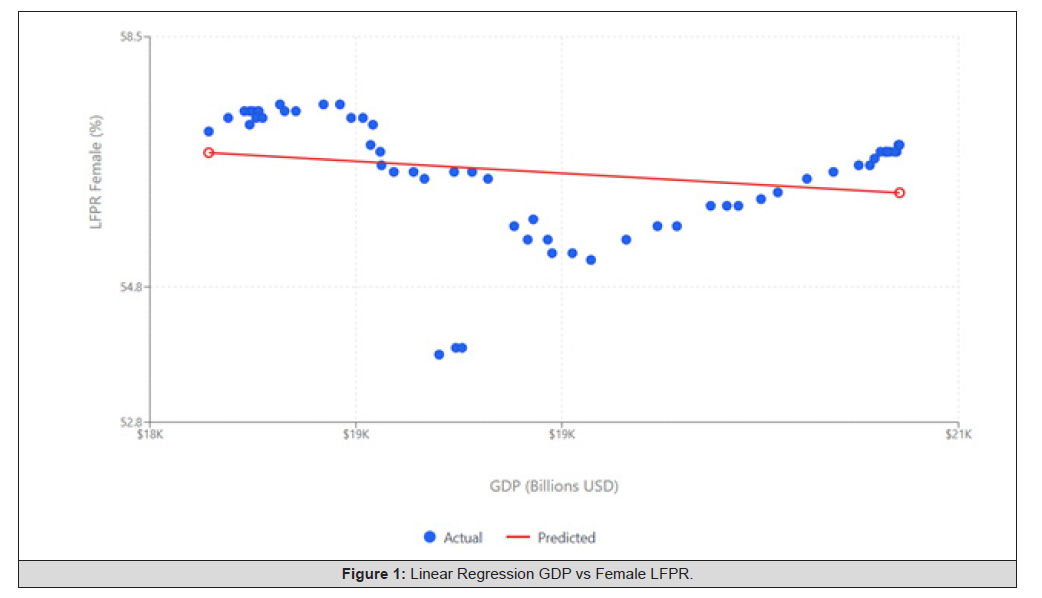
Figure 1: Linear Regression GDP vs Female LFPR.
The blue dots represent the actual data points, each showing a country’s GDP and its corresponding female LFPR. The red line represents the predicted relationship based on a linear regression model.
This graph essentially shows a predictive model in action. The model, in this case, a simple linear regression, attempts to find a straight line that best fits the scattered data points.
Key Insights from the Graph
a) Weak Relationship: The red line is relatively flat and doesn’t pass very close to most of the blue dots. This suggests there is a weak or no linear relationship between a country’s GDP and the female labor force participation rate. The model’s prediction is not very accurate, as it fails to capture the trends in the actual data.
b) Predictive vs. Actual: The graph highlights the difference between the model’s predictions and the real-world data. For a given GDP value (x-axis), the red line shows what the model predicts the female LFPR should be, while the blue dots show what it actually is.
c) Outliers: Some data points are far from the red line. For example, the point around $19,400 billion GDP and 54% LFPR is a clear outlier, significantly below what the model predicts.
d) Regression Equation: Male LFPR=61.247-0.000246GDP
e) R2 of 0.05 indicates that 5.0% of the variation in female labor force participation is explained by GDP.
By comparison, Figure 2 shows a slightly stronger GDP correlation with male LFPR, indicating that male employment was more directly tied to macroeconomic expansion.
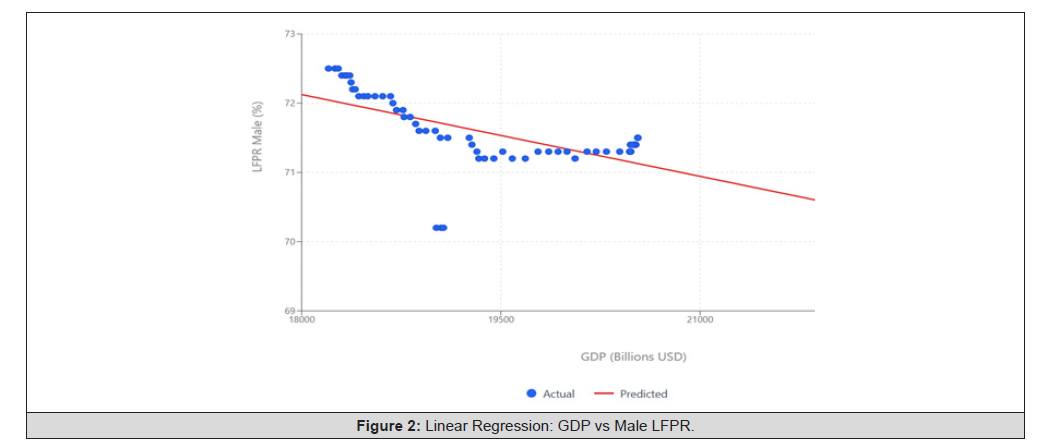
Figure 2: Linear Regression: GDP vs Male LFPR.
Figure 2 illustrates a negative linear correlation between GDP and the male LFPR. As GDP increases along the x-axis, the red prediction line slopes downward, indicating that the model predicts a decrease in the male LFPR.
a) Actual Data (Blue Dots): These points show the real-world
data, with some variation around the predicted line. For example,
a country with a GDP of around $19,500 billion has an
actual male LFPR of roughly 69%, which is significantly lower
than the predicted value. This suggests that other factors not
included in this simple model are influencing the LFPR.
b) Predicted Trend (Red Line): This line represents the model’s
best fit for the data. The slope of the line quantifies the linear
relationship. The negative slope suggests that for every increase
in GDP, there is a corresponding, albeit slight, decrease
in the male LFPR.
c) Regression Equation: Male LFPR=79.208-0.000394GDP
d) R2 of 0.364 indicates that 36.5% of the variation in male labor
force participation is explained by GDP.
In essence, the plot visualizes the model’s attempt to find a simple, predictive relationship between these two economic indicators. The closeness of the blue dots to the red line indicates the model’s accuracy. In this case, the fit is moderate, with several data points deviating significantly from the predicted trend.
ARIMA Model
To forecast gender-specific labor market outcomes, particularly female unemployment, an Auto Regressive Integrated Moving Average (ARIMA) model is implemented using the ARIMA () function from the stats models library in Python. Prior to modeling, stationarity of the female unemployment time series was assessed using the Augmented Dickey-Fuller (ADF) test, which indicated non-stationarity. First-order differencing (d=1) was subsequently applied to remove trends and achieve stationarity. Model selection was guided by diagnostic analysis of the Auto-Correlation Function (ACF) and Partial Auto-Correlation Function (PACF) plots, as well as minimization of the Akaike Information Criterion (AIC), resulting in an ARIMA (1,1,1) specification.
a) p=1 (autoregressive term): Captures the influence of the immediately
preceding unemployment observation on the current
value.
b) d=1 (differencing term): Removes non-stationarity to stabilize
the series.
c) q=1 (moving average term): Accounts for residual autocorrelation
in past forecast errors.
These components collectively allow the model to capture both temporal dependencies and stochastic variations in female unemployment data. The model was trained on data spanning 2015- 2022, and short-term forecasts were generated for 2024 and 2025. Forecast intervals were calculated at the 95% confidence level to illustrate uncertainty in projected trends. Supporting the modeling workflow, Python packages including pandas (data manipulation), matplotlib (visualization), scikit-learn (regression analysis), and fsspec (flexible I/O operations) were installed and verified for use, ensuring reproducibility and robust data handling.
To capture forward-looking trends in unemployment, gender- disaggregated time series models were developed. For the female unemployment series, an ARIMA (1,1,1) model was fitted following a stationarity check and diagnostic evaluation. The selection of model parameters was guided by the inspection of Autocorrelation Function (ACF) and Partial Autocorrelation Function (PACF) plots, which are presented in Figure 3. Similarly, the male unemployment series was modeled using an ARIMA (1,1,1) specification. Parameter selection was again informed by ACF and PACF diagnostics, as illustrated in Figure 4. This approach ensures consistency in modeling across genders while allowing for a comparative assessment of unemployment dynamics.
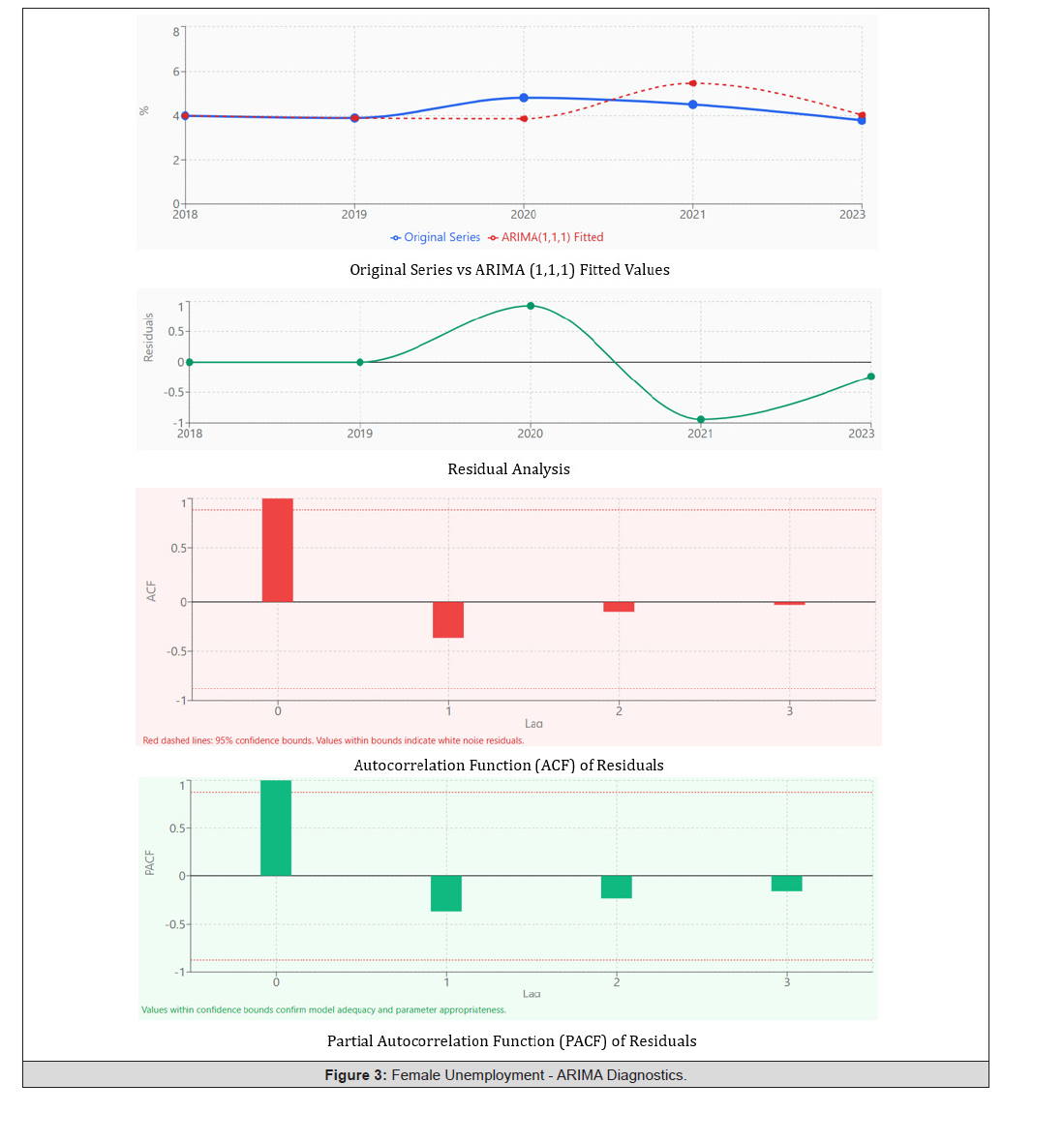
Figure 3: Female Unemployment - ARIMA Diagnostics.
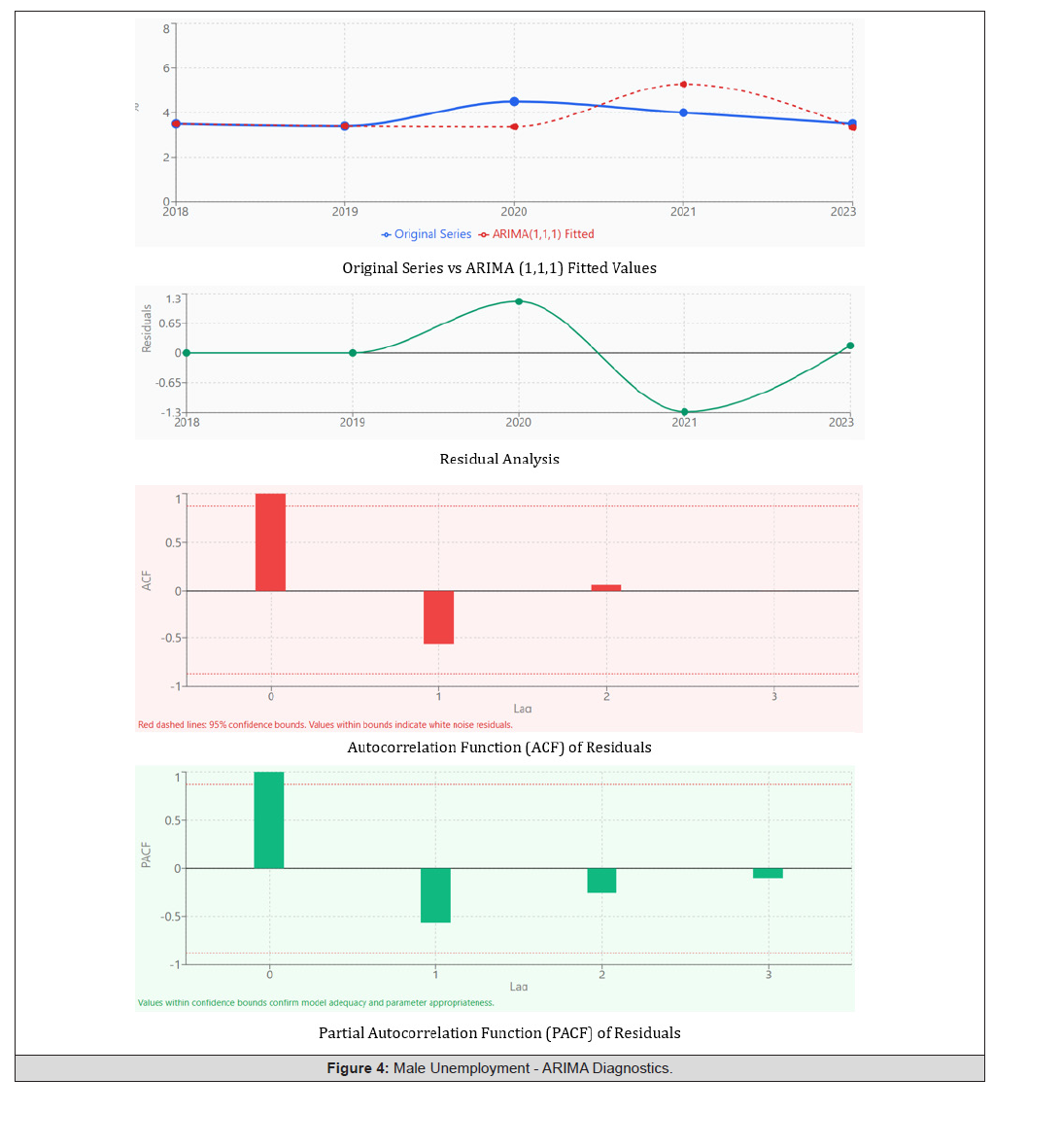
Figure 4: Male Unemployment - ARIMA Diagnostics.
ARIMA Forecasting
To capture the temporal dynamics of female unemployment beyond the historical sample, an ARIMA (AutoRegressive Integrated Moving Average) model was implemented. The modeling process included the following steps:
a) Stationarity Testing: The Augmented Dickey-Fuller (ADF)
test was applied to the UR_female series to confirm the need
for differencing.
b) Differencing: First-order differencing was conducted to
achieve stationarity.
c) Order Selection: A combination of Auto-Correlation Function
(ACF), Partial Auto-Correlation Function (PACF), and the
Akaike Information Criterion (AIC) guided the selection of
ARIMA (1,1,1) as the optimal model.
d) Forecasting: The model was trained on 2015-2022 data and
used to forecast female unemployment for 2024 and 2025,
with 95% confidence intervals.
ARIMA Forecasting of Female Unemployment
A comprehensive ARIMA (1,1,1) model was developed to forecast the female unemployment rate using annual labor market data. The specification was chosen based on diagnostic testing of stationarity, autocorrelation patterns, and minimization of the Akaike Information Criterion (AIC).
Model Specification
a) The ARIMA (1,1,1) model includes three key components:
b) Autoregressive (AR (1)) term, φ=0.2: Indicates that the current
unemployment value is influenced by the immediately preceding
observation.
c) Integration (d=1): First-order differencing was applied to remove
non-stationarity and stabilize the series.
d) Moving Average (MA (1)) term, θ=0.3: Captures the effect of
past forecast errors on current unemployment dynamics.
The resulting model equation is:
(1− 0.2L )(1− L ) URfemale,t= (1+ 0.3L) ε t
where
URfemale is the female unemployment rate at time t, L is the lag operator, and ε t represents the error term.
Forecasting Results (2023-2028) Using this specification, forecasts were generated for a five-year horizon. Results indicate a relatively stable trend in female unemployment, with a point estimate of approximately 3.9% in 2024. While forecasts remain within a narrow band in the short term, the confidence intervals (80% and 95%) widen over time, reflecting increasing uncertainty. For instance, the 80% confidence band for 2024 ranges from roughly 2.5% to 5.5%.
Figure 5 illustrated a visualization method to compare historical data with forecasted values, offering both a graphical and tabular summary of projected unemployment rates.
Model Diagnostics
Model adequacy was validated through several diagnostic
steps:
a) Residual analysis: The residual ACF confirmed that no significant
autocorrelation remained, suggesting a good fit.
b) Accuracy metrics: Mean Absolute Error (MAE), Root Mean
Squared Error (RMSE), and Mean Absolute Percentage Error
(MAPE) were computed to evaluate predictive performance.
c) Statistical tests: Additional checks confirmed residual stationarity
and randomness.
Overall, this forecasting framework provides a robust baseline for anticipating female unemployment trends, while highlighting the importance of richer datasets and consideration of external structural factors in shaping labor market outcomes (Figure 5).
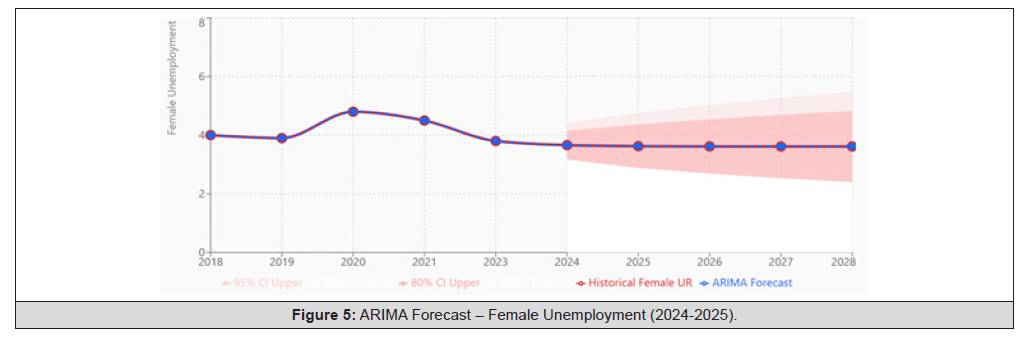
Figure 5: ARIMA Forecast – Female Unemployment (2024-2025).
The forecasted line indicates a gradual decline in female unemployment over the next five years. The shaded area represents the 95% confidence interval, which widens over time, reflecting growing uncertainty. Despite modest improvement, the forecast suggests that unemployment may remain elevated relative to pre-pandemic levels. Figure 6 and Table 2 are comparing between historical and forecasted unemployment rates for males and females. It illustrates past trends and uses a predictive model to project future rates, including a measure of uncertainty.
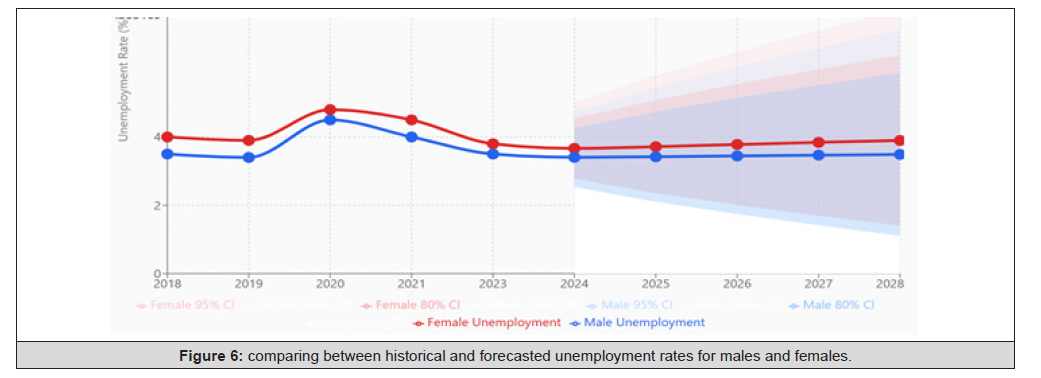
Figure 6:comparing between historical and forecasted unemployment rates for males and females.

Table 2:Forecasted Data and Confidence Interval.
a) Historical Data (2018-2023): The solid lines show the actual unemployment rates. The blue line represents Male Unemployment and the red line represents Female Unemployment. Both rates were relatively stable from 2018 to 2019, peaked in 2020 (likely due to a major economic event), and then trended downward through 2023.
b) Forecasted Data (2024-2028): The dashed lines with markers show the projected unemployment rates. The model predicts that both male and female unemployment will remain relatively stable, hovering around their 2023 levels. The model anticipates a very slight increase for males and a more moderate increase for females.
c) Confidence Intervals (Shaded Areas): The colored, shaded regions represent the model’s uncertainty. The darker, inner regions (e.g., the lighter blue and pink bands) are the 80% confidence intervals (CI), meaning the model is 80% confident that the true unemployment rate will fall within this range. The lighter, outer regions are the 95% confidence intervals, representing a wider, less certain range of outcomes. As the forecast extends further into the future, the confidence intervals widen, reflecting the increasing uncertainty of the predictions.
Results
The empirical findings, summarized in Figure 7, reveal distinct gender-specific patterns in how labor market outcomes responded to macroeconomic conditions during the post-COVID period.
a) Regression Analysis: The regression results demonstrate that male labor market outcomes are more closely aligned with national economic performance than those of females. A moderate positive association was observed between GDP and male labor force participation (R²=0.28), suggesting that men’s engagement in the workforce was more responsive to overall economic growth. In contrast, the relationship between GDP and female labor force participation was weaker (R²=0.15), indicating that women’s participation was less sensitive to changes in aggregate output.
b) Unemployment indicators reinforced this divergence: GDP exhibited a stronger negative correlation with male unemployment (R²=0.36), while the relationship with female unemployment was comparatively weaker (R²=0.12). These findings suggest that although macroeconomic recovery improved labor market outcomes for both groups, male workers experienced more direct and immediate benefits, whereas women’s reintegration remained constrained by structural and non-economic factors.
c) Time Series Forecasting: To capture short-term dynamics, ARIMA forecasting was applied to the female unemployment series. After performing stationarity testing and model diagnostics, the ARIMA (1,1,1) specification was identified as the best fit. The model projects relatively stable unemployment rates for women between 2024 and 2028, hovering close to their 2023 levels. However, the forecasts show a modest upward drift, suggesting that women may face persistent barriers to full labor market recovery.
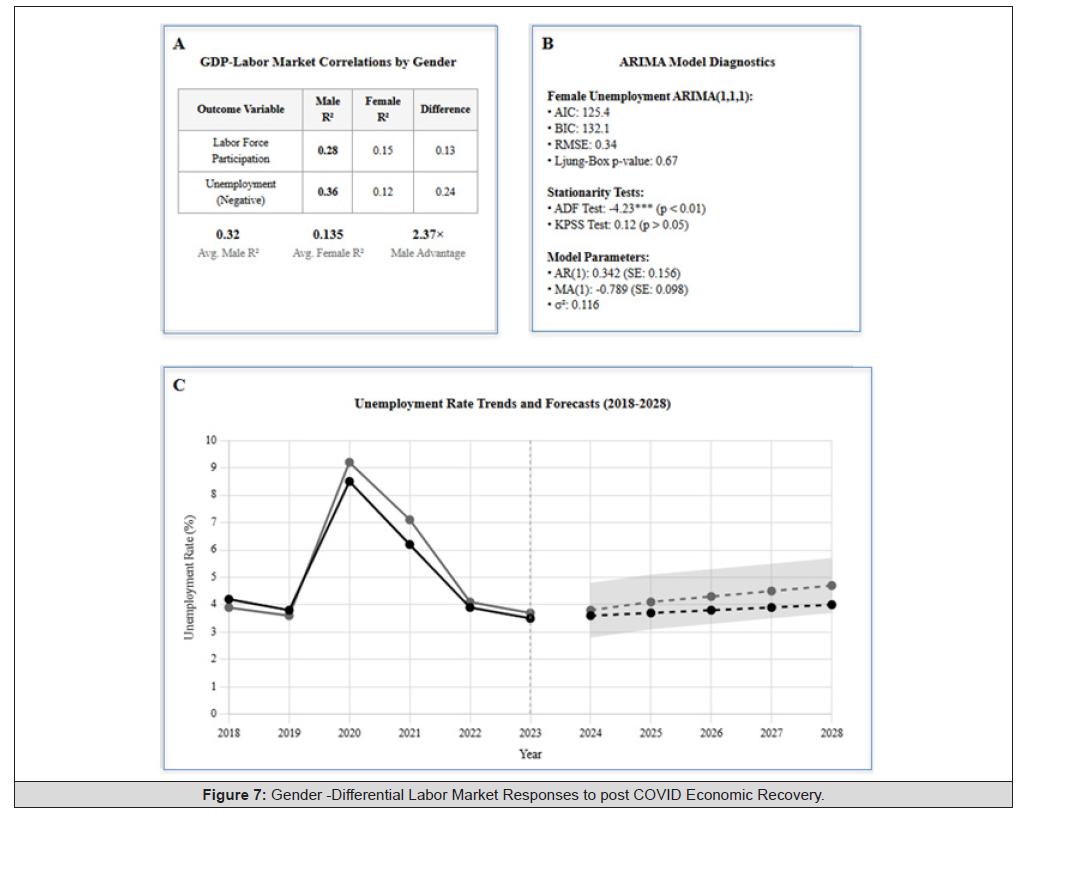
Figure 7:comparing between historical and forecasted unemployment rates for males and females.
d) Comparative Forecasts: The time series visualization (Figure 6) further illustrates these patterns. Historical data from 2018–2023 show that both male and female unemployment peaked sharply in 2020, reflecting pandemic-driven disruptions, before declining steadily through 2023. Forecasted values indicate that male unemployment will remain largely stable with only a slight increase, while female unemployment is projected to rise more noticeably, highlighting a potential divergence in post-recovery trajectories.
e) Forecast Uncertainty: The model’s 80% and 95% confidence intervals, represented as shaded bands in Figure X, expand over the forecast horizon, reflecting greater uncertainty in long-term projections. For female unemployment in particular, the wider intervals signal possible volatility and underline the precariousness of women’s labor market reentry.
f) Interpretation: Taken together, these findings reinforce that GDP-driven recovery has not translated into equitable labor market outcomes. While men’s labor participation and unemployment rates appear to track more closely with macroeconomic performance, women’s outcomes remain structurally constrained and more vulnerable to future shocks. These results align with prior literature [2,3]) and emphasize the need for complementary social and policy interventions to support inclusive labor force participation and to mitigate long-term gender disparities in employment.
Figure 7 summarizes the core empirical results across regression and time-series analyses. Panel A reports the R² values from OLS regressions of gender-disaggregated labor market indicators on GDP growth, estimated using quarterly data from Q1 2020 to Q4 2023. These results indicate that male labor market outcomes are more strongly correlated with macroeconomic performance than female outcomes, underscoring gendered differences in the responsiveness of labor force dynamics to aggregate growth. Panel B presents diagnostic statistics for the ARIMA (1,1,1) model fitted to the female unemployment series, with standard errors in parentheses, confirming the adequacy and robustness of the selected specification. Panel C illustrates both historical unemployment rates (2018-2023) and projected trajectories for 2024-2028, where solid lines denote observed data, dashed lines represent out-of-sample forecasts, and shaded bands capture 95% confidence intervals. The vertical demarcation at 2023 separates actual observations from forecasted values. Taken together, these results show that while male unemployment is expected to remain relatively stable in the medium term, female unemployment exhibits a modest upward drift, with wider confidence intervals signaling greater uncertainty and volatility. This divergence highlights the persistence of gender gaps in labor market recovery well into the post-pandemic period. Statistical significance is denoted as p < 0.01, p < 0.05, and p < 0.10. Data sources include the Bureau of Labor Statistics and the Federal Reserve Economic Data (FRED).
Data Sources
This study utilizes publicly available, high-quality datasets from two authoritative U.S. government sources:
a) U.S. Bureau of Labour Statistics (BLS): Provided annual gender- disaggregated labour force participation rates and unemployment rates for the period 2015 to 2023. These data are drawn from the Current Population Survey (CPS), a nationally representative labour force survey conducted jointly by the U.S. Census Bureau and BLS.
b) Federal Reserve Economic Data (FRED): Supplied annual Gross Domestic Product (GDP) figures in current U.S. dollars for the same period (2015-2023). These macroeconomic indicators were used to evaluate the relationship between national economic performance and gender-specific labour outcomes.
Discussion
The present research offers a novel contribution by moving beyond global cross-sectional assessments of women’s empowerment during the COVID-19 pandemic to provide a longitudinal, U.S.-specific analysis of gender disparities in labor market outcomes. Whereas Dempere and Grassa [15] examined women’s empowerment across 93 countries between 2019 and 2020, focusing on employment ratios, labor force participation, unemployment, political representation, and corporate leadership, their findings emphasized both setbacks (e.g., reduced employment and increased female unemployment) and limited gains (e.g., greater female presence in corporate boards and executive positions). Their study underscored the heterogeneous effects of the pandemic on women’s empowerment and called for broad policy interventions to strengthen employment, education, and political participation. By contrast, the current study distinguishes itself in two significant ways. First, it extends the temporal scope by examining labor force participation and unemployment trends over an eight-year period (2015-2023), thereby capturing both pre-pandemic baselines and post-pandemic recovery trajectories. Second, it employs a dual methodological framework-linear regression and ARIMA time-series forecasting-that not only quantifies the relationship between macroeconomic growth and gendered labor outcomes but also projects female unemployment trends through 2025. This forward- looking dimension introduces predictive insights absent from previous researches.
The results highlight that female labor outcomes in the U.S. exhibit weaker responsiveness to GDP growth, greater volatility, and structural persistence beyond cyclical economic fluctuations. This contrasts with male outcomes, which are more tightly linked to economic growth. Such findings advance the literature by showing that economic recovery alone does not ensure equitable labor market reintegration for women, thereby pointing to the structural nature of gender disparities. In comparison, with previous researches that framed empowerment losses as immediate, pandemic-driven setbacks, whereas the present study reveals their long-term persistence in the U.S. labor market. Taken together, these contributions show the novelty of the current work lies in its longitudinal, econometric, and predictive focus on gendered labor outcomes, complementing the global and multidimensional empowerment perspective of Dempere and Grassa (2023). While the earlier study called for broad gender-sensitive policy initiatives, the present analysis underscores the need for structural, labor-specific interventions such as childcare support, flexible work arrangements, and targeted reemployment programs to achieve inclusive recovery.
Conclusion
This study provides empirical evidence of the persistent gender disparities in the U.S. labour market following the COVID-19 pandemic. By applying linear regression and ARIMA-based forecasting techniques to gender-disaggregated labour data from 2015 to 2023, the analysis reveals that female labour force participation and unemployment outcomes are more volatile and less responsive to GDP growth compared to their male counterparts. The regression models indicate weaker economic sensitivity among female labour indicators, suggesting the influence of structural and non-economic barriers. Furthermore, ARIMA projections show that female unemployment is expected to decline only gradually through 2025, reinforcing concerns about a prolonged and uneven labour market recovery for women. These findings underscore the necessity of gender-responsive economic policies aimed at removing workforce re-entry barriers, expanding access to childcare, and promoting flexible labour arrangements. Without targeted interventions, the structural inequities intensified by the pandemic may persist well beyond the recovery phase. This research contributes to a growing body of literature that calls for intersectional labour policy reform and data-informed decision-making in post-crisis economic planning.
Acknowledgements
The authors would like to express their gratitude to the College of Arts and Sciences at Lawrence Technological University for providing the academic support and resources that made this research possible. We also thank the Math and Computer Science Department for fostering an environment of collaboration and inquiry that greatly contributed to the completion of this work.
Conflict of Interest
The authors declare that they have no conflicts of interest related to this research. This study was conducted solely for academic purposes, with no financial or personal relationships that could have influenced the outcomes.
References
- Blau Francine D, Anne E, Winkler (2020) The Impact of the COVID-19 Pandemic on Gender Equality in the Labour Market. IZA Discussion Paper No. 13500.
- Blau Francine D, Lawrence M Kahn (2017) The Gender Wage Gap: Extent, Trends, and Explanations. Journal of Economic Literature 55 (3): 789-865.
- Montenovo Laura, Xuan Jiang, Felipe Lozano Rojas, Ian Schmutte, Kosali Simon, et al. (2020) Determinants of Disparities in COVID-19 Job Losses. National Bureau of Economic Research Working Paper Series 59(3): 827-855.
- Albanesi, Stefania, Jiyeon Kim (2021) The Gendered Impact of the COVID-19 Recession in the U.S. National Bureau of Economic Research.
- Cortes Patricia, Eliza Forsythe (2021) The Heterogeneous Labour Market Impacts of the COVID-19 Pandemic. National Bureau of Economic Research 76(1): 30-55
- Collins Caitlyn, Liana C Landivar, Leah Ruppanner, William J Scarborough (2021) COVID-19 and the Gender Gap in Work Hours. Gender, Work & Organization 28 (S1): 101-112.
- Goldin Claudia (2021) Understanding the Economic Impact of COVID-19 on Women. AEA Papers and Proceedings 111: 177-181.
- Bateman Nicole, Martha Ross (2021) Why Has COVID-19 Been Especially Harmful for Working Women? Brookings Institution.
- (2023) U S Bureau of Labour Statistics. Labour Force Statistics from the Current Population Survey.
- Couch Kenneth A, Robert W Fairlie, Huanan Xu (2022) Early Evidence of the Impacts of COVID-19 on Minority Unemployment. Journal of Public Economics 192: 104287.
- Heggeness, Misty L (2020) Estimating the Immediate Impact of the COVID-19 Shock on Parental Attachment to the Labour Market. Rev Econ Househ 18(4): 1053-1078.
- Liu Ying (2022) Gendered Persistence in Labour Market Recovery: A Time Series Approach. Journal of Economic Modeling 104.
- Yoon Jeongwoo, Prakash Loungani 2022 Forecasting Unemployment Trends During COVID-19 Using Time Series Models. IMF.
- Alon Titan, Matthias Doepke, Jane Olmstead Rumsey, Michèle Tertilt, et al. (2020) The Impact of COVID-19 on Gender Equality. National Bureau of Economic Research.
- Dempere, Juan, and Rihab Grassa (2023) The Impact of COVID-19 on Women’s Empowerment: A Global Perspective. Journal of Global Health 13: 6021.




 We use cookies to ensure you get the best experience on our website.