
Research Article 
 Creative Commons, CC-BY
Safety and Efficacy of Peptide-Based Therapeutics in Health Sciences: From Bench to Bedside
*Corresponding author:Jonathan RT Lakey, University of California, Irvine- Department of Surgery and Biomedical Engineering, 4University of California, Irvine, Department of Biomedical Engineering, Irvine, CA, USA.
Received:August 08, 2025; Published:August 14, 2025
DOI: 10.34297/AJBSR.2025.28.003647
Abstract
Peptide-based therapeutics have emerged as versatile agents with applications across multiple conditions. Their unique ability to selectively modulate biological pathways positions them as promising candidates in modern health sciences. This review aims to evaluate the safety, efficacy, pharmacokinetics, and translational potential of peptide therapeutics, highlighting recent advances and ongoing challenges in clinical development. This comprehensive narrative analysis of preclinical and clinical studies published within the last decade focuses on peptide stability, safety profiles, therapeutic outcomes, and mechanisms of action across multiple disease domains. Peptides generally demonstrate favorable safety profiles with minimal adverse events, effective target engagement, and clinically meaningful efficacy. A broad range of natural and synthetic peptides have been developed and evaluated, with many currently advancing through clinical trials across diverse therapeutic areas. As the demand for peptide-based therapies continues to rise, there is an increasing need for sustainable and environmentally responsible methods of peptide synthesis. Challenges remain in improving peptide stability and delivery, with innovations in cyclization, conjugation, and nano-formulation showing promise. Disease-specific therapeutic applications, including tumor regression, metabolic regulation, neuroprotection, and immune modulation have each demonstrated beneficial effect. Peptide therapeutics represent a rapidly evolving class of agents with significant translational potential. Continued optimization of delivery methods and comprehensive safety evaluations will be critical to their successful integration into clinical practice, offering new opportunities for personalized and targeted therapies.
Keywords:Peptides, Safety, Efficacy, Pharmacokinetics, Drug Delivery, Health Sciences
Introduction
Although considered a novel or emerging treatment strategy, therapeutic use of peptides dates back to 1922, when Dr. Frederick Banting and colleagues first isolated and administered insulin, a pancreatic peptide hormone, for the treatment of type 1 diabetes (T1D) [1]. Contemporaneously, the essential role of peptide as me diators in human physiology, functioning as hormones, neurotransmitters, growth factors, antimicrobial agents, and vaccine components have been highlighted [2-5]. Peptides interact with specific receptors to elicit highly selective biological responses, analogous to those induced by larger biologics, yet with enhanced pharmacokinetic (PK) flexibility. The rapid evolution over the past century, leveraging peptides as frontier in drug development is largely attributed to physical properties as peptides. Peptides often demonstrate higher specific activity per unit mass, i.e., ~15-60 times that of antibodies, due to their lower molecular weight and more efficient receptor engagement [6,7]. As such, peptides have emerged as leading candidates to address unmet clinical needs across multiple conditions, including (but not limited to) oncology, metabolic disease, infectious disease, immunology and inflammatory conditions.
The simple structure, relative to other small molecules, enables rapid synthesis and purification, especially via solid-phase peptide synthesis (SPPS) [8]. SPPS allows for high-yield production with rigorous quality control [9]. Thus, high quality peptides can be developed offering cost advantages and scalability over enzymatic or recombinant approaches [10]. In the context of drug development, peptides offer distinct advantages over traditional small molecules. First, peptides typically represent the minimal functional domains of larger proteins, yielding higher receptor specificity and lower rates of off-target binding [10]. Second, peptide degradation products are non-toxic amino acids, minimizing systemic toxicity [11]. Third, the short plasma half-lives render peptides less prone to bioaccumulation and long-term adverse effects [12]. In contrast, small molecules struggle to disrupt large protein–protein interaction (PPI) interfaces (typically 1500–3000 Ų) due to their limited surface area (~300-1000 Ų) [13,14]. Peptides, by virtue of their increased conformational flexibility and size, offer a viable alternative for modulating intracellular PPIs [15]. Therapeutic peptides represent a unique class of pharmacological agents that bridge the molecular and functional gap between small molecules and proteins [11]. Typically comprising fewer than 50 amino acid residues, peptides combine key attributes of biologics (e.g., high target specificity) with advantageous properties of small molecules (e.g., efficient tissue penetration and lower immunogenicity) [3,16]. Their relatively small size and physicochemical characteristics facilitate deeper tissue penetration and receptor-specific activity, while reducing systemic side effects and manufacturing complexity compared to antibodies or full-length proteins [10,17].
Unlike monoclonal antibodies (mAbs), which are large, highly specific biologics that target extracellular antigens and are typically administered via injection, peptides demonstrate high intracellular accessibility and are increasingly being engineered for enhanced cell permeability using strategies such as conjugation to cell-penetrating peptides (CPPs) and chemical modifications [18]. mAbs though capable of targeting PPIs, are limited by their larger size, which restricts them primarily to extracellular targets [19]. mAbs also frequently exhibit limited tissue penetration and may provoke higher immunogenic responses. Therapeutic peptides targeting key intracellular PPIs, including MDM2/p53, Keap1/Nrf2, and PD-1/ PD-L1 was recently reviewed by Xiao and colleagues [10], who provided substantial evidence that novel peptide-based therapeutics, including peptide-drug complexes, new peptide-based vaccines, and innovative peptide-based diagnostic reagents, has increasingly high potential for precision customization of disease therapeutics. Alfonso, et al [20] presented additional critical aspects of targeting PPIs, emphasizing the significance in oncology, the current progress in peptide design aimed at overcoming the limitations of peptide therapeutics, and the potential of peptide-based inhibitors in cancer treatment. Similarly, Hong, et al recently published an indepth review of the design of protein structure mimics focusing on contemporary screening methods merged with constrained peptides to offer unprecedented side chain diversity on conformationally defined scaffolds. (Tables 1,2) summarizes key pharmacological, physicochemical, and developmental features of peptide-based therapeutics in comparison to small molecules and mAbs.As shown, peptides occupy the middle ground in terms of molecular size, tissue penetration, specificity, and immunogenicity risk, yet offer unique advantages such as the ability to modulate intracellular PPIs, combined with improving manufacturability and formulation flexibility. However, challenges remain in stability, half-life, and production scalability. This comparative analysis highlights the distinct profiles and trade-offs of each therapeutic class, informing strategic decision-making in drug development.
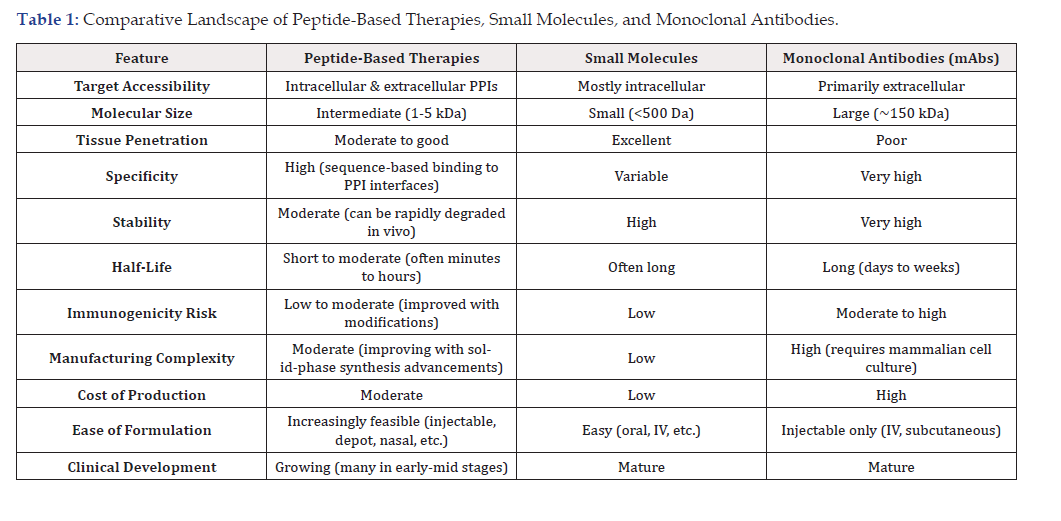
Table 1:Comparative Landscape of Peptide-Based Therapies, Small Molecules, and Monoclonal Antibodies.
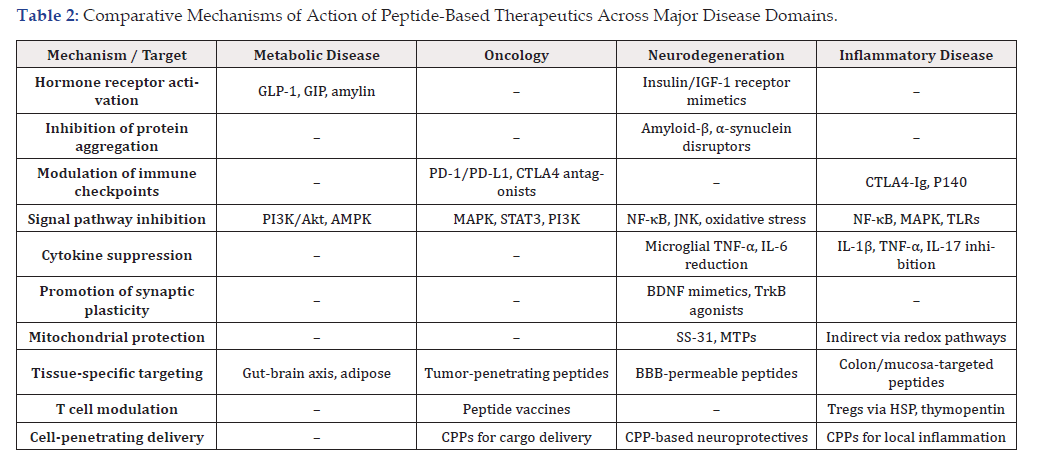
Table 2:Comparative Mechanisms of Action of Peptide-Based Therapeutics Across Major Disease Domains.
Despite the recently well-described promise, the clinical translation of peptide therapeutics is hindered by several PK and biopharmaceutical limitations. Most notably, their poor oral bioavailability (<1%) results from rapid enzymatic degradation in the gastrointestinal tract and poor permeability across lipid membranes [21,22]. Peptides are typically hydrophilic and rich in hydrogen-bonding groups. The hydrophilic chemical structure impedes passive diffusion through lipophilic barriers. Additionally, peptides are prone to rapid systemic clearance by proteases in the liver, kidneys, and bloodstream [23,24]. Exceptions to these limitations, such as the cyclic peptide cyclosporine A, underscore the importance of structural features that enhance protease resistance and membrane permeability [25]. Cyclosporine A is not an isolated example of an orally bioavailable bioactive macrocycle; rather, it exemplifies a broader class of macrocyclic compounds with inherently favorable permeability properties that remain largely underexplored and insufficiently characterized. Currently, most therapeutic peptides are administered parenterally (e.g., subcutaneous or intravenous routes), which limits patient compliance and market adoption [26]. To overcome these challenges, peptide optimization strategies focus on improving metabolic stability, membrane permeability, and receptor affinity through rational design informed by structure-activity relationships (SAR) and quantitative structure-activity relationships (QSAR) [27,28]. This includes chemical modifications such as cyclization, D-amino acid substitution, PEGylation, and incorporation of unnatural amino acids [29]. Furthermore, novel delivery technologies (e.g., nanoparticle encapsulation) are being developed to facilitate non-invasive administration and targeted biodistribution [30].
The clinical relevance of peptide therapeutics spans virtually all domains of human health. In oncology, peptides serve as hormone analogs, receptor antagonists, and targeting moieties in peptide- drug conjugates and radionuclide therapies [31]. In metabolic diseases such as diabetes, glucagon-like peptide-1 (GLP-1) receptor agonists have redefined disease management and opened new avenues for cardiovascular risk reduction [5,32]. Antimicrobial and antiviral peptides are being actively investigated as next-generation solutions to antibiotic resistance and emerging pathogens [33,34]. Neuroprotective peptides are under development for diseases such as Alzheimer’s and Parkinson’s, leveraging blood–brain barrier-penetrating sequences and mitochondrial-targeted modifications [35,36]. In regenerative medicine, peptide-based scaffolds and signaling sequences promote wound healing and tissue remodeling [37]. Despite this therapeutic promise, the rapid expansion of peptide applications necessitates a systematic evaluation of safety, efficacy, and translational readiness. Traditional pharmacokinetic liabilities such as enzymatic degradation, immunogenicity, and poor oral bioavailability have been partially overcome with cyclization, PEGylation, or nanoformulation, yet variability in preclinical- to-clinical translation persists [38]. Furthermore, while efficacy endpoints are often emphasized, longitudinal safety data are inconsistently reported across peptide platforms. The current review synthesizes recent advances in the design, optimization, and clinical evaluation of peptide therapeutics, with a particular focus on safety and efficacy data from preclinical models through late-phase trials. We aim to (1) categorize the major structural and mechanistic classes of peptide therapeutics; (2) summarize their clinical applications across key domains of therapeutic opportunities; (3) identify common safety signals and pharmacologic liabilities; and (4) propose translational strategies to de-risk clinical development. This synthesis is timely, as the global peptide therapeutics market is projected to exceed USD $70 billion by 2029, with increasing investment from both academic and commercial sectors [39].
Methods
This narrative review aims to synthesize current knowledge on the safety, efficacy, and translational potential of peptide-based therapeutics across key health domains, including oncology, metabolic disorders, infectious disease, neurodegeneration, and wound healing. The search strategy employed both controlled vocabulary (e.g., MeSH terms) and free-text keywords such as “peptide therapeutics,” “clinical trials,” “pharmacokinetics,” “toxicity,” “GLP-1 agonists,” “tumor-targeting peptides,” and “neuroprotective peptides.” Supplementary sources were identified by reviewing the reference lists of key review articles, regulatory documents from the FDA and EMA, and entries in Clinical Trials.gov. The selection process prioritized publications that provided clinical insights into safety, pharmacokinetics, efficacy, or mechanisms of action of peptide-based therapies. Reports focused exclusively on small molecules or monoclonal antibodies (mAb) without a peptide component, non-English publications, abstracts lacking full text, and duplicate records were excluded. Emphasis was placed on identifying broad trends in peptide design, delivery strategies, safety considerations (e.g., immunogenicity, adverse events), and therapeutic effectiveness. Although formal quality assessment tools were not applied, preference was given to peer-reviewed publications, later-phase clinical studies, and reports with detailed pharmacologic or safety profiles. Where inconsistencies or gaps in the literature were identified, they were highlighted and contextualized within the broader field. This approach allowed for a comprehensive thematic synthesis of the landscape of peptide-based therapeutics, with particular attention to emerging technologies and areas of translational promise.
Classification of Therapeutic Peptides
Peptide-based therapeutics have emerged as a diverse and expanding class of biologics, offering unique advantages in terms of specificity, safety, and bioactivity. The functional breadth of peptides spans multiple therapeutic domains.
i. Hormone-based peptides remain the cornerstone of peptide therapeutics. Insulin, the prototypical peptide drug, continues to evolve through analog optimization for extended half-life and better glycemic control. More recently, GLP-1 receptor agonists, such as semaglutide and dulaglutide, have redefined the treatment paradigm for type 2 diabetes (T2D) and obesity due to their effects on glycemic regulation and appetite suppression. The GLP-1 receptor is predominantly expressed on the surface of various cell types, specifically binds to GLP-1. GLP- 1–based therapies target mimics the mechanism of endogenous GLP-1 in glucose, lipid, and other critical physiological pathways with strong therapeutic efficacy. Extensive benefits of using GLP-1RAs in treating a broad spectrum of diseases, such as obesity, cardiovascular diseases, non-alcoholic fatty liver disease, neurodegenerative diseases, musculoskeletal inflammation, and various forms of cancer have been well-documented [40]. The GLP-1 RA semaglutide, is the most recently approved agent of this drug class. While GLP-1RAs effectively improve glycemic control and cause weight loss, there are safety concerns. However, given the beneficial metabolic and cardiovascular actions of semaglutide, and the low risk for severe adverse events, semaglutide has an overall favorable risk/ benefit profile in T2D and obesity. The ongoing development of new indications for GLP-1 drugs offers promising prospects for further expanding therapeutic interventions, showcasing their significant potential in the medical field. In addition, the development of dual and triple agonists (e.g., GLP-1/GIP/glucagon receptor agonists) aims to further harness metabolic synergy in cardiometabolic disease [41,42].
ii. Antimicrobial peptides (AMPs) exhibit potent activity against drug-resistant pathogens by disrupting microbial membranes. As part of the innate immune system, antimicrobial precursor proteins, which are further processed to generate AMPs, including several types of α/β defensins, histatins, and cathelicidin- derived AMPs like LL [37] defend against infections caused by pathogenic bacteria, viruses, fungi, and parasites [43]. Several AMPs are under investigation as alternatives to traditional antibiotics, with ongoing efforts to improve their selectivity and reduce cytotoxicity. In the context of viral infections, peptides targeting the spike protein of SARS-CoV-2 have demonstrated efficacy in blocking viral entry, offering promising adjuncts or alternatives to monoclonal antibody therapy [44]. LL37 exerts several other host defense activities, including inflammatory response modulation, chemo-attraction, and wound healing and closure at the infected sites. Evidence anti-cancer and anti-amyloidogenic properties have also been reported [45].
iii. Targeting intracellular PPIs has been challenging due to their large, flat, and dynamic interfaces. However, peptides designed to modulate intracellular PPIs represent a frontier in drug development, enabling the targeting of previously “undruggable” interfaces. Venetoclax, the first FDA-approved BH3-mimetic, represents a major milestone in fragment-based drug discovery by effectively disrupting a PPIs [46]. Despite comprising a small fraction of the global pharmaceutical market over the past decade, peptides offer distinct advantages in targeting disease- related PPIs that are often intractable to small molecules. Stapled peptides and macrocyclic designs enhance binding affinity and protease resistance, exemplified by peptides disrupting MDM2-p53 interactions to restore tumor suppressor function [47], providing a new class of anticancer drug candidates. Peptides targeting BCL-2 family proteins or KRAS-effector interactions are advancing into clinical trials, highlighting their therapeutic potential in oncology due to their apoptotic regulatory functions [48]. Together, these advances position intracellular PPI-targeting peptides at the forefront of next-generation therapeutics, offering a powerful and versatile strategy to overcome the limitations of traditional small-molecule and antibody-based drugs.
iv. Peptides engineered to selectively target tumor microenvironments, such as RGD motifs binding to integrins or tumor-penetrating peptides (TPPs) that exploit abnormal vasculature, improve drug delivery and minimize systemic toxicity⁷. For example, a melanocortin-derived tripeptide, KPV (Lys-Pro-Val), exhibits potent anti-inflammatory and epithelial barrier-restoring effects by inhibiting NF-κB [49] activation plausibly via inhibition of IL-1β and promoting tight junction integrity [50], highlighting the existence of MC1R-dependent and -independent mechanisms by which the KPV peptide may act therapeutically. In addition, thymosin β4, a 43-amino acid peptide, possesses pro-angiogenic and anti-apoptotic properties which have been shown to enhance wound healing and reduce fibrosis in preclinical IBD models. Tβ4 was shown to inhibit colonic mucin2 production, disrupt tight junctions, and downregulate autophagy in murine models , later confirmed in Caco2 cells and normal human colon tissue [51]. Further, the antimicrobial peptide, LL-37, promotes mucosal healing and immune regulation through modulation of TLRs, NLRP3 inflammasome suppression, and epithelial proliferation. LL-37 was shown to alleviate inflammation in four different murine models of colitis [52].
Mechanisms of Action
Therapeutic peptides exert their effects through a range of molecular and cellular mechanisms, reflecting their diverse structural and functional properties. For example, many peptides function as agonists or antagonists of G protein-coupled receptors (GPCRs), receptor tyrosine kinases, or cytokine receptors. GLP-1 analogs activate the GLP-1R, initiating cAMP-dependent signaling that enhances insulin secretion and reduces appetite [53,54]. Peptides targeting integrins or chemokine receptors modulate immune trafficking and inflammation [55]. Moreover, some peptides penetrate cells to directly modulate intracellular signaling cascades. Peptide mimetics of Akt, ERK, or NF-κB regulators have shown preclinical efficacy in modulating inflammatory or oncogenic pathways [56]. Building on this, the development of CPPs and tumor-homing peptides has enabled selective intracellular delivery, enhancing the therapeutic potential of peptides and peptide-drug conjugates targeting these same signaling pathways. Peptides such as TAT, penetratin, and iRGD enhance tissue-specific uptake by interacting with surface markers or activating transcytosis mechanisms [57]. This facilitates not only peptide delivery but also the co-administration of small molecules, nucleic acids, or nanoparticles. The cellular uptake mechanisms of CPPs involve mainly endocytosis and direct penetration. Although the CPP drug delivery system remains controversial, next‐generation CPPs with enhanced cell penetration capability, stability and selectivity are being designed. Beyond serving as delivery vectors, some peptides themselves exhibit intrinsic immunomodulatory properties, capable of promoting immune tolerance, enhancing effector responses, or mitigating chronic inflammation. Autoantigen-derived peptides are under investigation for tolerance induction in autoimmune diseases [58].
Safety and Efficacy of Peptide Therapeutics Across Conditions
Peptide therapeutics exhibit highly variable pharmacokinetic profiles depending on their structural class and formulation strategy. Native linear peptides are often characterized by short plasma half-lives (typically <30 minutes) due to rapid enzymatic degradation by proteases and poor membrane permeability [23]. Strategies such as PEGylation, cyclization, lipidation, and nanoformulation have markedly improved peptide stability and bioavailability, particularly for subcutaneous and intranasal delivery [59]. Semaglutide (GLP-1 RA) demonstrates a half-life of approximately 160 hours, enabling once-weekly dosing [60]. In contrast, stapled peptides like ALRN-6924 offer protease resistance and enhanced cell penetration, extending their utility in oncology [61]. Safety assessments across peptide classes reveal generally favorable tolerability, particularly in comparison to small molecules and monoclonal antibodies. Most peptide drugs are non-immunogenic due to their endogenous sequence similarity62. However, hematologic toxicities (e.g., neutropenia), hepatic enzyme elevations, and renal clearance alterations have been reported in dose-dependent contexts, especially in oncologic indications [63]. GLP-1 analogs, are associated with transient gastrointestinal side effects but rarely induce pancreatitis or thyroid neoplasia [64]. Similarly, while antimicrobial peptides demonstrate potent activity against multidrug-resistant pathogens while reducing inflammation in chronic wound models [65], myopathy and eosinophilic pneumonia have emerged as rare adverse events, underscoring the need for post-marketing surveillance [66]. Peptide-based therapeutics have demonstrated efficacy across a range of conditions. In oncology, tumor-targeting peptides have shown high objective response rates in neuroendocrine tumors [67]. Anti-inflammatory peptides such as thymosin β4 analogs reduce cytokine storm responses in preclinical sepsis and COVID-19 models [68].
Efficacy of Peptide Therapeutics in Metabolic Disease and Endocrine Disorders
Peptide-based therapeutics, particularly GLP-1 RA, have emerged as a cornerstone in the management of metabolic diseases, particularly T1D, T2D, obesity, and nonalcoholic steatohepatitis (NASH), due to their ability to engage highly specific targets with favorable safety profiles and minimal off-target effects [69]. In the SUSTAIN-6 trial, once-weekly semaglutide reduced HbA1c by 1.4%–1.6% and body weight by 3.5–6.4 kg compared to placebo, with a significant 26% relative risk reduction in major adverse cardiovascular events (MACE) in patients with T2D and established cardiovascular disease [69]. GLP-1 analogs have also shown renal protective effects, with reductions in albuminuria and slower decline in estimated glomerular filtration rate [70]. Dual GLP-1/GIP agonists, such as tirzepatide, have demonstrated superior metabolic efficacy compared to GLP-1 RAs alone. In the SURPASS-2 trial, tirzepatide achieved HbA1c reductions up to 2.3% and weight loss exceeding 10 kg, significantly outperforming semaglutide [71]. These findings support the synergistic action of co-agonism on pancreatic β-cell insulin secretion, appetite suppression, and energy expenditure [72]. A 2021 meta-analysis of GLP-1 RAs reported a mean HbA1c reduction of 1.3%, weight loss of 4.5 kg, and 12% reduction in MACE across >70,000 patients [73]. Beyond glycemic indices, peptide therapies have shown promise in nonalcoholic fatty liver disease (NAFLD) and NASH, where metabolic peptides modulate hepatic inflammation, lipogenesis, and fibrosis. Semaglutide was associated with NASH resolution without worsening of fibrosis in 59% of treated patients versus 17% in the placebo group in a Phase 2 trial [74]. Other investigational peptides, including fibroblast growth factor-21 (FGF21) analogs (e.g., pegbelfermin), also show liver-targeted metabolic improvements [74]. The mechanistic advantages of peptides include their ability to mimic or enhance endogenous hormones that tightly regulate glucose metabolism, satiety, and energy balance. Importantly, their receptor specificity minimizes unintended systemic effects seen with small molecules. Innovations in delivery. such as once-weekly formulations, oral peptides, and conjugated peptides further improve therapeutic adherence and outcomes [75]. Despite these successes, challenges persist in balancing potency with tolerability. Gastrointestinal (GI) side effects remain the most common adverse events, particularly at higher doses or with rapid titration. Long-term data on microvascular endpoints and real-world adherence will further refine their role in chronic metabolic disease management.
Efficacy of Peptide Therapeutics in Oncology
In cancer therapy, peptide-based therapeutics are used both as direct therapeutics and as targeting vectors for precision drug delivery, offering targeted cytotoxicity, immune modulation, and tumor- specific signaling disruption. Their unique biochemical properties position peptides as promising agents in cancers with limited responsiveness to traditional small molecules or monoclonal antibodies. One of the most well-established clinical peptide therapies in oncology is lutetium-177–labeled dotatate (177Lu-DOTATATE), a somatostatin receptor-targeted radiolabeled peptide approved for neuroendocrine tumors. In the Phase III NETTER-1 trial, 177Lu-DOTATATE improved progression-free survival significantly compared to high-dose octreotide LAR, with a 79% reduction in the risk of progression or death [76]. This clinical success has spurred development of peptide receptor radionuclide therapy for other receptor- positive malignancies, including prostate cancer (via PSMA ligands) and breast cancer (via GRPR-binding peptides) [77]. In solid tumors, peptide-drug conjugates (PDCs) are gaining traction as next-generation cytotoxins. For example, BT1718, a PDC that targets membrane type 1-matrix metalloproteinase (MT1-MMP), demonstrated antitumor activity in preclinical models and entered early-phase clinical trials for lung and triple-negative breast cancer [78]. PDCs improve therapeutic indices by delivering cytotoxic payloads directly to tumor-specific peptide targets, minimizing systemic toxicity associated with conventional chemotherapeutics. In melanoma, synthetic melanocortin receptor-targeting peptides such as melanotan II analogs have shown promise in modulating immune responses and sensitizing tumors to checkpoint inhibitors. Peptide vaccines, such as those targeting NY-ESO-1, HER2, or survivin, have shown promise in early-phase trials by inducing tumor-specific immune responses. TPPs facilitate co-delivery of chemotherapeutics or immune modulators into tumor parenchyma, improving intratumoral drug accumulation⁶. Inhibitors of PPIs, (e.g., stapled peptides disrupting MDM2–p53 or PD-1–PD-L1 complexes) are being actively investigated to restore tumor suppressor activity or boost immune checkpoint responses. A phase I trial of an MDM2-inhibiting stapled peptide (ALRN-6924) in patients with solid tumors demonstrated early signs of disease stabilization and manageable toxicity [79]. Moreover, personalized neoantigen vaccines have shown encouraging immunogenicity and T-cell expansion in early-phase melanoma trials [80]. Further, CPPs are used to deliver anti-cancer agents, including siRNA, CRISPR/Cas9, and chemotherapeutics, directly into tumor cells [81]. This approach bypasses membrane permeability limitations and enhances intracellular delivery, particularly for undruggable oncogenes. Peptides have also been incorporated in tumor-targeted nanomedicine platforms, such as RGD (arginine-glycine-aspartic acid) motif peptides used to home nanoparticles to integrin-expressing tumor vasculature. This strategy enhances intratumoral accumulation and improves the efficacy of encapsulated agents in glioblastoma and ovarian cancer models [82]. Collectively, peptide therapeutics have demonstrated clinical and translational efficacy across diverse tumor types by combining specificity, modifiability, and favorable PK. As conjugation technologies and formulation strategies improve, peptides are expected to expand beyond traditional endocrine tumors to treat aggressive, resistant, and heterogeneous cancers.
Efficacy of Peptide Therapeutics in Neurodegenerative Disease
Neurodegenerative disorders (i.e., Alzheimer’s disease (AD), Parkinson’s disease (PD), Huntington’s disease (HD), and amyotrophic lateral sclerosis (ALS)) are characterized by progressive neuronal dysfunction, synaptic loss, and cognitive or motor impairment. Peptide-based therapeutics have emerged as promising candidates to counteract neurodegeneration by modulating protein misfolding, neuroinflammation, mitochondrial dysfunction, and impaired signaling pathways.
In AD, efforts have focused on targeting amyloid-β (Aβ) and tau pathologies. Peptide inhibitors such as D3 and KLVFF analogs disrupt Aβ aggregation by binding to hydrophobic core sequences, thereby reducing fibril formation and neurotoxicity [83]. Preclinical studies show that cyclic and stapled peptides improve blood-brain barrier (BBB) permeability and proteolytic stability, increasing their translational potential [84]. More recently, peptidomimetic β-sheet breakers have been shown to reduce amyloid load and improve memory in transgenic AD model [85]³. In Parkinson’s disease, the aggregation of α-synuclein is a therapeutic target for peptide interventions. Synuclein-targeting peptides, such as those derived from β-synuclein or rationally designed inhibitors (e.g., NPT100-18A), block α-synuclein oligomerization and prevent its neurotoxic effects in dopaminergic neurons [86]. Additionally, peptides that enhance mitochondrial function and autophagy (SS- 31 (elamipretide)) have demonstrated efficacy in protecting neurons from oxidative stress and synaptic degeneration in PD models [87]. In ALS and frontotemporal dementia, TDP-43 and FUS proteinopathies are characterized by cytoplasmic aggregation and nuclear clearance. CPPs such as TAT-TDP43 modulators have been used to alter protein localization, rescue motor neuron function, and extend survival in preclinical ALS models [88]. Furthermore, peptide-based regulators of neuroinflammation, including those targeting microglial activation pathways (e.g., C16 peptide, which blocks leukocyte adhesion), show promise in reducing neurotoxicity and preserving motor function [89]. In HD, polyglutamine (poly- Q)-targeting peptides aim to disrupt mutant huntingtin (mHTT) aggregation. Rationally designed peptides such as QBP1 have shown efficacy in attenuating neurodegeneration and motor deficits in murine models by binding polyQ-expanded regions and blocking aggregation [90].
Notwithstanding, the delivery of peptides across the BBB remains a major hurdle. Innovations in nanoformulation, exosome- mediated delivery, and conjugation to BBB-targeting motifs (e.g., transferrin receptor ligands or RVG peptides) have significantly improved CNS bioavailability [91]. Moreover, intranasal delivery of neuroprotective peptides, such as insulin analogs, has demonstrated feasibility and cognitive benefits in early-phase trials of AD [92]. Overall, peptide therapeutics offer disease-modifying potential in neurodegeneration by directly targeting pathogenic proteins, modulating cellular stress responses, and restoring neuronal resilience. Their inherent modularity and specificity allow for precise intervention in complex neurobiological pathways, setting the stage for next-generation CNS therapeutics.
Efficacy of Peptide Therapeutics in Infection, Immunity and Inflammatory Diseases
Peptide therapeutics offer a versatile and potent platform for targeting complex immune pathways and infectious processes due to their tunable pharmacokinetics, high target specificity, and immunomodulatory properties. In recent years, advances in synthetic biology, peptide engineering, and delivery systems have enabled the development of peptides with enhanced efficacy, stability, and bioavailability for use across infectious and inflammatory disease domains.
AMPs (e.g., LL-37, defensins, and magainins) display broad-spectrum antibacterial, antifungal, and antiviral activity. Their mechanisms include membrane disruption, bacterial wall synthesis inhibition, and modulation of host immunity [93]. Recent work has focused on modifying natural AMPs to enhance selectivity and reduce toxicity, as well as overcoming resistance via conjugation with nanoparticles or cyclization [94]. AMPs are also being evaluated as adjuncts to antibiotics to prevent biofilm formation and reduce multidrug resistance. A 2023 systematic review identified more than 100 AMPs in preclinical development for resistant Gram-negative infections, with several, such as omiganan, entering Phase II trials for topical use [95] Analogously antiviral peptides (AVPs) have gained renewed interest in the context of emerging viral threats, particularly SARS-CoV-2. AVPs exert their effects by blocking viral entry, inhibiting replication, or modulating host immune responses. For example, peptide fusion inhibitors targeting the SARS-CoV-2 spike protein heptad repeat 1 (HR1) domain have shown broad-spectrum efficacy against multiple coronavirus strains by preventing membrane fusion [93]. These peptides offer rapid therapeutic development potential during viral outbreaks due to their modularity and short production timelines.
While many AMPs (and AVPs) are advancing as anti-infective agents, peptides are also gaining traction as immunoregulatory therapies, increasingly used to recalibrate immune responses in autoimmune and inflammatory disorders. Tolerogenic peptides derived from self-antigens are designed to selectively suppress autoreactive T cells and enhance regulatory T cell (Treg) function without systemic immunosuppression [96]. In T1D, proinsulin-derived peptides (e.g., C19-A3) delivered via intradermal or nasal routes have demonstrated safety and immunological modulation in early trials [97,98].
In conditions such as rheumatoid arthritis (RA), inflammatory bowel disease (IBD), psoriasis, and systemic lupus erythematosus (SLE), peptide therapeutics is also gaining traction. The dysregulated immune responses, chronic tissue damage, and impaired resolution of inflammation of inflammatory conditions has led to integration of peptide-based therapeutics as targeted anti-inflammatory agents due to their high specificity, modifiability, and potential to disrupt PPI central to inflammation. In RA, several synthetic and naturally derived peptides have demonstrated efficacy in preclinical and early clinical studies [3,99]. For example, CTLA4-Ig fusion peptides, which inhibit CD80/CD86-mediated T cell co-stimulation, reduce joint inflammation and cartilage degradation100. Focusing on the correlation between CTLA-4 and different autoimmune diseases, Hossen et al demonstrated the capacity of CTLA-4 to regulate the immune activity of the diseases and inhibits the onset, progression, and pathology of RA and other conditions [100]. Another promising agent is the RANKL-binding peptide OP3-4, which reduces osteoclast differentiation and bone erosion in collagen-induced arthritis models [101]. Additionally, anti-TNFα peptide mimetics have been designed to block cytokine signaling without the immunogenicity risks associated with monoclonal antibodies [102]. In IBD, therapeutic peptides target intestinal inflammation through immunomodulation and mucosal healing [103,104]. For instance, α-MSH analogs and KPV peptides exert their effects by downregulating NF-κB signaling and inhibiting pro-inflammatory cytokines (e.g., TNF-α, IL-6). Preclinical models of colitis have KPV tripeptide (Lys-Pro-Val), derived from α-MSH, inhibits NF-κB activation and cytokine production in colitis models and has shown promise in reducing intestinal inflammation and epithelial barrier disruption [49]. Bioactive peptides like thymosin β4 also contribute to immune homeostasis by promoting wound healing, angiogenesis, and immune cell trafficking, making them attractive candidates for regenerative immunotherapies [105]. Similarly, peptide-based vaccines targeting gliadin in celiac disease (e.g., Nexvax2) have shown selective T cell anergy and cytokine downregulation [106]. Oral delivery of GLP-2 analogs such as teduglutide enhances mucosal regeneration and has been approved for short bowel syndrome, offering insights into peptide-driven gut repair mechanisms [107]. Recent advances in nanocarriers and enteric coatings further improve peptide bioavailability in the GI tract [108]. To enhance the efficacy of peptide therapeutics in immune and infectious diseases, advanced delivery platforms have been deployed. These advances underscore the growing potential of peptide therapeutics as precision tools for immune modulation, offering targeted efficacy with reduced systemic toxicity and paving the way for next-generation treatments in chronic inflammatory and autoimmune diseases.
Peptide-based strategies are also being translated into dermatologic applications, where their immunomodulatory precision is leveraged to treat conditions like psoriasis and other forms of skin inflammation. The LL-37-derived peptides, while endogenous antimicrobial and immune regulators, can also be modified to reduce keratinocyte activation and IL-17/IL-23 axis signaling [109]. Peptide- based JAK/STAT inhibitors, such as peptidomimetics targeting STAT3, are under development to modulate Th17 cell responses that drive chronic skin inflammation [110].
In systemic lupus erythematosus, peptide tolerogens such as P140/Lupuzor™, which modulate autophagy and MHC class II presentation in autoreactive T cells, have advanced to Phase IIb trials. P140 has been shown to selectively correct aberrant T cell reactivity without global immunosuppression [111]. Similarly, peptides derived from heat shock proteins (e.g., HSP60) exert anti-inflammatory effects via induction of regulatory T cells (Tregs) and suppression of pathogenic B cells [112]. Across multiple inflammatory conditions, peptide therapeutics often exhibit multimodal effects, including cytokine suppression (e.g., TNFα, IL-6), immune cell reprogramming (e.g., macrophage M1 to M2 phenotype), and enhancement of tissue repair. Furthermore, nanoparticle-conjugated peptides, such as those targeting the inflamed endothelium or lymphoid tissues, have improved the pharmacokinetics and precision of peptide delivery, particularly in mucosal and dermal applications [113]. Collectively, these advances underscore peptides as versatile and potent agents for the treatment of inflammatory diseases, with the potential to reduce reliance on broad immunosuppressants and biologics. Ongoing innovations in peptide stabilization, targeted delivery, and receptor selectivity are expected to expand their therapeutic footprint in chronic inflammation.
Mechanism of Action (MoA)
Peptides act via a variety of mechanisms, from receptor-specific agonism or antagonism to intracellular modulation of signaling pathways. Peptide therapeutics in metabolic diseases act primarily through hormone receptor activation, signal transduction modulation, and energy homeostasis restoration. In T2D, GLP-1 receptor agonists (e.g., semaglutide, dulaglutide) enhance glucose-dependent insulin secretion, suppress glucagon, delay gastric emptying, and promote satiety via CNS pathways53. Amylin analogs work synergistically by slowing gastric emptying and inhibiting postprandial glucagon secretion. Peptides targeting insulin resistance act by enhancing Akt/PI3K signaling in skeletal muscle and adipose tissue, improving glucose uptake and mitochondrial function [114]. Newer peptide-hybrids (e.g., GLP-1/GIP co-agonists) engage dual incretin receptors to amplify glycemic control and reduce body weight by modulating POMC and NPY neuronal activity [115]. In cancer, peptides primarily function by targeting tumor-specific antigens, modulating immune checkpoints, or disrupting oncogenic signaling [116]. Tumor-homing peptides (e.g., iRGD) exploit integrin and neuropilin receptors to improve drug delivery into the tumor microenvironment. Peptide vaccines activate cytotoxic T cells against tumor-associated antigens, while immune checkpoint–interfering peptides (e.g., PD-1/PD-L1 inhibitors) enhance T-cell activity [117]. Other peptides inhibit pro-survival pathways like MAPK, STAT3, or PI3K/Akt, or induce apoptosis via Bcl-2 antagonism. Peptidomimetics targeting MDM2-p53 interaction restore p53-mediated tumor suppression. CPPs are also used to deliver toxic payloads or siRNAs selectively to cancer cells. In neurodegenerative disorders such as AD [118] and PD, peptides exert neuroprotective effects by modulating protein aggregation, reducing neuroinflammation, and enhancing synaptic plasticity [119]. β-sheet breaker peptides prevent aggregation of misfolded proteins such as Aβ and α-synuclein. Peptides mimicking neurotrophic factors (e.g., BDNF mimetics) promote neuronal survival and synaptogenesis via TrkB signaling. Others target mitochondrial dysfunction by restoring redox balance and inhibiting apoptosis (e.g., SS-31) [120]. Anti-inflammatory peptides suppress microglial activation through TLR/NF- κB pathway inhibition. Additionally, peptides that activate insulin or IGF-1 receptors modulate cognitive and metabolic signaling in neurons, reversing insulin resistance–associated neurodegeneration [3]. In inflammatory disorders, peptide therapies act as cytokine suppressors, immune cell modulators, or barrier enhancers. Many mimic natural anti-inflammatory peptides like α-MSH or thymopentin, downregulating NF-κB and MAPK signaling pathways to inhibit pro-inflammatory cytokines (e.g., IL-1β, TNF-α) [49,121]. Others promote Treg expansion (e.g., HSP-derived peptides in autoimmune diseases) or induce an M1 to M2 macrophage shift. Barrier- enhancing peptides, such as KPV in colitis, restore epithelial integrity and suppress local inflammation. Peptides also inhibit T cell co-stimulation (e.g., CTLA4-Ig) or block antigen presentation pathways (e.g., P140 in lupus), providing targeted immunomodulation without broad immunosuppression [100].
Safety Profile of Peptide Therapeutics
Peptide therapeutics are generally considered to exhibit lower immunogenicity compared to full-length proteins and monoclonal antibodies due to their smaller size, lack of glycosylation, and rapid clearance. However, immunogenic responses may still occur, particularly in the context of repeated administration, structural similarity to host proteins, or aggregation tendencies. Unlike monoclonal antibodies, which can elicit anti-drug antibodies that neutralize activity or alter pharmacokinetics, most therapeutic peptides do not stimulate strong humoral responses unless specifically designed to do so (e.g., vaccine adjuvants) [23,122]. To minimize immune activation, several strategies have been employed. Incorporation of D-amino acids, N-methylation, cyclization, and PEGylation can reduce proteolytic degradation and mask immunogenic epitopes [2,123]. Additionally, peptide stapling and nanoformulation approaches not only enhance stability but may also reduce interaction with immune surveillance pathways [124]. Notably, cyclic peptides and macrocycles have shown a markedly lower incidence of T-cell activation compared to linear analogs in ex vivo assays [125].
Toxicologic evaluation of peptide therapeutics has increasingly relied on both in vivo animal models and human tissue explants to assess off-target effects, biodistribution, and potential organ toxicity. Most therapeutic peptides demonstrate favorable safety profiles, with low rates of hepatic, renal, or hematologic toxicity. Unlike small molecules, peptides are less likely to interfere with cytochrome P450 enzymes, reducing the risk of drug–drug interactions [126]. However, concerns remain regarding tissue accumulation, particularly with repeated parenteral administration or peptide conjugates with extended half-lives. Histopathological studies in rodent and non-human primate models have shown dose-dependent accumulation in the kidney and liver, although most effects were reversible and not associated with functional impairment [127]. Off-target activity, especially in peptides derived from endogenous signaling molecules (e.g., hormones, cytokines), require careful sequence optimization and receptor specificity testing to minimize unintended pharmacologic effects [128].
Peptide therapeutics are primarily degraded by proteolytic enzymes into oligopeptides and amino acids, which are generally biocompatible and readily metabolized or excreted. This confers a major safety advantage over small molecules that may generate reactive or cytotoxic metabolites. However, in certain contexts, intermediate breakdown products can accumulate and exert off-target effects or stimulate innate immune responses, particularly in inflammatory or diseased tissue microenvironments [129]. Advances in mass spectrometry and metabolomic profiling have enabled more precise characterization of peptide degradation pathways, allowing for the prediction and mitigation of potentially harmful byproducts during early-stage development [130]. Importantly, most regulatory agencies now require a detailed characterization of peptide metabolism, especially for long-acting formulations or those involving chemical modifications such as lipidation, PEGylation, or stapling.
Pharmacokinetics and Delivery Challenges
Peptide therapeutics face multiple PK challenges that limit their bioavailability and systemic persistence. Oral administration remains particularly problematic due to rapid proteolytic degradation in the GI tract and low membrane permeability, which prevent adequate absorption through the intestinal epithelium [131]. The acidic pH of the stomach, along with brush-border and pancreatic enzymes such as pepsin, trypsin, and chymotrypsin, rapidly degrade most linear peptides before they can reach systemic circulation [132]. Even when administered parenterally, peptides are often subject to rapid renal clearance due to their low molecular weight (<40 kDa) and hydrophilic nature, leading to short plasma half-lives and the need for frequent dosing [133]. Enzymatic instability in plasma and extracellular fluids further reduces therapeutic window, especially for peptides targeting intracellular or CNS sites [134].
To overcome these barriers, a range of chemical and formulation- based strategies have been developed. PEGylation, the covalent attachment of polyethylene glycol chains, is widely used to increase peptide solubility, reduce immunogenicity, and extend half-life by minimizing renal clearance and proteolytic degradation [135]. Similarly, lipidation, the conjugation of fatty acid chains, has been used to promote binding to serum albumin and prolong circulation time, as seen in GLP-1 analogs such as semaglutide and liraglutide [136]. Cyclization, including disulfide bridging, backbone cyclization, and stapling, enhances conformational stability and protease resistance, while improving receptor binding affinity and membrane permeability [137]. Additionally, nanocarrier systems such as liposomes, solid lipid nanoparticles, and polymeric micelles offer encapsulation strategies that protect peptides from enzymatic degradation and enable sustained release [138]. Emerging physical delivery platforms, including microneedles and transdermal patches, are also being explored for peptides with systemic or local applications, offering non-invasive alternatives to injections while bypassing hepatic first-pass metabolism [139].
Recent advances in targeted delivery have focused on improving intracellular uptake and tissue specificity. CPPs facilitate the intracellular transport of therapeutic peptides and macromolecules via endocytic or direct translocation mechanisms [140]. These have been incorporated into peptide-drug conjugates to enhance delivery across cell membranes, including hard-to-reach compartments like the nucleus or mitochondria [141]. In parallel, stimuli-responsive formulations, including pH-sensitive nanoparticles, have shown promise for site-specific delivery, particularly in tumors or inflamed tissues where local acidosis enhances drug release. Similarly, receptor-targeted vehicles have enabled cell-type-specific delivery, reducing systemic exposure and off-target effects [142,143]. Together, these innovations are transforming the pharmacokinetic profile of peptide drugs, enabling more precise, durable, and clinically feasible therapeutic applications.
Discussion
The reviewed data highlights that peptide-based therapeutics generally demonstrate a favorable balance between safety and efficacy across metabolic, oncologic, neurodegenerative, immune and inflammatory indications. Most studies report minimal hematologic, hepatic, renal, or immunologic adverse events, indicating a strong safety profile when administered within defined dosing regimens. Importantly, dose-response relationships suggest a therapeutic window where efficacy is optimized without eliciting dose-limiting toxicities, underscoring the need for precise dosing strategies in clinical applications. These findings align well with emerging literature emphasizing the unique advantages of peptides, including high specificity, low toxicity, and the ability to modulate complex biological pathways. Herein, we reinforce previous conclusions while expanding the scope by integrating recent clinical trial outcomes and mechanistic insights, thereby supporting the growing role, safety and efficacy of peptide in personalized medicine. Despite these advances, peptide therapeutics face significant challenges. Enzymatic degradation and poor membrane permeability continue to limit bioavailability and therapeutic durability, restricting their clinical potential. Moreover, immunogenicity remains a concern, with some peptides triggering off-target immune responses that may reduce efficacy or cause adverse effects. Addressing these barriers is critical to advancing peptide drugs beyond early-phase studies. To overcome these challenges, innovative strategies such as peptide cyclization, conjugation with polyethylene glycol or other polymers, and encapsulation within nanoparticles have shown promise in enhancing stability and targeted delivery. Additionally, organelle-targeting peptides represent a cutting-edge approach to achieve subcellular precision, potentially improving therapeutic indices and reducing systemic exposure. From a regulatory standpoint, peptide therapeutics benefit from well-established frameworks; however, their biological complexity necessitates rigorous safety evaluation, including immunogenicity profiling and long-term monitoring. Successful clinical translation hinges on optimizing manufacturing consistency and developing robust pharmacokinetic/ pharmacodynamic models to guide dosing. Collaborative efforts among academia, industry, and regulatory agencies will be essential to realize the full clinical potential of these agents.
In summary, peptides exhibit a favorable safety profile coupled with promising efficacy, mediated through highly specific mechanisms of action that allow modulation of complex biological pathways. Despite challenges such as enzymatic degradation, limited membrane permeability, and immunogenicity, advances in peptide engineering and delivery technologies are rapidly addressing these barriers. The implications for peptide drug development are profound: continued innovation in peptide design, including cyclization, conjugation, and nanoparticle encapsulation, will expand the therapeutic window and enhance clinical applicability. Furthermore, the ability to target specific cellular compartments and signaling pathways opens new avenues for precision medicine. Peptide therapeutics are poised to become integral components of multidisciplinary treatment strategies, bridging gaps across oncology, metabolic health, neurodegenerative disease, and immune modulation. Future research focused on optimizing delivery, minimizing off-target effects, and rigorously characterizing pharmacokinetics will be critical to translating these promising agents from bench to bedside.
References
- Fosgerau K and Hoffmann T (2015) Peptide therapeutics: current status and future directions. Drug Discov Today 20(1): 122-128.
- Lau JL and Dunn MK (2018) Therapeutic peptides: Historical perspectives, current development trends, and future directions. Bioorg Med Chem 26(10): 2700-2707.
- Wang L, Wang N, Zhang W, Cheng X, Yan Z, et al (2022) Therapeutic peptides: current applications and future directions. Signal Transduct Target Ther 7(1): 48.
- Vrbnjak K and Sewduth RN (2024) Recent Advances in Peptide Drug Discovery: Novel Strategies and Targeted Protein Degradation. Pharmaceutics 16(11): 1486.
- Olukorode JO, Orimoloye DA, Nwachukwu NO, Onwuzo CN, Oloyede PO, et al (2024) Recent Advances and Therapeutic Benefits of Glucagon-Like Peptide-1 (GLP-1) Agonists in the Management of Type 2 Diabetes and Associated Metabolic Disorders. Cureus 16(10): e72080.
- Dougherty PG, Sahni A and Pei D (2019) Understanding Cell Penetration of Cyclic Peptides. Chem Rev 119(17): 10241-10287.
- David M, Lécorché P, Masse M, Faucon A, Abouzid K, et al (2018) Identification and characterization of highly versatile peptide-vectors that bind non-competitively to the low-density lipoprotein receptor for in vivo targeting and delivery of small molecules and protein cargos. PloS One 13(2): e0191052.
- Iwanov I, Rossi A, Montesi M, Doytchinova I, Sargsyan A, et al (2022) Peptide-based targeted cancer therapeutics: Design, synthesis and biological evaluation. Eur J Pharm Sci Off J Eur Fed Pharm Sci 176: 106249.
- Fields GB (2002) Introduction to peptide synthesis. Curr Protoc Protein Sci Chapter 18(1): 1-18.
- Xiao W, Jiang W, Chen Z, Huang Y, Mao J, et al (2025) Advance in peptide-based drug development: delivery platforms, therapeutics and vaccines. Signal Transduct Target Ther 10(1): 74.
- Rossino G, Marchese E, Galli G, Verde F, Finizio M, et al (2023) Peptides as Therapeutic Agents: Challenges and Opportunities in the Green Transition Era. Mol Basel Switz 28(20): 7165.
- Werle M and Bernkop-Schnürch A (2006) Strategies to improve plasma half life time of peptide and protein drugs. Amino Acids 30(4): 351-367.
- Ran X and Gestwicki JE (2018) Inhibitors of protein-protein interactions (PPIs): an analysis of scaffold choices and buried surface area. Curr Opin Chem Biol 44: 75-86.
- Wichapong K, Poelman H, Ercig B, Hrdinova J, Liu X, et al (2019) Rational modulator design by exploitation of protein-protein complex structures. Future Med Chem 11(9): 1015-1033.
- Jubb H, Blundell TL and Ascher DB (2015) Flexibility and small pockets at protein-protein interfaces: New insights into druggability. Prog Biophys Mol Biol 119(1): 2-9.
- Todaro B, Ottalagana E, Luin S and Santi M (2023) Targeting Peptides: The New Generation of Targeted Drug Delivery Systems. Pharmaceutics 15(6): 1648.
- Chehelgerdi M, Chehelgerdi M, Allela OQB, Pecho RDC, Jayasankar N, et al (2023) Progressing nanotechnology to improve targeted cancer treatment: overcoming hurdles in its clinical implementation. Mol Cancer 22(1): 169.
- Zhang H, Zhang Y, Zhang C, Yu H, Ma Y, et al (2023) Recent Advances of Cell-Penetrating Peptides and Their Application as Vectors for Delivery of Peptide and Protein-Based Cargo Molecules. Pharmaceutics 15(8): 2093.
- Nada H, Choi Y, Kim S, Jeong KS, Meanwell NA, et al (2024) New insights into protein-protein interaction modulators in drug discovery and therapeutic advance. Signal Transduct Target Ther 9(1): 341.
- Afonso AL, Cavaleiro CT, Castanho MARB, Neves V and Cavaco M (2025) The Potential of Peptide-Based Inhibitors in Disrupting Protein-Protein Interactions for Targeted Cancer Therapy. Int J Mol Sci 26(7): 3117.
- Baral KC and Choi KY (2025) Barriers and Strategies for Oral Peptide and Protein Therapeutics Delivery: Update on Clinical Advances. Pharmaceutics 17(4): 397.
- Ongoren B, Kara A, Serrano DR and Lalatsa A (2025) Novel enabling strategies for oral peptide delivery. Int J Pharm 20(681): 125888.
- Di L (2015) Strategic approaches to optimizing peptide ADME properties. AAPS J 17(1): 134-143.
- Pei J, Gao X, Pan D, Hua Y, He J, et al (2022) Advances in the stability challenges of bioactive peptides and improvement strategies. Curr Res Food Sci 5: 2162-2170.
- Ahlbach CL, Lexa KW, Bockus AT, Chen V, Crews P, et al (2015) Beyond cyclosporine A: conformation-dependent passive membrane permeabilities of cyclic peptide natural products. Future Med Chem 7(16): 2121-2130.
- Zhang Y, Zhang H, Ghosh D and Williams RO (2020) Just how prevalent are peptide therapeutic products? A critical review. Int J Pharm 587: 119491.
- Röckendorf N, Nehls C and Gutsmann T (2022) Design of Membrane Active Peptides Considering Multi-Objective Optimization for Biomedical Application. Membranes 12(2): 180.
- Cai Z, Zafferani M, Akande OM and Hargrove AE (2022) Quantitative Structure-Activity Relationship (QSAR) Study Predicts Small-Molecule Binding to RNA Structure. J Med Chem 65(10): 7262-7277.
- Li Q, Chao W and Qiu L (2025) Therapeutic peptides: chemical strategies fortify peptides for enhanced disease treatment efficacy. Amino Acids 57(1): 25.
- Cheng X, Xie Q and Sun Y (2023) Advances in nanomaterial-based targeted drug delivery systems. Front Bioeng Biotechnol 11: 1177151.
- Chakraborty K, Mondal J, An JM, Park J and Lee YK (2023) Advances in Radionuclides and Radiolabelled Peptides for Cancer Therapeutics. Pharmaceutics 15(3): 971.
- Azuri J, Hammerman A, Aboalhasan E, Sluckis B and Arbel R (2023) Tirzepatide versus semaglutide for weight loss in patients with type 2 diabetes mellitus: A value for money analysis. Diabetes Obes Metab 25(4): 961-964.
- Mahlapuu M, Håkansson J, Ringstad L and Björn C (2016) Antimicrobial Peptides: An Emerging Category of Therapeutic Agents. Front Cell Infect Microbiol 6: 194.
- Mahlapuu M, Håkansson J, Ringstad L and Björn C (2016) Antimicrobial Peptides: An Emerging Category of Therapeutic Agents. Front Cell Infect Microbiol 6: 194.
- Tiwari SK and Chaturvedi RK (2014) Peptide therapeutics in neurodegenerative disorders. Curr Med Chem 21(23): 2610-2631.
- Yadav A, Pandey D, Ashraf GM and Rachana null (2021) Peptide Based Therapy for Neurological Disorders. Curr Protein Pept Sci 22(9): 656-665.
- Ross A, Sauce-Guevara MA, Alarcon EI and Mendez-Rojas MA (2022) Peptide Biomaterials for Tissue Regeneration. Front Bioeng Biotechnol 10: 893936.
- Fetse J, Kandel S, Mamani UF and Cheng K (2023) Recent advances in the development of therapeutic peptides. Trends Pharmacol Sci 44(7): 425-441.
- Overview of the Global Peptide Therapeutics Market. Published online 2024.
- Zheng Z, Zong Y, Ma Y, Tian Y, Pang Y, et al (2024) Glucagon-like peptide-1 receptor: mechanisms and advances in therapy. Signal Transduct Target Ther 9(1): 234.
- Alfaris N, Waldrop S, Johnson V, Boaventura B, Kendrick K, et al (2024) GLP-1 single, dual, and triple receptor agonists for treating type 2 diabetes and obesity: a narrative review. EClinicalMedicine 75: 102782.
- Knerr PJ, Mowery SA, Douros JD, Premdjee B, Hjøllund KR, et al (2022) Next generation GLP-1/GIP/glucagon triple agonists normalize body weight in obese mice. Mol Metab 63: 101533.
- Bhattacharjya S, Zhang Z and Ramamoorthy A (2024) LL-37: Structures, Antimicrobial Activity, and Influence on Amyloid-Related Diseases. Biomolecules 14(3): 320.
- Tornesello AL, Borrelli A, Buonaguro L, Buonaguro FM and Tornesello ML (2020) Antimicrobial Peptides as Anticancer Agents: Functional Properties and Biological Activities. Mol Basel Switz 25(12): 2850.
- Wang G, Vaisman II and van Hoek ML (2022) Machine Learning Prediction of Antimicrobial Peptides. Methods Mol Biol Clifton NJ 2405: 1-37.
- Wang CH (1985) Sphincter-saving procedure for treatment of diffuse cavernous hemangioma of the rectum and sigmoid colon. Dis Colon Rectum 28(8): 604-607.
- Chen S, Li X, Li Y, Yuan X, Geng CH, et al (2022) Design of stapled peptide-based PROTACs for MDM2/MDMX atypical degradation and tumor suppression. Theranostics 12(15): 6665-6681.
- Qian S, Wei Z, Yang W, Huang J, Yang Y, et al (2022) The role of BCL-2 family proteins in regulating apoptosis and cancer therapy. Front Oncol 12: 985363.
- Kannengiesser K, Maaser C, Heidemann J, Luegering A, Ross M, et al (2008) Melanocortin-derived tripeptide KPV has anti-inflammatory potential in murine models of inflammatory bowel disease. Inflamm Bowel Dis 14(3): 324-331.
- Luger TA, Scholzen TE, Brzoska T and Böhm M (2003) New insights into the functions of alpha-MSH and related peptides in the immune system. Ann N Y Acad Sci 994: 133-140.
- Hao M, Zhong K, Bai X, Wu S, Li L, et al (2024) Upregulated Tβ4 expression in inflammatory bowel disease impairs the intestinal mucus barrier by inhibiting autophagy in mice. Exp Cell Res 434(1): 113871.
- Fabisiak N, Fabisiak A, Chmielowiec-Korzeniowska A, Tymczyna L, Kamysz W, et al (2021) Anti-inflammatory and antibacterial effects of human cathelicidin active fragment KR-12 in the mouse models of colitis: a novel potential therapy of inflammatory bowel diseases. Pharmacol Rep PR 73(1): 163-171.
- Nauck MA, Quast DR, Wefers J and Meier JJ (2020) GLP-1 receptor agonists in the treatment of type 2 diabetes - state-of-the-art. Mol Metab 46: 101102.
- Müller TD, Finan B, Clemmensen C, DiMarchi RD and Tschöp MH (2017) The New Biology and Pharmacology of Glucagon. Physiol Rev 97(2): 721-766.
- Zlotnik A, Burkhardt AM and Homey B (2011) Homeostatic chemokine receptors and organ-specific metastasis. Nat Rev Immunol 11(9): 597-606.
- Eguchi A, Akuta T, Okuyama H, Senda T, Yokoi H, et al (2001) Protein transduction domain of HIV-1 Tat protein promotes efficient delivery of DNA into mammalian cells. J Biol Chem 276(28): 26204-26210.
- Zhou M, Zou X, Cheng K, Zhong S, Su Y, et al (2022) The role of cell-penetrating peptides in potential anti-cancer therapy. Clin Transl Med 12(5): e822.
- Karati D, Meur S, Das S, Adak A and Mukherjee S (2025) Peptide-based drugs in immunotherapy: current advances and future prospects. Med Oncol Northwood Lond Engl 42(5): 177.
- Suk JS, Xu Q, Kim N, Hanes J and Ensign LM (2016) PEGylation as a strategy for improving nanoparticle-based drug and gene delivery. Adv Drug Deliv Rev 99(Pt A): 28-51.
- Liu QK (2024) Mechanisms of action and therapeutic applications of GLP-1 and dual GIP/GLP-1 receptor agonists. Front Endocrinol 15: 1431292.
- Guerlavais V, Sawyer TK, Carvajal L, Chang YS, Graves B, et al (2023) Discovery of Sulanemadlin (ALRN-6924), the First Cell-Permeating, Stabilized α-Helical Peptide in Clinical Development. J Med Chem 66(14): 9401-9417.
- Achilleos K, Petrou C, Nicolaidou V and Sarigiannis Y (2025) Beyond Efficacy: Ensuring Safety in Peptide Therapeutics through Immunogenicity Assessment. J Pept Sci Off Publ Eur Pept Soc 31(6): e70016.
- D’Arienzo A, Verrazzo A, Pagliuca M, Napolitano F, Parola S, et al (2023) Toxicity profile of antibody-drug conjugates in breast cancer: practical considerations. EClinicalMedicine 62: 102113.
- Ayoub M, Chela H, Amin N, Hunter R, Anwar J, et al (2025) Pancreatitis Risk Associated with GLP-1 Receptor Agonists, Considered as a Single Class, in a Comorbidity-Free Subgroup of Type 2 Diabetes Patients in the United States: A Propensity Score-Matched Analysis. J Clin Med 14(3): 944.
- Garvey M (2023) Antimicrobial Peptides Demonstrate Activity against Resistant Bacterial Pathogens. Infect Dis Rep 15(4): 454-469.
- Martins F, Sofiya L, Sykiotis GP, Lamine F, Maillard M, et al (2019) Adverse effects of immune-checkpoint inhibitors: epidemiology, management and surveillance. Nat Rev Clin Oncol 16(9): 563-580.
- Hope TA, Pavel M and Bergsland EK (2022) Neuroendocrine Tumors and Peptide Receptor Radionuclide Therapy: When Is the Right Time? J Clin Oncol Off J Am Soc Clin Oncol 40(24): 2818-2829.
- Zanza C, Romenskaya T, Manetti AC, Franceschi F, Russa RL, et al (2022) Cytokine Storm in COVID-19: Immunopathogenesis and Therapy. Med Kaunas Lith 58(2): 144.
- Marso SP, Bain SC, Consoli A, Eliaschewitz FG, Jódar E, et al (2016) Semaglutide and Cardiovascular Outcomes in Patients with Type 2 Diabetes. N Engl J Med 375(19): 1834-1844.
- Mann JFE, Ørsted DD, Brown-Frandsen K, Marso SP, Poulter NR, et al (2017) Liraglutide and Renal Outcomes in Type 2 Diabetes. N Engl J Med 377(9): 839-848.
- Frías JP, Davies MJ, Rosenstock J, Manghi FCP, Landó LF, et al (2021) Tirzepatide versus Semaglutide Once Weekly in Patients with Type 2 Diabetes. N Engl J Med 385(6): 503-515.
- Finan B, Yang B, Ottaway N, Kerstin S, Timo MD, et al (2012) Targeted estrogen delivery reverses the metabolic syndrome. Nat Med 18(12): 1847-1856.
- Palmer SC, Tendal B, Mustafa RA, Vandvik PO, Li S, et al (2021) Sodium-glucose cotransporter protein-2 (SGLT-2) inhibitors and glucagon-like peptide-1 (GLP-1) receptor agonists for type 2 diabetes: systematic review and network meta-analysis of randomised controlled trials. BMJ 372: m4573.
- Newsome PN, Buchholtz K, Cusi K, Linder M, Okanoue T, et al (2021) A Placebo-Controlled Trial of Subcutaneous Semaglutide in Nonalcoholic Steatohepatitis. N Engl J Med 384(12): 1113-1124.
- Davies M, Pieber TR, Hartoft-Nielsen ML, Hansen OKH, Jabbour S, et al (2017) Effect of Oral Semaglutide Compared With Placebo and Subcutaneous Semaglutide on Glycemic Control in Patients With Type 2 Diabetes: A Randomized Clinical Trial. JAMA 318(15): 1460-1470.
- Strosberg J, El-Haddad G, Wolin E, Hendifar A, Yao J, et al (2017) Phase 3 Trial of 177Lu-Dotatate for Midgut Neuroendocrine Tumors. N Engl J Med 376(2): 125-135.
- Rahbar K, Ahmadzadehfar H, Kratochwil C, Haberkorn U, Schäfers M, et al (2017) German Multicenter Study Investigating 177Lu-PSMA-617 Radioligand Therapy in Advanced Prostate Cancer Patients. J Nucl Med Off Publ Soc Nucl Med 58(1): 85-90.
- Liu J, Li Y, Lian X, Zhang CH, Feng J, et al (2025) Potential target within the tumor microenvironment - MT1-MMP. Front Immunol 16: 1517519.
- Saleh MN, Patel MR, Bauer TM, Goel S, Falchook GS, et al (2021) Phase 1 Trial of ALRN-6924, a Dual Inhibitor of MDMX and MDM2, in Patients with Solid Tumors and Lymphomas Bearing Wild-type TP53. Clin Cancer Res Off J Am Assoc Cancer Res 27(19): 5236-5247.
- Ott PA, Hu Z, Keskin DB, Shukla SA, Sun J, et al (2017) An immunogenic personal neoantigen vaccine for patients with melanoma. Nature 547(7662): 217-221.
- Bechara C and Sagan S (2013) Cell-penetrating peptides: 20 years later, where do we stand? FEBS Lett 587(12): 1693-1702.
- Danhier F, Le Breton A and Préat V (2012) RGD-based strategies to target alpha(v) beta(3) integrin in cancer therapy and diagnosis. Mol Pharm 9(11): 2961-2973.
- Soscia SJ, Kirby JE, Washicosky KJ, Tucker SM, Ingelsson M, et al (2010) The Alzheimer’s disease-associated amyloid beta-protein is an antimicrobial peptide. PloS One 5(3): e9505.
- Sehra N, Parmar R and Jain R (2024) Peptide-based amyloid-beta aggregation inhibitors. RSC Med Chem.
- Habchi J, Chia S, Galvagnion C, Michaels TCT, Bellaiche MMJ, et al (2018) Cholesterol catalyses Aβ42 aggregation through a heterogeneous nucleation pathway in the presence of lipid membranes. Nat Chem 10(6): 673-683.
- Wrasidlo W, Tsigelny IF, Price DL, Dutta G, Rockenstein E, et al (2023) Correction to: A de novo compound targeting α-synuclein improves deficits in models of Parkinson’s disease. Brain J Neurol 146(10): e92-e93.
- Zhao K, Luo G, Giannelli S and Szeto HH (2005) Mitochondria-targeted peptide prevents mitochondrial depolarization and apoptosis induced by tert-butyl hydroperoxide in neuronal cell lines. Biochem Pharmacol 70(12): 1796-1806.
- Dewey CM, Cenik B, Sephton CF, Johnson BA, Herz J, et al (2012) TDP-43 aggregation in neurodegeneration: are stress granules the key? Brain Res 1462: 16-25.
- Jin R, Yang G and Li G (2010) Inflammatory mechanisms in ischemic stroke: role of inflammatory cells. J Leukoc Biol 87(5): 779-789.
- Popiel HA, Nagai Y, Fujikake N and Toda T (2009) Delivery of the aggregate inhibitor peptide QBP1 into the mouse brain using PTDs and its therapeutic effect on polyglutamine disease mice. Neurosci Lett 449(2): 87-92.
- Muolokwu CE, Chaulagain B, Gothwal A, Mahanta AK, Tagoe B, et al (2024) Functionalized nanoparticles to deliver nucleic acids to the brain for the treatment of Alzheimer’s disease. Front Pharmacol 15: 1405423.
- Craft S, Baker LD, Montine TJ, Minoshima S, Watson GS, et al (2012) Intranasal insulin therapy for Alzheimer disease and amnestic mild cognitive impairment: a pilot clinical trial. Arch Neurol 69(1): 29-38.
- Xia S, Liu M, Wang C, Xu W, Lan Q, et al (2020) Inhibition of SARS-CoV-2 (previously 2019-nCoV) infection by a highly potent pan-coronavirus fusion inhibitor targeting its spike protein that harbors a high capacity to mediate membrane fusion. Cell Res 30(4): 343-355.
- Dijksteel GS, Ulrich MMW, Middelkoop E and Boekema BKHL (2021) Review: Lessons Learned From Clinical Trials Using Antimicrobial Peptides (AMPs). Front Microbiol 12: 616979.
- de Breij A, Riool M, Kwakman PHS, Boer LD, Cordfunke RA, et al (2016) Prevention of Staphylococcus aureus biomaterial-associated infections using a polymer-lipid coating containing the antimicrobial peptide OP-145. J Control Release Off J Control Release Soc 222:1-8.
- Goswami TK, Singh M, Dhawan M, Mitra S, Emran TB, et al (2022) Regulatory T cells (Tregs) and their therapeutic potential against autoimmune disorders - Advances and challenges. Hum Vaccines Immunother 18(1): 2035117.
- Gibson VB, Nikolic T, Pearce VQ, Demengeot J, Roep BO, et al (2015) Proinsulin multi-peptide immunotherapy induces antigen-specific regulatory T cells and limits autoimmunity in a humanized model. Clin Exp Immunol 182(3): 251-260.
- Alhadj Ali M, Liu YF, Arif S, Tatovic D, Shariff H, et al (2017) Metabolic and immune effects of immunotherapy with proinsulin peptide in human new-onset type 1 diabetes. Sci Transl Med 9(402): eaaf7779.
- Kciuk M, Garg A, Rohilla M, Chaudhary R, Dhankhar S, et al (2024) Therapeutic Potential of Plant-Derived Compounds and Plant Extracts in Rheumatoid Arthritis-Comprehensive Review. Antioxid Basel Switz 13(7): 775.
- Hossen MM, Ma Y, Yin Z, Xia Y, Du J, et al (2023) Current understanding of CTLA-4: from mechanism to autoimmune diseases. Front Immunol 14: 1198365.
- Kato G, Shimizu Y, Arai Y, Suzuki N, Sugamori Y, et al (2015) The inhibitory effects of a RANKL-binding peptide on articular and periarticular bone loss in a murine model of collagen-induced arthritis: a bone histomorphometric study. Arthritis Res Ther 17(1): 251.
- Khatib SE and Salla M (2022) The mosaic puzzle of the therapeutic monoclonal antibodies and antibody fragments - A modular transition from full-length immunoglobulins to antibody mimetics. Leuk Res Rep 18: 100335.
- Friedrich M, Pohin M and Powrie F (2019) Cytokine Networks in the Pathophysiology of Inflammatory Bowel Disease. Immunity 50(4): 992-1006.
- Neurath MF. (2014) Cytokines in inflammatory bowel disease. Nat Rev Immunol 14(5): 329-342.
- Fadilah NI, Shahabudin NA, Mohd Razif RA, Sanyal A, Ghosh A, et al (2024) Discovery of bioactive peptides as therapeutic agents for skin wound repair. J Tissue Eng 15: 20417314241280359.
- Daveson AJM, Ee HC, Andrews JM, King T, Goldstein KE, et al (2017) Epitope-Specific Immunotherapy Targeting CD4-Positive T Cells in Celiac Disease: Safety, Pharmacokinetics, and Effects on Intestinal Histology and Plasma Cytokines with Escalating Dose Regimens of Nexvax2 in a Randomized, Double-Blind, Placebo-Controlled Phase 1 Study. EBioMedicine 26: 78-90.
- Drucker DJ (2019) The Discovery of GLP-2 and Development of Teduglutide for Short Bowel Syndrome. ACS Pharmacol Transl Sci 2(2): 134-142.
- Kanamaru H, Mizuno A, Go T, Umekita N and Saegusa M (1979) [Aneurysm of the membranous ventricular septum (author’s transl)]. Kyobu Geka (3): 200-204.
- Kahlenberg JM and Kaplan MJ (2013) Little peptide, big effects: the role of LL-37 in inflammation and autoimmune disease. J Immunol Baltim Md 1950 191(10): 4895-4901.
- Hua Y, Yuan X, Shen YH, Wang J, Azeem W, et al (2022) Novel STAT3 Inhibitors Targeting STAT3 Dimerization by Binding to the STAT3 SH2 Domain. Front Pharmacol 13: 836724.
- Schall N, Talamini L, Wilhelm M, Jouvin-Marche E and Muller S (2022) P140 Peptide Leads to Clearance of Autoreactive Lymphocytes and Normalizes Immune Response in Lupus-Prone Mice. Front Immunol 13: 904669.
- Domínguez-Horta MDC, Serrano-Díaz A, Hernández-Cedeño M, Martínez-Donato G and Guillén-Nieto G (2023) A peptide derived from HSP60 reduces proinflammatory cytokines and soluble mediators: a therapeutic approach to inflammation. Front Immunol 14: 1162739.
- Cong X, Zhang Z, Li H, Yang YG, Zhang Y, et al (2024) Nanocarriers for targeted drug delivery in the vascular system: focus on endothelium. J Nanobiotechnology 22(1): 620.
- Jastreboff AM, Aronne LJ, Ahmad NN, Wharton S, Connery L, et al (2022) Tirzepatide Once Weekly for the Treatment of Obesity. N Engl J Med 387(3): 205-216.
- Portha B, Tourrel-Cuzin C and Movassat J (2011) Activation of the GLP-1 receptor signalling pathway: a relevant strategy to repair a deficient beta-cell mass. Exp Diabetes Res 2011: 376509.
- Zhou M, Zou X, Cheng K, Zhong S, Su Y, et al (2022) The role of cell-penetrating peptides in potential anti-cancer therapy. Clin Transl Med 12(5): e822.
- Abd-Aziz N and Poh CL (2022) Development of Peptide-Based Vaccines for Cancer. J Oncol 2022: 9749363.
- Chen XY, Du YF and Chen L (2018) Neuropeptides Exert Neuroprotective Effects in Alzheimer’s Disease. Front Mol Neurosci 11: 493.
- Zhang W, Xiao D, Mao Q and Xia H (2023) Role of neuroinflammation in neurodegeneration development. Signal Transduct Target Ther 8(1): 267.
- Ott PA, Hu Z, Keskin DB, Shukla SA, Sun J, et al (2017) An immunogenic personal neoantigen vaccine for patients with melanoma. Nature 547(7662): 217-221.
- Vebr M, Pomahačová R, Sýkora J and Schwarz J (2023) A Narrative Review of Cytokine Networks: Pathophysiological and Therapeutic Implications for Inflammatory Bowel Disease Pathogenesis. Biomedicines 11(12): 3229.
- Muttenthaler M, King GF, Adams DJ and Alewood PF (2021) Trends in peptide drug discovery. Nat Rev Drug Discov 20(4): 309-325.
- Kaspar AA and Reichert JM (2013) Future directions for peptide therapeutics development. Drug Discov Today 18(17-18): 807-817.
- Sharma K, Sharma KK, Sharma A and Jain R (2023) Peptide-based drug discovery: Current status and recent advances. Drug Discov Today 28(2): 103464.
- Cheung AS, Zhang DKY, Koshy ST and Mooney DJ (2018) Scaffolds that mimic antigen-presenting cells enable ex vivo expansion of primary T cells. Nat Biotechnol 36(2): 160-169.
- Craik DJ, Simonsen S and Daly NL (2002) The cyclotides: novel macrocyclic peptides as scaffolds in drug design. Curr Opin Drug Discov Devel 5(2): 251-260.
- Fletcher EAK, Cordfunke RA, Nasi A, Törnqvist G, Valentijn RRPM, et al (2025) Preclinical development and clinical safety assessment of a synthetic peptide conjugate enabling endogenous antibody binding to promote innate receptor engagement. Mol Ther Oncol 33(2): 200954.
- Lopes R and Prasad MK (2023) Beyond the promise: evaluating and mitigating off-target effects in CRISPR gene editing for safer therapeutics. Front Bioeng Biotechnol 11: 1339189.
- He MM, Zhu SX, Cannon JR, Christensen JK, Duggal R, et al (2023) Metabolism and Excretion of Therapeutic Peptides: Current Industry Practices, Perspectives, and Recommendations. Drug Metab Dispos Biol Fate Chem 51(11): 1436-1450.
- Chiva C, Elhamraoui Z, Solé A, Serret M, Wilhelm M, et al (2023) Assessment and Prediction of Human Proteotypic Peptide Stability for Proteomics Quantification. Anal Chem 95(37): 13746-13749.
- Drucker DJ (2020) Advances in oral peptide therapeutics. Nat Rev Drug Discov 19(4): 277-289.
- Hamman JH, Enslin GM and Kotzé AF (2005) Oral delivery of peptide drugs: barriers and developments. BioDrugs Clin Immunother Biopharm Gene Ther 19(3): 165-177.
- Bruno BJ, Miller GD and Lim CS (2013) Basics and recent advances in peptide and protein drug delivery. Ther Deliv 4(11): 1443-1467.
- Wu J, Sahoo JK, Li Y, Xu Q and Kaplan DL (2022) Challenges in delivering therapeutic peptides and proteins: A silk-based solution. J Control Release Off J Control Release Soc 345: 176-189.
- Veronese FM and Pasut G (2005) PEGylation, successful approach to drug delivery. Drug Discov Today 10(21): 1451-1458.
- Merimski E, Vacant J and Cukier J (1976) [Apropos of a series of cases of septicemia in a urology department]. J Urol Nephrol (Paris) 82(Suppl 2): 190-193.
- Walensky LD and Bird GH (2014) Hydrocarbon-stapled peptides: principles, practice, and progress. J Med Chem 57(15): 6275-6288.
- Vardaxi A, Kafetzi M and Pispas S (2022) Polymeric Nanostructures Containing Proteins and Peptides for Pharmaceutical Applications. Polymers 14(4): 777.
- Liu T, Chen M, Fu J, Sun Y, Lu Ch, et al (2021) Recent advances in microneedles-mediated transdermal delivery of protein and peptide drugs. Acta Pharm Sin B 11(8): 2326-2343.
- Milletti F (2012) Cell-penetrating peptides: classes, origin, and current landscape. Drug Discov Today 17(15-16): 850-860.
- Guidotti G, Brambilla L and Rossi D (2017) Cell-Penetrating Peptides: From Basic Research to Clinics. Trends Pharmacol Sci 38(4): 406-424.
- Li L, Yang WW and Xu DG (2019) Stimuli-responsive nanoscale drug delivery systems for cancer therapy. J Drug Target 27(4): 423-433.
- Liu M, Fang X, Yang Y and Wang C (2021) Peptide-Enabled Targeted Delivery Systems for Therapeutic Applications. Front Bioeng Biotechnol 9: 701504.




 We use cookies to ensure you get the best experience on our website.